Egyptian Mau Cats for Adoption in Honolulu, HI

Your guide to finding and caring for an Egyptian Mau in Honolulu

An Egyptian Mau suits a Honolulu condo well, because the cat cares more about climbing space than square footage. In a Salt Lake high-rise or a small Makiki apartment building, a tall cat tree by a window gives a Mau a lookout and a place to sprint after a wand toy. Many Maus are shy with visitors, which suits a quiet household. Check the lanai screens first, since a Mau will test any gap.

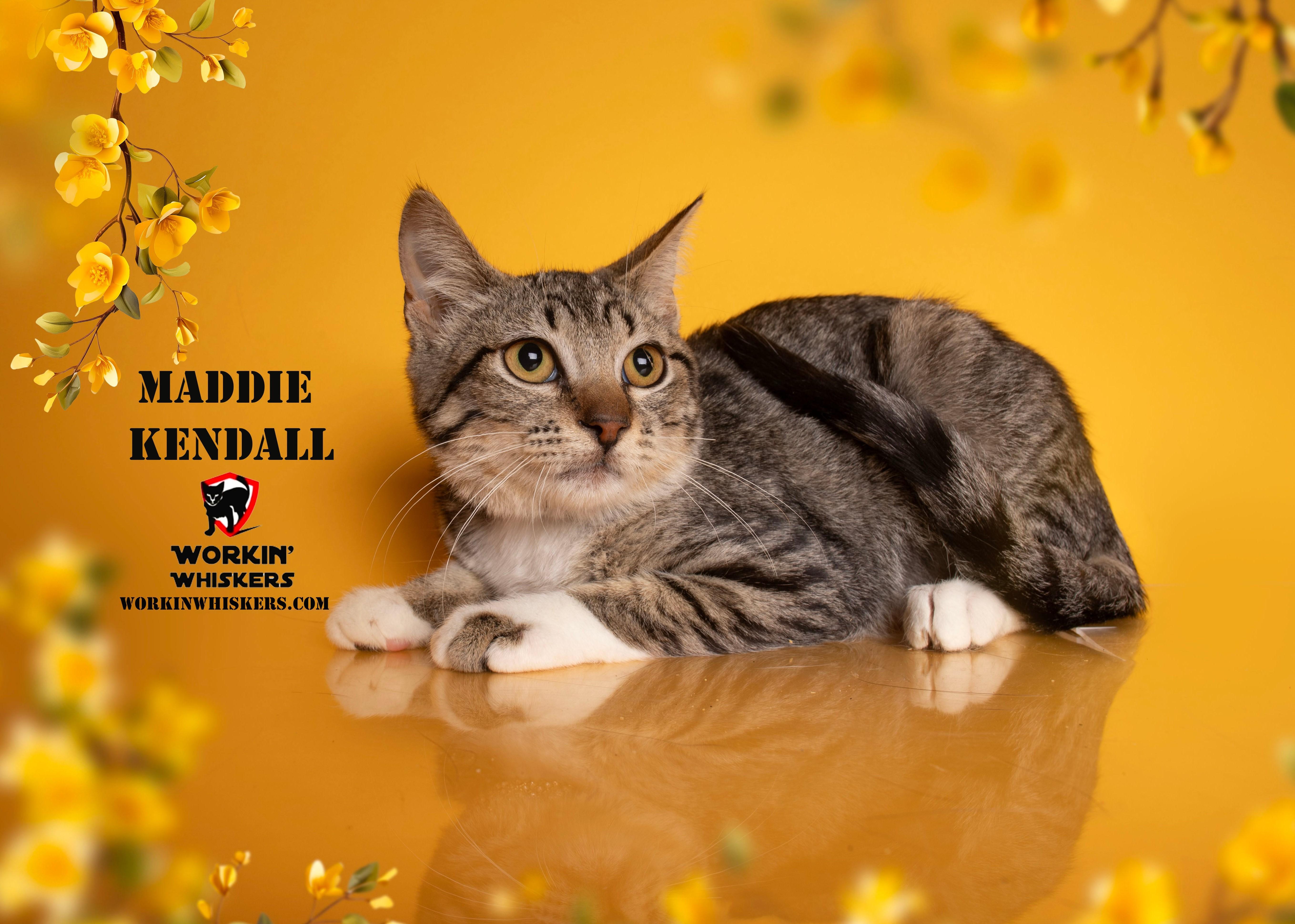
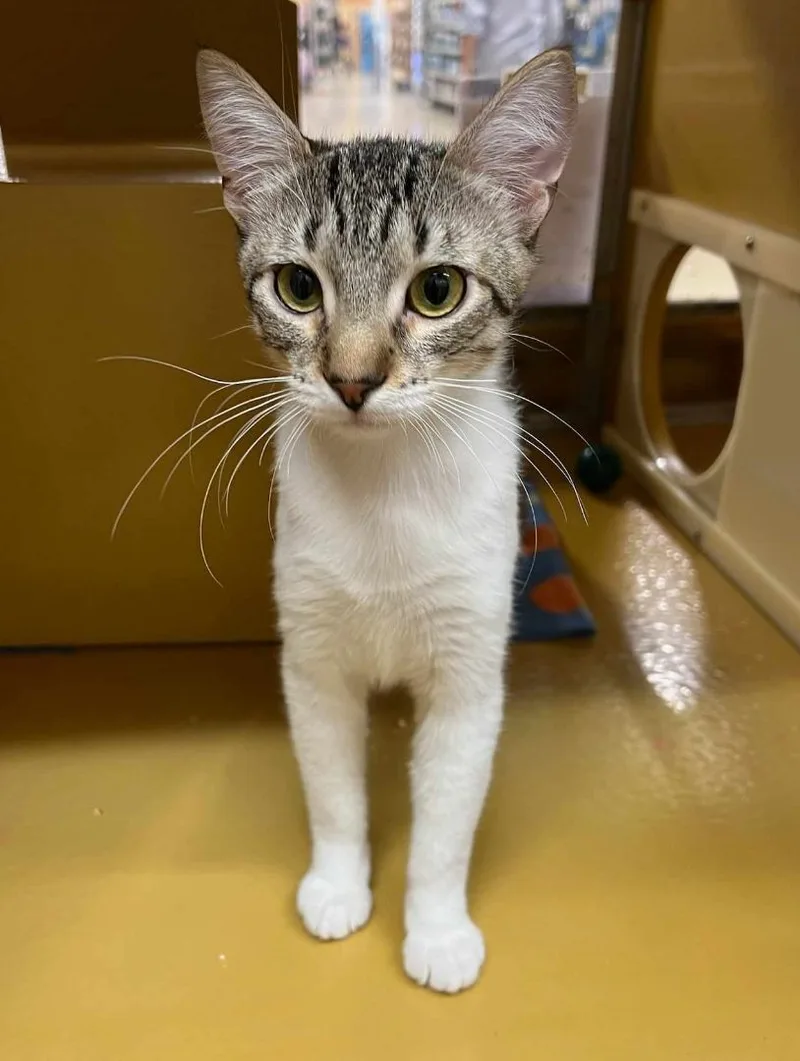
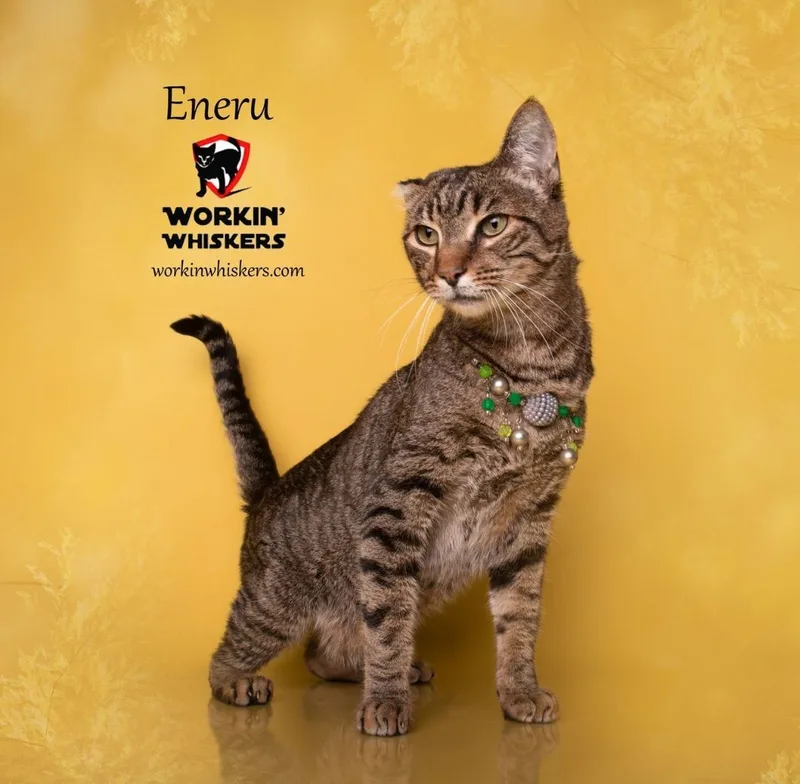
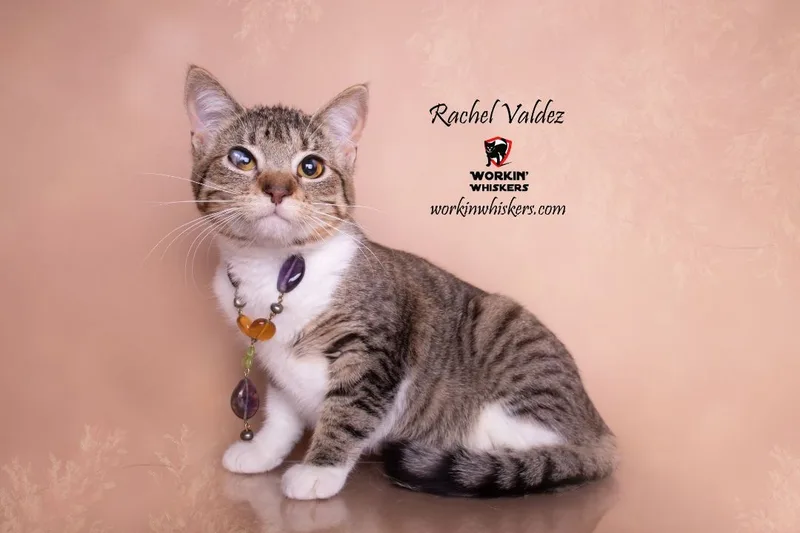
53 Egyptian Maus available in Honolulu and nationwide

Bring home an Egyptian Mau

While we don't have enough cats near Honolulu, keep in mind that many rescues may offer transport.

Egyptian Maus Available for Adoption Near Honolulu

About the Egyptian Mau breed

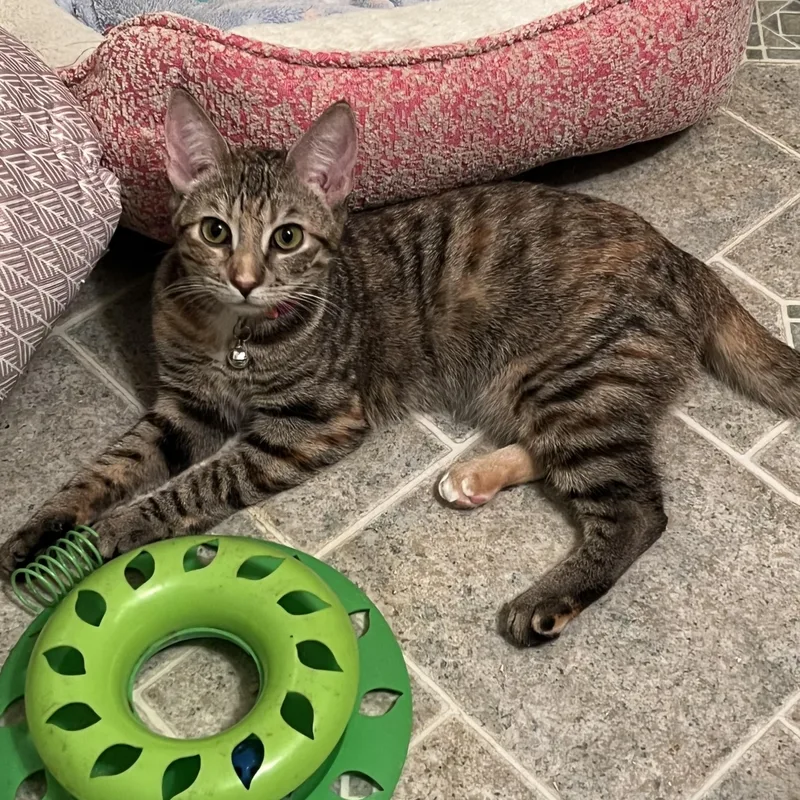
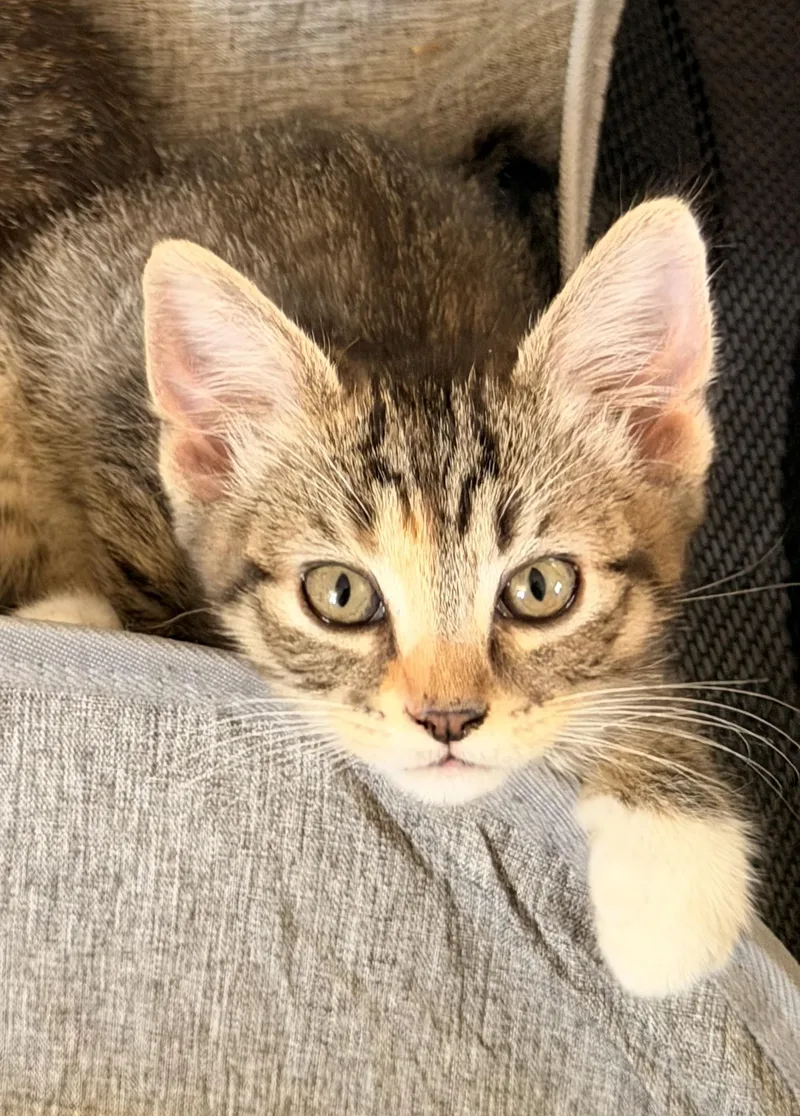
The Egyptian Mau is the only naturally spotted domestic cat breed, with a scarab-like M on the forehead, dark mascara lines beside gooseberry-green eyes, and a coat in silver, bronze or smoke. Spotted cats appear in ancient Egyptian art, but the modern breed dates to the 1950s, when Princess Nathalie Troubetskoy brought three Maus from Italy to the United States. Loose flank skin and long hind legs give the Mau a distinctive, sprinting stride.

Maus tend to bond closely with their own people and stay reserved with strangers. They're athletic climbers that like interactive play and a household that includes them. In Honolulu, that usually means an indoor life with plenty of vertical space and daily play. Their voices are soft, which helps in shared buildings. The breed is uncommon, so a shelter cat labeled Mau may be a spotted domestic shorthair, and the cat's own personality matters more than the label.

Weight
7–14 lbs
Height
7–11 in
Lifespan
9–15 yrs
Temperament
Active, Devoted, Intelligent
Shedding
Low to Moderate

Owning an Egyptian Mau in Honolulu

Having an Egyptian Mau in Honolulu

Maus are athletic, devoted cats whose needs center on play, height and a calm home. In Honolulu, indoor climbing space, steady warmth and a registered microchip are the practical points, and each cat's confidence varies more than the breed label suggests.

Temperament

Many Maus bond closely with their people and take time to trust visitors, so a Honolulu household with a steady routine often suits them. Some chirp softly or follow family members from room to room. A cat's own comfort level matters more than breed expectations, and a shy Mau may need a quiet space at first.

Exercise Needs

Plan on daily interactive play: wand toys, fetch and puzzle feeders, spread over several short sessions. In a condo, a tall cat tree and window perches give a Mau room to climb and sprint. Some learn harness walking, but hot afternoon pavement makes early morning or evening, or enclosed outdoor time, the safer choices.

Health Considerations

Maus show a higher rate of urate bladder stones, so fresh water, a suitable diet and watching litter habits help. Pyruvate kinase deficiency, an inherited cause of anemia, has been reported, and a veterinarian can review any available records. Dental care and yearly exams matter, and Honolulu's year-round warmth makes flea prevention a year-round habit.

Living Space

A Mau does well in Honolulu's condos and apartments as long as there's vertical space: cat trees, shelves and window perches. Secure screens and lanai railings, since Maus jump and climb readily, and offer a quiet hiding spot while a cautious cat settles in. Enclosed or supervised outdoor time is safer than free roaming.

What it costs to own an Egyptian Mau in Honolulu

ExpenseTypical costPer year
Food$25 to $50 per month$300 to $600
Pet insurance$25 to $50 per month$300 to $600
Routine vet care$150 to $350 per year$150 to $350
Other*$450 to $1,150 per year$450 to $1,150
Estimated yearly total (after year one)$1,200 to $2,700

Other costs are estimates and vary with size, age and health.

* Litter, year-round flea prevention, a dental cleaning allowance, toys, scratchers and cat trees, and occasional brushing supplies.

Adopt an Egyptian Mau in Honolulu.

Now that you know more, let’s find you a new best friend. These rescues and shelters below have cats available in and near Honolulu.

Rescues and Shelters in or near Honolulu

Oʻahu's adoption community includes the Hawaiian Humane Society, the Oʻahu SPCA in Wahiawā, and volunteer-run rescue groups. Here are the rescues & shelters in the Honolulu area with cats available for adoption, worth asking whether an Egyptian Mau is coming in.

Frequently Asked Questions

Yes. No breed-specific rules are known for cats in Honolulu, so an Egyptian Mau is treated like any other cat. Cats four months and older need a registered microchip, and outdoor cats need a collar and ID tag. Because the breed is uncommon, watch the listings on this page, and consider similar breeds or saving a search.

Mostly yes. Normal highs stay in the 80s year-round and nights never turn cold, which suits a short-coated Mau. The risks are sun and humidity, and about 32 days a year reach 90°F, mostly July through September. Keep a shaded, ventilated room and fresh water available, and never leave a cat in a parked car.

Yes. Maus care more about vertical space than floor area, so a cat tree, shelves and window perches work well in a Honolulu condo or apartment. Their soft voices are easy on neighbors, though evening sprints can be noisy. Secure lanai screens and railings, and get the building's pet policy in writing before signing a lease.

It can be, for people who are home enough to play with the cat daily and keep it indoors or in an enclosed space. Maus are active, devoted and often cautious with guests, so a calm household suits them. Fireworks around New Year's frighten many cats, so keep a quiet room ready and microchip details current.

Very little. A Mau's short coat usually needs only weekly combing to remove loose hair, and Honolulu's steady warmth means no heavy seasonal coat changes. Nail trims and teeth care matter more. Brushing supplies are counted in the Other costs on this page, so a professional groomer usually isn't necessary.

Only in a carrier. TheBus and Skyline allow pet cats only in a small, closed carrier, held on your lap or placed under the seat, and Skyline prohibits open food and drink. Larger Maus may not fit a lap-size carrier comfortably, so practice at home first and keep trips short on hot days.

No, Egyptian Maus are not hypoallergenic. No cat breed is, because the main cat allergen comes from saliva and skin glands rather than the hair itself. Maus have short coats that shed lightly, which may help a little, but people with allergies can still react. Spend time with the specific cat before adopting if anyone in the household has allergies.

Yes, Egyptian Maus are fairly rare. The modern breed descends from only a few cats brought to the United States in the 1950s, and it ranks in the middle to lower range of the CFA's breeds by registrations. Purebred Maus seldom appear in shelters, so breed rescues and patient searching give the best chance of adopting one.

Without papers or a DNA test, you cannot be certain your cat is an Egyptian Mau. Signs that point toward the breed include randomly spotted fur in silver, bronze or smoke, a scarab-like M on the forehead, mascara lines by the eyes, gooseberry green eyes and a loose skin flap by the hind legs. Many spotted shelter cats are domestic shorthairs.

A Mau typically costs about $1,200 to $2,700 a year in Honolulu. Food runs $25 to $50 a month and pet insurance $25 to $50 a month. Routine vet care is $150 to $350 a year, and other costs such as litter, flea prevention and dental care add $450 to $1,150. Honolulu has no cat license fee.

Explore Other Breeds in Honolulu

Looking for a different breed? Browse other cats available for adoption in Honolulu.