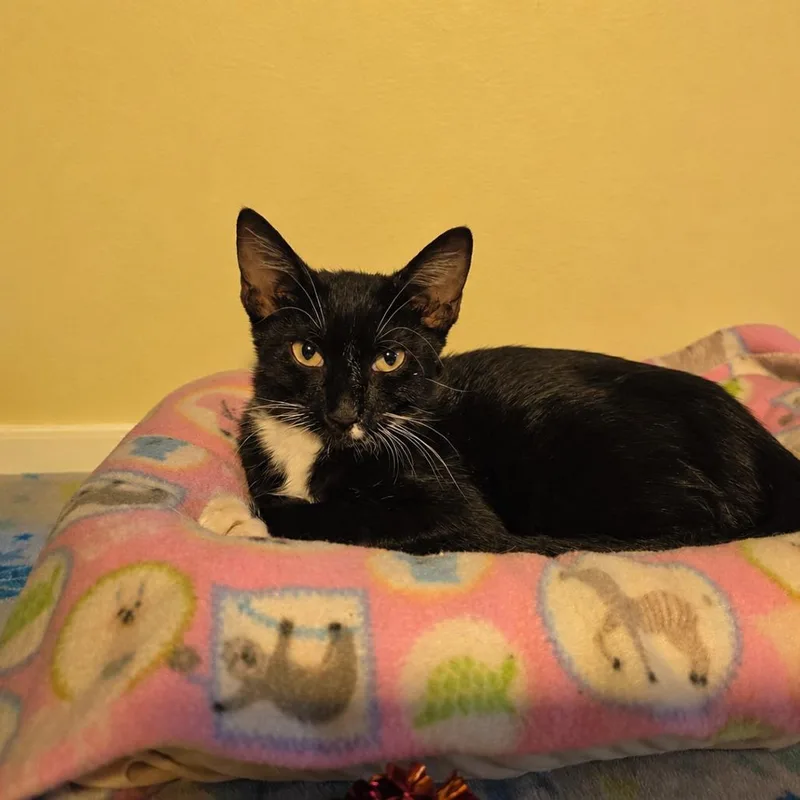
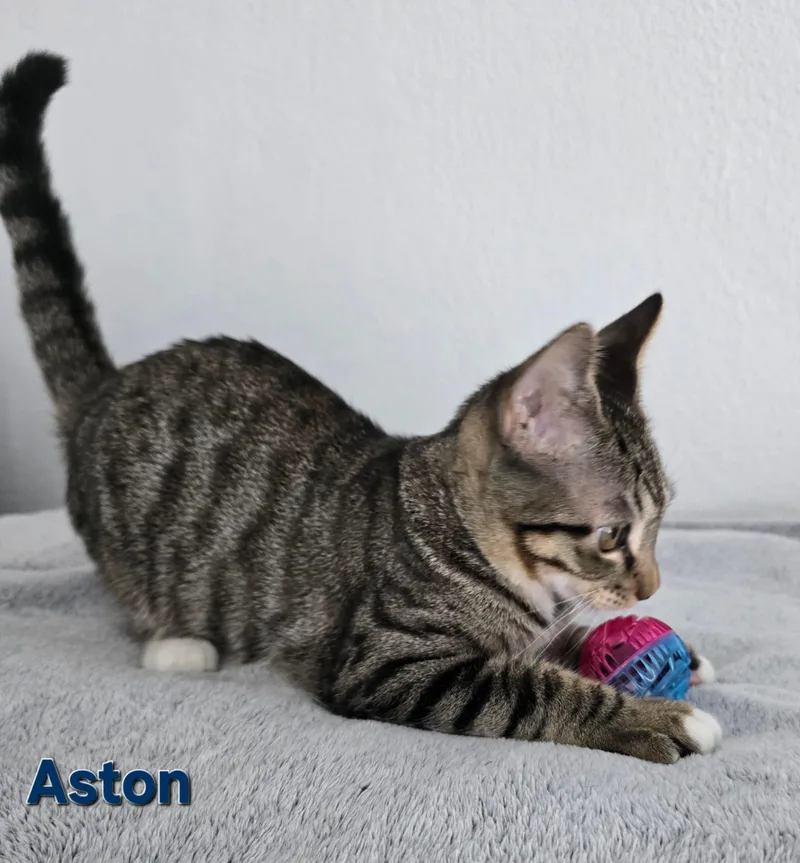
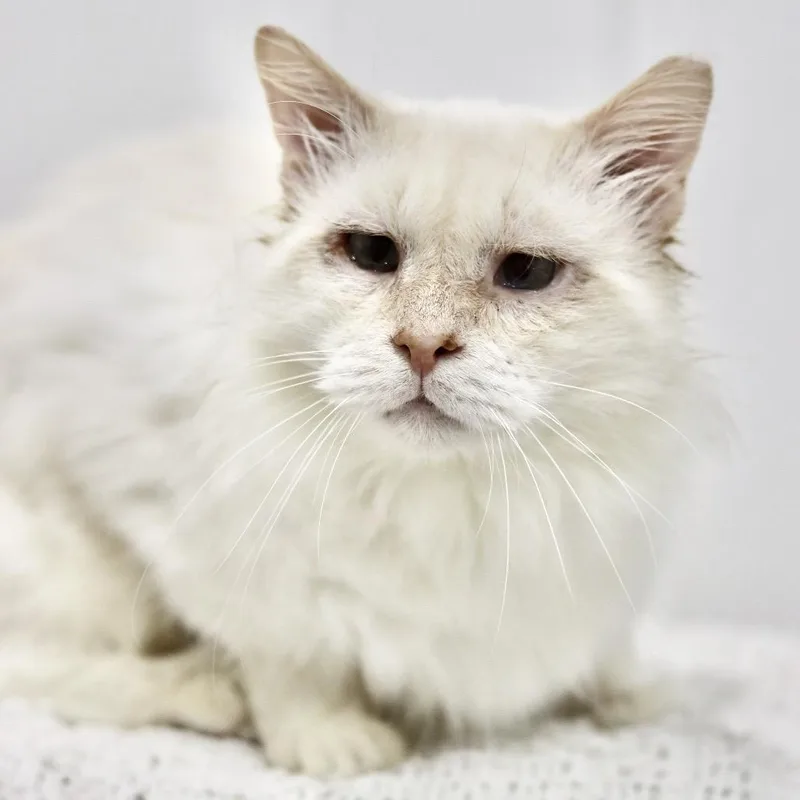
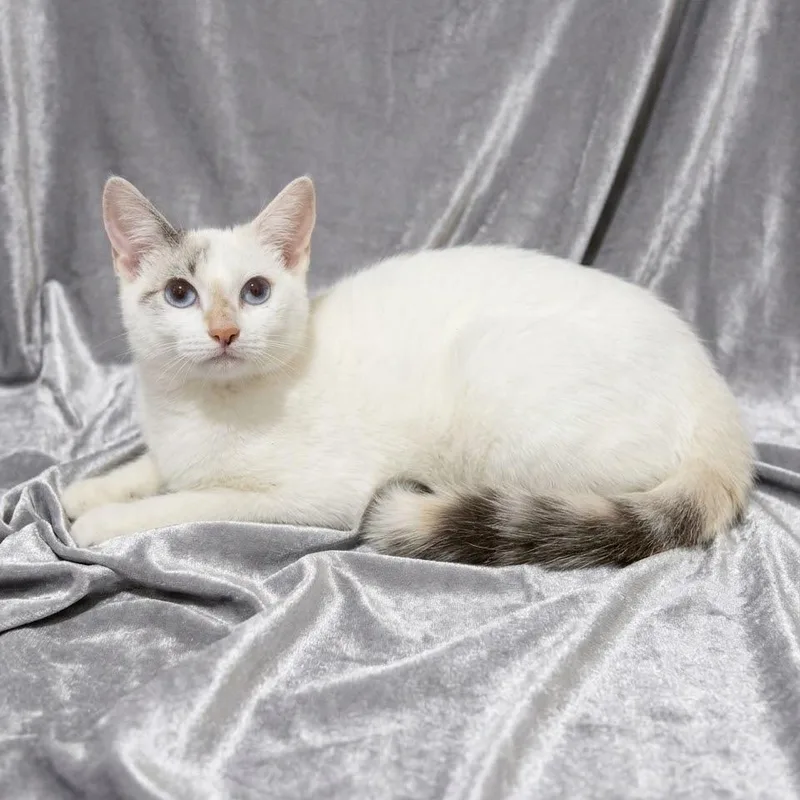
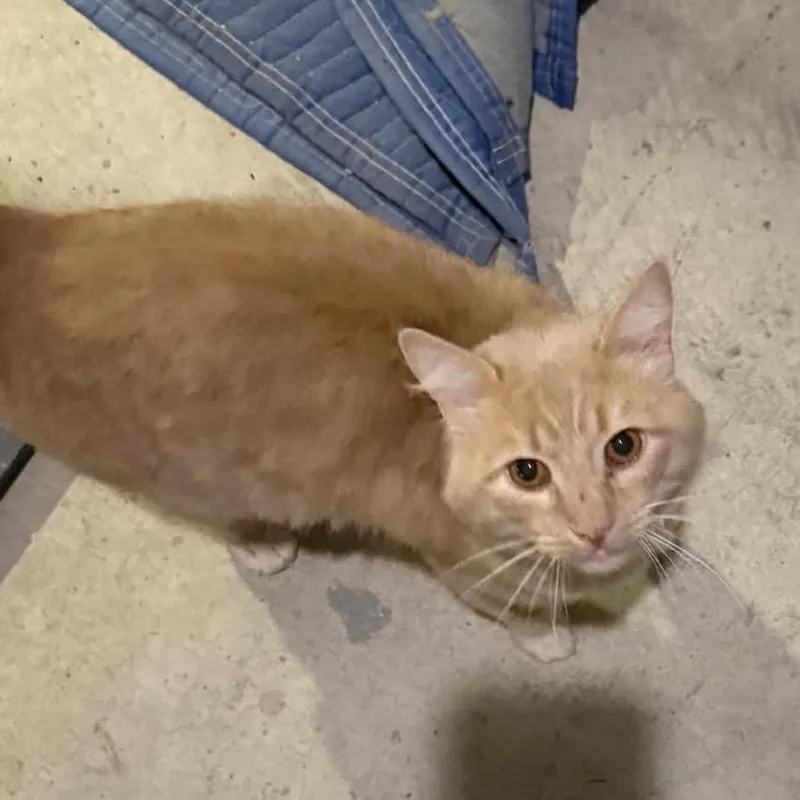
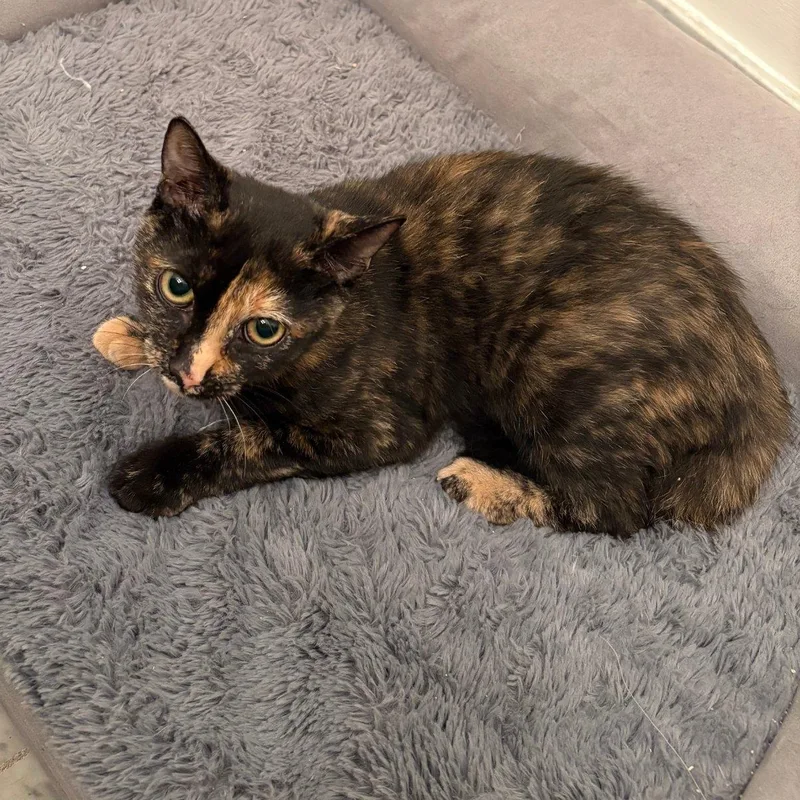
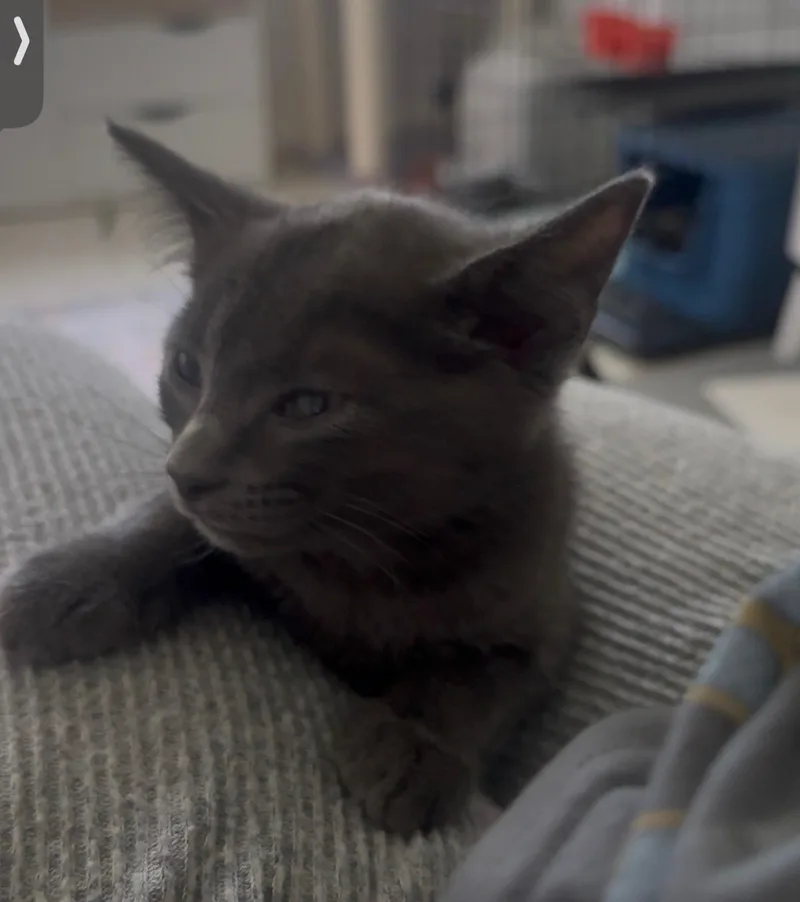
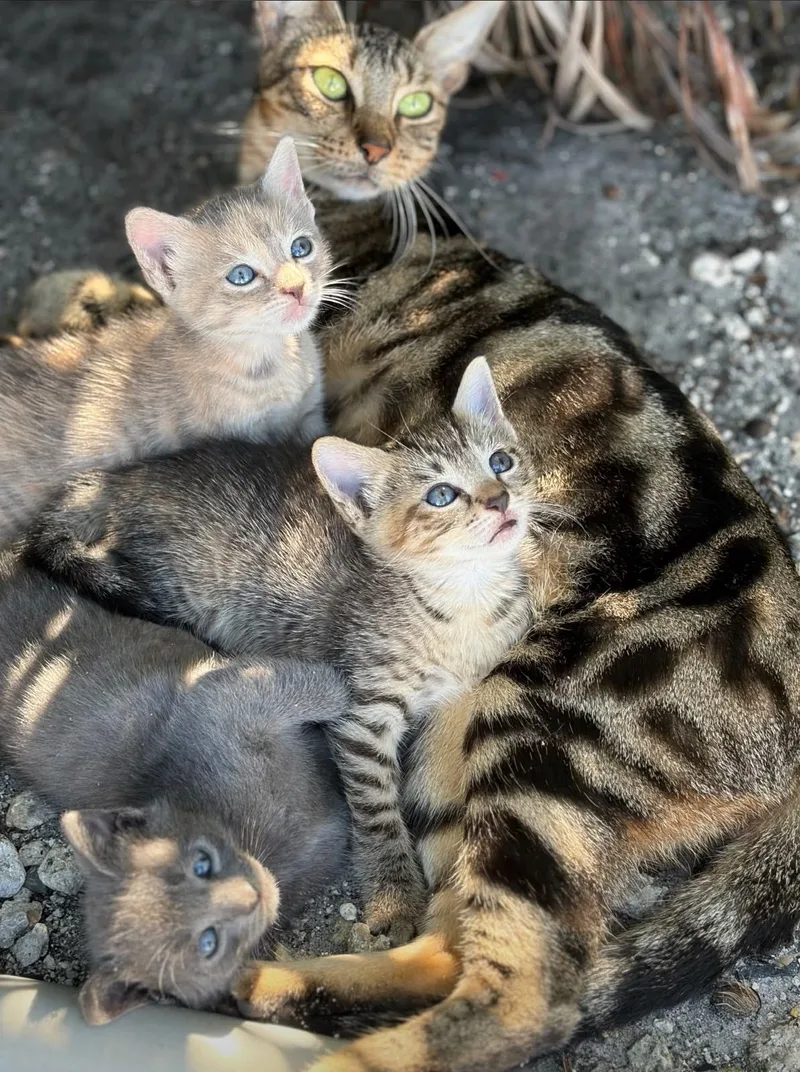
Extra-Toes Cat / Hemingway Polydactyls for Adoption in Miami, FL

Your guide to finding and caring for an Extra-Toes Cat / Hemingway Polydactyl in Miami

An extra-toes cat fits Miami apartment life easily, especially one with a sunny window in an Edgewater tower. The mitten paws are a quirk, not a personality type, so these cats can be chatty, shy or anywhere in between. Whether home is a Biscayne Bay high-rise or a Flagami duplex, plan on a window perch, a sturdy scratching post for the extra claws, and some play every day. Indoor living also keeps a cat clear of traffic on busy streets like Biscayne Boulevard.

195 Extra-Toes Cat / Hemingway Polydactyls available in Miami and nationwide

Adopt a Polydactyl cat today

While we don't have enough cats near Miami, keep in mind that many rescues may offer transport.

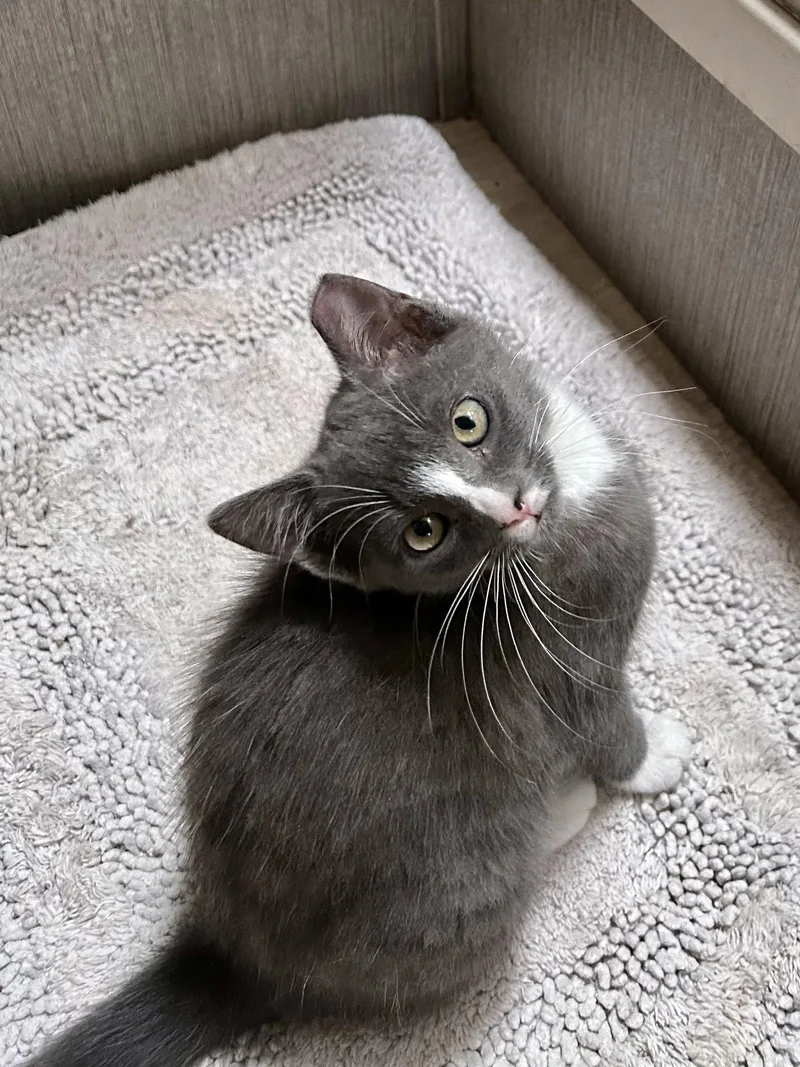
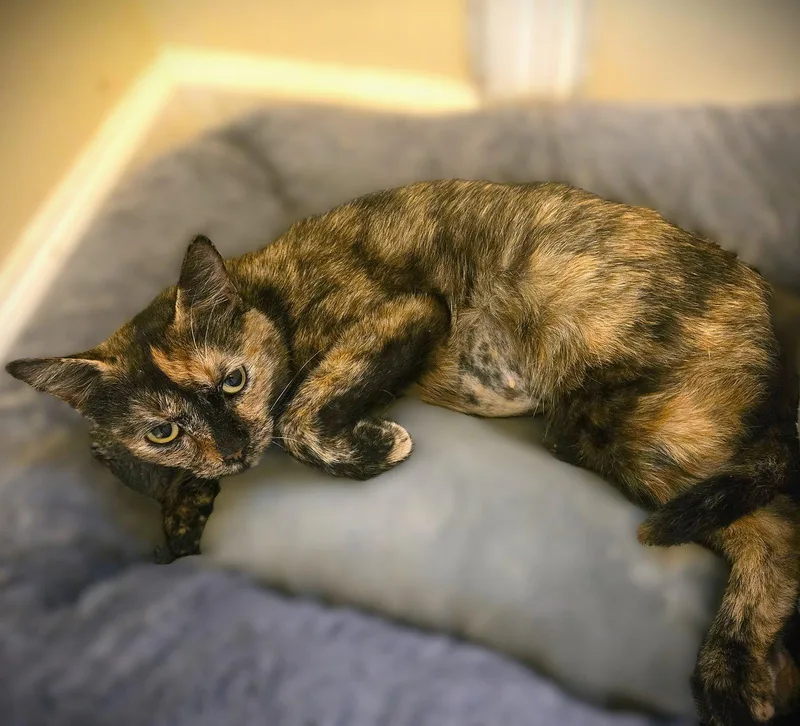
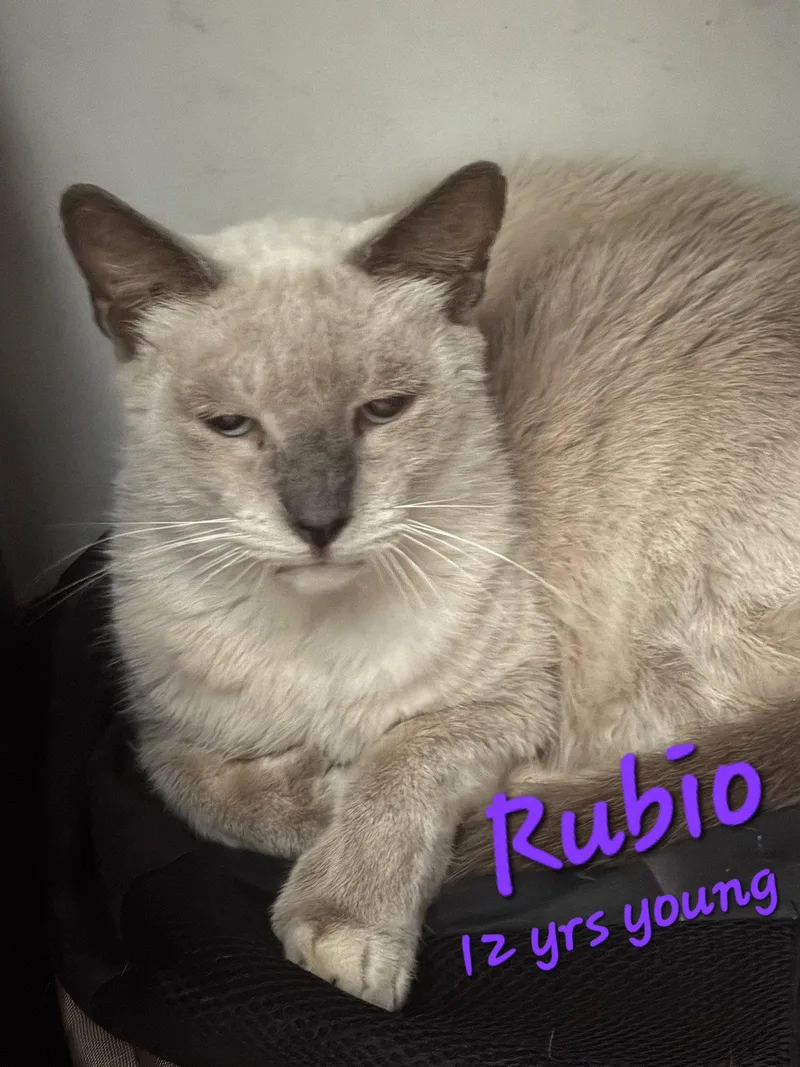
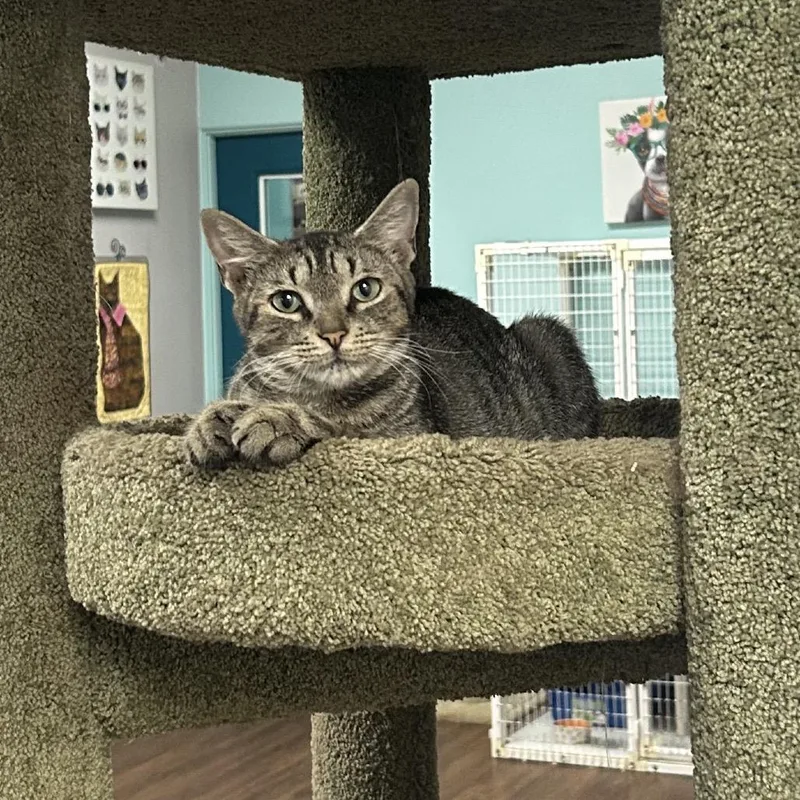
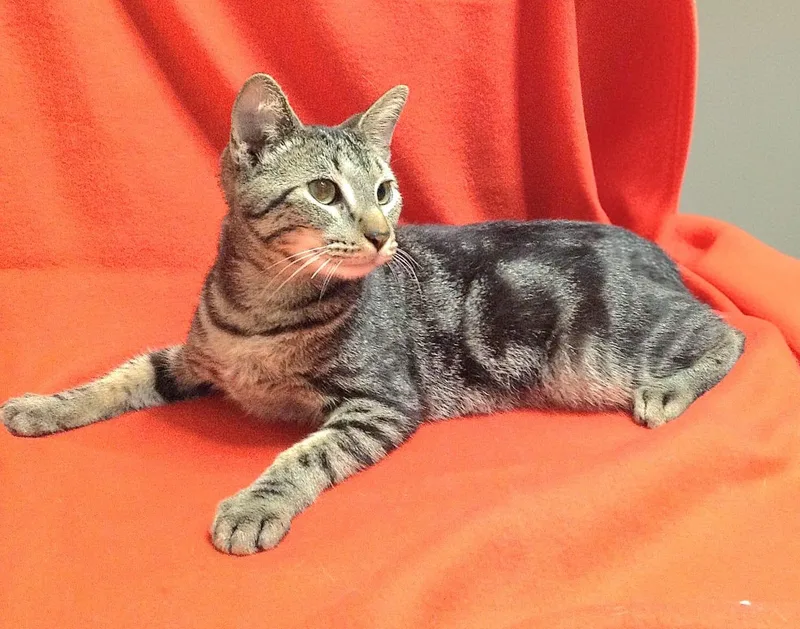
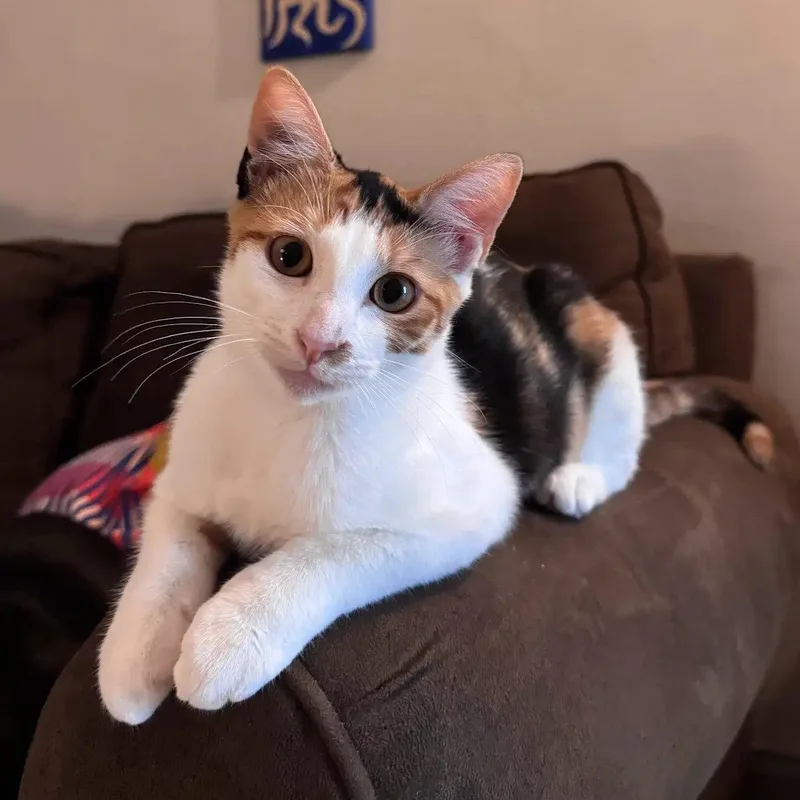
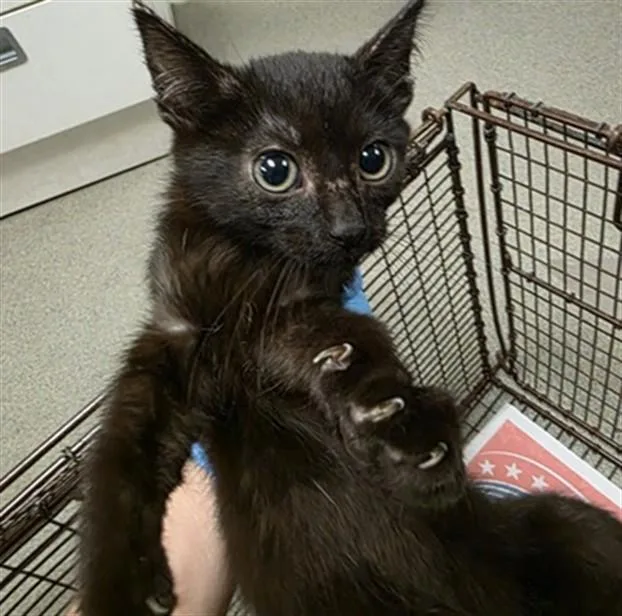
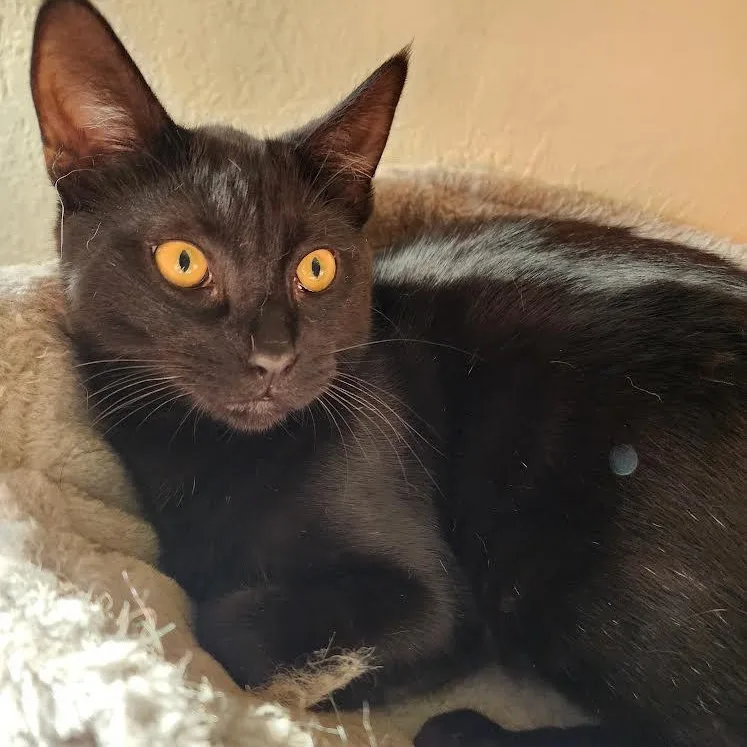
Extra-Toes Cat / Hemingway Polydactyls Available for Adoption Near Miami

About the Extra-Toes Cat / Hemingway Polydactyl breed

An extra-toes cat isn't a breed. It's any cat born with polydactyly, a harmless genetic variation that adds toes to one or more paws. Most cats have 18 toes, while polydactyls often have six or seven on a front paw, which can look like a mitten or a thumb. The trait is dominant, so one affected parent can pass it to about half a litter. It's most common in New England and Atlantic Canada, where ship cats were prized as mousers.

The Hemingway nickname comes from Ernest Hemingway, whose six-toed cat, Snow White, left descendants that still live at his Key West home. Most extra-toed cats are domestic shorthairs or longhairs, so coat and personality vary as much as in any cat. The main care difference is nail trimming, since extra claws can curl into the paw pads.

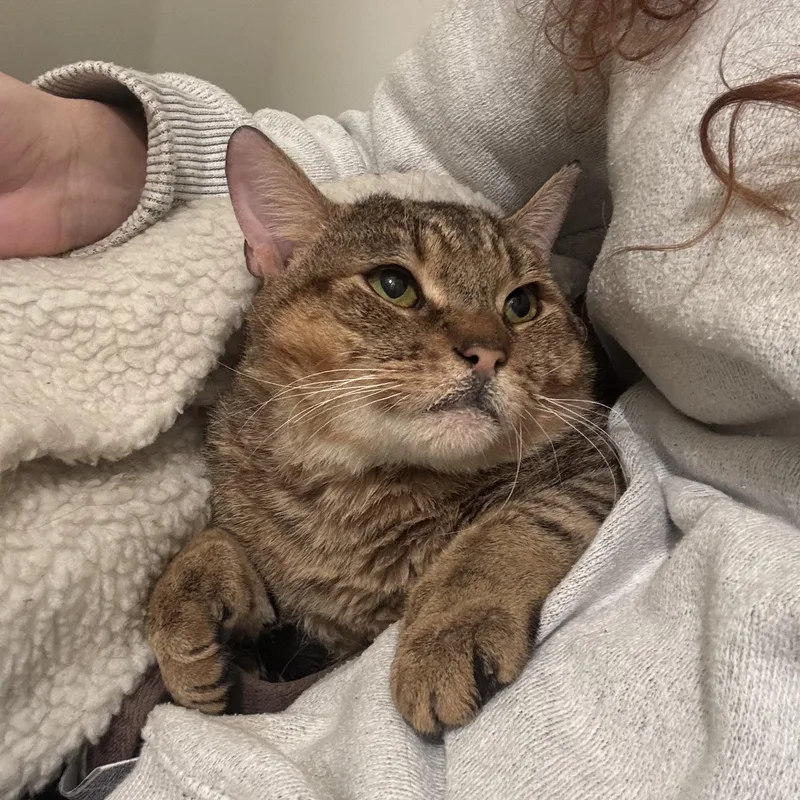
Weight
6–15 lbs
Height
8–10 in
Lifespan
12–18 yrs
Temperament
Adaptable, Curious, Affectionate
Shedding
Moderate

Owning an Extra-Toes Cat / Hemingway Polydactyl in Miami

Having an Extra-Toes Cat / Hemingway Polydactyl in Miami

Extra toes don't decide personality or health. What matters most is each cat's age, background and coat, plus a little extra attention to claw care and, in Miami, a cool indoor home with plenty of play.

Temperament

Polydactyl cats range from bold, chatty companions to shy cats who warm up slowly, just like other domestic cats. Tales of extra friendliness or smarts are charming but unproven. In a Miami apartment, a curious cat does well with window views, puzzle feeders and a steady routine, and some use their big paws to bat toys with surprising skill.

Exercise Needs

Plan on daily interactive play with wand toys, balls and puzzle feeders, which suits a Miami apartment where outdoor time isn't part of the day. Cat trees and wall shelves give climbers somewhere to go. Kittens and young adults usually want more play than seniors, and an active cat is less likely to gain weight.

Health Considerations

The common form of polydactyly usually causes no problems by itself. Extra claws may not wear down and can grow into the paw pads, so check them regularly. A rare, unrelated limb condition is sometimes mistaken for polydactyly, so a vet exam after adoption is wise. Otherwise expect typical feline concerns like dental disease, obesity and kidney disease.

Living Space

Extra-toed cats adapt to apartments and houses like any domestic cat. Miami's many high-rise and condo units suit them when there's a window perch, vertical space, sturdy scratching posts and hiding spots. Secure screens or balcony netting matter on upper floors, since cats can fall from open windows and balconies.

What it costs to own an Extra-Toes Cat / Hemingway Polydactyl in Miami

ExpenseTypical costPer year
Food$25 to $50 per month$300 to $600
Pet insurance$20 to $45 per month$240 to $540
Routine vet care$150 to $350 per year$150 to $350
Other*$450 to $1,150 per year$450 to $1,150
Estimated yearly total (after year one)$1,140 to $2,640

Other costs are estimates and vary with size, age and health.

* Litter, flea prevention, a dental cleaning allowance, toys and scratching posts, and home grooming and claw trims.

Adopt an Extra-Toes Cat / Hemingway Polydactyl in Miami.

Now that you know more, let’s find you a new best friend. These rescues and shelters below currently have Extra-Toes Cat / Hemingway Polydactyls available.

Frequently Asked Questions

Yes, for most households. Extra-toes cats are ordinary domestic cats, so they adapt to Miami's apartments and condos when they get a window perch, daily play and air conditioning through the long hot season. Lease rules and hurricane planning deserve attention up front. Temperament varies from cat to cat, so look at the cat's own personality rather than the extra toes.

Yes, when they live indoors with air conditioning. Miami summers bring highs near 90°F inland, warm nights in the upper 70s and heavy humidity, so keep fresh water out, play in cooler hours and never leave a cat in a parked car. Heavy-coated or flat-faced cats feel the heat most, so call a vet if you see panting or lethargy.

Yes, and apartments are where many Miami cats live, since so many households rent. Get landlord permission in writing and read the lease for pet deposits or fees. Inside, offer vertical space, a sturdy scratching post for the extra claws and a clean litter box. Use window screens or balcony netting on upper floors.

Yes. Extra toes are a harmless trait, not a breed, so they don't change how Miami-Dade's animal rules apply to your cat. Cats 4 months and older need a rabies vaccination, while cat registration is voluntary. Landlords and condo associations set their own pet rules, so confirm yours before you commit.

Yes, in a closed carrier. Miami-Dade Transit requires pets on Metrobus, Metrorail and Metromover to be in a properly enclosed carrier that doesn't interfere with the bus or train. Miami's rail is mostly elevated, not a subway. Choose a sturdy, well-ventilated carrier and get the cat used to it before the first trip.

Less than many people expect, depending on the coat. Brush shorthairs weekly and longhairs several times a week to keep fur from matting. The main extra task is checking and trimming the extra claws every few weeks so they don't curl into the paw pads. Most cats need no professional grooming, so costs stay within the yearly $450 to $1,150 for other expenses.
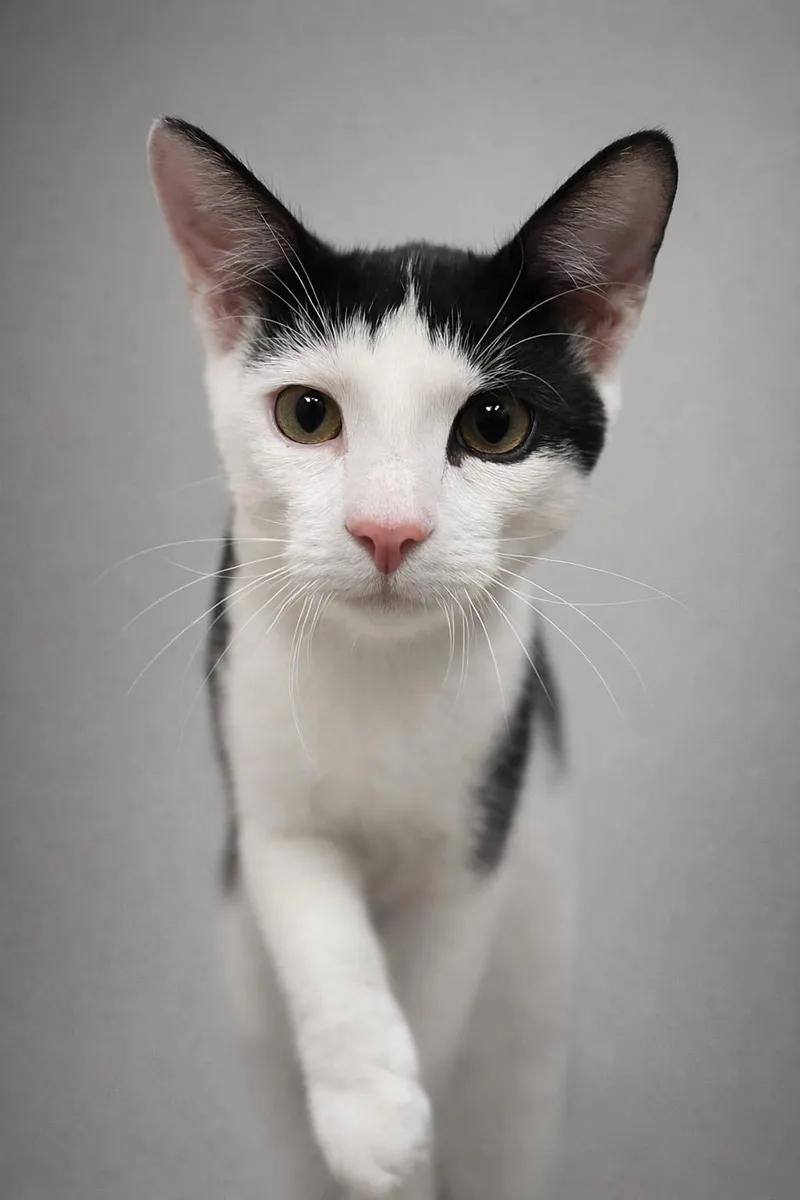
A cat normally has 18 toes: five on each front paw and four on each back paw. The fifth front toe is the dewclaw, set higher on the inside of the leg like a thumb, so it doesn't touch the ground when the cat walks. Polydactyl cats have more than 18, most often an extra one or two per front paw.

Cats don't have true thumbs. The dewclaw on each front paw sits in a similar position to a human thumb and helps a cat grip prey and climb, but it isn't opposable. Some polydactyl cats have extra toes on the inner side of the paw that look like a thumb, which is where the nickname thumb cat comes from.

We have 1 rescue with Extra-Toes Cat / Hemingway Polydactyls available: Love n Light Furever. You can see every rescue with Extra-Toes Cat / Hemingway Polydactyls available in the list above these questions, or scroll to the top to see the Extra-Toes Cat / Hemingway Polydactyls near Miami.

Recurring costs for an extra-toes cat in Miami add up to roughly $1,140 to $2,640 a year. That covers food at $25 to $50 a month, insurance at $20 to $45 a month, routine vet care at $150 to $350 a year, and other costs such as litter, flea prevention and dental care at $450 to $1,150 a year. Emergencies are extra.

Find Extra-Toes Cat / Hemingway Polydactyls in Nearby Cities

Expand your search to find Extra-Toes Cat / Hemingway Polydactyls available for adoption near Miami.