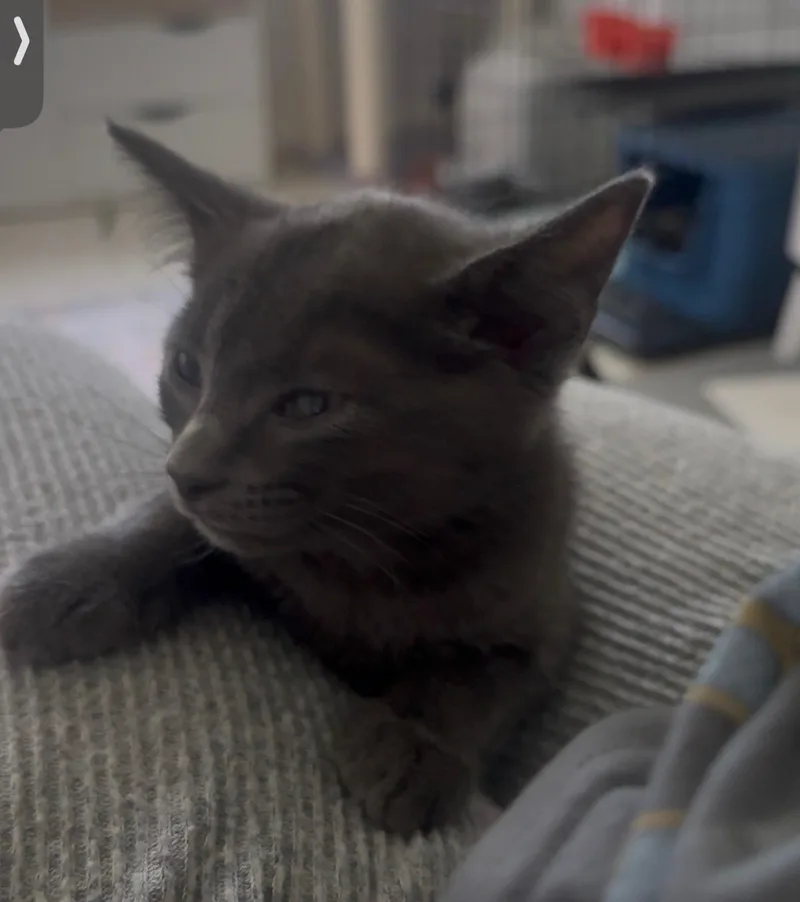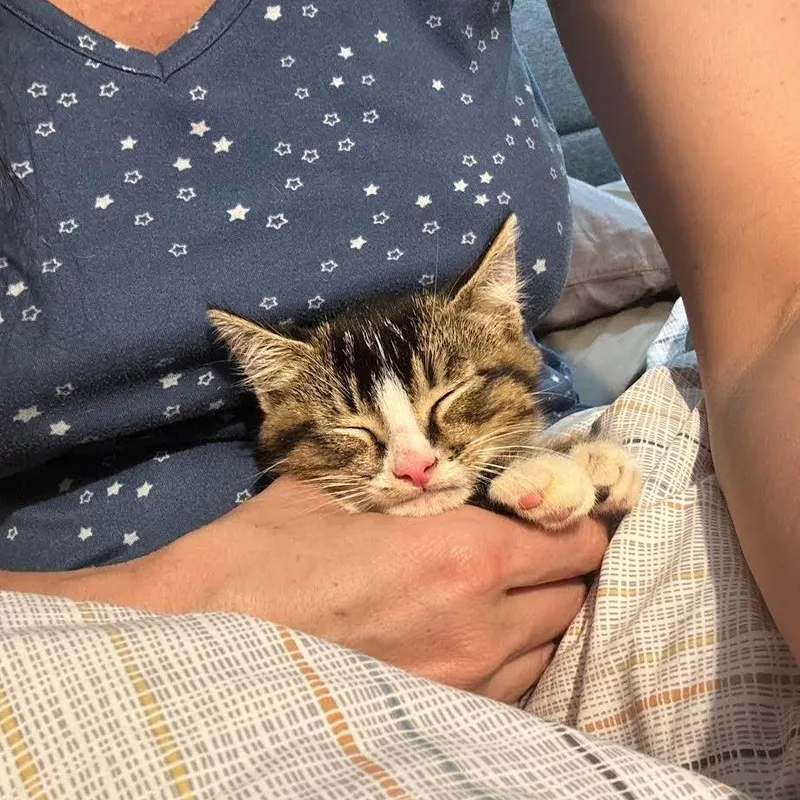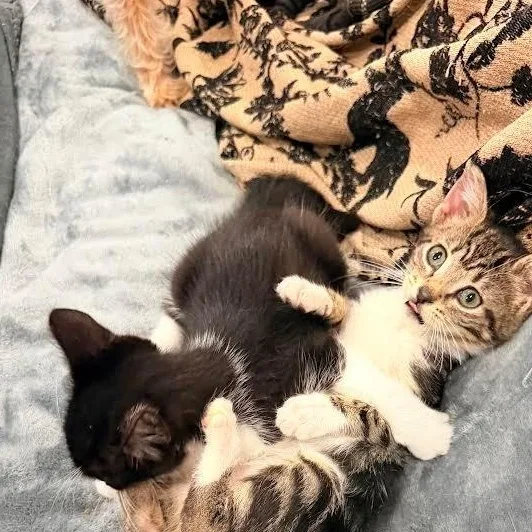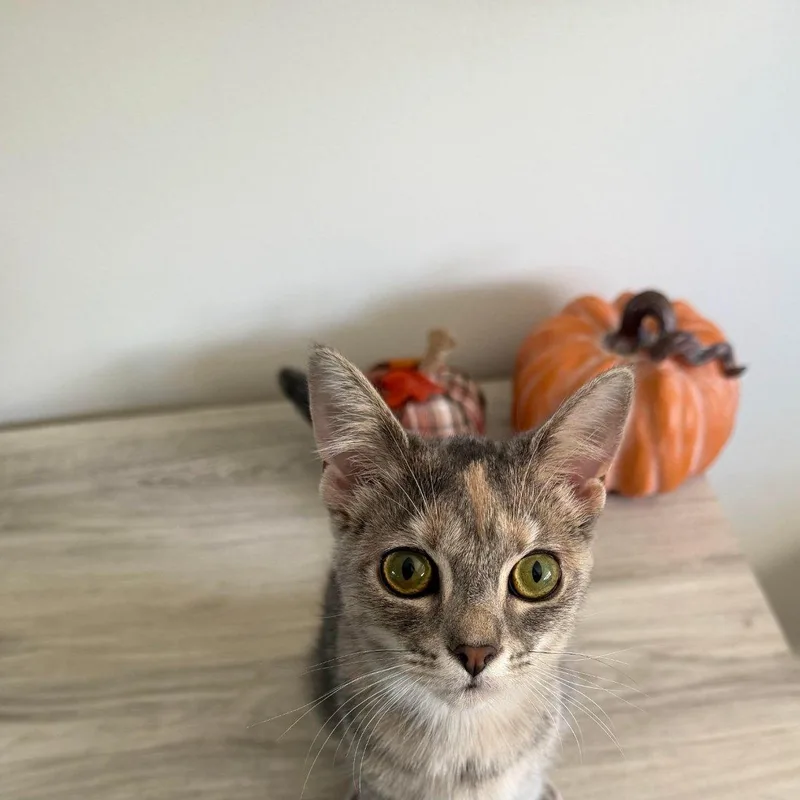
Tabby Cats for Adoption in Miami, FL

Your guide to finding and caring for a Tabby in Miami

Tabbies fit Miami apartment life easily, whether home is a Flagami duplex or a Midtown condo. Tabby is a coat pattern rather than a breed, so size and temperament vary, but most are medium-sized shorthairs that settle happily indoors. A window perch with a view of the street, a tall scratching post and a few short play sessions a day cover most of what they need. Muggy summer nights make an air-conditioned living room the best spot in the house.

58 Tabbies available for adoption in Miami

Find your Tabby

Tabbies Available for Adoption in Miami

About the Tabby breed

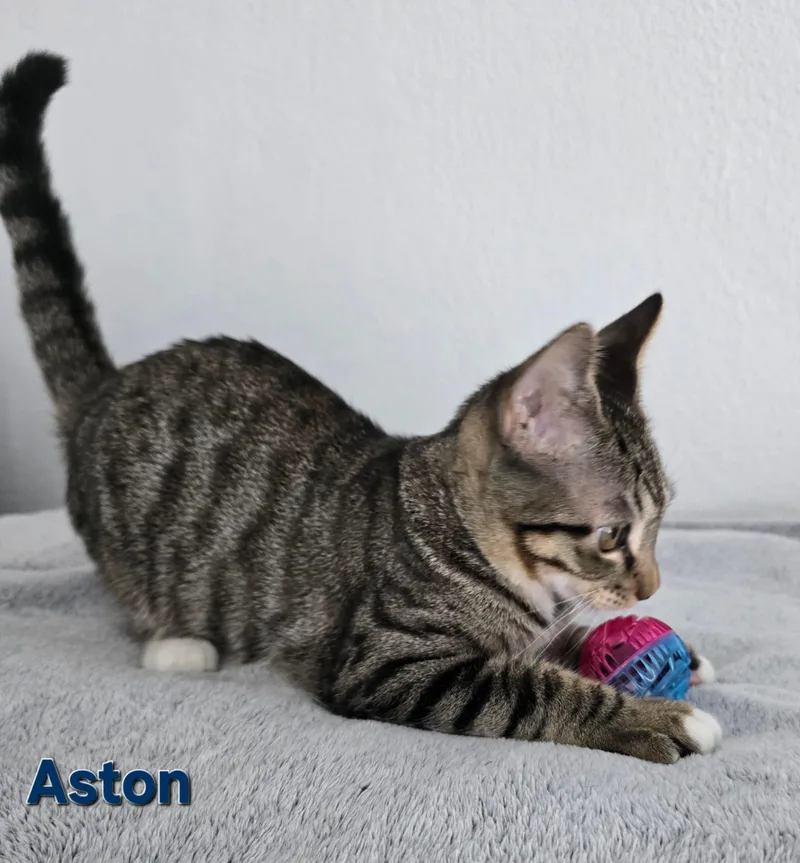
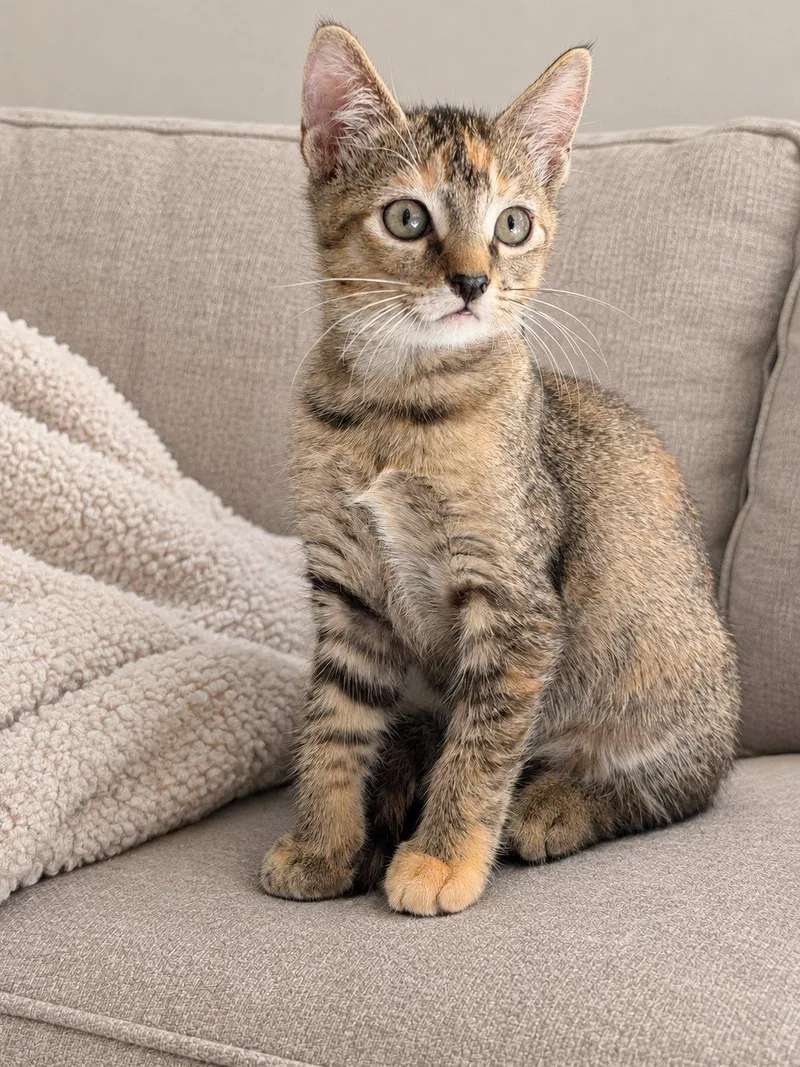
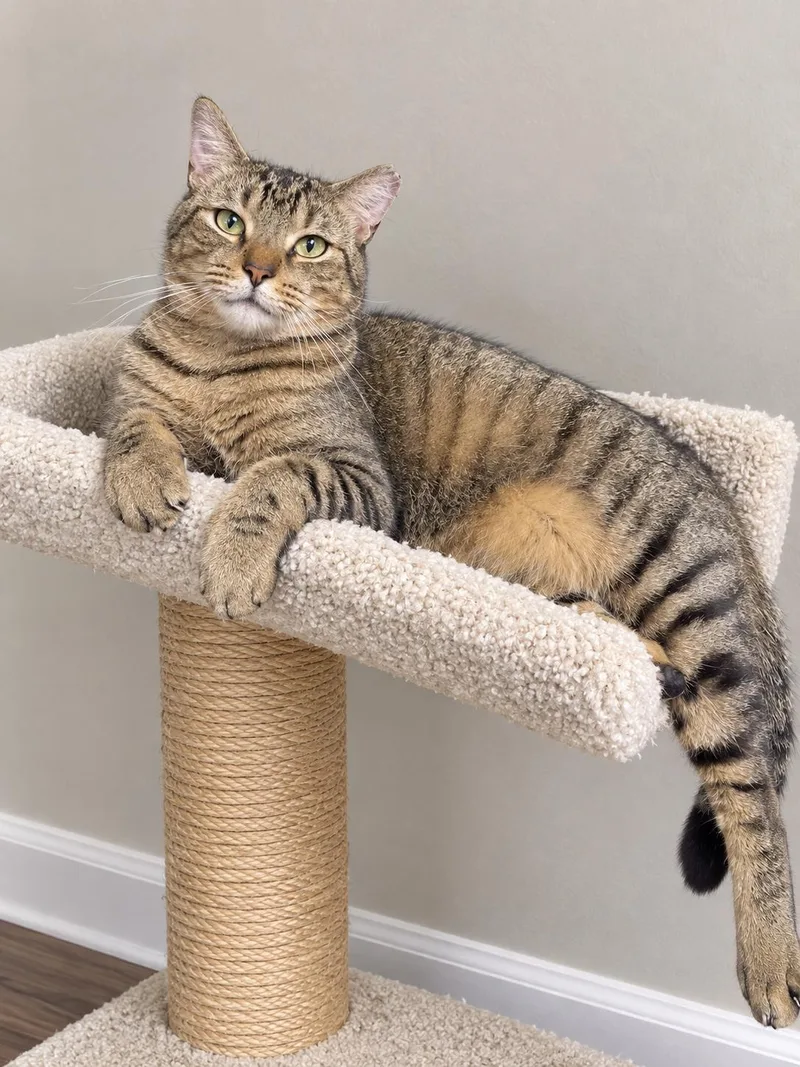
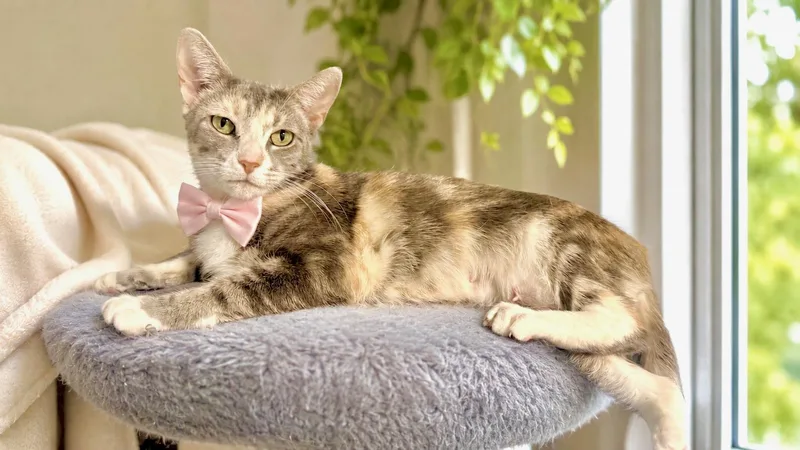
Tabby isn't a breed. It's a coat pattern: stripes, swirls, spots or ticked hairs, plus the M-shaped mark on the forehead. The pattern shows up in domestic shorthairs, Maine Coons, American Shorthairs, Bengals and countless mixes, in brown, orange, gray, silver, cream and more.

Because stripes say nothing about personality, a Tabby in Miami could be a lap cat, a shy observer or a busy climber. Most are medium-sized, around 6 to 14 pounds, with short coats that shed moderately all year, and many live 12 to 18 years. Indoor cats in a hot, humid city do best with air conditioning, fresh water and plenty to climb.

Weight
6–14 lbs
Height
8–10 in
Lifespan
12–18 yrs
Temperament
Curious, Adaptable, Affectionate
Shedding
Moderate

Owning a Tabby in Miami

Having a Tabby in Miami

Tabby describes a coat, so a cat's traits come from its breed or mix, age and history rather than its stripes. In Miami, pay attention to energy level, coat length and how comfortable the cat seems in an apartment.

Temperament

Stripes don't predict personality, so expect everything from outgoing to shy. Many Tabbies are curious, adaptable and affectionate, which helps in busy Miami buildings with elevators, neighbors and street noise. Spend time with the cat and see how it reacts to new sounds and people. The idea that orange Tabbies are friendlier partly reflects that most are male.
Exercise Needs

Daily play that mimics hunting works best: wand toys, chasing and pouncing in two or three short sessions. In a Miami apartment, add a tall cat tree, a window perch and puzzle feeders. Indoor play also sidesteps the heat, since Miami afternoons are too hot and muggy for outdoor adventures.

Health Considerations

Coat pattern doesn't affect health; risks depend on the cat's breed or mix, age and lifestyle. Obesity, dental disease and urinary problems are common in cats, and older cats may develop kidney disease, hyperthyroidism or diabetes. Annual exams, dental care and a healthy weight help, and a veterinarian can advise on flea prevention for Miami's warm, wet climate.

Living Space

Tabbies adapt well to Miami's condos, duplexes and houses if they have places to climb, hide and watch the world outside. In high-rises, keep windows screened or closed and balcony doors shut, since cats can fall. Put litter boxes away from noisy appliances and give the cat a quiet retreat.

What it costs to own a Tabby in Miami

ExpenseTypical costPer year
Adoption fee$175 to $500, one time$175 to $500 in year one
Food$25 to $50 per month$300 to $600
Pet insurance$20 to $45 per month$240 to $540
Routine vet care$150 to $350 per year$150 to $350
Other*$450 to $1,150 per year$450 to $1,150
Estimated yearly total (after year one)$1,140 to $2,640
First-year total (with adoption fee)$1,315 to $3,140

Adoption fee is the range of fees on Tabby listings in Miami on GetBuddy today. Other costs are estimates and vary with size, age and health.

* Litter, flea prevention, a dental cleaning allowance, toys, scratchers and bedding, and occasional grooming.

Adopt a Tabby in Miami.

Now that you know more, let’s find you a new best friend. These rescues and shelters below currently have Tabbies available.

Frequently Asked Questions

Yes, you can get a Tabby in Miami. Tabby is a coat pattern, so no breed rules apply, and Miami-Dade doesn't require a cat license; registration is voluntary. Cats 4 months and older do need a rabies vaccination, which a veterinarian can give. If you rent, confirm in writing that your building allows cats before you adopt.

Yes, as long as the cat is in a properly enclosed carrier. Miami-Dade Transit requires pets on Metrobus, Metrorail and Metromover to be in a cage, kennel or carrier that doesn't interfere with the vehicle. Miami has no subway, since Metrorail is elevated. Choose a sturdy carrier your Tabby already knows, and check current fares before you go.

Yes, indoor Tabbies handle Miami summers well in air conditioning. Highs sit near 90°F inland, nights stay in the upper 70s and humidity is heavy, so keep cats inside, put water in several spots and never leave one in a parked car. Plan for storm-related power outages and keep a carrier ready during hurricane season.

Yes, most Tabbies do well in apartments, which suits Miami's many renters. A coat pattern says nothing about energy, so consider each cat's activity level. Provide a tall cat tree, a window perch and daily play, and keep balcony doors and windows screened or closed, because falls from high-rise buildings are a real risk.

Often, yes, if you can keep the cat indoors and cool. Tabbies are typically adaptable, but personality matters more than stripes, so look for a cat that seems relaxed around noise and visitors. Since Miami is hurricane-prone, put together an emergency kit with a carrier, food, litter, medications and vaccination records.

Most Tabbies are shorthairs that need a quick brushing once or twice a week, a little more during spring shedding. Long-haired Tabbies need brushing several times a week to prevent mats. Occasional professional grooming falls under the Other costs line, and regular nail trims and dental care keep a cat comfortable year-round.

A tabby cat is any cat with a tabby coat pattern, meaning stripes, swirls, spots or ticked hairs plus a distinctive M-shaped marking on the forehead. Tabby is not a breed. The pattern appears in domestic shorthairs and longhairs as well as many pedigreed breeds, such as the American Shorthair, Maine Coon and Abyssinian, and it is one of the most common cat patterns.

A tabby cat isn't any one breed, because tabby is a coat pattern. Cats with the pattern include shelter domestic shorthairs and longhairs as well as breeds such as the American Shorthair, Maine Coon, Bengal and Abyssinian. Most tabbies available for adoption are mixed-breed domestic cats, so browse the cats listed here and look at each one's age and personality.

We have 6 rescues with Tabbies available, including Love n Light Furever, Animal Lovers Rescue LLC and Project Saving Paws. You can see every rescue with Tabbies available in the list above these questions, or scroll to the top to see the Tabbies in Miami.

Plan on roughly $25 to $50 a month for food, $20 to $45 a month for pet insurance, $150 to $350 a year for routine vet care, and $450 to $1,150 a year for other costs such as litter. That works out to about $1,140 to $2,640 a year in total.