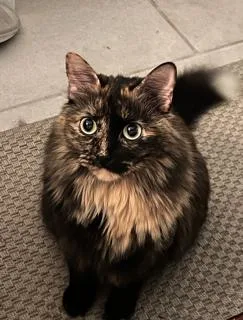
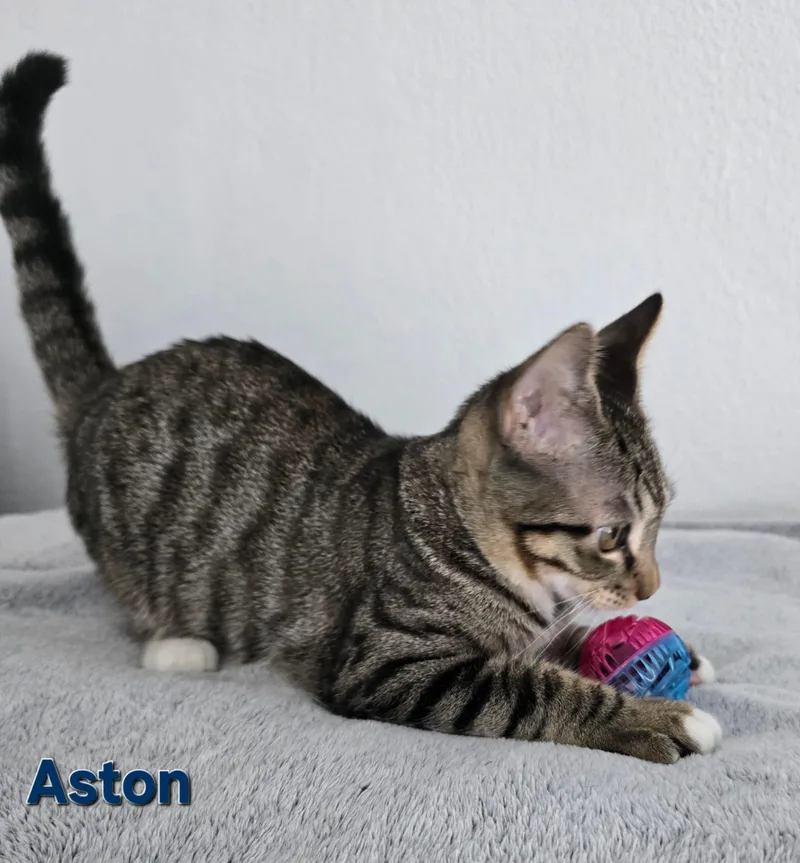
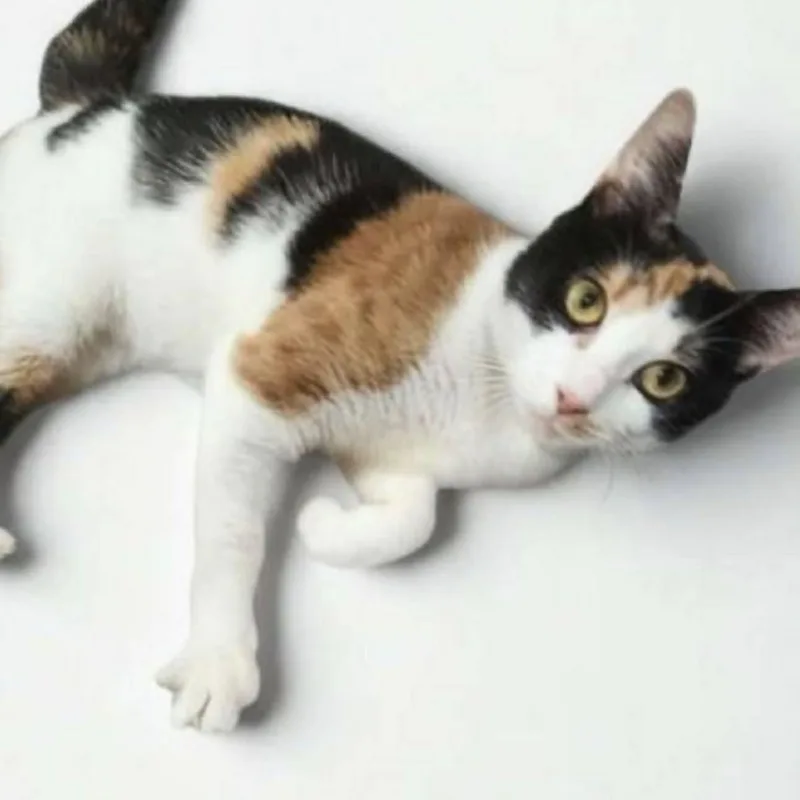
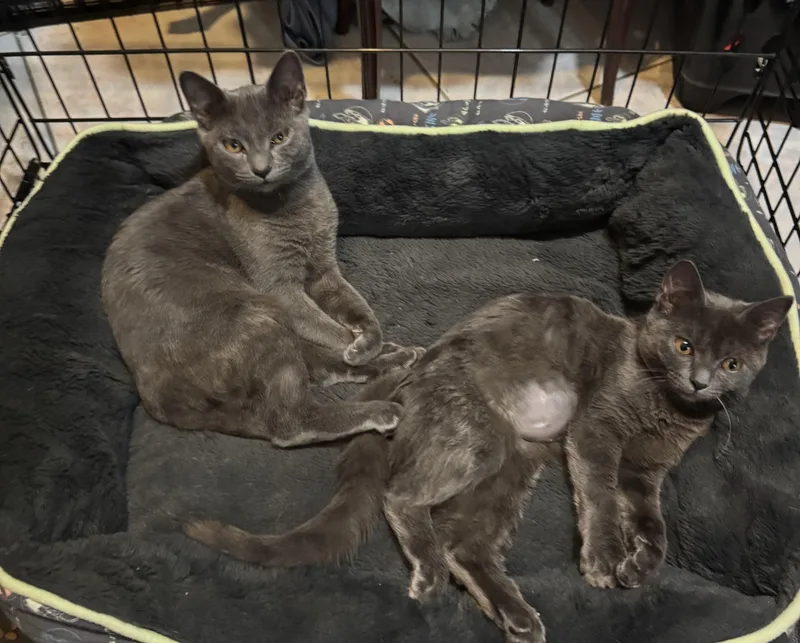
Bengal Cats for Adoption in Miami, FL

Your guide to finding and caring for a Bengal in Miami

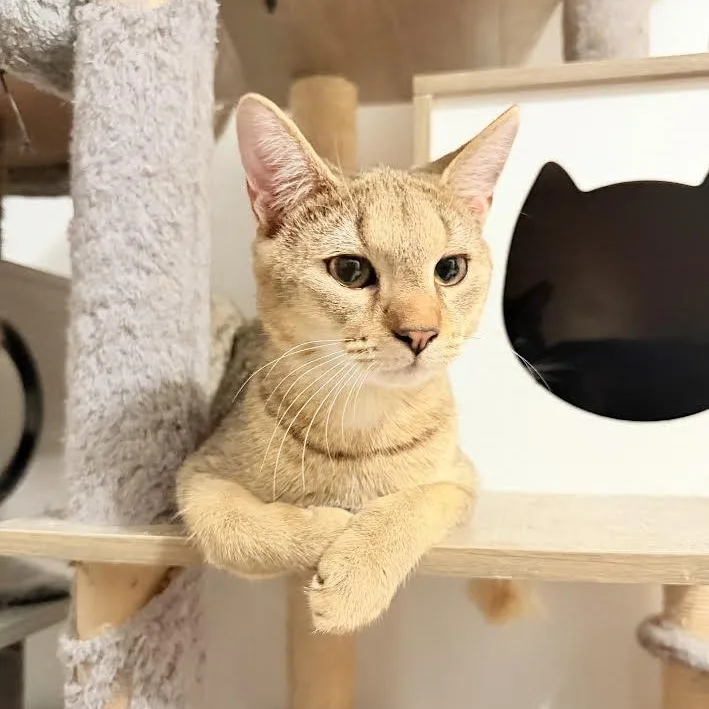
Bengals suit Miami apartment life well, as long as the windows and climbing space keep them busy. A high-rise in Edgewater or a duplex in Flagami works fine for a cat that cares more about vertical territory than square footage. Bengals want a tall tree by a window, a wand toy session or two a day, and something to solve, like a puzzle feeder. Left alone with nothing to do, they'll find their own projects, usually your cupboards.

147 Bengals available in Miami and nationwide

A Bengal is ready for you

While we don't have enough cats near Miami, keep in mind that many rescues may offer transport.

Bengals Available for Adoption Near Miami

About the Bengal breed

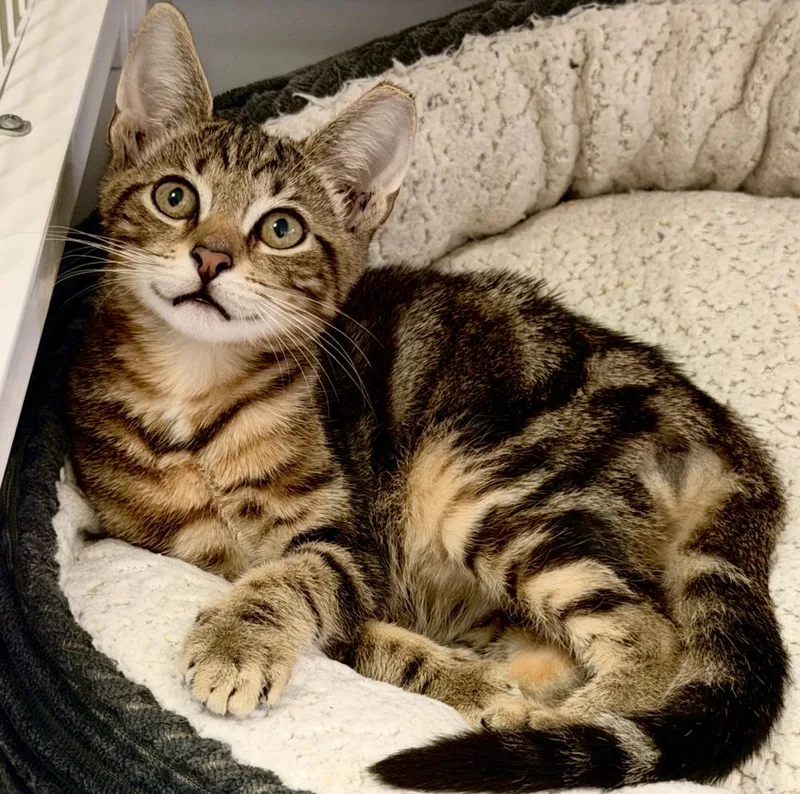
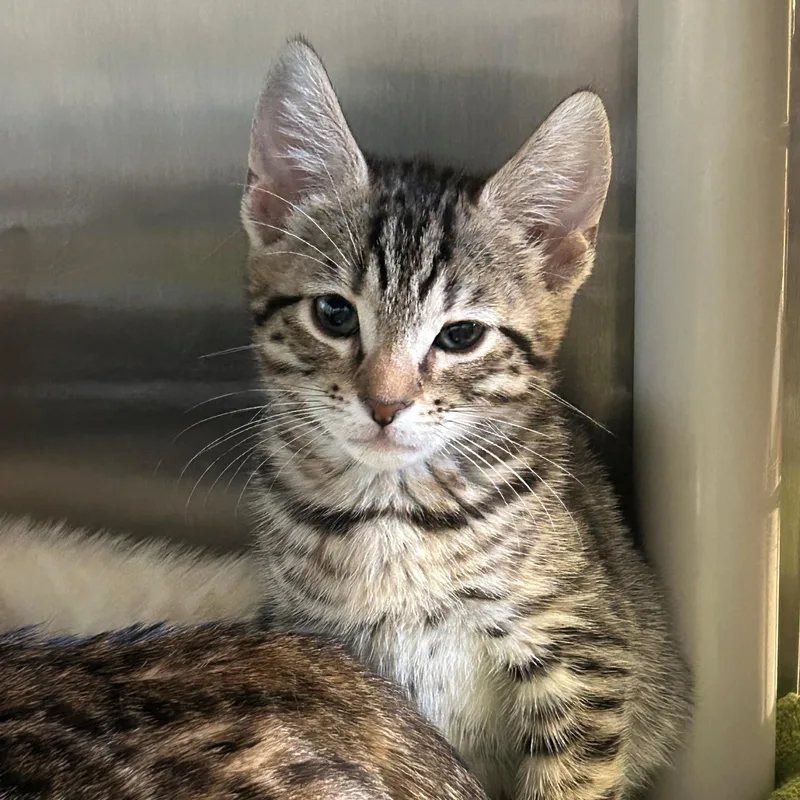
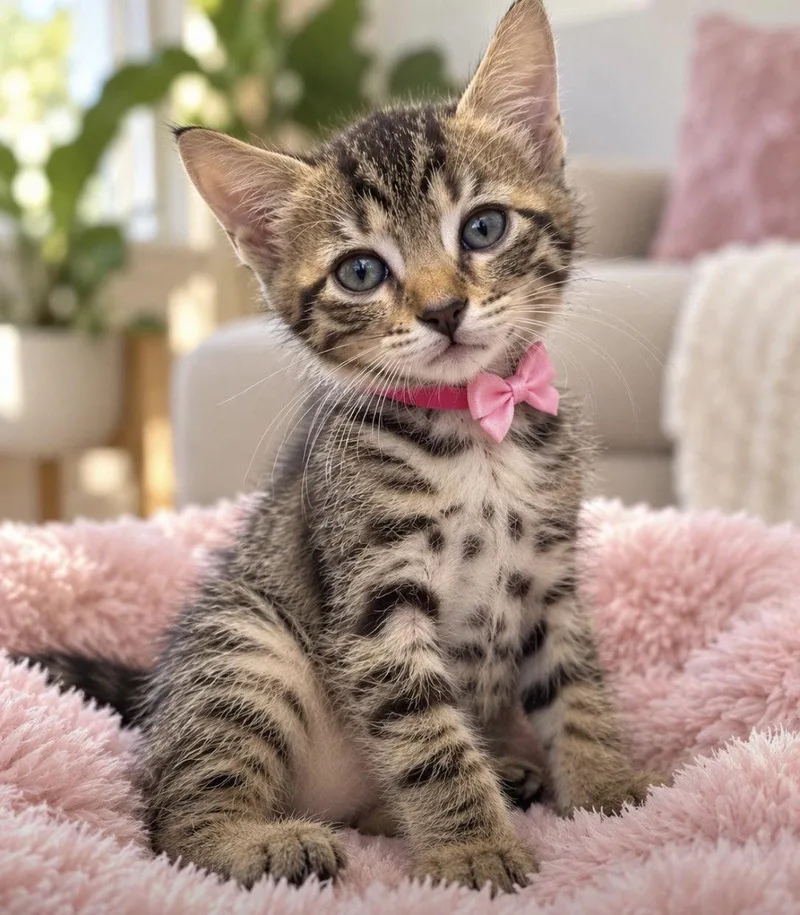
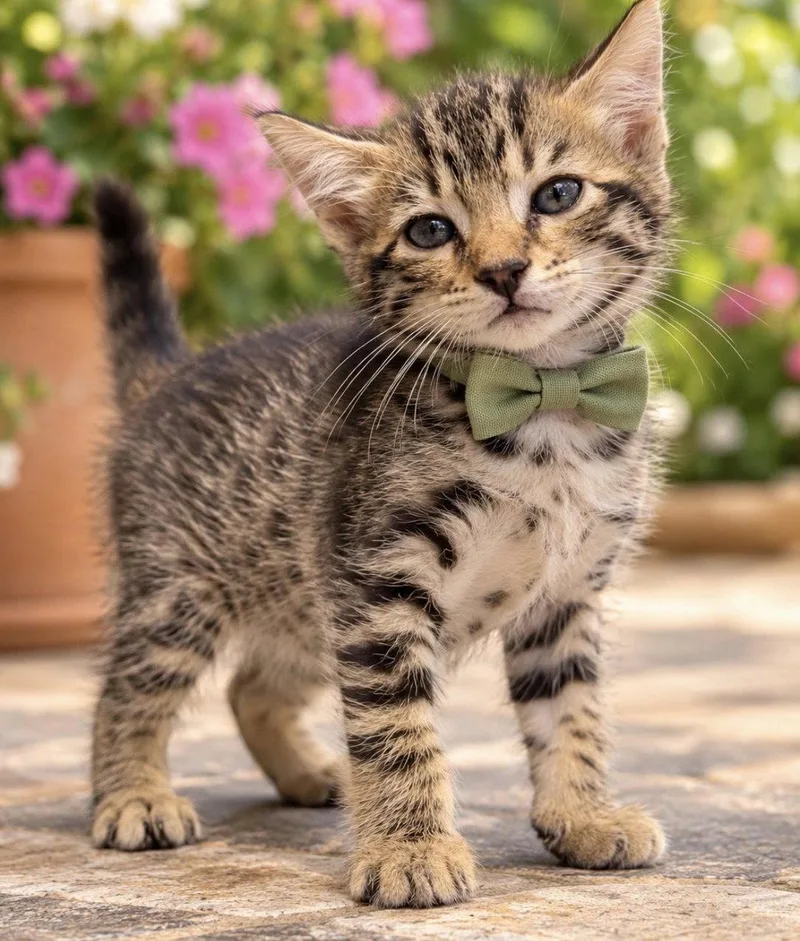
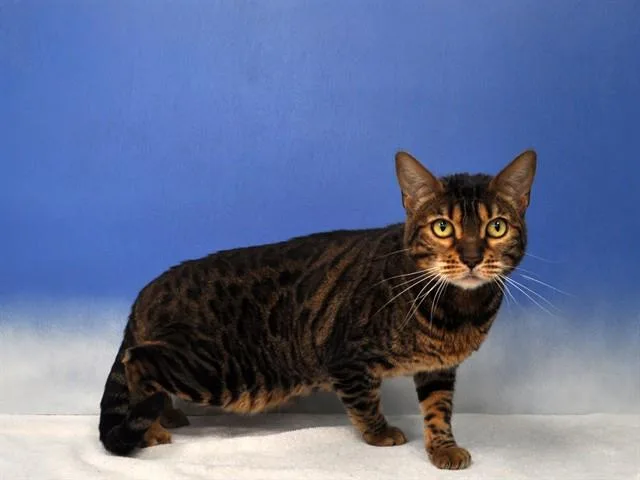
The Bengal looks like a small wild cat, with a sleek, muscular body, a spotted, rosetted or marbled coat and, in many cats, a glittery sheen on the fur. The breed started in the United States in the 1960s and 1970s with crosses between domestic cats and the Asian leopard cat, but pet Bengals today are many generations removed and fully domestic.

Bengals are smart, curious and athletic, and many stay kittenish well into adulthood. They fetch, learn tricks, open cupboards and love running water. That suits people who want an interactive cat, not a quiet lap cat. Climbing space, daily play and puzzle toys keep a Bengal content. The short coat sheds little and needs only weekly brushing, which keeps care simple in Miami's warm, humid weather.

Weight
8–15 lbs
Height
9–11 in
Lifespan
10–15 yrs
Temperament
Energetic, Curious, Intelligent
Shedding
Low to Moderate

Owning a Bengal in Miami

Having a Bengal in Miami

Bengals pair a wild-looking coat with a quick mind and an athletic body. In a Miami home, the main questions are whether you can supply daily play and climbing space, and whether you're comfortable with a few inherited health risks.

Temperament

Bengals are usually confident, curious and closely tied to their people, often following them from room to room. Many are vocal and will demand attention when bored. They can share a home with cat-savvy dogs and playful cats, though some are bossy. Each Bengal's personality varies, so spend time with the cat before deciding.

Exercise Needs

Plan on several active play sessions a day, such as wand toys, fetch and chase games, plus tall perches to climb. Puzzle feeders and clicker training keep the mind busy. With Miami's midday heat, do the hardest play indoors in the morning or evening, and try harness outings only when it's cool.

Health Considerations

Bengals can develop hypertrophic cardiomyopathy, a heart condition, and some inherited problems including a form of progressive retinal atrophy and pyruvate kinase deficiency, a type of anemia. Genetic tests exist for some of these. Schedule regular veterinary checkups, ask your vet about heart screening, and keep rabies vaccination and flea prevention current year-round in Miami's warm climate.

Living Space

Bengals do fine in a Miami condo, duplex or house if they have vertical territory and daily interaction. Stimulation matters more than square footage. Keep a Bengal indoors or in a fully enclosed patio, and consider a second playful cat for company, since a bored Bengal opens cupboards and chews cords.

What it costs to own a Bengal in Miami

ExpenseTypical costPer year
Food$25 to $50 per month$300 to $600
Pet insurance$30 to $60 per month$360 to $720
Routine vet care$150 to $350 per year$150 to $350
Other*$500 to $1,350 per year$500 to $1,350
Estimated yearly total (after year one)$1,310 to $3,020

Other costs are estimates and vary with size, age and health.

* Litter, flea prevention, a dental cleaning allowance, toys and bedding, light brushing, and extra climbing and puzzle enrichment for a very active cat.

Adopt a Bengal in Miami.

Now that you know more, let’s find you a new best friend. These rescues and shelters below currently have Bengals available.

Frequently Asked Questions

Yes, a Bengal can live happily in a Miami apartment, as long as the cat gets daily play and tall places to climb. A sturdy cat tree by a window, wall shelves and a wand toy session or two every day matter more than square footage. On higher floors, keep balcony doors closed or fully screened, because an athletic Bengal will try to leap at birds.

A Bengal fits Miami well if you're home often and keep the air conditioning running, since the cat will live indoors year-round. It's a harder fit if you're away long days, because bored Bengals get loud and destructive. Plan for hurricane season too: from June through November, keep a sturdy carrier, vaccination records and a registered microchip ready.

Yes, indoors. Miami summers bring highs near 90°F, warm nights in the upper 70s and a punishing heat index, but a short-coated Bengal is comfortable in air conditioning. Keep fresh water out, including a fountain since many Bengals love moving water, shade sunny windows, and never leave a cat in a parked car. Have extra water ready for power outages.

Only in a closed carrier. Miami-Dade Transit requires pets to be in a properly enclosed carrier on Metrobus, Metrorail and Metromover, while service animals are exempt. A Bengal may protest loudly, so choose a sturdy carrier with a top opening, practice at home with treats, and travel at quieter times of day.

Very little. A Bengal's short, close-lying coat sheds low to moderately, so a weekly brush with a rubber grooming mitt keeps it glossy, and Miami's humidity doesn't change that. The bigger tasks are trimming claws and caring for teeth. Light brushing at home is counted in the yearly Other costs, so professional grooming isn't a regular expense.

A Bengal is a domestic cat breed developed from crosses between house cats and the small Asian leopard cat, then bred for generations with domestic cats. Bengals have short, sleek coats with spots, rosettes or marbling, muscular builds and lively, curious personalities. Pet Bengals are domestic cats, though their energy and intelligence often feel a little wilder.

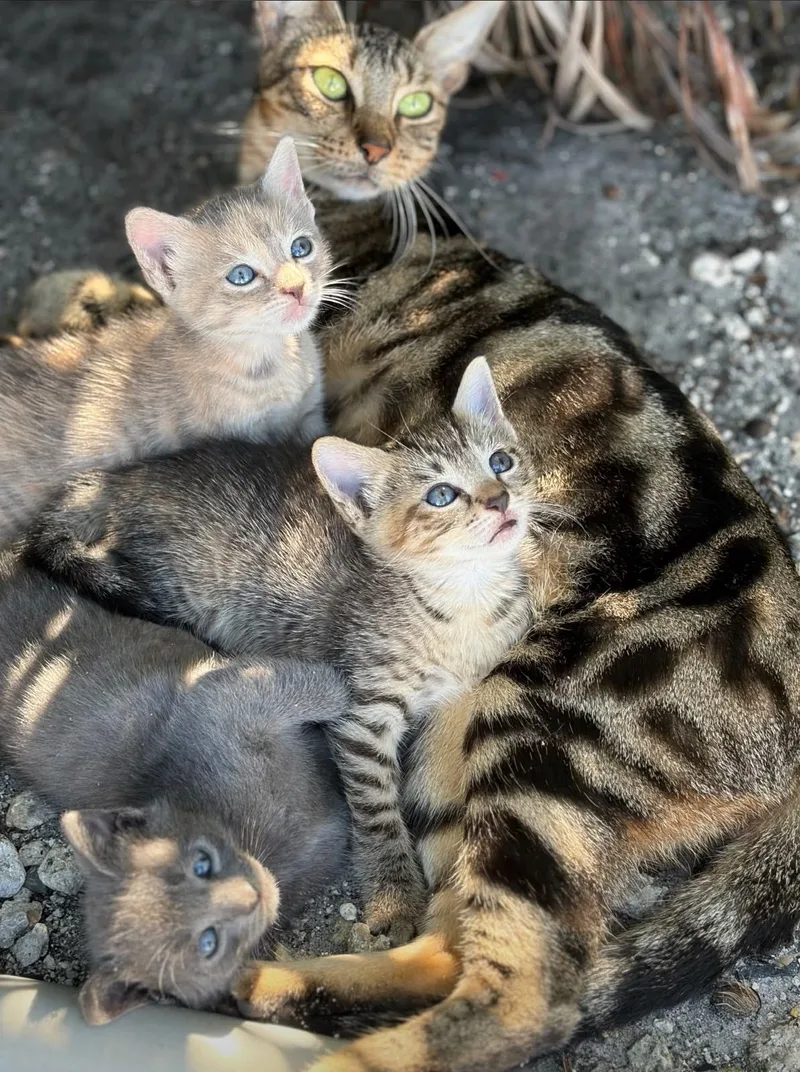
Bengal kittens look like tiny spotted or marbled wild cats, with large eyes, rounded ears and bold markings visible from birth. Many go through a fuzzy stage at a few weeks old, when longer guard hairs make the pattern look muddy or faded. The coat usually clears and sharpens over the first several months as the kitten matures.

Bengal cats are medium-sized, muscular cats that usually weigh about 8 to 15 pounds as adults. Males are typically larger and heavier than females, and some big males exceed that range. Their long, athletic bodies and powerful hindquarters can make them look larger than they are. Weight depends on build and activity, so body condition matters more than the number.

We have 1 rescue with Bengals available: Love n Light Furever. You can see every rescue with Bengals available in the list above these questions, or scroll to the top to see the Bengals near Miami.

Expect roughly $1,300 to $3,000 a year for a Bengal in Miami. That covers food at $25 to $50 a month, insurance at $30 to $60 a month, routine vet care of $150 to $350 a year, and $500 to $1,350 a year for litter, flea prevention, dental care and enrichment. Emergencies and one-time setup costs are extra.

Find Bengals in Nearby Cities

Expand your search to find Bengals available for adoption near Miami.