Calico Cats for Adoption in Miami, FL

Your guide to finding and caring for a Calico in Miami

A calico suits Miami's apartment life because the pattern sits on an ordinary house cat, not a high-maintenance breed. Whether you're in a Brickell high-rise or an older Shenandoah home, she mostly needs a window perch, a scratching post and a few play sessions a day. Most calicos are shorthaired and moderately energetic, so a small space works fine. Just make sure the lease says cats are welcome.

12 Calicos available for adoption in Miami

Bring home a Calico

Calicos Available for Adoption in Miami

About the Calico breed

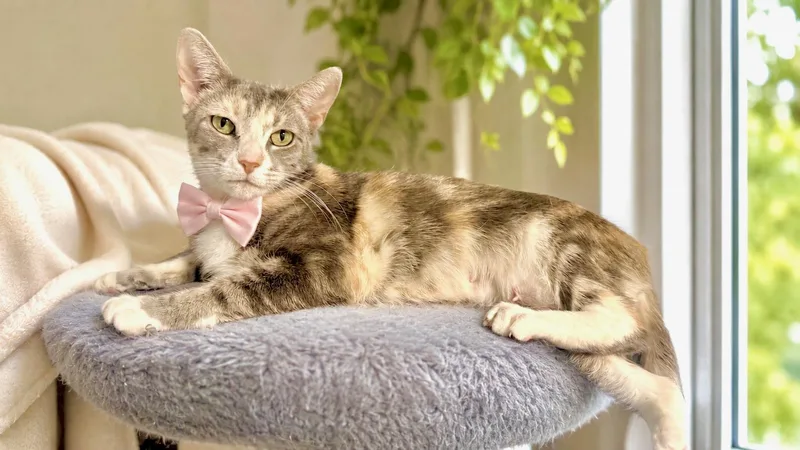
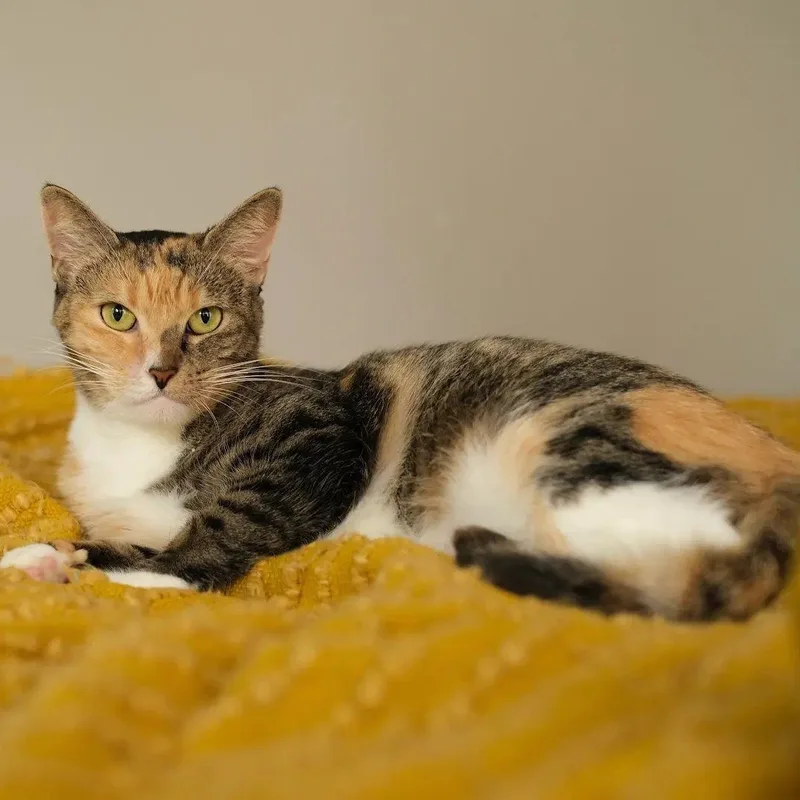
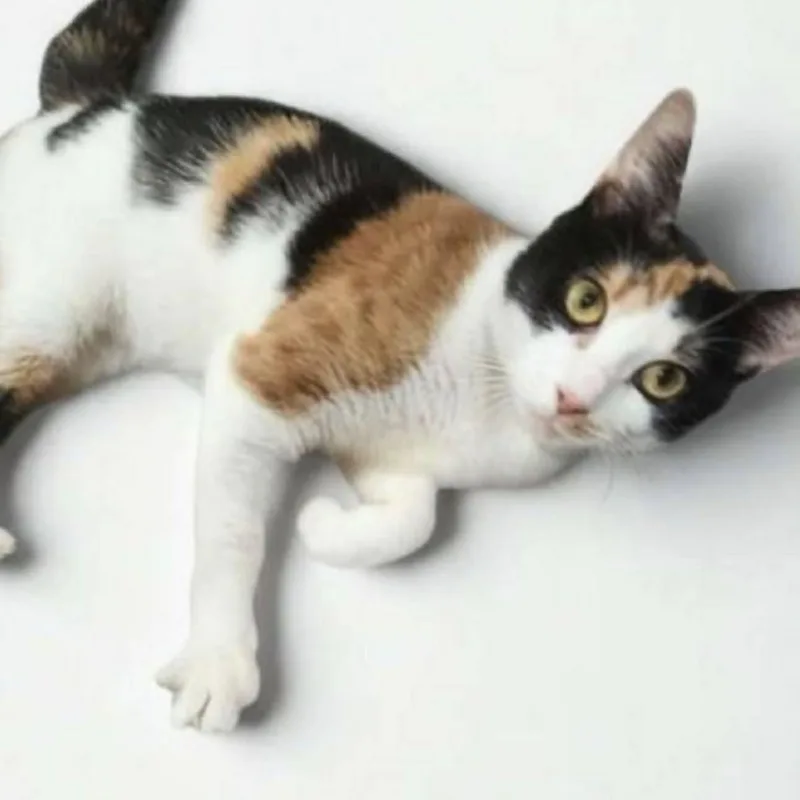
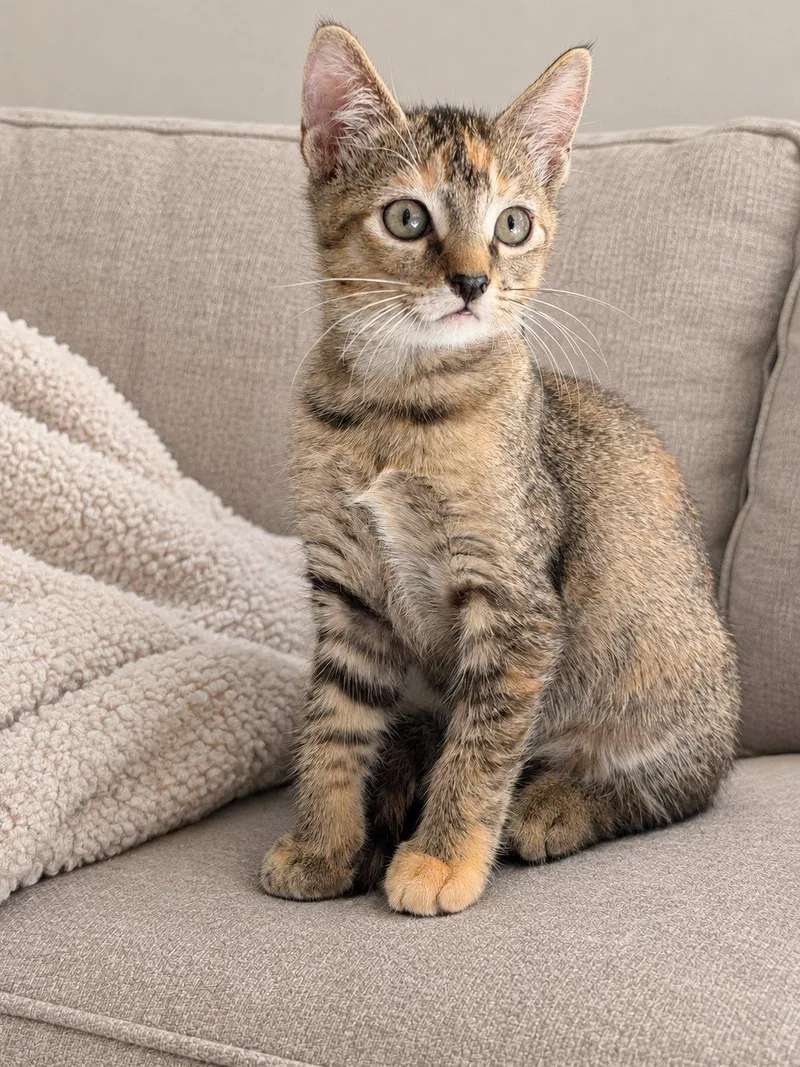
Calico is a coat pattern, not a breed. A calico has white mixed with patches of black and orange, or soft gray and cream in the dilute version, and the pattern appears on domestic shorthairs, longhairs and many pedigreed breeds. Nearly all calicos are female, because the orange and black colors are carried on the X chromosome.

Most calicos are domestic shorthairs, so size, coat and health look like those of any house cat: typically 6 to 12 pounds, with moderate shedding. Coat color doesn't predict personality, so spend time with the cat you're considering. In Miami, plan for a cat who lives indoors, stays cool in air conditioning, and has a carrier ready for hurricane season.

Weight
6–12 lbs
Height
8–10 in
Lifespan
12–18 yrs
Temperament
Adaptable, Affectionate, Independent
Shedding
Moderate

Owning a Calico in Miami

Having a Calico in Miami

A calico's traits come from her ancestry, age and upbringing, not her patches. In Miami, expect an indoor cat with moderate energy and an easy coat, whose main needs are cool rooms, safe windows, regular vet care and a hurricane-ready carrier.

Temperament

Calicos range from shy and gentle to bold and chatty, and coat color doesn't reliably predict which. Some owners joke about "tortitude," but studies haven't confirmed it. In a Miami apartment, a cat who stays comfortable with elevator sounds, neighbors and visitors settles in more easily, so watch how she handles activity.

Exercise Needs

Plan two or three short play sessions a day with wand toys, balls or food puzzles. Indoor play is the practical choice in Miami, where afternoon heat and humidity are heavy and cats are safest inside. A window perch adds entertainment, and a catio or harness gives supervised outdoor time in the cooler morning hours.

Health Considerations

Calico coloring doesn't cause illness, so care means vaccines, dental checks, weight control and yearly exams. Florida requires rabies vaccination for cats. In Miami's warm climate, fleas can stay active much of the year, so ask your veterinarian about prevention. Male calicos are rare and can have extra health issues a veterinarian can check.

Living Space

A calico adapts well to Miami's many apartments and condos if she has scratching posts, a perch and a hiding spot. A shy cat appreciates a quiet room at first. In high-rises, keep balcony doors closed and windows screened, since cats can fall. Indoor living is safest.

What it costs to own a Calico in Miami

ExpenseTypical costPer year
Adoption fee$400 to $500, one time$400 to $500 in year one
Food$25 to $50 per month$300 to $600
Pet insurance$20 to $45 per month$240 to $540
Routine vet care$150 to $350 per year$150 to $350
Other*$450 to $1,150 per year$450 to $1,150
Estimated yearly total (after year one)$1,140 to $2,640
First-year total (with adoption fee)$1,540 to $3,140

Adoption fee is the range of fees on Calico listings in Miami on GetBuddy today. Other costs are estimates and vary with size, age and health.

* Litter, flea and parasite prevention, a dental cleaning allowance, toys and supplies, and home brushing.

Adopt a Calico in Miami.

Now that you know more, let’s find you a new best friend. These rescues and shelters below currently have Calicos available.

Frequently Asked Questions

Yes, indoor calicos handle Miami summers well with air conditioning. Highs reach about 87°F on the coast and near 90°F inland, and nights stay around 78°F, so humidity is the real challenge. Keep her inside, put fresh water in several spots and give her cool, shaded rooms. Never leave a cat in a parked car.

Yes, a calico usually adapts well to apartment living. Provide scratching posts, a window perch and short daily play sessions. Get landlord permission in writing first, and screen balconies and windows in high-rises, since cats can fall. A shy calico may want a quiet room to settle into at first.

Yes, if she travels in a properly enclosed carrier. Miami-Dade Transit requires pets on Metrobus, Metrorail and Metromover to be in a cage, kennel or carrier, and the carrier can't interfere with the bus or train. Choose a sturdy, escape-proof carrier that fits comfortably on your lap or under a seat.

Yes. Calico is a coat pattern, and Miami-Dade's rules for cats don't depend on coat. The main legal requirement is a rabies vaccine from 4 months of age. Cats don't need a county license, though registration is optional. Keep her microchip information current and follow your lease's pet rules.

Most calicos are shorthaired and need only a weekly brush at home, while a longhaired calico does better with brushing several times a week to prevent mats. Miami's year-round warmth means no heavy winter coat, though shedding is moderate. Professional grooming is rarely needed, so home brushing fits the small grooming budget.

Often, yes, for people who want an indoor companion. Calicos are moderately active and adaptable, and air-conditioned Miami homes suit them. Plan for hurricane season with a carrier, records and a registered microchip, and for warm months with plenty of fresh water. Personality varies, so see how she handles noise and visitors.

Almost all calico cats are female, but not every single one. The genes for orange and black coat color sit on the X chromosome, so a cat normally needs two X chromosomes to show both colors at once. Roughly 1 in 3,000 calicos is male, usually because of an extra X chromosome, a genetic quirk rather than a separate type.

A calico cat is any cat with a three-color coat of white plus distinct patches of black and orange, or gray and cream in dilute calicos. Calico is a coat pattern rather than a breed, so it appears in domestic shorthairs, longhairs and many pedigreed breeds. Nearly all calicos are female because of how coat color genes are inherited.

We have 5 rescues with Calicos available, including Love n Light Furever, Amira's Pet Rescue, Inc. and Kitty Puppy Alliance. You can see every rescue with Calicos available in the list above these questions, or scroll to the top to see the Calicos in Miami.

Plan on roughly $1,140 to $2,640 a year for a calico in Miami, covering food ($25–$50 a month), insurance ($20–$45 a month), routine vet care ($150–$350 a year) and other costs ($450–$1,150 a year). Emergencies, boarding and hurricane supplies are extra, so a small savings cushion helps.