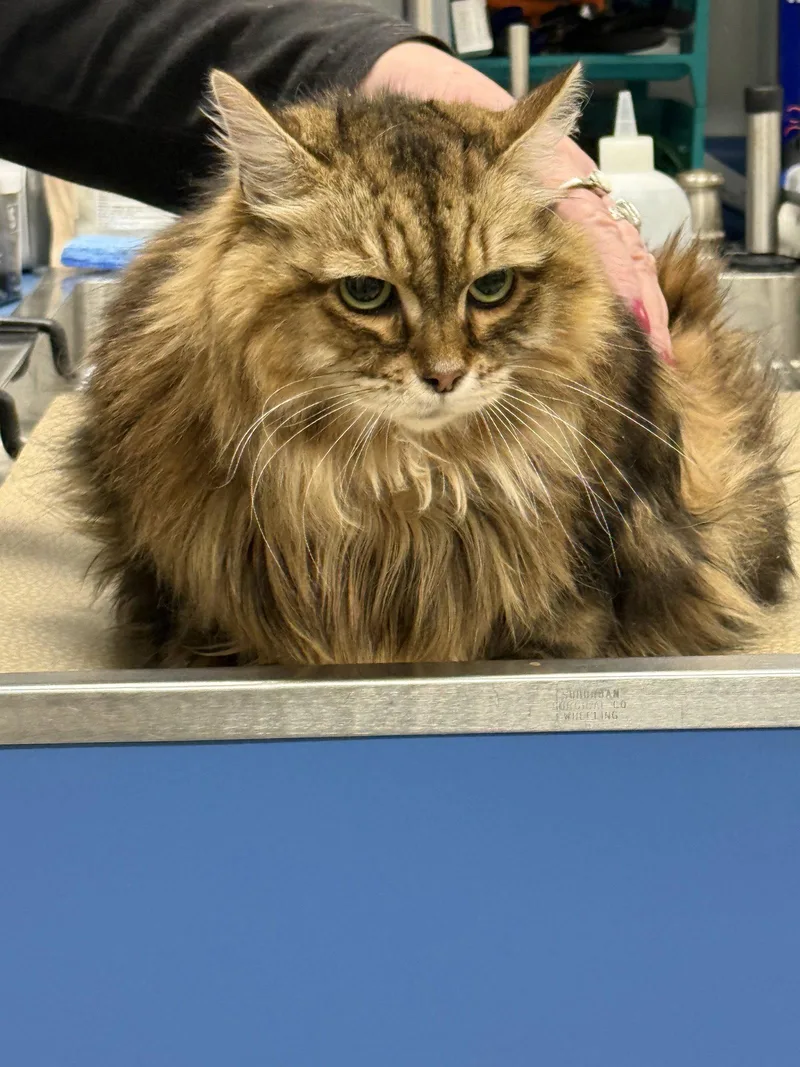
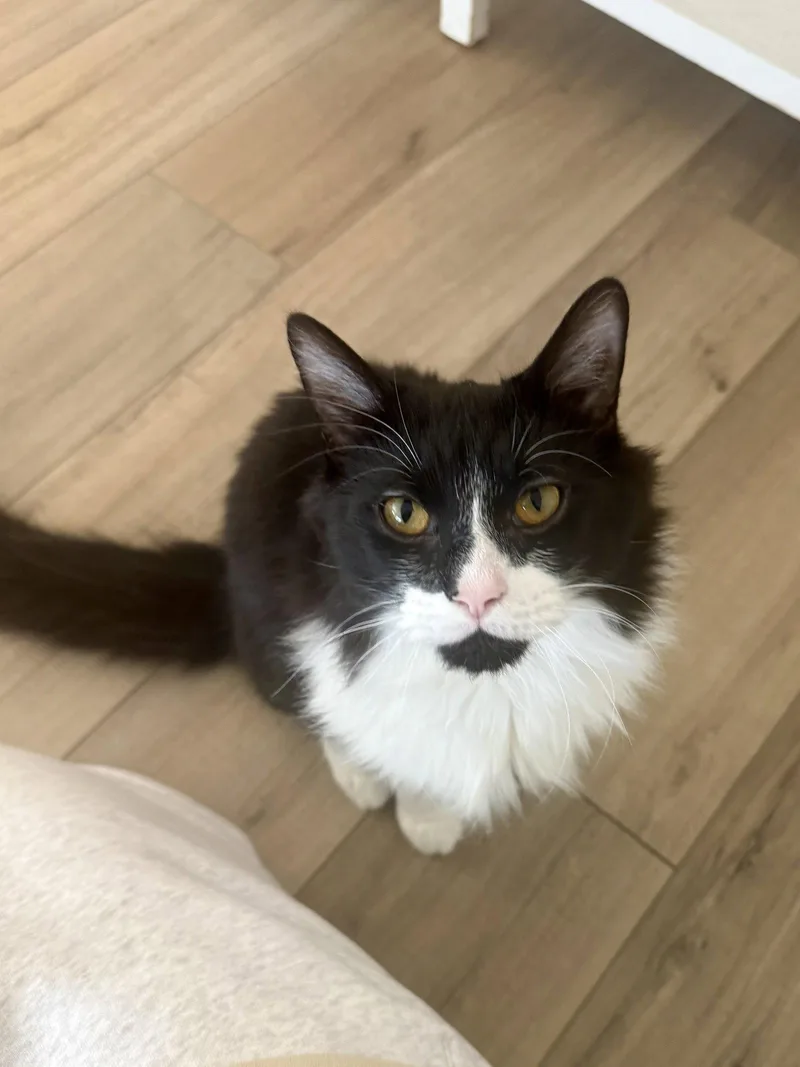
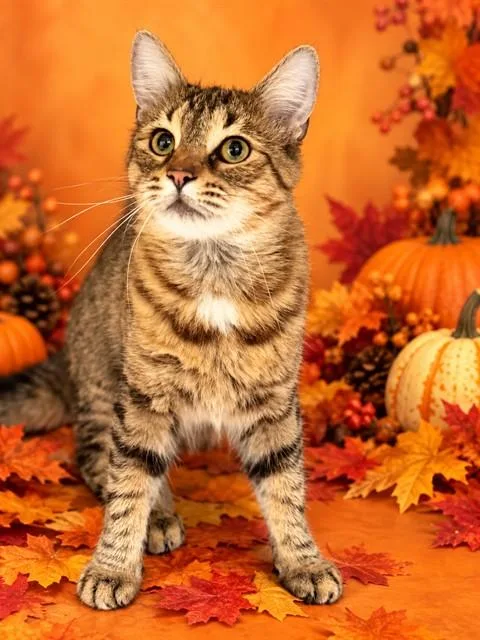
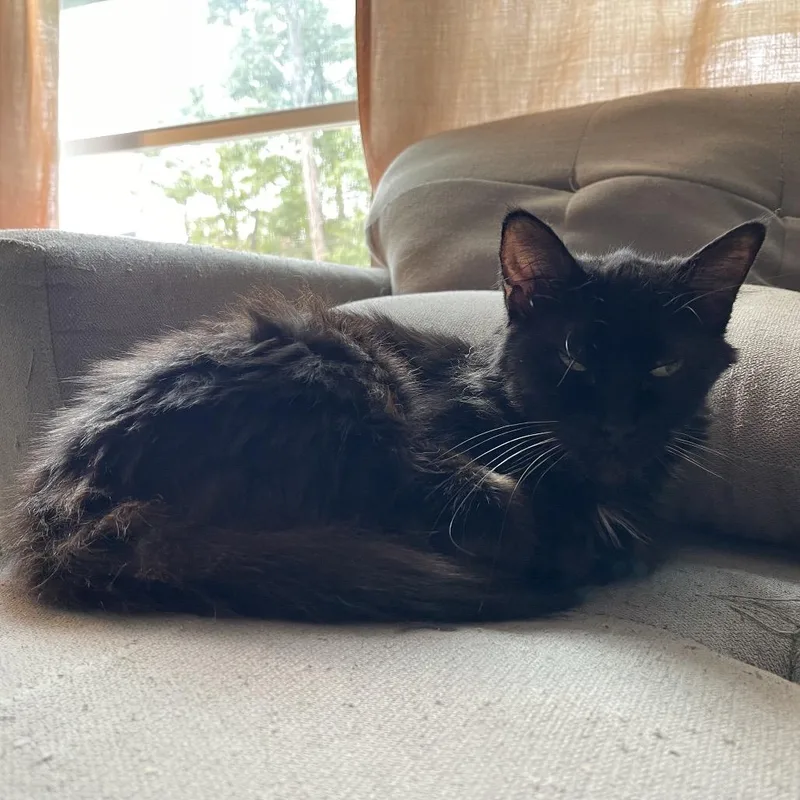
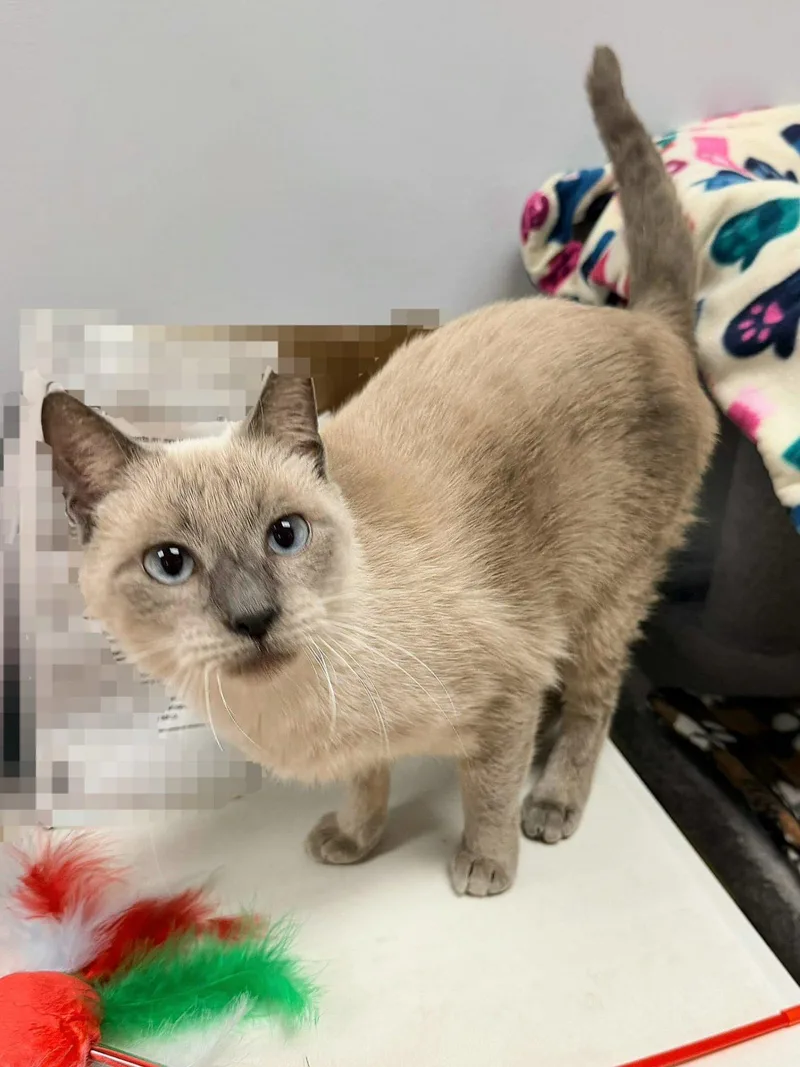
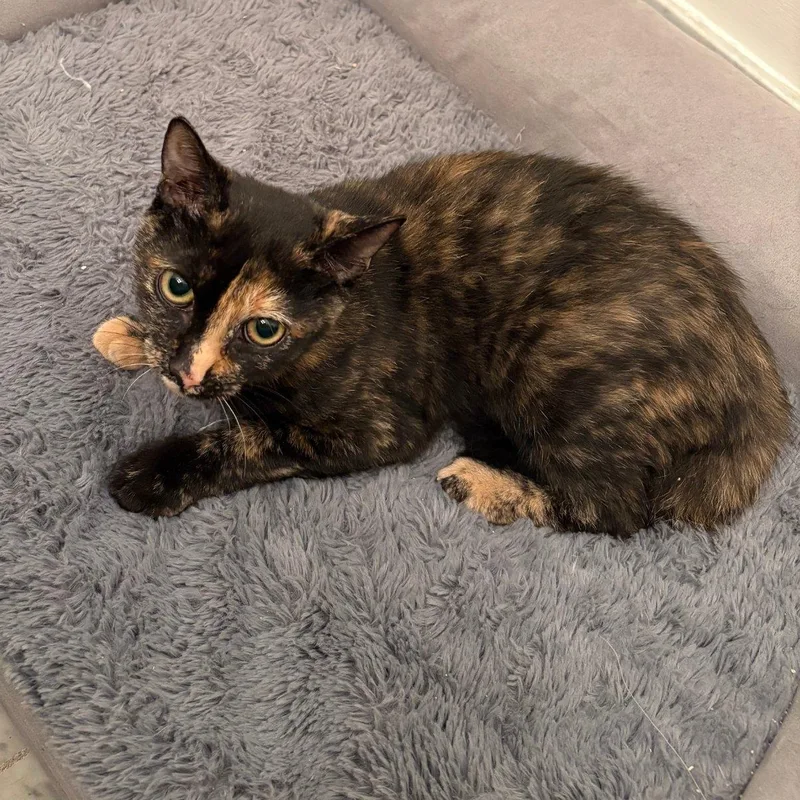
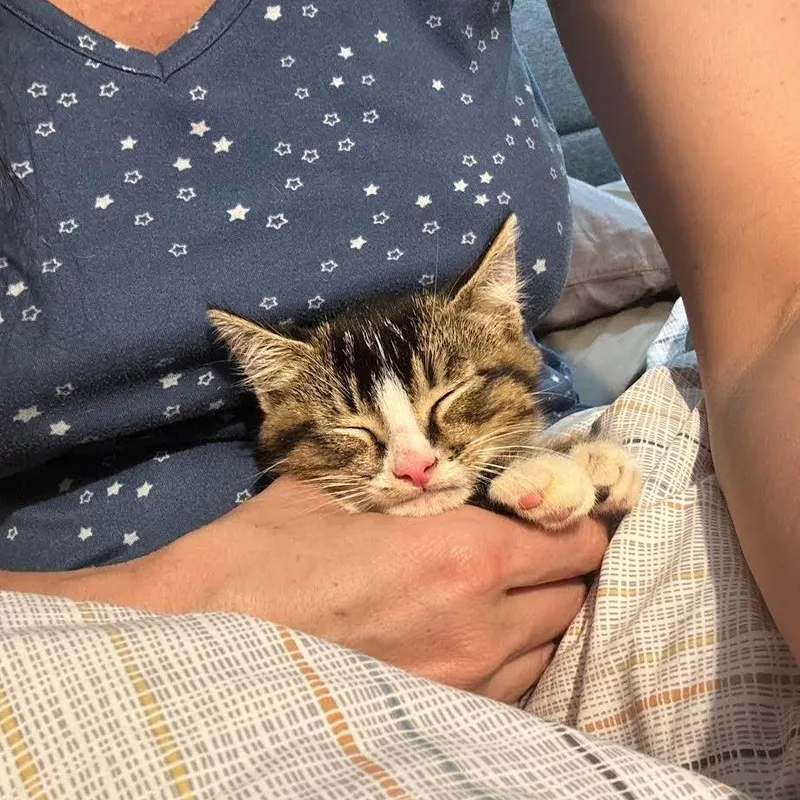
Norwegian Forest Cats for Adoption in Miami, FL

Your guide to finding and caring for a Norwegian Forest Cat in Miami

A Norwegian Forest Cat can do well in Miami, provided the apartment stays cool and has plenty to climb. In an Edgewater high-rise, a big cat tree by a bayview window gives a Norwegian its perch, and it'll happily watch the bay from up there. The thick double coat is the catch, so air conditioning matters from May through October. Norwegians are easygoing, sturdy cats that settle into condo life or an older Coral Way house with equal calm.

59 Norwegian Forest Cats available in Miami and nationwide

Bring home a Norwegian Forest Cat

While we don't have enough cats near Miami, keep in mind that many rescues may offer transport.

Norwegian Forest Cats Available for Adoption Near Miami

About the Norwegian Forest Cat breed

Norwegian Forest Cats come from Scandinavia, where long, cold winters shaped them into big, strong climbers. The breed nearly disappeared in the mid-twentieth century before Norwegian enthusiasts revived it, and it reached North America in the late 1970s. A dense woolly undercoat, glossy water-resistant outer hairs, a full neck ruff and a long bushy tail give it a rugged, wild look.

In Miami, that coat is the main thing to plan around. Norwegians are usually sweet, sociable and relaxed, and many chirp more than they meow, but they weigh 9 to 18 pounds and can take up to five years to fill out. They shed heavily each spring, so regular brushing matters. Cats vary, so spend time getting to know the cat before deciding.

Weight
9–18 lbs
Height
9–12 in
Lifespan
12–16 yrs
Temperament
Gentle, Independent, Intelligent
Shedding
High

Owning a Norwegian Forest Cat in Miami

Having a Norwegian Forest Cat in Miami

Norwegian Forest Cats pair a sturdy build with an easygoing nature. In Miami, the big questions are cooling, climbing space and coat care, since a thick double coat and a love of heights shape how a Norwegian settles into a home.

Temperament

Norwegians are often calm, friendly and self-assured, enjoying company without demanding constant attention. Many follow you from room to room but prefer sitting beside you to being held. That suits a Miami condo, where a relaxed cat copes well with a busy building. Some are reserved with strangers, and each cat settles at its own pace.

Exercise Needs

Moderately active, Norwegians love to climb, so a tall, sturdy cat tree and wall shelves do most of the work indoors. Wand toys and puzzle feeders tap their hunting instincts. In Miami's heat, play in short bursts inside the cool home, and keep the cat indoors or in a secure catio.

Health Considerations

Hypertrophic cardiomyopathy and glycogen storage disease type IV, a rare inherited disorder, are documented in the breed, and large cats can gain weight or develop joint problems. A veterinarian can screen for heart and other concerns. In Miami, year-round flea and parasite prevention and heat watchfulness for the dense coat belong in routine care.

Living Space

Norwegians fit in a Miami condo or a house as long as they have vertical space and a big cat tree. Wide perches and sturdy furniture suit their size. Keep the home cool, with a resting spot away from sun-baked windows, and plan for shed fur, especially in spring.

What it costs to own a Norwegian Forest Cat in Miami

ExpenseTypical costPer year
Food$30 to $60 per month$360 to $720
Pet insurance$25 to $55 per month$300 to $660
Routine vet care$150 to $350 per year$150 to $350
Other*$500 to $1,250 per year$500 to $1,250
Estimated yearly total (after year one)$1,310 to $2,980

Other costs are estimates and vary with size, age and health.

* Litter, year-round flea prevention, a dental cleaning allowance, sturdy cat trees and supplies, and regular brushing for the heavy double coat.

Adopt a Norwegian Forest Cat in Miami.

Now that you know more, let’s find you a new best friend. These rescues and shelters below currently have Norwegian Forest Cats available.

Frequently Asked Questions

Yes, with air conditioning, a Norwegian Forest Cat can handle Miami summers indoors. Highs hover around 90°F inland, nights stay in the upper 70s, and humidity makes it feel hotter. Keep the home cool, offer fresh water and a tile or shaded spot, brush out loose undercoat, and call a veterinarian if the cat pants or seems lethargic.

It can be, if you have a reliably cool home and enjoy a relaxed, climbing-loving cat. Norwegians handle condo life well and aren't demanding, but the dense coat needs brushing and the heat needs air conditioning. Hurricane season also calls for a carrier, ID and a plan. Get to know the cat before deciding.

Yes, Norwegians adapt well to apartments, including high-rise condos, as long as they have vertical space. Choose a heavy cat tree that won't tip under a cat of up to 18 pounds, put it by a window, and keep the unit cool. Screen balcony doors and windows securely, and confirm your lease allows a large cat.

Yes, if the cat is in a properly enclosed carrier. Miami-Dade Transit requires pets on Metrobus, Metrorail and Metromover to be in a cage, kennel or carrier that doesn't interfere with operations. A Norwegian is a large cat, so pick a roomy, sturdy carrier, and check current rules with Miami-Dade Transit before riding.

Plan on brushing a couple of times a week, and daily during the spring shed. Shed undercoat in a humid home can tangle, especially behind the ears and in the britches, so check for mats. Don't shave the coat to cope with heat; air conditioning is safer. Professional mat removal fits within the yearly Other budget.

At one year old, many Norwegian Forest Cats look nearly adult in height but are still noticeably leaner than they will become. Weights vary widely, often somewhere around 7 to 12 pounds, with males typically heavier. The breed can keep adding muscle, bone and coat until about five years old, so a yearling is still growing into its frame.

No, Norwegian Forest Cats are not hypoallergenic. They produce the Fel d 1 allergen like other cats, and their thick double coat sheds heavily, especially in spring, spreading allergen-coated hair around the home. People with allergies may struggle with this breed. Spending extended time with the specific cat before adopting is the best way to judge your own reaction.

Norwegian Forest Cats are large cats, with most adults weighing about 9 to 18 pounds; males are usually 12 pounds or more, while females are commonly 9 to 12. They stand roughly 9 to 12 inches at the shoulder, and their long coat and bushy tail make them look even bigger. Healthy weight depends on frame, so judge body condition with a vet.

We have 1 rescue with Norwegian Forest Cats available: Love n Light Furever. You can see every rescue with Norwegian Forest Cats available in the list above these questions, or scroll to the top to see the Norwegian Forest Cats near Miami.

Plan on about $30 to $60 a month for food and $25 to $55 a month for pet insurance. Routine vet care runs roughly $150 to $350 a year. Other yearly costs, including litter, parasite prevention, dental care, supplies and brushing, add about $500 to $1,250. Cat trees and a sturdy carrier are the main one-time purchases.

Find Norwegian Forest Cats in Nearby Cities

Expand your search to find Norwegian Forest Cats available for adoption near Miami.