Chartreux Cats for Adoption in Miami, FL

Your guide to finding and caring for a Chartreux in Miami

A calm, quiet Chartreux fits Miami's condo towers and old bungalows equally well. In an Edgewater high-rise, a window perch over Biscayne Bay gives this cat hours of bird-watching, and its soft chirps rarely bother the neighbors. In a Shenandoah or Buena Vista house, it will happily trade a yard for a sunny sill. Chartreux are uncommon, so the listings on this page may change often. Plan on indoor life with air conditioning through the long, humid summer.

16 Chartreuxes available in Miami and nationwide

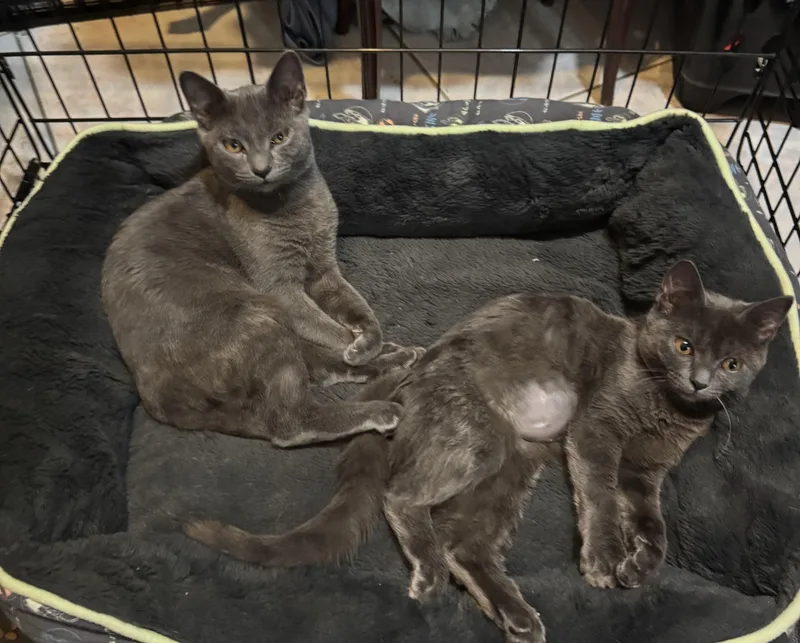
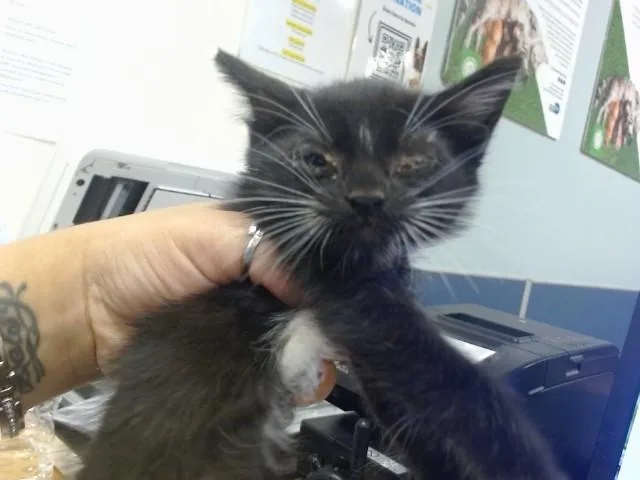
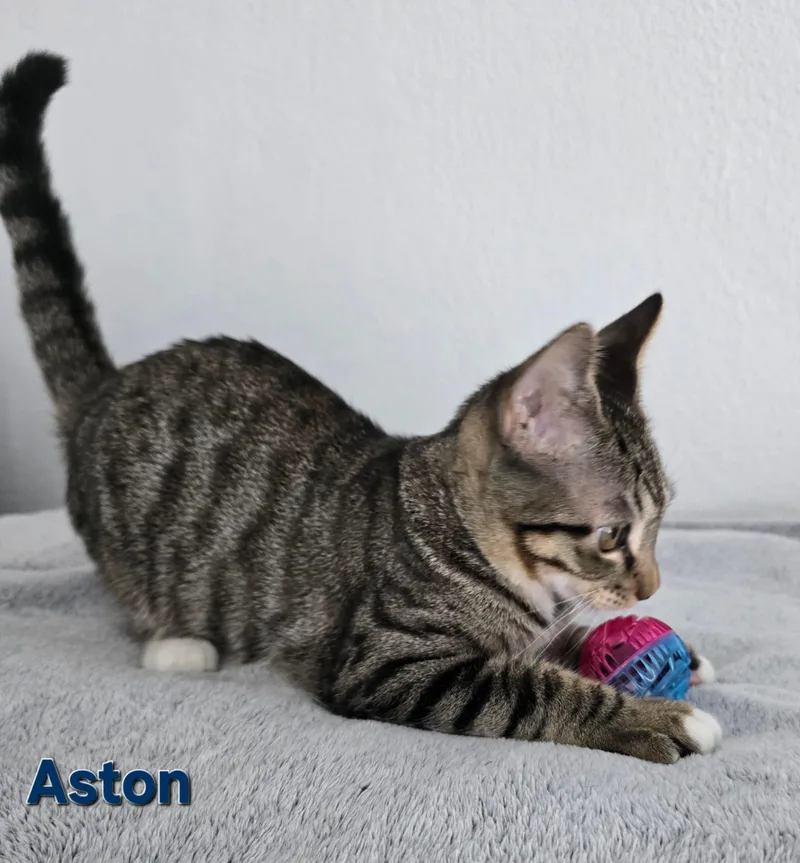
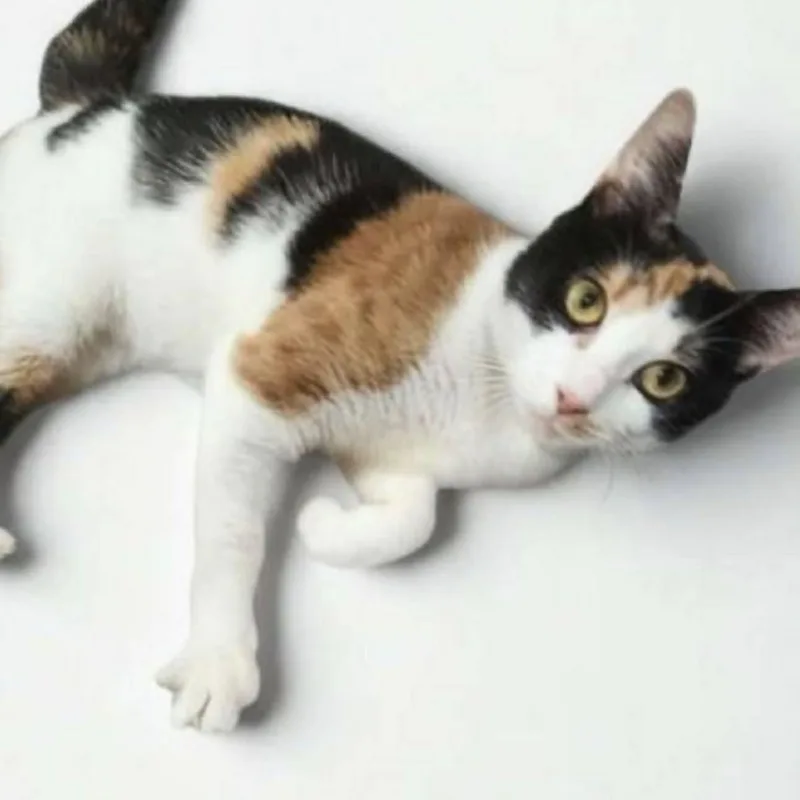
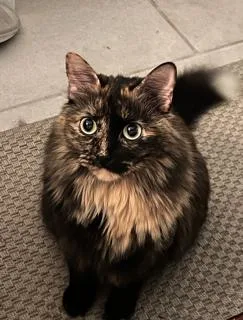
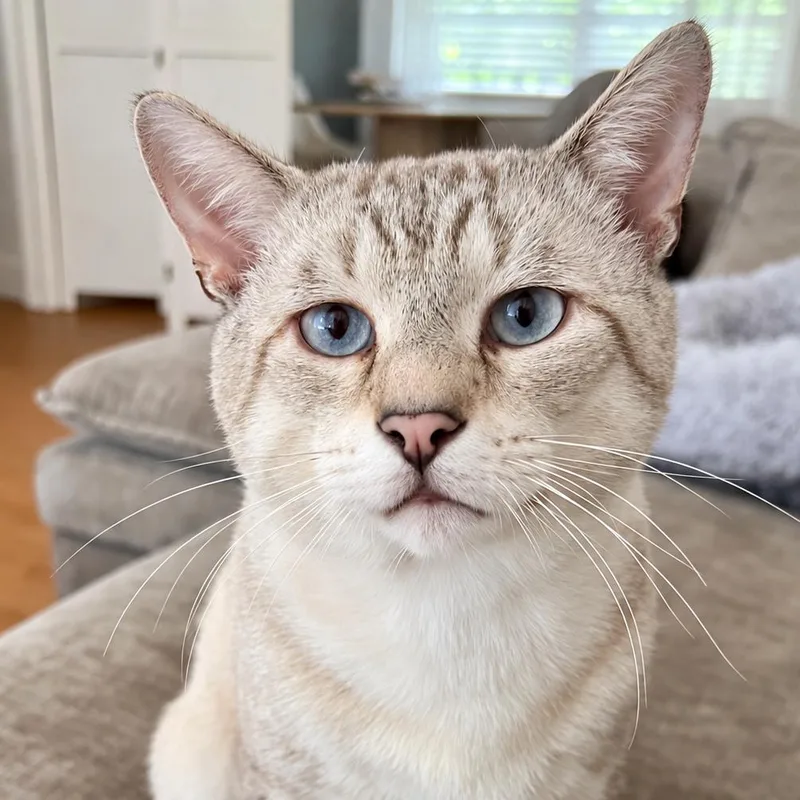
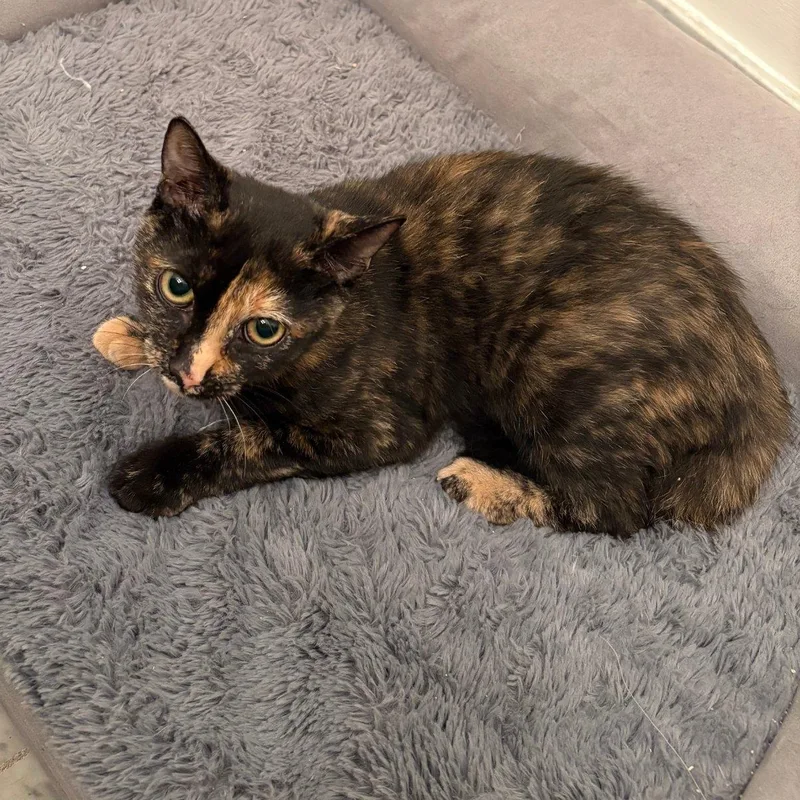
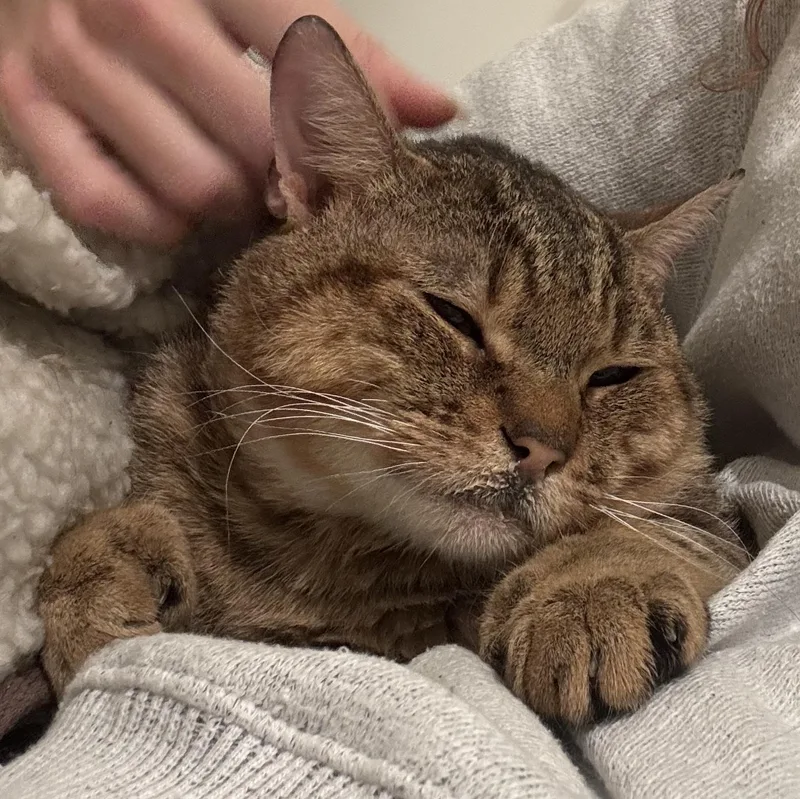
Say hello to your Chartreux

While we don't have enough cats near Miami, keep in mind that many rescues may offer transport.

Chartreuxes Available for Adoption Near Miami

About the Chartreux breed

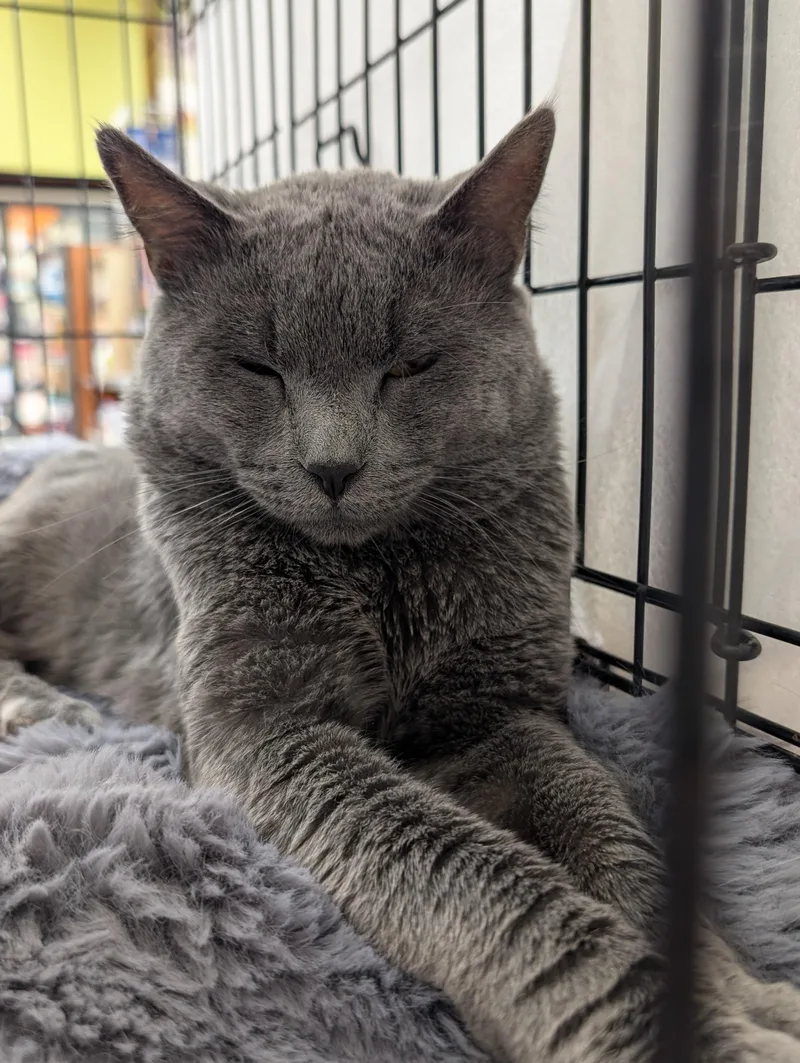
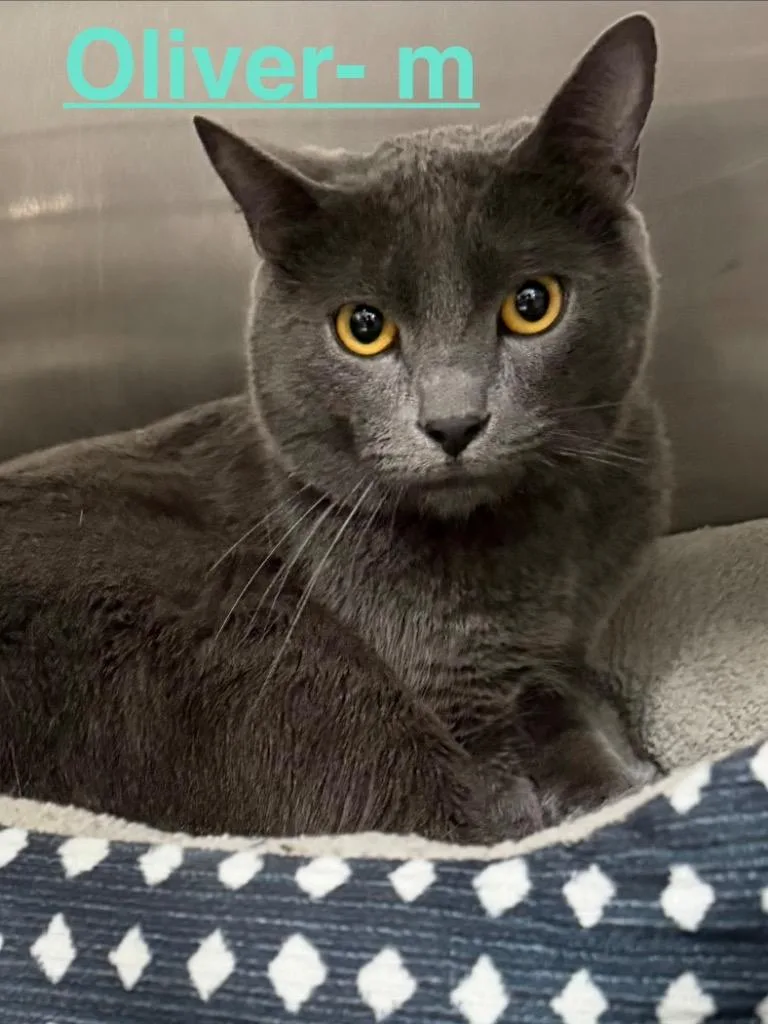
The Chartreux is a French breed whose blue-gray ancestors appear in sixteenth-century writing. It nearly disappeared after World War I and was rebuilt in the 1920s from natural colonies of blue cats, so it remains uncommon. Every Chartreux is blue, with a dense, woolly, water-resistant coat, gold to copper eyes and a sturdy, muscular body on fairly short legs.

Many Chartreux are calm, gentle and quietly devoted, often following a favorite person from room to room. They tend to chirp rather than meow, and some barely make a sound. Maturity is slow, the thick coat sheds seasonally, and the cat gains weight easily without play and measured meals. In Miami, that points to a cool, climate-controlled home where the cat can stay lean and comfortable.

Weight
7–14 lbs
Height
9–11 in
Lifespan
12–15 yrs
Temperament
Quiet, Loyal, Calm, Gentle
Shedding
Moderate

Owning a Chartreux in Miami

Having a Chartreux in Miami

A Chartreux is a sturdy, plush-coated cat with a quiet voice and short bursts of hunting play. In Miami, the practical questions are keeping that dense coat comfortable in the heat, keeping weight in check indoors, and fitting a calm cat into condo or house life.

Temperament

Chartreux are often calm, gentle and loyal, and some choose one favorite person to follow around. In a busy Miami building with elevator traffic and neighbors, a cat that watches newcomers before engaging may appreciate a quiet retreat. Each cat differs, so notice how the cat reacts to new people and sounds.

Exercise Needs

Expect short, intense bursts of play followed by long naps. Wand toys, feathers and food puzzles suit a Chartreux's hunting instinct, and daily sessions matter because this solid cat gains weight easily. Miami's year-round warmth makes indoor play easy: a window-side cat tree and two or three play sessions a day keep activity steady.

Health Considerations

Chartreux are generally hardy, but patellar luxation, a kneecap that slips out of place, is documented in the breed, and weight gain and dental disease are common concerns. Measured meals and play help. In Miami's warm climate, ask a veterinarian about year-round flea and parasite prevention at the first checkup.

Living Space

A Chartreux adapts well to apartments and houses alike. Many Miami homes are condos, and a cat tree, window perches and a steady routine are usually enough for this calm breed. Indoor living also keeps the cat away from summer heat, afternoon downpours and traffic, and it tolerates some time alone.

What it costs to own a Chartreux in Miami

ExpenseTypical costPer year
Food$25 to $50 per month$300 to $600
Pet insurance$25 to $50 per month$300 to $600
Routine vet care$150 to $350 per year$150 to $350
Other*$450 to $1,150 per year$450 to $1,150
Estimated yearly total (after year one)$1,200 to $2,700

Other costs are estimates and vary with size, age and health.

* Litter, parasite prevention, a dental cleaning allowance, toys and scratchers, and brushing supplies for seasonal shedding of the dense coat.

Adopt a Chartreux in Miami.

Now that you know more, let’s find you a new best friend. These rescues and shelters below have cats available in and near Miami.

Frequently Asked Questions

Yes, Miami-Dade's animal rules don't set breed limits for cats. Cats 4 months and older need a rabies vaccination from a licensed veterinarian, and cat registration is voluntary. Chartreux are uncommon, so watch the listings on this page and save a search to hear when a new cat is posted.

Yes. Chartreux are calm and quiet and usually adapt well to apartments. Provide a cat tree, a window perch and daily play to keep weight down, since the breed gains weight easily. Get your landlord's or HOA's permission in writing first, because pet rules vary by building.

Yes, as indoor cats. Miami summers bring highs near 90°F inland, warm nights and a high heat index, and the dense woolly coat makes cool rooms important. Keep the AC running, offer plenty of fresh water, brush out loose fur, and never leave a cat in a parked car.

Often, for adopters who keep a cool, calm home. The quiet voice and indoor-friendly temperament suit condos and houses, but the thick coat makes air conditioning important and storm season needs planning. Expect daily play, measured meals and a carrier kept ready for hurricane season.

Brush about once a week, and more often during the heavy spring and fall sheds. Regular brushing also keeps the dense coat from trapping heat and humidity. Most Chartreux don't need professional grooming, so brushing supplies are only a small part of the Other costs.

Only in a closed carrier. Miami-Dade Transit requires pets on Metrobus, Metrorail and Metromover to ride in a properly enclosed container that doesn't interfere with the vehicle's operation. A Chartreux weighing 7 to 14 pounds needs a roomy carrier, so practice carrier time at home first.

Yes, Chartreux cats are rare, especially outside France. Relatively few are registered each year in the United States, and they seldom appear in shelters. Many blue-gray shelter cats are domestic shorthairs or mixes rather than Chartreux. Breed rescues and cat rescues occasionally have adult Chartreux available, so watching listings regularly helps.

Chartreux is pronounced shar-TROO in French, and many English speakers say shar-TREW. The name may come from the Carthusian monks of the Grande Chartreuse monastery, though some historians link it to a Spanish wool. Whichever origin is true, the breed's name is tied to its French homeland.

You can identify a Chartreux by its solid blue-gray woolly coat, gold to copper eyes, sturdy muscular body on fairly short legs and a rounded head with a tapered muzzle that looks like a smile. Look-alikes include Russian Blues, which have green eyes and a sleeker coat, and British Shorthairs, which are rounder. Pedigree papers confirm a purebred.

Budget roughly $1,200 to $2,700 a year for a Chartreux in Miami, or about $100 to $225 a month. That covers food, pet insurance, routine vet care and other items such as litter, parasite prevention and dental care. Emergencies and illness aren't included, and a cat prone to weight gain may need a vet-guided diet.