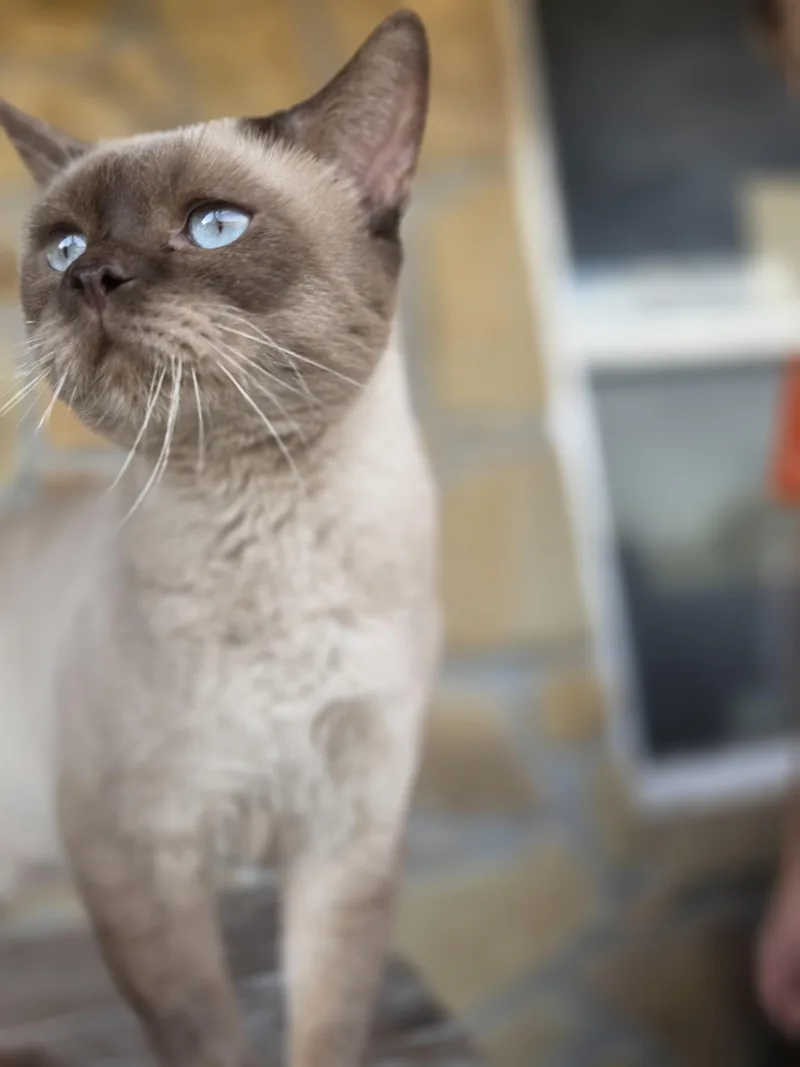
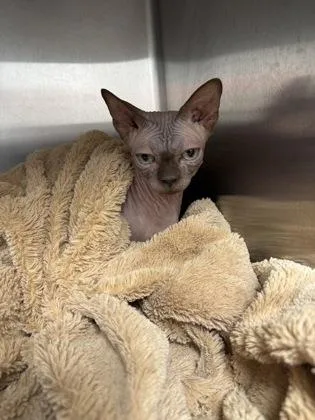
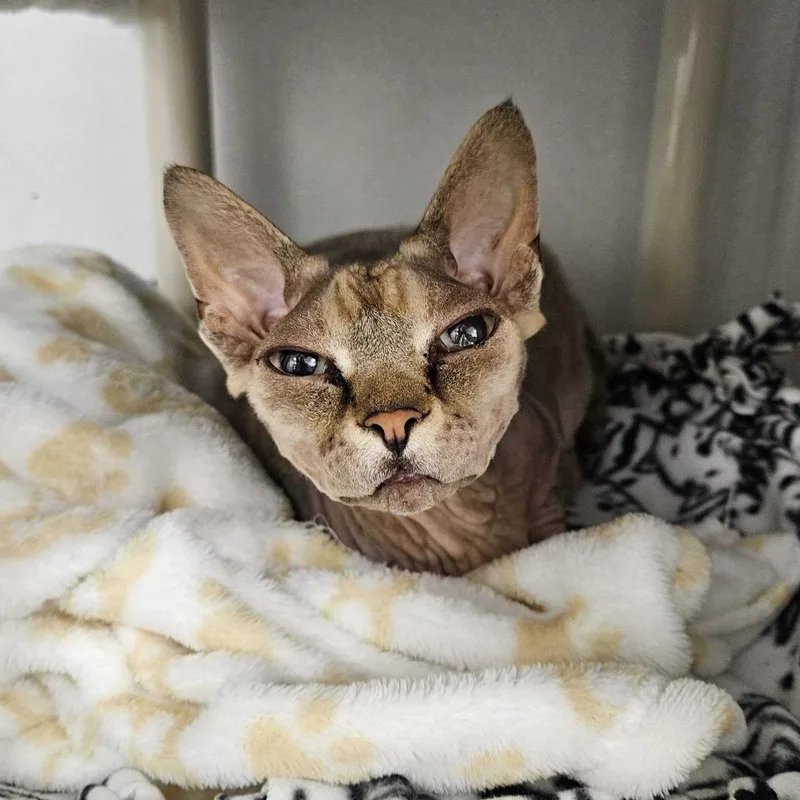
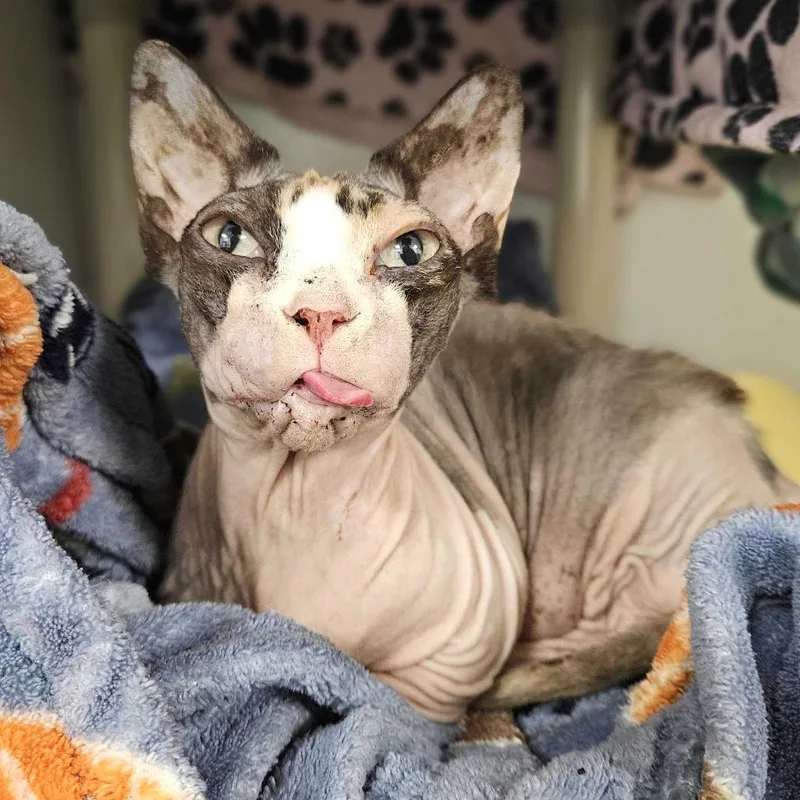
Canadian Hairless Cats for Adoption in Miami, FL

Your guide to finding and caring for a Canadian Hairless in Miami

A Canadian Hairless, better known today as the Sphynx, is a natural fit for Miami's air-conditioned apartments. Most spend their days on a sunny window perch in an Edgewater tower or a Coral Way duplex, getting the warmth they love without the sunburn risk of the outdoors. They're sociable and want company, so they suit people who are home often or who can offer a companion cat. Just keep the thermostat steady, since strong AC can leave a hairless cat chilly.

16 cats similar to Canadian Hairless available in Miami and nationwide

Bring home a Canadian Hairless

While we don't have enough cats near Miami, keep in mind that many rescues may offer transport.

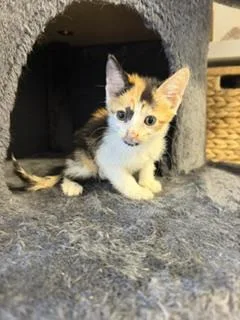
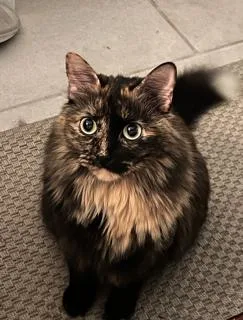
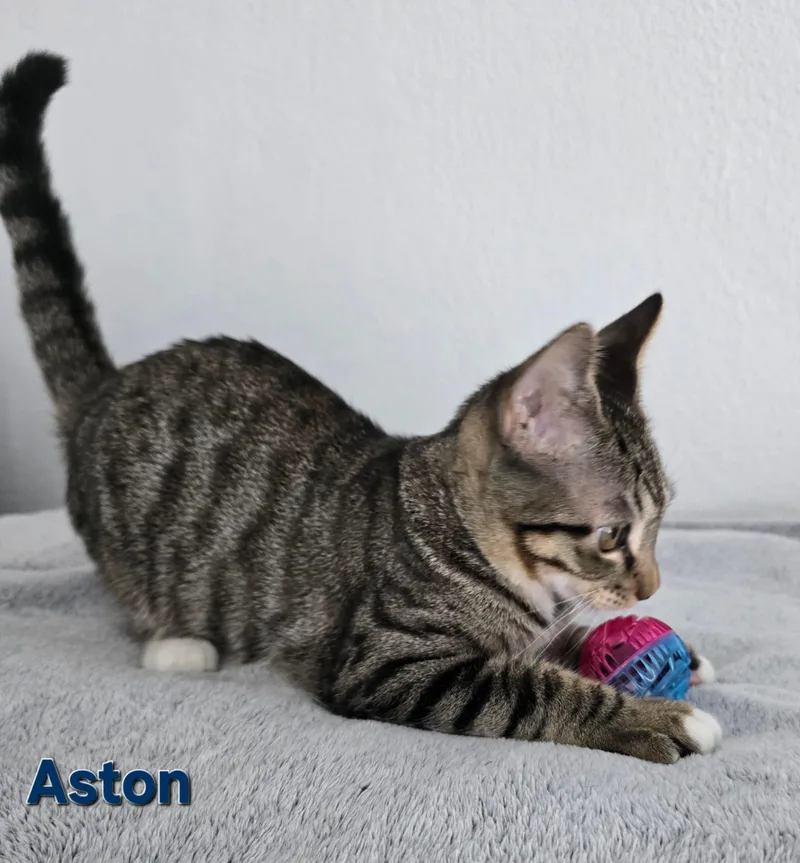
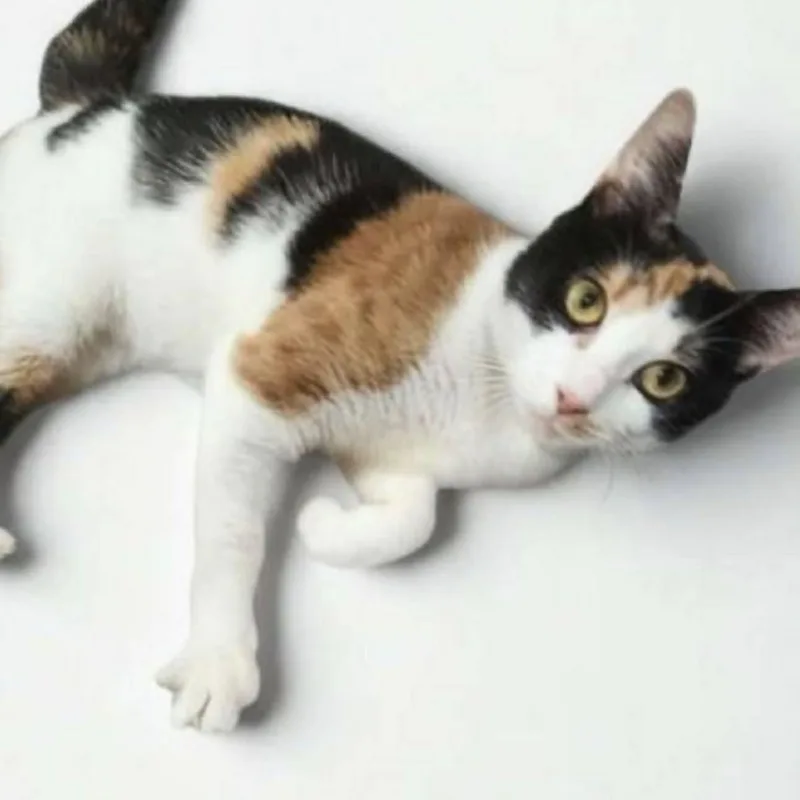
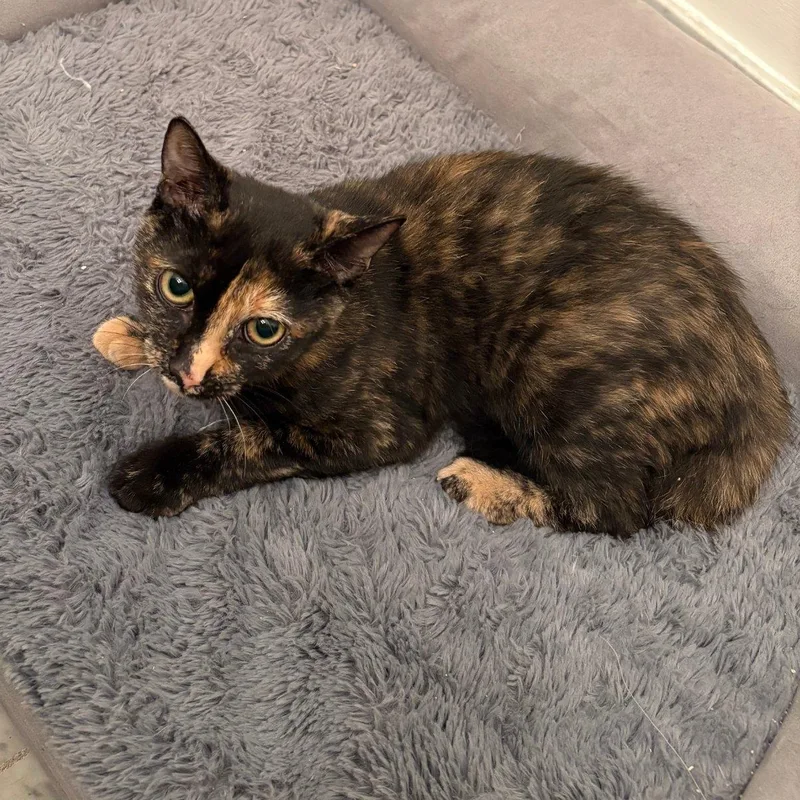
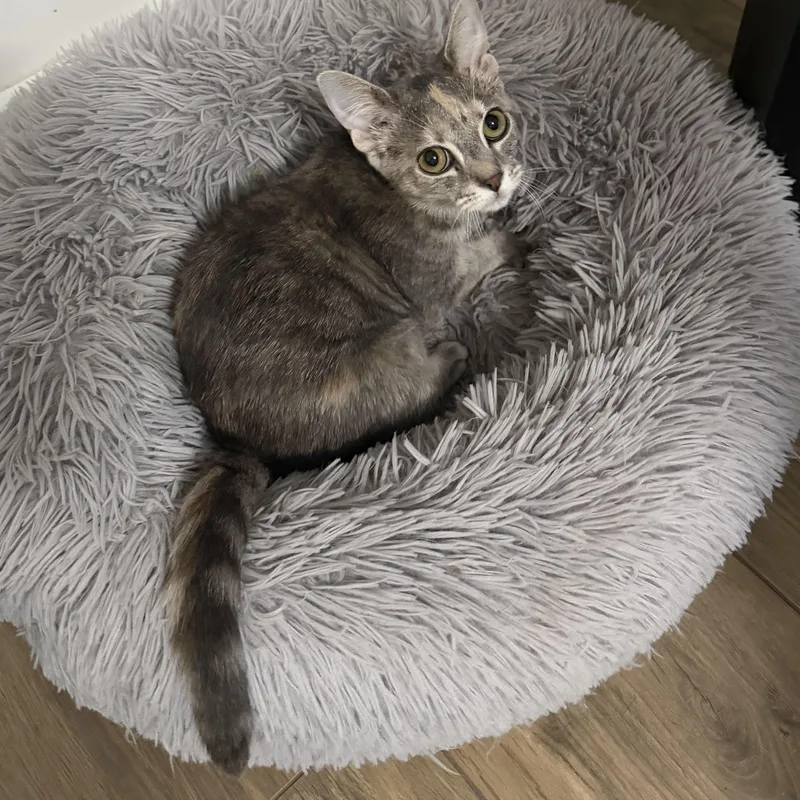
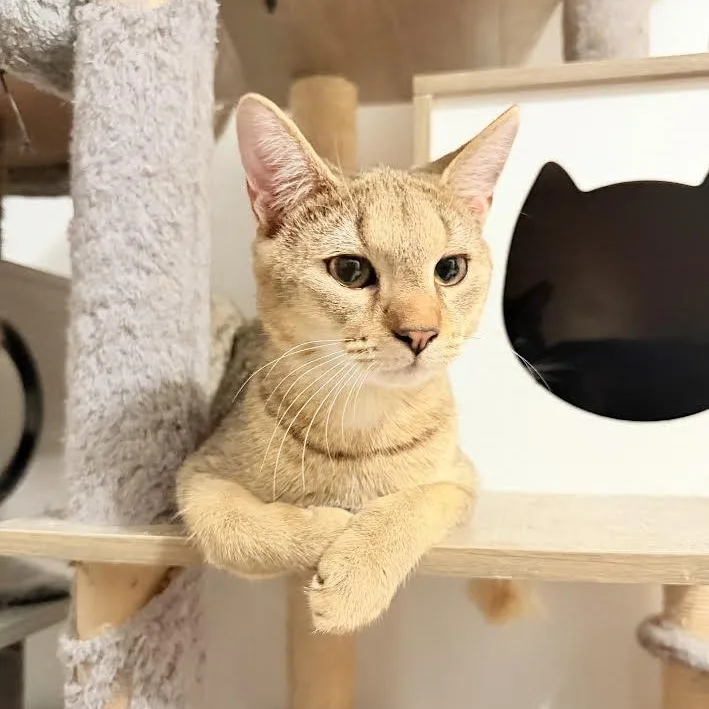
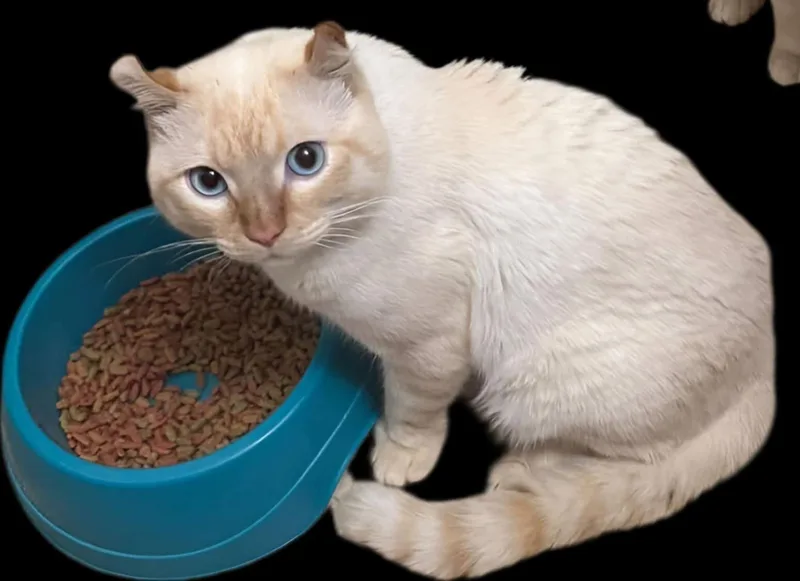
Canadian Hairlesses and Similar Breeds Available for Adoption Near Miami

About the Canadian Hairless breed

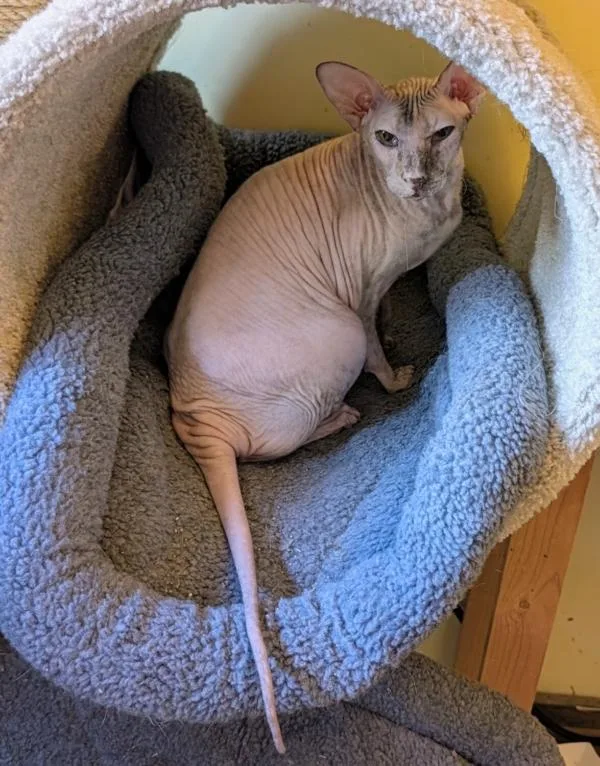
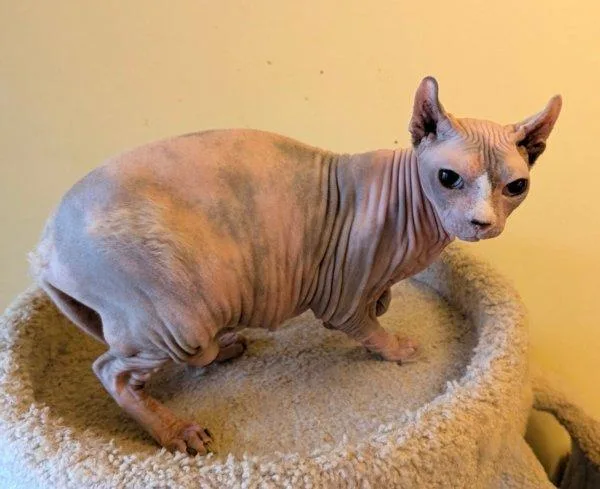
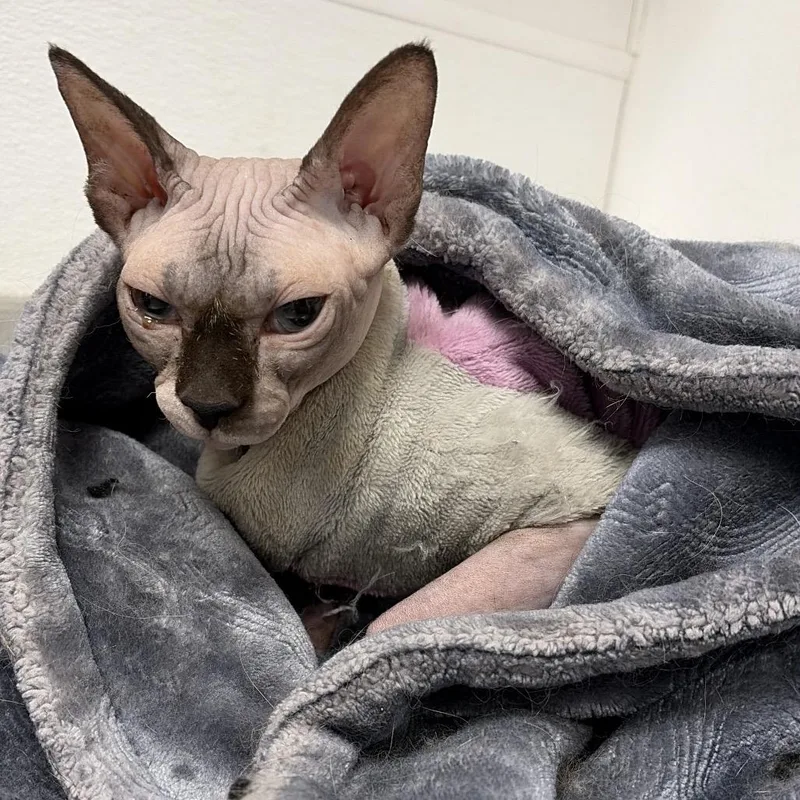
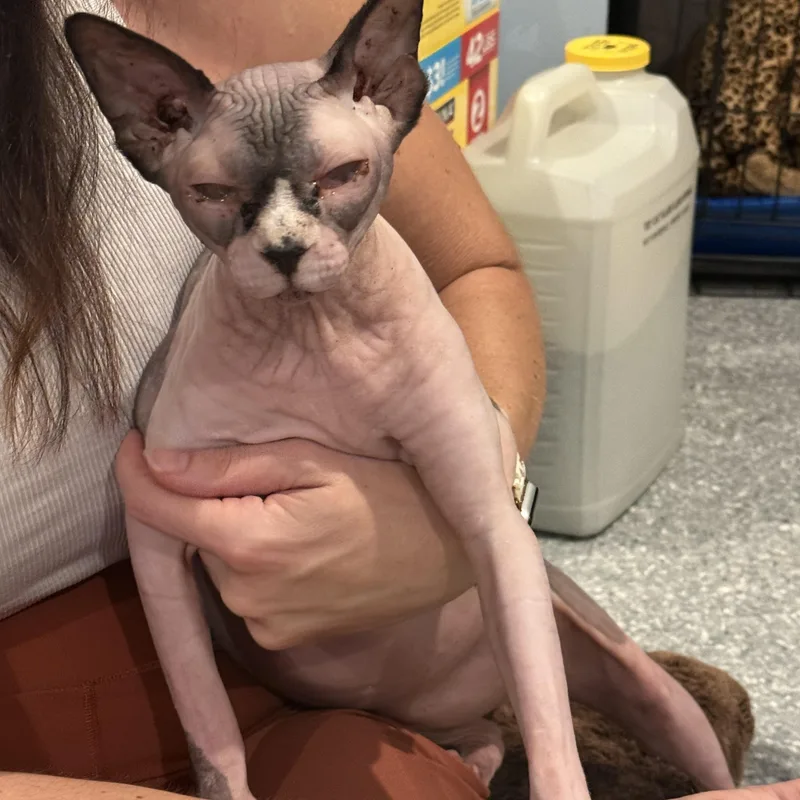
Canadian Hairless is the early name for the Sphynx, a breed that began in Toronto in 1966 when a domestic shorthair gave birth to a hairless kitten named Prune. Despite the Egyptian-sounding name, this is a Canadian cat. It isn't completely bare: most have fine peach-fuzz and skin that feels like warm suede, along with large ears and lemon-shaped eyes.

Many are outgoing, playful and devoted, following their people from room to room and looking for a warm lap. Life without fur means chores, though. Oily skin needs regular baths, ears collect wax, and the cat needs warmth, sun protection and an indoor life. Heart screening matters too, because hypertrophic cardiomyopathy is common in the breed.

Weight
6–12 lbs
Height
8–10 in
Lifespan
8–14 yrs
Temperament
Affectionate, Outgoing, Curious, Playful
Shedding
Low

Owning a Canadian Hairless in Miami

Having a Canadian Hairless in Miami

A Canadian Hairless in Miami is an indoor, people-loving cat whose care centers on skin, warmth and heart health. Living with strong sun and heavy air conditioning adds a few local twists, from sunburn by the window to rooms that run too cool.

Temperament

Canadian Hairless cats tend to be affectionate, curious and eager to be part of whatever you're doing, which suits close quarters in a Miami condo. Many struggle with long days alone, and a compatible companion cat can help. Each cat still varies in how it handles children, visitors and other pets.

Exercise Needs

These clever, active cats need several play sessions a day with wand toys, chase games and puzzle feeders. In Miami's heat and rainy-season storms, most of that exercise happens indoors, so climbing shelves and cat trees earn their space. Harness walks are possible with training, but keep them brief, shaded and off hot pavement.

Health Considerations

Hypertrophic cardiomyopathy is the main concern, and one study found abnormal hearts in about a third of the Sphynx it examined, so a veterinarian can check the heart with an echocardiogram. Skin problems, sunburn, gum disease and kitten respiratory infections also occur. Regular baths, ear cleaning, dental care and yearly checkups catch most trouble early.

Living Space

A Canadian Hairless does best indoors, in an apartment or house kept comfortably cool but free of chilly drafts. Heated beds, blankets and window perches with UV-filtering film give warmth without sunburn. Expect oily marks on pale fabrics, so washable bedding helps. Any balcony access needs secure screening.

What it costs to own a Canadian Hairless in Miami

ExpenseTypical costPer year
Food$25 to $50 per month$300 to $600
Pet insurance$30 to $60 per month$360 to $720
Routine vet care$150 to $350 per year$150 to $350
Other*$550 to $1,450 per year$550 to $1,450
Estimated yearly total (after year one)$1,360 to $3,120

Other costs are estimates and vary with size, age and health.

* Cat litter, flea prevention, a dental cleaning allowance, toys and bedding, bathing and ear-cleaning supplies, and sweaters, warm beds and sun protection for a hairless cat.

Adopt a Canadian Hairless in Miami.

Now that you know more, let’s find you a new best friend. These rescues and shelters below have cats available in and near Miami.

Frequently Asked Questions

Yes, a Canadian Hairless can handle Miami's summer as long as it lives indoors with air conditioning. Highs sit near 90°F and nights stay in the upper 70s, so the bigger risks are sunburn through bright windows and power outages during storms. Add UV-filtering film to sunny windows, and keep a cooling plan and carrier ready in hurricane season.

Yes, a Canadian Hairless can live happily in a Miami apartment, since it's an indoor cat that likes to stay close to its people. Provide climbing shelves, a window perch and washable bedding for skin oils, and secure any balcony with screening. Get your landlord's pet permission in writing before you sign the lease.

A Canadian Hairless can be a good fit for Miami if you're home often and keep your place at a steady, comfortable temperature. Mild winters mean little extra gear, while the sun and humidity call for shaded windows and regular baths. Long workdays alone suit this sociable breed poorly, so a companion cat may help.

Yes, you can get a Canadian Hairless in Miami. County cat rules center on rabies vaccination for cats 4 months and older, with voluntary registration, rather than on breed. Landlords and condo associations set their own pet rules, so confirm that your building allows cats before you adopt.

Yes, a Canadian Hairless can ride Miami-Dade Transit if it stays in a properly enclosed carrier. That rule covers Metrobus, Metrorail and Metromover. Choose a ventilated carrier lined with a soft blanket, since a hairless cat chills easily, and never leave the carrier sitting in a hot parked car.

A Canadian Hairless needs regular baths and ear cleaning in Miami, often every week or two, because skin oils build up without fur. Humidity and warm nights can make the skin feel greasy sooner, and sunny windows call for sun protection. Most owners bathe at home, and the supplies fall within the yearly Other costs.

Sphynx cats typically live about 8 to 14 years, and some reach their late teens with good care. Heart disease, particularly hypertrophic cardiomyopathy, is the biggest factor that can shorten their lives. Regular veterinary checkups, heart screening when recommended, dental care, a healthy weight and an indoor lifestyle give a Sphynx the best chance at a long life.

Sphynx cats are hairless because of a natural recessive mutation in the KRT71 gene, which affects how hair grows from the follicles. A kitten must inherit the variant from both parents to be hairless. The trait first appeared spontaneously in a Toronto kitten in 1966, and enthusiasts then bred from those cats to establish the breed.

Sphynx cats may or may not have whiskers; when present they are usually short, sparse or broken, and many cats have none at all. Eyebrows are often missing too. The same gene that affects body hair alters whisker growth. Cats without whiskers adapt well indoors, though they may be slightly more cautious in tight or dark spaces.

Expect about $25–$50 a month for food, $30–$60 a month for pet insurance and $150–$350 a year for routine vet care. Other yearly costs of $550–$1,450 cover litter, flea prevention, dental care, bathing and ear-cleaning supplies, and warm bedding or sweaters. Heart screening and skin treatment can add more.