Burmese Cats for Adoption in Miami, FL

Your guide to finding and caring for a Burmese in Miami

A Burmese suits Miami condo and apartment life well, because it wants company more than space. In an Edgewater tower or a Flagami duplex, it'll claim the window ledge, follow you from room to room and supervise dinner. Burmese stay playful for years, so a tall cat tree and a daily game with a wand toy go a long way. They're happiest when someone's home a lot, which fits remote workers and busy Coral Way families.

24 Burmese available in Miami and nationwide

Find your Burmese

While we don't have enough cats near Miami, keep in mind that many rescues may offer transport.

Burmese Available for Adoption Near Miami

About the Burmese breed

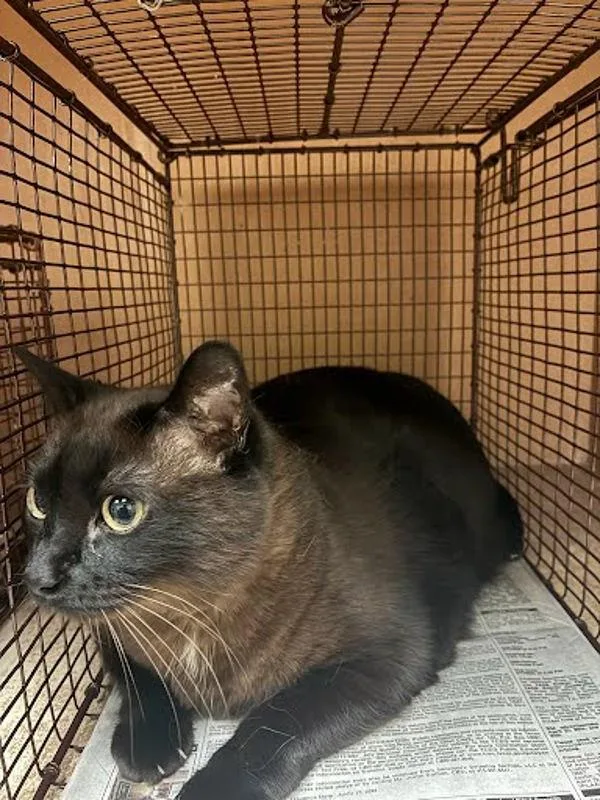
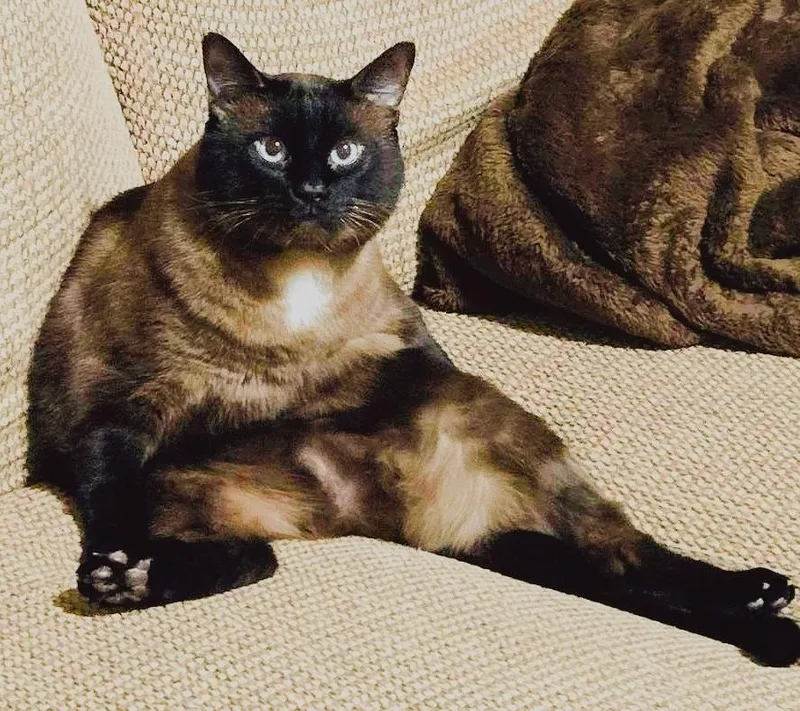
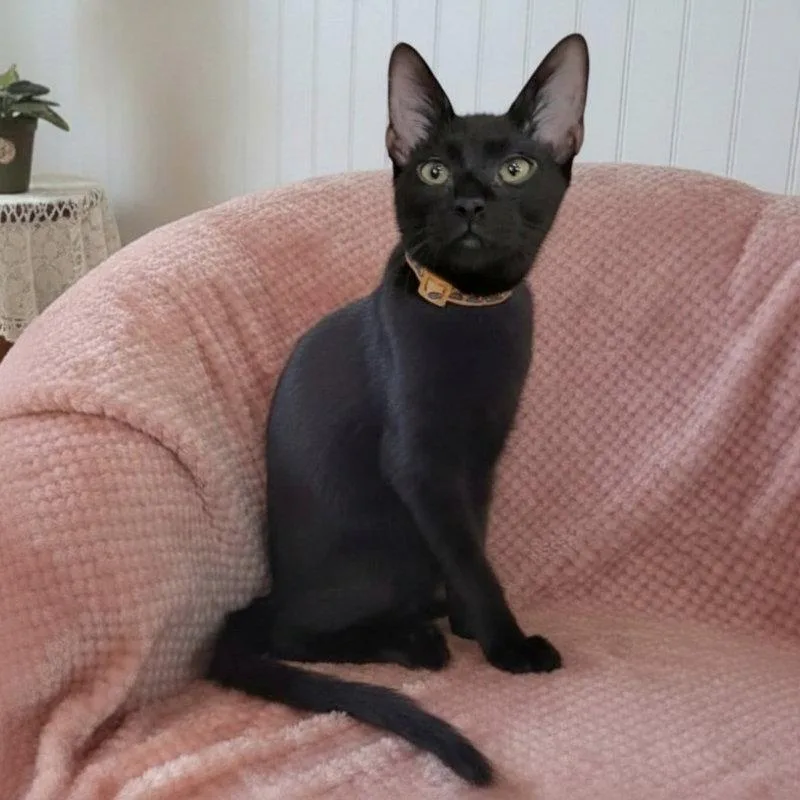
Nearly every Burmese in America traces back to Wong Mau, a walnut-brown cat brought from Southeast Asia to San Francisco in 1930 and bred with Siamese cats. The breed is compact and muscular, and heavier than it looks, usually 8 to 13 pounds, with a short satin coat and big gold eyes. Sable brown is the classic color, though champagne, blue and platinum turn up too.

Burmese are people cats, playful into adulthood and eager to join whatever the household is doing. Many greet visitors and follow their family from room to room. The short coat sheds little, which is handy in a warm city like Miami, but the breed can carry inherited conditions such as diabetes. Adult cats vary, so spend time with a cat before deciding.

Weight
8–13 lbs
Height
9–11 in
Lifespan
12–17 yrs
Temperament
Affectionate, Social, Playful
Shedding
Low

Owning a Burmese in Miami

Having a Burmese in Miami

A Burmese is a compact, dense cat that stays playful for life. In Miami, the big questions are how much attention it gets, how well your home stays cool, and whether you're ready to watch for a few breed-linked health risks.

Temperament

Burmese are affectionate, curious and sociable, and many act dog-like, following people around and learning games. They usually spread their love across the whole family and do well with respectful children and cat-friendly dogs. In a lively Miami household that's an asset, though adult cats vary and some are shy at first.

Exercise Needs

Plan on daily interactive play: wand toys, fetch and a sturdy cat tree or shelves for leaping. Puzzle feeders keep clever minds busy and help prevent weight gain. In Miami's muggy summers, indoor play is the reliable option, and a window perch gives a Burmese something to watch between sessions.

Health Considerations

Burmese can be prone to diabetes, low potassium (watch for sudden weakness), feline orofacial pain syndrome and, in some lines, a severe head defect in kittens. Keep a Burmese lean, notice extra thirst, and schedule regular checkups with blood work as it ages. Year-round flea prevention matters in Miami's warm climate.

Living Space

A Burmese adapts to a high-rise unit or a small house if it has company, play and vertical space. Indoor living is the best fit in Miami, with a secure window perch or catio for fresh air. Long, empty days can be hard on this breed, so a compatible second pet may help.

What it costs to own a Burmese in Miami

ExpenseTypical costPer year
Food$25 to $50 per month$300 to $600
Pet insurance$30 to $60 per month$360 to $720
Routine vet care$150 to $350 per year$150 to $350
Other*$450 to $1,150 per year$450 to $1,150
Estimated yearly total (after year one)$1,260 to $2,820

Other costs are estimates and vary with size, age and health.

* Litter, year-round flea prevention, a dental cleaning allowance, toys, scratchers and climbing furniture, and minimal grooming for the short, satin coat.

Adopt a Burmese in Miami.

Now that you know more, let’s find you a new best friend. These rescues and shelters below have cats available in and near Miami.

Frequently Asked Questions

Yes, a Burmese usually does well in a Miami apartment or condo, since it needs company and play more than floor space. Provide a tall cat tree, a window perch and daily wand-toy sessions. Get the building's pet terms in writing before adopting, and keep balcony doors and window screens secure.

Yes, as long as a Burmese lives indoors with air conditioning. The short coat is easy in warmth, but humidity and nights in the high 70s make outdoor time risky. Keep water in several spots, close blinds on sunny windows, and if a storm knocks out power, settle the cat in the coolest room.

Yes. Cats in Miami-Dade need a rabies vaccination from four months old, and registering a cat is voluntary. Your landlord or condo association may set its own pet rules, so confirm them before you adopt. Each listing on this page shows what's included with a cat, such as vaccines, spay or neuter, and a microchip.

Yes, if the cat is in a properly enclosed carrier. Miami-Dade Transit requires pets on Metrobus, Metrorail and Metromover to ride enclosed, and the carrier can't interfere with the bus or train. Burmese are dense for their size, so pick a sturdy, ventilated carrier that comfortably fits a cat of up to 13 pounds.

It can be, if you'll keep the cat indoors and cool and have a hurricane plan. A Burmese handles air-conditioned apartment life well and its short coat is easy care. It's a harder match if you travel often or your building limits pets, so think through your typical week before adopting.

Very little. A weekly rub with a rubber brush or soft cloth keeps the short, satin coat glossy, and Burmese shed lightly, so Miami's year-round warmth doesn't change the routine. Nail trims and dental care are the main extras, and they fall under the yearly "Other" costs of $450 to $1,150 alongside litter and flea prevention.

A Burmese is a medium-sized, muscular shorthaired cat known for a glossy, satin-like coat, gold eyes and a famously people-oriented personality. Most American Burmese trace back to a single brown cat, Wong Mau, brought to San Francisco in 1930. They are playful, social and affectionate, and they come in sable, champagne, blue, platinum and other colors.

The name Burmese simply means from Burma, the country now called Myanmar. It refers to where the breed's foundation cat, Wong Mau, was believed to come from, in the region near the border between Burma and Thailand. Brown cats resembling the Burmese are thought to appear in old Thai cat manuscripts, long before the modern breed was developed in America.

Burmese cats are moderately vocal. They usually speak up when they want attention, food or company, but they are generally quieter than their Siamese relatives, with softer, sweeter voices. Many hold chatty conversations with their people and greet them at the door. Individual cats vary, and some are quite talkative while others rarely meow.

Plan on roughly $25 to $50 a month for food and $30 to $60 for pet insurance, plus $150 to $350 a year for routine vet care and $450 to $1,150 a year for everything else, including litter and flea prevention. That adds up to about $1,260 to $2,820 a year, before any emergencies.