Akbash dog

Akbash Dogs for Adoption in Seattle, WA

Your guide to finding and caring for an Akbash in Seattle

An Akbash in Seattle needs a tall, secure fence more than anything else. A house with a yard in a neighborhood like Wedgwood or Broadview is a far better match than a Belltown condo. Akbash dogs are calm and quiet with their families, but they watch the street and bark at night, which neighbors will hear. Leashed loops around Seward Park suit them better than off-leash romps, since they're fast and tend to roam.

62 Akbashes available in Seattle and nationwide

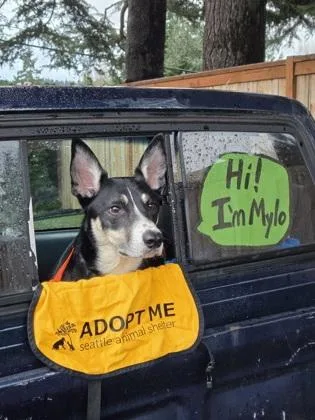
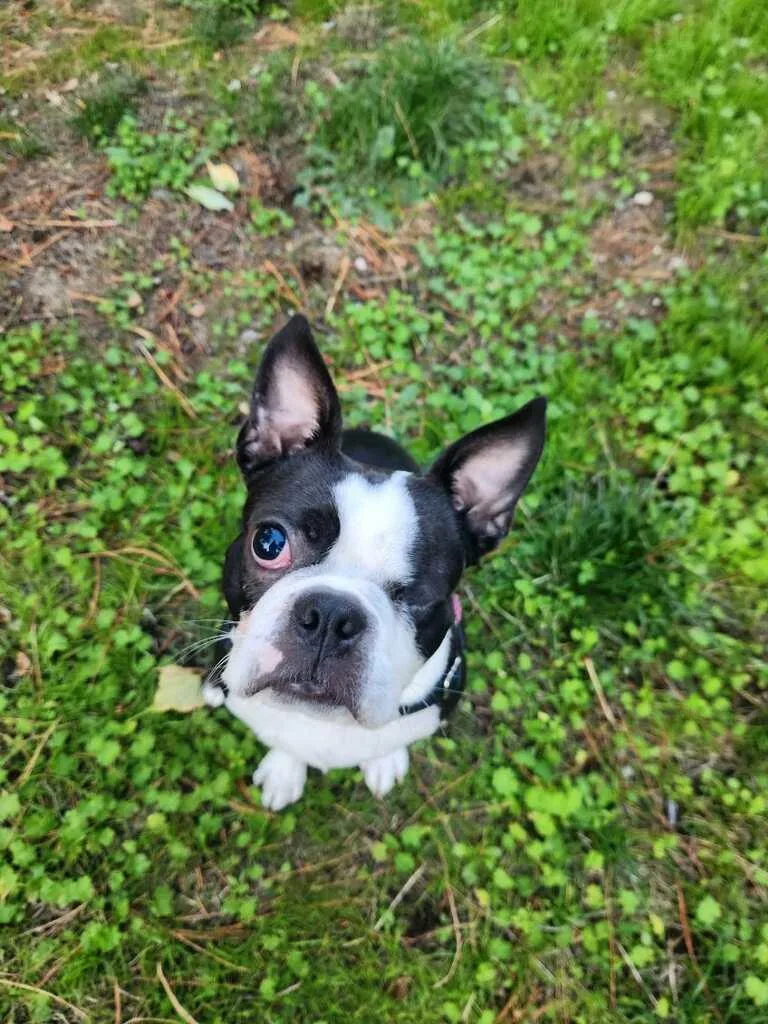
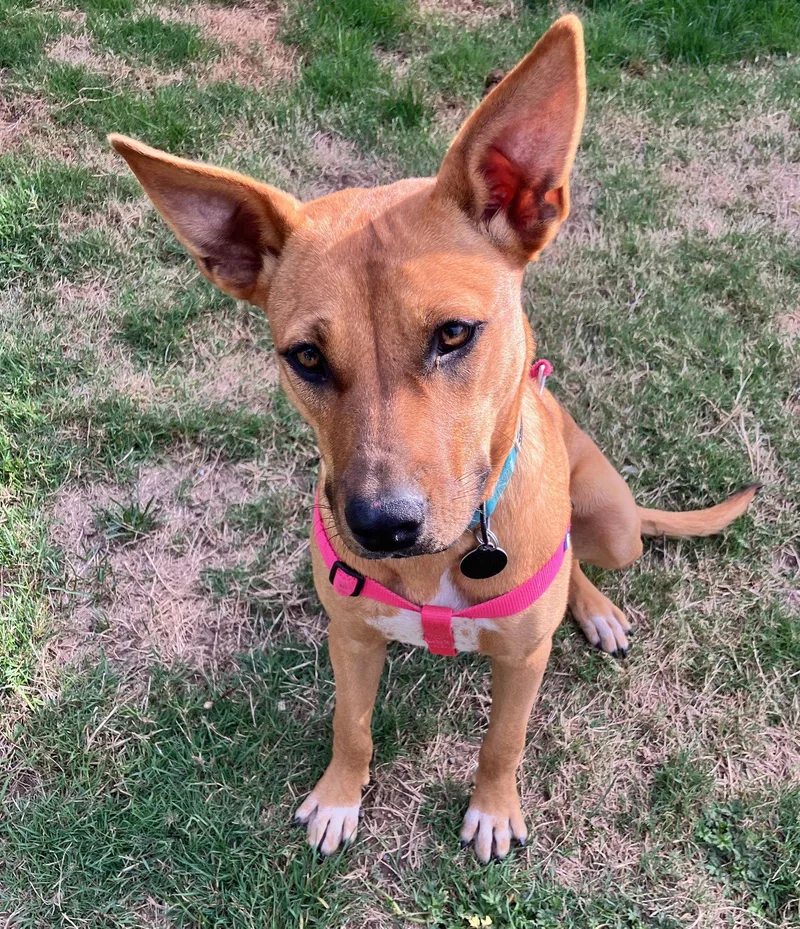
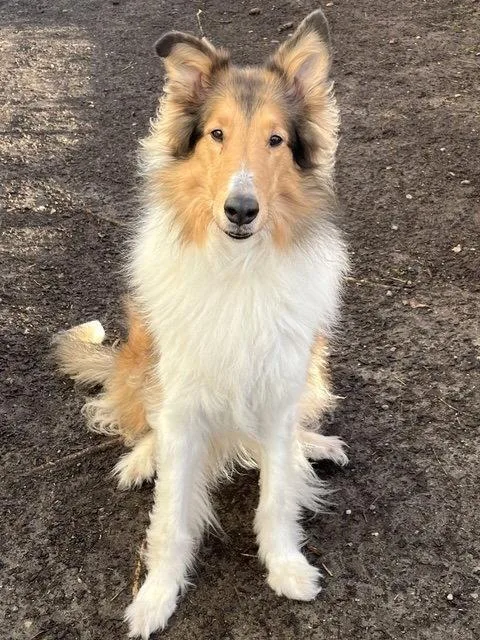
Meet your next Akbash

While we don't have enough dogs near Seattle, keep in mind that many rescues may offer transport.

Akbashes Available for Adoption Near Seattle

About the Akbash breed

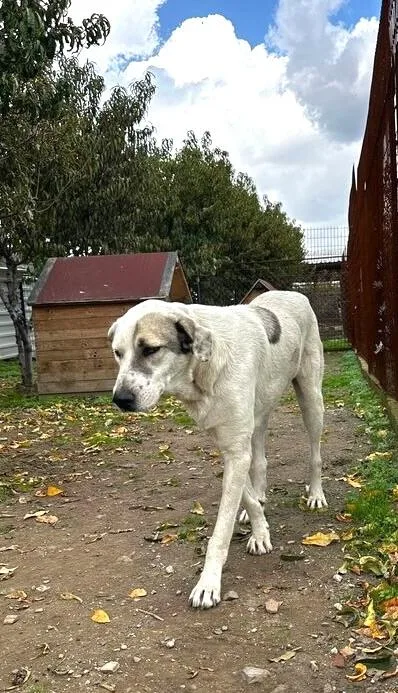
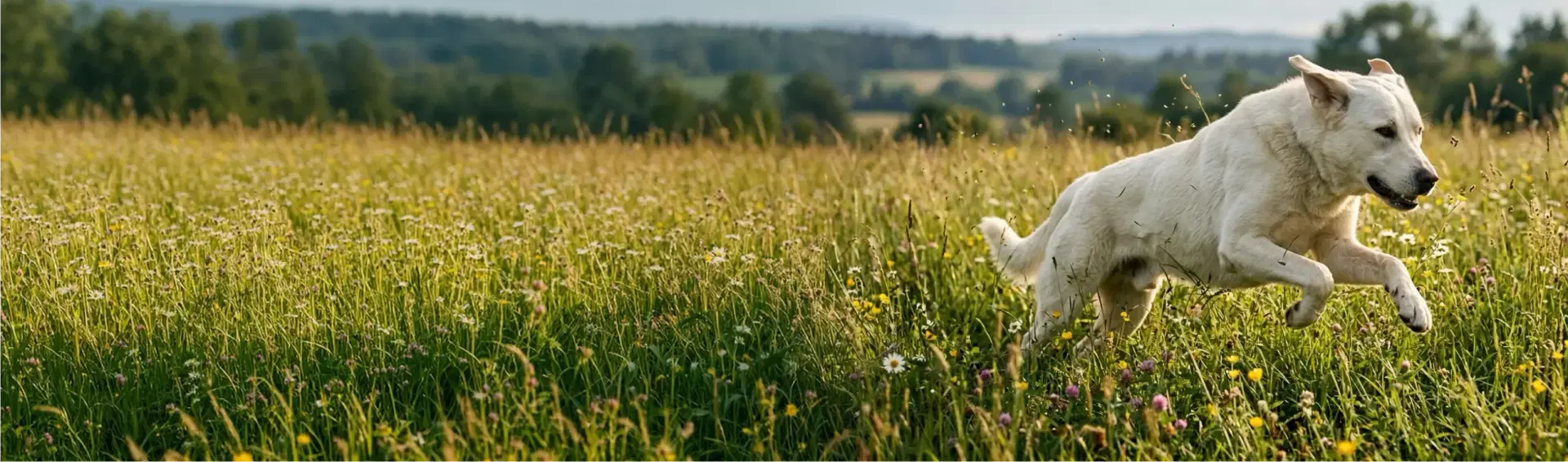
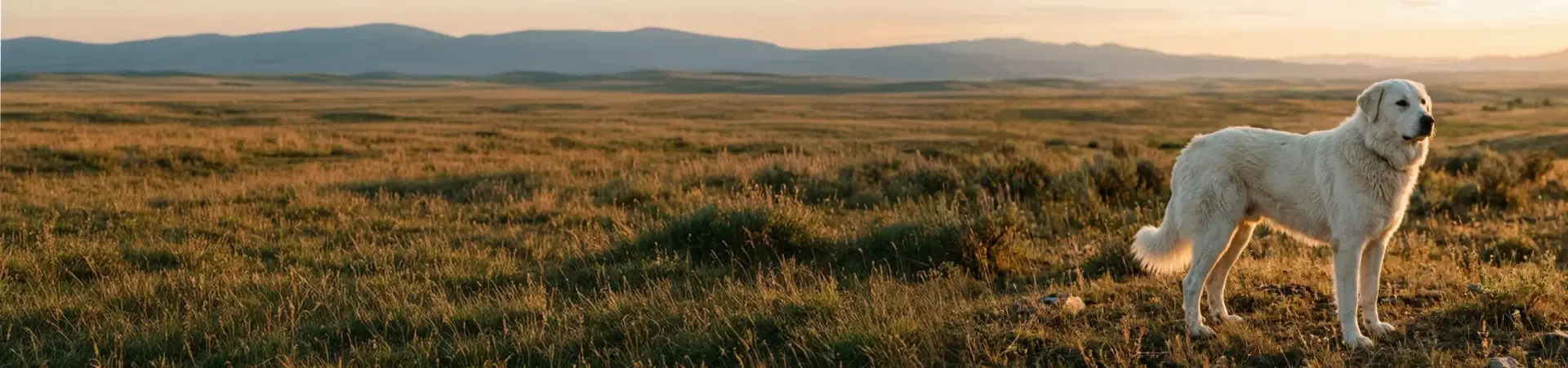
The Akbash is a white livestock guardian from western Turkey, where shepherds relied on it to live with flocks and drive off wolves. Its name, akbaş, means white head, and the pale coat helped shepherds tell their dog from a predator in poor light. Americans began importing the breed in the 1970s. Adults are tall, lean and long-legged, usually 75 to 140 pounds, with a double coat that sheds heavily once a year.

At home, many Akbash dogs are gentle and steady with their own people, yet aloof with strangers and wary of unfamiliar dogs. They think for themselves and mature slowly, often taking two to three years. In Seattle, that means early socialization, secure fencing and an owner who enjoys a dog that patrols rather than fetches. The wet climate adds muddy-coat upkeep to the usual guardian-breed care.

Weight
75–140 lbs
Height
27–34 in
Lifespan
10–12 yrs
Temperament
Protective, Calm, Independent, Loyal
Group
Working
Shedding
Moderate to High

Owning an Akbash in Seattle

Having an Akbash in Seattle

Akbash dogs are independent guardians, so watchfulness, night barking and a need for space shape daily life more than their gentle side does. In Seattle, fencing, rainy-day coat care and neighbor-friendly routines matter most.

Temperament

Many Akbash dogs are calm and quietly affectionate with family, but aloof with strangers and watchful of unfamiliar dogs. On Seattle's busy sidewalks and trails, that makes early, ongoing socialization and a secure leash essential. They think independently, so patient, consistent training works better than expecting quick obedience. Temperament varies from dog to dog.

Exercise Needs

Moderate daily exercise suits an Akbash: long leashed walks plus time patrolling a fenced yard. Seattle's off-leash areas rarely fit, since these dogs are fast, may roam and can confront unfamiliar dogs. The paths at Seward Park or Lincoln Park work on leash. Keep puppies off heavy, repetitive exercise while they grow.

Health Considerations

Akbash dogs are generally hardy, but giant breeds can develop hip dysplasia, bloat, osteochondritis dissecans and hypothyroidism. Some guardian breeds are sensitive to anesthesia, so mention the breed before any procedure. Keep the dog lean, learn the signs of bloat, and have a veterinarian check the hips soon after adoption.

Living Space

An Akbash is poorly suited to apartments and condos, which is a real hurdle given how many Seattle homes are rentals. A house with tall, secure fencing is the better match. Night barking carries between close homes, so think about your neighbors. Family Akbash dogs should still spend plenty of time indoors with their people.

What it costs to own an Akbash in Seattle

ExpenseTypical costPer year
Food$80 to $160 per month$960 to $1,920
Pet insurance$85 to $170 per month$1,020 to $2,040
Routine vet care$250 to $500 per year$250 to $500
Other*$720 to $1,895 per year$720 to $1,895
Estimated yearly total (after year one)$2,950 to $6,355

Other costs are estimates and vary with size, age and health.

* The $45 Seattle license for a spayed or neutered dog, flea, tick and heartworm prevention, a dental cleaning allowance, durable toys and bedding, brushing for the heavy annual shed, and joint supplements.

Akbash dog

Adopt an Akbash in Seattle.

Now that you know more, let’s find you a new best friend. These rescues and shelters below have dogs available in and near Seattle.

Frequently Asked Questions

Yes, you can own an Akbash in Seattle. The city has no breed bans, and Washington law limits breed-based rules statewide. You'll need a city dog license, a rabies vaccination, a leash whenever you're off your property, and no more than three dogs and cats combined on a typical lot. Landlords can also limit pets, so check your lease.

Technically yes, but an Akbash is a poor match for a Seattle apartment. These guardians need tall fencing and space to patrol, and they bark at night, which carries through shared walls. Landlords can also limit pets. A house with a secure yard fits far better than a Belltown or South Lake Union building.

Mostly yes. Seattle's cool, damp weather suits the Akbash's double coat, and summers are short, with only a few days a year above 90°F. Mud, wet fur and the occasional heat wave are the real challenges, so dry the coat and paws after walks, provide shade and cool water in summer, and shorten outings on smoky days.

Leashed walks suit an Akbash best. Green Lake's 2.8-mile paved loop requires a leash of 5 feet at most, and Carkeek Park's forested trails work too, though its beach is off-limits to dogs. Magnuson Park has an off-leash area with lake access, but guardian dogs can confront unfamiliar dogs, so a fenced yard is safer for free time.

Yes, with limits. Metro buses allow dogs: small dogs ride free on a lap, while larger dogs pay a fare and ride on the floor at the driver's discretion. An adult Akbash is giant, so expect a fare and a possible refusal. Sound Transit is piloting leashed dogs on Link through spring 2027, and the Water Taxi and state ferries allow leashed dogs.

Plan on brushing a few times a week, and daily during the heavy annual shed. Seattle's rain means towel-drying the coat and paws after walks so mud doesn't mat the undercoat. Many owners brush at home, and occasional professional grooming falls within the Other costs on this page, about $720 to $1,895 a year.

An Akbash fits Seattle if you have a house with tall fencing, tolerant neighbors and time for long leashed walks. It's a harder fit for downtown condos, shared walls or off-leash dog-park routines. Dogs vary, so judge the dog in front of you, and be honest with yourself about the noise and space involved.

Possibly outdoors, but don't count on it. Seattle patios can allow pet dogs only when the restaurant has a health-department-approved plan, and indoor dining rooms generally don't. A giant, aloof guardian may be uneasy in crowded seating, so practice settling quietly on a leash before trying a patio.

Akbash dogs are not typically aggressive toward their own family, but they are protective guardians that may act aggressively toward threats. The breed is described as gentle and quietly affectionate at home, aloof and suspicious with strangers, and watchful of unfamiliar dogs on its territory. Thorough socialization, secure fencing and careful introductions help prevent protective behavior from becoming a problem.

Budget roughly $2,950 to $6,350 a year for an adult Akbash, counting food, insurance, routine vet care and other costs. Food and insurance make up most of it, while parasite prevention, coat care and joint support fill out the rest. Emergencies such as bloat surgery can cost far more, so keep an emergency fund.