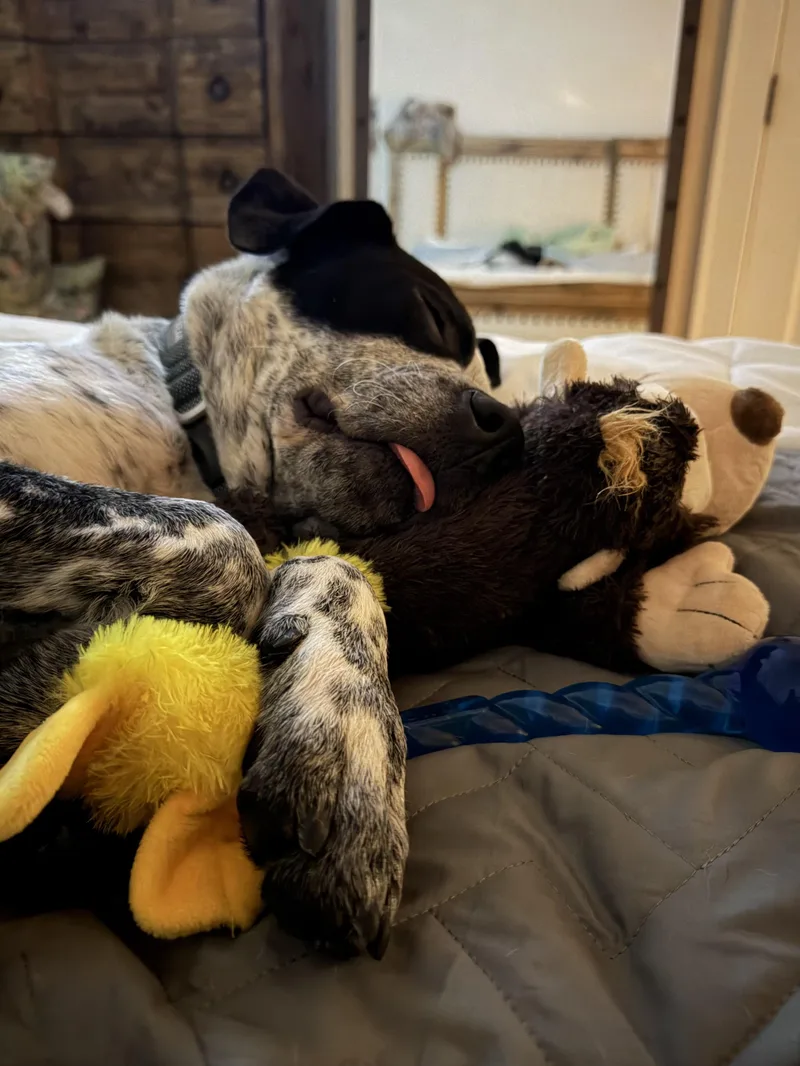
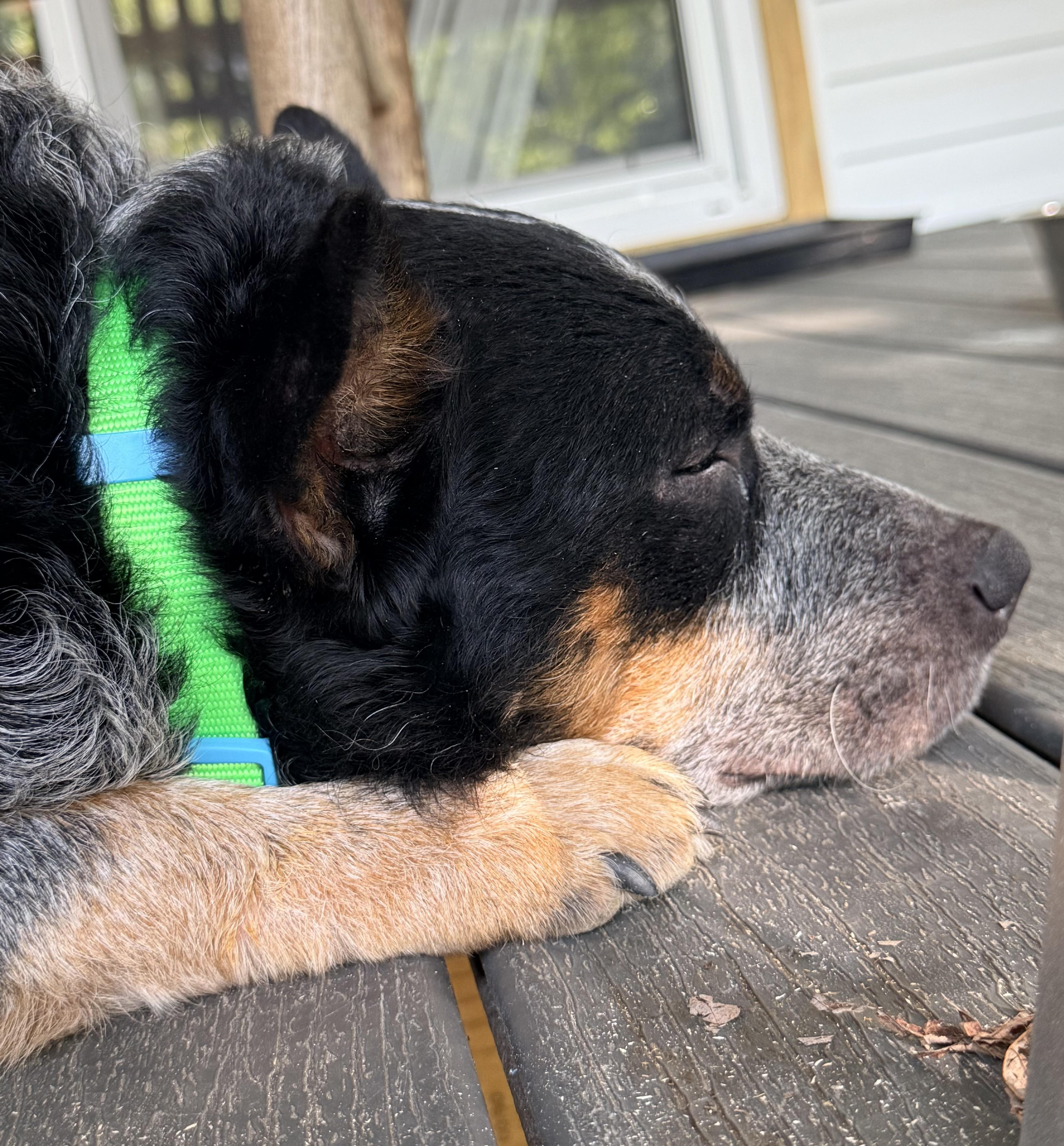
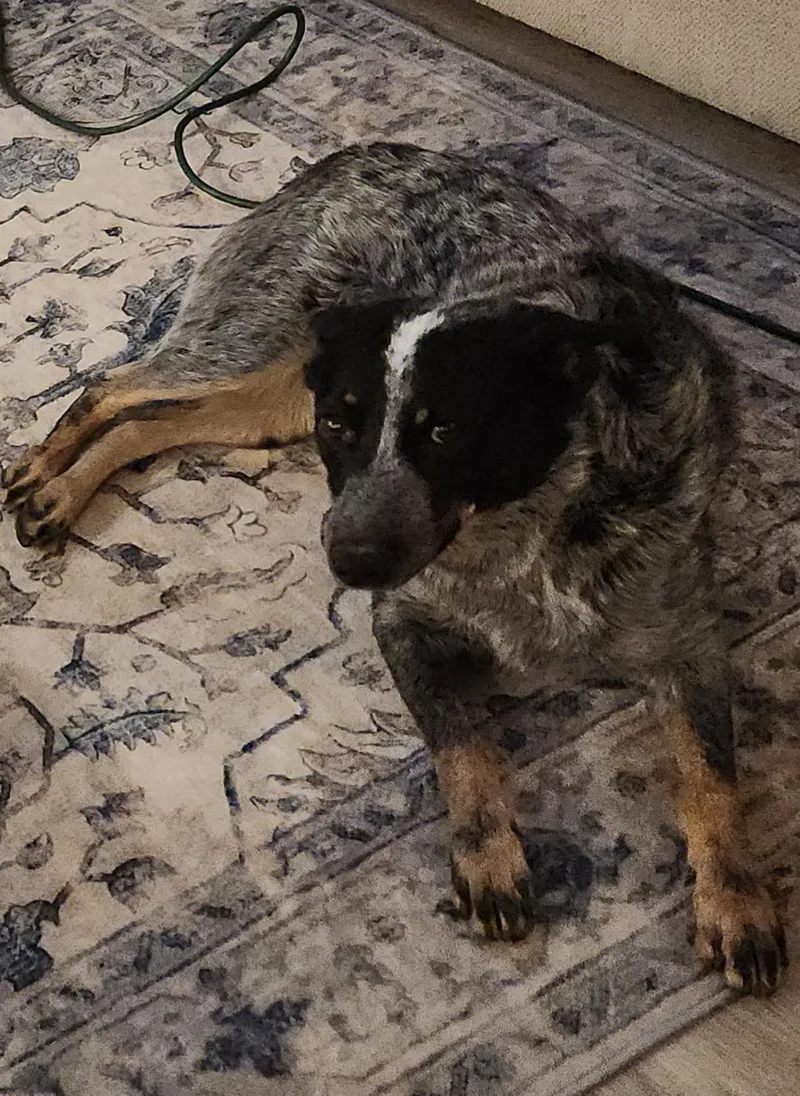
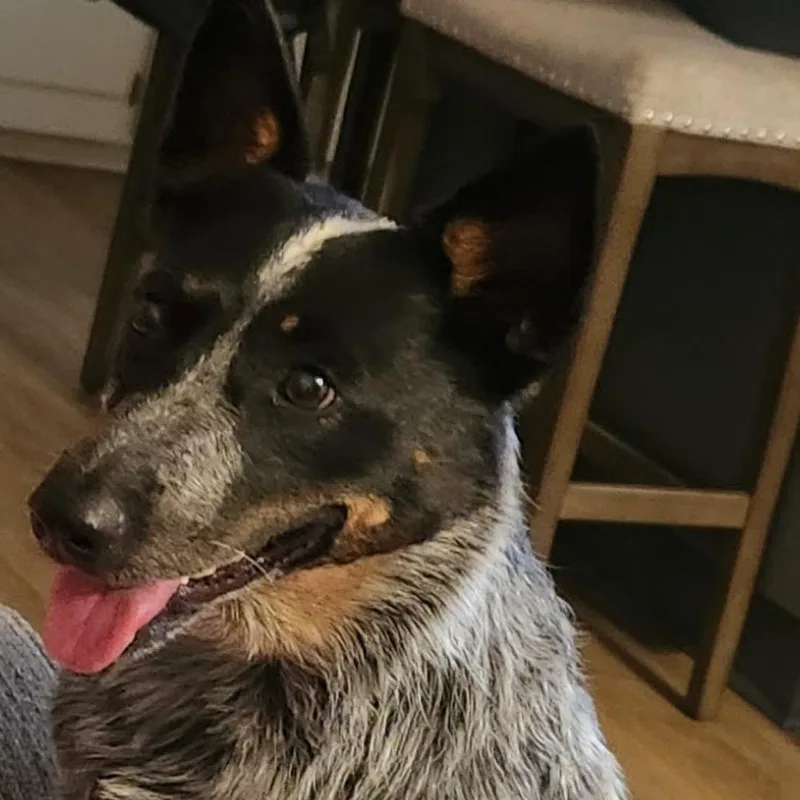
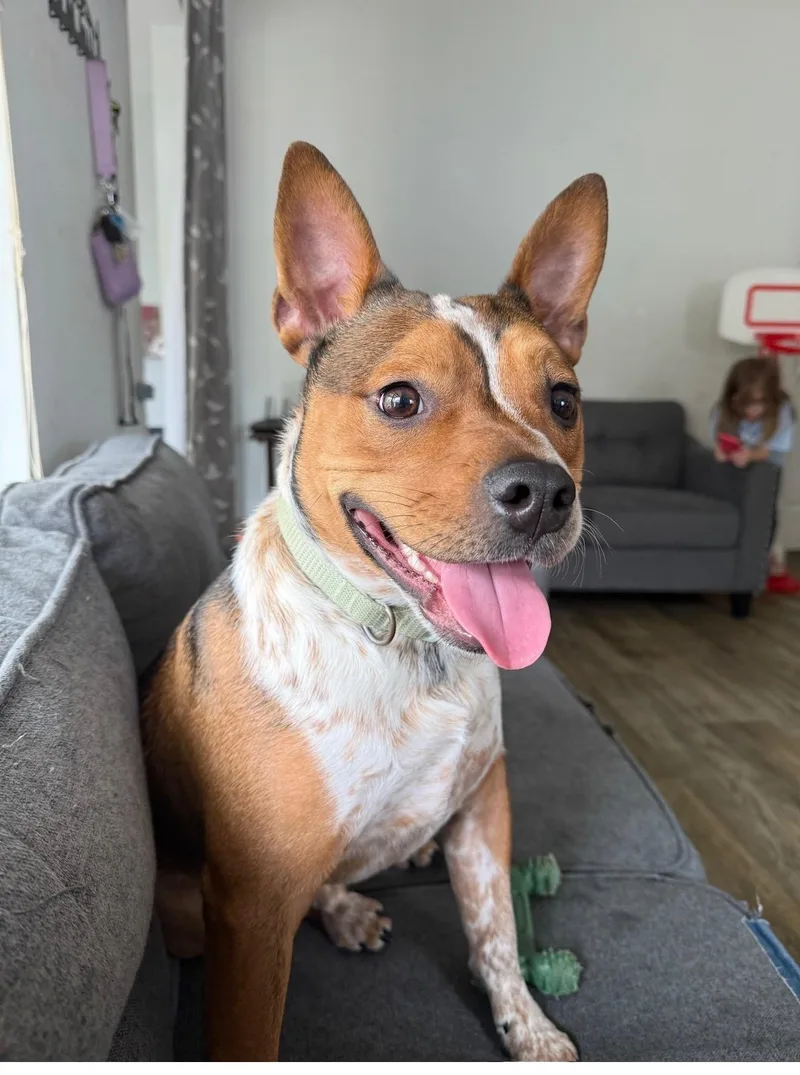
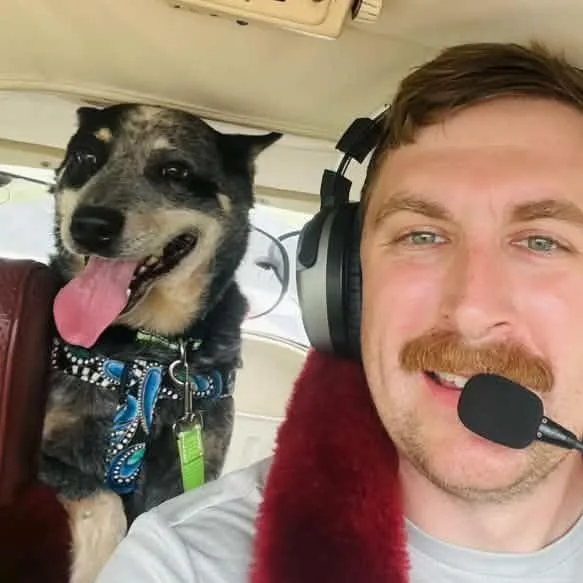
Australian Cattle Dog / Blue Heelers for Adoption in Chesapeake, VA

Your guide to finding and caring for an Australian Cattle Dog / Blue Heeler in Chesapeake

Blue Heelers suit Chesapeake best when their people live near open ground, like Deep Creek or Hickory. The Dismal Swamp Canal Trail starts in Deep Creek, and a grown Heeler can cover miles of it on a leash. A fenced yard in Western Branch helps too, since these dogs like to patrol. Heelers attach hard to one person, so they do well with owners who are home a lot and enjoy giving a smart dog a job.

4347 Australian Cattle Dog / Blue Heelers available in Chesapeake and nationwide

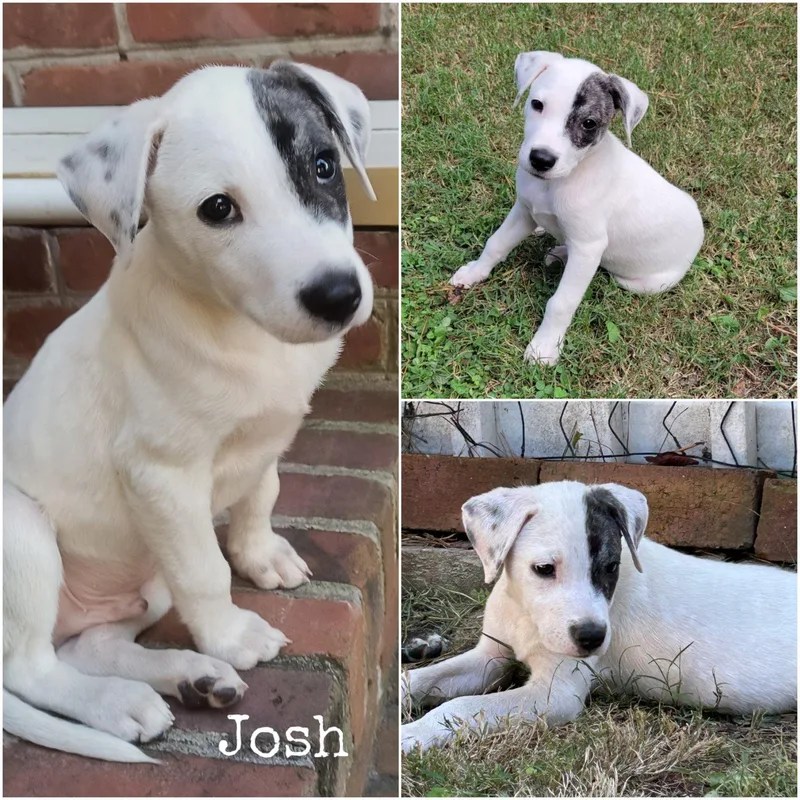
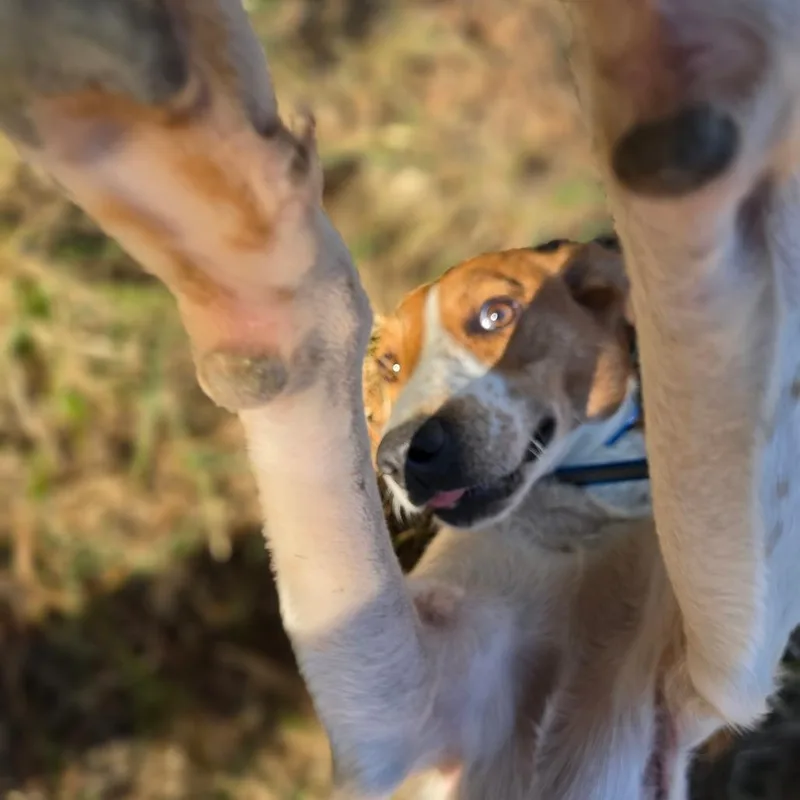
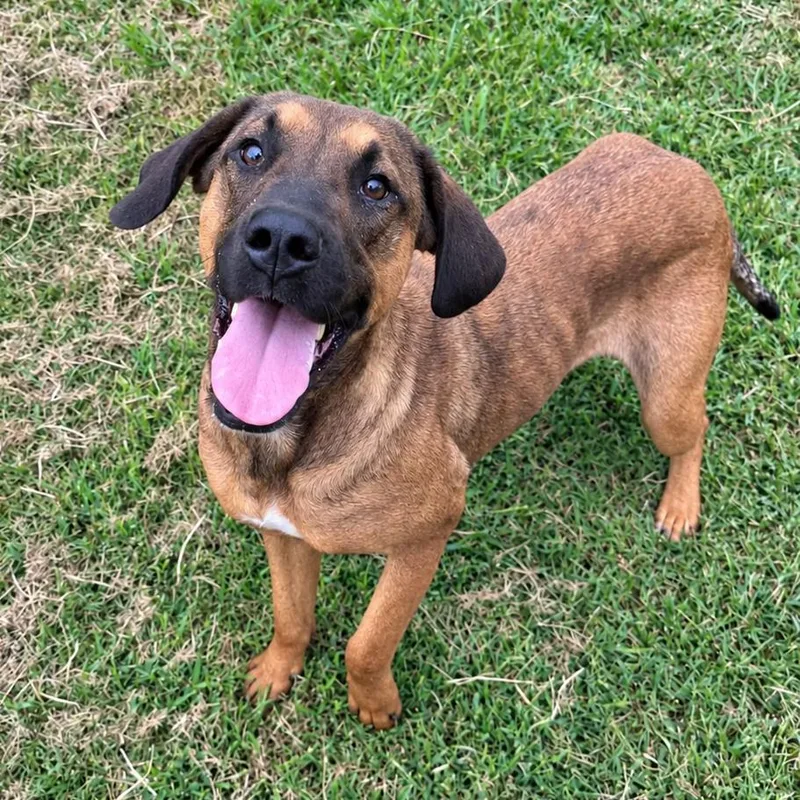
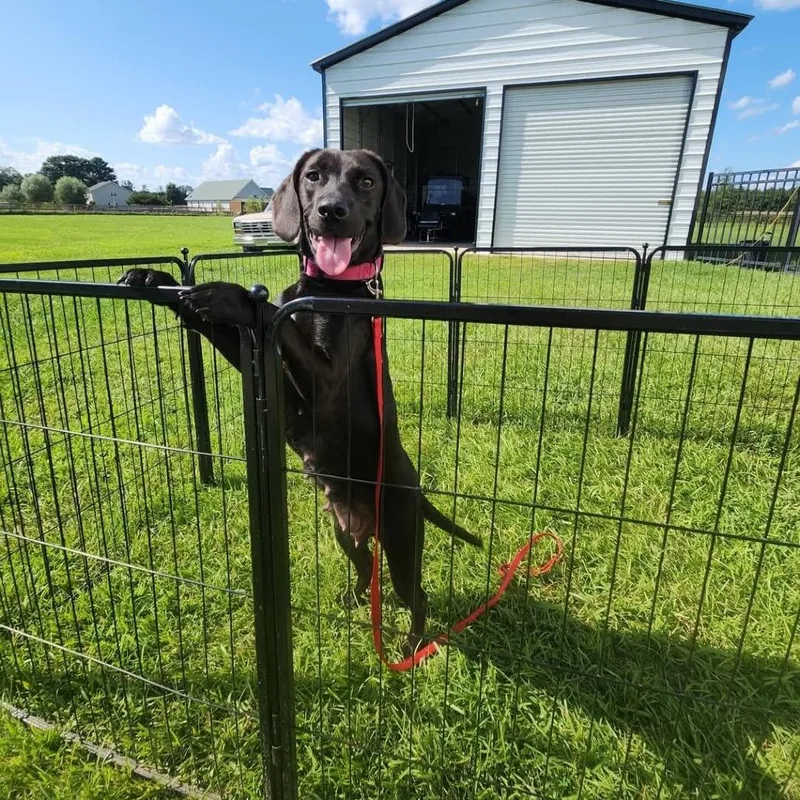
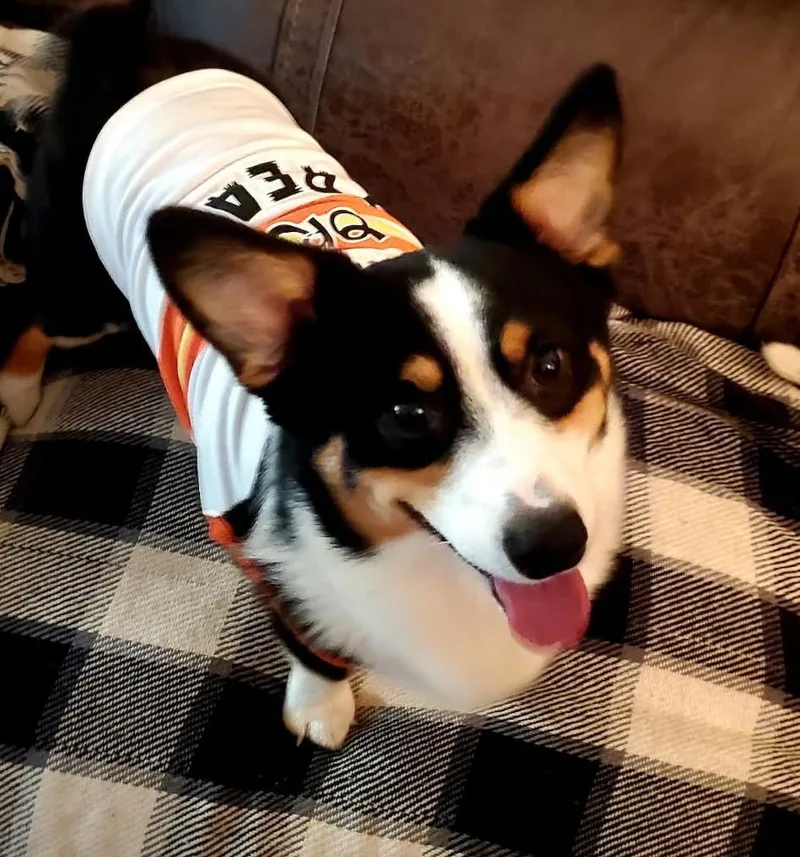
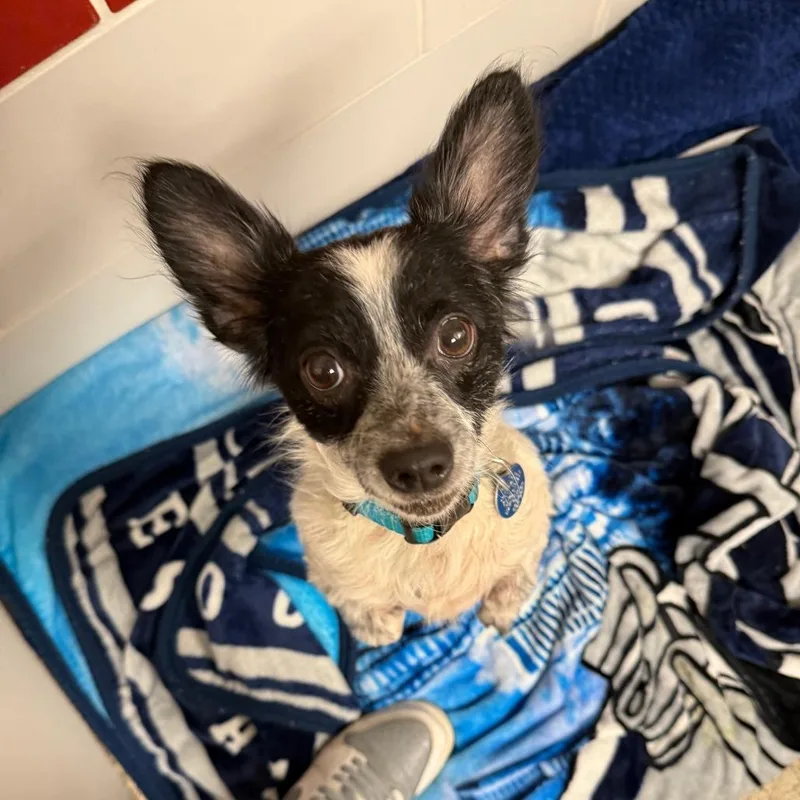
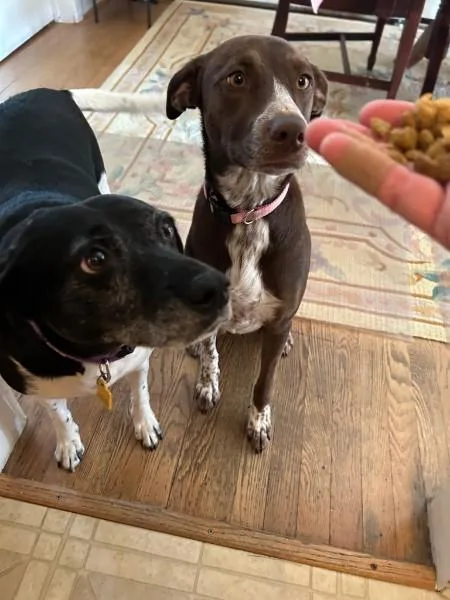
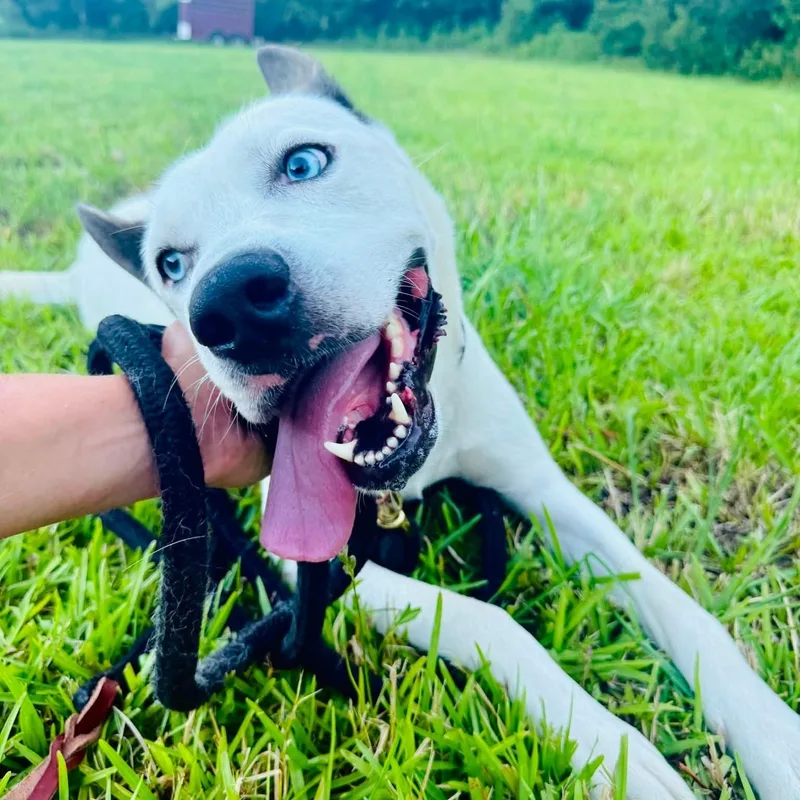
Say hello to your Blue Heeler

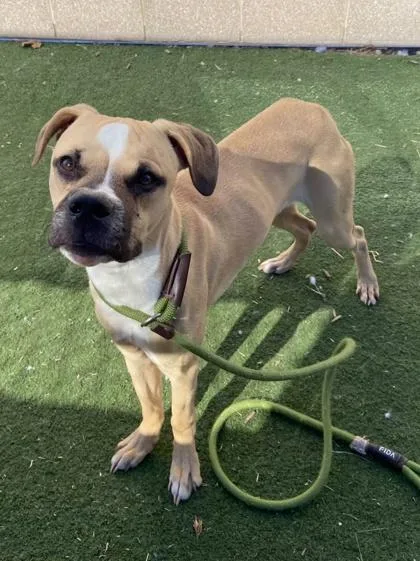
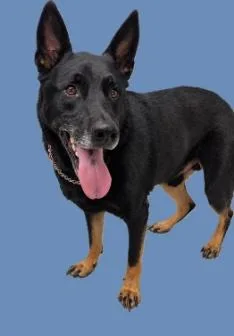
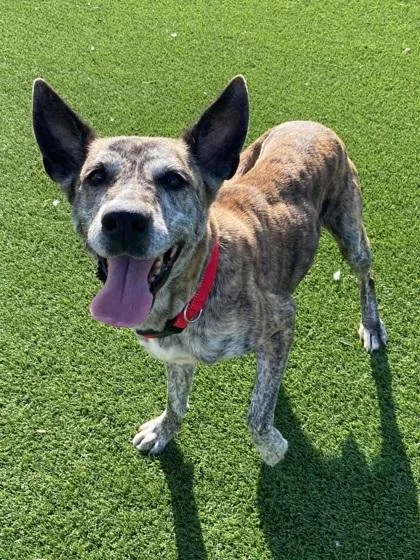
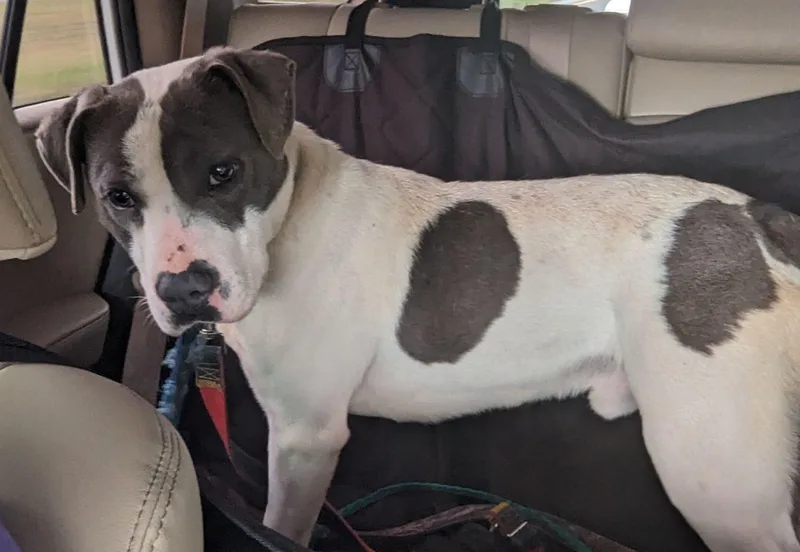
Australian Cattle Dog / Blue Heelers Available for Adoption Near Chesapeake

About the Australian Cattle Dog / Blue Heeler breed

Australian Cattle Dogs, also called Blue Heelers, were developed in nineteenth-century Australia to move cattle over long distances in heat. They're compact and muscular, usually 35 to 50 pounds, with a short weatherproof double coat in blue or red speckle. Shedding is moderate, with a heavier coat blow once or twice a year.

Heelers are smart, alert and loyal, and many stay reserved with strangers. Their herding drive can show up as nipping at heels, chasing bikes or bossing other pets, so training and early socialization matter. In Chesapeake, suburban streets, fenced parks and swamp-edge trails give a Heeler plenty to do, though dogs vary in how driven they are.

Weight
35–50 lbs
Height
17–20 in
Lifespan
12–16 yrs
Temperament
Energetic, Intelligent, Loyal, Alert
Group
Herding
Shedding
Moderate

Owning an Australian Cattle Dog / Blue Heeler in Chesapeake

Having an Australian Cattle Dog / Blue Heeler in Chesapeake

In Chesapeake, a Heeler's stamina and sharp mind matter more than its medium size. Daily exercise, a secure yard or long walks, and a plan for hot, humid summers decide whether this breed fits your home. Dogs vary in how driven they are.

Temperament

Heelers tend to be loyal and alert, often choosing one favorite person. Many are cautious with strangers, which can mean barking at delivery drivers or neighbors on busy Chesapeake streets. Herding instincts may show up as nipping or chasing, so reward-based training and gentle early socialization help. Each dog's drive and sociability differ.
Exercise Needs

Plan on an hour or more of real activity daily: running, fetch, hiking or training games. Chesapeake's canal and lake trails, the fenced dog parks and a securely fenced yard all work, with a leash outside the parks. Puzzle toys and training sessions add the mental work that keeps a Heeler from digging or nipping out of boredom.

Health Considerations

Heelers are often long-lived, but breed concerns include congenital deafness, progressive retinal atrophy, primary lens luxation and hip and elbow dysplasia. A veterinarian can check hearing, eyes and joints and talk through screening. In Chesapeake's warm months, flea, tick and heartworm prevention matters, and active dogs can injure themselves in rough play.

Living Space

A Heeler is happiest with a fenced yard and an owner who's outside with it, which fits Chesapeake's many single-family neighborhoods. Apartments can work if the dog gets long daily exercise. Expect some barking at hallway and sidewalk noise, and a dog that wants to stay close to its people.

What it costs to own an Australian Cattle Dog / Blue Heeler in Chesapeake

ExpenseTypical costPer year
Food$35 to $70 per month$420 to $840
Pet insurance$55 to $100 per month$660 to $1,200
Routine vet care$225 to $450 per year$225 to $450
Other*$432 to $1,160 per year$432 to $1,160
Estimated yearly total (after year one)$1,737 to $3,650

Other costs are estimates and vary with size, age and health.

* The $7 Chesapeake dog license for a spayed or neutered dog ($10 if not), flea, tick and heartworm prevention, a dental cleaning allowance, durable toys and bedding, and light home grooming.

Adopt an Australian Cattle Dog / Blue Heeler in Chesapeake.

Now that you know more, let’s find you a new best friend. These rescues and shelters below currently have Australian Cattle Dog / Blue Heelers available.

Rescues in Chesapeake with Australian Cattle Dog / Blue Heelers Available

Chesapeake has a city animal shelter and a nonprofit humane society, and the rescues and shelters below serve the area. Here are the rescues & shelters in the Chesapeake area where you can find Australian Cattle Dog / Blue Heelers and other dogs available for adoption.

Frequently Asked Questions

Yes, for active owners. Chesapeake offers fenced dog parks, canal and lake trails, and plenty of single-family neighborhoods with yards, which suit a Heeler's energy. The tradeoffs are long, humid summers, hurricane season, and a dog that bonds closely and may bark at strangers. If you can give daily exercise and training, a Heeler can do well here.

For off-leash time, Deep Creek Park, Chesapeake City Park, Elizabeth River Park and Western Branch Park have fenced dog areas. Membership is $10 a year, or $5 for a day pass. Your Heeler needs a city license plus rabies, DHPP and Bordetella proof, and males over a year must be neutered. For leashed hiking, try the Dismal Swamp Canal Trail.

Yes. No breed-specific rule is known in Chesapeake, and Virginia doesn't allow a dog to be labeled dangerous based only on its breed. You'll need a rabies vaccination and an annual city license once the dog is four months old, plus a leash or your physical control off your property. Renters should also read their lease before adopting.

Yes, with care. Heelers come from hot country, but Chesapeake's humidity and warm nights make midday exercise risky. Run early or late, bring water, rest in air conditioning, and keep the coat unshaved. Heavy panting, drooling or stumbling means cool the dog right away and call a veterinarian. Never leave a dog in a parked car.

It can, if the dog gets long daily exercise and training. A ground-floor unit near a trail or a dog park such as Elizabeth River Park makes daily outings easier. Heelers may bark at hallway noise, so crate training and mental games matter. Confirm weight limits and pet deposits with the landlord before you adopt.

Brush weekly with a rubber brush or grooming glove, and daily when the coat blows once or twice a year. Bathe only when the dog is dirty, such as after muddy swamp-edge trails. Don't shave the coat in Chesapeake's heat, since it insulates. Grooming is a small part of the Other budget because most care is done at home.

Generally no. Hampton Roads Transit buses allow animals only in small cages that don't need a separate seat, and a 35 to 50 pound Heeler won't fit. Service animals are welcome. Chesapeake has no subway or rail, so plan on driving to parks and trails, with the dog secured in a crate or harness.

Sometimes, on patios only. Virginia lets restaurants choose to admit leashed dogs in outdoor areas with a separate entrance and posted signs, and dogs can't be on chairs or tables. Dining rooms are off-limits. Since a Heeler may be wary of strangers, pick a quiet corner and bring a mat.

We have 1 rescue with Australian Cattle Dog / Blue Heelers available: Second Chance Habitat. You can see every rescue with Australian Cattle Dog / Blue Heelers available in the list above these questions, or scroll to the top to see the Australian Cattle Dog / Blue Heelers near Chesapeake.

Expect roughly $1,700 to $3,650 a year for a Heeler in Chesapeake, covering food, insurance, routine vet care and other costs. Food runs $35 to $70 a month and insurance $55 to $100. Routine vet visits add $225 to $450 a year, and other costs, including the license and prevention, add $432 to $1,160. Emergencies are extra.