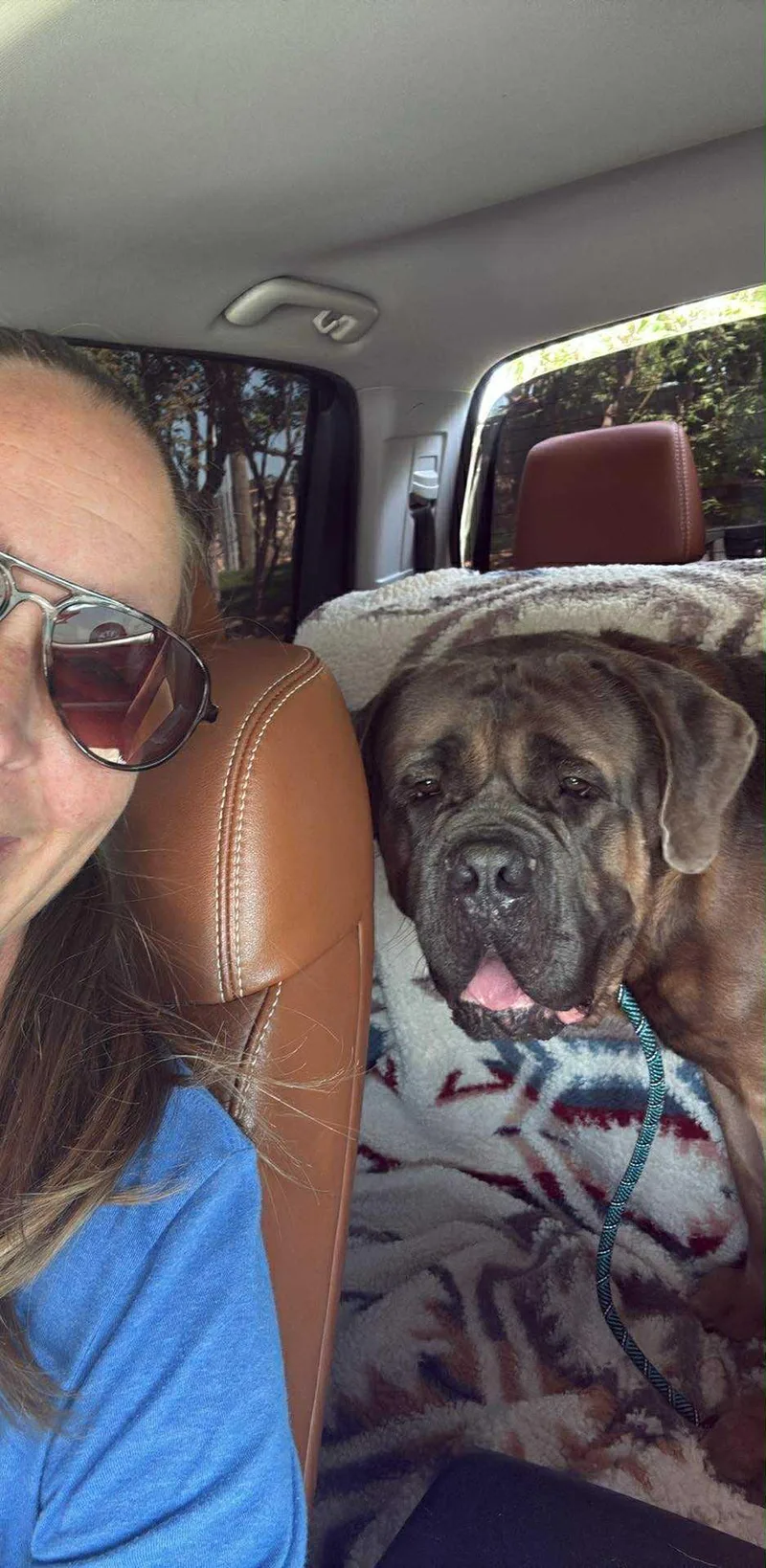
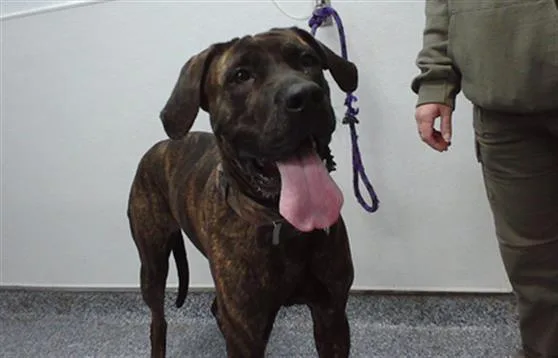
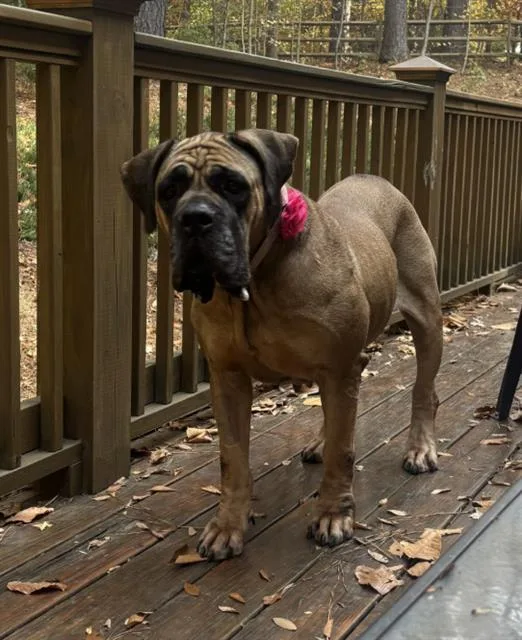
Dogue de Bordeaux Dogs for Adoption in Charlotte, NC

Your guide to finding and caring for a Dogue de Bordeaux in Charlotte

A Dogue de Bordeaux suits Charlotte best when the walks are slow and the mornings start early. The wide, tree-lined streets of Myers Park give a 100-pound-plus dog shade and room to stroll, and the Little Sugar Creek Greenway is close by for leashed outings. Dogues are calm at home, but they're heavy, they drool, and July afternoons are hard on a short-faced dog. A Steele Creek house with a yard or an air-conditioned apartment can both work.

27 Dogue de Bordeaux available in Charlotte and nationwide

Find your forever Dogue de Bordeaux

While we don't have enough dogs near Charlotte, keep in mind that many rescues may offer transport.

Dogue de Bordeaux Available for Adoption Near Charlotte

About the Dogue de Bordeaux breed

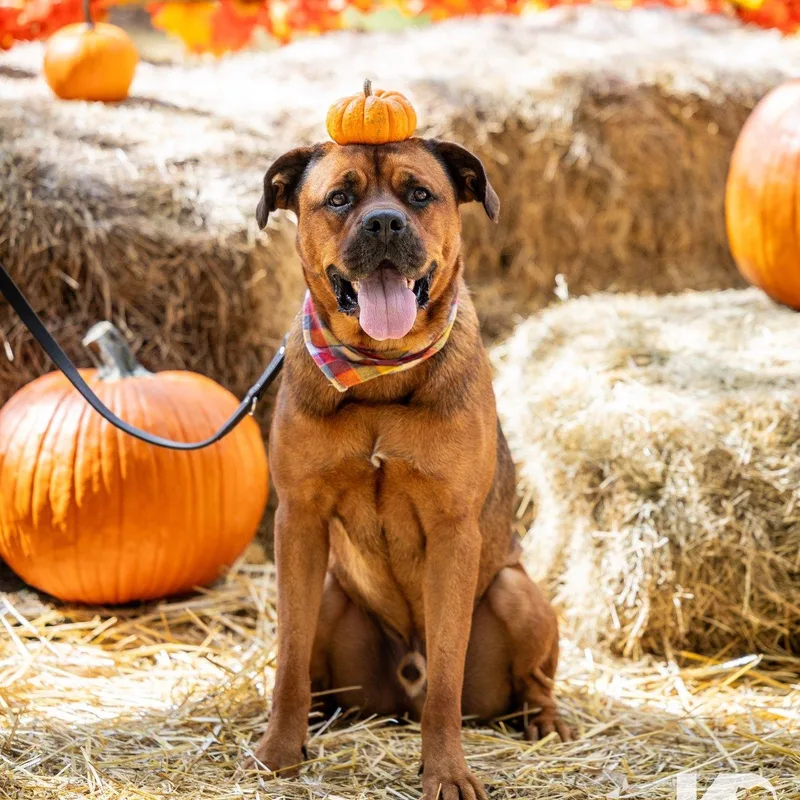
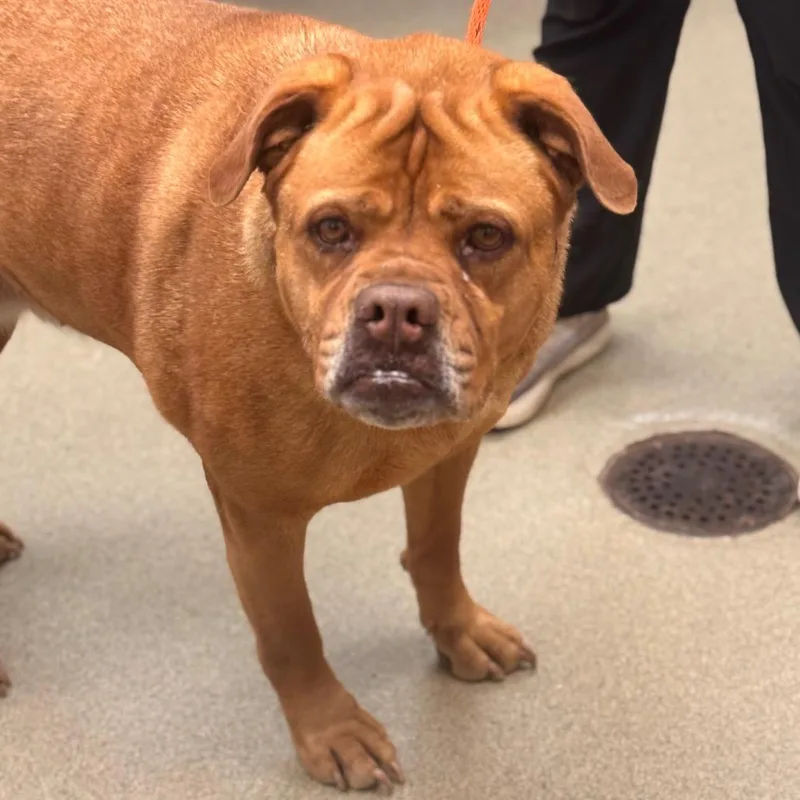
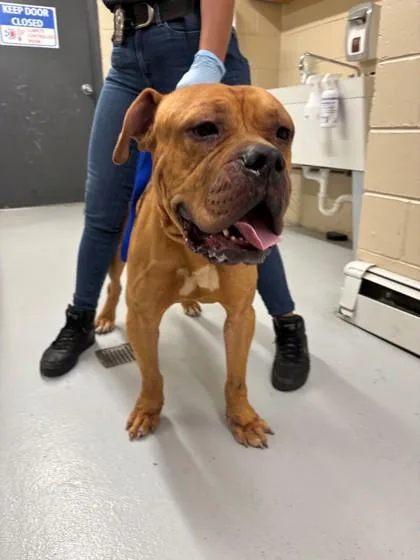
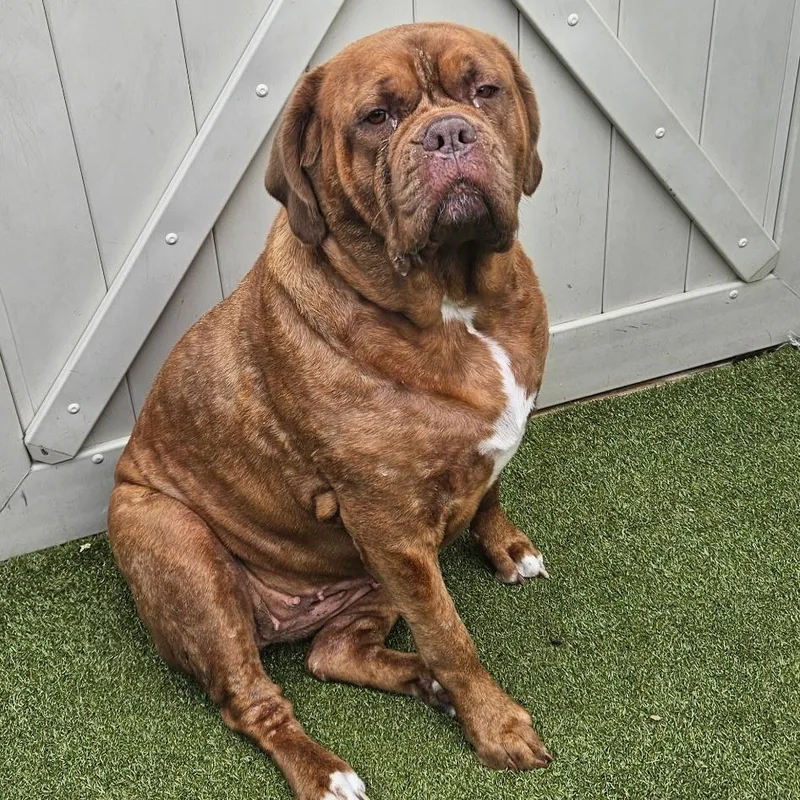
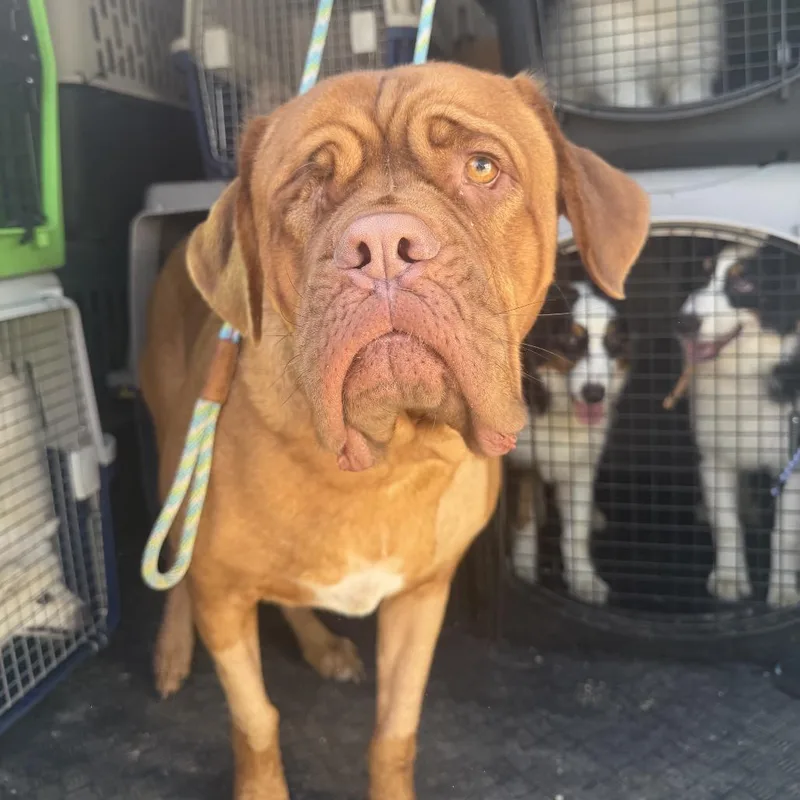
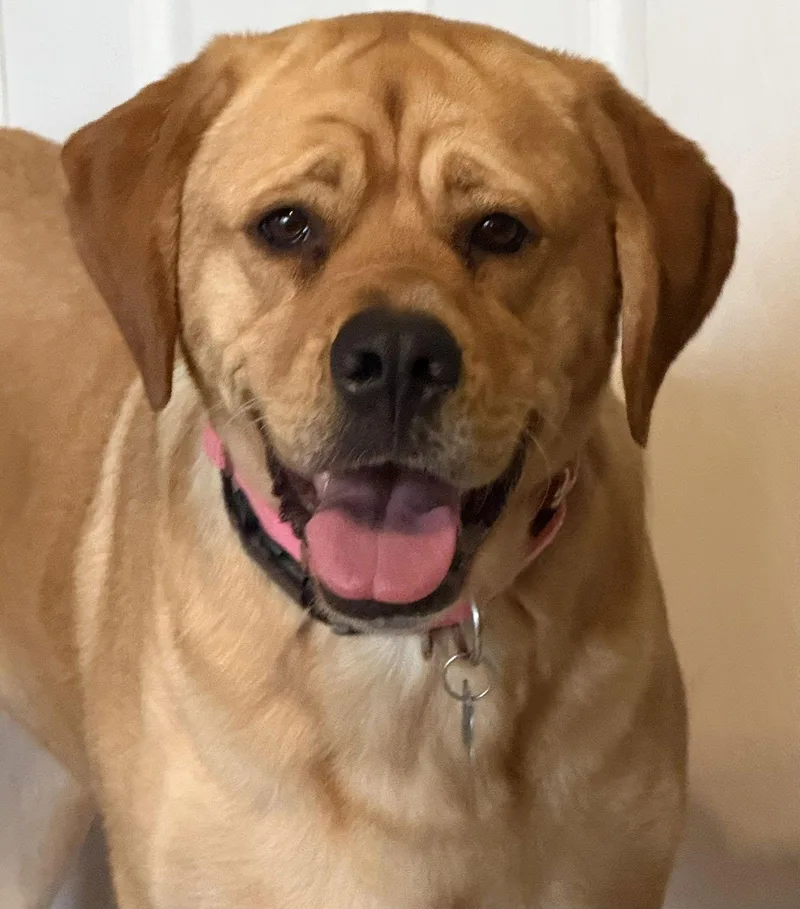
Often called the French Mastiff, the Dogue de Bordeaux is one of France's oldest breeds, long used around Bordeaux as a guardian, drover and estate dog. Its numbers fell to a few hundred worldwide by the early 1980s, and many Americans first saw one in the 1989 film Turner & Hooch. The coat is short and fawn to mahogany, with a wrinkled brow and one of the largest heads, proportionally, of any dog.

Many Dogues are calm, sensitive and deeply attached to their families, yet watchful with strangers and strong enough to need early, consistent, gentle training. Adopters should plan for heavy drooling, year-round shedding, giant-dog expenses and a lifespan that is often under ten years. Dogues vary, so judge the dog in front of you, not just the breed.

Weight
99–145 lbs
Height
23–27 in
Lifespan
5–9 yrs
Temperament
Protective, Loyal, Calm, Devoted
Group
Working
Shedding
Moderate to High

Owning a Dogue de Bordeaux in Charlotte

Having a Dogue de Bordeaux in Charlotte

Gentle at home and watchful outside, the Dogue de Bordeaux is a giant, powerful dog. Drool, heat sensitivity, health risks and careful early training shape daily life more than exercise does, and in Charlotte summer heat matters most.

Temperament

Dogues tend to be affectionate and devoted, often leaning on family members for attention, but they can be wary of strangers and unfamiliar dogs. On busy Charlotte sidewalks and greenways, that watchfulness calls for steady leash handling. They're sensitive, so reward-based training and early socialization work better than harshness.

Exercise Needs

Adults usually need moderate exercise: daily walks, short play sessions and some puzzle work. Charlotte's long spring and fall are the best seasons for it, and summer walks belong at dawn or after dark. Puppies should stay low-impact until about 18 months, with no stairs or jumping. Leashed greenway strolls suit this breed better than running.

Health Considerations

Dogues face serious risks, including aortic stenosis and other heart disease, cancer, bloat, hip and elbow dysplasia, and breathing problems linked to the short face. Skin folds need regular cleaning. Lifespan is often under ten years, so a veterinarian can check the heart, joints and airway early. In Charlotte's humid summers, watch breathing closely.

Living Space

A Dogue can live in a house or an apartment if it has room to stretch out, air conditioning and few stairs. Charlotte's apartment buildings and suburban subdivisions can both work, as long as there's cool floor space and easy access outdoors. A fenced yard helps, but the dog should live indoors with its family.

What it costs to own a Dogue de Bordeaux in Charlotte

ExpenseTypical costPer year
Food$80 to $160 per month$960 to $1,920
Pet insurance$85 to $170 per month$1,020 to $2,040
Routine vet care$250 to $500 per year$250 to $500
Other*$585 to $1,680 per year$585 to $1,680
Estimated yearly total (after year one)$2,815 to $6,140

Other costs are estimates and vary with size, age and health.

* The Charlotte dog license, giant-size flea, tick and heartworm prevention, a dental cleaning allowance, sturdy toys and bedding, basic coat care, and skin-fold care and joint supplements.

Adopt a Dogue de Bordeaux in Charlotte.

Now that you know more, let’s find you a new best friend. These rescues and shelters below have dogs available in and near Charlotte.

Frequently Asked Questions

Yes, you can own a Dogue de Bordeaux in Charlotte. The city has no breed-specific rule, and dangerous-dog orders depend on a dog's behavior, not its breed. You'll need a city license for a dog four months or older, a rabies vaccination and tag, and a leash or fence. Landlords and insurers may set their own breed limits.

A Dogue de Bordeaux can fit Charlotte life if you're home often and can keep the dog cool. Mild springs and falls suit leashed greenway walks, and moderate exercise needs match a city routine. Summer heat, lots of stairs and strict rental rules are the pressure points, and a giant dog's drool and costs come with any address.

Dogues de Bordeaux can handle Charlotte summers with careful management, but they overheat quickly. Humid July afternoons are the biggest risk for a short-faced giant. Walk at dawn or after dark, keep the home air-conditioned, carry water, and never leave the dog in a parked car. If pavement is too hot for your hand, it's too hot for paws.

Yes, if the building allows a giant dog. A calm Dogue needs less room than its size suggests, but ground-floor or elevator access, air conditioning and cool flooring matter. Pet limits and breed or weight rules differ by building, so get the policy in writing before applying. Stairs strain a heavy dog's joints, so plan several short daily outings.

The Little Sugar Creek Greenway and Freedom Park suit leashed walks. For off-leash time, the county's Barkingham Park in northeast Charlotte and Shuffletown Dog Park in the northwest have fenced areas, and the U.S. National Whitewater Center's paid Off Leash area covers 70 acres with ponds. Choose quiet hours, since many Dogues are wary of unfamiliar dogs.

No, pet dogs can't ride CATS buses or the LYNX light rail. The CATS code of conduct allows only animals that assist a person with a disability or are in training, and violations can bring a $50 civil penalty. A Dogue de Bordeaux is too large for a carrier anyway, so plan on traveling by car.

Possibly on a patio, but not indoors. North Carolina rules let restaurants allow leashed dogs in outdoor dining areas if they don't pass through indoor spaces, but each restaurant decides. Indoors, only service animals are allowed. A giant Dogue needs floor space, so pick a quiet time, bring water and be ready to leave if it gets crowded.

Not much. The short coat needs a weekly rubber-curry brushing and a bath about every four weeks, and Dogues shed year-round. Facial wrinkles should be cleaned weekly or even daily, especially in Charlotte's humid summers, to prevent skin infections. Most grooming is done at home, and any professional baths fit within the yearly Other costs.

A Dogue de Bordeaux is not inherently dangerous, but it is a powerful guardian breed whose size and protective instincts demand responsible handling. Most are gentle and affectionate with their families. Poor socialization, rough training or weak containment raise the risk of problems with strangers or other dogs. Early training and an experienced owner make a big difference.

Plan on about $80–$160 a month for food, $85–$170 a month for insurance, $250–$500 a year for routine vet care and $585–$1,680 a year in other costs, roughly $2,800–$6,100 a year in all. Giant-size food, parasite prevention and the breed's health risks push costs toward the upper end.