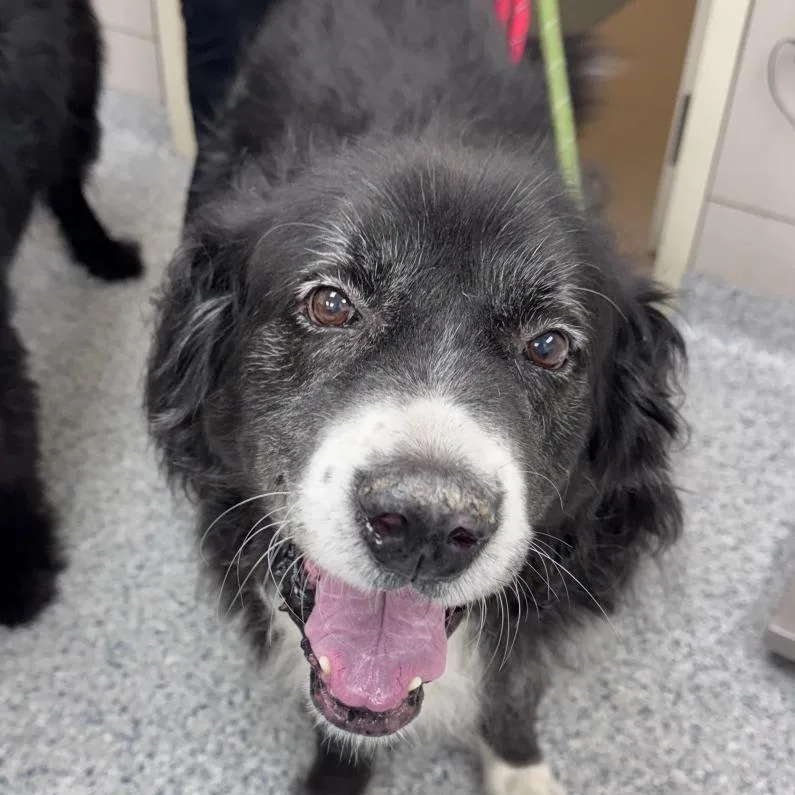
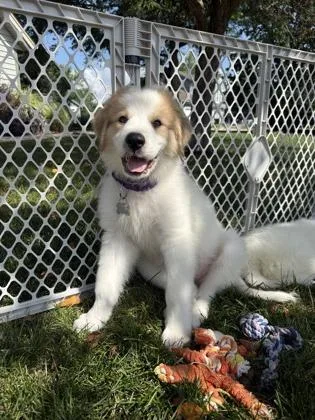
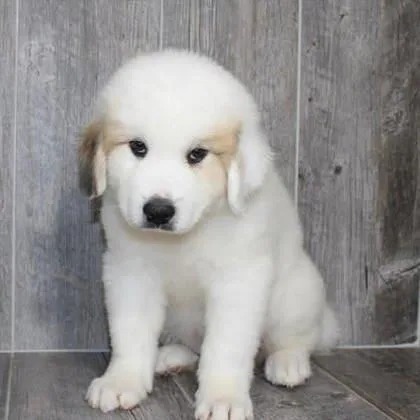
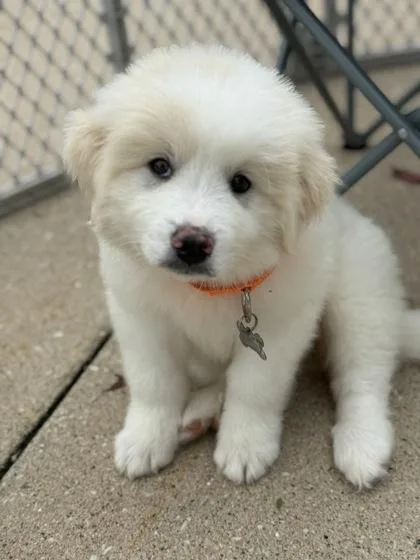
Great Pyrenees dog

Great Pyrenees Dogs for Adoption in Schaumburg, IL

Your guide to finding and caring for a Great Pyrenees in Schaumburg

A Great Pyrenees suits Schaumburg best in a house with a fenced yard. Weathersfield, which grew to more than 6,800 homes starting in 1959, is the kind of subdivision where a Pyr can patrol a backyard and settle in the shade afterward. These dogs bark at night and wander through gaps, so a solid fence matters. Leashed walks on the Busse Woods trails along the east edge cover the rest of the exercise.

2416 Great Pyrenees available in Schaumburg and nationwide

Open your home to a Great Pyrenees

Great Pyrenees Available for Adoption Near Schaumburg

About the Great Pyrenees breed

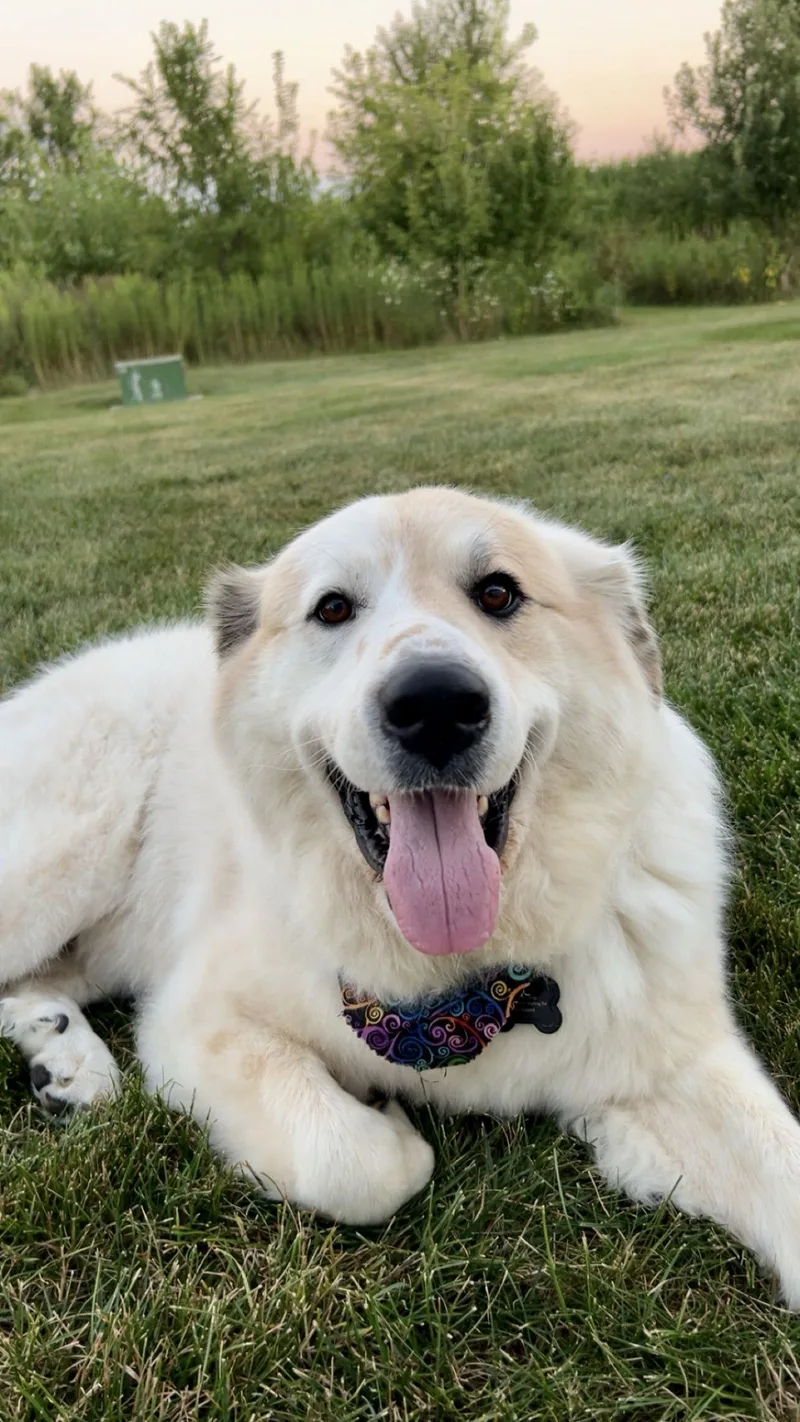
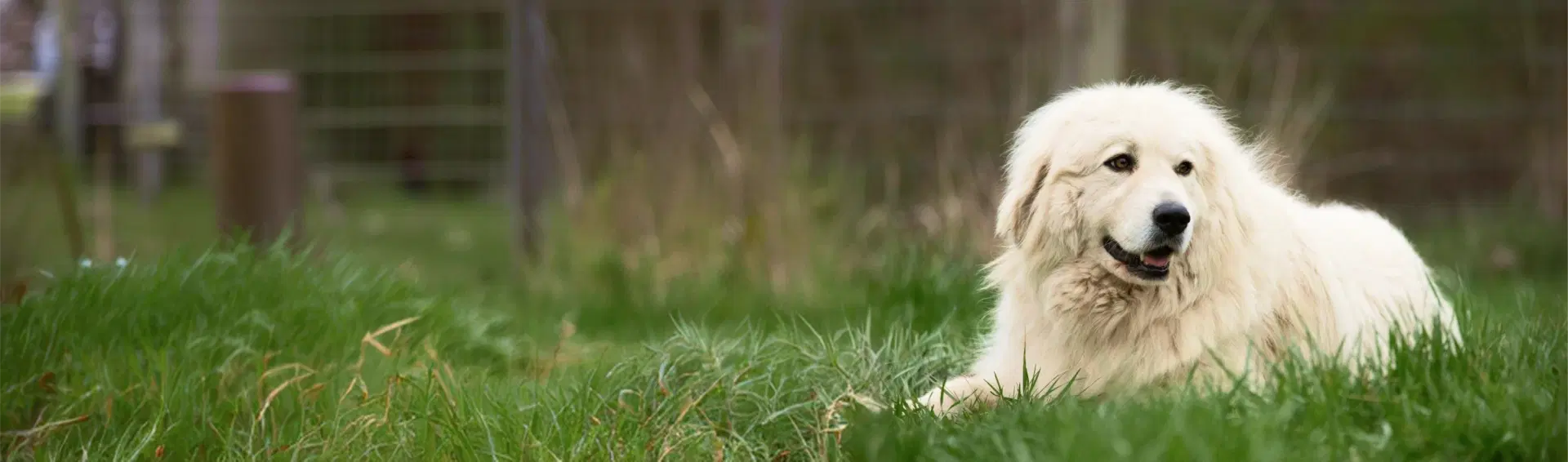
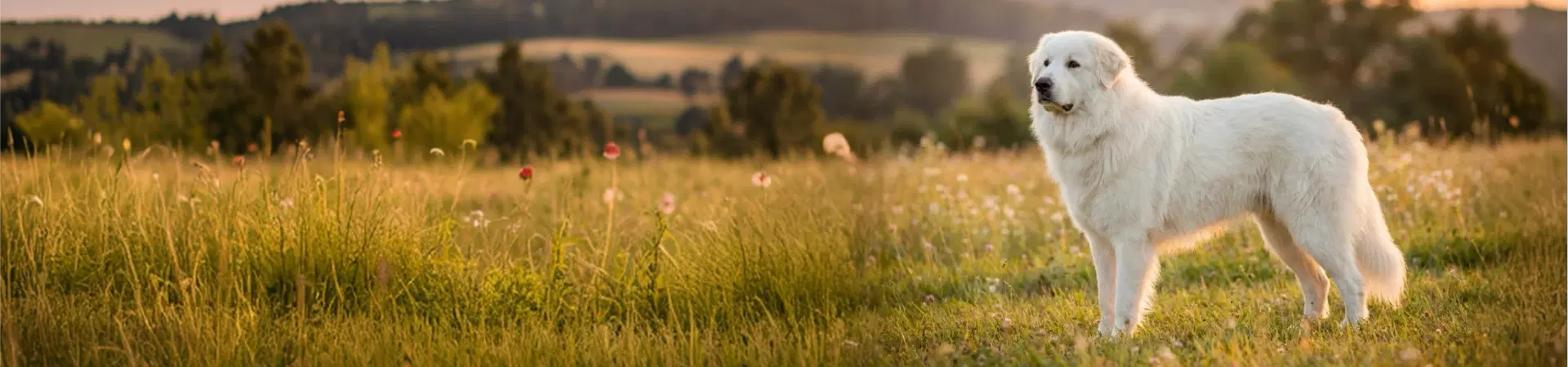
The Great Pyrenees began as a livestock guardian in the mountains between France and Spain, where big white dogs stayed with flocks and drove off wolves, bears and thieves. Today's Pyr is a giant, thickly coated dog, usually 85 to 120 pounds, with a plumed tail, dark almond eyes and double dewclaws on each hind leg. The white coat may carry gray, tan or badger markings.

Many Pyrs are calm, gentle and devoted at home, but they were bred to make decisions alone. Expect independence, slow response to commands, nighttime barking and a tendency to roam. In Schaumburg, that means a secure fence, a leash outside it and a vacuum you'll use often, since the double coat sheds heavily. Pyrs and Pyr mixes turn up often in rescue, and each dog's personality varies.

Weight
85–120 lbs
Height
25–32 in
Lifespan
10–12 yrs
Temperament
Calm, Protective, Independent
Group
Working
Shedding
High

Owning a Great Pyrenees in Schaumburg

Having a Great Pyrenees in Schaumburg

A Pyr is quiet and patient indoors but thinks for itself, a legacy of guarding flocks alone. Size, night barking and a heavy coat shape daily life in Schaumburg more than anything else, so they're worth weighing before you adopt.

Temperament

Pyrs are usually gentle and affectionate with their family and wary of strangers. They bark to warn off anything unusual, mostly at night, which neighbors in closely built subdivisions may notice. Early socialization and patient, reward-based training help, though a Pyr's independence can look like stubbornness and each dog differs.

Exercise Needs

Most Pyrs need a daily walk or two plus time patrolling a fenced yard. Busse Woods' paved trails suit leashed walks, but dogs aren't allowed in Busse Lake or other Forest Preserve waters. Pyrs tire quickly in heat and many roam, so keep them on a leash no longer than 6 feet.

Health Considerations

Giant breeds like the Pyr face hip and elbow dysplasia, kneecap luxation, bloat and bone cancer, and lifespans of 10 to 12 years. Feed several small meals, avoid hard exercise around mealtimes and keep the dog lean. A veterinarian can screen hips and kneecaps and review bloat warning signs with you.

Living Space

A Pyr wants a fenced yard, ideally six feet or higher, since local coyotes can clear lower fences and Pyrs like to test them. Single-family neighborhoods suit the breed. A calm adult might manage in a condo, but size and night barking make it harder. Indoors, expect white hair and a dog that seeks cool floors.

What it costs to own a Great Pyrenees in Schaumburg

ExpenseTypical costPer year
Food$80 to $160 per month$960 to $1,920
Pet insurance$85 to $170 per month$1,020 to $2,040
Routine vet care$250 to $500 per year$250 to $500
Other*$681 to $1,856 per year$681 to $1,856
Estimated yearly total (after year one)$2,911 to $6,316

Other costs are estimates and vary with size, age and health.

* Flea, tick and heartworm prevention, a dental cleaning allowance, the Cook County rabies tag (Schaumburg has no dog license), toys and bedding, brushing and baths for heavy shedding, and joint supplements.

Great Pyrenees dog

Adopt a Great Pyrenees in Schaumburg.

Now that you know more, let’s find you a new best friend. These rescues and shelters below currently have Great Pyrenees available.

Rescues in Schaumburg with Great Pyrenees Available

These Schaumburg-area rescues and shelters list dogs looking for homes, and Pyr mixes are common in rescue. Here are the rescues & shelters in the Schaumburg area where you can find Great Pyrenees and other dogs available for adoption.

Frequently Asked Questions

Yes, Schaumburg has no breed bans, and Illinois law bars breed-specific rules. Landlords and HOAs can still limit giant dogs, so check a lease first. Tethering a Pyr outdoors has strict state rules, including a lead of at least 10 feet, so a secure fence is the better plan for a dog that likes to patrol.

Yes, with care. Summers are warm, with July highs in the mid 80s and only a few days above 90°F, but a Pyr's thick coat makes heat tiring. Exercise early or late, provide shade, fresh water and a cool indoor floor, and never leave a dog in a parked car, which Illinois law prohibits.

For a leashed Pyr, the Busse Woods trails and Park District conservation areas like Gray Farm and Tucknott Park work well. K-9 Dog Park on Remington Road offers off-leash space for members, with a separate large-dog area. Spring Valley and Forest Preserve lakes, ponds and streams don't allow dogs.

Realistically no, unless the dog is a service animal. Metra's Schaumburg station allows only small pets in an enclosed carrier on off-peak trains, and Pace lets caged pets ride free as long as they don't block aisles or doors. An 85 to 120 pound Pyr won't fit either rule, so plan on driving.

It's possible for a calm adult, but it's a stretch. A Pyr's size, shedding and tendency to bark at night can strain apartment living and neighbor relations, and many leases limit large dogs. Look for a ground-floor unit near walking routes, plan several outings a day and expect to vacuum constantly.

Don't count on it. Illinois lets only cities of one million or more authorize dogs on restaurant patios, so Schaumburg patios aren't guaranteed, and dogs are never allowed inside dining rooms unless they're service animals. Leashed dogs are welcome at select Boomers Bark in the Park games at Wintrust Field.

Plan on weekly brushing with a pin or slicker brush, and near-daily sessions during the heavy spring and fall sheds. Don't shave the coat, since it insulates against both heat and cold. In winter, wipe salt from paws and brush out snow clumps. Occasional baths and brushing costs fall within the yearly Other budget.

A Great Pyrenees is a giant livestock guardian dog from the Pyrenees mountains between France and Spain, bred to protect sheep from predators. It has a thick, weather-resistant white coat, often with gray, tan or badger markings, and double dewclaws on its hind legs. Many are calm, gentle and devoted to family, yet independent and watchful.

We have 1 rescue with Great Pyrenees available: Fetching Tails Foundation. You can see every rescue with Great Pyrenees available in the list above these questions, or scroll to the top to see the Great Pyrenees near Schaumburg.

Budget about $80 to $160 a month for food, $85 to $170 a month for insurance, $250 to $500 a year for routine vet care and roughly $681 to $1,856 a year for other costs. Giant dogs cost more at every line, and the heavy double coat adds brushing and bath costs. Adoption fees appear on each listing.