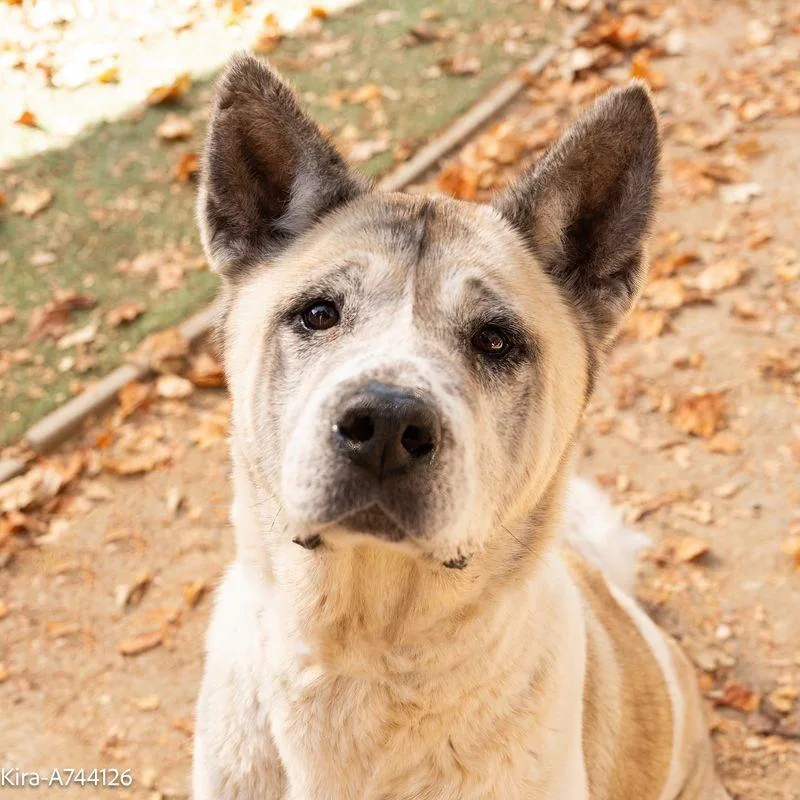
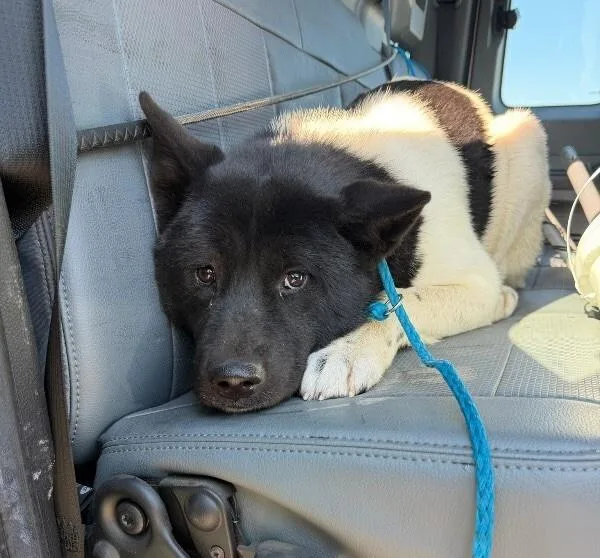
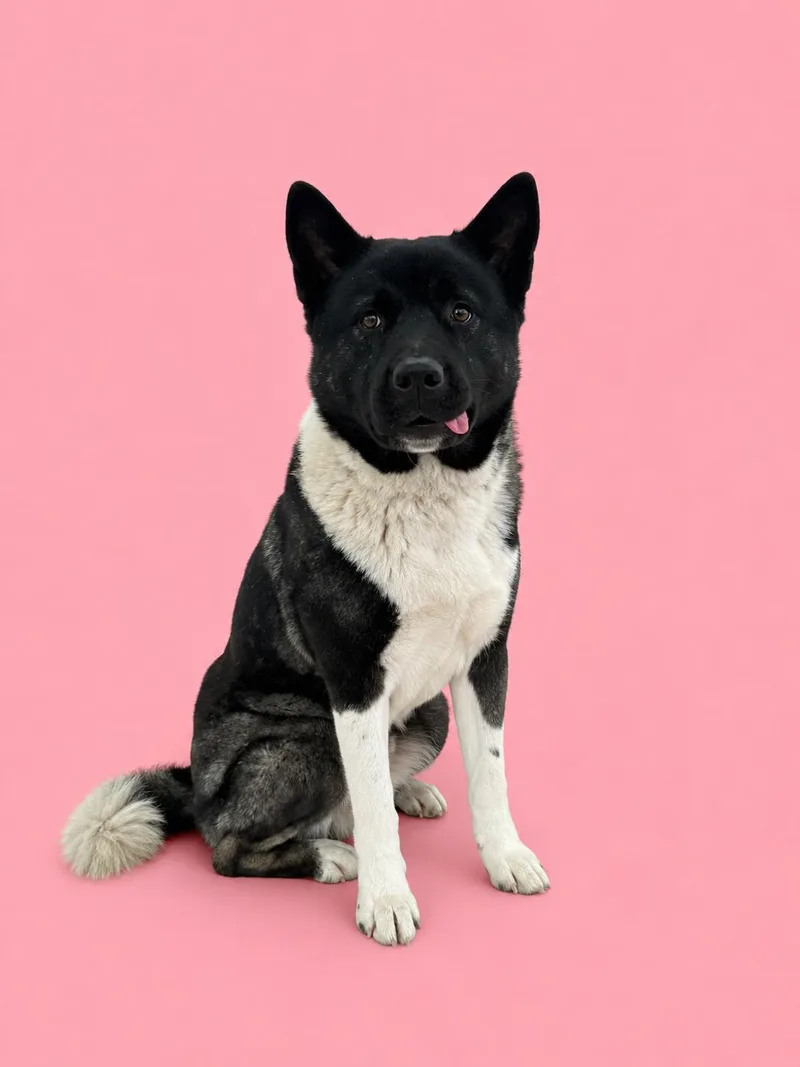
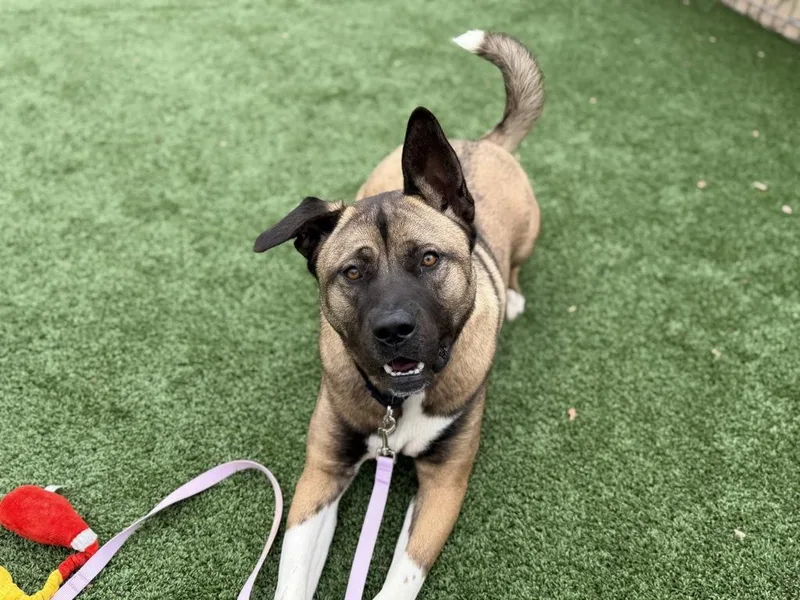
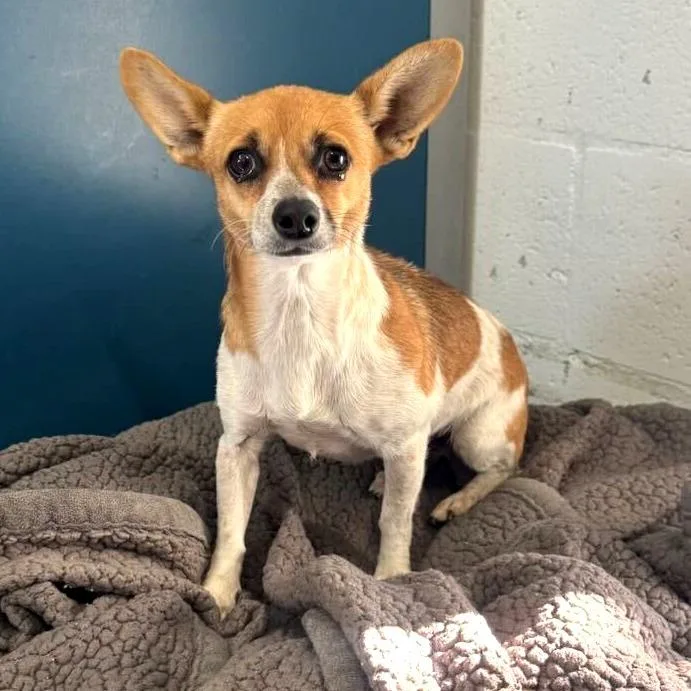
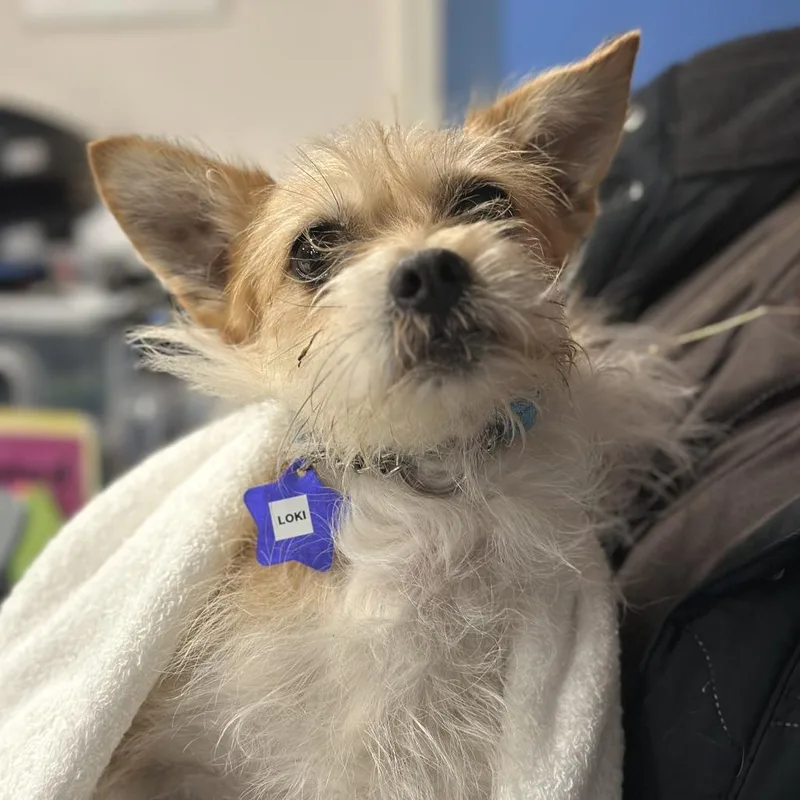
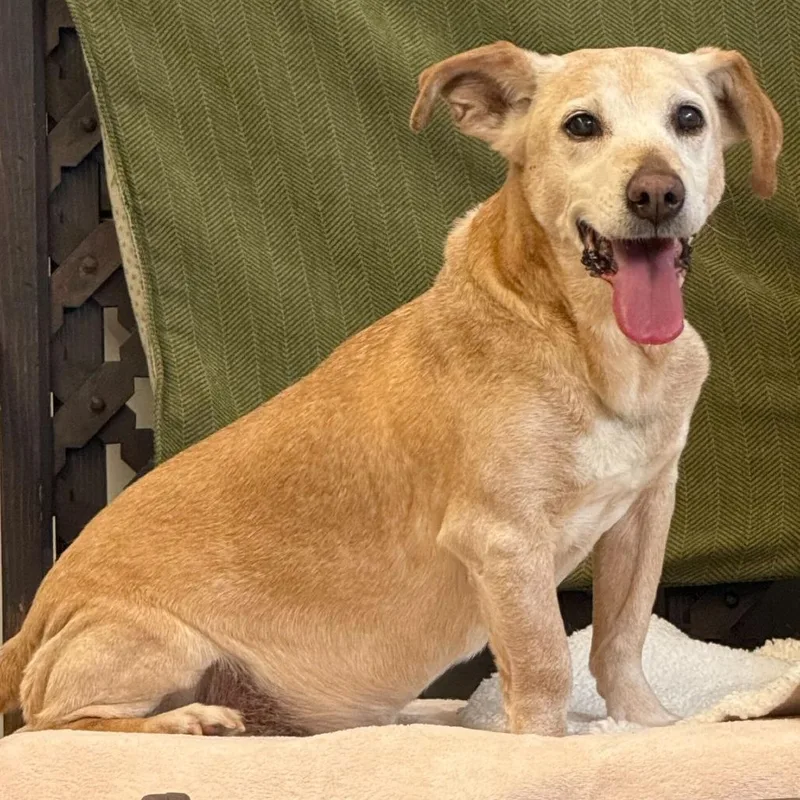
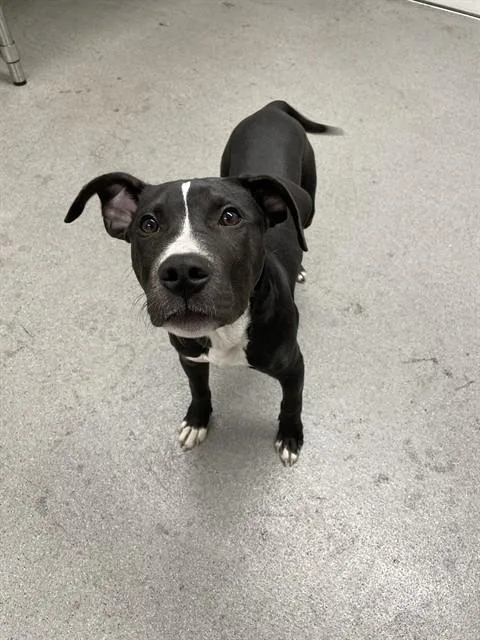
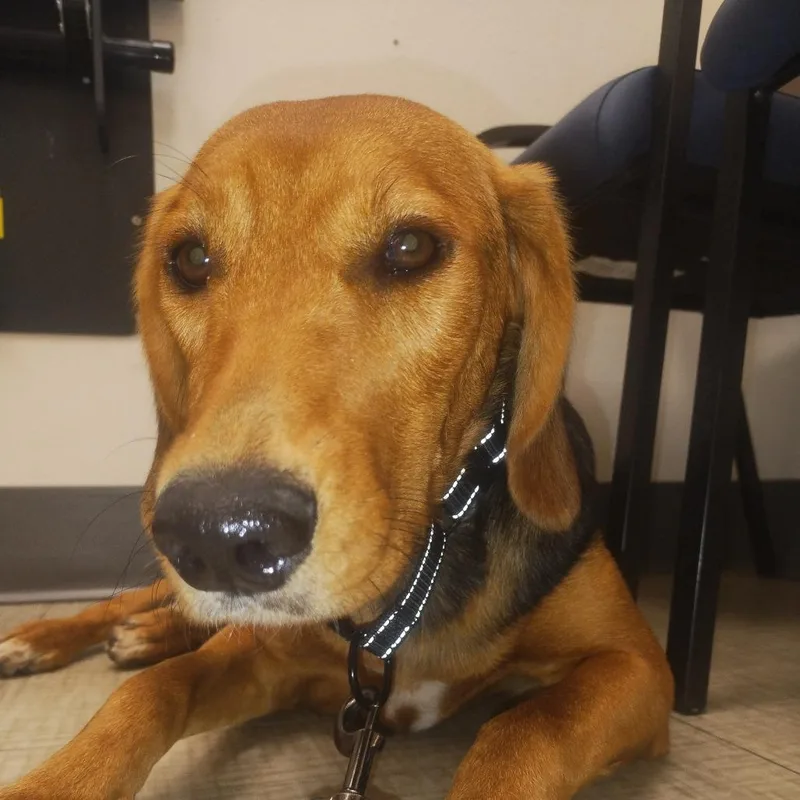
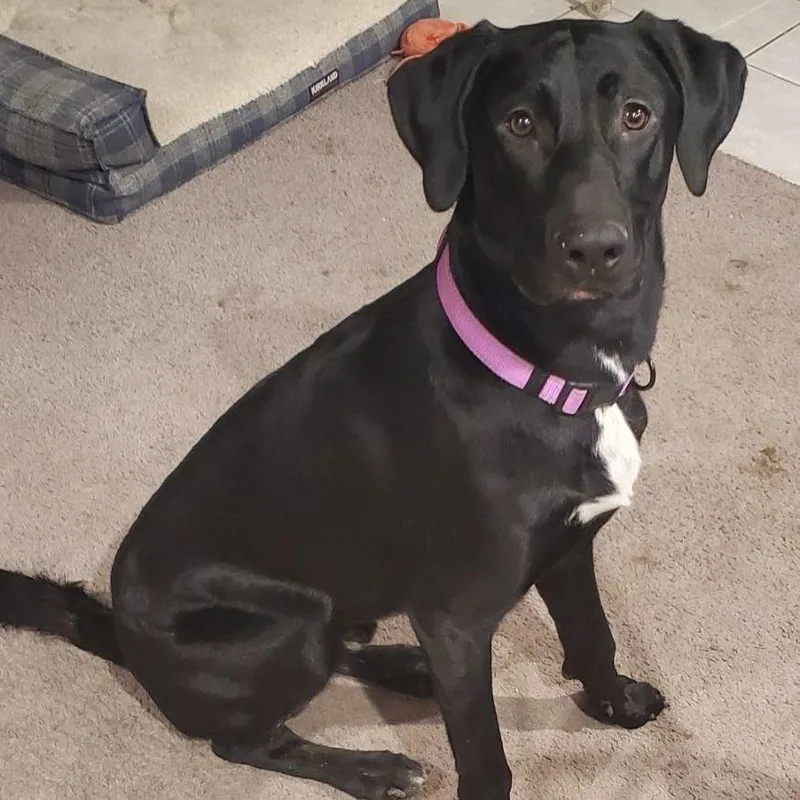
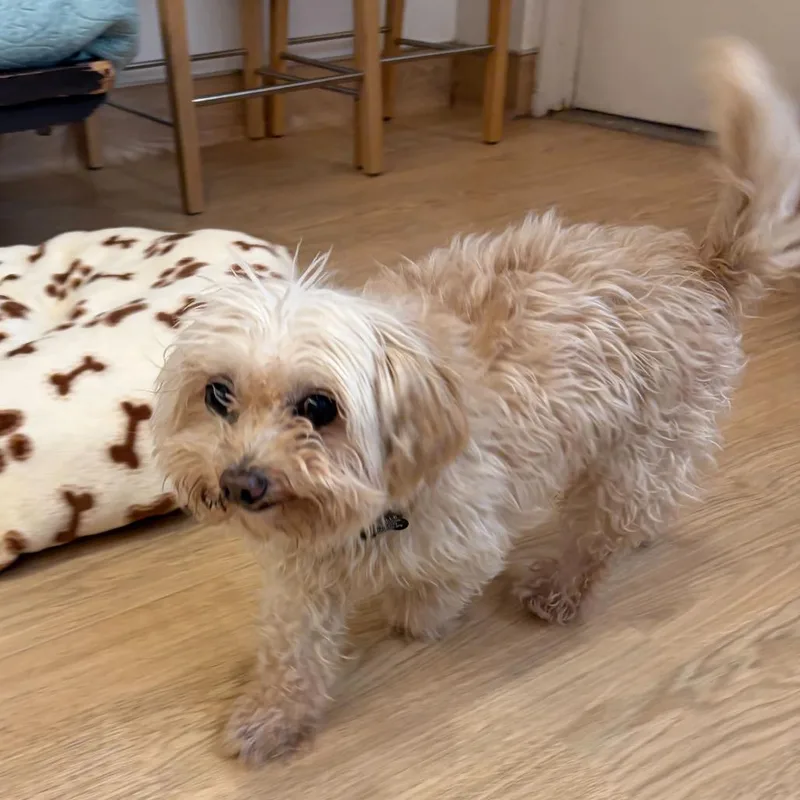
Akita dog

Akita Dogs for Adoption in San Francisco, CA

Your guide to finding and caring for an Akita in SF

Akitas suit SF's cool weather better than most big dogs do. A plush double coat is comfortable on Outer Sunset mornings, and the quiet residential blocks of Parkside or the Outer Richmond suit a dog that prefers steady leashed walks to busy dog parks. Akitas are reserved with strangers, so a calm building or a house matters more than a lively street scene. Plan on a big, shedding dog who's happiest at home with its people after the walk.

12 Akitas available for adoption in San Francisco

Your Akita is waiting

Akitas Available for Adoption in San Francisco

About the Akita breed

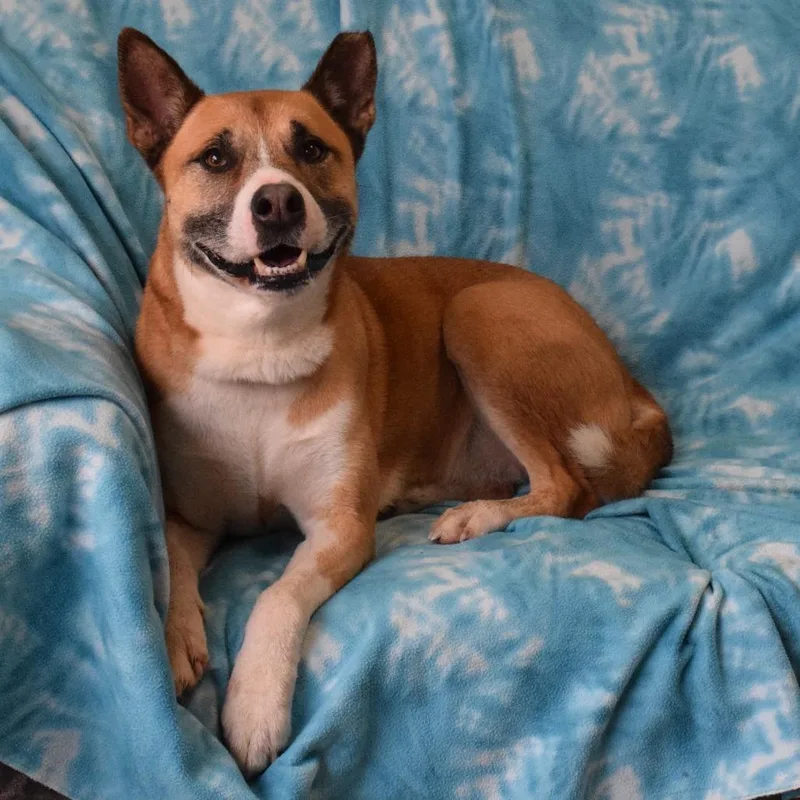
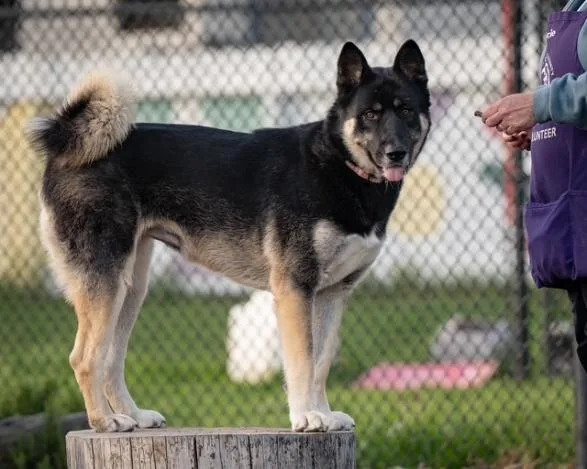
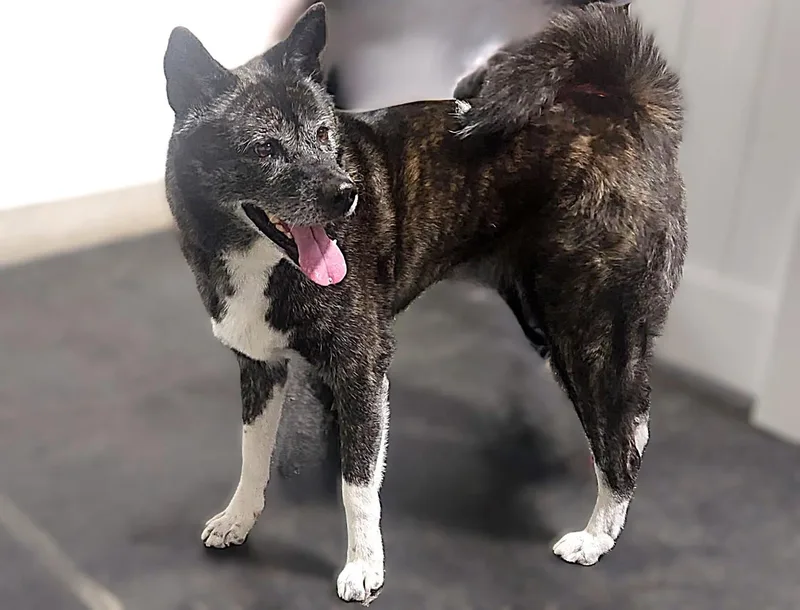
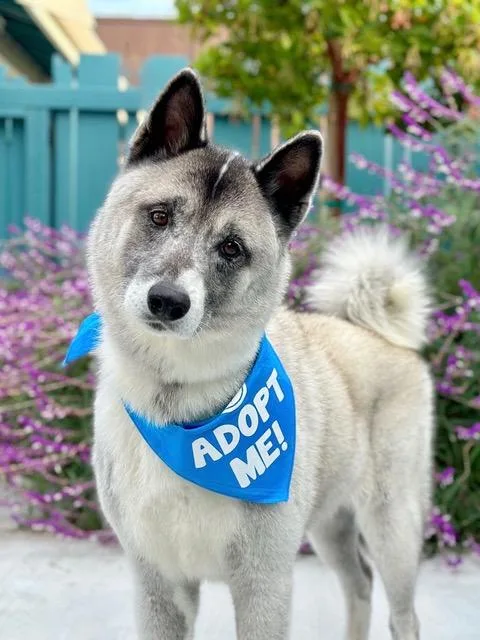
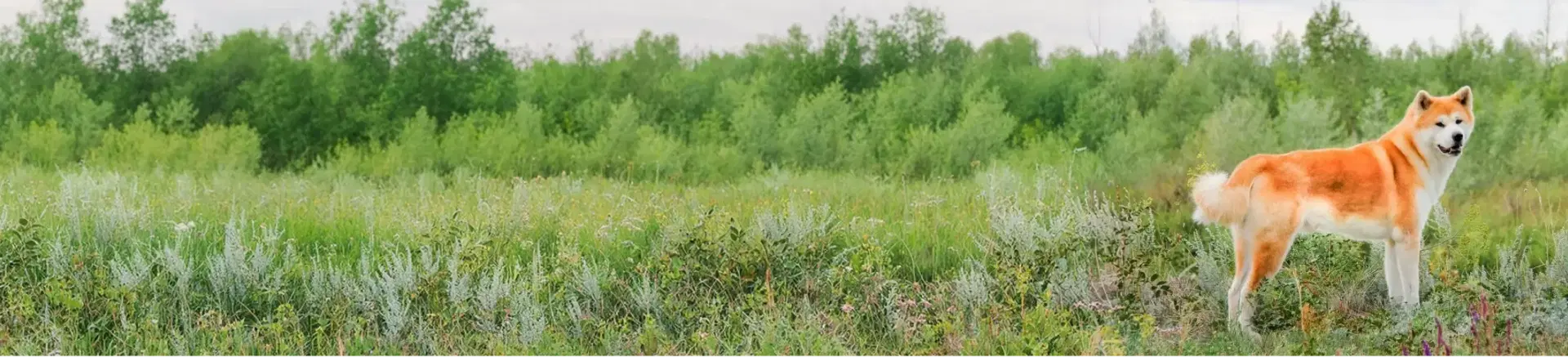
Akitas come from the mountains of northern Japan, where spitz-type dogs hunted bear and boar before guarding estates. The American-type Akita is the heavier, bear-headed dog, with a broad head, small upright ears, a plush double coat and a large tail curled over the back. Most weigh 70 to 130 pounds, with females at the lighter end.

Many Akitas are quiet, dignified and devoted to their own people, and aloof with strangers. They often have strong guarding instincts and may not tolerate other dogs, especially of the same sex. In a dense city like SF, that makes leash manners, careful introductions and patient, consistent training part of daily life. Expect heavy shedding, with a big coat blowout about twice a year. Akitas vary, so spend time with the dog in front of you.

Weight
70–130 lbs
Height
24–28 in
Lifespan
10–14 yrs
Temperament
Loyal, Dignified, Protective, Independent
Group
Working
Shedding
High

Owning an Akita in San Francisco

Having an Akita in SF

Akitas pair quiet loyalty with a big, powerful frame. Independence, guarding instincts, selectivity with other dogs and a heavy coat shape daily life in SF more than looks do, so the match between a particular dog and your home matters.

Temperament

Akitas are often affectionate and calm with family but reserved, even suspicious, with strangers. Many dislike other dogs, especially of the same sex. On SF's crowded sidewalks, that means steady leash handling and giving other dogs plenty of space. They're clever but independent, so consistent, reward-based training works best. Each dog differs.

Exercise Needs

Most Akitas need moderate daily exercise: brisk leashed walks, sniffing outings and short training sessions. They're rarely good candidates for off-leash dog play areas, so a secure yard or quiet routes suit them better. SF's cool weather keeps most walks comfortable, but save hard exercise for early or late on the rare hot days.

Health Considerations

Akitas can develop hip dysplasia, hypothyroidism, bloat and immune-related conditions, along with eye problems such as progressive retinal atrophy and glaucoma. Their blood naturally holds more potassium, which can confuse lab results, so mention the breed to any SF veterinarian. Ask a veterinarian to check hips, thyroid and eyes soon after adoption.

Living Space

An Akita can live in a house or an apartment if it gets daily exercise and calm handling. Busy hallways and shared elevators can be stressful for a large dog that's wary of strangers, so a quiet building or a house with a fenced yard works well. Akitas should live indoors with family, and heavy shedding means frequent vacuuming.

What it costs to own an Akita in San Francisco

ExpenseTypical costPer year
Food$55 to $110 per month$660 to $1,320
Pet insurance$65 to $130 per month$780 to $1,560
Routine vet care$250 to $500 per year$250 to $500
Other*$590 to $1,490 per year$590 to $1,490
Estimated yearly total (after year one)$2,280 to $4,870

Other costs are estimates and vary with size, age and health.

* The SF dog license, flea, tick and heartworm prevention, a dental cleaning allowance, toys and bedding, and brushing and baths for heavy seasonal coat blowouts.

Adopt an Akita in San Francisco.

Now that you know more, let’s find you a new best friend. These rescues and shelters below currently have Akitas available.

Frequently Asked Questions

An Akita can fit SF well if you want a calm, loyal dog and can handle leashed, low-key outings. The cool climate suits its coat, but crowded sidewalks, tight elevators and off-leash dogs can be stressful for a dog that's wary of strangers and other dogs. Akitas also shed heavily, so plan for vacuuming and steady daily walks.

Yes, many Akitas manage apartment life when they get daily walks and calm handling. They aren't known as big barkers, but some grumble and talk, and SF's Health Code defines a barking dog as one making noise continuously for 10 minutes to the disturbance of another person. A quiet building or ground-floor unit helps.

Usually not. Muni Metro, including the Market Street subway, lets dogs ride only off-peak, outside weekdays 5–9 a.m. and 3–7 p.m., and requires a leash and muzzle, with the dog on your lap or under the seat. You'd also pay a fare for the dog. At 70 to 130 pounds, most Akitas won't fit, and BART requires an enclosed carrier.

Golden Gate Park and McLaren Park have room for long leashed walks. Walter Haas in Diamond Heights has a fenced dog play area if your Akita enjoys other dogs. Fort Funston allows off-leash dogs under voice control, but many Akitas are safer leashed. In the Presidio, dogs stay on leash in most areas, and some trail sections close to dogs from April to October.

Yes, mostly. Summer highs in the mid-to-upper 60s and no freezing nights in a normal year suit a thick double coat. The main risks are warm spells in September and October, when Akitas can overheat, and wet winters that leave the coat damp. Walk early or late on hot days, and keep outdoor time short when wildfire smoke is in the air.

Only to outdoor dining, and only where the restaurant chooses to allow dogs. California law keeps pet dogs out of indoor dining areas and requires them to be leashed and under control, off seats and tables, on the patio. An Akita that's wary of strangers may find a busy patio stressful, so practice calm settling first.

Plan on a thorough brushing about once a week, and daily during the heavy coat blowouts that come about twice a year. Baths are only occasionally needed. SF's damp winters mean toweling off after wet walks, and sandy outings at Fort Funston or Ocean Beach call for a good brush and rinse. Grooming supplies and any baths fall within the Other costs listed above.

An Akita is a large, powerful spitz-type dog from northern Japan, known for its plush double coat, upright ears and tail curled over the back. In the United States, the Akita is the heavier American type, while the lighter Japanese Akita Inu is now registered separately. Many Akitas are devoted to their family, reserved with strangers and selective about other dogs.

We have 1 rescue with Akitas available: TikiHut Akita Rescue Association (TARA). You can see every rescue with Akitas available in the list above these questions, or scroll to the top to see the Akitas in San Francisco.

Expect roughly $2,280 to $4,870 a year for an Akita in SF: food at $55 to $110 a month, insurance at $65 to $130 a month, routine vet care at $250 to $500 a year, and $590 to $1,490 a year for other costs such as prevention, dental care, the license and coat care.

Find Akitas in Nearby Cities

Expand your search to find Akitas available for adoption near San Francisco.