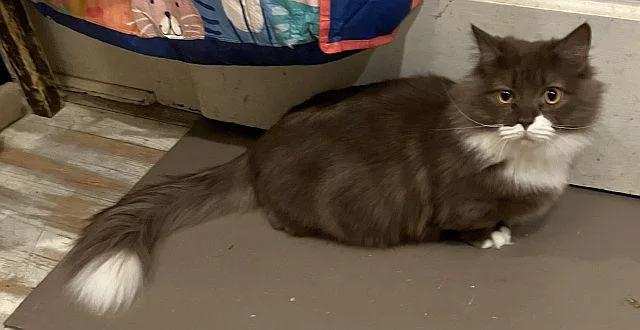
Cornish Rex Cats for Adoption in Philadelphia, PA

Your guide to finding and caring for a Cornish Rex in Philly

A Cornish Rex suits a Philly rowhouse better than you'd expect for such an energetic cat. Narrow staircases, a deep front window and a bedroom at the top of the stairs give a Rex plenty to climb and a warm spot to claim, whether you're in Queen Village or Point Breeze. These cats want company, so they do best with someone home often. If you're adopting one, think vertical space: a tall cat tree by the front window will likely get more use than most toys.

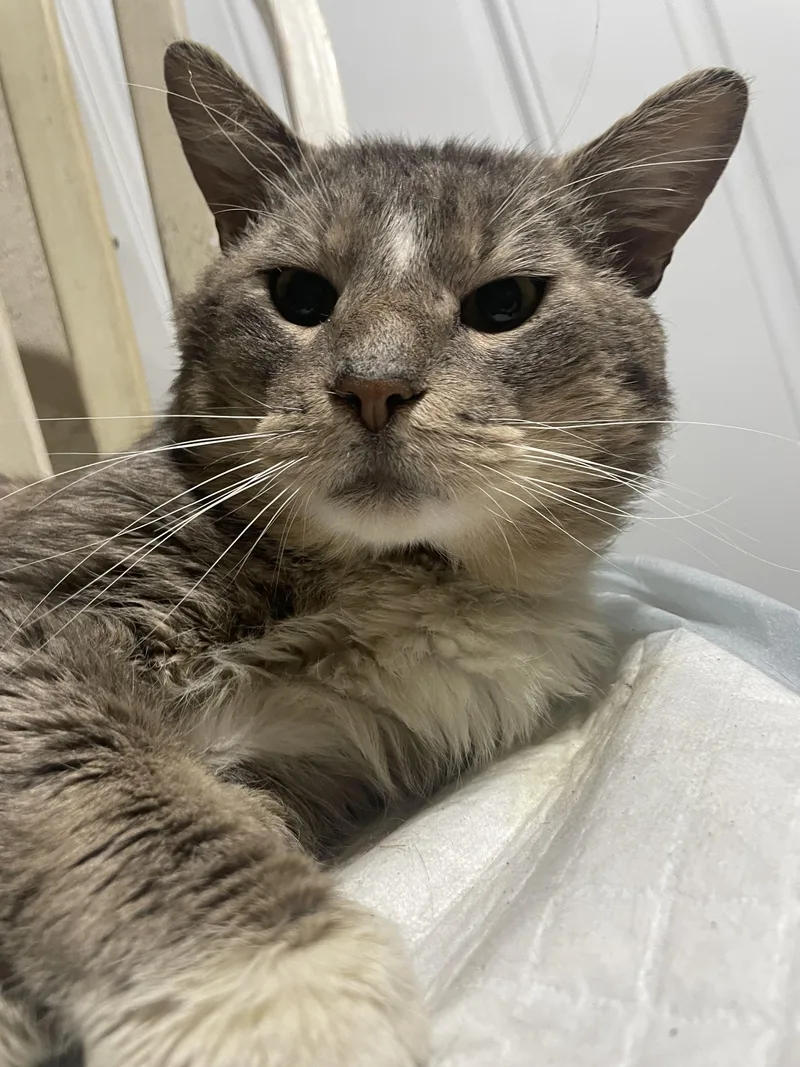
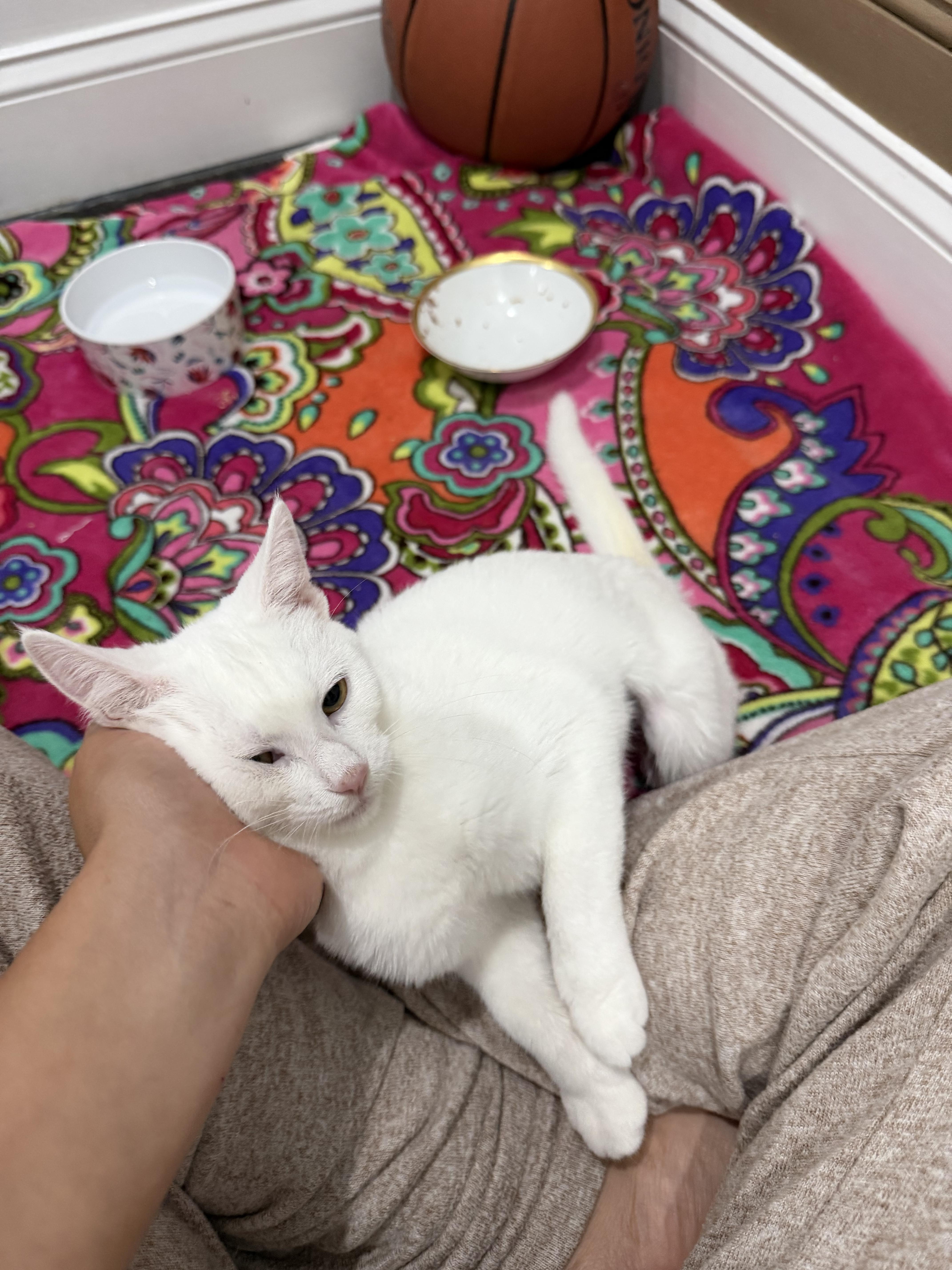
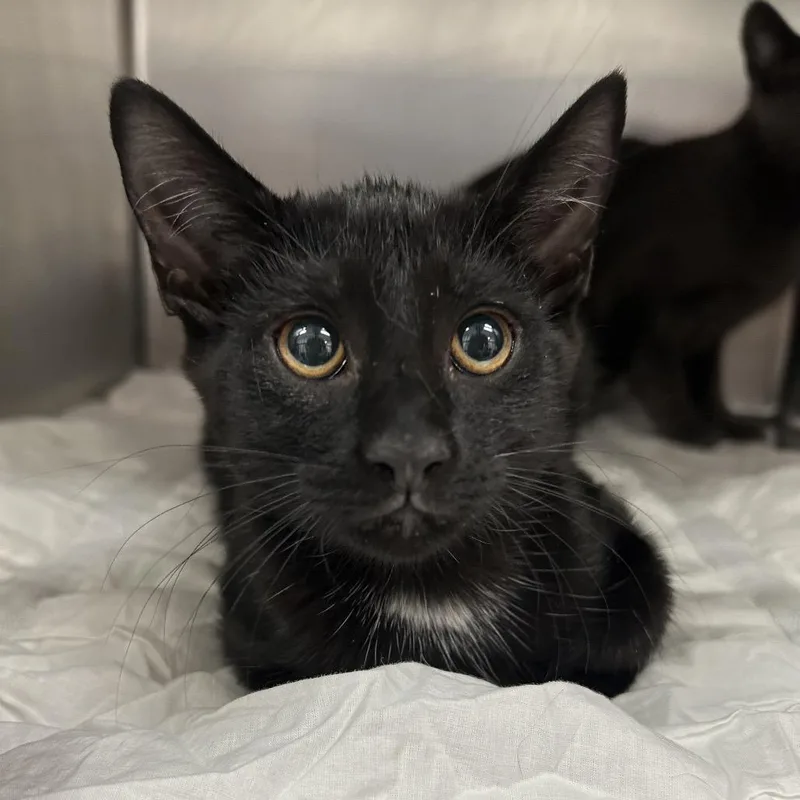
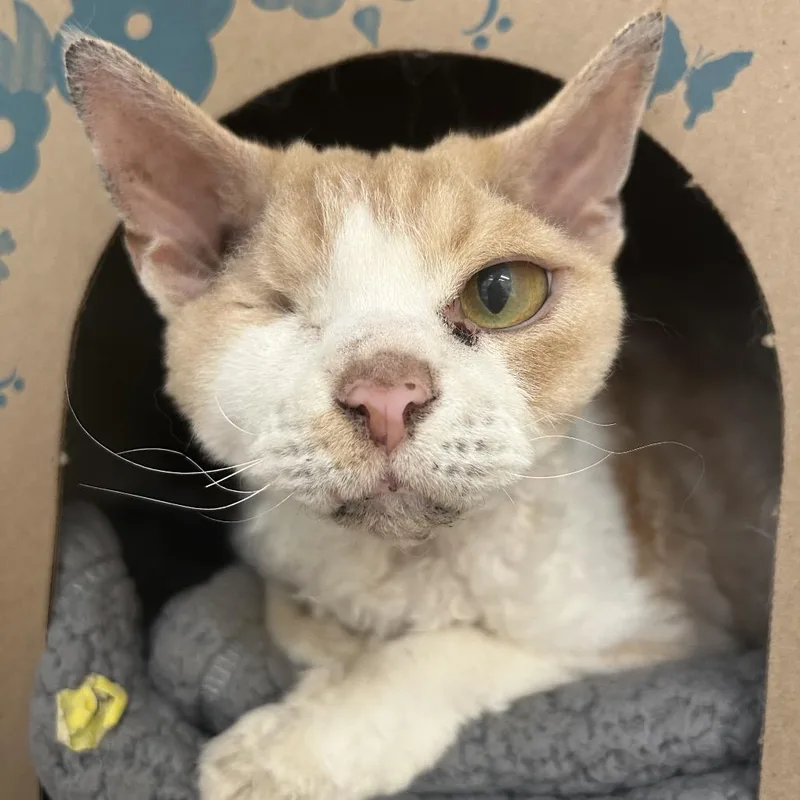
18 cats similar to Cornish Rex available in Philadelphia and nationwide

Fall for a Cornish Rex

While we don't have enough cats near Philadelphia, keep in mind that many rescues may offer transport.

Cornish Rexes and Similar Breeds Available for Adoption Near Philadelphia

About the Cornish Rex breed

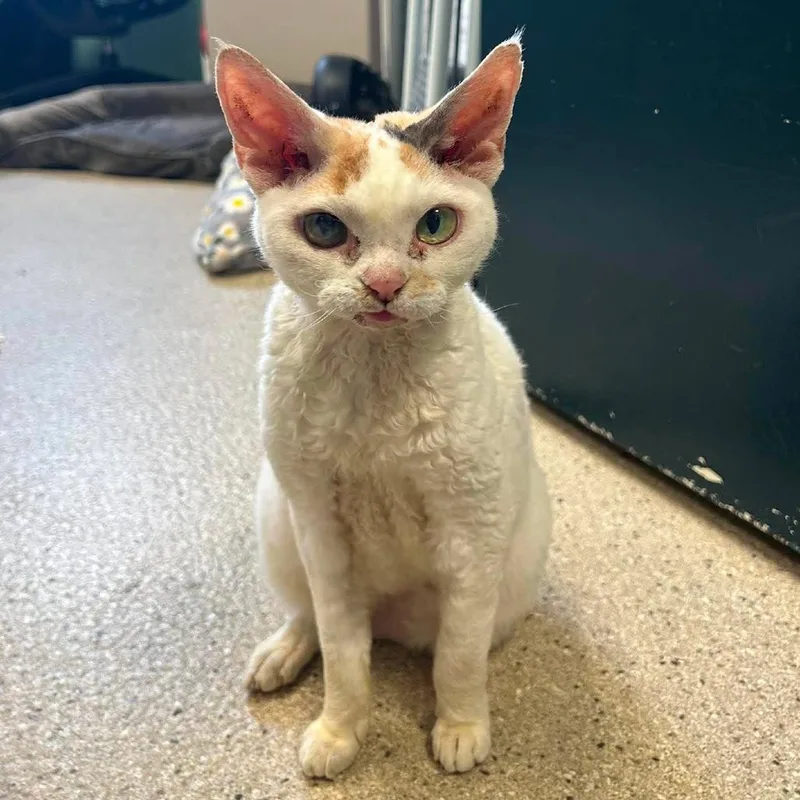
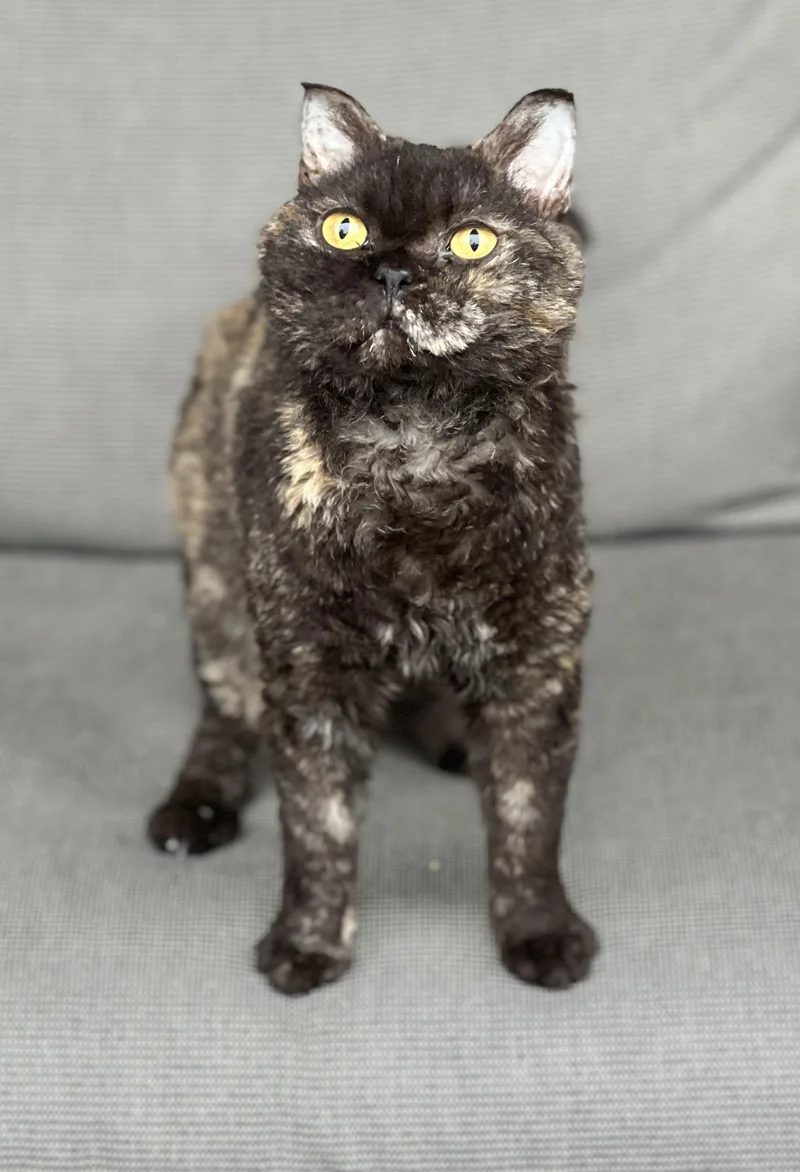
The Cornish Rex began in 1950 with a single curly-coated kitten born on a farm in Cornwall, England. Its coat is only the soft down layer, set in tight waves, over a lean, long-legged body with an egg-shaped head and very large ears. It's a small cat, usually 6 to 10 pounds, and many live 11 to 15 years.

Cornish Rex cats are often playful, curious and glued to their people, and many stay kittenish well into adulthood. That suits Philly's compact homes, where a cat can follow you from room to room. The thin coat sheds little but gives little protection from cold, so a Rex needs warm spots, occasional baths and regular ear cleaning.

Weight
6–10 lbs
Height
8–12 in
Lifespan
11–15 yrs
Temperament
Active, Affectionate, Playful, Curious
Shedding
Low

Owning a Cornish Rex in Philadelphia

Having a Cornish Rex in Philly

A Cornish Rex is a busy, people-oriented cat in a delicate coat, so comfort and company matter as much as play. In Philly, that mostly means a warm indoor home, plenty of climbing room and someone around to share the day.

Temperament

Many Cornish Rex cats are outgoing and affectionate, and they tend to stay close to their people. That works well in a small rowhouse or apartment where you're home often. Some get demanding when bored. Cats vary, so watch how a cat handles touch, noise and visitors rather than relying on breed reputation.

Exercise Needs

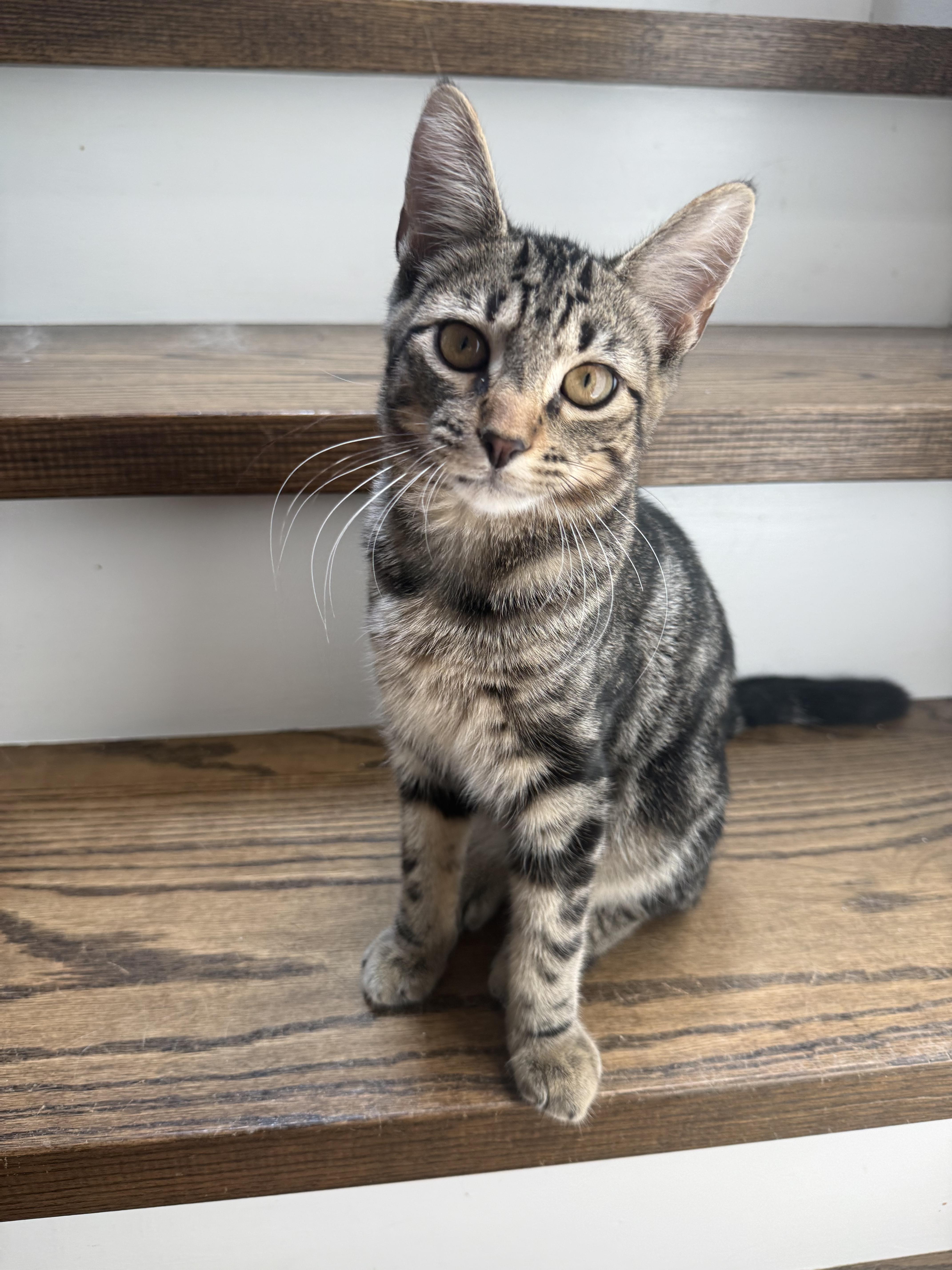
Expect several short play sessions a day with wand toys, chase games or food puzzles. In a Philly rowhouse, the stairs, a tall cat tree and a window perch make good outlets. Rexes are athletic jumpers, so anchor tall furniture and move breakables off high shelves.

Health Considerations

Hypertrophic cardiomyopathy and progressive retinal atrophy have been reported in the breed, so a baseline vet exam soon after adoption, including a heart check, is worthwhile. The thin coat can mean oily skin, waxy ears and sunburn. Many Rexes have big appetites, so measure meals and keep up regular checkups.

Living Space

Cornish Rex cats do well in apartments or rowhouses when the home is warm and has vertical space. They should live indoors, since a front stoop or small back yard offers no protection from cold or sun for such a fine coat. Heated beds and a sunny windowsill help. A companion pet can help if you're out long.

What it costs to own a Cornish Rex in Philadelphia

ExpenseTypical costPer year
Food$20 to $40 per month$240 to $480
Pet insurance$25 to $50 per month$300 to $600
Routine vet care$150 to $350 per year$150 to $350
Other*$500 to $1,350 per year$500 to $1,350
Estimated yearly total (after year one)$1,190 to $2,780

Other costs are estimates and vary with size, age and health.

* Litter, parasite prevention, a dental cleaning allowance, toys and scratchers, bath and ear-care supplies, and warm bedding or sweaters for a thin coat.

Adopt a Cornish Rex in Philadelphia.

Now that you know more, let’s find you a new best friend. These rescues and shelters below have cats available in and near Philadelphia.

Frequently Asked Questions

Yes, a Cornish Rex can be a good fit for Philly if you can offer warmth, play and company. Rowhouse stairs and window perches give an active cat room to burn energy. It's less suited to a cold home, long empty days or a space with nowhere to climb. Cats vary, so match each cat's energy to your routine.

Yes, as long as they live indoors with steady warmth. Philly winters regularly drop below freezing at night, and a Rex's thin coat holds little heat. Provide heated beds, blankets and a sunny perch, and put beds off the floor and away from drafts, which are the usual trouble spots in older rowhouses.

Yes, a Cornish Rex adapts well to apartments, including the split-up rowhouse units common in Philly. Warmth, vertical space and company matter more than square footage. Add a tall cat tree, a window perch and daily play. Because rowhouses share walls, an evening play session before bed can help keep nighttime zoomies down.

Only in a carrier. SEPTA allows pets only in a standard, sturdy carrier that doesn't obstruct others, and the animal can't be disruptive. That applies on the Broad Street Line and Market-Frankford Line as well as buses and trains. A Rex fits easily at 6 to 10 pounds, and a blanket inside helps in cold weather.

Yes. Philadelphia doesn't license cats, so owning one mostly comes down to vaccines and your lease. Cats over 3 months old need a rabies vaccination, and landlords can set their own pet policies and fees, so read your lease before adopting. A microchip and ID tag are smart extras for any cat.

Less than most cats, but it isn't zero. There's no brushing, though the thin coat collects skin oil, so plan baths every week or two to every few weeks depending on the cat, plus regular ear cleaning, drying ears afterward. A groomer isn't required, and the supplies fall within the Other costs budgeted for this page.

No, Cornish Rex cats are not hypoallergenic. The main cat allergen, a protein called Fel d 1, comes from saliva and skin glands rather than hair, and Cornish Rex cats produce it like other cats. Because they shed little, some people with mild allergies report fewer symptoms. Spend time with a specific cat before adopting to test your reaction.

A Cornish Rex is a small, slender cat breed from Cornwall, England, known for its short, wavy coat made only of soft down hair. It has large ears, a long arched body, long legs and an egg-shaped head. Cornish Rex cats are typically active, affectionate and playful, and they need indoor living, warmth and plenty of attention.

Cornish Rex cats shed very little. They lack the outer guard hairs and middle awn hairs most cats have, so their short, curly down coat drops far less hair around the home. Light shedding still happens, and the coat can thin seasonally. Instead of brushing, many owners just stroke the coat or wipe it with a soft cloth.

Plan on roughly $20–$40 a month for food, $25–$50 a month for insurance, $150–$350 a year for routine vet care and $500–$1,350 a year for everything else, including litter, parasite prevention, dental care and warm bedding. Together that's about $1,200–$2,800 a year, and there's no City license fee for cats.

Find Cornish Rexes in Nearby Cities

Expand your search to find Cornish Rexes available for adoption near Philadelphia.