Tabby Cats for Adoption in Philadelphia, PA

Your guide to finding and caring for a Tabby in Philly

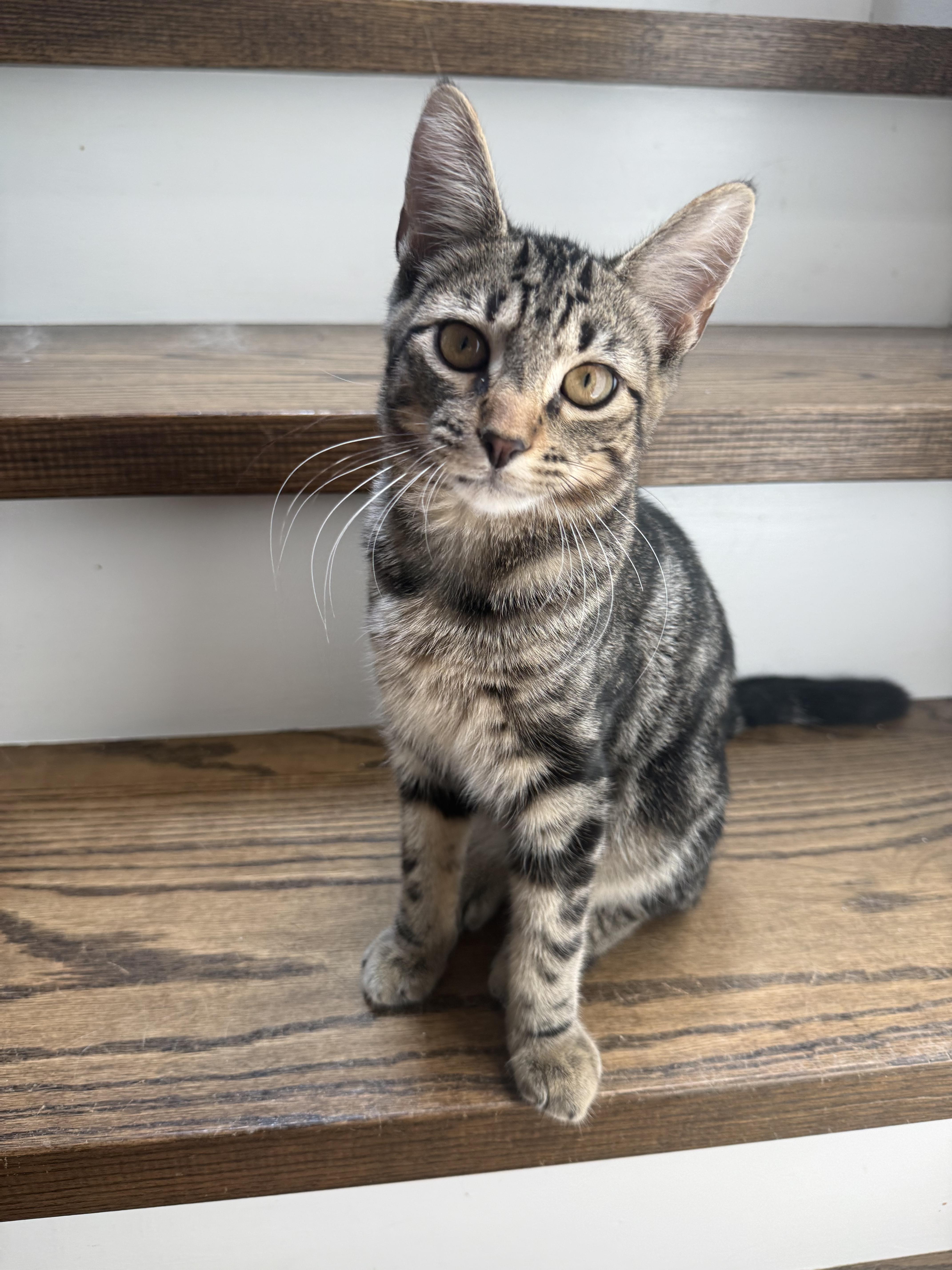
A Tabby in Philly is most likely to spend its days on a rowhouse windowsill. Tabby is a coat pattern, not a breed, so the cats vary a lot, but the stripes are common. In a Queen Village or Fishtown rowhouse, the stairs make a good climbing route, and a front window watching the block is free entertainment. Most Philly homes have small or no back yards, so these cats are best kept indoors, with scratchers and perches to burn off energy.

31 Tabbies available for adoption in Philadelphia

Find your Tabby

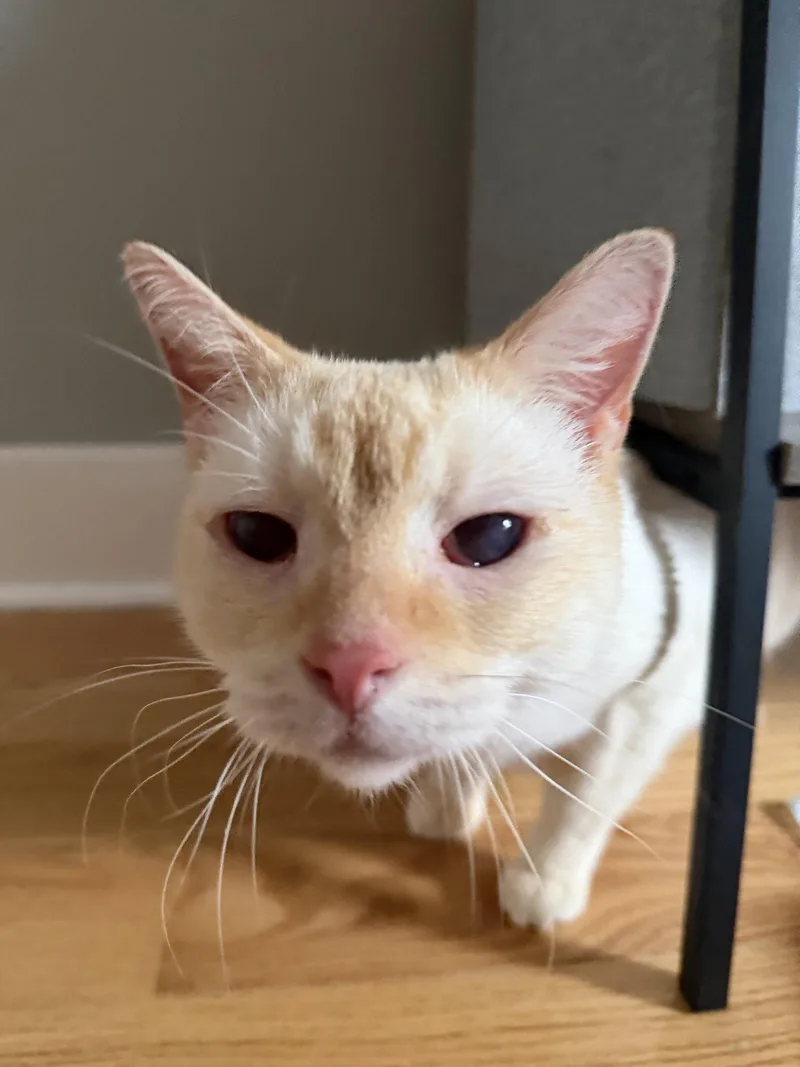
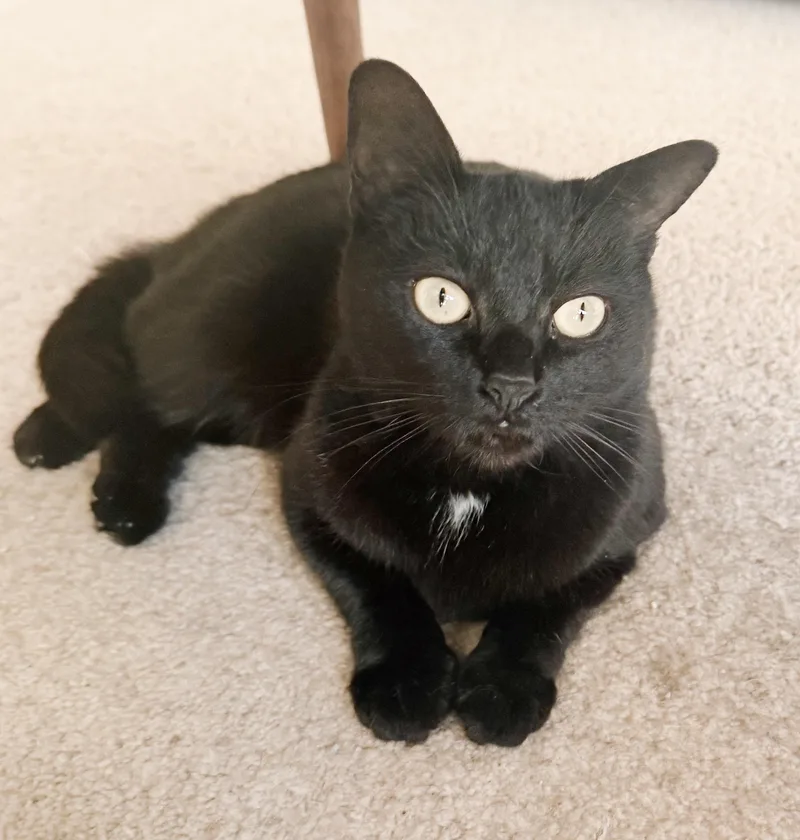
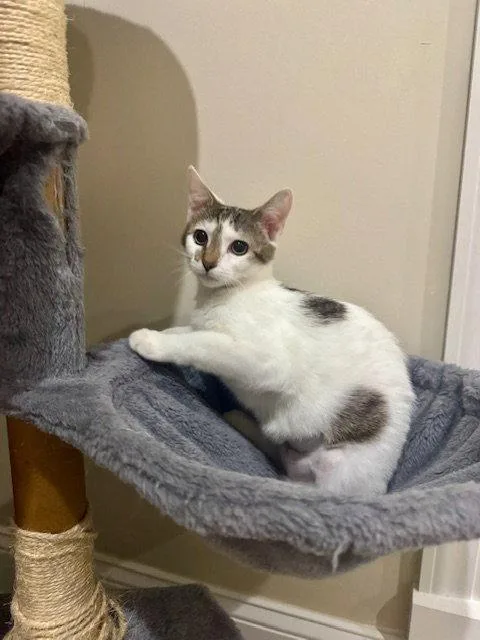
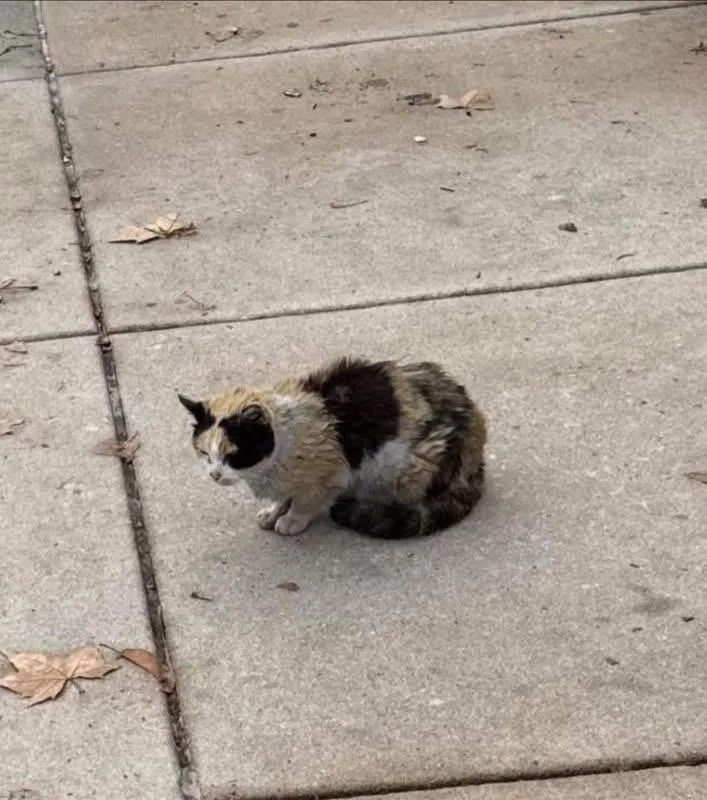
Tabbies Available for Adoption in Philadelphia

About the Tabby breed

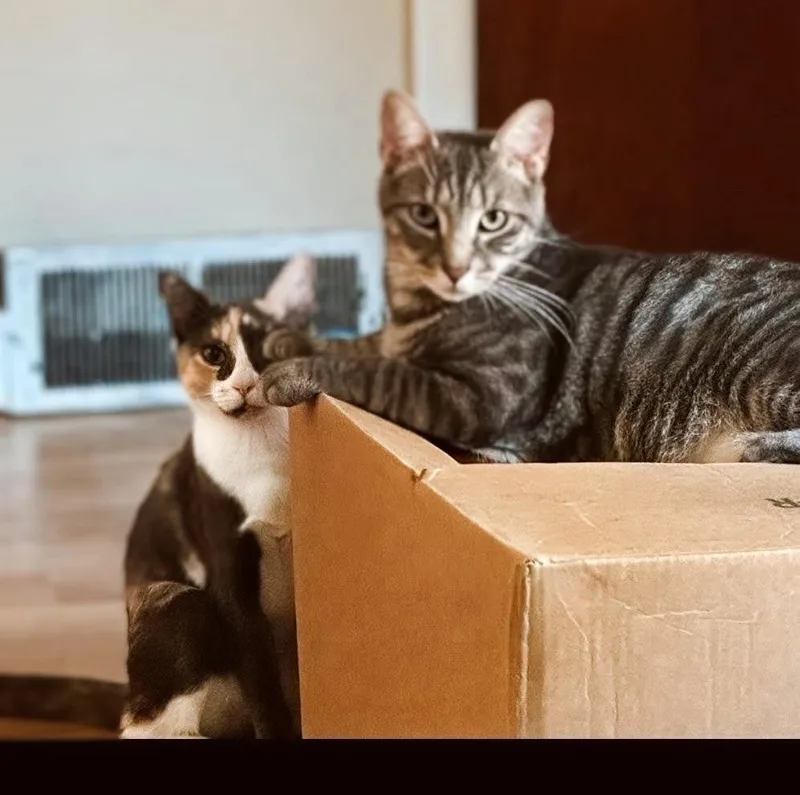
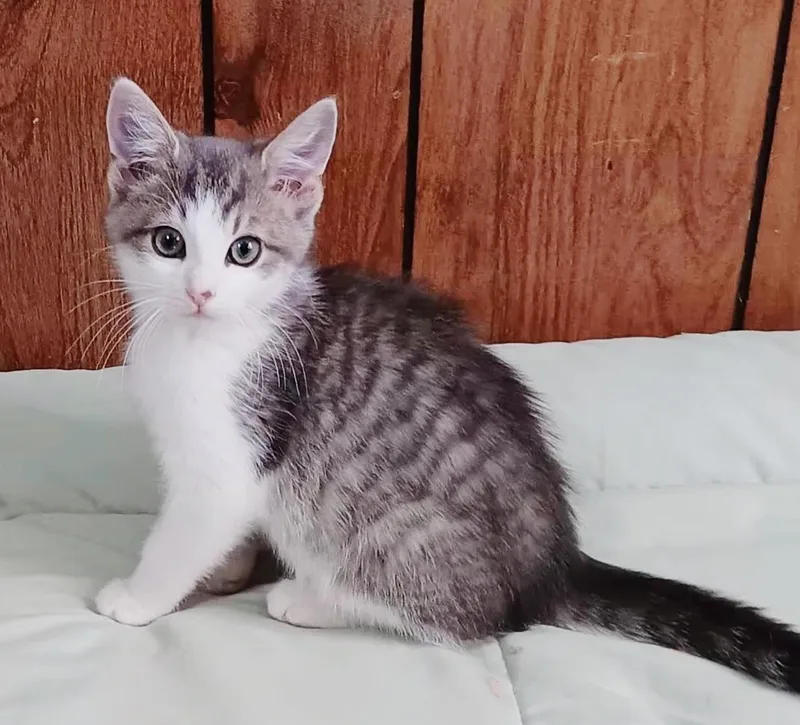
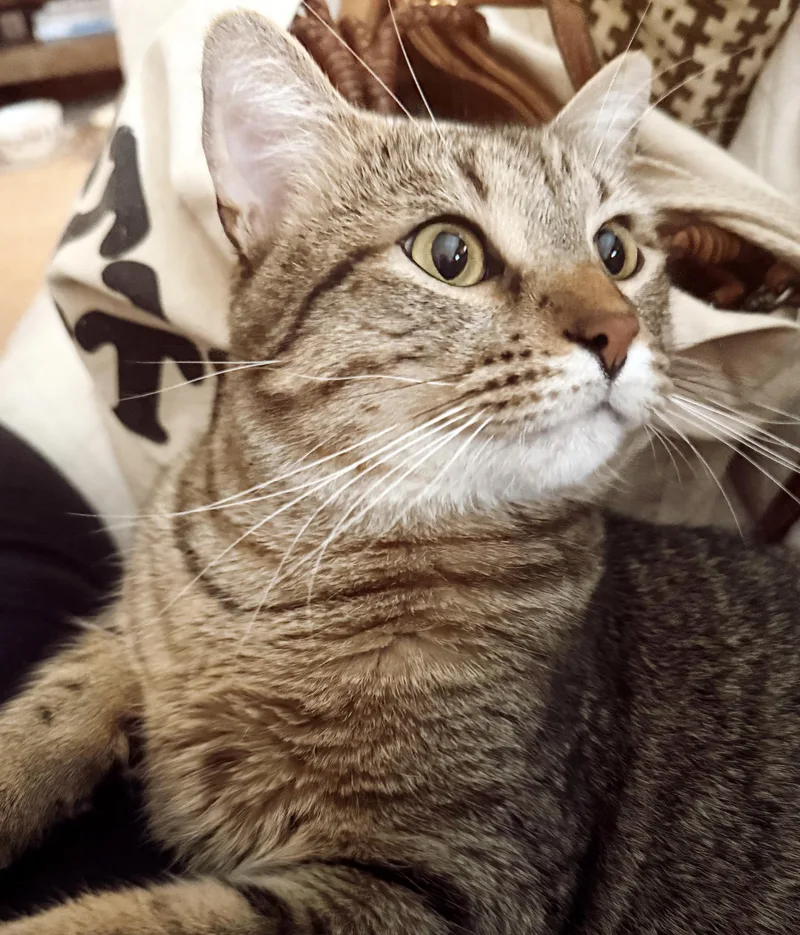
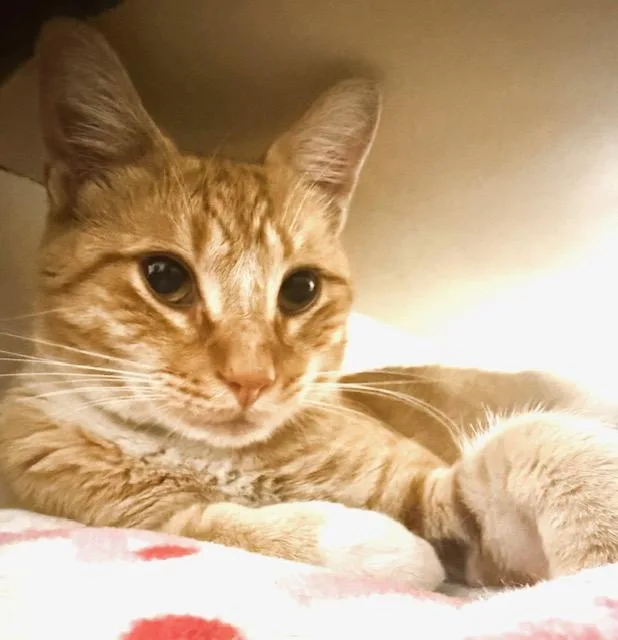
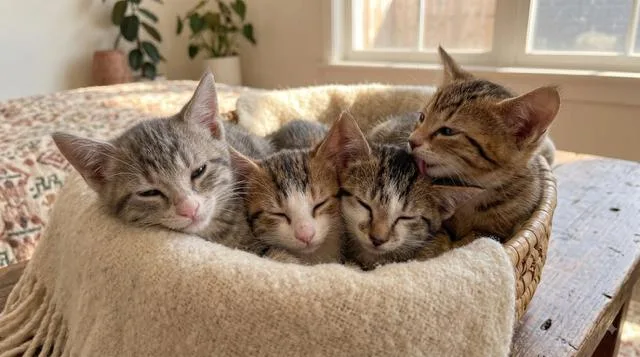
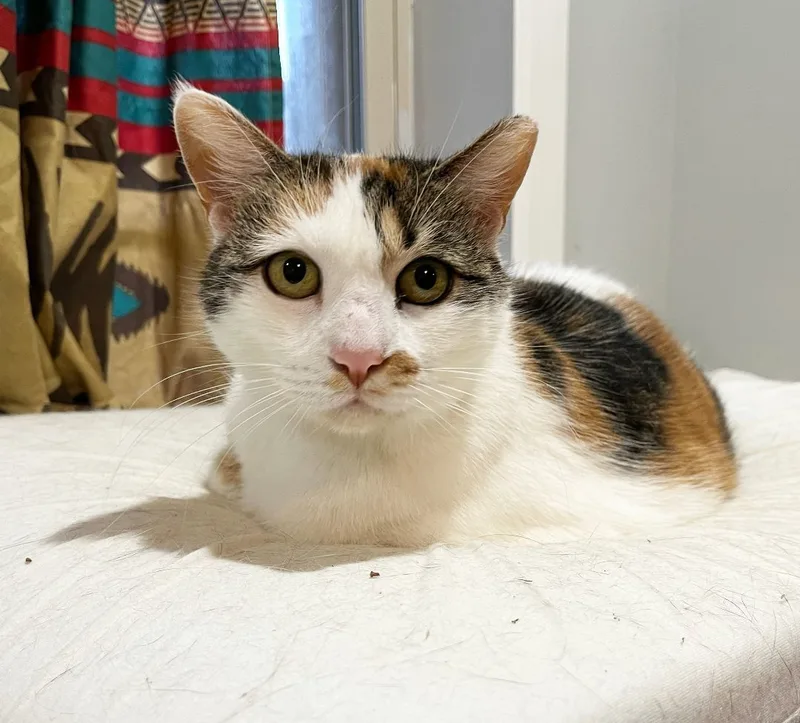
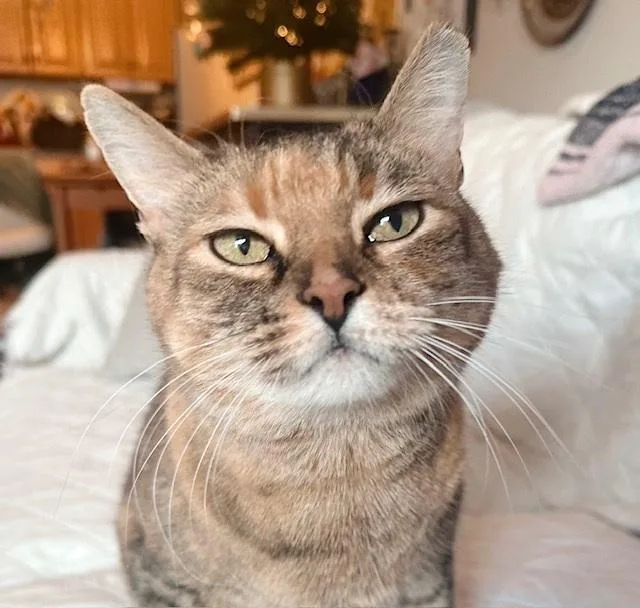
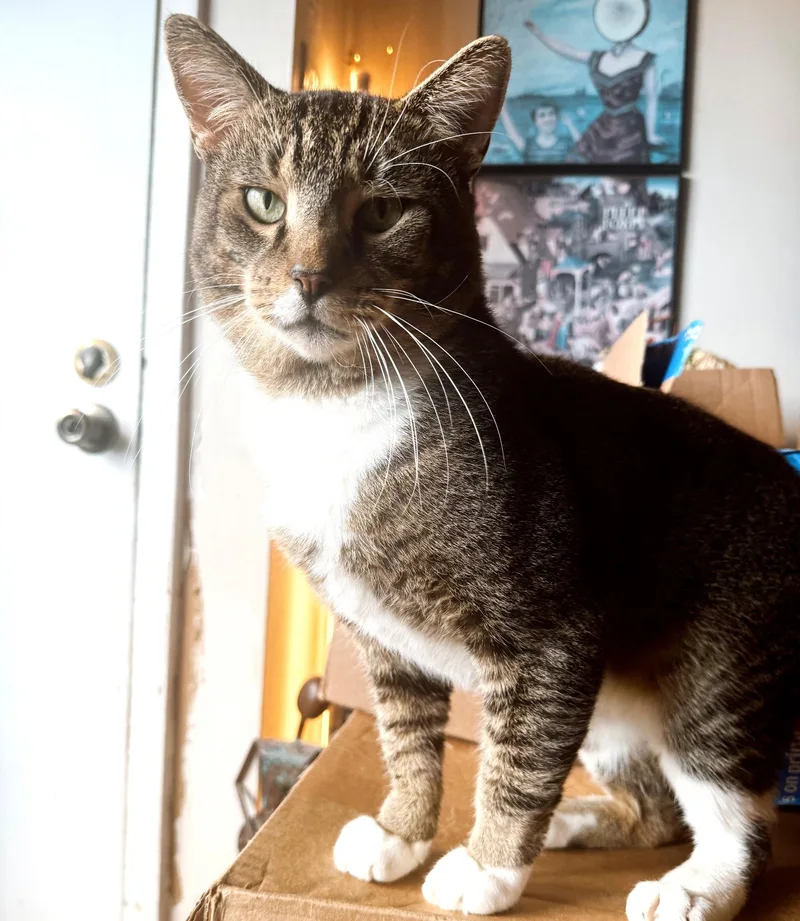
Tabby isn't a breed. It's a coat pattern, marked by an M-shaped mark on the forehead plus stripes, swirls, spots or ticked hairs, and it shows up on domestic shorthairs, Maine Coons, American Shorthairs and many other cats. The four main patterns are mackerel, classic, spotted and ticked, in colors from brown and orange to gray, silver and cream.

Most adoptable Tabbies are medium-sized domestic shorthairs, around 6 to 14 pounds, and many live 12 to 18 years with good care. Their personalities come from genetics and history, not stripes, so some are lap cats and others keep their distance. Shedding is moderate, which is worth knowing in a rowhouse full of stairs and rugs. Spend time with a cat before deciding.

Weight
6–14 lbs
Height
8–10 in
Lifespan
12–18 yrs
Temperament
Curious, Adaptable, Affectionate
Shedding
Moderate

Owning a Tabby in Philadelphia

Having a Tabby in Philly

A tabby's traits come from the cat, not the stripes. In Philly, what matters most is how a cat handles a narrow rowhouse, shared walls and a busy block, along with its energy level and coat length.

Temperament

Stripes don't predict personality, so expect everything from chatty and curious to shy and independent. The stereotype of outgoing orange tabbies partly reflects that most orange cats are male. On a city block with sirens and neighbors through the walls, a calm, adaptable cat tends to settle faster, so notice how a cat reacts to new sounds.

Exercise Needs

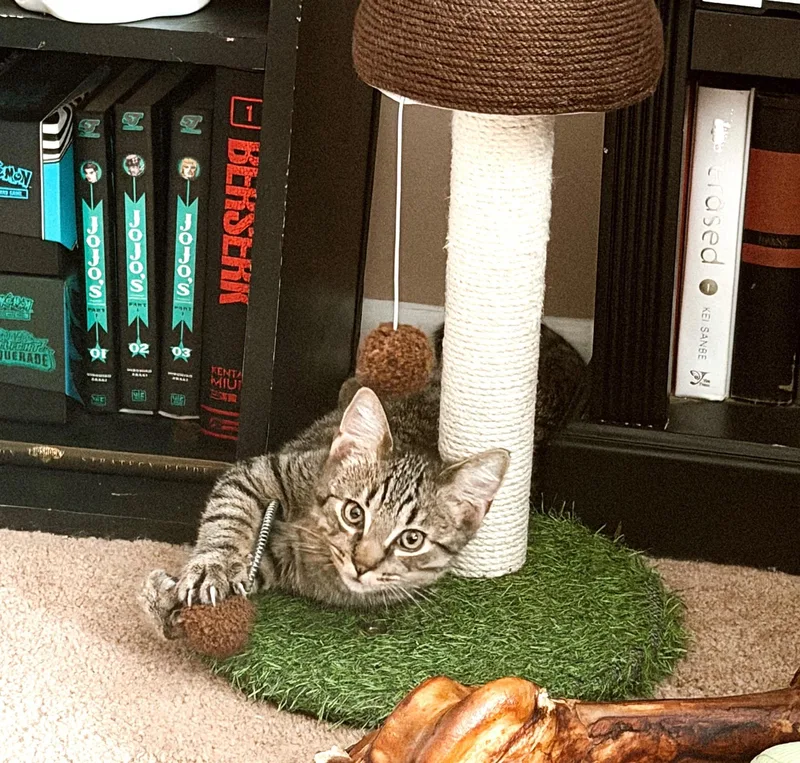
Plan on daily play that mimics hunting: wand toys, chasing and pouncing, in a few short sessions. Rowhouse stairs, cat trees and window perches add climbing. With little or no yard in most Philly homes, indoor play is the main outlet. Kittens and young adults need more, while older cats prefer gentler games.

Health Considerations

Coat pattern doesn't affect health; risks follow a cat's breed or mix and age. Obesity, dental disease and urinary problems are common, and older cats may develop kidney disease, hyperthyroidism or diabetes. A veterinarian can check weight, teeth and coat soon after adoption and set up flea prevention, which even indoor cats need.

Living Space

Tabbies generally adapt well to apartments and rowhouses when they have places to climb, scratch, hide and look outside. In a narrow Philly rowhouse, put a perch by a front window and a litter box on each floor if you can. Secure window screens matter on upper floors. A long-haired tabby needs extra grooming time.

What it costs to own a Tabby in Philadelphia

ExpenseTypical costPer year
Adoption fee$115, one time$115 in year one
Food$25 to $50 per month$300 to $600
Pet insurance$20 to $45 per month$240 to $540
Routine vet care$150 to $350 per year$150 to $350
Other*$450 to $1,150 per year$450 to $1,150
Estimated yearly total (after year one)$1,140 to $2,640
First-year total (with adoption fee)$1,255 to $2,755

Adoption fee is the fee on Tabby listings in Philadelphia on GetBuddy today. Other costs are estimates and vary with size, age and health.

* Litter, flea prevention, a dental cleaning allowance, toys, scratchers and bedding, and occasional grooming.

Adopt a Tabby in Philadelphia.

Now that you know more, let’s find you a new best friend. These rescues and shelters below currently have Tabbies available.

Frequently Asked Questions

Yes. Tabby is a coat pattern, and Philadelphia has no breed bans, since state law bars local breed-specific rules. Cats need no city license, but any cat or dog over 3 months old must be vaccinated for rabies. Browse the cats listed on this page, and save a search to hear when new ones arrive.

Yes, most Tabbies adapt well to apartments and rowhouse flats if they have perches, scratchers, hiding spots and a litter box. Older Philly buildings often share walls, so daytime play helps tire a cat before bedtime. Make sure window screens are secure on upper floors, and read the lease for pet fees before you apply.

Yes, for indoor cats. Winters are cold but mild enough that a heated home covers it, and the main challenge is summer, with about 30 days a year at 90°F or above. Keep upper-floor rooms cool, leave water out and never leave a cat in a parked car. Keep flea and tick prevention going through October.

Only in a carrier. SEPTA allows pets, including on the Broad Street Line and Market-Frankford Line, only in a standard sturdy carrier that doesn't obstruct others, and the animal can't be disruptive. Most Tabbies fit in a carrier comfortably, so a trip to the vet is doable. Keep the cat inside it for the whole ride.

Most need little. A short-haired Tabby does well with weekly brushing, while a long-haired one needs it several times a week to prevent mats. Shedding is moderate and tends to rise as the seasons change, so expect more loose hair in spring and fall. Occasional professional grooming is already part of the Other line in the cost table.

A tabby cat is any cat with a tabby coat pattern, meaning stripes, swirls, spots or ticked hairs plus a distinctive M-shaped marking on the forehead. Tabby is not a breed. The pattern appears in domestic shorthairs and longhairs as well as many pedigreed breeds, such as the American Shorthair, Maine Coon and Abyssinian, and it is one of the most common cat patterns.

A tabby cat isn't any one breed, because tabby is a coat pattern. Cats with the pattern include shelter domestic shorthairs and longhairs as well as breeds such as the American Shorthair, Maine Coon, Bengal and Abyssinian. Most tabbies available for adoption are mixed-breed domestic cats, so browse the cats listed here and look at each one's age and personality.

A tabby cat has an M-shaped mark on its forehead, thin lines running from the outer corners of the eyes, and striped or spotted markings on the body, legs and tail. Mackerel tabbies have narrow parallel stripes, classic tabbies have bold swirls with a bullseye on each side, spotted tabbies have spots, and ticked tabbies show flecked hairs with few stripes.

We have 5 rescues with Tabbies available, including Whiskers of Love Cat Rescue and Sanctuary, Here Kitty Kitty Cat Rescue and Kitten Snatchers. You can see every rescue with Tabbies available in the list above these questions, or scroll to the top to see the Tabbies in Philadelphia.

Expect roughly $1,140 to $2,640 a year for a Tabby in Philly: food at $25 to $50 a month, insurance at $20 to $45 a month, routine vet care at $150 to $350 a year, and $450 to $1,150 a year for litter, flea prevention, dental care and supplies. Adoption fees come from the current listings.