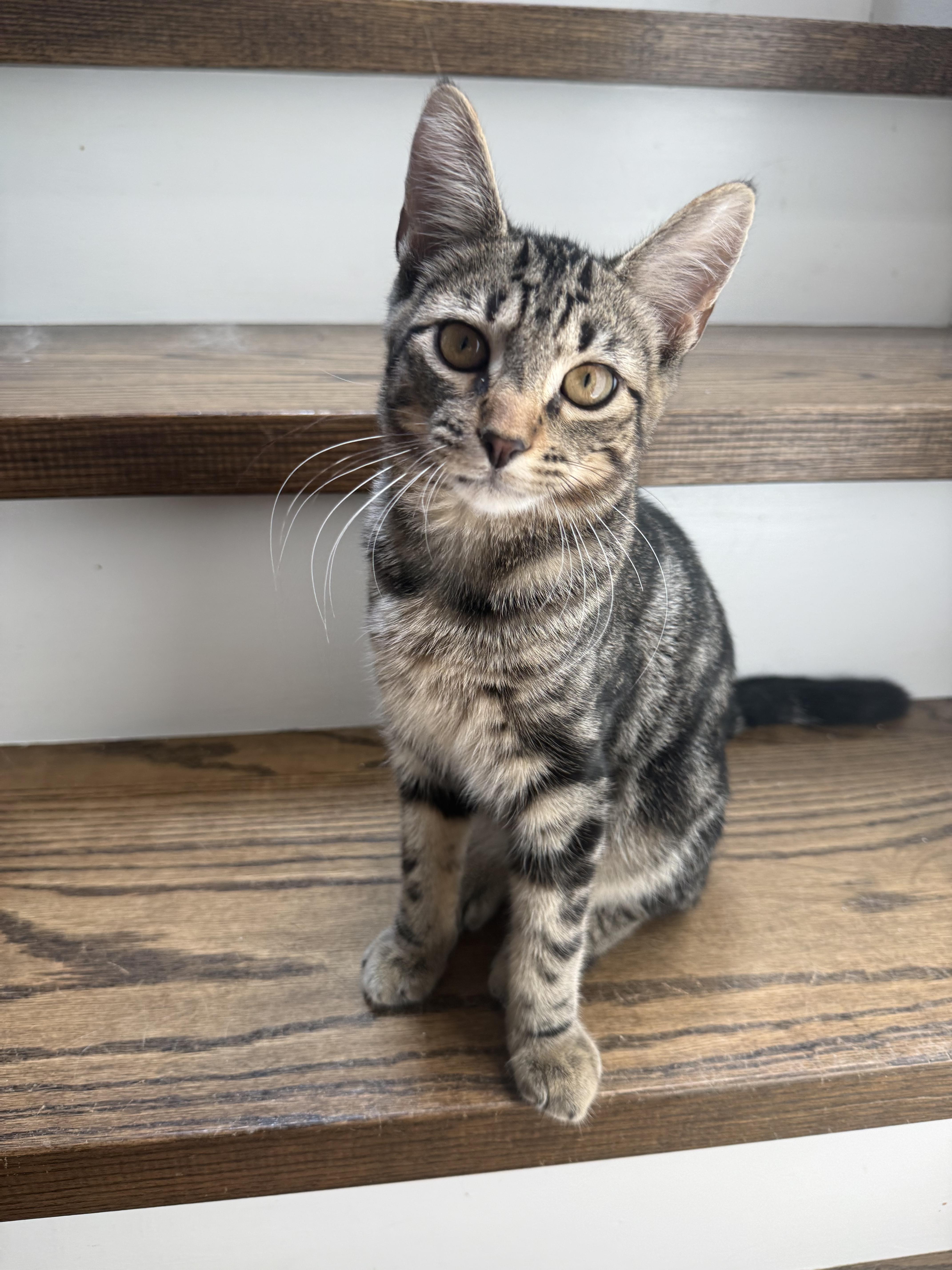
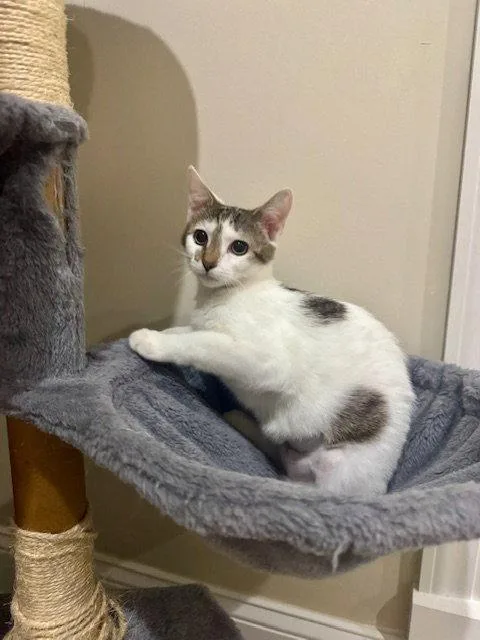
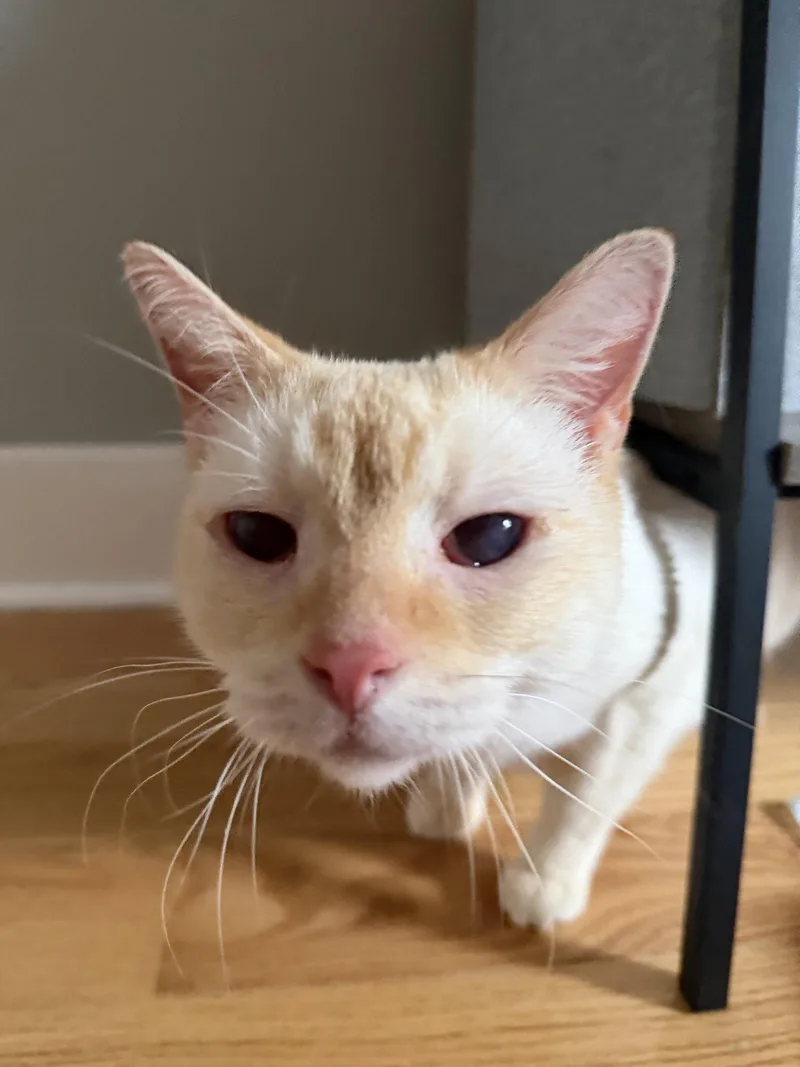
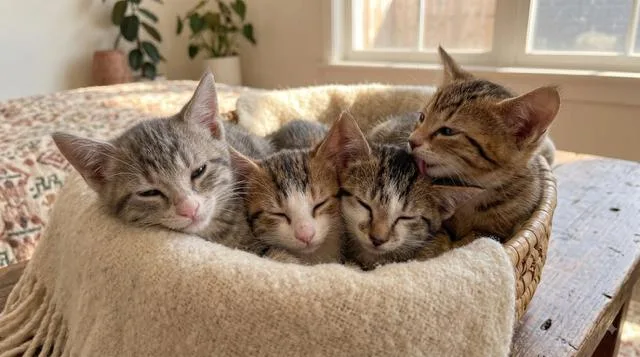
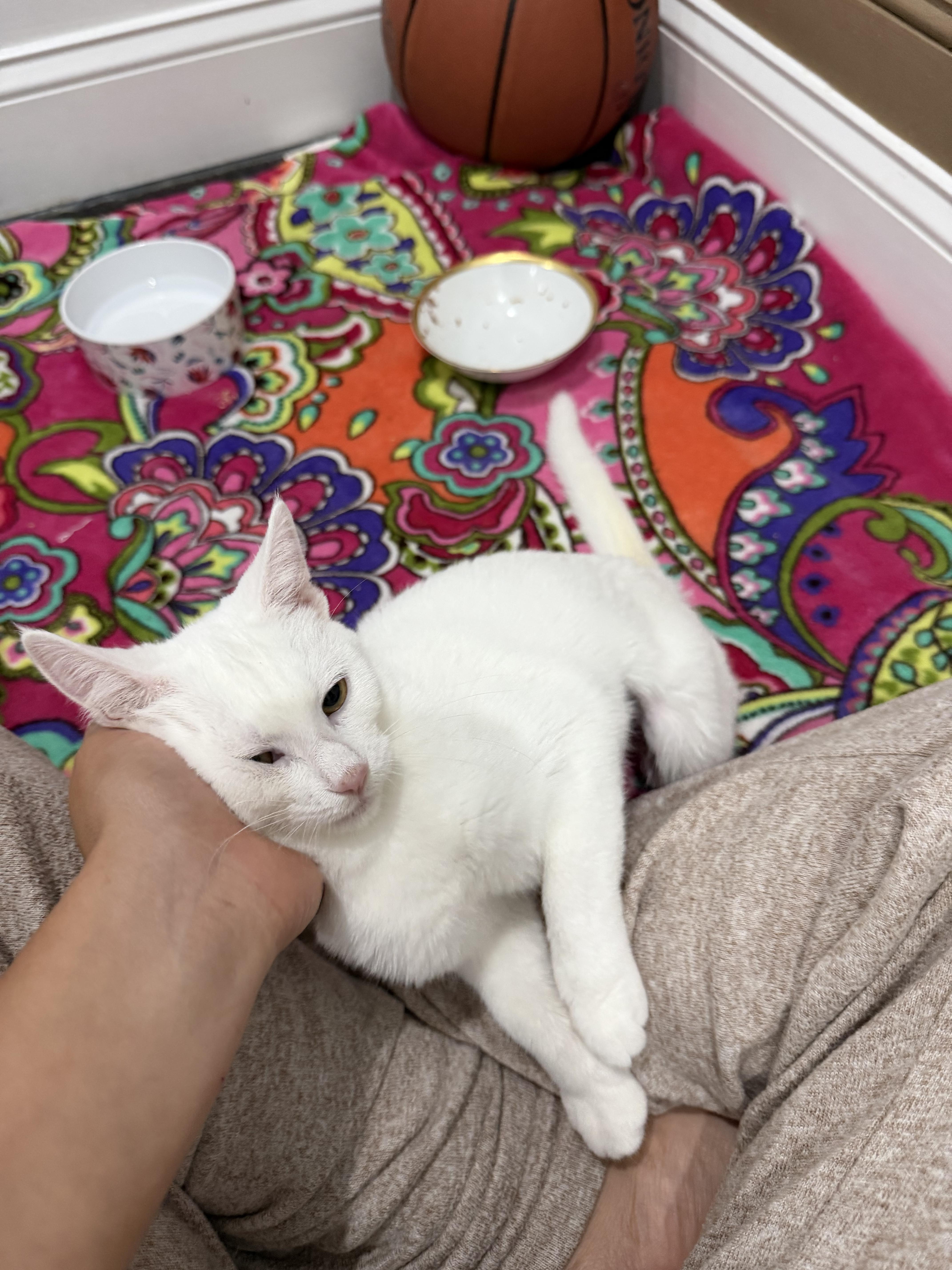
Tuxedo Cats for Adoption in Philadelphia, PA

Your guide to finding and caring for a Tuxedo in Philly

A Tuxedo cat fits a Philly rowhouse about as well as any cat can. Most are domestic shorthairs, so there's no single personality, but a front window onto a Point Breeze stoop or a Spruce Hill porch keeps many of them entertained for hours. Add a tall scratching post and a few wand-toy sessions a day, and a Tuxedo settles into a Pennsport apartment without fuss. Cats don't need a city license here, which keeps the paperwork short.

13 Tuxedos available for adoption in Philadelphia

Say hello to your Tuxedo cat

Tuxedos Available for Adoption in Philadelphia

About the Tuxedo breed

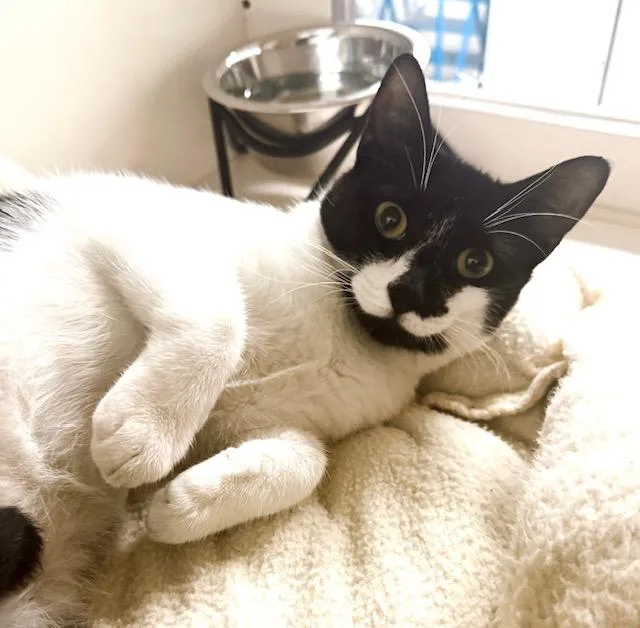
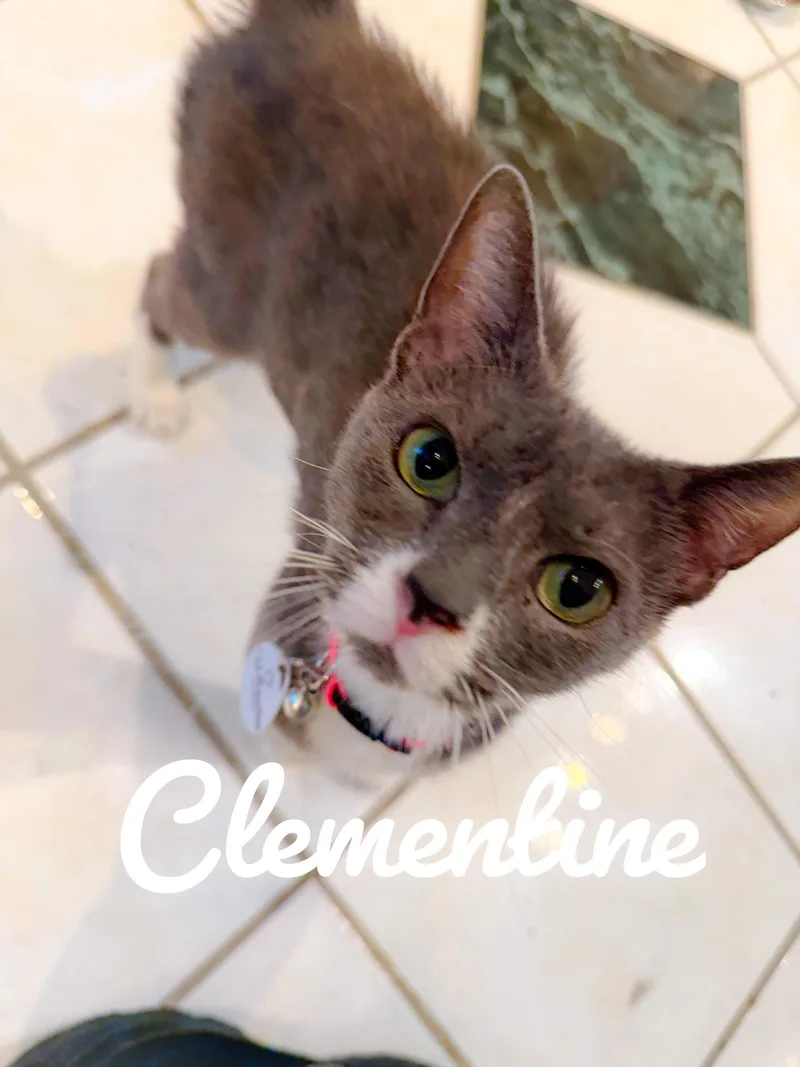
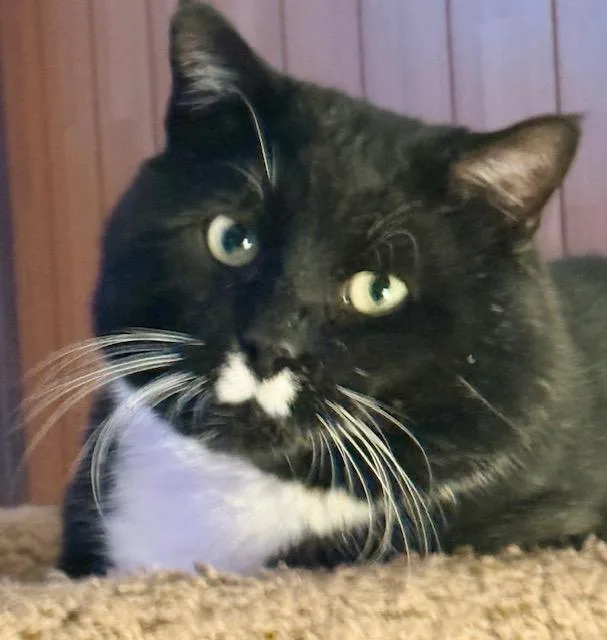
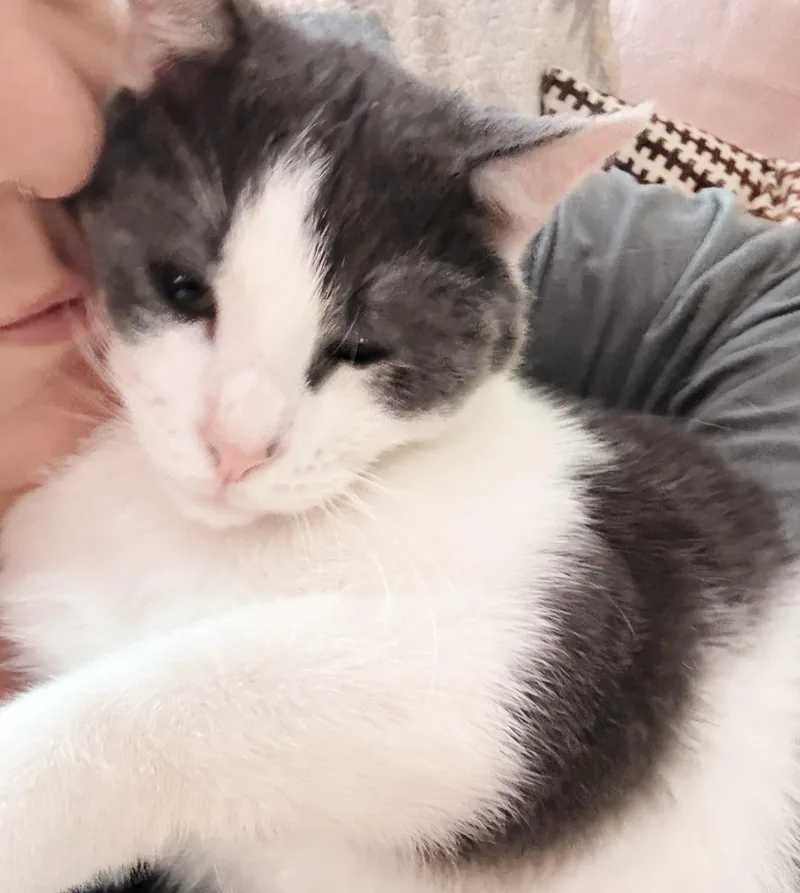
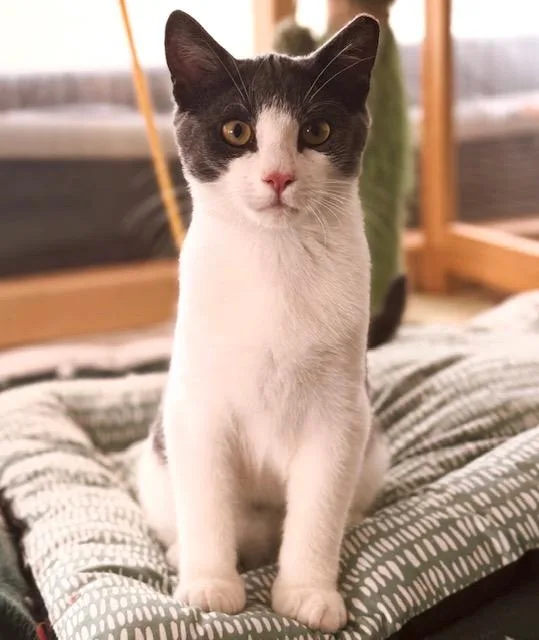
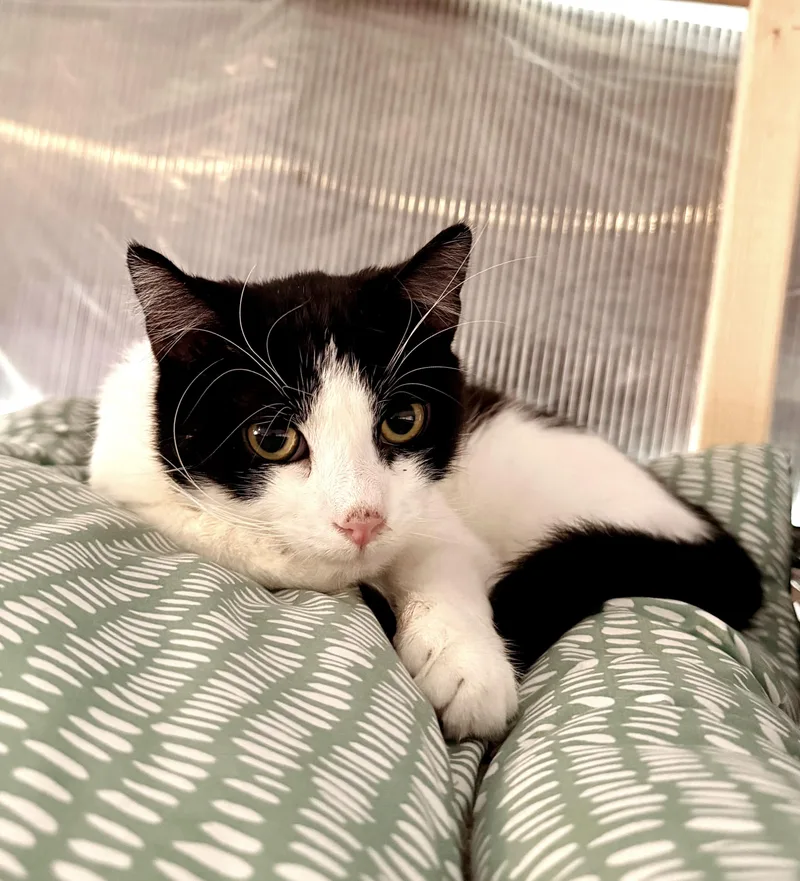
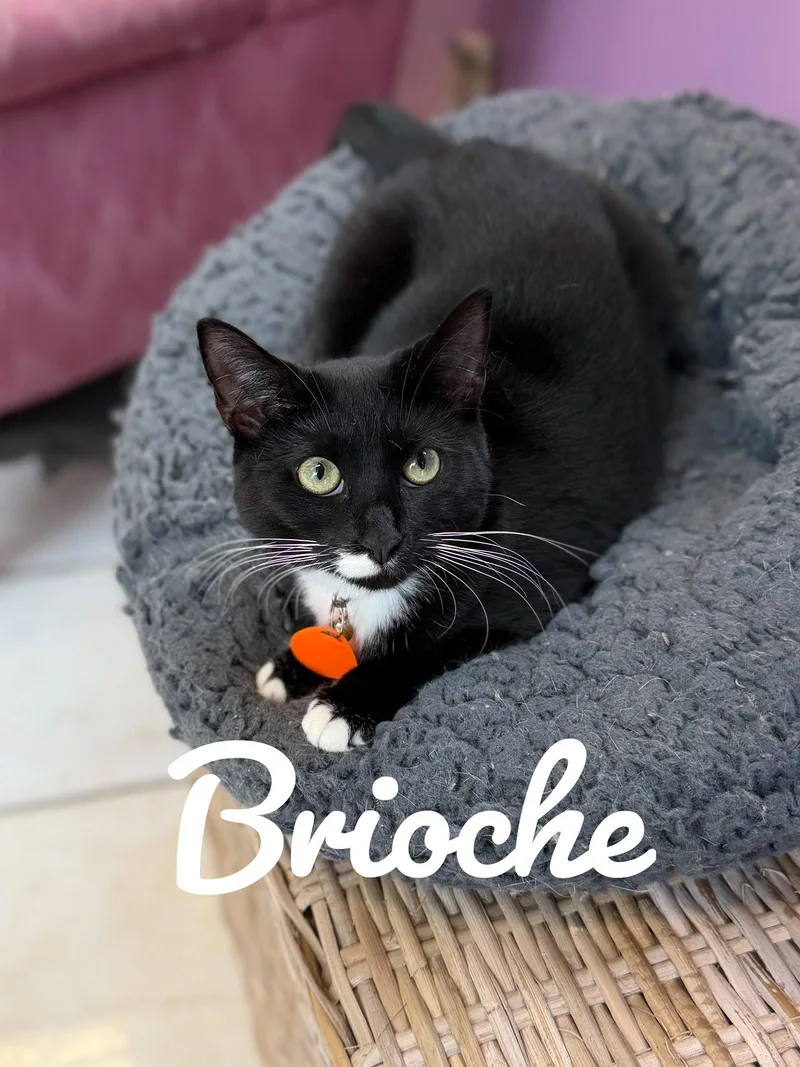
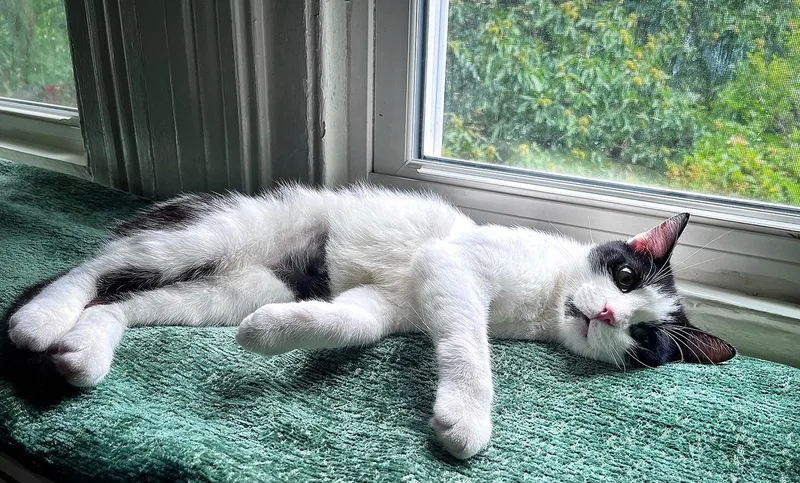
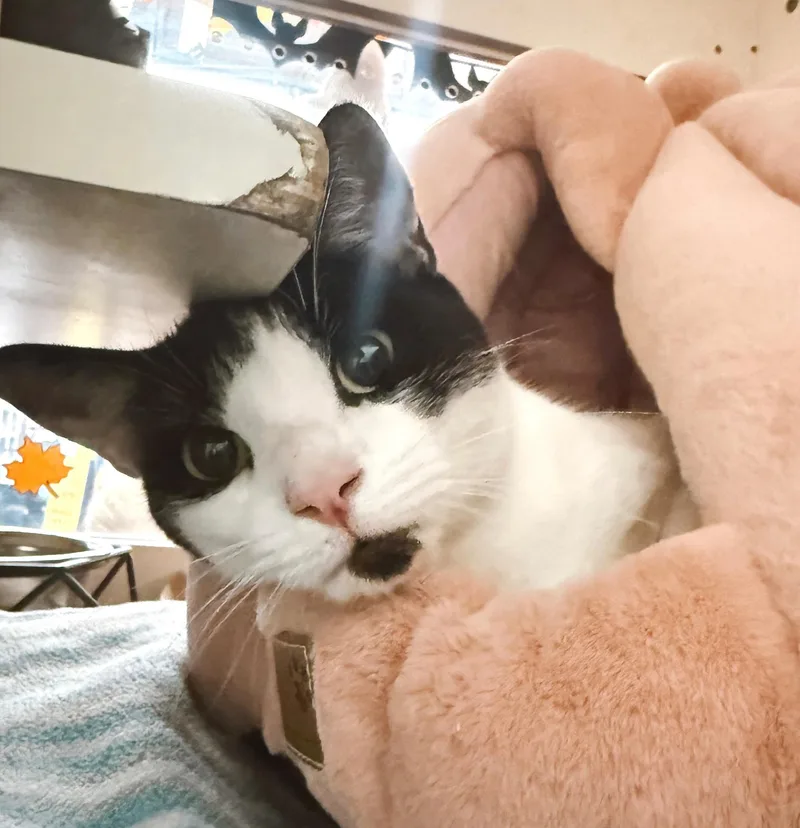
Tuxedo isn't a breed but a coat pattern: a bicolor cat, usually black and white, with a white chest that looks like a shirtfront and often white paws, a white chin or a blaze down the face. Grey-and-white tuxedos exist too. The pattern comes from a variation in the KIT gene, and males and females are about equally common.

Most tuxedos are domestic shorthairs, though the pattern also shows up in Maine Coons, British Shorthairs and other breeds, so coat length and grooming needs vary. Color doesn't set personality. Tuxedos run from chatty to shy, and a cat's age and past experience matter far more than its markings. In Philly, that means judging a cat by how it behaves in your kind of home, whether that's a rowhouse with a stoop window or a quiet apartment.

Weight
6–14 lbs
Height
8–10 in
Lifespan
12–18 yrs
Temperament
Adaptable, Playful, Affectionate
Shedding
Moderate

Owning a Tuxedo in Philadelphia

Having a Tuxedo in Philly

A tuxedo's markings say nothing about care needs, so coat length, age and energy level matter more. In Philly's rowhouses and apartments, vertical space, daily play and regular vet care do most of the work.

Temperament

Tuxedos range from outgoing and talkative to reserved and slow to warm up, and the coat color doesn't predict which. Most adjust to a new home with patient introductions. In Philly's shared-wall rowhouses and apartments, a cat that tolerates street noise and visitors on the stoop tends to settle faster, though every cat differs.

Exercise Needs

Plan on daily interactive play: wand toys, chase games and puzzle feeders that mimic hunting. Young cats may want several short sessions, while seniors prefer gentle games. A Philly rowhouse's stairs make a handy climbing course, and a cat tree by a front window gives an indoor cat plenty to watch between play sessions.

Health Considerations

The tuxedo pattern carries no known health risk. These cats share common feline concerns: dental disease, obesity, urinary problems and, with age, kidney disease, diabetes or hyperthyroidism. Philadelphia requires rabies vaccination for cats over three months old, and a veterinarian can check weight, teeth and overall health soon after adoption.

Living Space

Tuxedos usually do well in apartments and multilevel rowhouses when they have enrichment. Window perches, scratching posts, hiding spots and well-kept litter boxes matter more than square footage. Sturdy window screens help prevent falls from upper floors, and a litter box away from shared walls can keep a nervous cat calmer.

What it costs to own a Tuxedo in Philadelphia

ExpenseTypical costPer year
Food$25 to $50 per month$300 to $600
Pet insurance$20 to $45 per month$240 to $540
Routine vet care$150 to $350 per year$150 to $350
Other*$450 to $1,150 per year$450 to $1,150
Estimated yearly total (after year one)$1,140 to $2,640

Other costs are estimates and vary with size, age and health.

* Litter, flea and tick prevention, a dental cleaning allowance, toys and supplies, and home grooming.

Adopt a Tuxedo in Philadelphia.

Now that you know more, let’s find you a new best friend. These rescues and shelters below currently have Tuxedos available.

Frequently Asked Questions

Yes. Tuxedo is a coat pattern, not a breed, so no breed rule applies, and Philadelphia doesn't license cats. Cats over three months old do need a rabies vaccination, which a veterinarian can give. Your lease is the main hurdle: landlords set their own pet policies, so get approval in writing before you adopt.

Yes, most tuxedo cats do well in apartments and in rowhouses split into units. Give them a window perch, a tall scratching post and daily play. Because rowhouses share walls, a chatty or night-active cat may be heard next door, so schedule an energetic play session in the evening and use a puzzle feeder.

Yes, as long as your cat rides in a standard, sturdy carrier. SEPTA says pets must be in nonobstructive carriers and can't be disruptive, and that applies on the subway, bus, trolley and Regional Rail. Choose a carrier your cat can turn around in, and keep it on your lap or the floor.

Yes, for indoor cats. Summers get hot and humid, so use air conditioning or fans and keep fresh water out. Winters are cold, but indoor heat covers it, and older rowhouses just need a warm bed away from drafts. A tuxedo's coat doesn't change these needs, though longhaired cats feel summer more.

Usually, if you choose the cat rather than the coat. Tuxedos range from lively to laid-back, and Philly homes suit most of them: stairs, window ledges and stoop views give cats plenty to do. Younger cats need more play, while calmer adults suit smaller apartments. Browse the listings here and compare ages and energy levels.

Most tuxedos are shorthairs and need a brush about once a week, while longhaired cats need it several times a week. Shedding is moderate and often rises in spring. Humid summers don't change the routine, but check for ticks if your cat goes outside. Grooming is mostly home care, covered in the Other cost line.

We have 3 rescues with Tuxedos available: Whiskers of Love Cat Rescue and Sanctuary, Here Kitty Kitty Cat Rescue and Stray Cat Relief Fund. You can see every rescue with Tuxedos available in the list above these questions, or scroll to the top to see the Tuxedos in Philadelphia.

Expect roughly $25 to $50 a month for food, $20 to $45 a month for pet insurance, $150 to $350 a year for routine vet care, and $450 to $1,150 a year for other costs. That totals about $1,140 to $2,640 a year. Adoption fees are separate and appear on each listing.