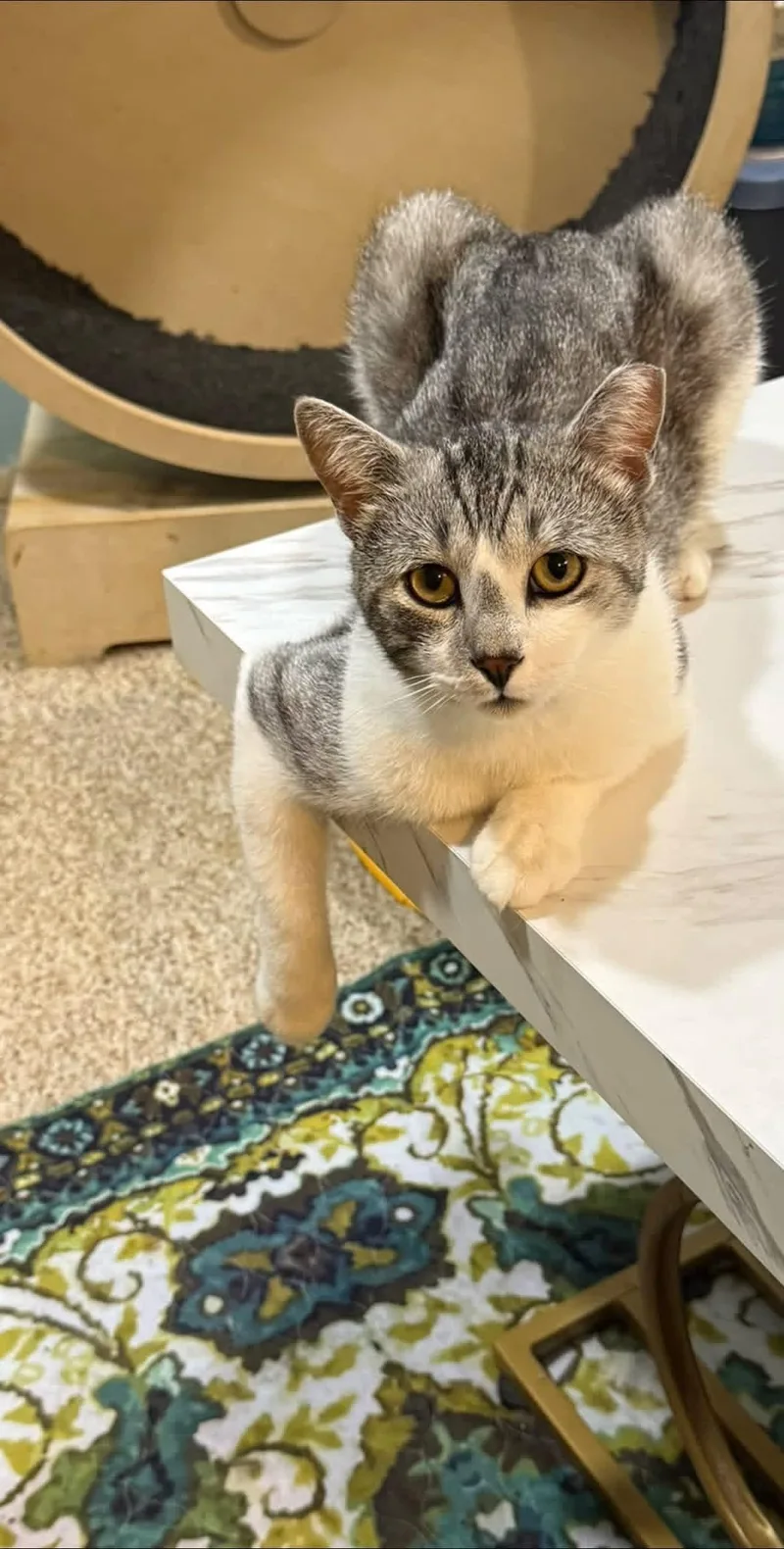
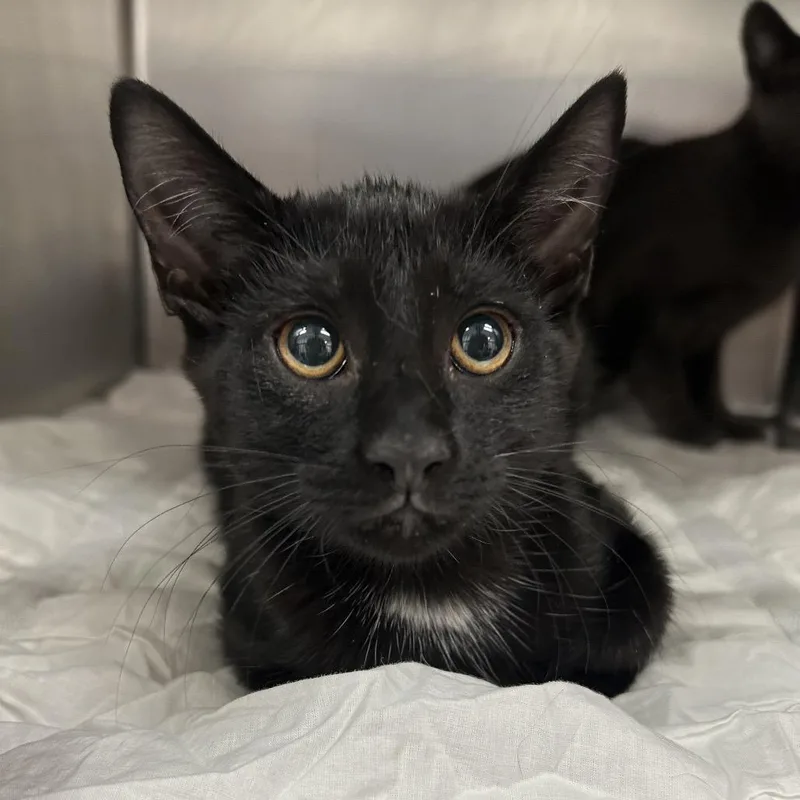
Egyptian Mau Cats for Adoption in Newark, NJ

Your guide to finding and caring for an Egyptian Mau in Newark

An Egyptian Mau suits Newark's walk-ups and brownstones better than you might expect. A Roseville or Lower Broadway apartment with a tall cat tree and a screened window gives a Mau the climbing and lookout spots it likes, and most of these cats are happy to follow their person from room to room. Cautious with strangers, they do best where visitors are few and the stairwell stays quiet. Plan on daily play sessions, since a bored Mau will find its own entertainment.

53 Egyptian Maus available in Newark and nationwide

Bring home an Egyptian Mau

While we don't have enough cats near Newark, keep in mind that many rescues may offer transport.

Egyptian Maus Available for Adoption Near Newark

About the Egyptian Mau breed

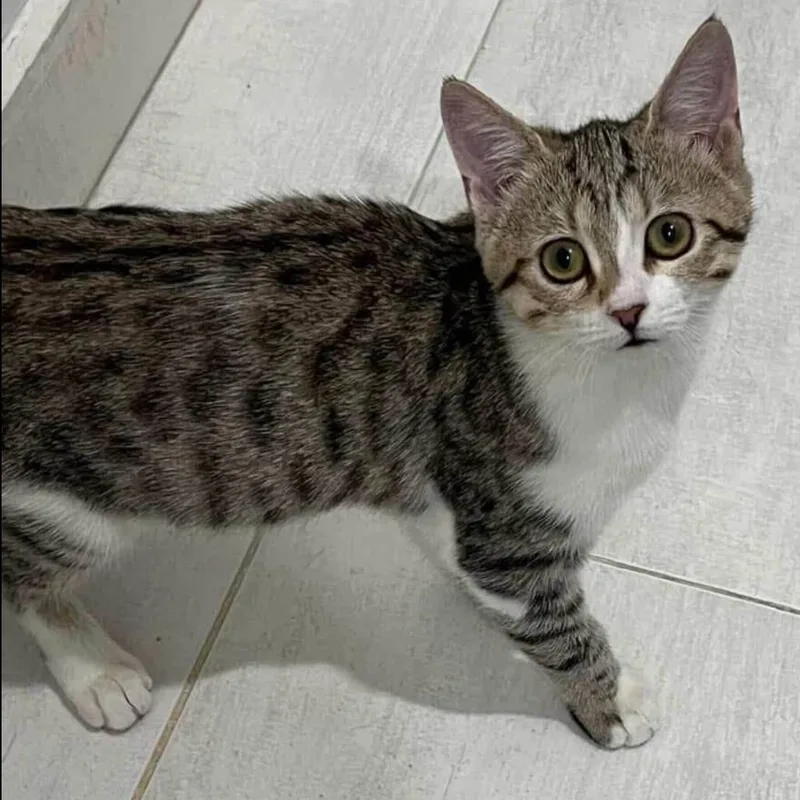
The Egyptian Mau is a medium-sized, athletic cat, usually 7 to 14 pounds, with a spotted coat, a scarab-shaped mark on the forehead and green eyes that deepen as the cat matures. Its hind legs are longer than its front legs, which gives it a sprinter's stride and real jumping power. The modern breed dates to the 1950s, though spotted cats appear in ancient Egyptian art.

Many Maus are devoted to their own people and slow to warm up to guests. In a Newark home that often means a cat who greets you at the door and disappears when the doorbell rings. The breed is uncommon, so a shelter cat labeled a Mau may be a spotted domestic shorthair. Either way, the cat's own personality matters more than the label. Low shedding keeps upkeep light.

Weight
7–14 lbs
Height
7–11 in
Lifespan
9–15 yrs
Temperament
Active, Devoted, Intelligent
Shedding
Low to Moderate

Owning an Egyptian Mau in Newark

Having an Egyptian Mau in Newark

Maus are sprinters and climbers with a close bond to their household. In Newark's smaller apartments, tall perches, daily play and a quiet retreat for visitor days do more for a Mau's happiness than square footage.

Temperament

Maus are often loyal and watchful, attaching strongly to one or two people. In a busy Newark building, hallway noise, buzzers and visitors can unsettle a cautious cat, so a hiding spot and a calm routine help. Each cat differs: some are bold and social, while others stay shy for months after a move.

Exercise Needs

Plan on several short play sessions a day with wand toys, chase games and puzzle feeders. Newark apartments don't offer much roaming room, so use height: shelves, window perches and a tall tree let a Mau sprint and leap indoors. A cat that takes to a harness may enjoy supervised outings, but indoor play should cover most of its needs.

Health Considerations

Egyptian Maus are generally sturdy, but urate bladder stones and the inherited anemia pyruvate kinase deficiency have been reported in the breed. Fresh water, a suitable diet and attention to litter habits help. Have a veterinarian review any available records, and keep up with dental care, healthy weight and yearly exams.

Living Space

A Mau can do well in the two- to four-unit buildings and apartments that make up much of Newark's housing, as long as there's vertical space. Cat trees and shelves matter more than floor area. Secure window screens and balconies, since Maus jump and climb readily, and keep outdoor time supervised or enclosed.

What it costs to own an Egyptian Mau in Newark

ExpenseTypical costPer year
Food$25 to $50 per month$300 to $600
Pet insurance$25 to $50 per month$300 to $600
Routine vet care$150 to $350 per year$150 to $350
Other*$450 to $1,150 per year$450 to $1,150
Estimated yearly total (after year one)$1,200 to $2,700

Other costs are estimates and vary with size, age and health.

* Litter, flea prevention, a dental cleaning allowance, toys, scratchers and cat trees, and occasional brushing supplies.

Adopt an Egyptian Mau in Newark.

Now that you know more, let’s find you a new best friend. These rescues and shelters below have cats available in and near Newark.

Rescues and Shelters in or near Newark

Newark's shelters and rescues care for cats of every coat and temperament, spotted or not. Here are the rescues & shelters in the Newark area with cats available for adoption, worth asking whether an Egyptian Mau is coming in.

Frequently Asked Questions

Yes, a Mau can live happily in a Newark apartment if it has vertical space and daily play. With about 77% of households renting, most adopters live in apartments or small multi-family buildings. Add a tall cat tree, a window perch and secure screens, and give a cautious cat a quiet hiding spot away from hallway noise and buzzers.

It can be, if you're home often enough to play and enjoy a cat that bonds closely. A Mau suits Newark residents who have a fairly quiet apartment, like interactive play and can introduce visitors slowly. It's a weaker match for very busy households or buildings with constant noise, though each cat's confidence varies.

Yes. No known Newark rule restricts Egyptian Maus or any other cat breed. The main hurdle is rental approval: ask the landlord about pets, and remember that a refundable pet deposit counts toward New Jersey's 1.5-month security-deposit cap. Cat licensing varies by town, so confirm Newark's current requirement with the city.

Yes, but only in a carrier. NJ Transit allows small pets in carry-on travel cages on its trains, buses and the Newark Light Rail, so a Mau must stay inside a secure, ventilated carrier for the whole trip. Most Maus are cautious, so a covered carrier with a familiar blanket helps on trips to the vet.

Yes, as indoor cats. Newark winters bring about 80 freezing nights and roughly 31 inches of snow a year, which is too harsh for a short-coated Mau outdoors, and New Jersey law limits how long companion animals can be exposed to freezing temperatures without proper shelter. Provide warm perches, keep a carrier ready for storms and wipe paws after salted hallways.

Very little. A Mau's short coat sheds lightly, so a weekly comb is usually enough, plus occasional nail trims and tooth care. Newark's humid summers and cold winters don't change that much, though a quick comb helps during seasonal shedding. Professional grooming is rarely needed, so brushing supplies are only a small part of yearly Other costs.

No, Egyptian Maus are not hypoallergenic. No cat breed is, because the main cat allergen comes from saliva and skin glands rather than the hair itself. Maus have short coats that shed lightly, which may help a little, but people with allergies can still react. Spend time with the specific cat before adopting if anyone in the household has allergies.

Yes, Egyptian Maus are fairly rare. The modern breed descends from only a few cats brought to the United States in the 1950s, and it ranks in the middle to lower range of the CFA's breeds by registrations. Purebred Maus seldom appear in shelters, so breed rescues and patient searching give the best chance of adopting one.

Without papers or a DNA test, you cannot be certain your cat is an Egyptian Mau. Signs that point toward the breed include randomly spotted fur in silver, bronze or smoke, a scarab-like M on the forehead, mascara lines by the eyes, gooseberry green eyes and a loose skin flap by the hind legs. Many spotted shelter cats are domestic shorthairs.

Plan on roughly $1,200 to $2,700 a year for a Mau in Newark. That covers food at $25 to $50 a month, insurance at $25 to $50 a month, routine vet care at $150 to $350 a year, and $450 to $1,150 a year for litter, flea prevention, dental care and supplies.

Find Egyptian Maus in Nearby Cities

Expand your search to find Egyptian Maus available for adoption near Newark.