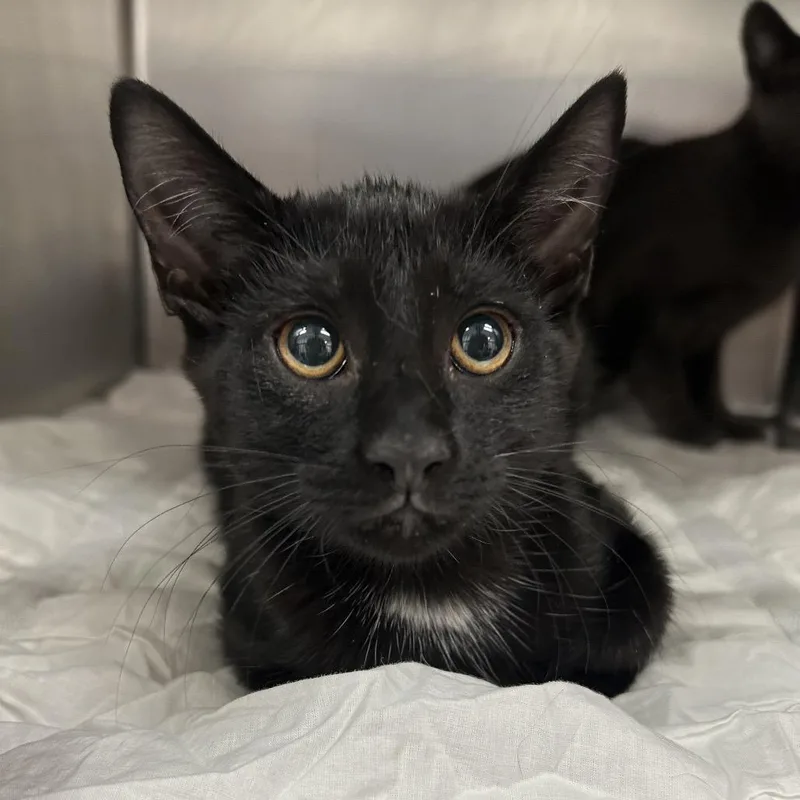
Dilute Tortoiseshell Cats for Adoption in Newark, NJ

Your guide to finding and caring for a Dilute Tortoiseshell in Newark

A dilute tortoiseshell cat fits Newark's rentals well, because a sunny window perch does most of the work. Whether it's a walk-up in Roseville or a brownstone near University Heights, these blue-cream cats do fine indoors with a scratching post, a couple of play sessions a day and a sill to watch the street from. The coat says little about personality, so how the cat responds to you matters more. A shy one will usually settle best in a quiet home.

269 Dilute Tortoiseshells available in Newark and nationwide

Meet your next Dilute Tortie

Dilute Tortoiseshells Available for Adoption Near Newark

About the Dilute Tortoiseshell breed

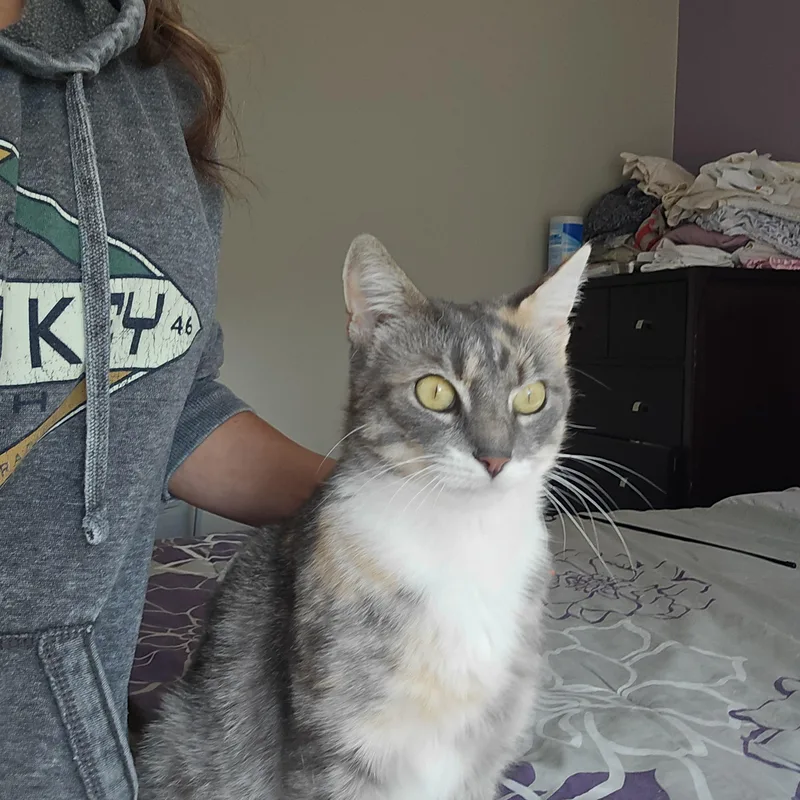
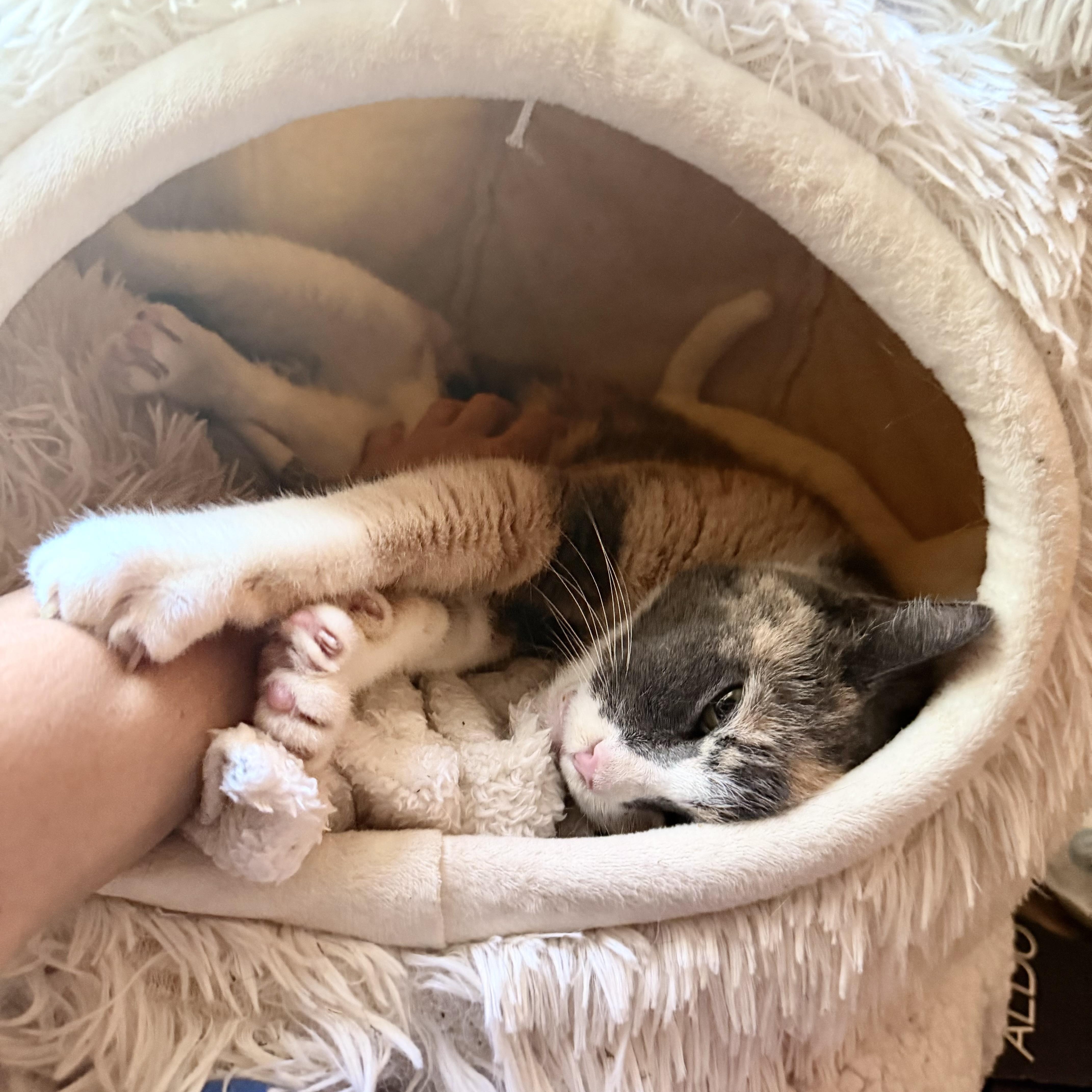
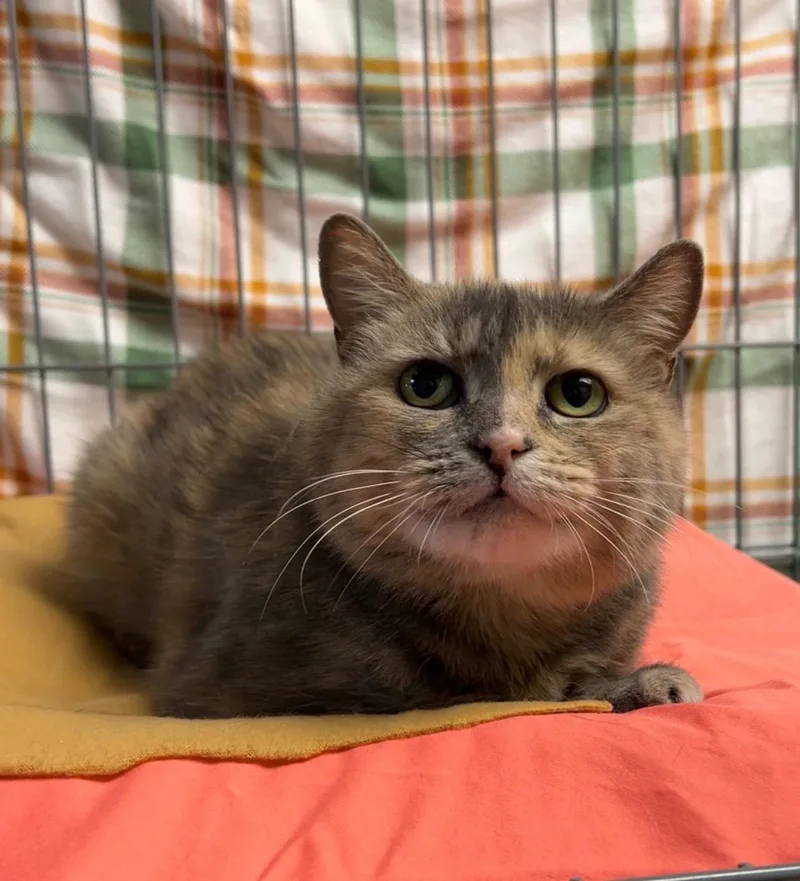
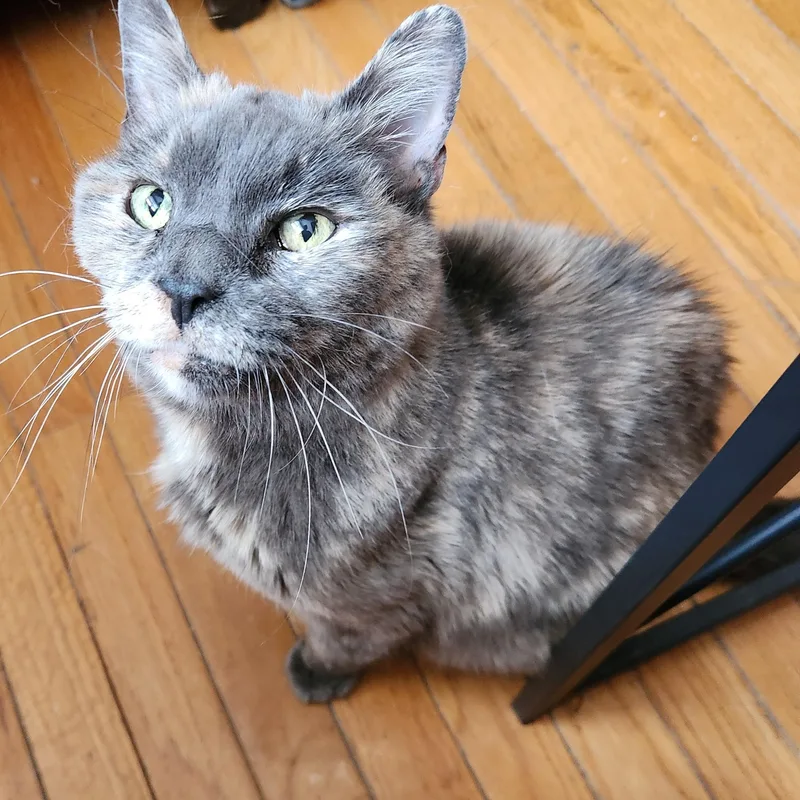
A dilute tortoiseshell is a coat pattern, not a breed. Instead of black and orange, the cat shows blue-gray and cream in patches or a fine marbled blend, thanks to a recessive dilution gene. The patchwork depends on two X chromosomes, so nearly all dilute torties are female. Most are domestic shorthairs or longhairs, though the coloring also turns up in Persians, British Shorthairs and Maine Coons.

In Newark that means the cats you meet vary a lot in size, coat and temperament. Most weigh 6 to 14 pounds and can live 12 to 18 years, with moderate shedding. A longhaired cat needs brushing several times a week. Tales of "tortitude" are folklore with little evidence behind them, so judge each cat by how it behaves when you meet.

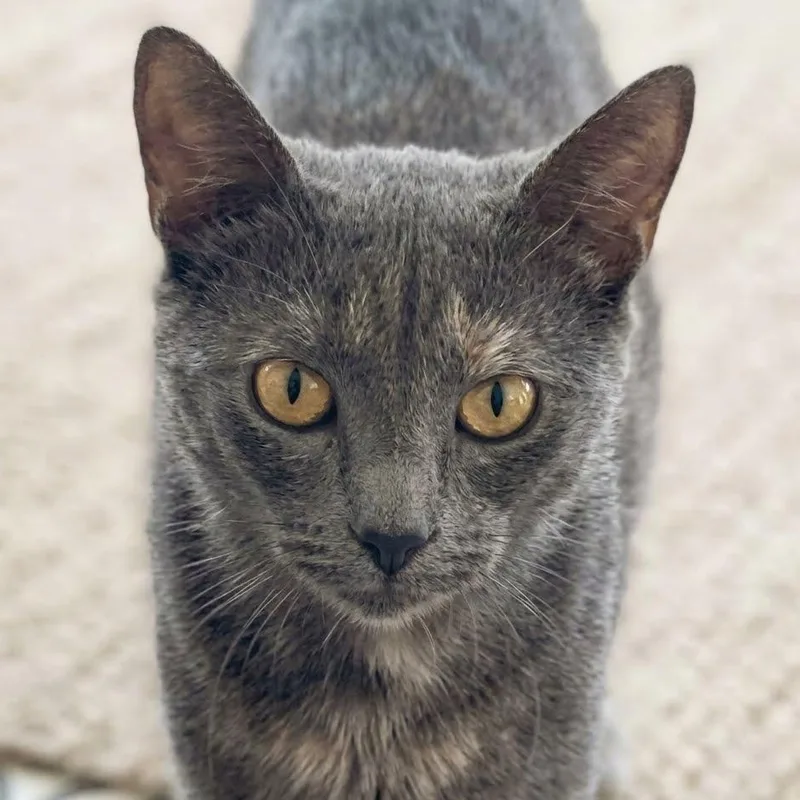
Weight
6–14 lbs
Height
8–10 in
Lifespan
12–18 yrs
Temperament
Affectionate, Independent, Curious
Shedding
Moderate

Owning a Dilute Tortoiseshell in Newark

Having a Dilute Tortoiseshell in Newark

Dilute tortoiseshell describes a coat, so a cat's energy, personality and health come mostly from its age, background and mix of breeds. For Newark adopters, the practical questions are space, daily play and a calm place to settle.

Temperament

Dilute torties range from shy to bold and from lap cats to loners, and the coat color doesn't predict which. In a busy Newark building with hallway noise and close neighbors, a confident cat often adjusts quickly, while a timid one may need a quiet room and time. Watch how the cat reacts to handling and sudden sounds.

Exercise Needs

Plan on two or three short play sessions a day with wand toys, balls or a puzzle feeder, more for kittens and young adults. In a walk-up apartment, a tall cat tree and a window perch give climbing and bird-watching without a yard. Older cats usually prefer shorter, gentler games.

Health Considerations

The coat pattern carries no known health risk in female cats, while the rare male torties are usually sterile and may have extra health needs. Otherwise, think yearly checkups, dental care, a healthy weight and up-to-date vaccines. A veterinarian can check an adopted cat's teeth, weight and heart soon after adoption.

Living Space

A dilute tortie can thrive in a small Newark apartment as long as there are perches, hiding spots and a scratching post. In the two- and three-family houses and walk-ups common here, think about shared walls and stairwell noise. Tight window screens are essential, and a longhaired cat needs room for brushing.

What it costs to own a Dilute Tortoiseshell in Newark

ExpenseTypical costPer year
Food$25 to $50 per month$300 to $600
Pet insurance$20 to $45 per month$240 to $540
Routine vet care$150 to $350 per year$150 to $350
Other*$450 to $1,150 per year$450 to $1,150
Estimated yearly total (after year one)$1,140 to $2,640

Other costs are estimates and vary with size, age and health.

* Litter, flea and tick prevention, a dental cleaning allowance, toys and supplies, and occasional home grooming.

Adopt a Dilute Tortoiseshell in Newark.

Now that you know more, let’s find you a new best friend. These rescues and shelters below currently have Dilute Tortoiseshells available.

Rescues in Newark with Dilute Tortoiseshells Available

The rescues and shelters below care for cats across Newark while they wait for homes. Here are the rescues & shelters in the Newark area where you can find Dilute Tortoiseshells and other cats available for adoption.

Frequently Asked Questions

Yes. A dilute tortoiseshell is a coat pattern rather than a breed, so nothing about the coloring is restricted in Newark. Plan on routine care like vaccines and a veterinarian visit soon after adoption. Browse the cats listed on this page, and save a search to hear when new ones appear.

Yes, most do well in apartments. In Newark's walk-ups and small multifamily buildings, add a window perch, a scratching post and tight screens on every window. Shy cats may prefer a quiet unit away from stairwell noise. Get pet permission in writing and check the lease for pet rent before you sign.

Yes, as indoor cats they handle Newark winters easily. Keep beds away from drafts, make sure the heat stays on, and stock extra food, water and litter before big snowstorms. Cats should not be let outside in freezing weather, and a carrier by the door helps if you ever have to leave in a hurry.

Yes, if the cat is in a carry-on travel cage. NJ Transit trains, buses and the Newark Light Rail allow small pets only in carriers, so a secure, ventilated carrier is required. Keep the cat inside it for the whole ride, and use a carrier your cat already knows to reduce stress.

A shorthaired dilute tortie needs a weekly brushing, while a longhaired cat needs it several times a week to prevent mats. Shedding rises in spring and fall, and dry indoor heat in winter can add dander. Grooming mostly stays a home routine, so brushes and occasional trims are small costs.

No. New Jersey's food code bars live animals from restaurant premises, with exceptions for service animals, and there's no outdoor-dining exception for pet cats or dogs. Most cats are happier at home anyway. Leave your dilute tortie with fresh water and a comfortable perch while you dine out.

A tortoiseshell cat is a cat with a coat pattern, not a breed, that mixes black-based and orange-based colors in patches or a mottled blend with little or no white. The dilute version shows blue-gray and cream instead. The pattern appears in domestic shorthairs and many purebreds, and because of its genetics nearly all tortoiseshells are female.

Almost all tortoiseshell cats are female, but not every single one. The orange and black color genes sit on the X chromosome, and a cat needs two X chromosomes to show both colors together. Females have two, so they can be torties. A tortoiseshell male is possible only through rare genetic exceptions, such as carrying an extra X chromosome.

We have 1 rescue with Dilute Tortoiseshells available: Brick City Kitties Rescue. You can see every rescue with Dilute Tortoiseshells available in the list above these questions, or scroll to the top to see the Dilute Tortoiseshells near Newark.

Expect roughly $1,140 to $2,640 a year for a dilute tortie in Newark. That covers food at $25 to $50 a month, insurance at $20 to $45 a month, routine vet care of $150 to $350, and $450 to $1,150 for litter, prevention, dental care and supplies. Adoption fees vary by listing.