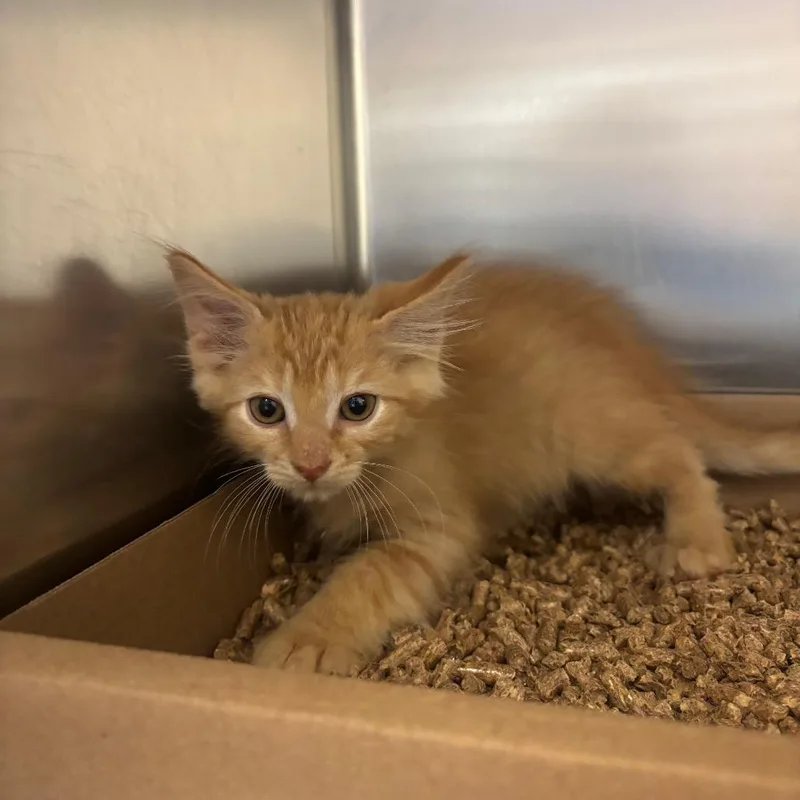
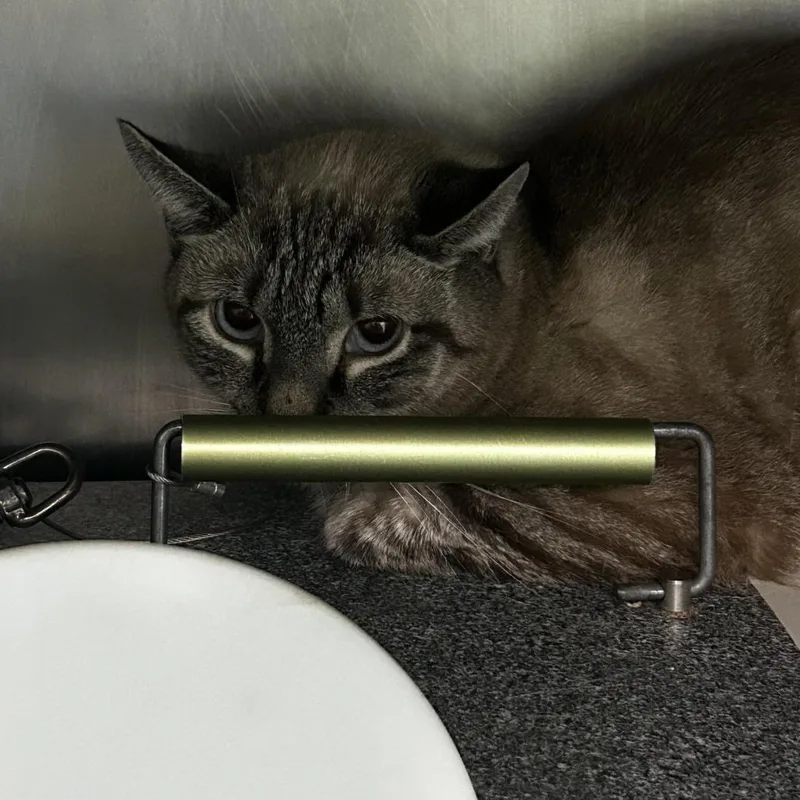
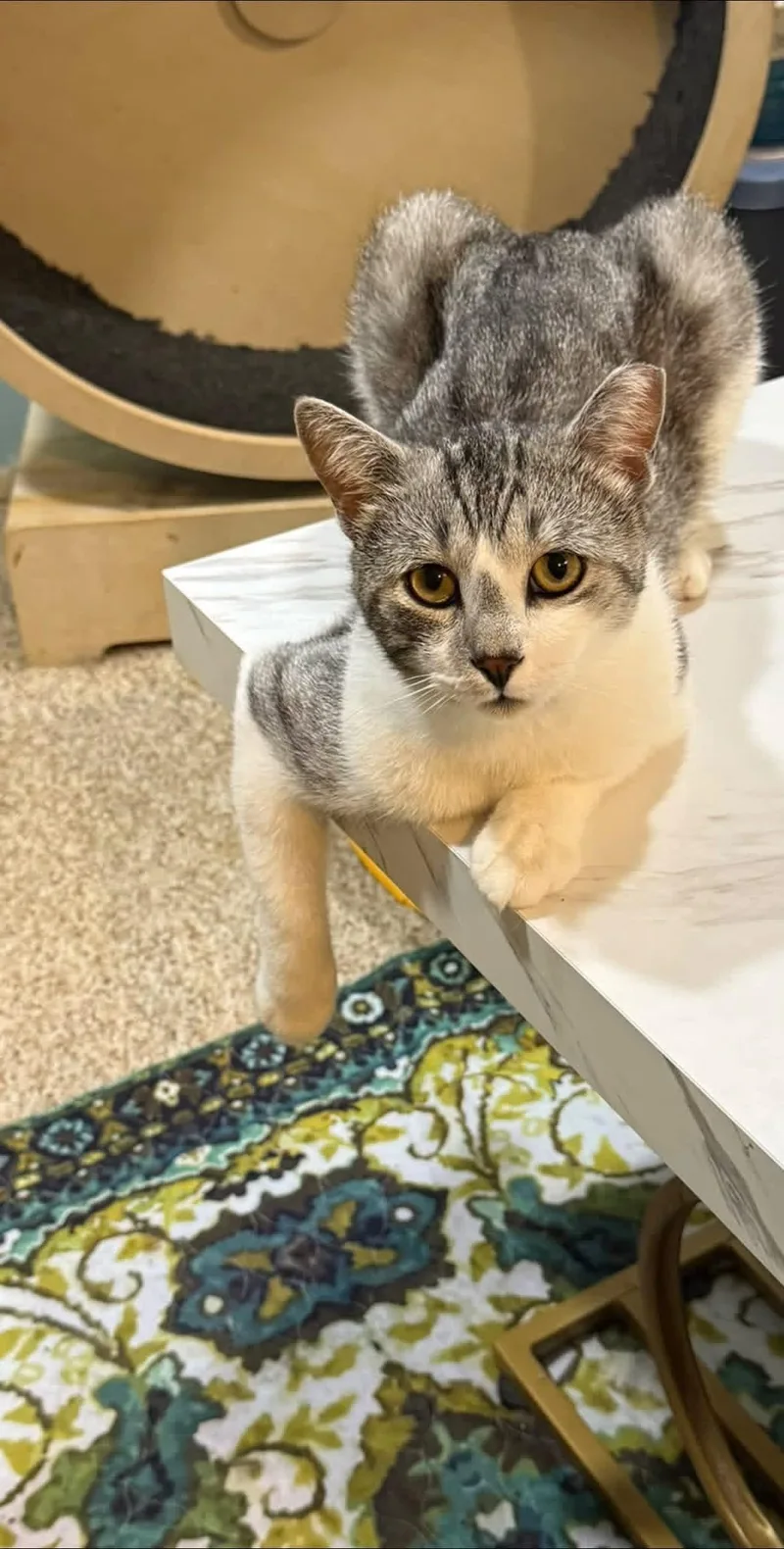
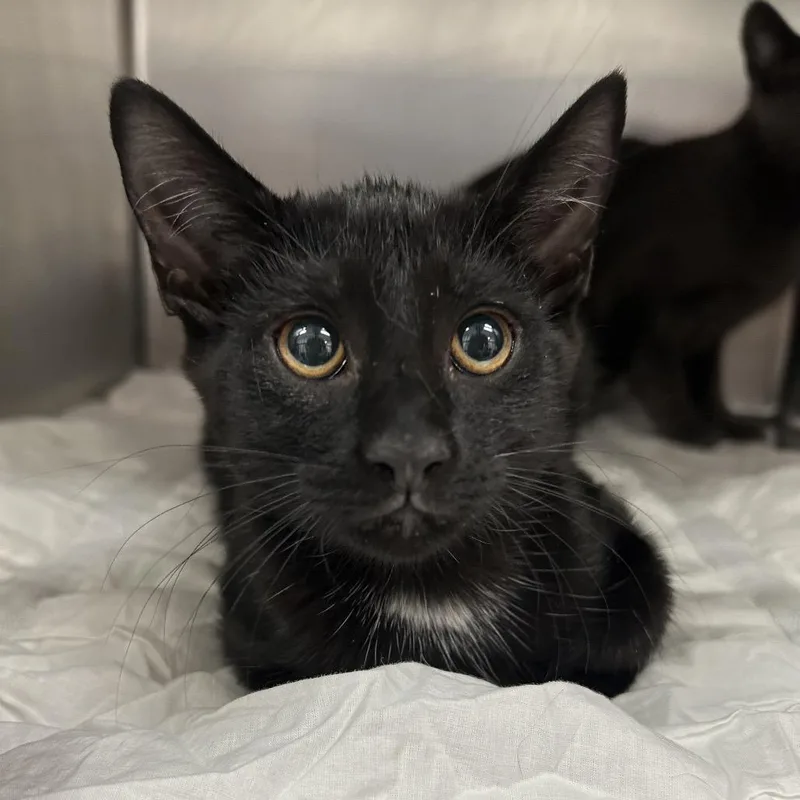
Tortoiseshell Cats for Adoption in Newark, NJ

Your guide to finding and caring for a Tortoiseshell in Newark

A Tortoiseshell in Newark is usually a domestic shorthair with a patchwork coat, and that suits a two-family house or walk-up well. Tortie is a color pattern, not a breed, so personalities run from shy to bold. In Roseville or Lower Broadway, where many buildings are older multifamily homes, a cat can be perfectly content with a sunny window perch, a scratching post and a few play sessions a day.

1058 Tortoiseshells available in Newark and nationwide

Your Tortoiseshell is waiting

Tortoiseshells Available for Adoption Near Newark

About the Tortoiseshell breed

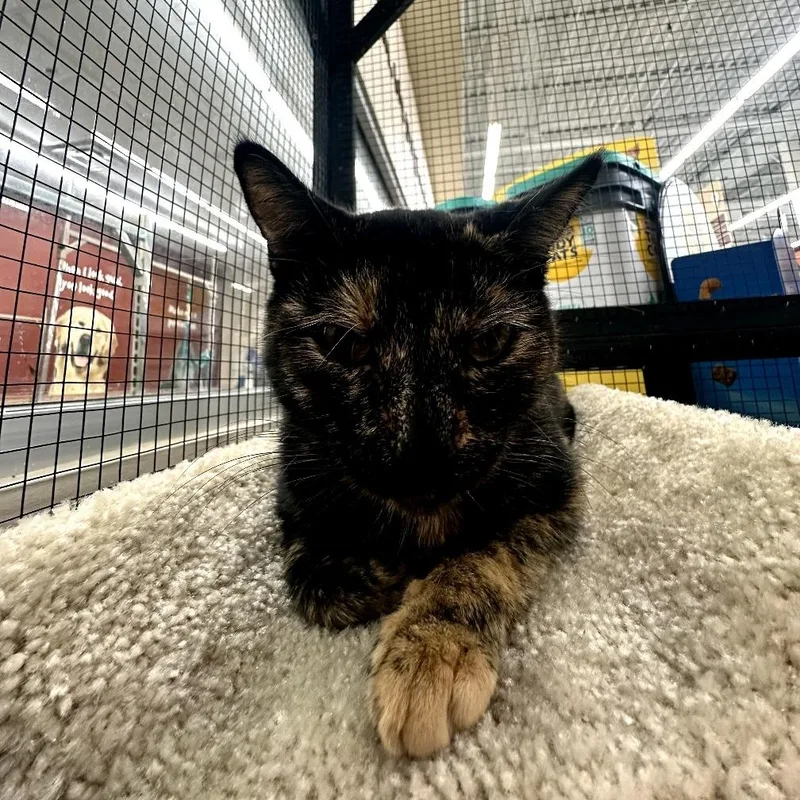
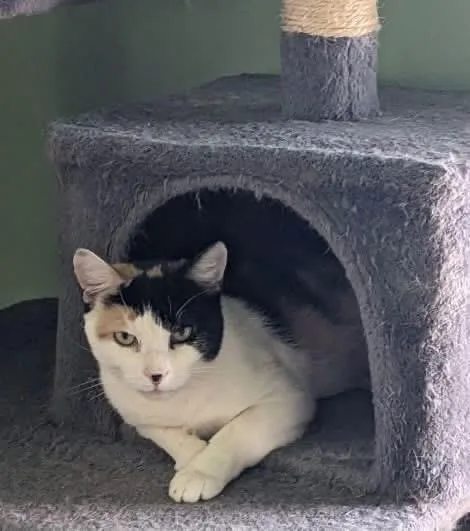
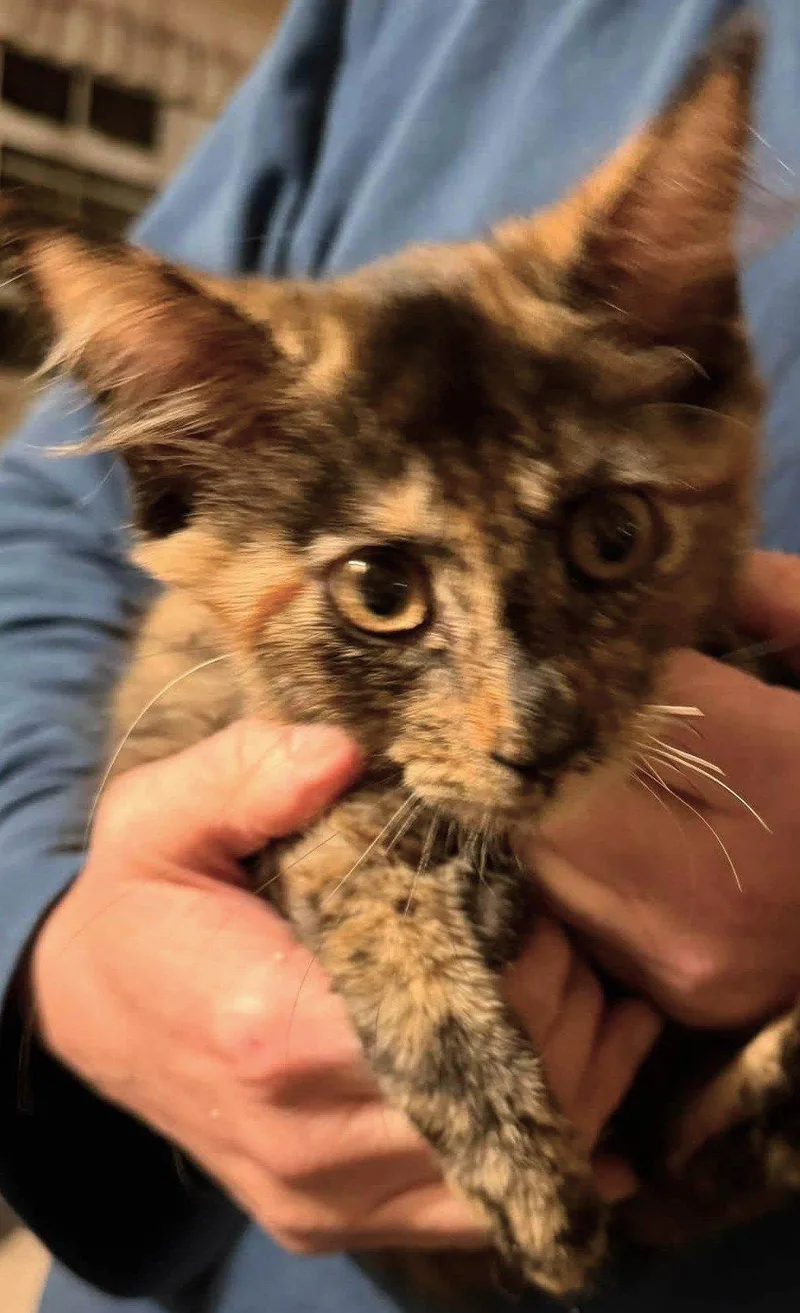
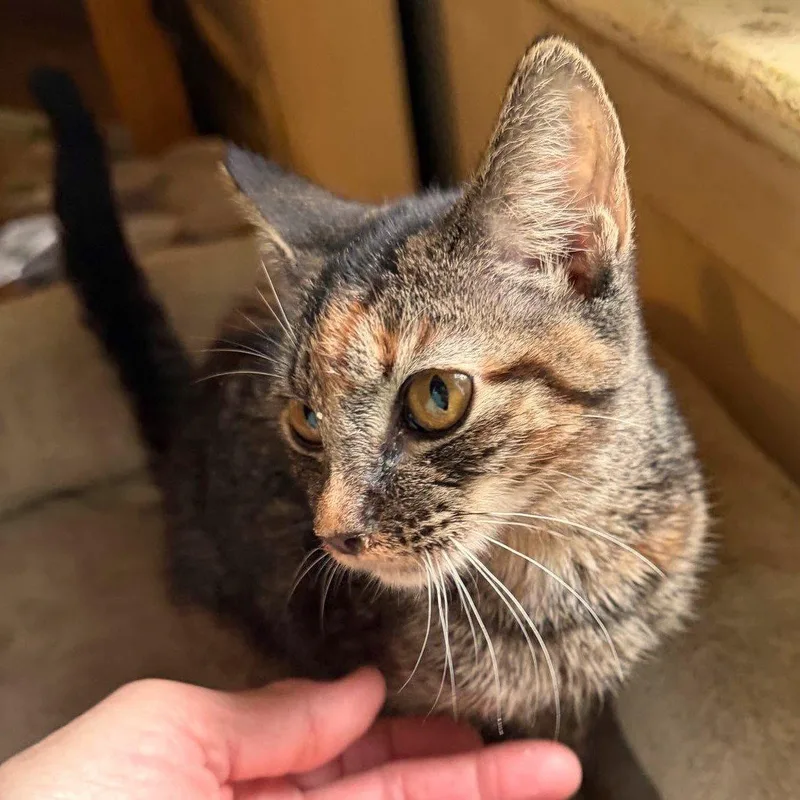
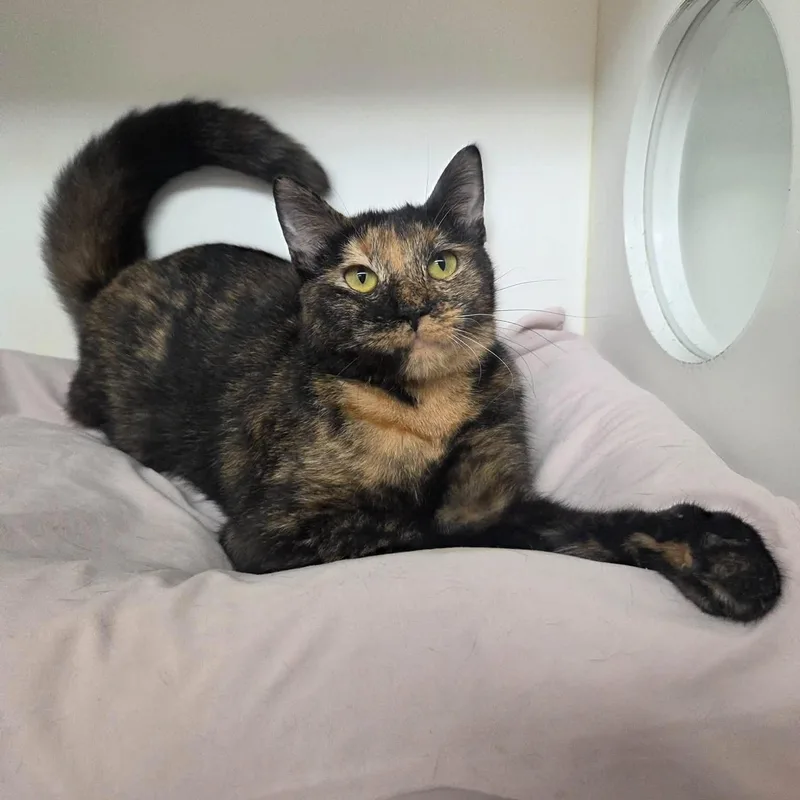
Tortoiseshell describes a coat, not a breed. The pattern mixes black-based and orange-based colors in patches or a fine mottle, with little or no white, and dilute torties look soft gray and cream. Nearly all are female. Most adopters meet them as domestic shorthairs, though the pattern also turns up in Maine Coons, Persians and British Shorthairs.

The famous "tortitude" is folklore more than fact, resting mostly on owner impressions. A tortie's age, history and socialization say far more about her personality than her colors do, so meet the cat in front of you. Expect moderate shedding, a weight of roughly 6 to 14 pounds and a lifespan of 12 to 18 years, which is a long commitment if you rent and may move.

Weight
6–14 lbs
Height
8–10 in
Lifespan
12–18 yrs
Temperament
Independent, Affectionate, Playful
Shedding
Moderate

Owning a Tortoiseshell in Newark

Having a Tortoiseshell in Newark

Tortoiseshell is a coat pattern, so these traits describe what most torties share as cats, not guarantees. In Newark, the practical questions are small-space living, keeping an indoor cat comfortable through cold winters and hot summers, and matching a cat's energy to your routine.

Temperament

Torties have a reputation for spirited "tortitude," but the evidence is thin and rests mostly on owner impressions. Some are shy, some bold, some lap cats. In a busy Newark building, how a cat reacts to hallway noise, visitors and handling matters far more than coat color, so watch for that.

Exercise Needs

Plan on daily interactive play with wand toys, chase games and puzzle feeders, in two or three short sessions. Kittens and young adults need more, seniors less. In a walk-up apartment, a cat tree and a window perch over the street give climbing and watching time without leaving home.

Health Considerations

The coat pattern carries no health risks for female cats, while the rare males usually have an extra X chromosome and may face added issues. Otherwise a tortie's health follows her age and care. Yearly vet exams, dental care and a healthy weight matter most, and a veterinarian can check a newly adopted cat.

Living Space

Torties adapt to Newark's typical homes, from two- and three-family houses to high-rise apartments, as long as there are scratching posts, hiding spots and vertical space. Shy cats may prefer a quieter unit, while confident, social ones often handle busy buildings. Keep every window screened.

What it costs to own a Tortoiseshell in Newark

ExpenseTypical costPer year
Food$25 to $50 per month$300 to $600
Pet insurance$20 to $45 per month$240 to $540
Routine vet care$150 to $350 per year$150 to $350
Other*$450 to $1,150 per year$450 to $1,150
Estimated yearly total (after year one)$1,140 to $2,640

Other costs are estimates and vary with size, age and health.

* Litter, flea and tick prevention, a dental cleaning allowance, toys and supplies, and home grooming; costs vary with the cat's size and coat.

Adopt a Tortoiseshell in Newark.

Now that you know more, let’s find you a new best friend. These rescues and shelters below currently have Tortoiseshells available.

Rescues in Newark with Tortoiseshells Available

Newark's shelter system is busy, and a steady flow of cats needs loving homes year-round. Here are the rescues & shelters in the Newark area where you can find Tortoiseshells and other cats available for adoption.

Frequently Asked Questions

Yes. Many Newark homes are apartments or small multifamily buildings, and cats generally adapt well to them. Provide a cat tree, a window perch and a scratching post, and watch how a cat reacts to hallway noise, since a shy tortie may prefer a quieter unit. Screen the windows and confirm pet terms in writing.

Often, yes. Torties are domestic cats, so they handle small spaces and city noise well when they get daily play, climbing room and a screened window. Newark's cold winters and humid summers are manageable for an indoor cat. The better test is the cat's own personality: look for one whose energy matches your routine and building.

Yes. Tortoiseshell is a coat pattern, and Newark has no known breed-specific rules. The city's licensing, leash and waste rules are aimed at dogs. For a cat, keep the rabies vaccination current, add a microchip and ID tag, and read your lease for pet terms before you adopt.

Yes, but only in a carrier. NJ Transit trains, buses and the Newark Light Rail allow just service animals, police dogs and small pets in carry-on travel cages, so a tortie must stay inside a secure carrier for the whole trip. Choose one that fits on your lap or under a seat, and line it with a towel.

Yes, as indoor cats. Newark averages about 80 freezing nights and 31 inches of snow a year, and a tortie's coat isn't made for long stretches outside. Keep cats inside, give them a warm bed away from drafts and keep up play on snowed-in days. New Jersey law also requires proper shelter for companion animals in freezing weather.

Usually little. Most torties are shorthairs with moderate shedding, so a weekly brushing is enough, with a bit more in spring as winter coats come out. Longhaired torties need brushing several times a week to prevent mats. Home grooming falls under the Other line of your budget, and professional grooming is rarely needed.

No. New Jersey's food code bars live animals from retail food establishments, with exceptions for service animals, and it has no outdoor-dining exception for pets. Patio policies vary and aren't guaranteed. Most cats are calmer and safer at home anyway, so plan outings that don't include dining.

A tortoiseshell cat is a cat with a coat pattern of black-based and orange-based colors blended or patched together, usually with little or no white. It is not a breed; the pattern appears in many breeds and most often in domestic shorthairs. Nearly all tortoiseshells are female because the genes for orange and black are carried on the X chromosome.

We have 1 rescue with Tortoiseshells available: Brick City Kitties Rescue. You can see every rescue with Tortoiseshells available in the list above these questions, or scroll to the top to see the Tortoiseshells near Newark.

Expect roughly $25 to $50 a month for food, $20 to $45 a month for insurance, $150 to $350 a year for routine vet care, and $450 to $1,150 a year for other costs such as litter and dental care. That adds up to about $1,140 to $2,640 a year, before any emergencies.