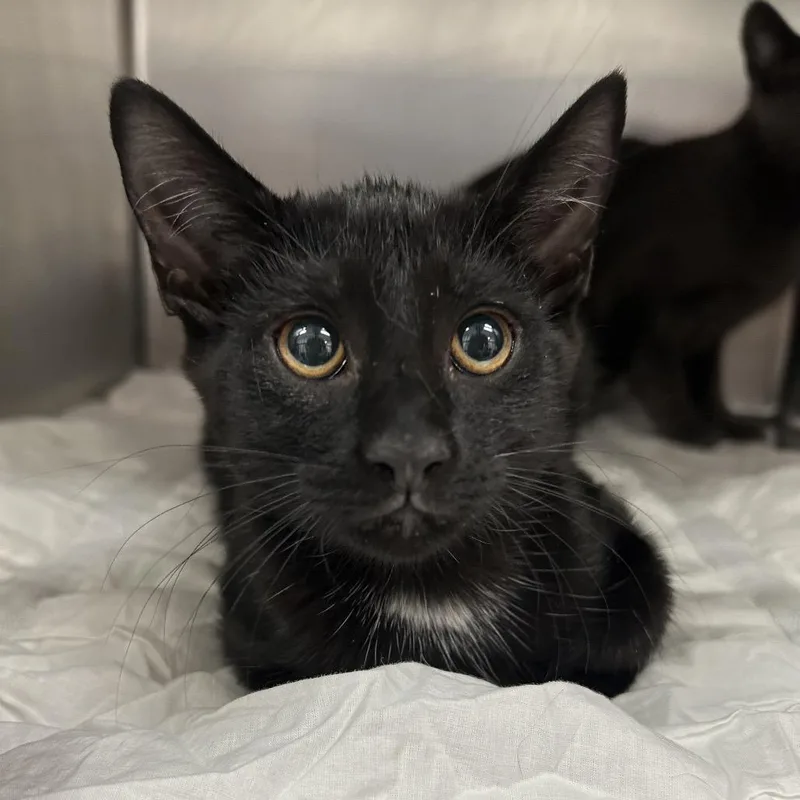
Chartreux Cats for Adoption in Newark, NJ

Your guide to finding and caring for a Chartreux in Newark

A Chartreux suits Newark's two- and three-family houses and walk-ups, where a quiet cat is easy on the neighbors. In Roseville or Lower Broadway, a cat that chirps instead of meowing rarely carries through shared walls, and a window perch over Bloomfield Avenue gives it plenty to watch. Chartreux are uncommon, so the listings here change over time. They bond with a favorite person and like steady routines, which suits anyone who works from home or keeps regular hours.

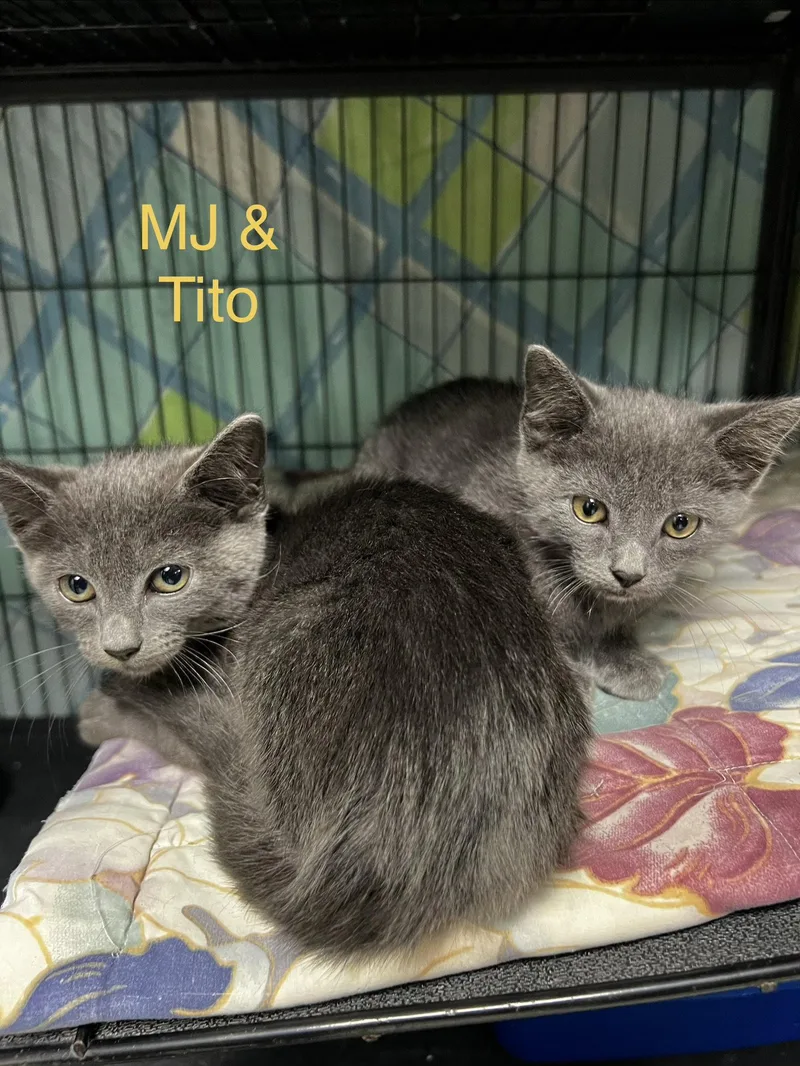
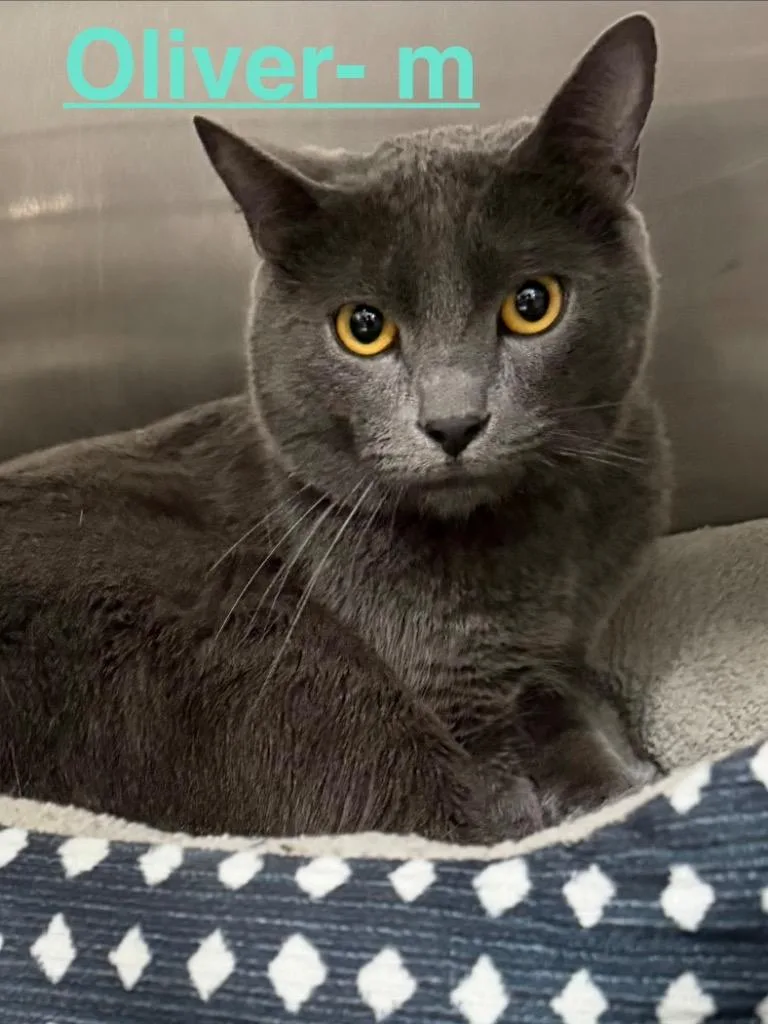
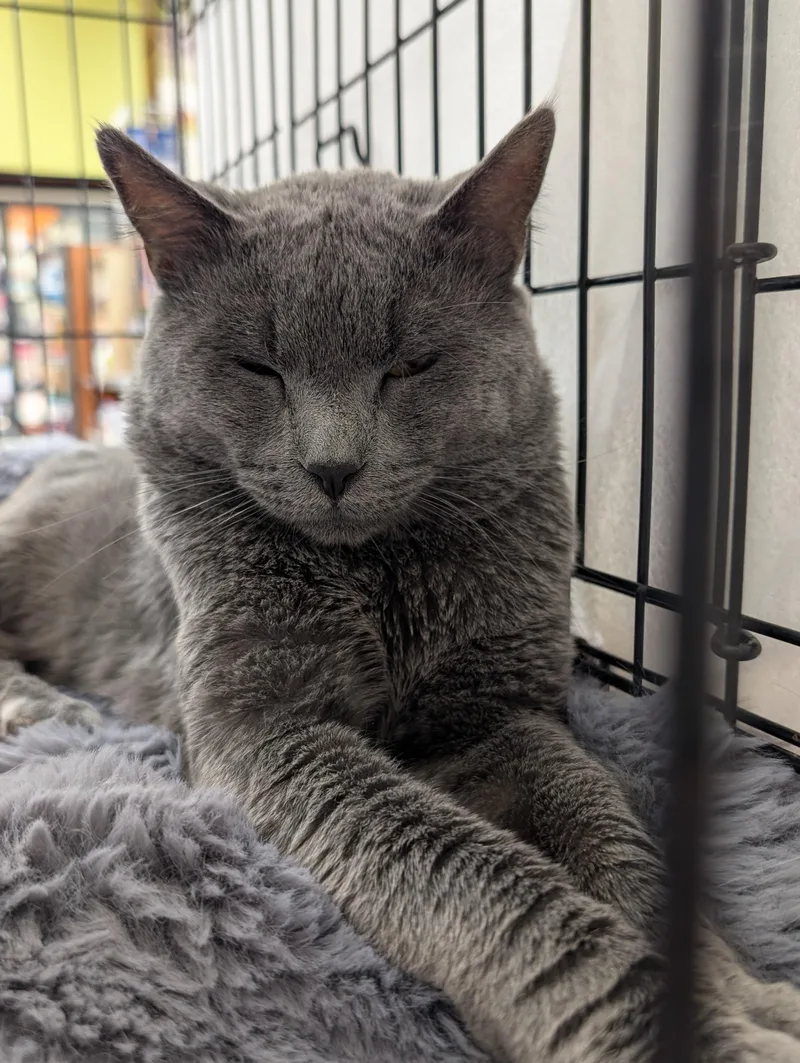
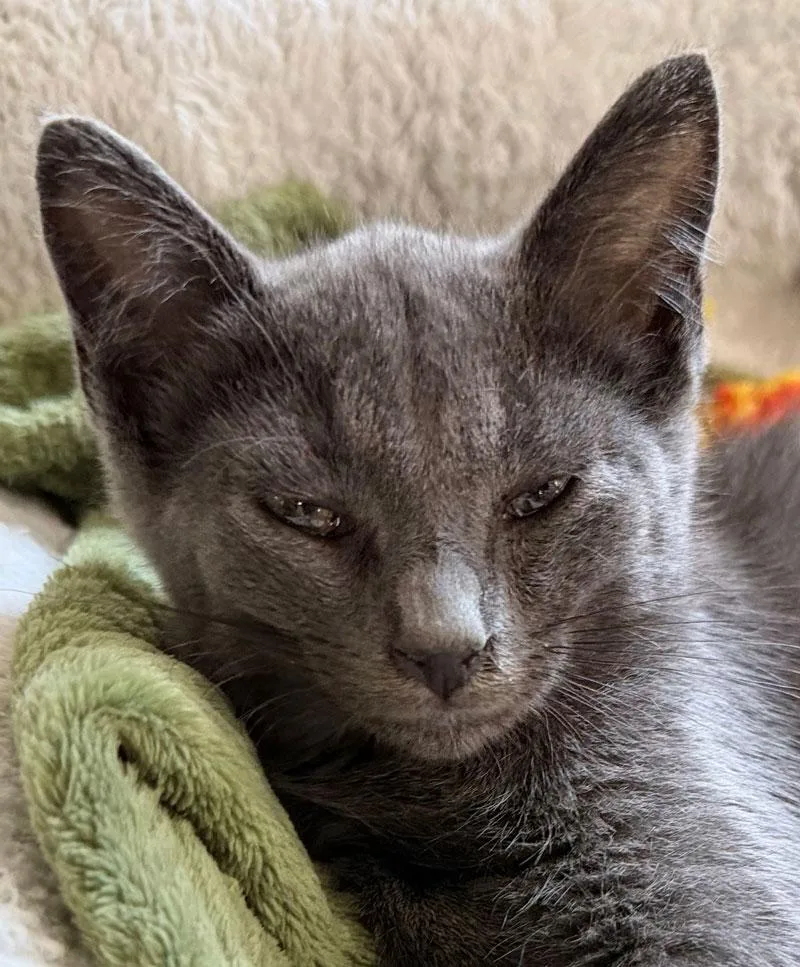
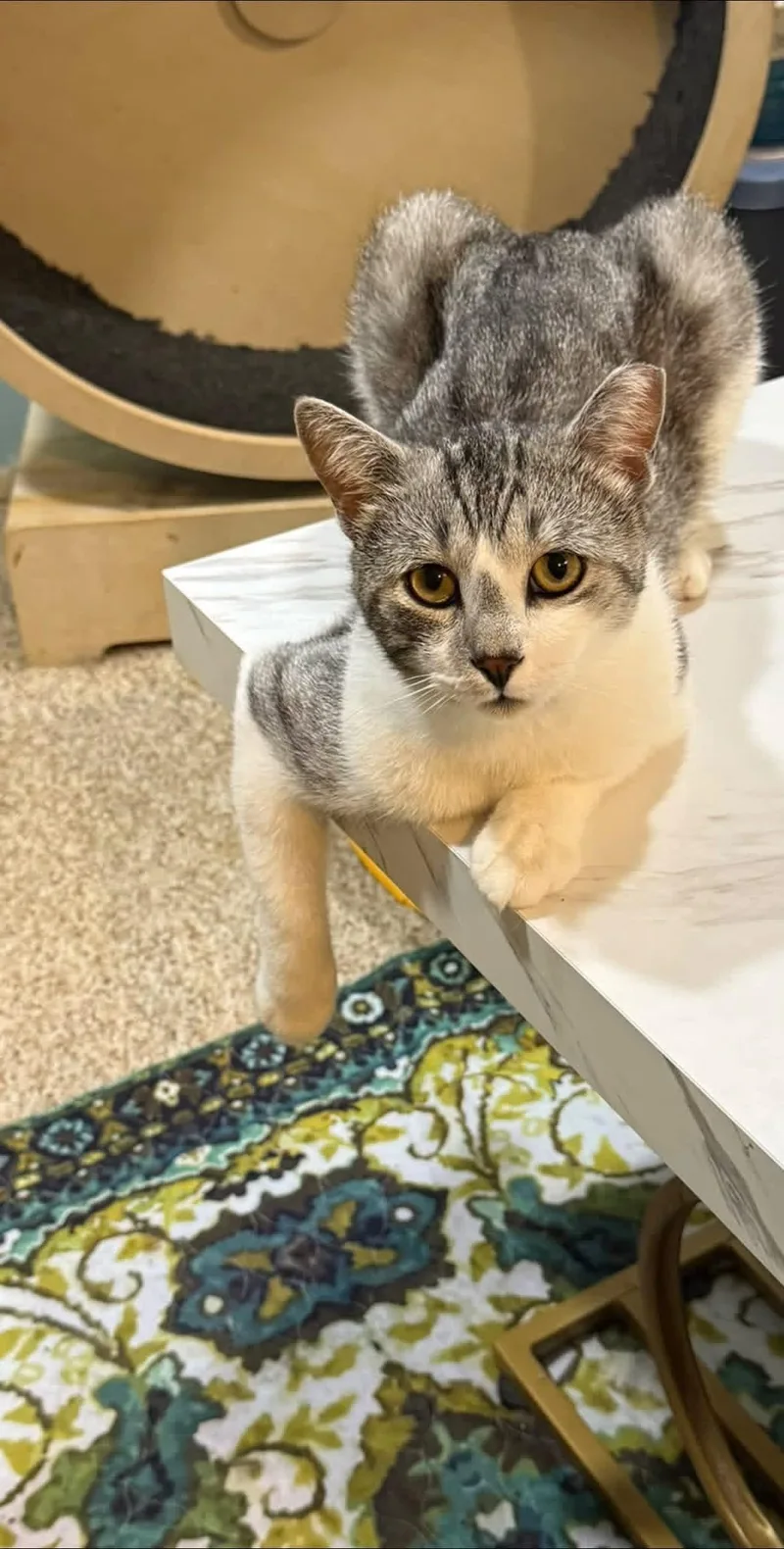
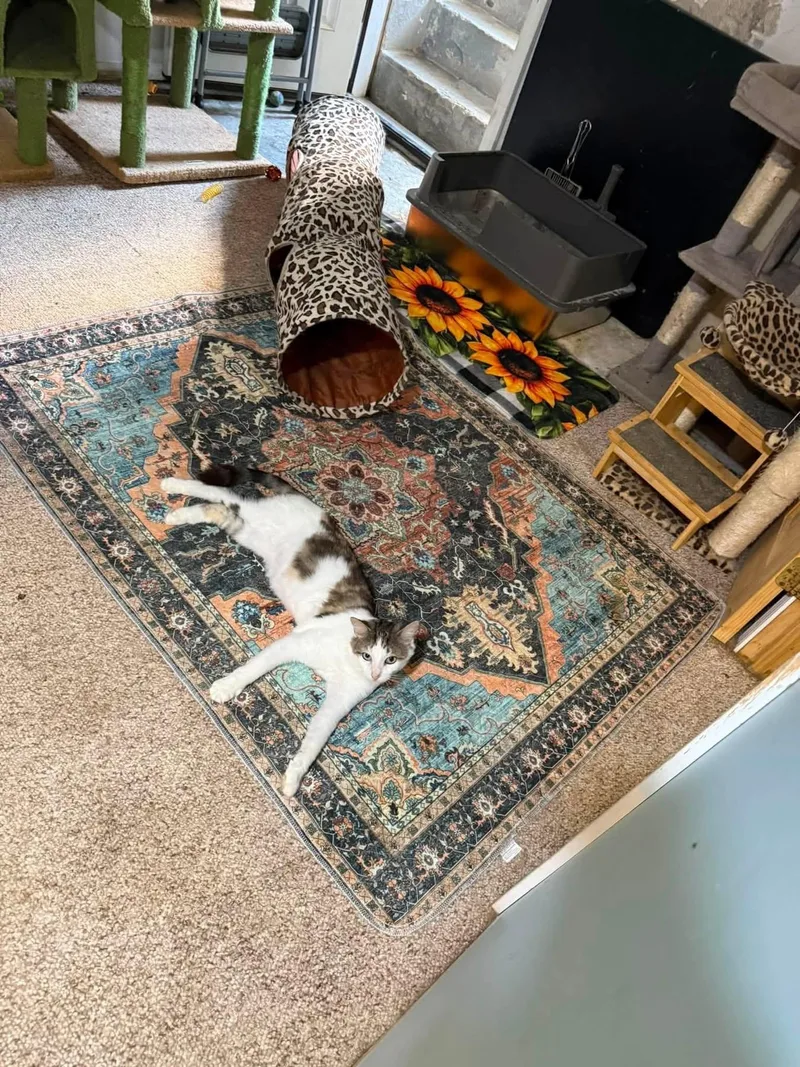
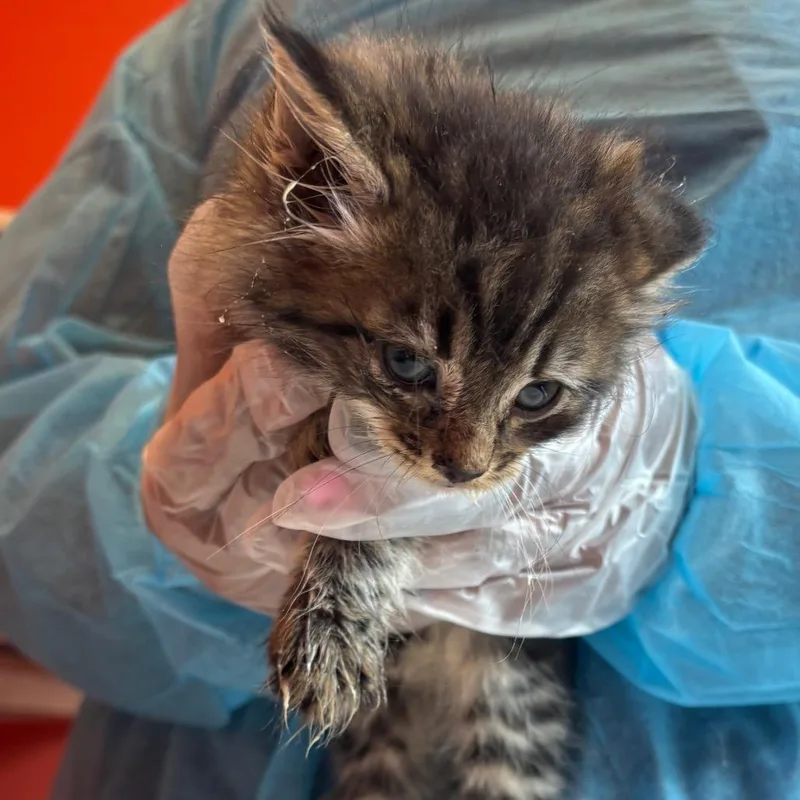
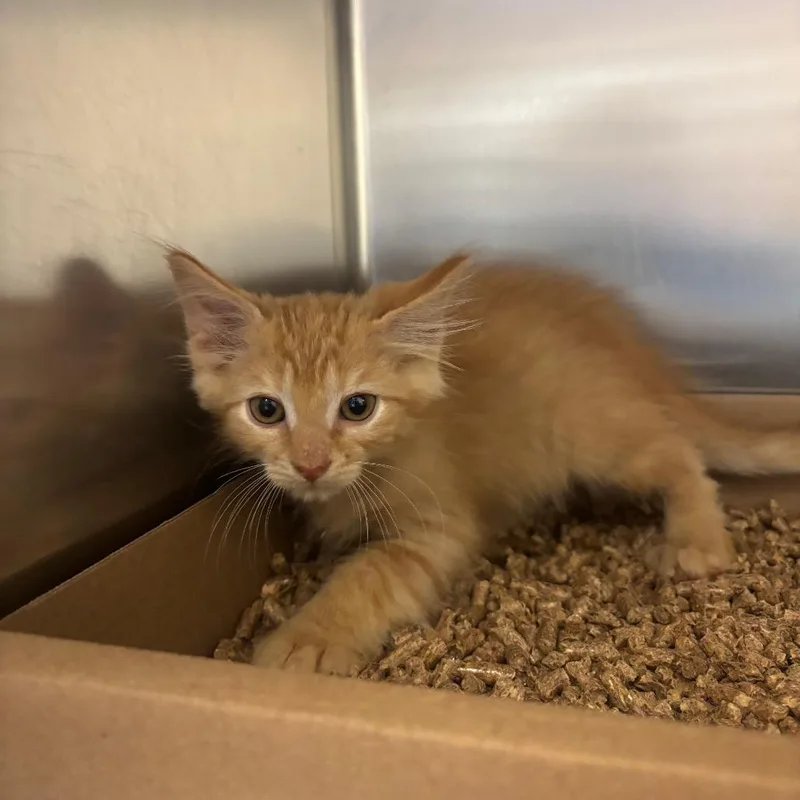
16 Chartreuxes available in Newark and nationwide

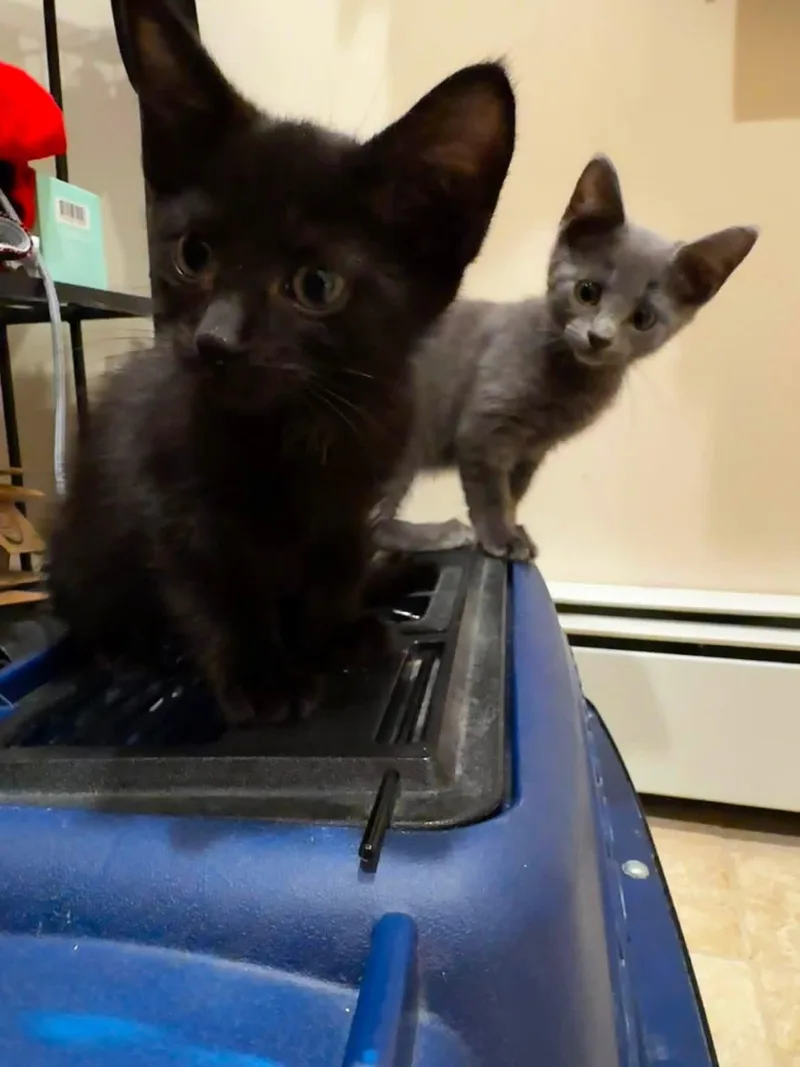
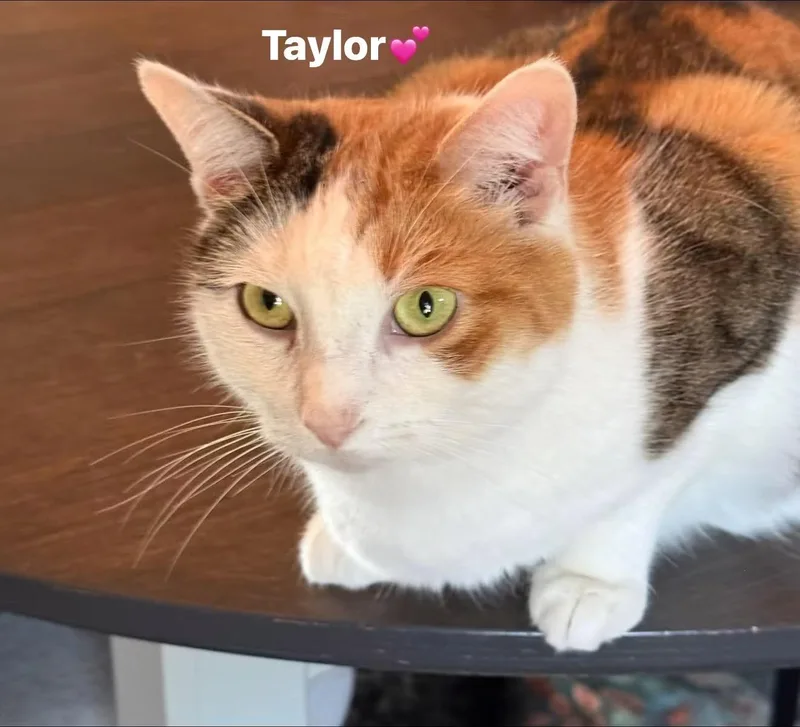
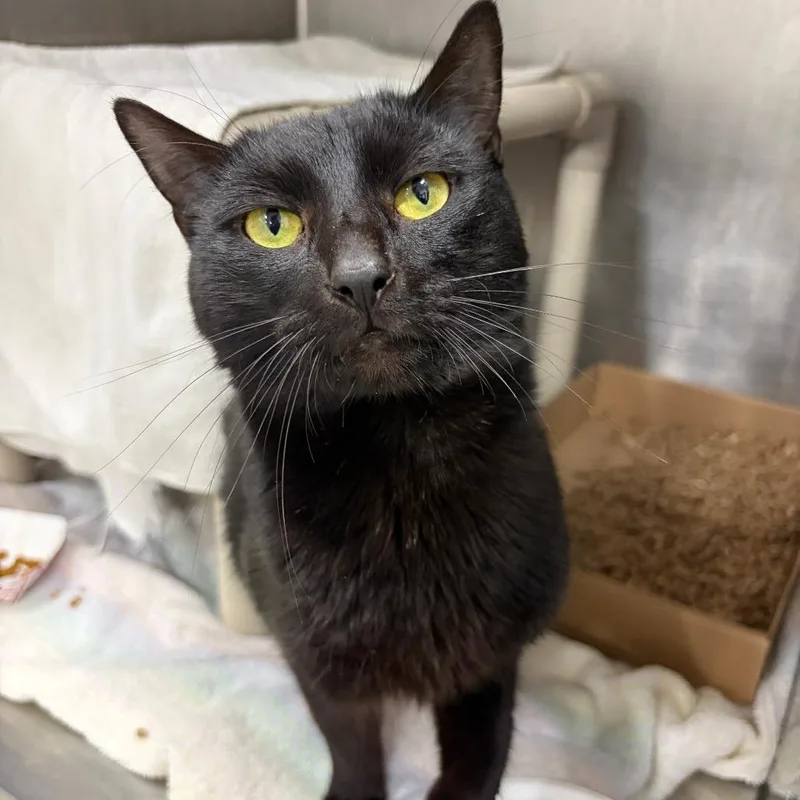
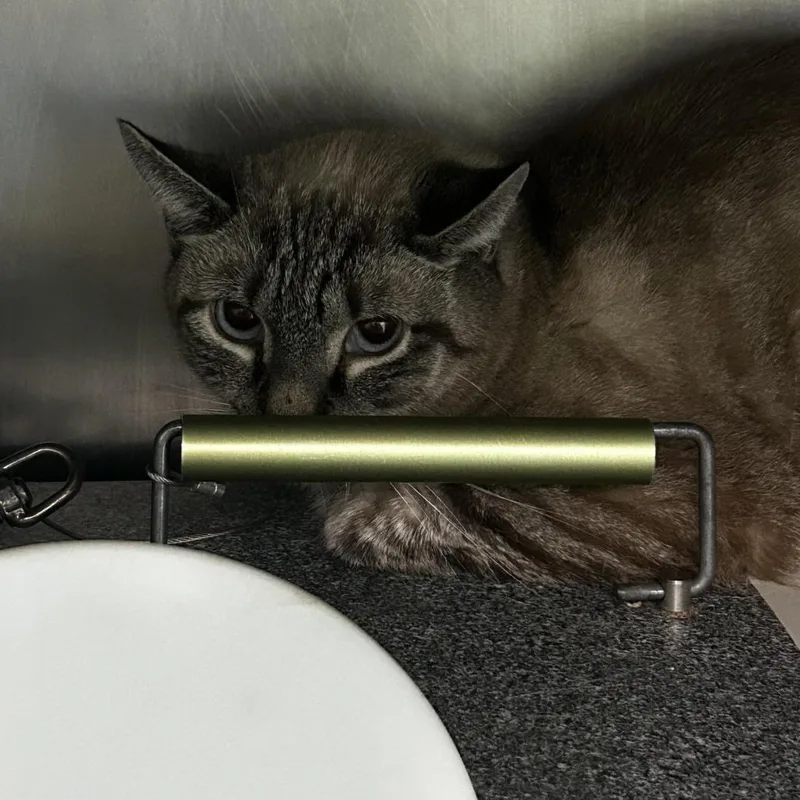
Say hello to your Chartreux

While we don't have enough cats near Newark, keep in mind that many rescues may offer transport.

Chartreuxes Available for Adoption Near Newark

About the Chartreux breed

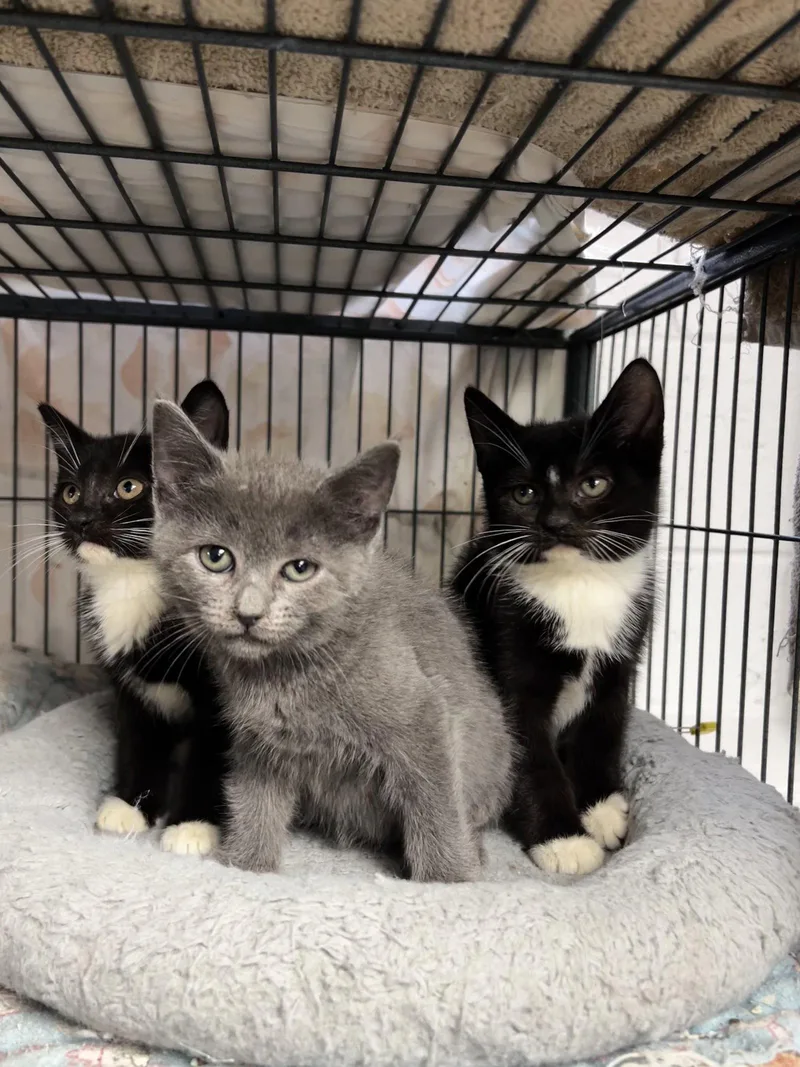
The Chartreux is a French breed, and blue-gray cats show up in French writing as far back as the sixteenth century. After nearly disappearing following World War I, the breed was rebuilt in the 1920s from natural colonies of blue cats. Every Chartreux is blue, with a dense, woolly, water-resistant coat, gold to copper eyes and a sturdy body on fairly short legs.

Many are calm, gentle and quietly devoted, often following a favorite person from room to room, and they communicate mostly with soft chirps. Most play in short bursts. Expect slow maturity, seasonal shedding, and a cat that gains weight easily without play and measured meals. That mix suits a Newark home with regular routines, a cat tree and a sunny window. Each cat differs, so spend time with the one you're considering.

Weight
7–14 lbs
Height
9–11 in
Lifespan
12–15 yrs
Temperament
Quiet, Loyal, Calm, Gentle
Shedding
Moderate

Owning a Chartreux in Newark

Having a Chartreux in Newark

A Chartreux is a sturdy, plush-coated cat with a soft voice and a steady nature. Its short bursts of play, easy weight gain and preference for routine shape the home that suits it, and how it fits Newark living depends on the cat.

Temperament

Chartreux are often calm and gentle, and many bond closely with one favorite person. They tend to watch newcomers before engaging, so introductions to children or other pets in a Newark apartment or house go best when gradual. Some barely make a sound. Each cat's own comfort level tells you more than the breed average.

Exercise Needs

Plan on a few short, energetic play sessions a day with wand toys, feathers and toy mice. Food puzzles add mental work. In a Newark walk-up, a cat tree and a window perch overlooking the street give a Chartreux something to watch between sessions. Regular play matters because this sturdy breed gains weight easily.

Health Considerations

Chartreux are generally hardy, but patellar luxation, where the kneecap slips out of place, is documented in the breed. Weight gain and dental disease are also common concerns. Measured meals and daily play help, and a veterinarian can check the knees, teeth and weight at a first visit after adoption.

Living Space

A Chartreux usually adapts well to apartments, which fits Newark's many two- and three-family houses and walk-ups. Indoor living keeps the cat safe. Provide a cat tree, scratchers and a window perch with a secure screen. Chartreux often tolerate time alone better than very social breeds, but they still want company and routine.

What it costs to own a Chartreux in Newark

ExpenseTypical costPer year
Food$25 to $50 per month$300 to $600
Pet insurance$25 to $50 per month$300 to $600
Routine vet care$150 to $350 per year$150 to $350
Other*$450 to $1,150 per year$450 to $1,150
Estimated yearly total (after year one)$1,200 to $2,700

Other costs are estimates and vary with size, age and health.

* Litter, parasite prevention, a dental cleaning allowance, toys and scratchers, and brushing supplies for seasonal shedding of the dense coat.

Adopt a Chartreux in Newark.

Now that you know more, let’s find you a new best friend. These rescues and shelters below have cats available in and near Newark.

Rescues and Shelters in or near Newark

Newark's shelters and rescues list cats for adoption, and the pets shown below change as new animals arrive. Here are the rescues & shelters in the Newark area with cats available for adoption, worth asking whether a Chartreux is coming in.

Frequently Asked Questions

Yes, a Chartreux usually does well in a Newark apartment. Most of the city's homes are in small multifamily buildings, and this quiet, calm cat rarely disturbs neighbors. Give it a cat tree, a window perch with a secure screen and daily play to prevent weight gain, and get your landlord's pet permission in writing before adopting.

A Chartreux can fit Newark well if your household keeps regular routines. It bonds closely with its people, tolerates some time alone and stays happily indoors. It's a weaker match if you travel constantly or want a very social, boisterous cat, since many Chartreux are reserved with newcomers and prefer a calm home.

Yes, Newark's climate works for an indoor Chartreux. The dense, water-resistant coat handles cold, snowy winters, while hot, humid summers call for air conditioning or a fan, extra water and regular brushing. Keep the cat inside year-round, and never leave it in a parked car.

Yes, you can adopt a Chartreux in Newark, and no known Newark rule singles out a cat breed. Keep rabies vaccination current, add ID or a microchip, and make sure your lease allows pets. Because Chartreux are uncommon, watch the listings on this page, browse similar breeds and save a search.

Yes, but only in a closed carry-on travel cage. NJ Transit allows small pets in carry-on cages on its trains, buses and the Newark Light Rail. A Chartreux can reach 14 pounds, so choose a carrier the cat can turn around in. Use a secure carrier on PATH as well.

No, not inside. New Jersey's food code bars live animals from restaurants except service animals, and the rule has no outdoor-dining exception for pets. A Chartreux also prefers calm, familiar routines, so leave yours at home with fresh water, a window perch and a clean litter box.

Plan on brushing a Chartreux once or twice a week, and more often during the spring and fall sheds when the dense undercoat loosens. Newark's humid summers and cold winters don't change the routine much. Brushing supplies are part of the yearly Other costs, and the cat's nails and coat deserve a quick check.

Yes, Chartreux cats are rare, especially outside France. Relatively few are registered each year in the United States, and they seldom appear in shelters. Many blue-gray shelter cats are domestic shorthairs or mixes rather than Chartreux. Breed rescues and cat rescues occasionally have adult Chartreux available, so watching listings regularly helps.

Chartreux is pronounced shar-TROO in French, and many English speakers say shar-TREW. The name may come from the Carthusian monks of the Grande Chartreuse monastery, though some historians link it to a Spanish wool. Whichever origin is true, the breed's name is tied to its French homeland.

Owning a Chartreux typically runs about $1,200 to $2,700 a year. Food is $25–$50 a month and insurance $25–$50 a month. Routine vet care is $150–$350 a year, and other costs such as litter, parasite prevention and dental care add $450–$1,150 a year. Adoption fees vary by listing.

Find Chartreuxes in Nearby Cities

Expand your search to find Chartreuxes available for adoption near Newark.