Burmese Cats for Adoption in Newark, NJ

Your guide to finding and caring for a Burmese in Newark

Burmese cats fit Newark's walk-ups and two-family houses well, because they'd rather be near you than anywhere else. A top-floor apartment in Roseville or a brownstone near Rutgers–Newark gives a Burmese plenty of window ledges for watching Bloomfield Avenue, and a steady schedule or a work-from-home day gives it the company it wants. They stay playful for years, so expect a wand-toy session most evenings. It's a good match for a household that's home often.

24 Burmese available in Newark and nationwide

Find your Burmese

While we don't have enough cats near Newark, keep in mind that many rescues may offer transport.

Burmese Available for Adoption Near Newark

About the Burmese breed

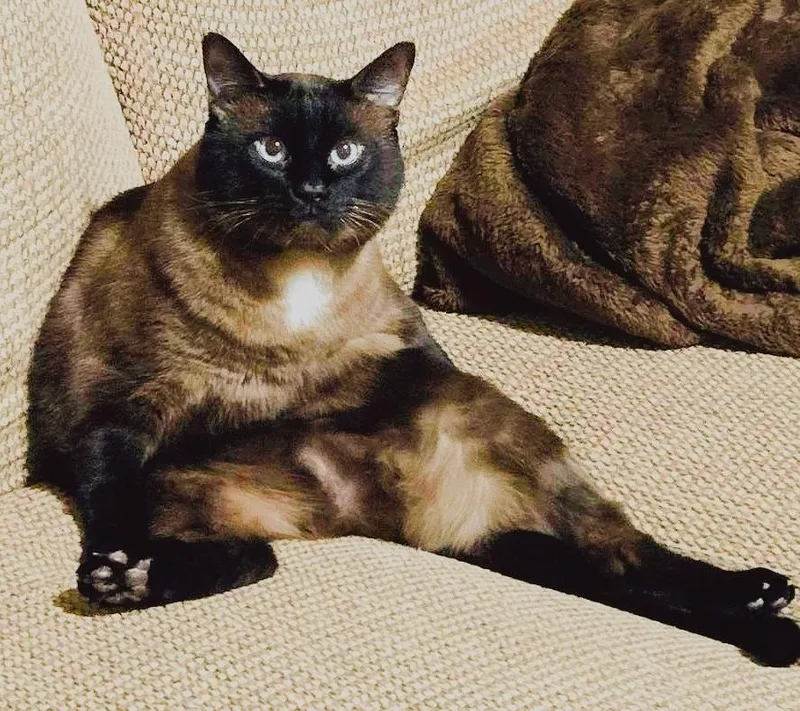
Nearly every Burmese in America descends from Wong Mau, a walnut-brown cat brought to San Francisco in 1930 and paired with Siamese cats to establish the line. The breed is compact and muscular, usually 8 to 13 pounds, and heavier than it looks. The short, glossy coat comes in sable, champagne, blue and platinum, and the eyes are large and gold.

Burmese are people cats. Many follow their family from room to room, learn games and stay kitten-like well into adulthood. Grooming is easy, since a weekly rub with a rubber brush is plenty. Adopters should plan for sturdy climbing space and regular vet checkups, because the breed has a few inherited health conditions, including diabetes.

Weight
8–13 lbs
Height
9–11 in
Lifespan
12–17 yrs
Temperament
Affectionate, Social, Playful
Shedding
Low

Owning a Burmese in Newark

Having a Burmese in Newark

Burmese pair a dense, satin-coated build with a strong pull toward people, so they do best where someone is home often. Easy grooming helps in a busy Newark household, while a few inherited health risks make regular vet checkups worth planning for.

Temperament

Burmese are affectionate, curious and playful, and many greet visitors and follow family members from room to room. That suits a Newark apartment where someone is usually home, and most get along with respectful children and cat-friendly dogs. Adult cats vary, so watch how each one reacts to handling and noise in a busy building.

Exercise Needs

Plan on daily interactive play with wand toys, fetch games and puzzle feeders. In a Newark walk-up, a tall cat tree and a sturdy window perch give a Burmese room to leap and watch the street. Two play sessions of 10 to 15 minutes keep weight in check and boredom away.

Health Considerations

Burmese can be prone to diabetes, low potassium and feline orofacial pain syndrome, and the breed has low genetic diversity. Keep a Burmese lean, notice extra thirst, weakness or pawing at the mouth, and schedule regular vet visits with blood work as it ages. A veterinarian can check any adopted cat's health and teeth.

Living Space

Burmese adapt well to the two- and three-family houses, walk-ups and high-rise apartments common in Newark, provided they have company, play and climbing space. Keep a Burmese indoors behind secure window screens. Long workdays away are harder on the breed, so a second compatible pet may help.

What it costs to own a Burmese in Newark

ExpenseTypical costPer year
Food$25 to $50 per month$300 to $600
Pet insurance$30 to $60 per month$360 to $720
Routine vet care$150 to $350 per year$150 to $350
Other*$450 to $1,150 per year$450 to $1,150
Estimated yearly total (after year one)$1,260 to $2,820

Other costs are estimates and vary with size, age and health.

* Litter, flea prevention, a dental cleaning allowance, toys, scratchers and climbing furniture, and minimal grooming supplies for the short, satin coat.

Adopt a Burmese in Newark.

Now that you know more, let’s find you a new best friend. These rescues and shelters below have cats available in and near Newark.

Rescues and Shelters in or near Newark

Newark's shelters and rescues care for cats of every age and type, so look through who's listed here. Here are the rescues & shelters in the Newark area with cats available for adoption, worth asking whether a Burmese is coming in.

Frequently Asked Questions

Yes, in a carrier. NJ Transit allows small pets in carry-on travel cages on its trains, buses and the Newark Light Rail, but loose animals aren't allowed. A Burmese weighs 8 to 13 pounds, so choose a roomy, ventilated carrier that fits under a seat, and check current fares and carrier rules with NJ Transit before the first trip.

Yes, as indoor cats. Newark gets about 28 days a year at 90°F and humid heat waves, and the city calls a Code Red when the heat index reaches 100°F. Keep a Burmese in air conditioning or fans, with fresh water and shade, and never leave it in a parked car.

Yes. Newark's code names no breed-specific rules, and a Burmese needs the same basics as any cat: current rabies vaccination, ID and a safe indoor home. Because most Newark households rent, get your landlord's pet policy and any deposit terms in writing before you adopt, so there are no surprises later.

Yes, Burmese do well in apartments when they have company and things to do. Give a Burmese a window perch, a tall cat tree and daily play, and install secure screens on every window. Walk-ups with thin walls suit this breed, since it's usually quieter than a Siamese, but long solo days are hard on it.

A weekly rub with a rubber brush is enough for a Burmese's short, satin coat, and it sheds little. Brush a bit more in spring, and check nails and teeth regularly. Professional grooming is rarely needed, so grooming supplies fit comfortably within the small Other line in the cost table.

A Burmese is a medium-sized, muscular shorthaired cat known for a glossy, satin-like coat, gold eyes and a famously people-oriented personality. Most American Burmese trace back to a single brown cat, Wong Mau, brought to San Francisco in 1930. They are playful, social and affectionate, and they come in sable, champagne, blue, platinum and other colors.

The name Burmese simply means from Burma, the country now called Myanmar. It refers to where the breed's foundation cat, Wong Mau, was believed to come from, in the region near the border between Burma and Thailand. Brown cats resembling the Burmese are thought to appear in old Thai cat manuscripts, long before the modern breed was developed in America.

Burmese cats are moderately vocal. They usually speak up when they want attention, food or company, but they are generally quieter than their Siamese relatives, with softer, sweeter voices. Many hold chatty conversations with their people and greet them at the door. Individual cats vary, and some are quite talkative while others rarely meow.

Burmese cats are safest kept indoors, with outdoor time limited to a secure catio, an enclosed garden or a harness and leash. Their trusting, people-loving nature can lead them to approach strangers, cars or other animals. Indoor living also lowers risks from traffic, disease and parasites. Window perches and play help satisfy their curiosity.

Expect about $25 to $50 a month for food and $30 to $60 a month for pet insurance, or roughly $660 to $1,320 a year together. Routine vet care runs $150 to $350 a year, and other costs add $450 to $1,150. That puts a typical year at about $1,260 to $2,820.

Find Burmese in Nearby Cities

Expand your search to find Burmese available for adoption near Newark.