British Shorthair Cats for Adoption in Philadelphia, PA

Your guide to finding and caring for a British Shorthair in Philly

A British Shorthair suits a Philly rowhouse well, since it's happy on the floor and doesn't need much room. In a Passyunk Square rowhouse with narrow stairs, this sturdy cat will probably claim a spot by the front window and watch the block from there. Most are quiet enough that a shared party wall isn't a worry. They do gain weight easily, so daily play matters more than square footage. A perch at a stoop-facing window is the first thing worth setting up.

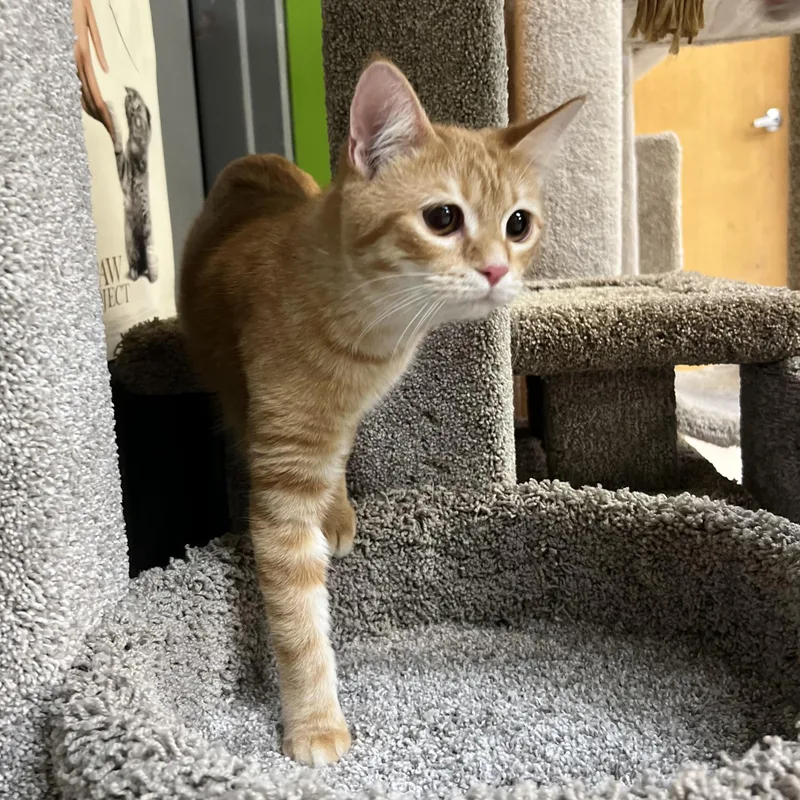
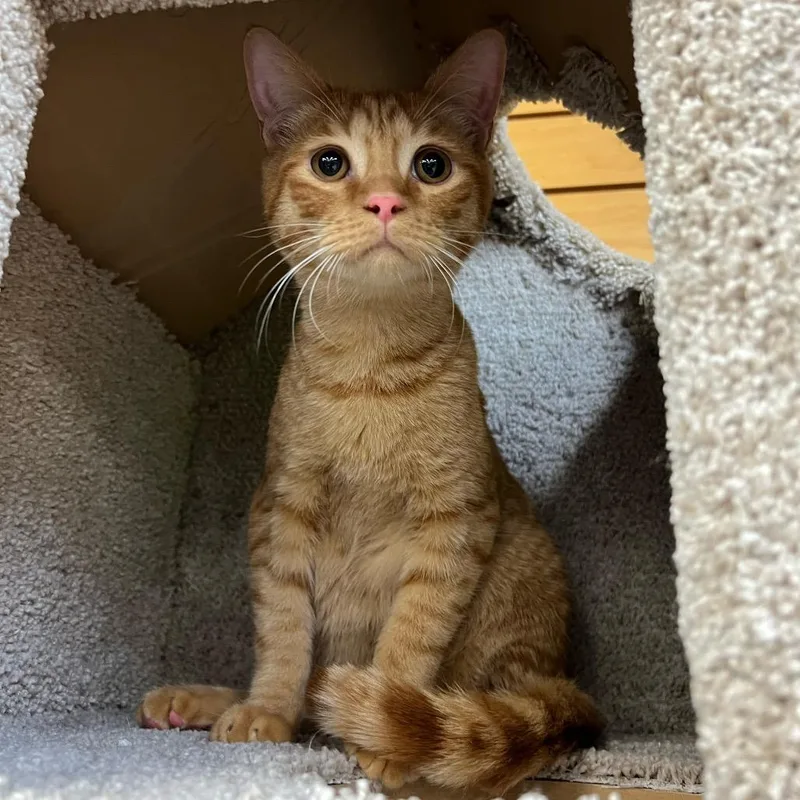
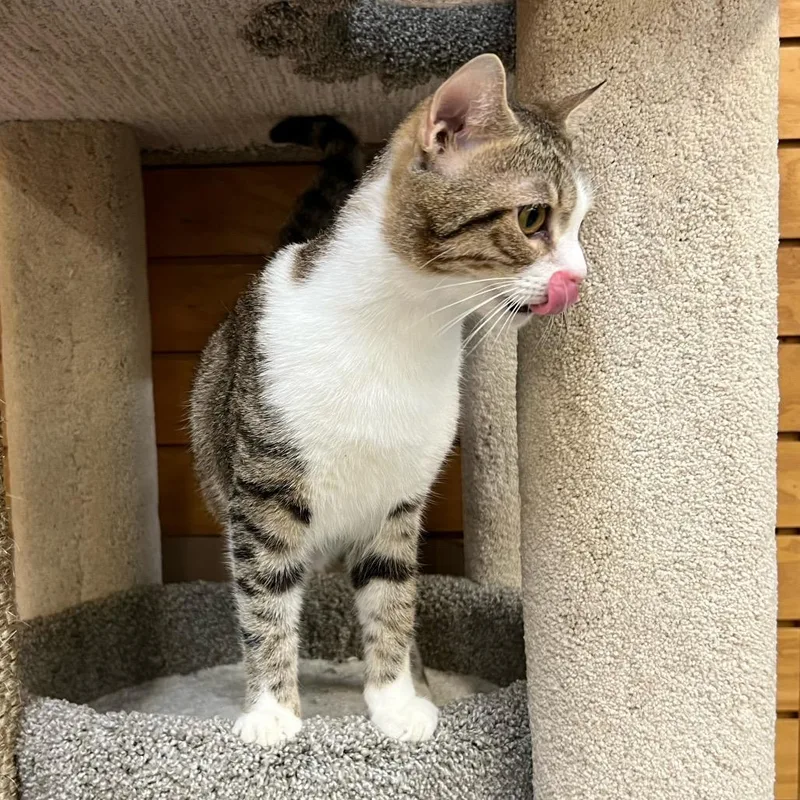
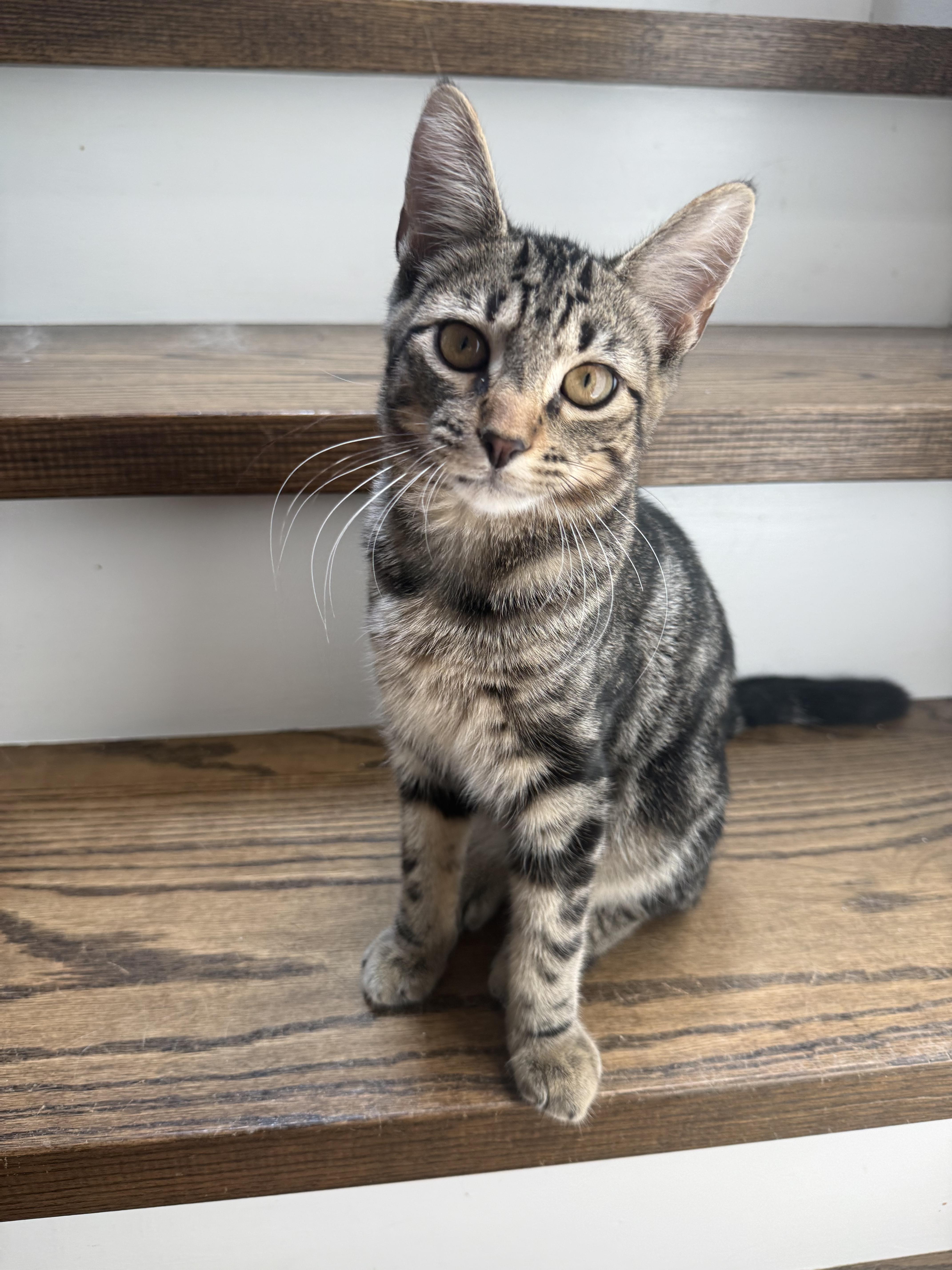
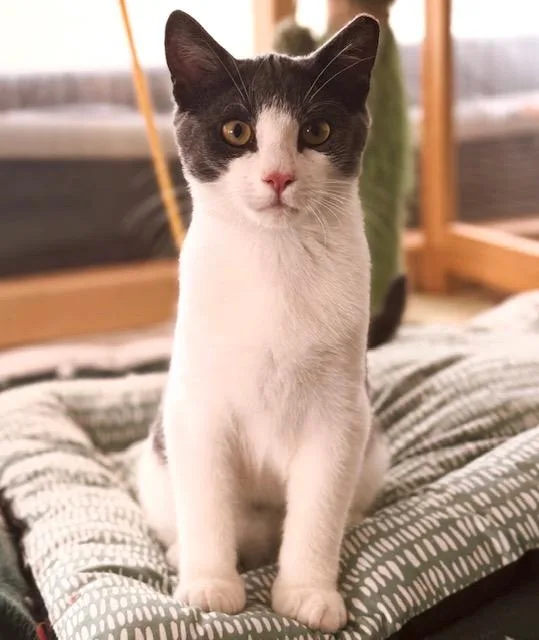
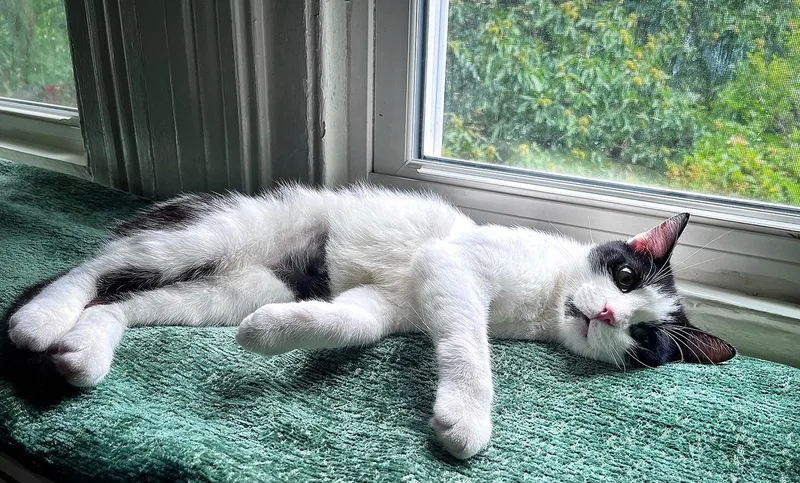
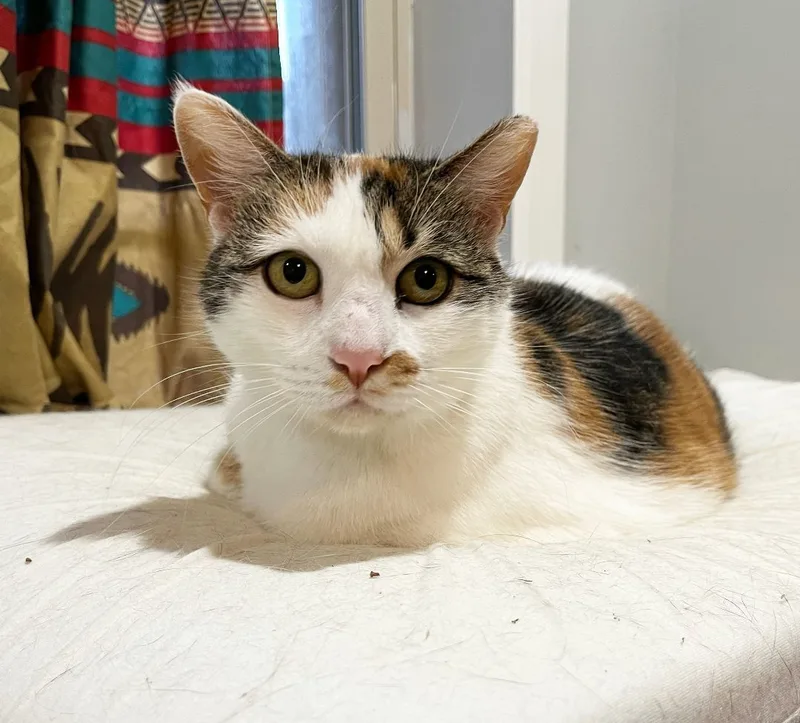
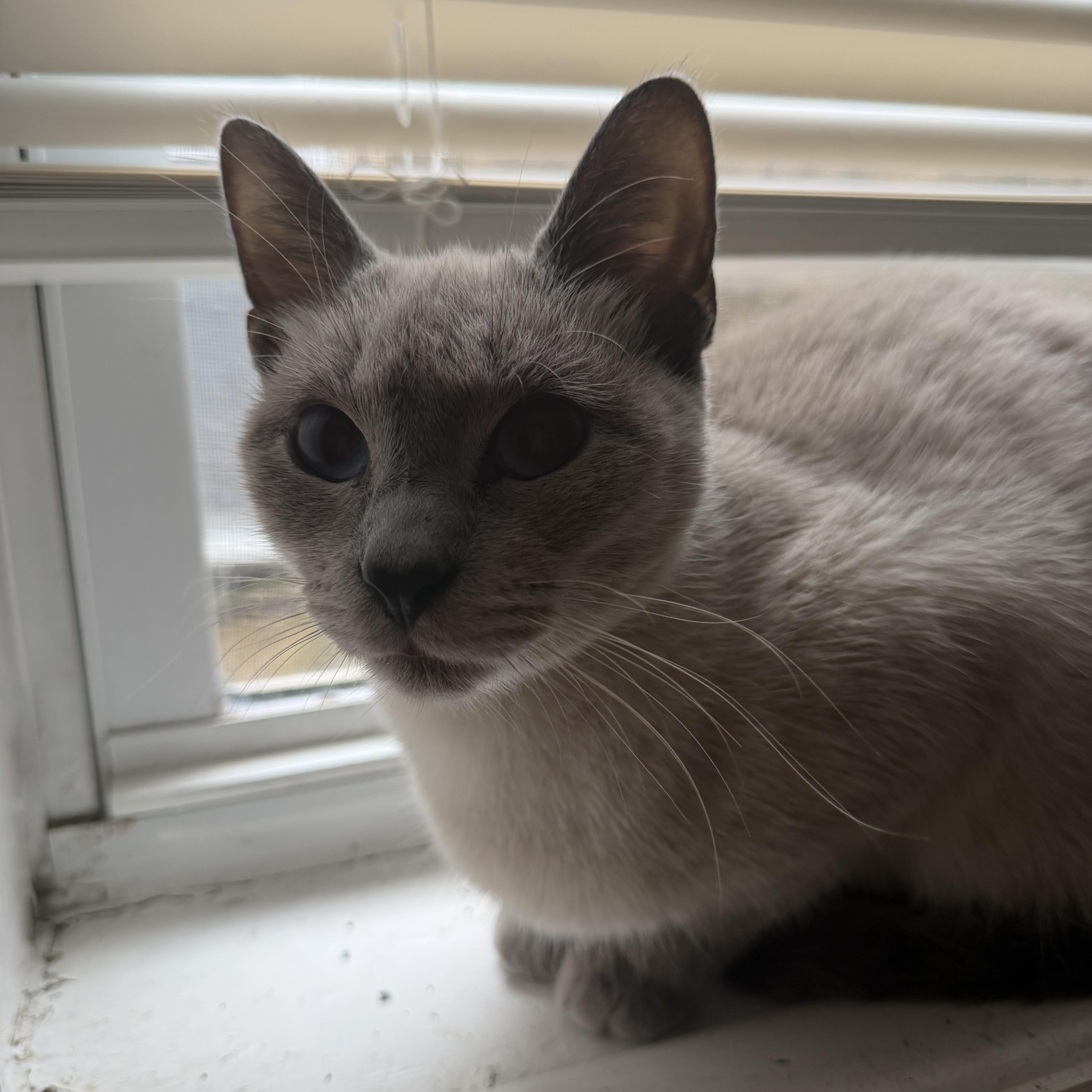
98 British Shorthairs available in Philadelphia and nationwide

Meet a British Shorthair who needs you

While we don't have enough cats near Philadelphia, keep in mind that many rescues may offer transport.

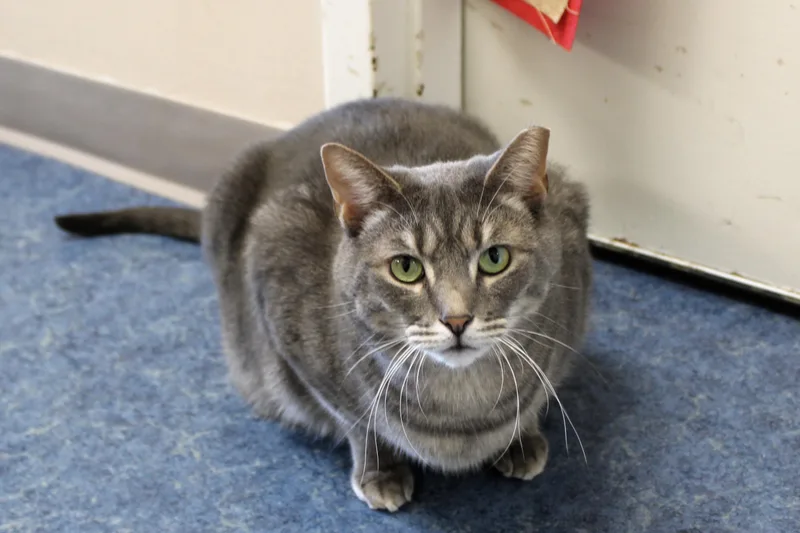
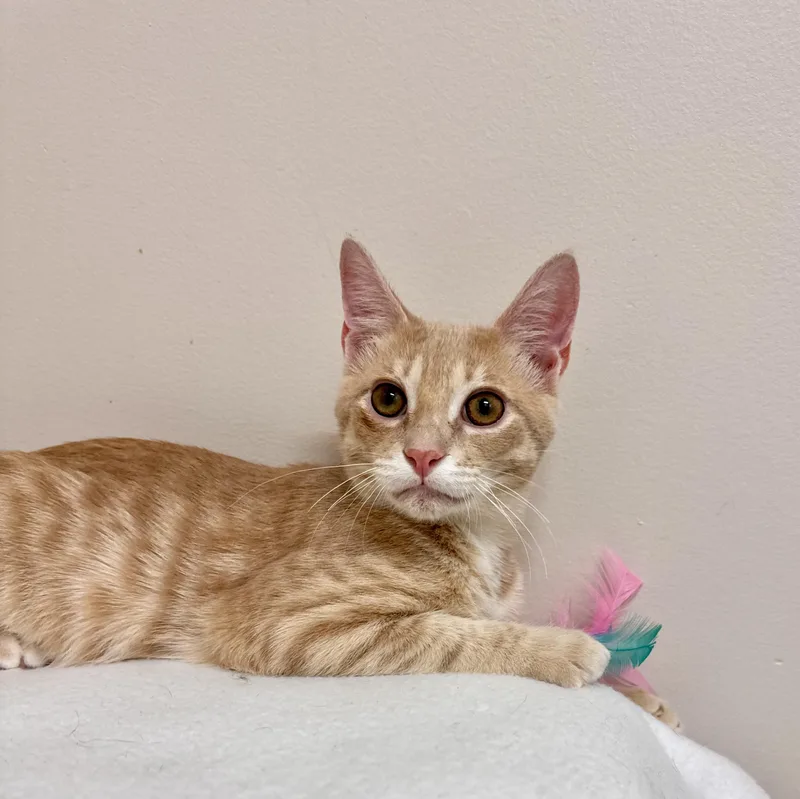
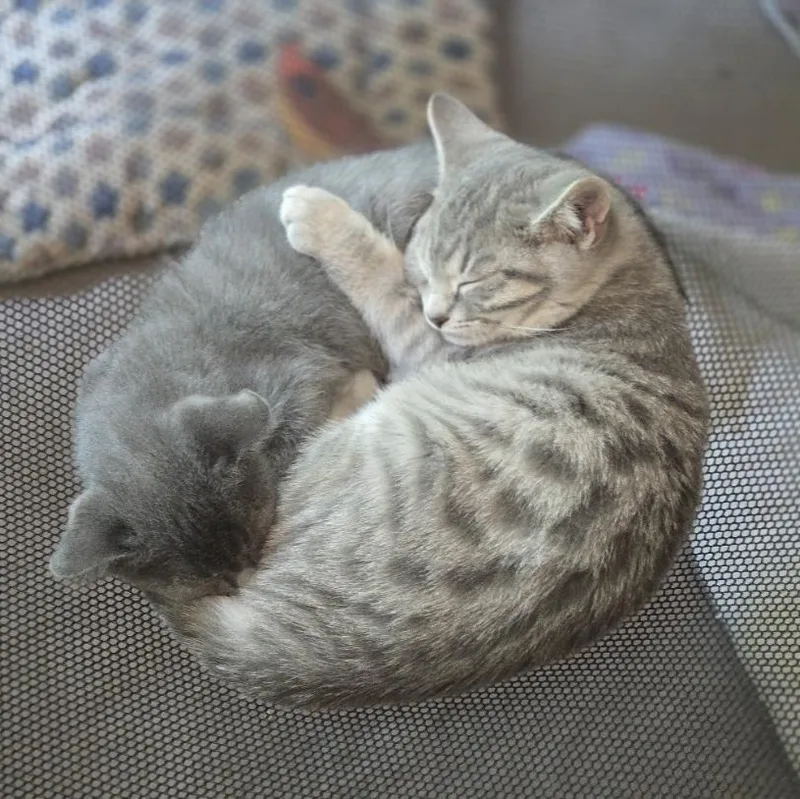
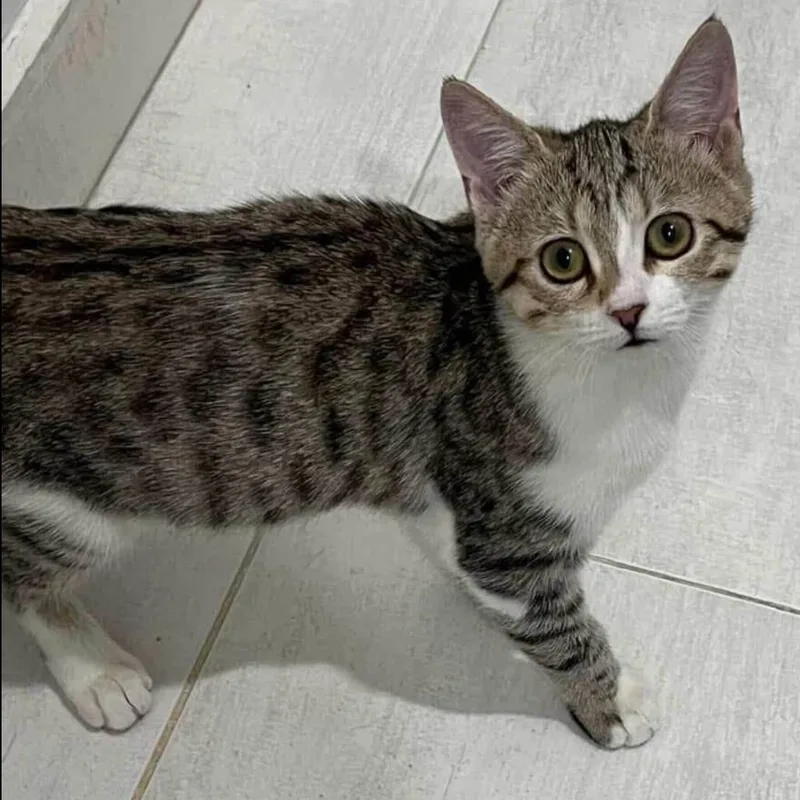
British Shorthairs Available for Adoption Near Philadelphia

About the British Shorthair breed

The British Shorthair is a round-faced, thick-bodied cat with a dense, plush coat, descended from the working street and farm cats of Britain. The classic look is a blue coat with copper eyes, but the breed comes in many colors and patterns, so a cat in the listings may look quite different. Adults are large, commonly 7 to 17 pounds with males heavier, and they fill out slowly, often not reaching full size until about three years old.

Many British Shorthairs are calm, quiet companions that like to stay near their people without demanding a lap. They often dislike being carried and prefer play with all four feet on the floor. Plan for weekly brushing, careful portions to prevent weight gain, and regular veterinary attention to heart and kidney health. Cats vary, and breed doesn't decide any one cat's personality.

Weight
7–17 lbs
Height
12–14 in
Lifespan
12–17 yrs
Temperament
Calm, Easygoing, Affectionate
Shedding
Moderate

Owning a British Shorthair in Philadelphia

Having a British Shorthair in Philly

Expect a low-key, sturdy cat that sheds moderately and gains weight easily. In Philly, the main planning points are keeping it active indoors, staying on top of heart and kidney checkups, and keeping a dense-coated cat comfortable through humid summers.

Temperament

British Shorthairs tend to be even-tempered and quiet, following their people from room to room rather than demanding laps. Many do fine with respectful children and calm pets, though most dislike being picked up. In a busy Philly rowhouse, a quiet corner helps a reserved cat settle in. A cat's history shapes its comfort more than breed does.

Exercise Needs

A few short play sessions a day with wand toys or toy mice keep most British Shorthairs fit. Floor-level games suit them better than climbing. In a rowhouse, a chase game down a hallway or up a few stairs works well, and puzzle feeders slow mealtimes, since weight gain is the usual concern.

Health Considerations

Breed-level risks include hypertrophic cardiomyopathy, which is more common in males, and polycystic kidney disease in some lines. Obesity and dental disease are common but preventable. Many British Shorthairs have blood type B, which matters for transfusions. Schedule a veterinary checkup soon after adoption and ask the vet about heart screening and a healthy weight.

Living Space

Rowhouses and apartments both work, because British Shorthairs are quiet and not big climbers. Give the cat a sturdy scratching post, a low cat tree and a window perch. Narrow rowhouse stairs rarely trouble a healthy adult, but a heavy or older cat may appreciate a low-sided litter box on the main floor. Keep it indoors.

What it costs to own a British Shorthair in Philadelphia

ExpenseTypical costPer year
Food$30 to $60 per month$360 to $720
Pet insurance$30 to $65 per month$360 to $780
Routine vet care$150 to $350 per year$150 to $350
Other*$450 to $1,150 per year$450 to $1,150
Estimated yearly total (after year one)$1,320 to $3,000

Other costs are estimates and vary with size, age and health.

* Litter, flea and tick prevention, a dental cleaning allowance, toys, scratchers and other supplies, and weekly home brushing for the dense short coat.

Adopt a British Shorthair in Philadelphia.

Now that you know more, let’s find you a new best friend. These rescues and shelters below have cats available in and near Philadelphia.

Frequently Asked Questions

Yes. Philly doesn't require a cat license, though every cat over 3 months old needs a rabies vaccination, and a landlord's pet policy is often the bigger hurdle, so confirm yours first. Availability changes often, so watch the listings on this page and save a search to hear when a British Shorthair or similar cat is posted.

Yes, a British Shorthair is usually a good apartment cat because it's quiet and not much of a climber. In Philly's apartments and split-up rowhouses, a window perch, a sturdy scratching post and daily wand-toy play are enough for most. Check the lease for pet fees and limits, and keep the litter box on one level for a heavy or older cat.

Yes, as indoor cats with air conditioning or fans. Humid Philly heat is the harder season for a dense-coated cat, so keep water in several spots, close shades on sunny windows and brush weekly to cut loose fur. Heavy panting, drooling or unusual lethargy calls for a prompt veterinary visit.

Weekly brushing handles most of it, with extra sessions during spring and fall shedding. Philly's humid summers are a reason to brush more often, not to shave the coat. Most owners groom at home, so grooming is a small part of the yearly Other costs of $450 to $1,150 rather than a salon expense.

Yes, but only in a carrier. SEPTA allows pets in standard sturdy carriers that don't obstruct others, and the cat can't be disruptive. That applies on the Broad Street Line and Market-Frankford Line alike. SEPTA states no size limit, so choose a roomy carrier that fits a cat up to 17 pounds, and check current fares with SEPTA.

British Shorthairs commonly live about 12 to 17 years, and many healthy indoor cats reach their late teens. Swedish insurance data found most lived past ten, though a UK veterinary study reported a lower average because of early deaths. Keeping a British Shorthair lean, brushing its teeth and screening for heart and kidney disease all help support a longer life.

No, British Shorthairs are not hypoallergenic. Their dense coat sheds, and like all cats they produce the Fel d 1 allergen in saliva and skin, which spreads onto fur during grooming. People with mild allergies sometimes cope with frequent brushing, air purifiers and a cat-free bedroom, but spending time with the specific cat before adopting is the safest test.

British Shorthairs can be capable hunters, since the breed grew out of working cats that kept British farms, homes and streets free of rodents. Most pet British Shorthairs today are more relaxed than driven, and many prefer stalking toy mice and wand toys. Their prey drive is still real, so keep small pets like birds and hamsters securely separated.

You can adopt a British Shorthair through animal shelters, general cat rescues and breed-specific rescues that place pedigreed and shorthaired cats. Saving searches on adoption sites helps, because purebreds appear less often than domestic cats. Adoption fees commonly run about $50 to $200 and usually include spaying or neutering, vaccines and a microchip. Cats that look British but lack papers make equally good companions.

Plan on roughly $30 to $60 a month for food and $30 to $65 for pet insurance, plus $150 to $350 a year for routine vet care. Other yearly costs, including litter, flea prevention and a dental cleaning, run about $450 to $1,150. Altogether that's roughly $1,300 to $3,000 a year.