British Shorthair Cats for Adoption in Newark, NJ

Your guide to finding and caring for a British Shorthair in Newark

British Shorthairs suit Newark's two- and three-family houses and walk-ups, where a calm cat doesn't need much room. In a Roseville row house or an Ironbound walk-up, a British Shorthair is happy with a sunny window perch and a few short play sessions on the floor. They're sturdy, quiet and not big climbers, which keeps the peace with neighbors downstairs. Most would rather sit near you than on you, so they suit people who are home in the evenings.

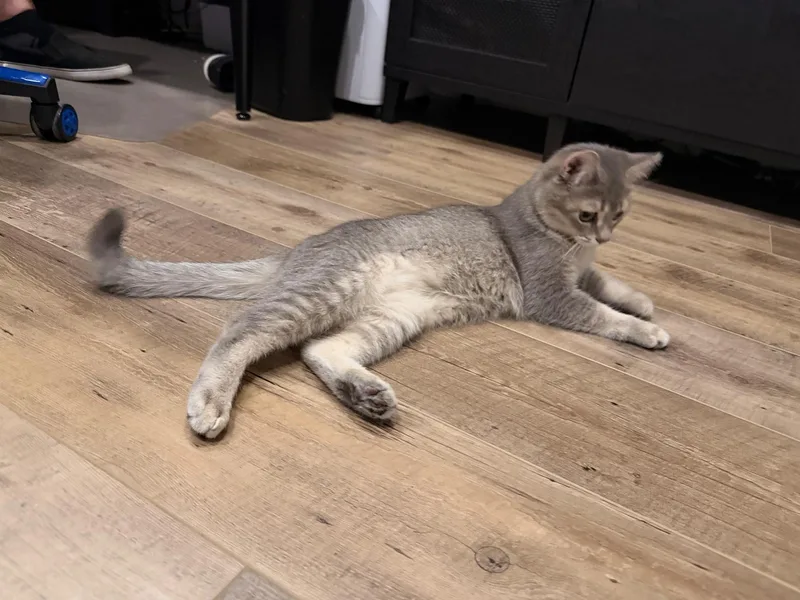
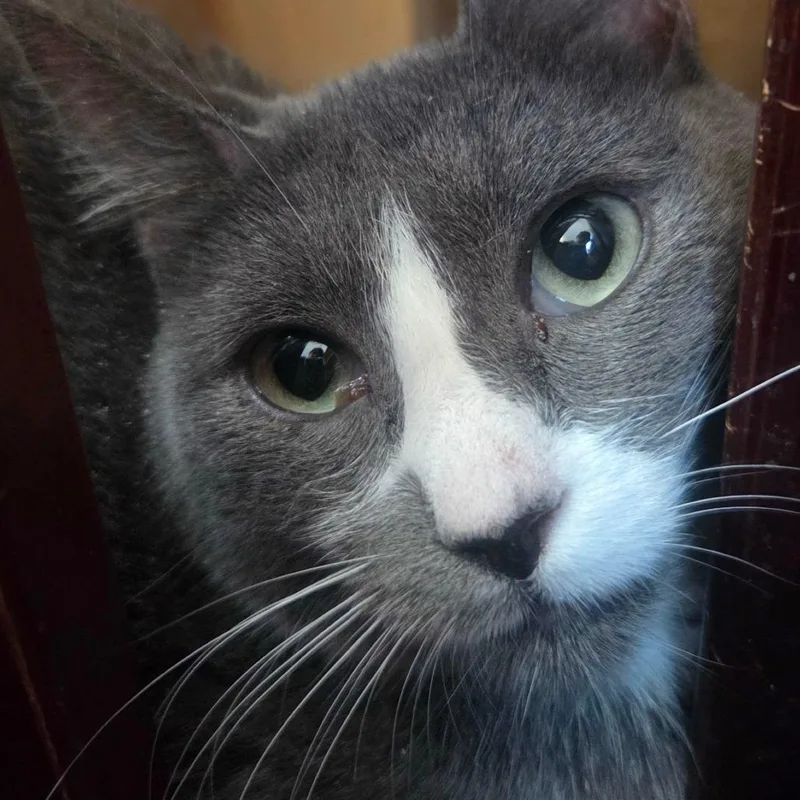
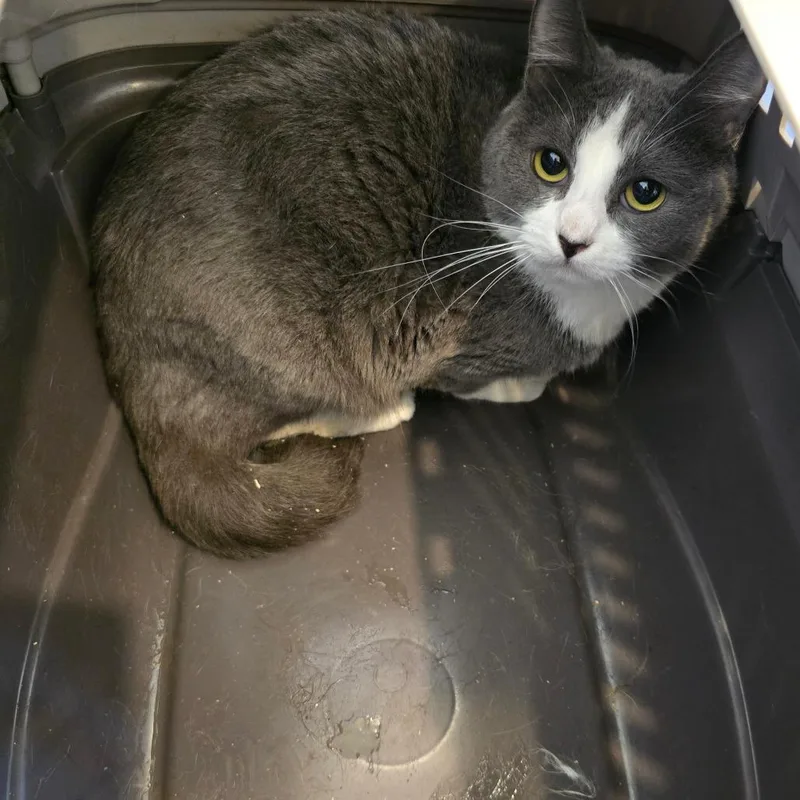
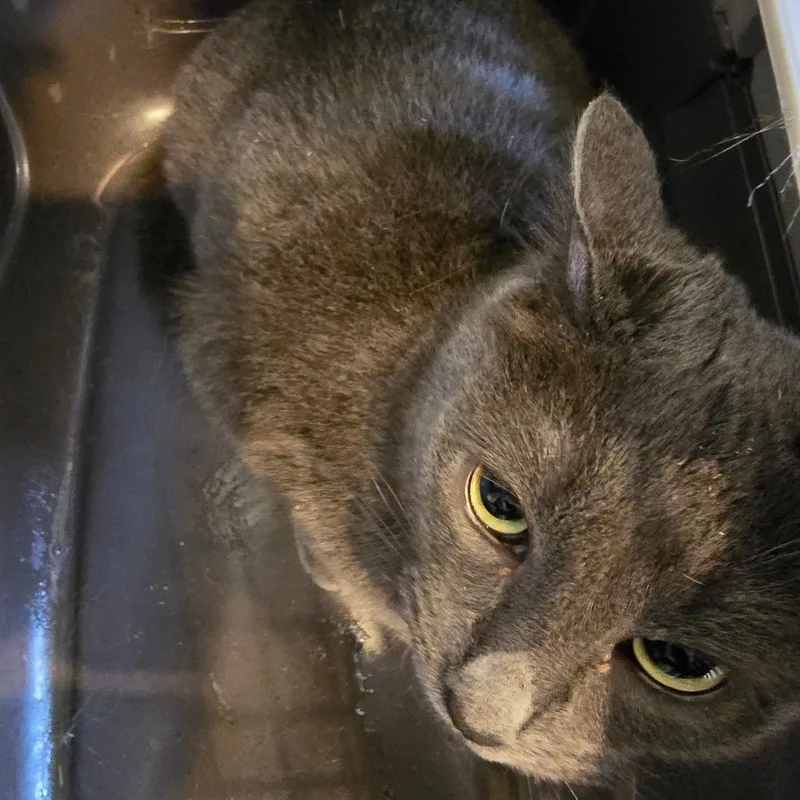
89 British Shorthairs available in Newark and nationwide

Meet a British Shorthair who needs you

British Shorthairs Available for Adoption Near Newark

About the British Shorthair breed

The British Shorthair grew from the working street and farm cats of Britain and appeared at the first organized cat show in London in 1871. Numbers fell sharply during the world wars, and the breed was rebuilt with help from Persian and other outcrosses. The plush blue cat with copper eyes is the classic image, but the coat comes in dozens of colors and patterns.

These are large, heavy-boned cats, often 7 to 17 pounds, and they fill out slowly, sometimes not until about age three. Many are quiet companions that follow their people from room to room, and most dislike being carried. Plan for weekly brushing of the dense coat, measured portions to prevent weight gain, and regular veterinary attention to the heart and kidneys.

Weight
7–17 lbs
Height
12–14 in
Lifespan
12–17 yrs
Temperament
Calm, Easygoing, Affectionate
Shedding
Moderate

Owning a British Shorthair in Newark

Having a British Shorthair in Newark

This is a steady, low-key cat with a heavy build and a dense coat. How much it eats, how it plays and which inherited heart and kidney risks it carries all shape what a long, comfortable life with one looks like in a Newark home.

Temperament

British Shorthairs tend to be even-tempered and quiet, content to supervise from a nearby chair rather than claim a lap. Many are patient with calm children and other pets, though most dislike being carried. Some are reserved with visitors at first, which suits a busy Newark building. Each cat's past shapes its comfort level more than breed reputation.
Exercise Needs

Most British Shorthairs need only a few short play sessions a day, such as wand toys, toy mice or a puzzle feeder, all at floor level. In a small Newark apartment that's plenty of room. Regular play matters because the breed gains weight easily once adult, and a heavier cat is harder on its joints and heart.

Health Considerations

British Shorthairs can develop hypertrophic cardiomyopathy, a thickening of the heart muscle that is more common in males, and some carry polycystic kidney disease. Obesity and dental disease are common but preventable. Many have blood type B, which matters for transfusions. Yearly veterinary checkups that include a heart exam help catch problems early.

Living Space

A British Shorthair adapts well to the walk-ups, two-family houses and apartments common in Newark because it's quiet and not much of a climber. A sturdy scratching post, a low cat tree and a window perch with a secure screen are enough. Indoor living also keeps this slow-to-flee cat safe from traffic.

What it costs to own a British Shorthair in Newark

ExpenseTypical costPer year
Food$30 to $60 per month$360 to $720
Pet insurance$30 to $65 per month$360 to $780
Routine vet care$150 to $350 per year$150 to $350
Other*$450 to $1,150 per year$450 to $1,150
Estimated yearly total (after year one)$1,320 to $3,000

Other costs are estimates and vary with size, age and health.

* Litter, flea prevention, a dental cleaning allowance, toys, scratchers and other supplies, and weekly home brushing for the dense short coat.

Adopt a British Shorthair in Newark.

Now that you know more, let’s find you a new best friend. These rescues and shelters below currently have British Shorthairs available.

Rescues in Newark with British Shorthairs Available

Newark's shelters and rescues care for cats of every age and breed, and the groups listed below post their adoptable cats here. Here are the rescues & shelters in the Newark area where you can find British Shorthairs and other cats available for adoption.

Frequently Asked Questions

Yes, in a carrier. NJ Transit trains, buses and the Newark Light Rail allow only service animals, police dogs and small pets in carry-on travel cages. A British Shorthair can weigh up to 17 pounds, so choose a sturdy, well-ventilated carrier with room to stand and turn, and practice at home first.

Yes, for an indoor British Shorthair. The dense coat handles Newark's roughly 80 freezing nights and snowy winters well. Humid summers, with about 28 days at 90°F or higher, are harder on a thick-coated cat, so plan for air conditioning or a fan, fresh water and screened windows on Code Red heat days.

Yes. Newark's code names no breed, so there are no known breed-specific rules for cats. Landlords set their own pet terms, and refundable pet deposits count toward New Jersey's 1.5-month deposit cap. Cat licensing varies by New Jersey town, so confirm Newark's current requirements and keep rabies vaccination up to date.

Yes, it's one of the easier breeds for a Newark apartment. British Shorthairs are quiet and not big climbers, and most Newark homes are walk-ups or small multifamily buildings. Give the cat a scratching post, a window perch and daily floor-level play, and check your lease for any weight limit before applying.

Often, yes, especially for renters in a small home who want a calm cat. A British Shorthair copes with apartment living and doesn't need outdoor space. It does best with people who are home some evenings, can manage summer heat and will keep up with portion control, brushing and heart and kidney checkups.

Plan on a weekly brushing at home, and two or three times a week during the spring shed when the dense coat thins out. Winter's dry indoor heat can leave skin flaky, so regular brushing helps then too. Because most owners groom at home, grooming adds little to the yearly Other cost range.

No. New Jersey's food code bars live animals from restaurant premises, with exceptions for service animals, and it has no outdoor-dining exception for pets. A British Shorthair is happier at home anyway. For trips, keep your cat in a carrier, and never leave it in a parked car.

British Shorthairs commonly live about 12 to 17 years, and many healthy indoor cats reach their late teens. Swedish insurance data found most lived past ten, though a UK veterinary study reported a lower average because of early deaths. Keeping a British Shorthair lean, brushing its teeth and screening for heart and kidney disease all help support a longer life.

We have 1 rescue with British Shorthairs available: Brick City Kitties Rescue. You can see every rescue with British Shorthairs available in the list above these questions, or scroll to the top to see the British Shorthairs near Newark.

Plan on about $30–$60 a month for food and $30–$65 a month for pet insurance. Routine vet care runs about $150–$350 a year. Other yearly costs, including litter, flea prevention, dental care and supplies, add roughly $450–$1,150. Newark rent may also bring a refundable pet deposit, which is separate from these ranges.