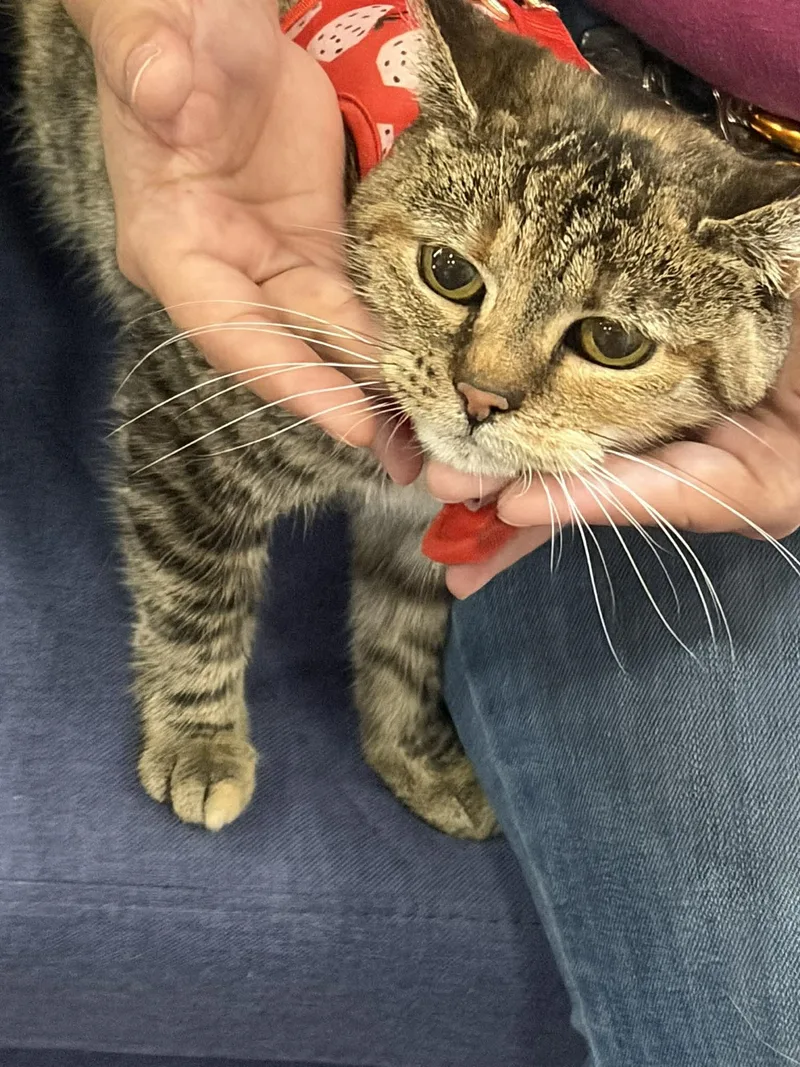
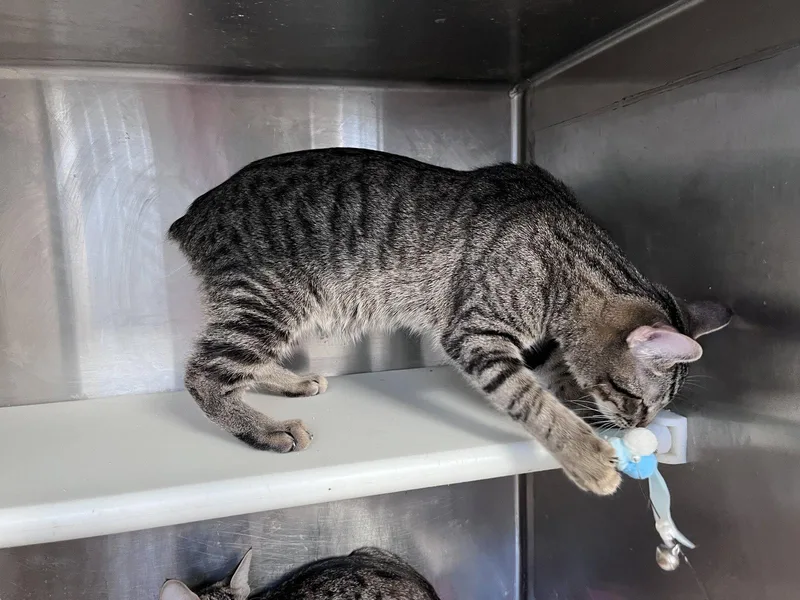
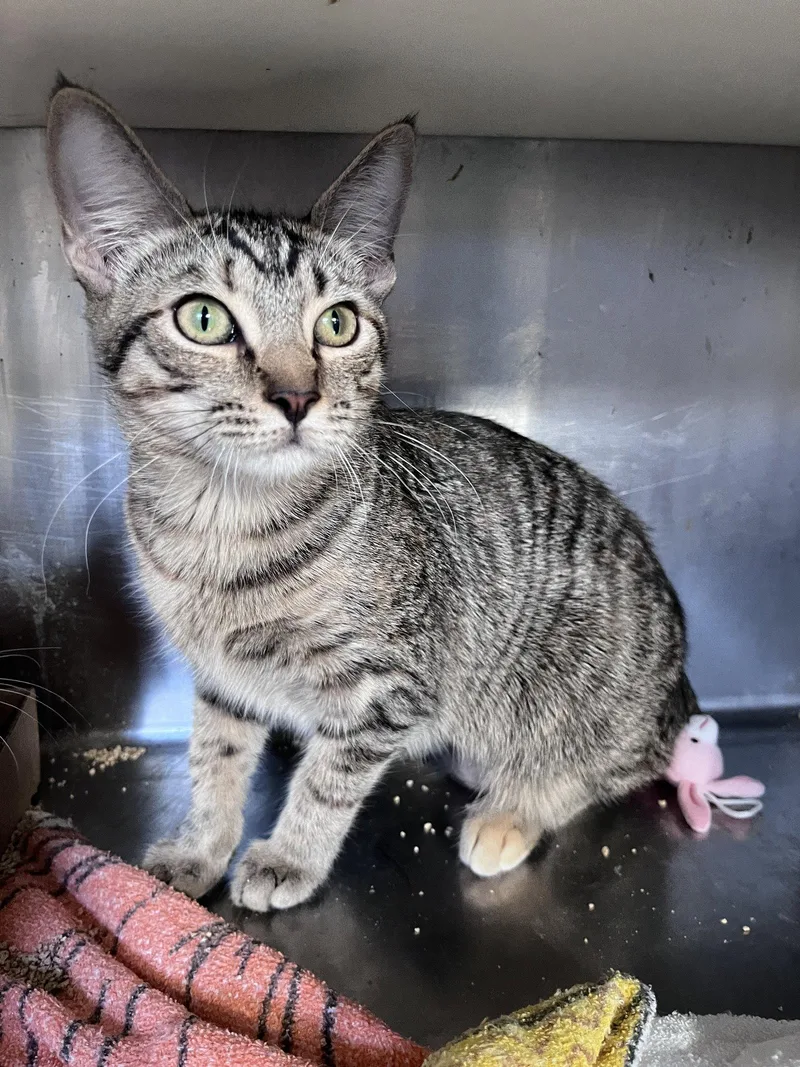
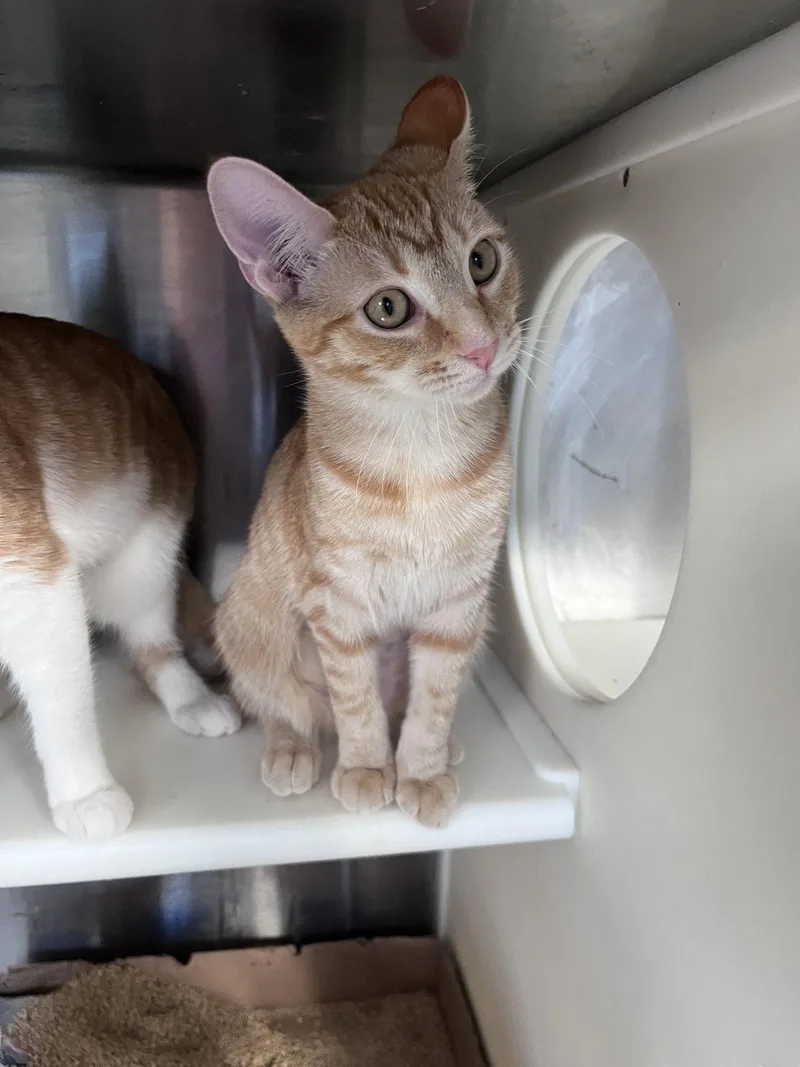
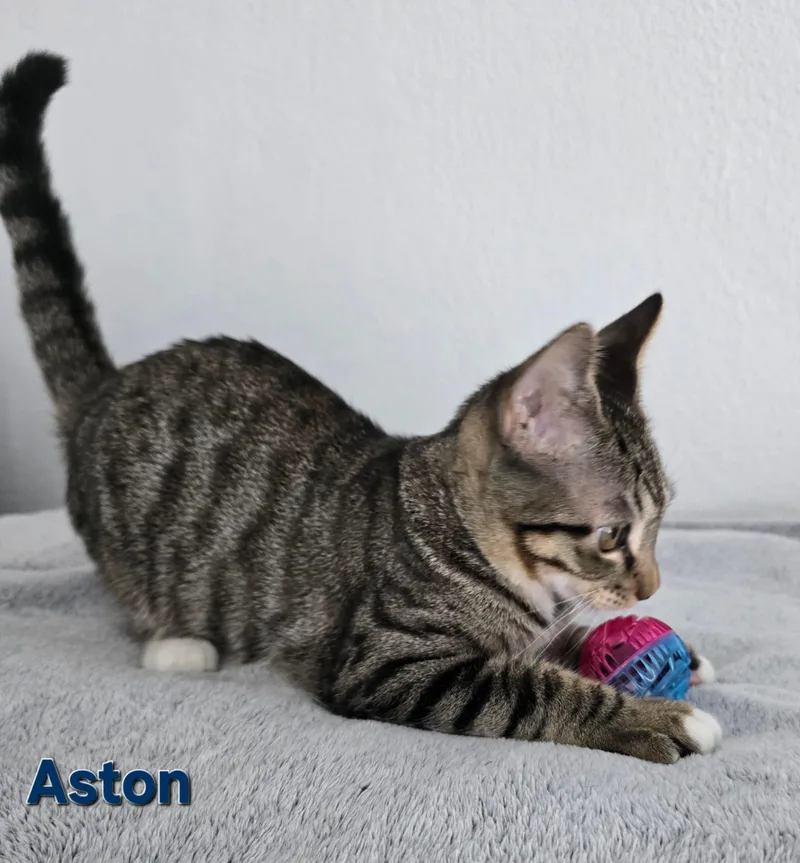
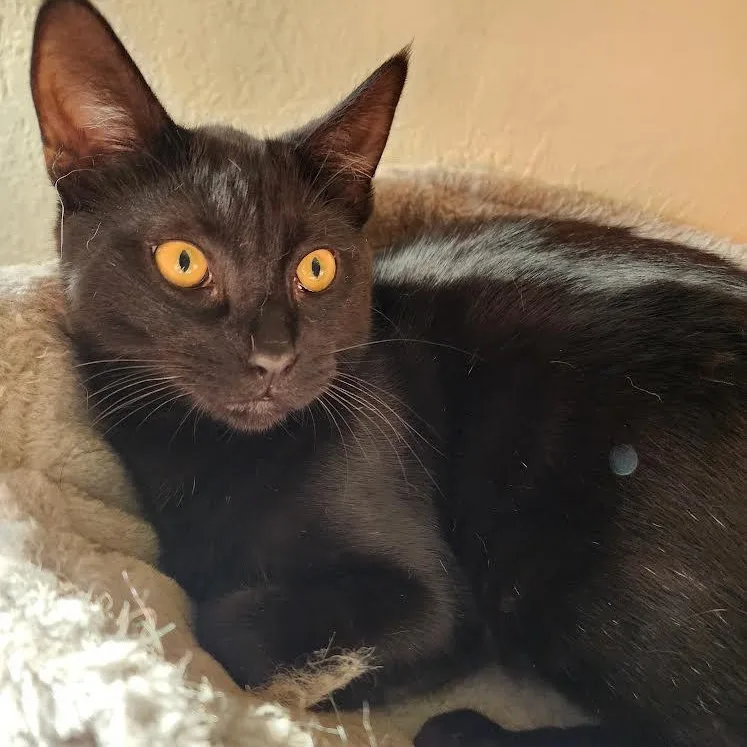
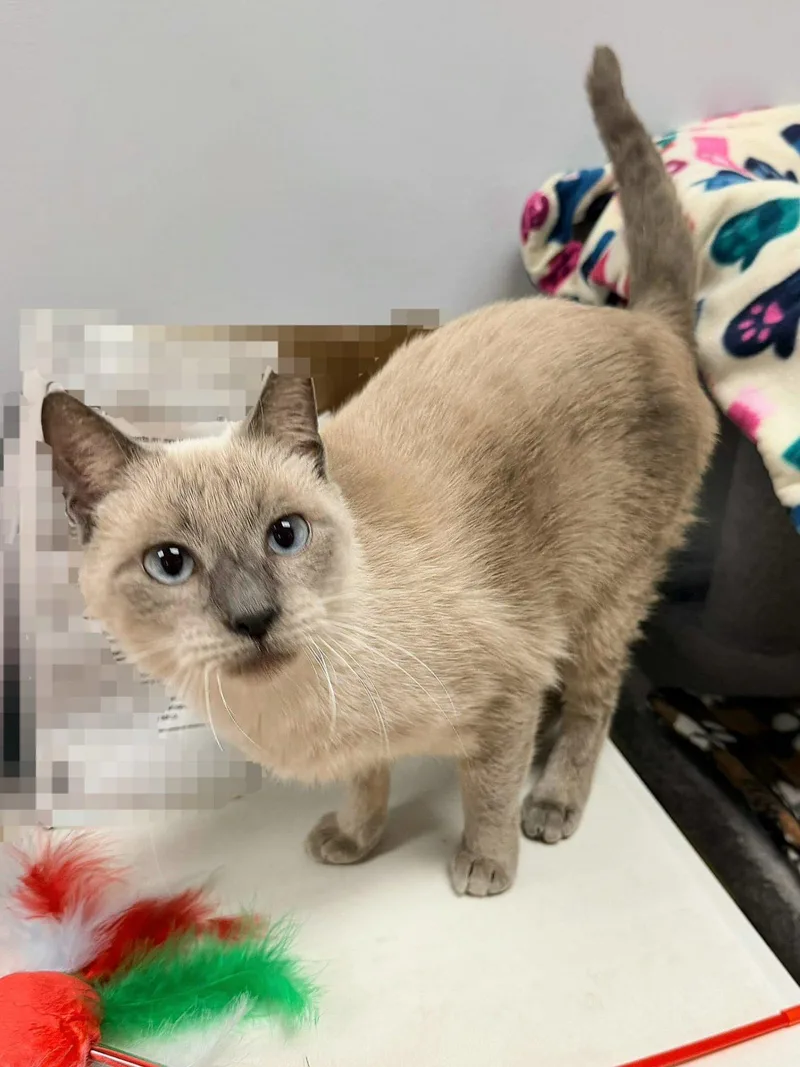
Manx Cats for Adoption in Miami, FL

Your guide to finding and caring for a Manx in Miami

A Manx is a good match for a Miami apartment, especially a quiet one in Edgewater or along Coral Way. Most are gentle and devoted, happy to follow their person from room to room and then spend the afternoon on a window perch. They play in short, energetic bursts, so a tall cat tree goes a long way. The thick double coat does best with the air conditioning on in summer, and a Manx rarely minds staying indoors.

291 Manxes available in Miami and nationwide

Find your Manx

While we don't have enough cats near Miami, keep in mind that many rescues may offer transport.

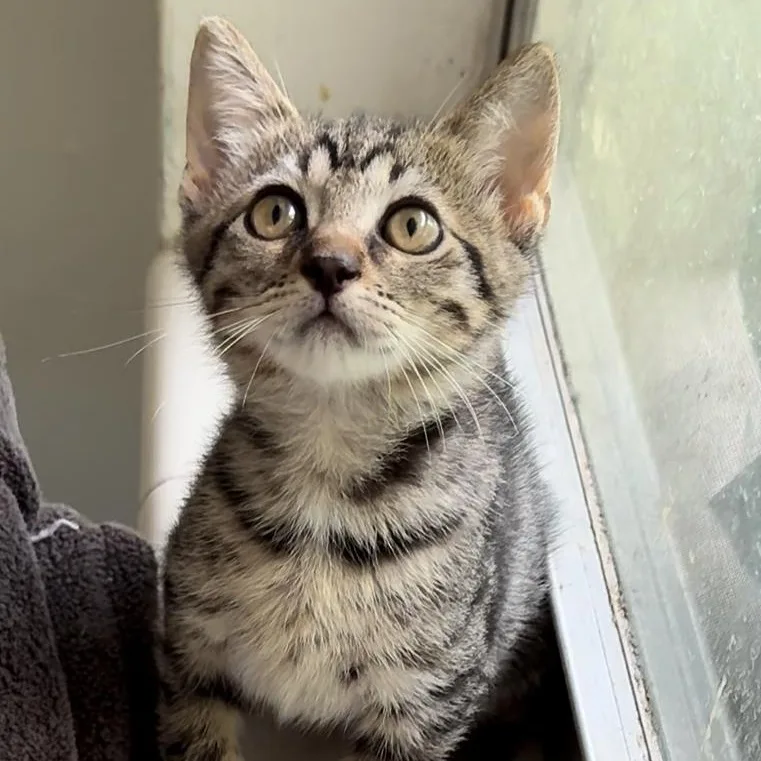
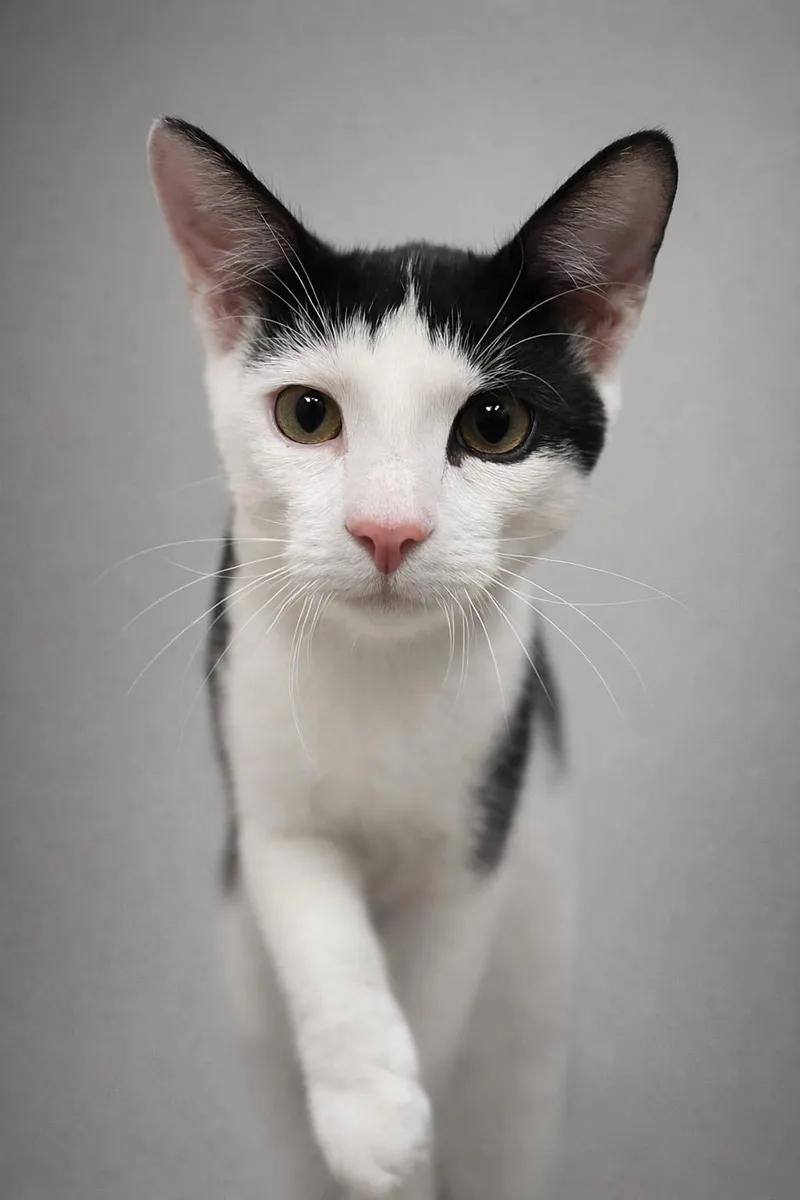
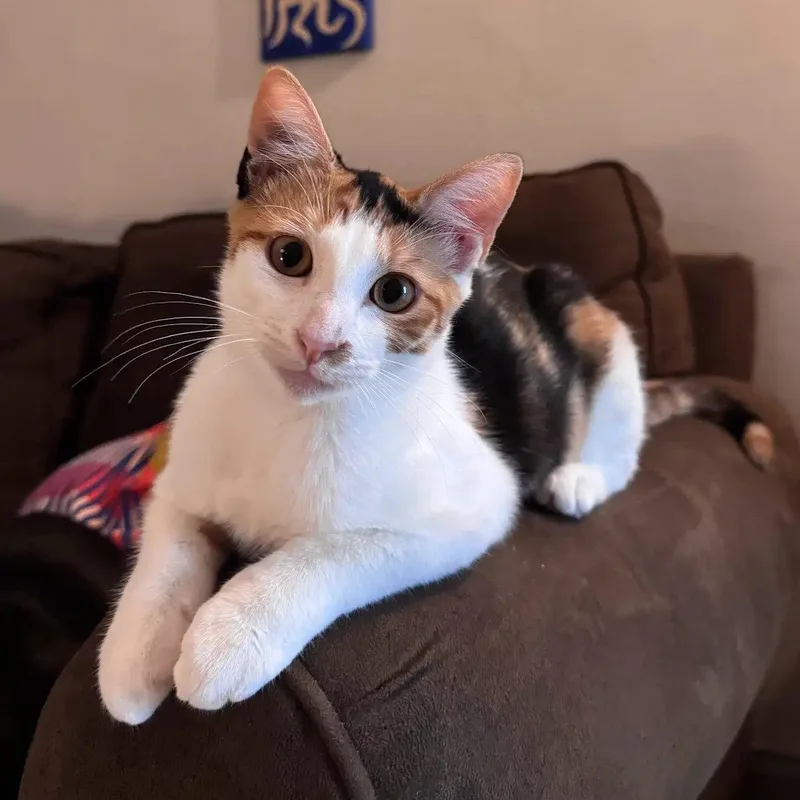
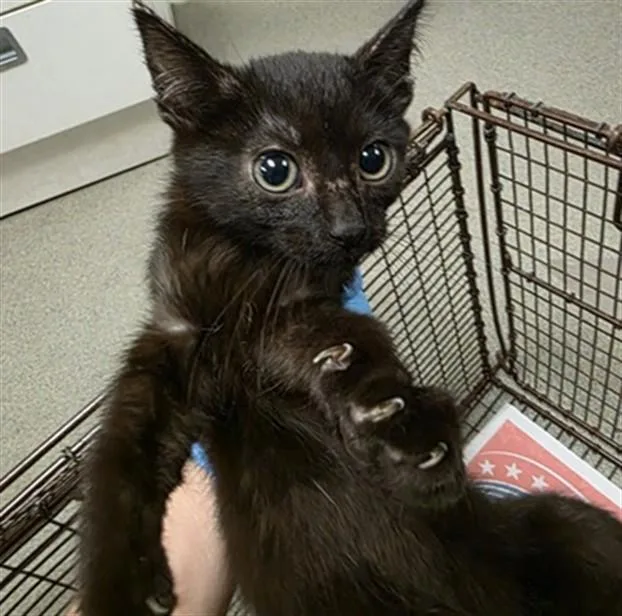
Manxes Available for Adoption Near Miami

About the Manx breed

The Manx comes from the Isle of Man, where a natural mutation produced cats with no tail or a short one, though tail length varies and some Manx are born with full tails. They are round, sturdy cats with a short back, longer hind legs and a thick double coat, usually 8 to 12 pounds and slow to mature.

Most are gentle, devoted and playful in bursts, and many follow their people around like dogs, fetching toys and trilling softly rather than meowing loudly. Cats vary, of course. In Miami, the double coat and the breed's health history are the two things to plan around: keep the home cool, and have a veterinarian check for signs of Manx syndrome, which usually appear in kittenhood.

Weight
8–12 lbs
Height
8–10 in
Lifespan
10–14 yrs
Temperament
Playful, Devoted, Gentle
Shedding
Moderate

Owning a Manx in Miami

Having a Manx in Miami

Manx are known for the short or missing tail, but the steady, people-focused personality is what many owners notice most. In Miami, the practical questions are keeping a thick-coated cat cool and understanding the tail gene's health effects.

Temperament

Many Manx are calm, affectionate and loyal, and some pick a favorite person to follow around. That suits a Miami apartment, where a cat spends most of its time in a smaller space with its people close by. Some are wary of strangers at first, and each cat's comfort level varies.

Exercise Needs

Expect short bursts of play rather than constant motion. Strong hind legs make Manx good jumpers, so a tall cat tree, window perch and wand toys keep them busy indoors. Play sessions in the cooler morning or evening hours are more comfortable, and regular play helps keep this solidly built breed from gaining weight.

Health Considerations

Manx syndrome, tied to the tail gene, can affect the spine, hind legs, bladder and bowel, and usually shows before four months of age. Stumpy tails can develop arthritis, and some Manx have constipation. A veterinarian can check mobility and bowel and bladder function, and can set up a parasite prevention plan for a warm, humid climate.

Living Space

A Manx does well in a Miami condo or apartment with climbing furniture, resting spots and regular company. Keep it indoors and screen balconies and windows, since this jumper can clear a railing. Cats with mobility or continence issues may need low-sided litter boxes and ramps.

What it costs to own a Manx in Miami

ExpenseTypical costPer year
Food$25 to $50 per month$300 to $600
Pet insurance$30 to $60 per month$360 to $720
Routine vet care$150 to $350 per year$150 to $350
Other*$450 to $1,150 per year$450 to $1,150
Estimated yearly total (after year one)$1,260 to $2,820

Other costs are estimates and vary with size, age and health.

* Litter, parasite prevention, a dental cleaning allowance, toys and scratchers, and basic brushing supplies for the double coat.

Adopt a Manx in Miami.

Now that you know more, let’s find you a new best friend. These rescues and shelters below currently have Manxes available.

Frequently Asked Questions

For many people, yes. A Manx fits Miami best in an air-conditioned home where someone is around often, since the breed is devoted and tends to follow its people. The thick double coat and humid heat call for a cool indoor space, and windows and balconies should be screened. Each cat varies in energy and comfort level.

Yes, if the cat lives indoors with air conditioning. Miami summers bring inland highs near 90°F, warm nights and a heavy heat index, which is tough on a thick-coated Manx. Keep water fresh, schedule play for early or late hours, never leave a cat in a parked car, and plan for outages during storms.

Yes, but only in a closed carrier. Miami-Dade Transit requires pets on Metrobus, Metrorail and Metromover to be in a properly enclosed carrier, with service animals exempt. Miami has no subway, since Metrorail is mostly elevated. Choose a sturdy, ventilated carrier and let your Manx get used to it at home first.

Yes. Florida law requires a rabies vaccination for cats four months and older, and that's the main legal step. Because the tailless gene can cause Manx syndrome, a veterinary visit soon after adoption is wise to check mobility and bowel and bladder function. Housing is the bigger hurdle, so renters should get pet permission in writing.

Yes, a Manx adapts well to apartments when it has climbing space, a window perch and regular company. Choose a sturdy cat tree, screen balconies and windows, and place the litter box where a cat with mobility issues can reach it easily. Daily play helps burn off energy, and this breed's jumping makes secure railings important.

Plan on a weekly brush for a shorthaired Manx and more often for a longhaired one. Expect extra brushing in spring, when the thick double coat may shed more as Miami warms up. Brushing at home is usually enough, and the supplies are counted in the Other line of the cost table.

A Manx is a medium-sized cat breed from the Isle of Man, best known for having no tail or a short tail due to a natural genetic mutation. Manx cats are round and sturdy, with longer hind legs, a thick double coat and a gentle, playful personality. Some Manx have full-length tails, since tail length varies even within litters.

Manx cats look round and compact, with a short back, a rounded rump and hind legs longer than the front legs, giving them a rabbit-like stance. They have round heads, big round eyes and a dense double coat in many colors. Most famously, they may be completely tailless, have a stub, or carry a short or full tail.

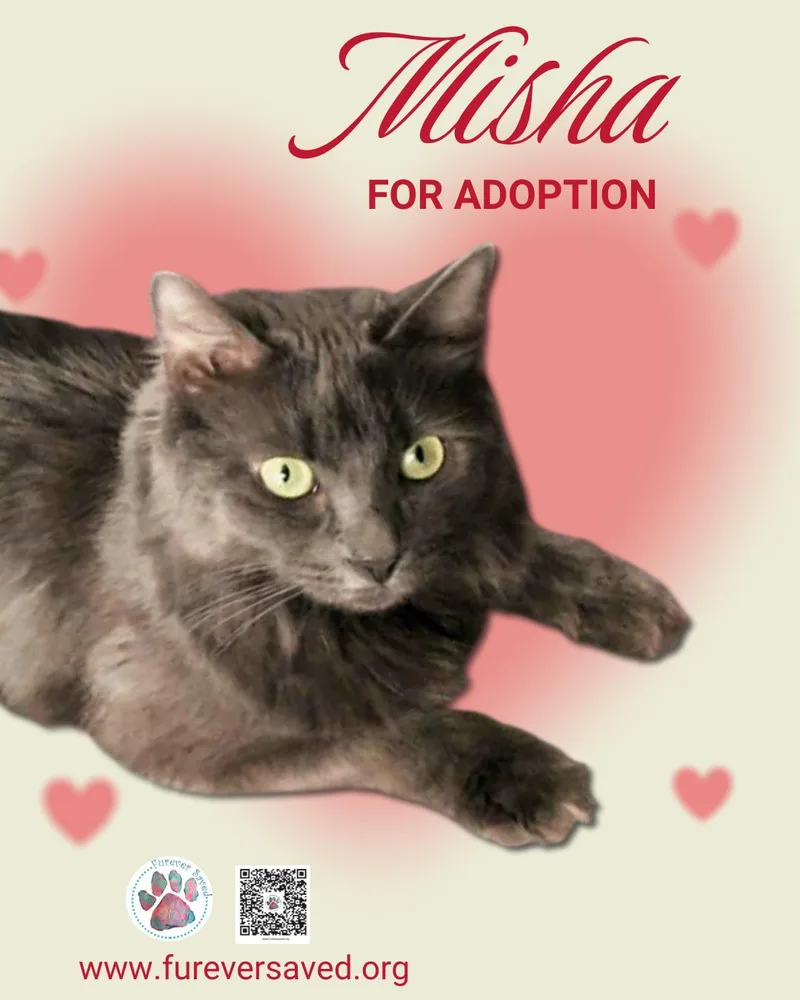
We have 1 rescue with Manxes available: Furever Saved. You can see every rescue with Manxes available in the list above these questions, or scroll to the top to see the Manxes near Miami.

Expect roughly $105 to $235 a month, or about $1,260 to $2,820 a year, once everything is counted. Food runs $25 to $50 a month and insurance $30 to $60, while routine vet care is $150 to $350 a year and litter, parasite prevention and supplies come to $450 to $1,150 a year.

Find Manxes in Nearby Cities

Expand your search to find Manxes available for adoption near Miami.