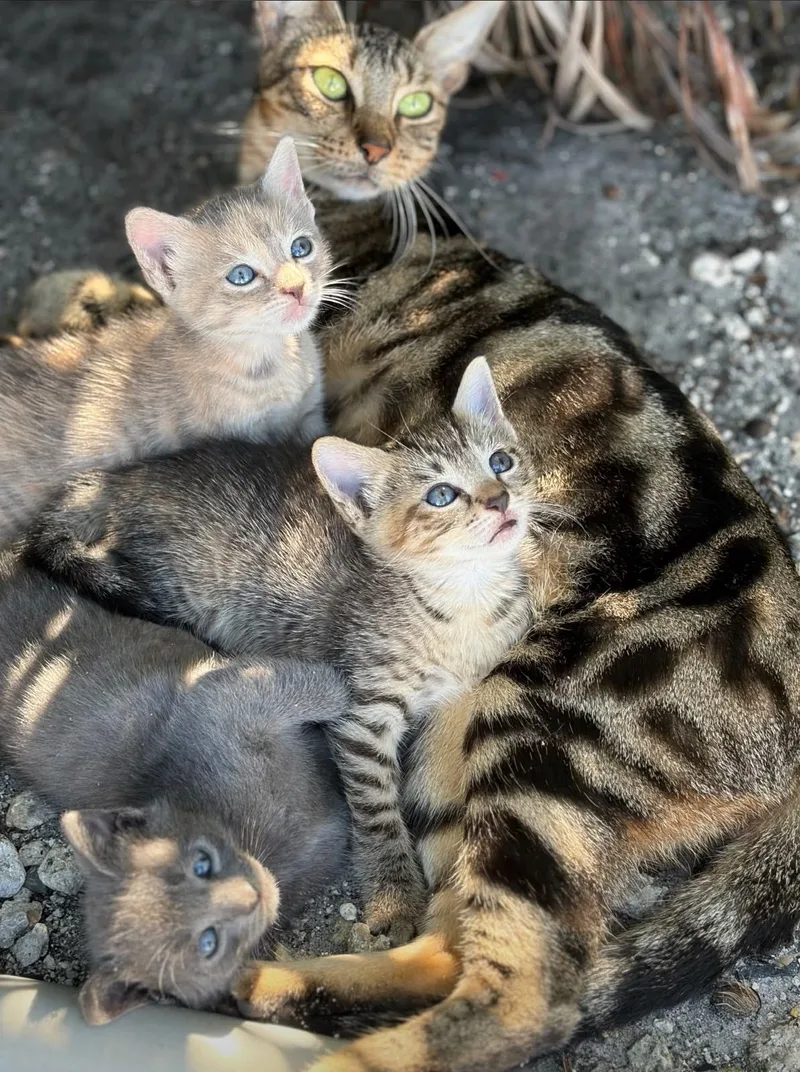
Havana Cats for Adoption in Miami, FL

Your guide to finding and caring for a Havana in Miami

A Havana suits Miami apartment life well, since it's happy with a sunny window and plenty of company. In an Edgewater high-rise or a Flagami duplex, it'll follow you from room to room and watch the bay or the street from a perch. This medium-size, chocolate-brown cat is rare as a registered breed, so brown shorthairs and Havana mixes turn up more often. Plan on a cooled home through the summer and someone around for part of the day.

2798 cats similar to Havana available in Miami and nationwide

Give a Havana Brown a home

Havanas and Similar Breeds Available for Adoption Near Miami

About the Havana breed

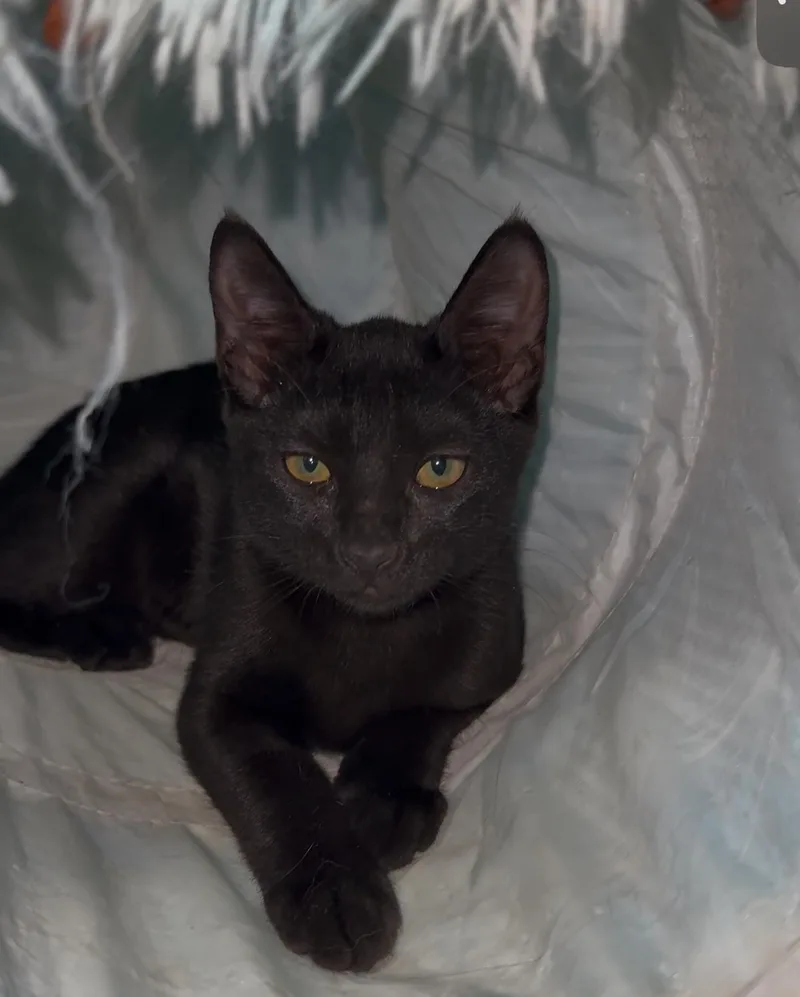
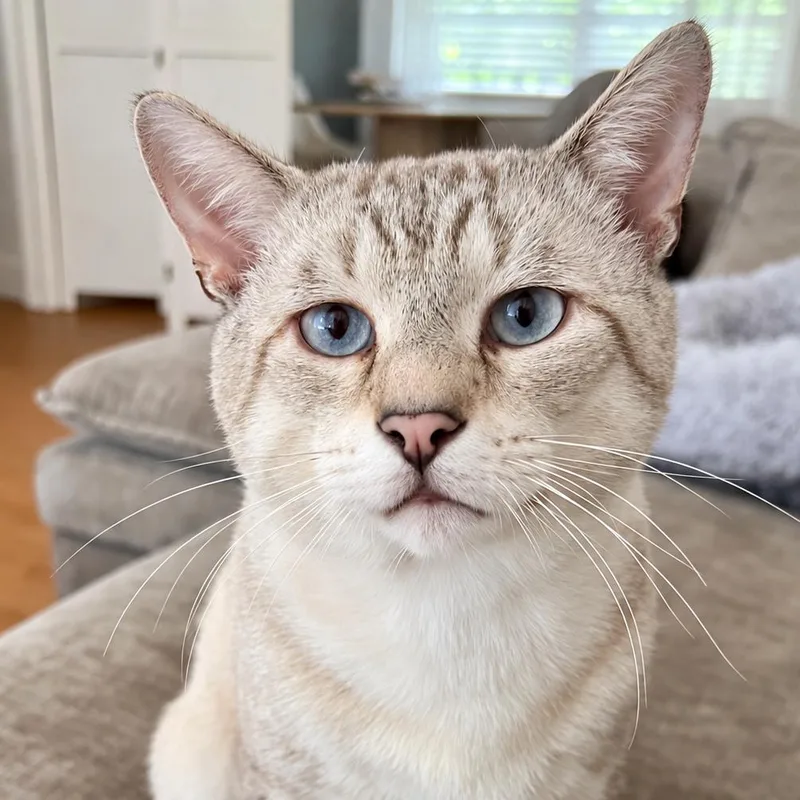
The Havana, called the Havana Brown by some registries, traces back to 1950s Britain and likely takes its name from the color of a Havana cigar. It's known for a glossy chocolate coat, brown whiskers, vivid green eyes, large forward-tilted ears and a squared-off muzzle on a medium, muscular body of roughly 6 to 10 pounds.

Havanas are curious, people-focused cats that like to be part of whatever the household is doing, often patting at things with a paw. Many chat in a voice softer than a Siamese's. The short, low-shedding coat needs little more than a weekly brush. The breed is rare, so many adopters will meet brown shorthairs or Havana mixes, and each cat's personality varies.

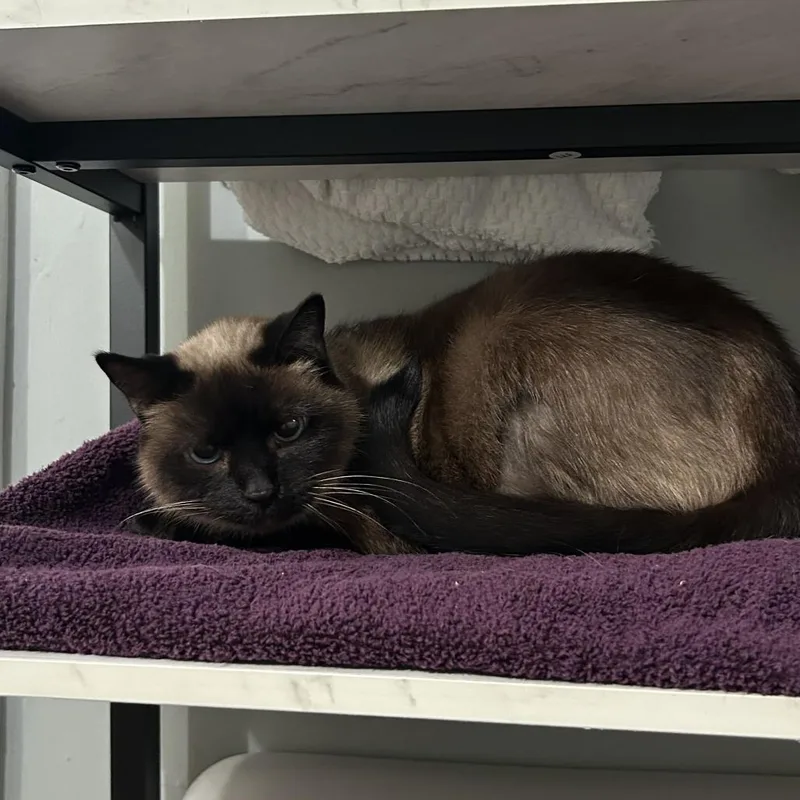
Weight
6–10 lbs
Height
9–11 in
Lifespan
10–15 yrs
Temperament
Social, Curious, Affectionate, Playful
Shedding
Low

Owning a Havana in Miami

Having a Havana in Miami

Havanas pair an easy-care coat with a strong wish to be involved. In Miami, the practical questions are how much time someone is home, whether the space has window views and climbing room, and how the cat stays cool and calm through summer storms.

Temperament

Havanas are often affectionate, curious and interactive, and many greet visitors instead of hiding. That fits Miami's busy condo buildings and open-door households, though long workdays can leave a Havana lonely. Cats vary, so watch how a cat reacts to noise and handling rather than relying on the breed label.

Exercise Needs

Expect two or three short play sessions a day with wand toys, balls and puzzle feeders. In Miami's heat and rain, indoor play is the easy default. A cat tree by a sunny window and a climbing route around the living room burn energy when afternoons are too hot or stormy for anything else.

Health Considerations

No breed-specific genetic disease is well documented, but gum inflammation may be more common, so tooth care and regular dental checks help. The gene pool is small, so records are thin. Miami stays warm all year, so keep flea prevention going, and a veterinarian can check teeth, heart and general health after adoption.

Living Space

A Havana does well in a Miami condo or rental apartment when it has company and enrichment. Window perches, a cat tree and a few hiding spots matter more than square footage. Many units are high up, so keep screens secure on balconies and windows, and keep a Havana indoors or in an enclosed catio.

What it costs to own a Havana in Miami

ExpenseTypical costPer year
Food$25 to $50 per month$300 to $600
Pet insurance$25 to $50 per month$300 to $600
Routine vet care$150 to $350 per year$150 to $350
Other*$450 to $1,150 per year$450 to $1,150
Estimated yearly total (after year one)$1,200 to $2,700

Other costs are estimates and vary with size, age and health.

* Litter, flea prevention, a dental cleaning allowance, toys, scratchers and other supplies, and minimal home grooming for the short coat.

Adopt a Havana in Miami.

Now that you know more, let’s find you a new best friend. These rescues and shelters below have cats available in and near Miami.

Frequently Asked Questions

Yes. Miami-Dade's pet rules for cats center on rabies vaccination at four months and older, and registration is voluntary. The bigger hurdle is rental permission, so get landlord approval in writing. Registered Havanas are rare, so watch the listings on this page for brown shorthairs and Havana mixes, and save a search to hear about new cats.

Yes. Havanas care more about company and enrichment than space, so a condo works if someone is home part of the day. Add window perches and a cat tree, and keep balcony and window screens secure, since high floors make open windows risky. Pet policies vary by building, so confirm permission in writing.

Yes, with air conditioning. Miami summers run near 90°F with warm nights and heavy humidity, and the Havana's short coat offers no protection from heat. Keep the home cooled, put out fresh water in several spots, and play indoors early or late. Panting, drooling or lethargy calls for a veterinarian quickly.

Yes, in a closed carrier. Miami-Dade Transit requires pets to ride enclosed on Metrobus, Metrorail and Metromover, and the carrier can't interfere with the operation of the bus or train. Miami's rail is elevated, not a subway. Choose a sturdy, ventilated carrier and practice with it at home first.

Very little. The short, low-shedding coat needs a weekly brush to remove loose hair and keep the chocolate shine, and most Havanas rarely need a professional groomer. In Miami's humidity, the bigger upkeep is teeth, nails and year-round flea prevention, which fall under the Other cost line of about $450 to $1,150 a year.

Often, yes, if you're home for part of the day. A Havana wants company and play, which suits remote workers and households in Miami apartments. It's a weaker match if long workdays leave it alone. Plan for air conditioning, storm-season preparation and a carrier, and remember that each cat's personality varies.

A Havana cat, also called the Havana Brown, is a rare shorthaired breed developed in Britain in the 1950s from Siamese and black domestic cats. It is recognized by its rich chocolate-brown coat, brown whiskers, green eyes and distinctive muzzle. Havanas tend to be social, curious and people-focused, and few are available, so brown shorthaired mixes are more common in shelters.

Plan on roughly $1,200 to $2,700 a year for a Havana in Miami. Food and insurance each run about $300 to $600 a year, routine vet care $150 to $350, and litter, flea prevention, dental care and supplies $450 to $1,150. The adoption fee is separate and shown on each listing.