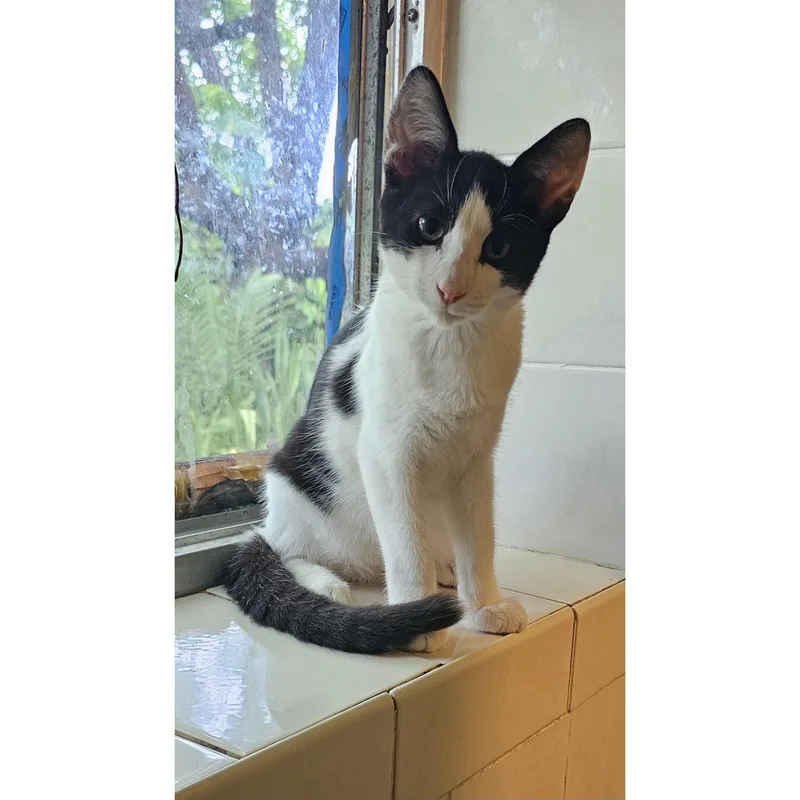
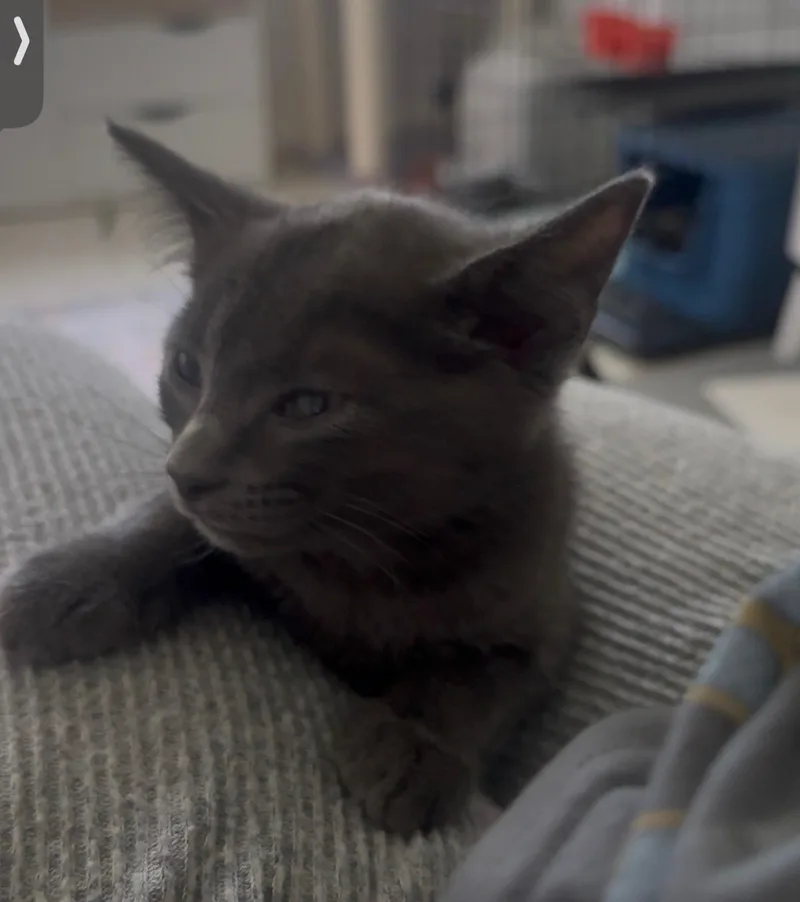
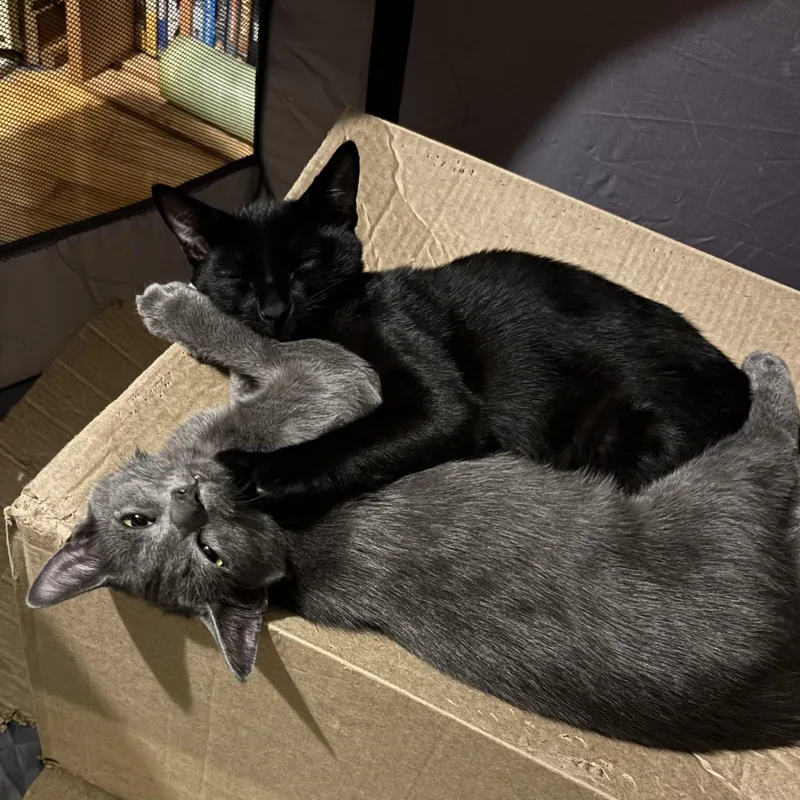
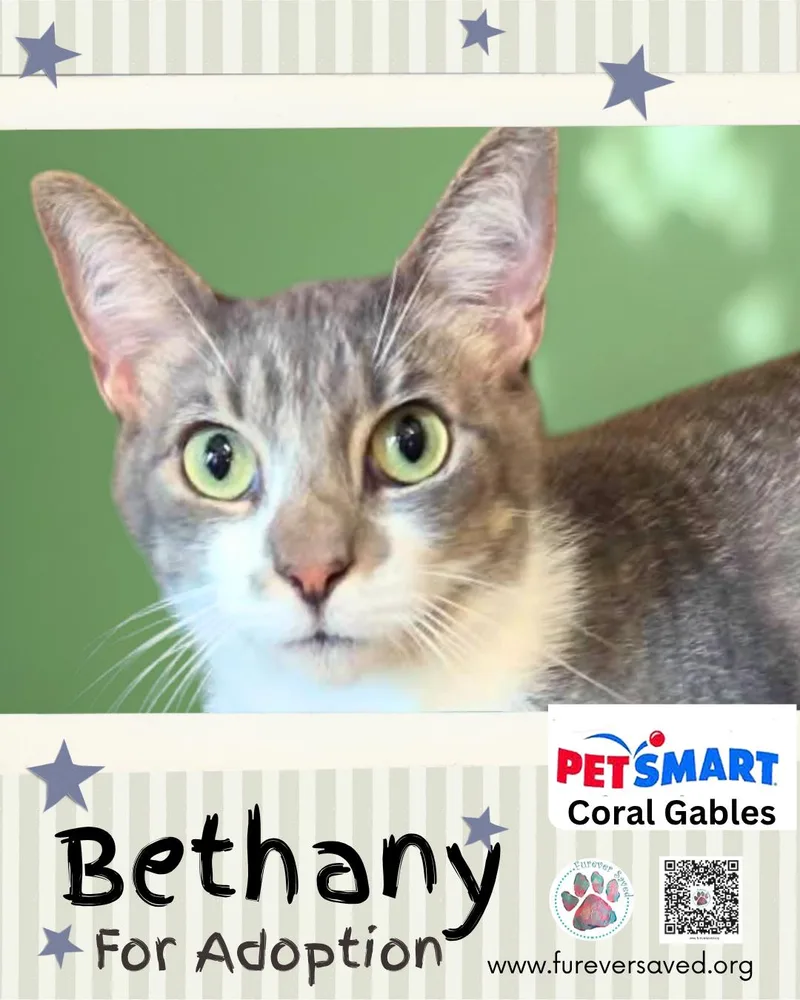
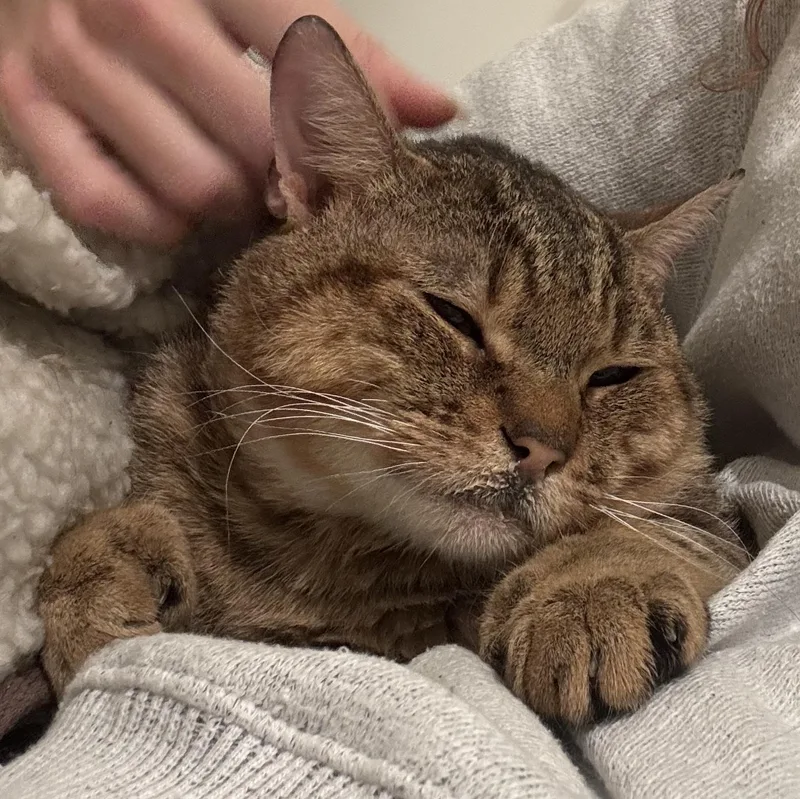
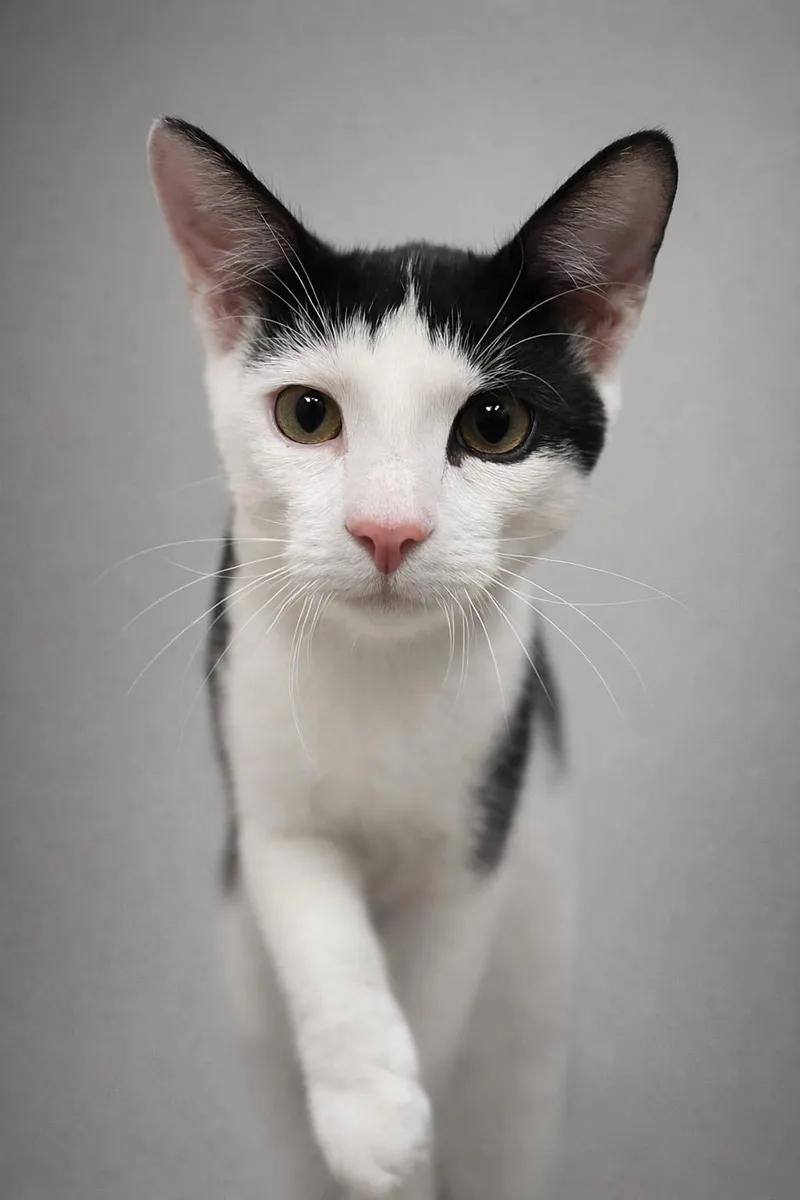
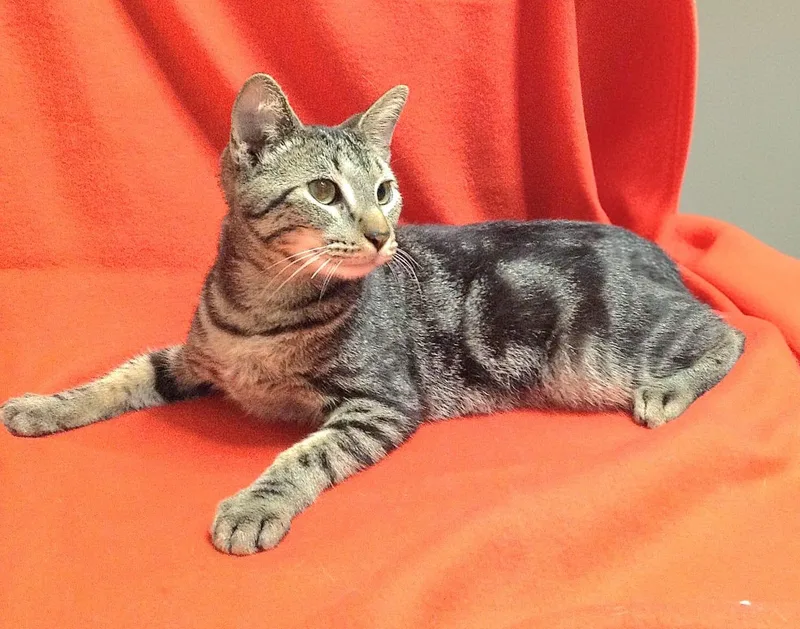
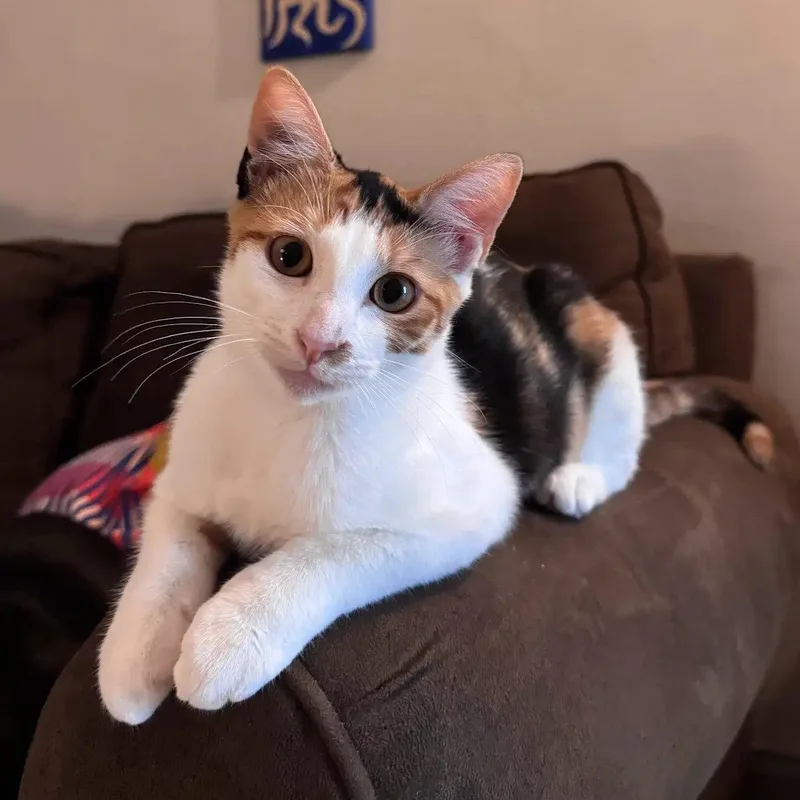
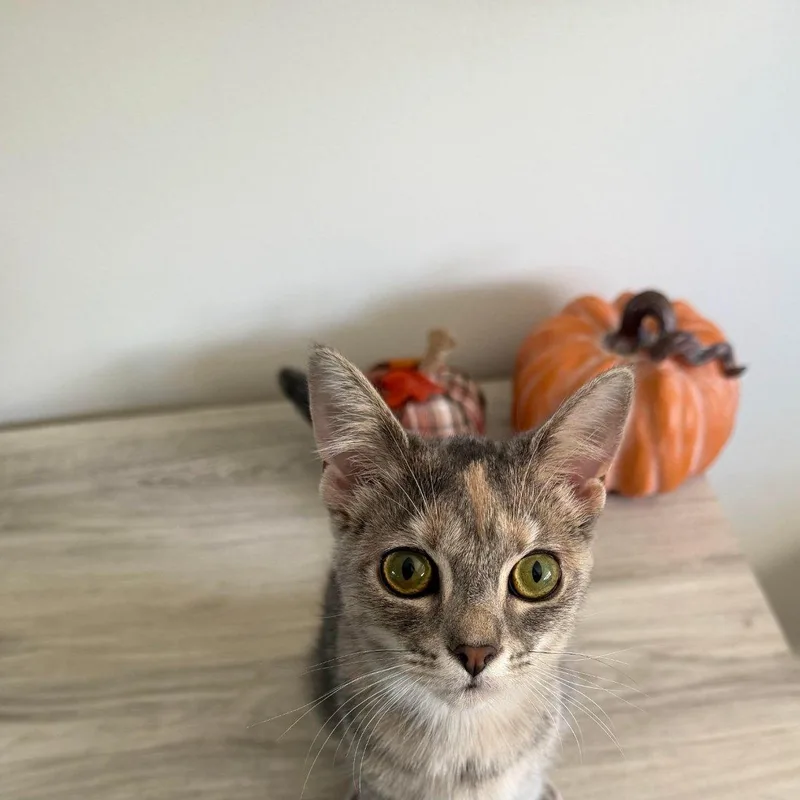
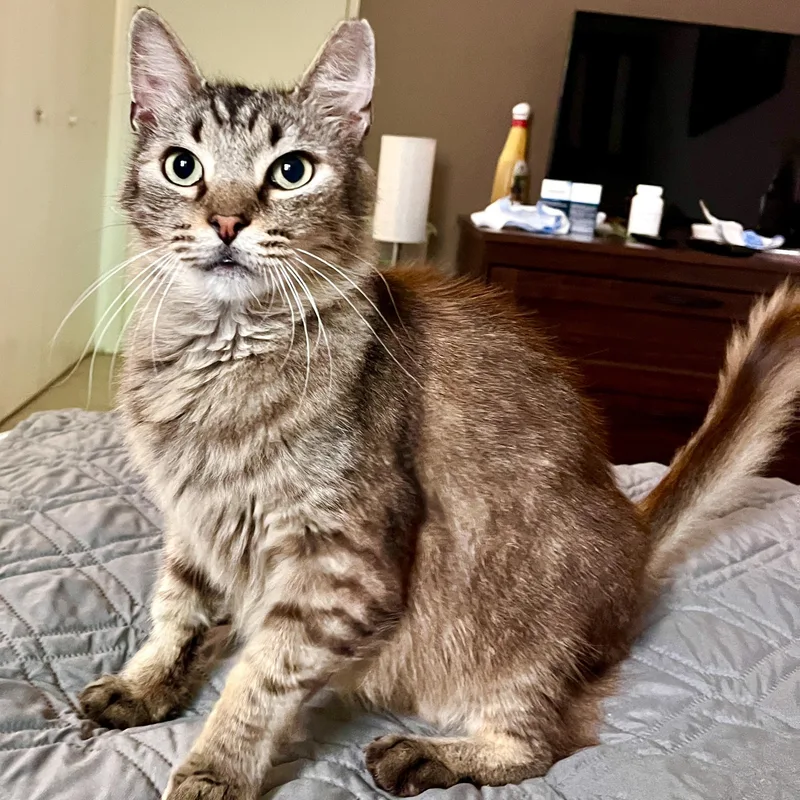
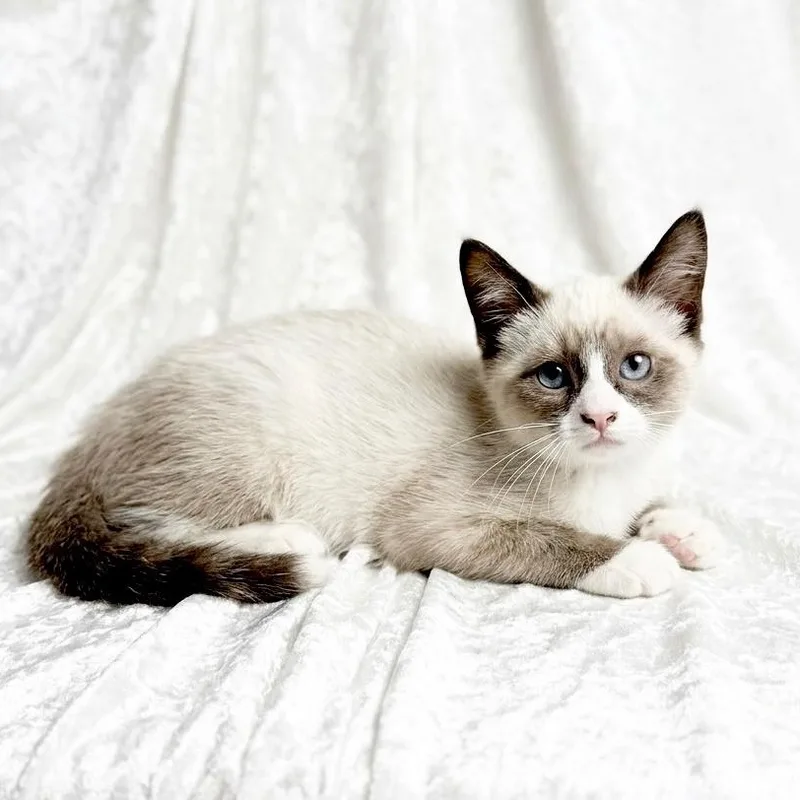
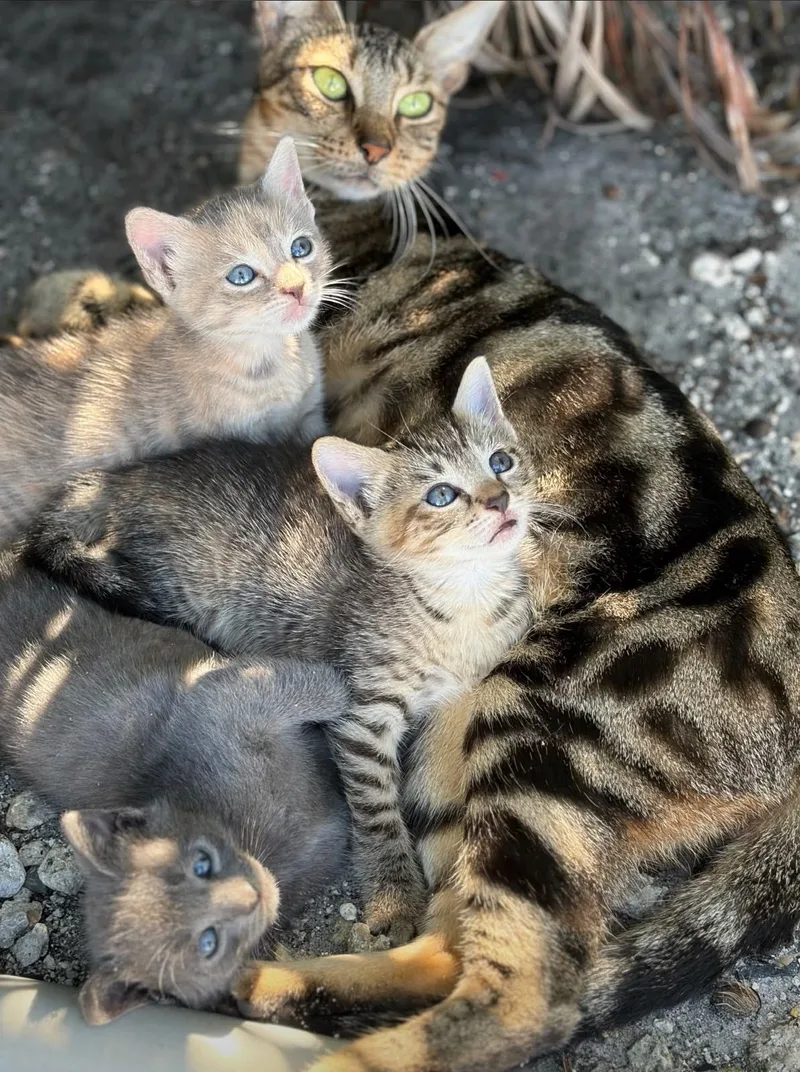
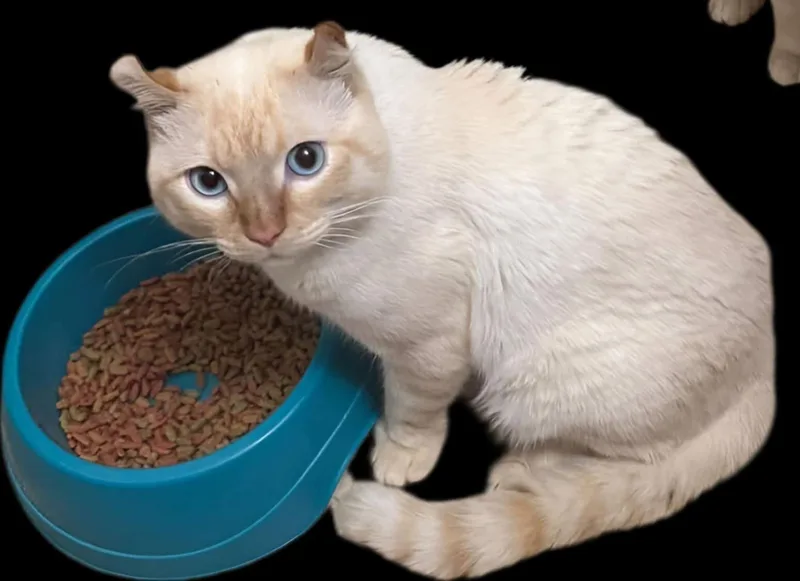
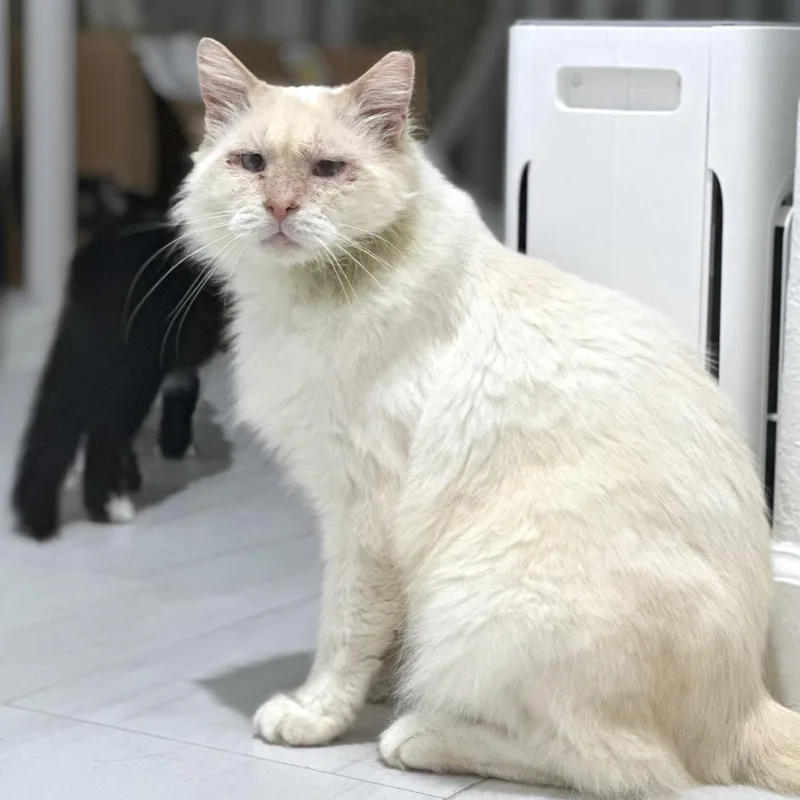
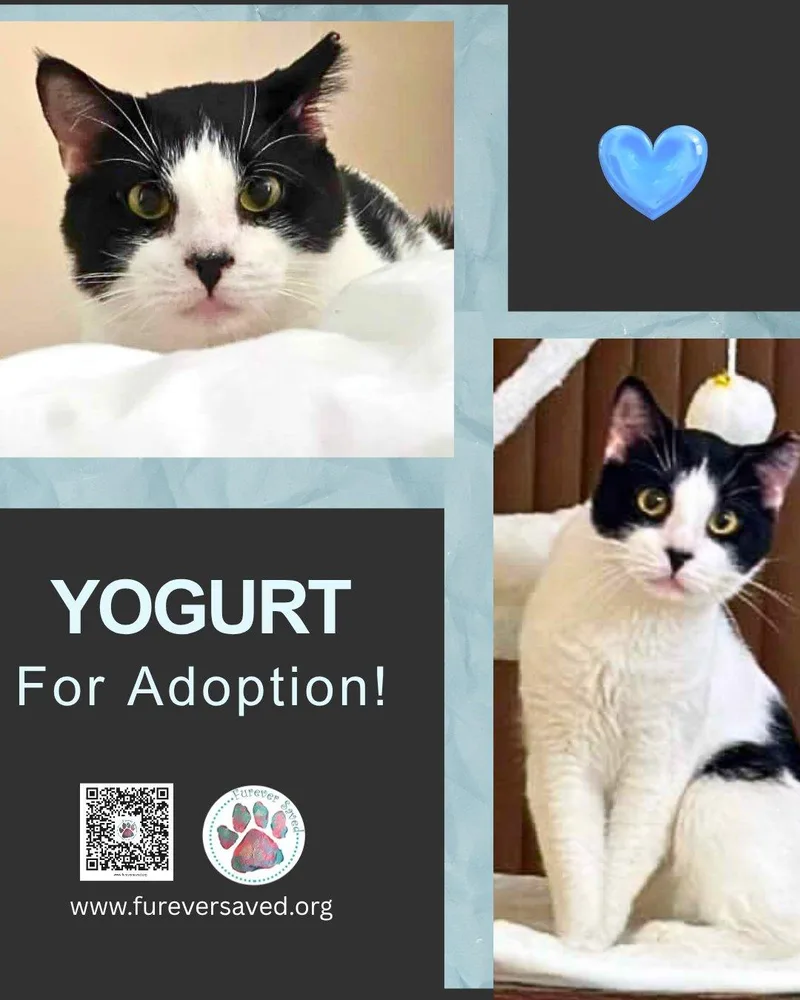
Domestic Short Hair Cats for Adoption in Miami, FL

Your guide to finding and caring for a Domestic Short Hair in Miami

Domestic Short Hairs suit Miami's rental-heavy housing, whether the home is a Flagami duplex or a Brickell high-rise. The name only means a short-coated cat of mixed ancestry, so personalities run from lap-hungry to aloof. Most do well in a one-bedroom with a window perch, a few climbing spots and a daily play session. In Shenandoah or Coral Way, a screened window on a tree-lined street gives a cat hours of entertainment. Meet the cat first, since the coat says little about the personality.

324 Domestic Short Hairs available for adoption in Miami

Find your Domestic Short Hair

Domestic Short Hairs Available for Adoption in Miami

About the Domestic Short Hair breed

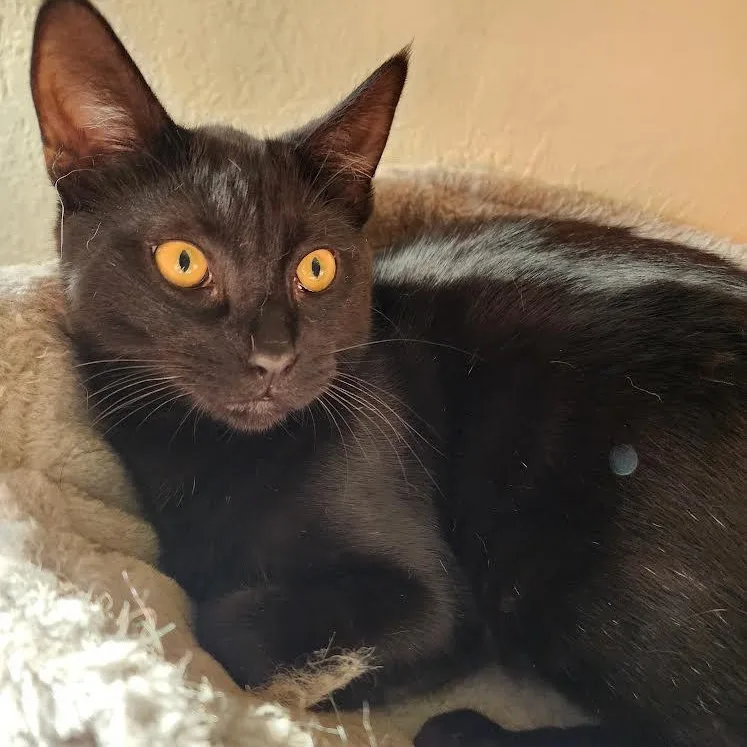
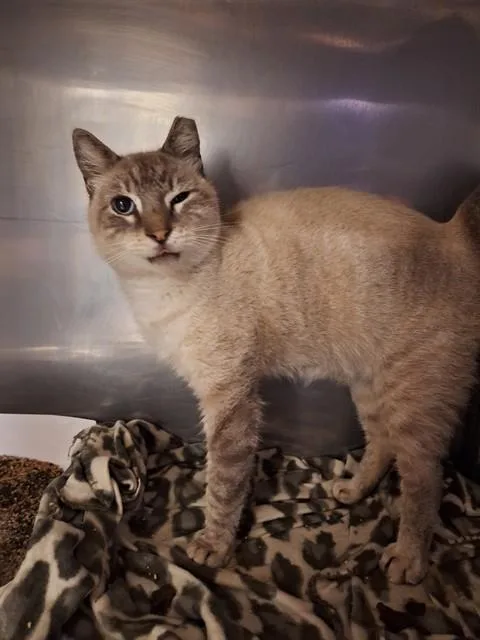
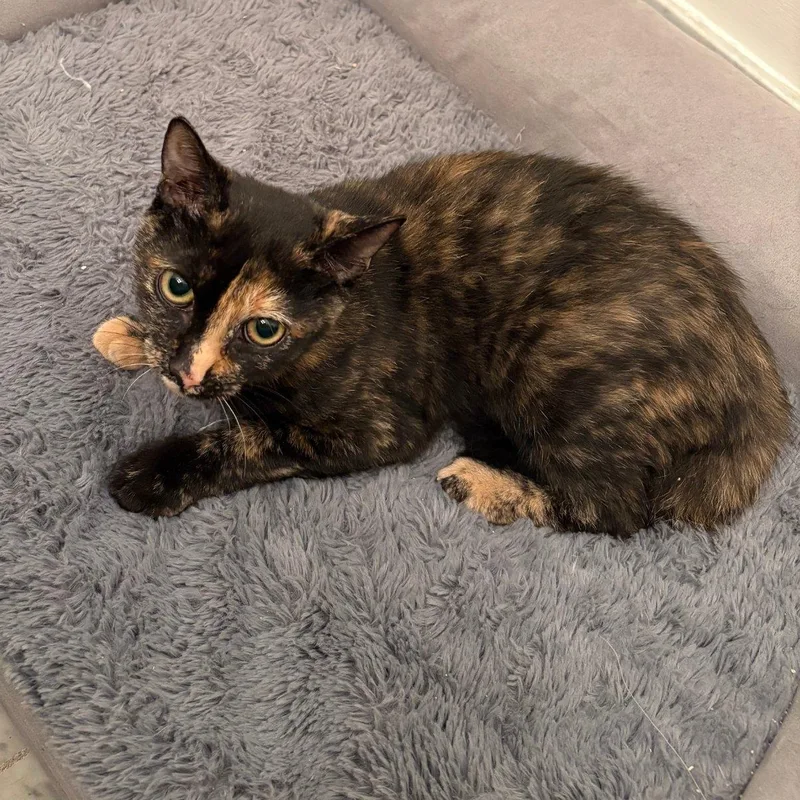
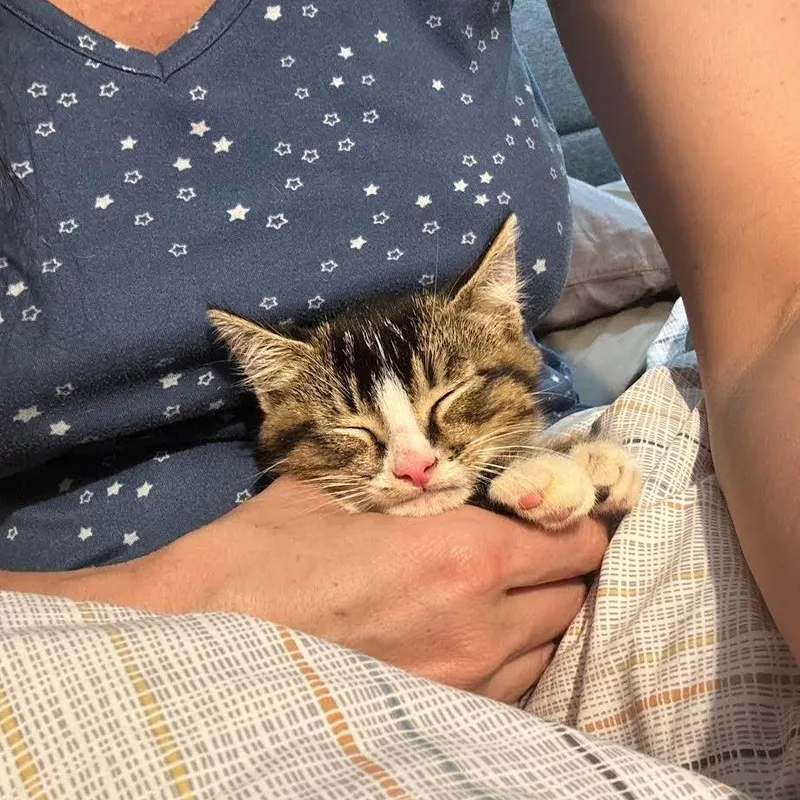
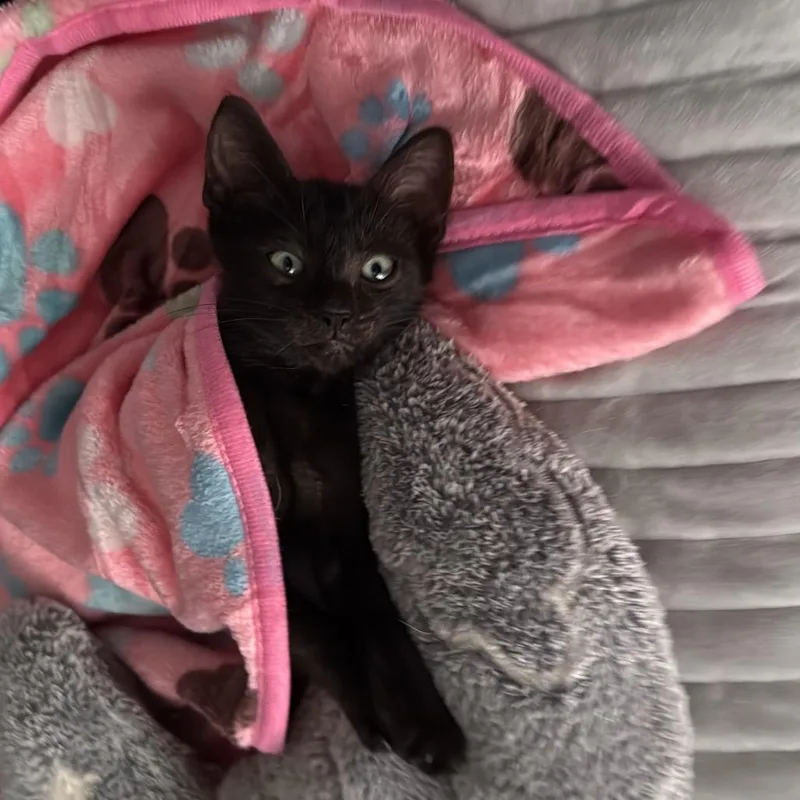
Domestic Short Hair is a type of cat, not a breed: a short-coated cat of mixed or unknown ancestry, often shortened to DSH on adoption records. It's the most common kind of cat in American homes and shelters, and it comes in every color and pattern, from tabby and tuxedo to calico and solid black. Most are medium-sized, sturdy and adaptable.

Because the gene pool is so wide, personality varies more than looks do. Some DSH cats are lap cats, some are talkative, and some prefer to watch from a perch. In Miami, that adaptability helps, since most cats here live indoors in air conditioning. The short coat takes little work, though the humidity makes a weekly brushing session a good habit.

Weight
6–14 lbs
Height
8–10 in
Lifespan
12–18 yrs
Temperament
Adaptable, Curious, Affectionate
Shedding
Moderate

Owning a Domestic Short Hair in Miami

Having a Domestic Short Hair in Miami

A DSH's coat tells you little about its personality, so age, energy and comfort around people matter more. In Miami, the best matches are cats that enjoy indoor play and stay relaxed about a carrier, thunderstorms and the occasional storm-season change in routine.

Temperament

DSH cats range from outgoing lap cats to quiet watchers, and the type offers no guarantee either way. In Miami's busy apartment buildings, a cat that stays calm around hallway noise, neighbors and thunderstorms has an easier time. Kittens tend to be bold and playful, while adults show a settled personality that's easier to read.

Exercise Needs

Plan on daily interactive play with wand toys, chase games and food puzzles. Miami cats mostly live indoors, so vertical space matters. A tall cat tree beside a screened window, or a window perch overlooking the street, gives climbing and watching time. Young cats may need several short bursts a day, while seniors prefer gentler sessions.

Health Considerations

DSH cats face common feline concerns: obesity, dental disease, urinary problems and, later in life, kidney disease, hyperthyroidism and diabetes. Indoor Miami life can mean less activity, so watch weight. Warm, humid weather also keeps fleas active much of the year, so a veterinarian can set up prevention and a wellness exam soon after adoption.

Living Space

Cats of this type usually do well in Miami's apartments and condos. Climbing shelves, scratchers, hiding spots and a clean litter box matter more than square footage. Keep windows and balcony doors screened to prevent falls, especially on high floors, and keep the cat indoors or in a secure enclosure for its own safety and for local wildlife.

What it costs to own a Domestic Short Hair in Miami

ExpenseTypical costPer year
Adoption fee$50 to $795, one time$50 to $795 in year one
Food$25 to $50 per month$300 to $600
Pet insurance$20 to $45 per month$240 to $540
Routine vet care$150 to $350 per year$150 to $350
Other*$450 to $1,150 per year$450 to $1,150
Estimated yearly total (after year one)$1,140 to $2,640
First-year total (with adoption fee)$1,190 to $3,435

Adoption fee is the range of fees on Domestic Short Hair listings in Miami on GetBuddy today. Other costs are estimates and vary with size, age and health.

* Litter, flea and tick prevention, a dental cleaning allowance, toys, scratchers and other supplies, and minimal home grooming.

Adopt a Domestic Short Hair in Miami.

Now that you know more, let’s find you a new best friend. These rescues and shelters below currently have Domestic Short Hairs available.

Frequently Asked Questions

Yes, a Domestic Short Hair can ride Metrobus, Metrorail and Metromover as long as the cat is in a properly enclosed carrier. Miami-Dade Transit requires animals other than service animals to be in a cage, kennel or carrier, and the carrier can't interfere with the bus or train. Pick a sturdy, ventilated carrier and keep the cat inside for the whole trip.

Yes, mostly because they live indoors. A DSH's short coat handles warmth well, but Miami's humid, 90-degree days and muggy nights are hard on any cat outdoors. Keep the air conditioning on, put water in more than one spot and block direct sun at windows. Heat advisories have been frequent in recent summers, so skip outdoor time on hot afternoons.

Yes. Domestic Short Hairs are mixed-ancestry cats, so no breed rules apply to them. The main legal requirement is a rabies vaccination once a cat is 4 months or older, and cat registration is voluntary. If you rent, get written pet permission first, since a lease can restrict pets even when local law doesn't.

Yes, a DSH cat is usually a good apartment companion, since climbing space, scratchers and play matter more than square footage. In a Miami high-rise, keep balcony doors and windows screened or closed, because falls from height are a real risk. Add a window perch and place the litter box away from loud appliances, and you'll cover most needs.

Often, if you're prepared for storm season. DSH cats are adaptable and content indoors, which suits Miami's heat. Hurricane season runs June 1 to November 30, so keep a carrier, a few days of food and litter, and a current microchip registration. Miami-Dade's pet-friendly evacuation centers accept cats from residents of evacuation zones.

Very little. A weekly brush removes loose hair, and most DSH cats never need a professional groom. Miami's year-round warmth means shedding doesn't stop completely, so brush a bit more often if you notice fur around the home. Grooming costs stay minimal and fit within the Other costs of $450 to $1,150 a year.

Domestic shorthair cats typically live about 12 to 18 years, and many indoor cats reach their late teens or early twenties. Large UK veterinary studies have found mixed-breed cats tend to live slightly longer than pedigreed cats on average. Spaying or neutering, indoor living, a healthy weight, dental care and regular checkups all help a cat enjoy a longer life.

No, domestic shorthair cats are not hypoallergenic. The main cat allergen, a protein called Fel d 1, comes from saliva and skin glands, so short fur does not prevent reactions. Allergen levels vary between individual cats, and some people react less to certain cats. Spending time with a specific cat before adopting is the best way to test your response.

We have 14 rescues with Domestic Short Hairs available, including Miami-Dade Animal Services, Love n Light Furever and Furever Saved. You can see every rescue with Domestic Short Hairs available in the list above these questions, or scroll to the top to see the Domestic Short Hairs in Miami.

Expect roughly $1,140 to $2,640 a year for a DSH cat in Miami: food at $25 to $50 a month, insurance at $20 to $45 a month, routine vet care at $150 to $350 a year, and $450 to $1,150 a year in other costs like litter, parasite prevention and dental care.