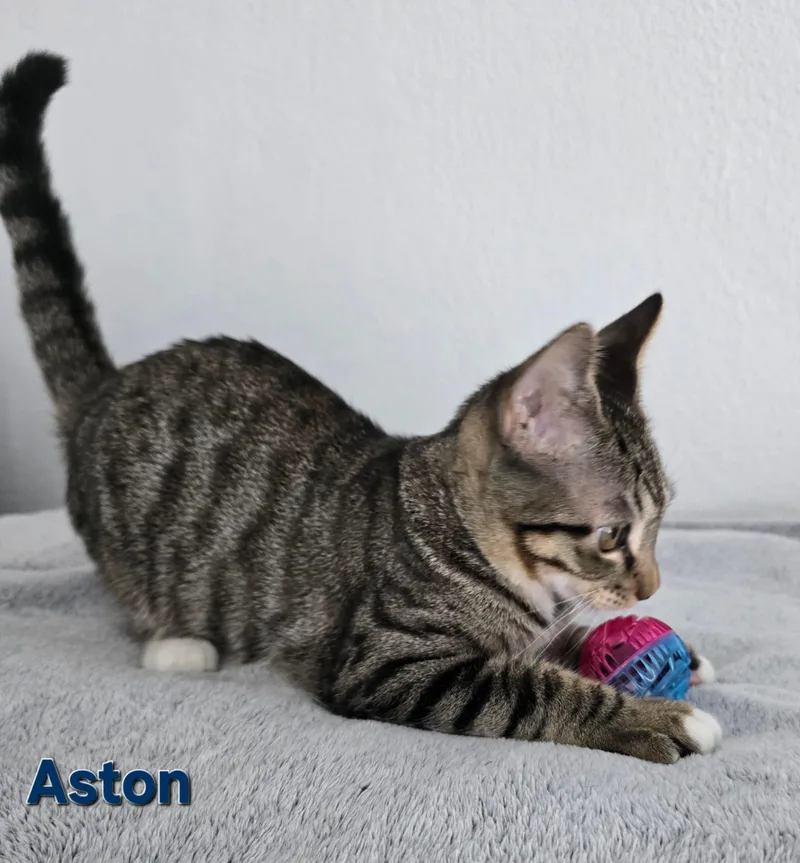
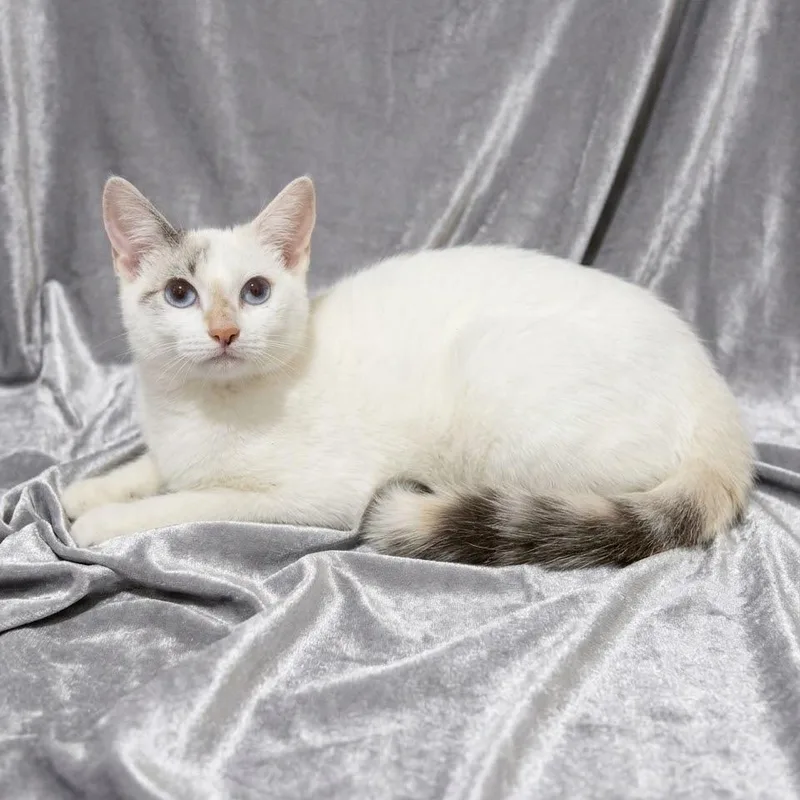
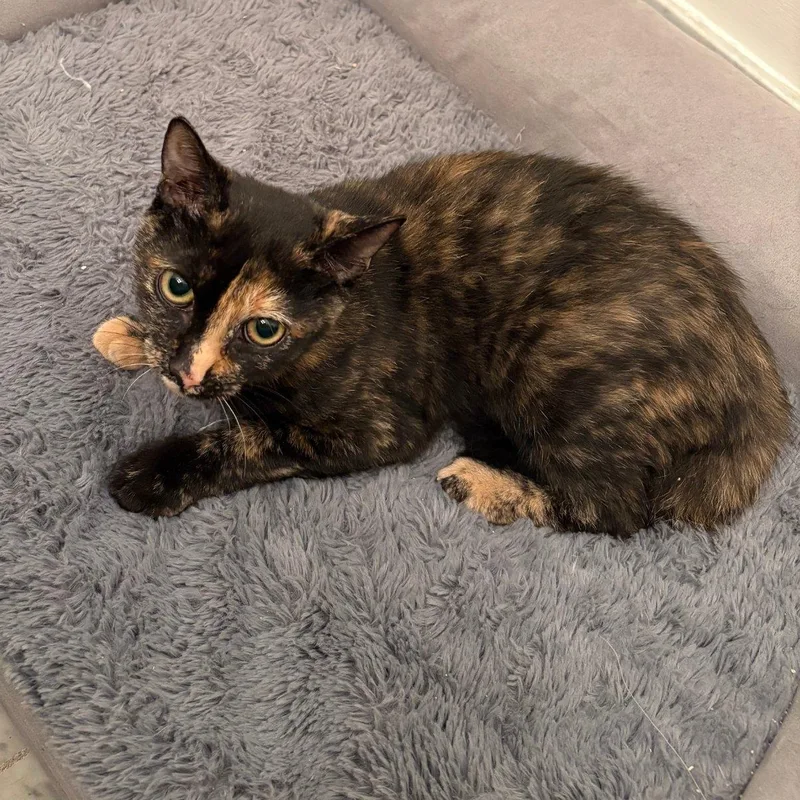
Domestic Long Hair Cats for Adoption in Miami, FL

Your guide to finding and caring for a Domestic Long Hair in Miami

A Domestic Long Hair can settle happily into a Flagami apartment or a Shenandoah bungalow. These fluffy mixed-ancestry cats come in every color and pattern, and most are content with a window perch, a scratching post and a daily play session. Miami's muggy afternoons are the one thing to plan around, since a thick coat holds heat, so a cool corner and regular brushing matter. Expect a cat that sheds on your couch and watches the street from the sill.

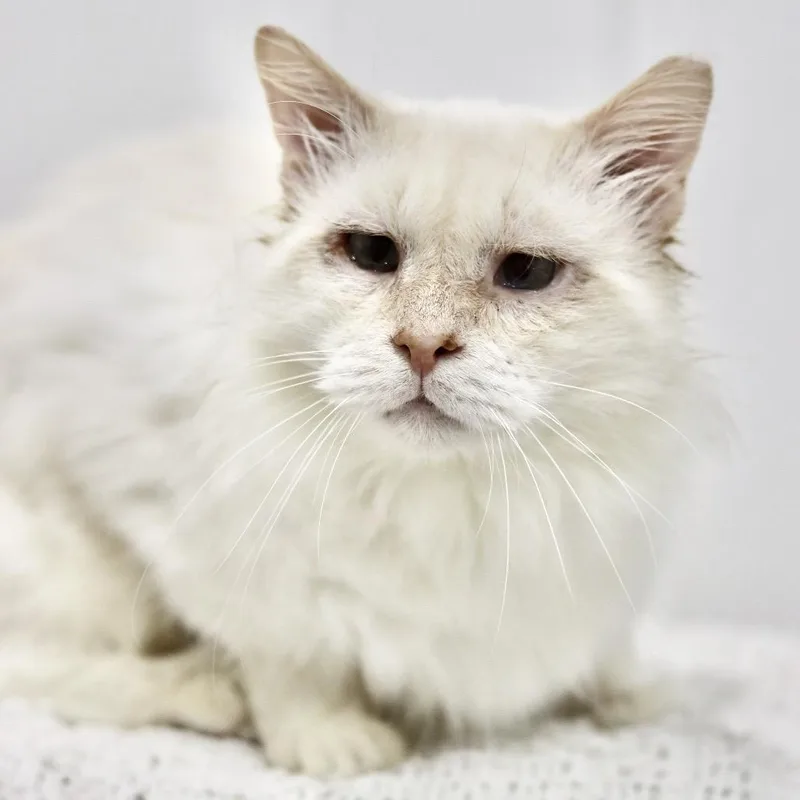
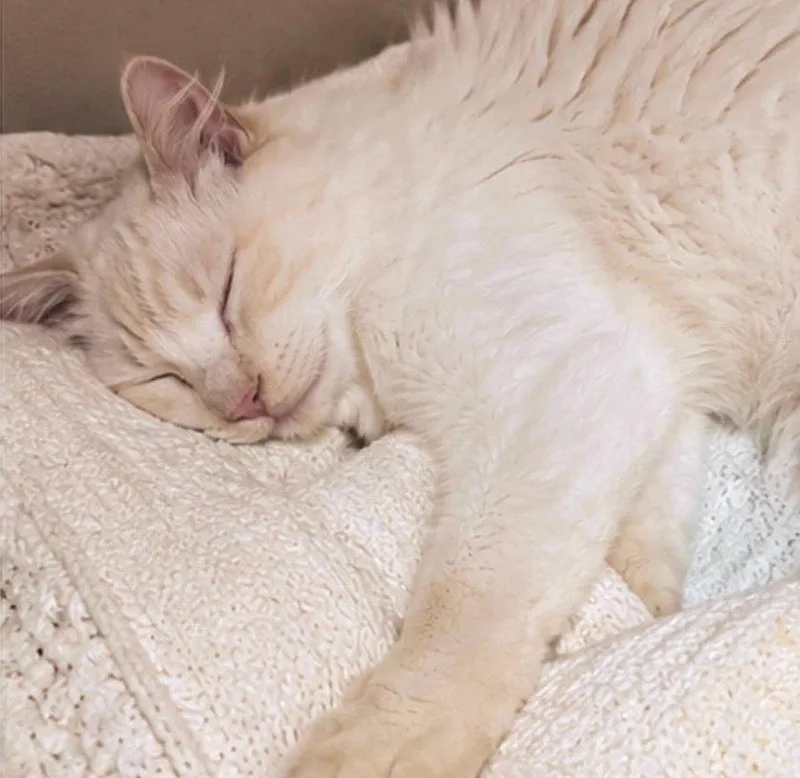
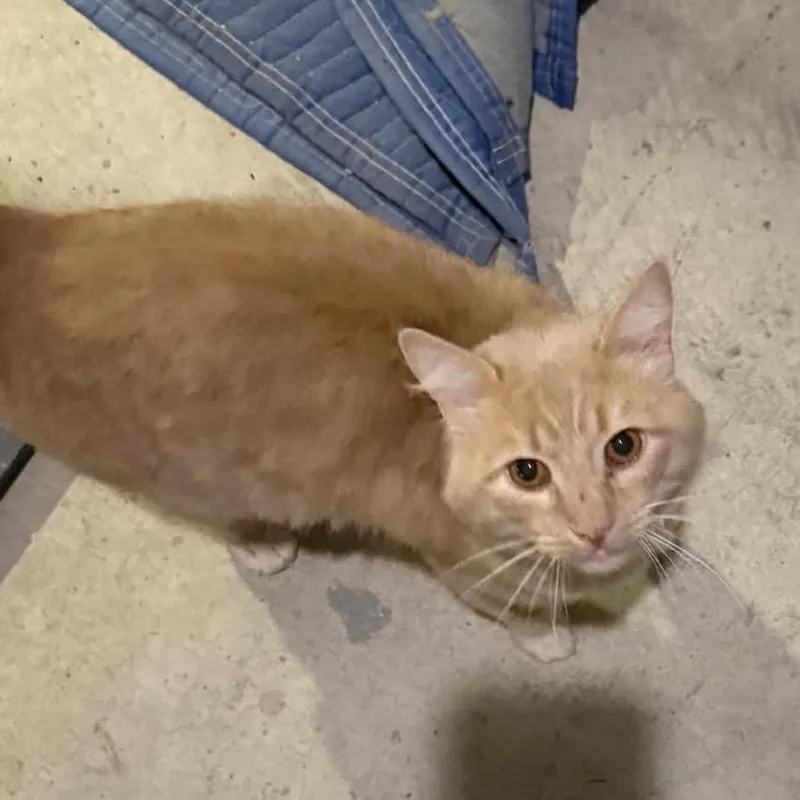
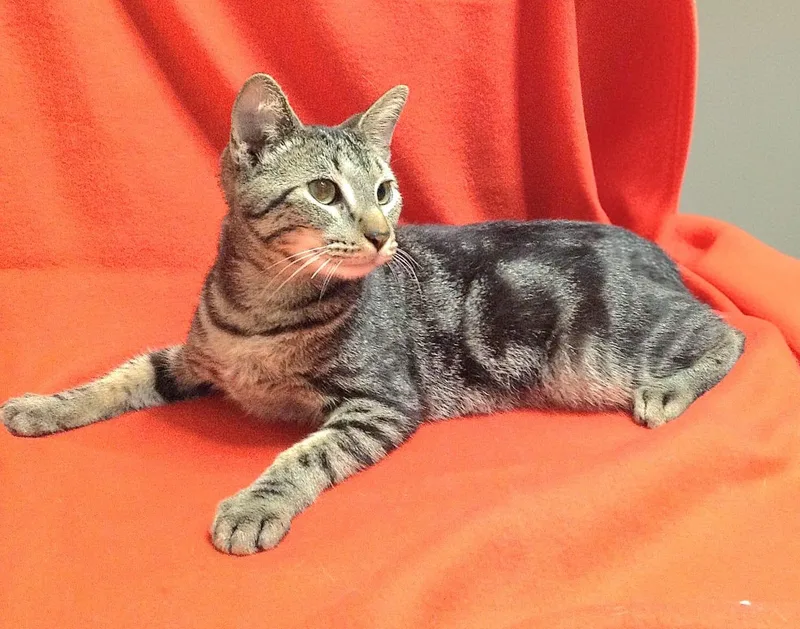
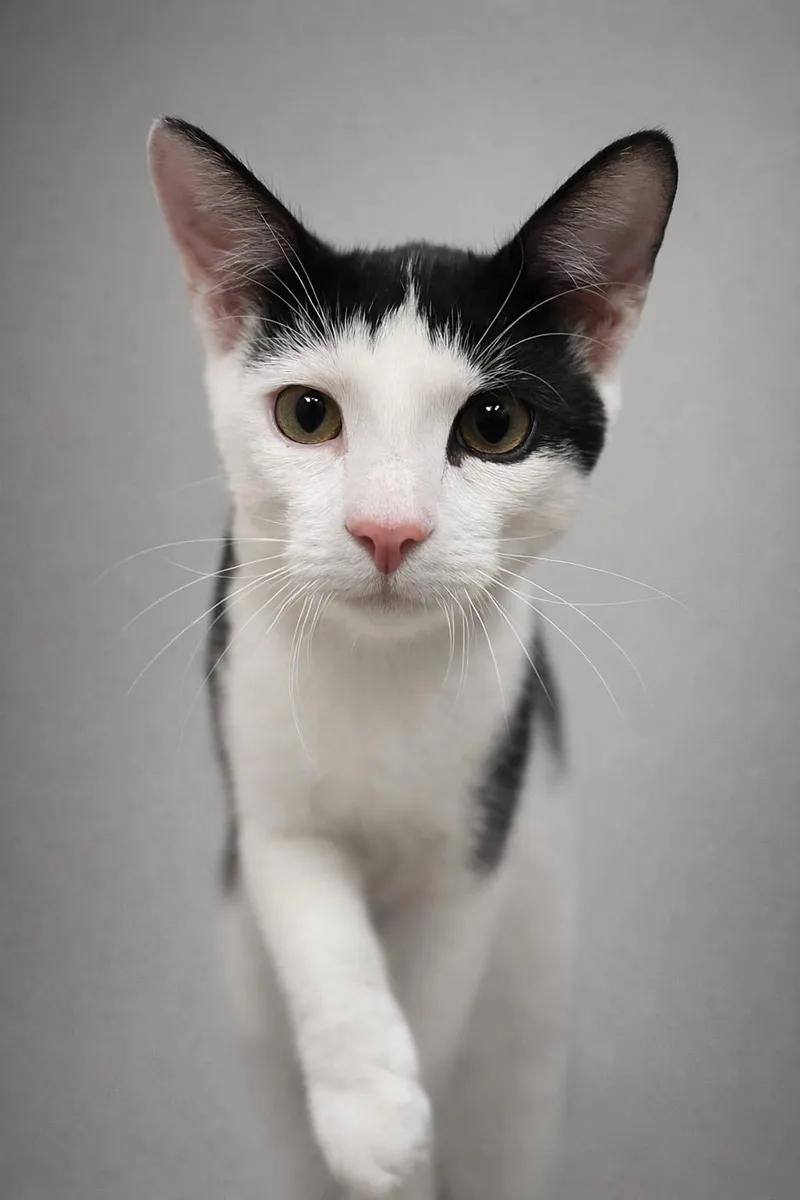
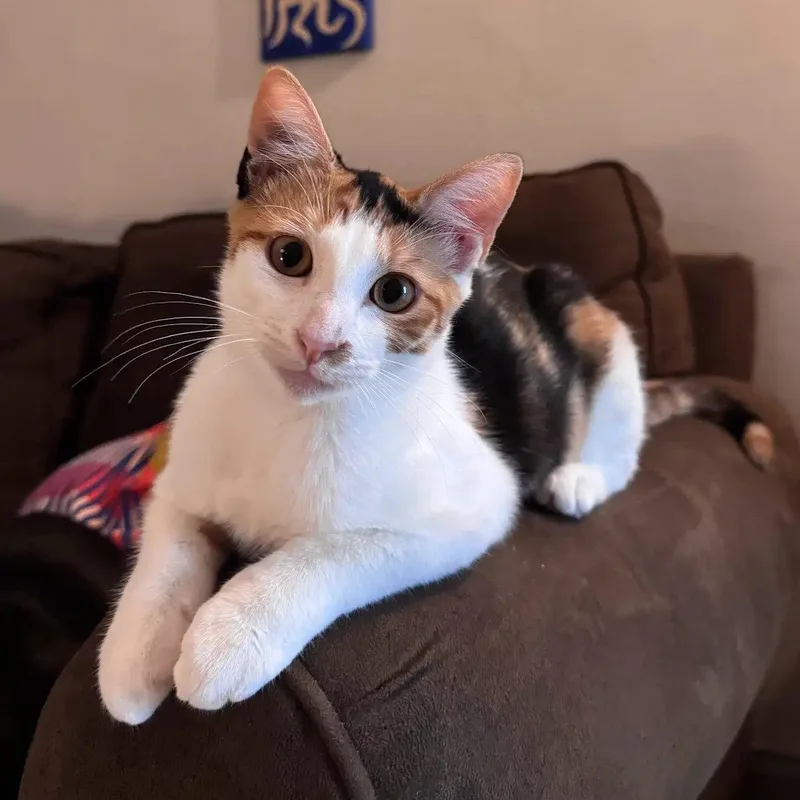
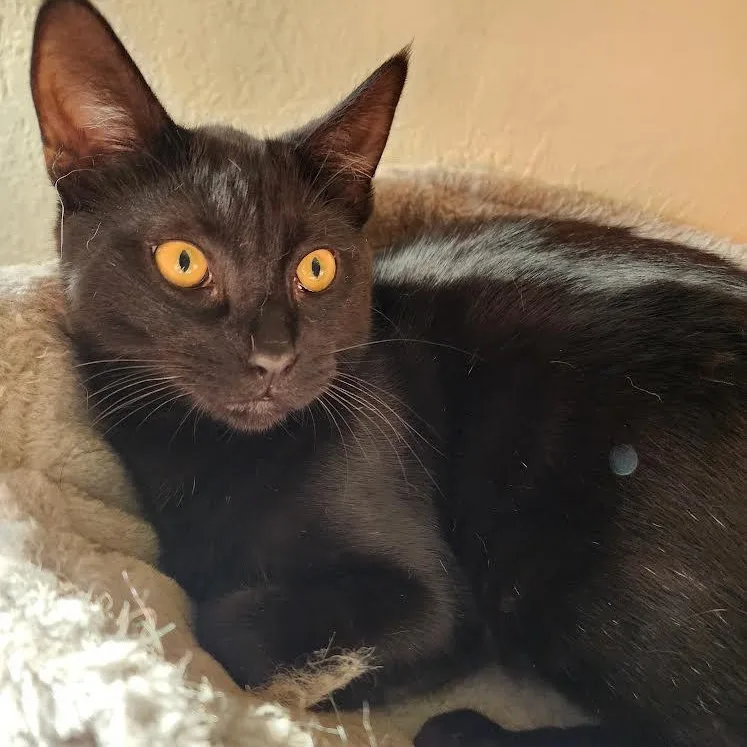
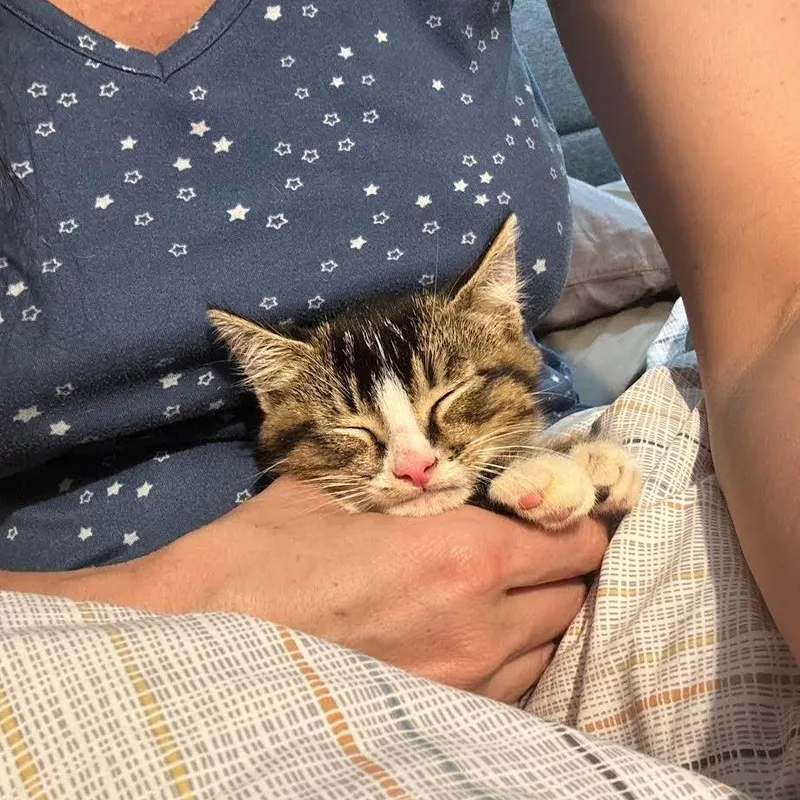
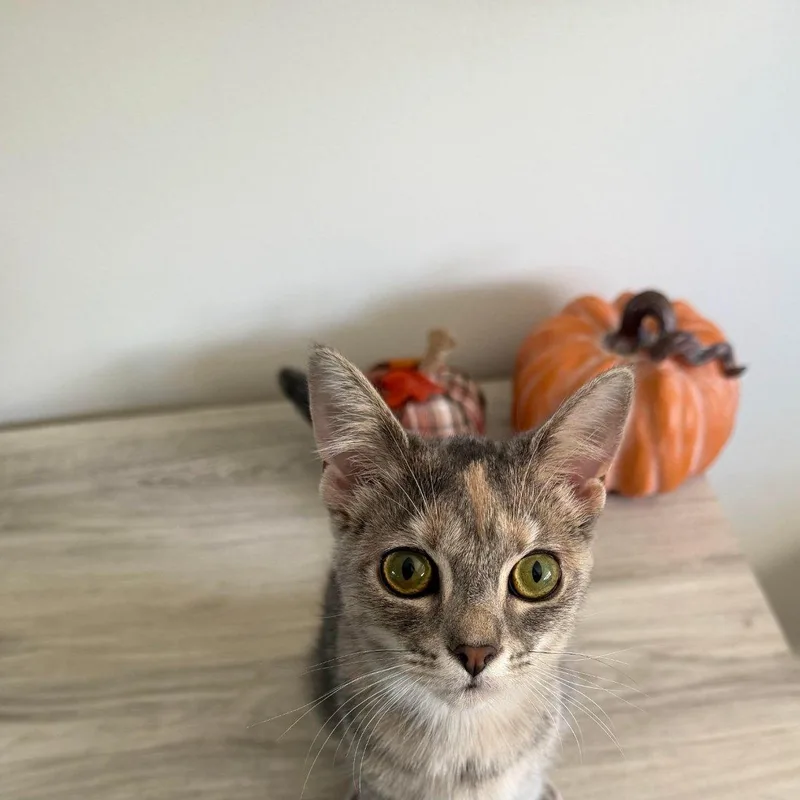
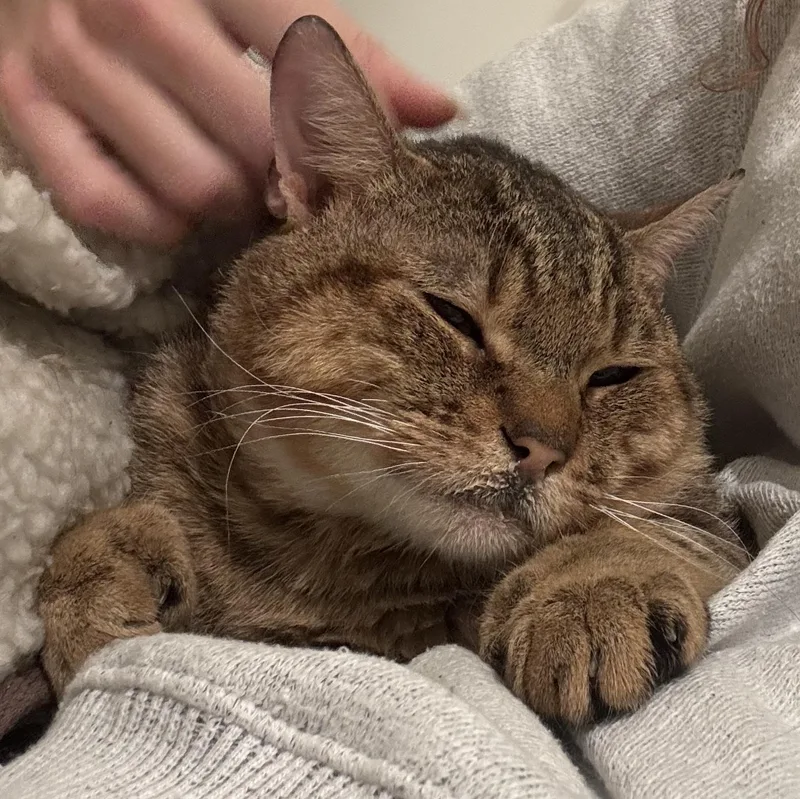
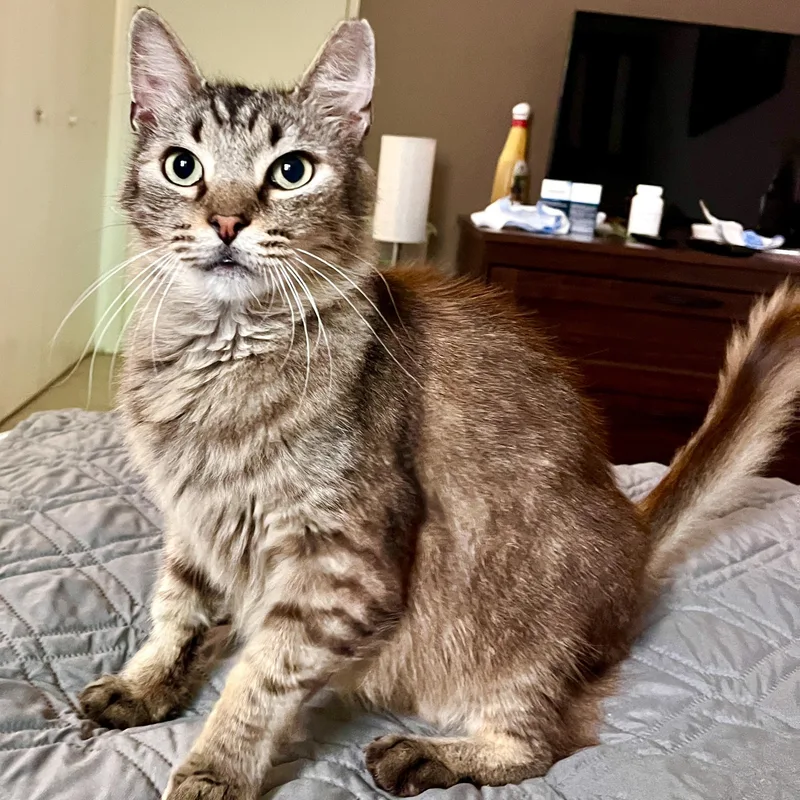
13 Domestic Long Hairs available for adoption in Miami

Your Domestic Long Hair is waiting

Domestic Long Hairs Available for Adoption in Miami

About the Domestic Long Hair breed

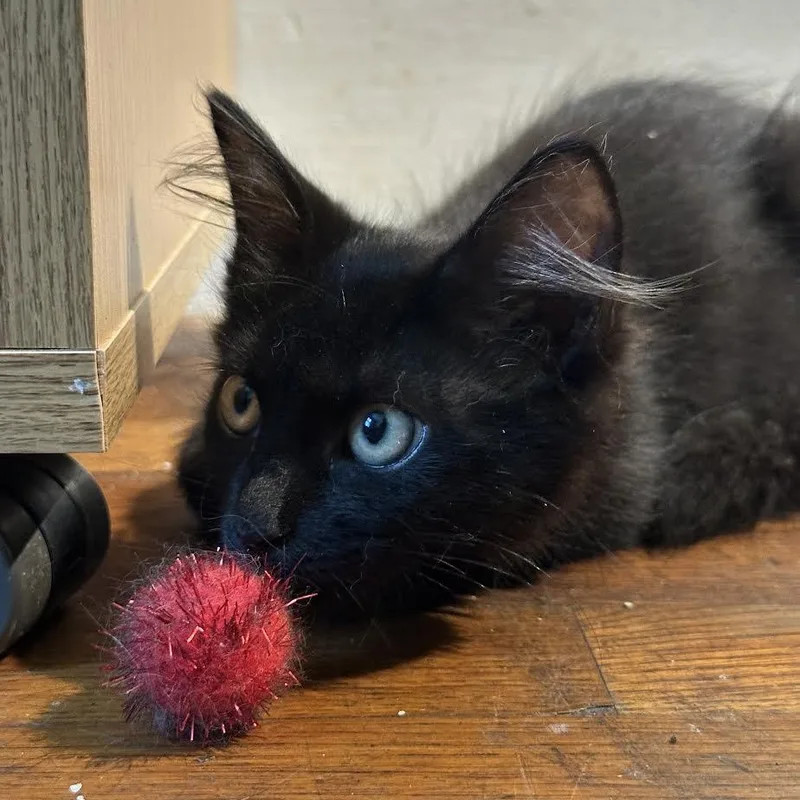
Domestic Long Hair isn't a breed. It's the label used for mixed-ancestry cats with a long coat, so they turn up in every color and pattern, from tabby and calico to smoke and solid black. Some look like a Maine Coon or a Persian without sharing that ancestry. Adults usually weigh 8 to 15 pounds, and the long fur can make them look even bigger.

With no breed standard, personality and coat texture vary from cat to cat. What they share is fur that needs regular brushing to prevent mats and hairballs. In a warm, humid place like Miami, where most cats live indoors, a brush a few times a week keeps the coat comfortable. Meeting the cat in front of you tells you far more than the label does.

Weight
8–15 lbs
Height
8–11 in
Lifespan
12–18 yrs
Temperament
Adaptable, Affectionate, Gentle
Shedding
Moderate to High

Owning a Domestic Long Hair in Miami

Having a Domestic Long Hair in Miami

Domestic Long Hairs share a coat type, not a pedigree, so traits vary widely. In Miami, the practical points are grooming long fur in a humid climate, keeping an indoor cat active in an apartment, and helping a thick-coated cat stay cool.

Temperament

Personality comes from each cat's genes, early socialization and life experience rather than a breed profile. Many Domestic Long Hairs are affectionate and adaptable, which helps in Miami's apartments and condos, though some are shy and take time to warm up. Spend time with a cat before deciding.

Exercise Needs

Most enjoy a couple of short play sessions a day with wand toys, balls or puzzle feeders. Indoor play suits Miami well, since afternoons are hot and humid. A window perch overlooking the street or a tall cat tree adds enrichment, and staying active helps long-haired cats keep up with their own grooming.

Health Considerations

Mixed ancestry means these cats aren't tied to the inherited problems of particular breeds. Mats, hairballs and soiled fur are the main coat issues, especially in older or overweight cats. Dental disease, obesity and kidney disease are common in cats generally, and a veterinarian can check all of these at a first visit.

Living Space

A Domestic Long Hair does well in a Miami apartment or a house with litter boxes, scratching posts, hiding spots and climbing space. Keeping the cat indoors protects the coat from burrs and the cat from traffic. A grooming routine matters more than square footage, and a cool resting spot helps in summer.

What it costs to own a Domestic Long Hair in Miami

ExpenseTypical costPer year
Food$25 to $50 per month$300 to $600
Pet insurance$20 to $45 per month$240 to $540
Routine vet care$150 to $350 per year$150 to $350
Other*$500 to $1,250 per year$500 to $1,250
Estimated yearly total (after year one)$1,190 to $2,740

Other costs are estimates and vary with size, age and health.

* Litter, flea prevention, a dental cleaning allowance, toys, scratchers and other supplies, and regular brushing for the long coat.

Adopt a Domestic Long Hair in Miami.

Now that you know more, let’s find you a new best friend. These rescues and shelters below currently have Domestic Long Hairs available.

Frequently Asked Questions

Yes, a Domestic Long Hair can live happily in a Miami apartment. Cats need vertical space more than floor space, so a tall cat tree, a window perch and a few hiding spots go a long way. Keep the unit cool and the coat brushed, and keep the cat indoors, where it's safer from traffic and heat.

Yes, with air conditioning and a little planning. Miami summers run near 90°F inland with warm, humid nights, which is hard on a thick coat. Keep the home cool, offer fresh water in several spots, brush out loose fur often, and give the cat tile or shaded floor to stretch out on. Indoor living is safest.

Plan on brushing a Domestic Long Hair a few times a week, and daily during heavy shedding or for cats with dense fur. Work through the armpits, belly and hindquarters, where mats form first. A brush and comb fit within the other costs listed on this page, while professional grooming or mat removal adds to them.

Yes, if the cat is in a closed carrier. Miami-Dade Transit requires pets to ride in a properly enclosed container on Metrobus, Metrorail and Metromover, and the carrier can't interfere with the bus or train. Service animals are the exception. Choose a sturdy, well-ventilated carrier, and avoid riding during the hottest part of the afternoon.

Yes, adopting one is straightforward. Domestic Long Hair is a coat type rather than a breed, so you're choosing a cat, not a pedigree. Miami-Dade requires rabies vaccination for cats four months and older. If you rent, get your landlord's permission in writing, and keep microchip and ID details current for hurricane season.

You can usually tell a kitten will have long hair by about three to four weeks old, when its fur looks noticeably fluffier than its littermates'. Look for longer tufts on the ears, between the toes and on the tail, plus a softer, fuller coat overall. The full adult coat, ruff and tail plume can take one to two years to develop.

Yes, long hair is a recessive trait in cats. A kitten needs two copies of a long-hair variant, usually in the FGF5 gene, one from each parent, to grow a long coat. Two shorthaired parents can produce longhaired kittens if both carry the variant, while a longhair bred to a cat with two short-hair copies produces only shorthaired kittens.

Domestic Long Hair cats commonly live about 12 to 18 years, and many indoor cats reach their late teens or beyond. Mixed-breed cats have broad genetic diversity, and UK veterinary research found non-pedigree cats lived longer than purebreds on average. Indoor living, a healthy weight, dental care and regular checkups make the biggest difference.

We have 4 rescues with Domestic Long Hairs available, including Miami-Dade Animal Services, Kitty Puppy Alliance and Animal Lovers Rescue LLC. You can see every rescue with Domestic Long Hairs available in the list above these questions, or scroll to the top to see the Domestic Long Hairs in Miami.

Plan on roughly $1,200 to $2,750 a year for a Domestic Long Hair in Miami. That adds up food at $25 to $50 a month, insurance at $20 to $45 a month, routine vet care at $150 to $350 a year, and other costs of $500 to $1,250 a year, including litter.