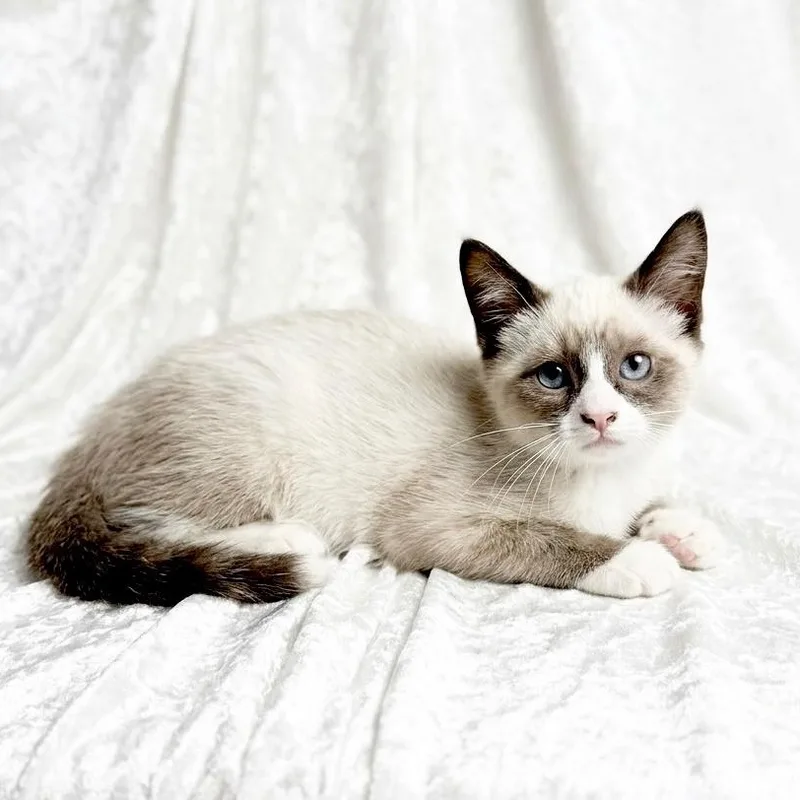
Dilute Calico Cats for Adoption in Miami, FL

Your guide to finding and caring for a Dilute Calico in Miami

A dilute calico suits a quiet apartment in Shenandoah or along Coral Way. The soft blue-gray and cream patches are a coat pattern, not a breed, so these cats come in every temperament and size. Most are happiest as indoor cats with a window perch, which works well in a city where so many people rent. Miami's afternoon heat is easy to manage when the air conditioning is on and a sunny sill is the main entertainment.

253 Dilute Calicos available in Miami and nationwide

Say hello to your Dilute Calico

While we don't have enough cats near Miami, keep in mind that many rescues may offer transport.

Dilute Calicos Available for Adoption Near Miami

About the Dilute Calico breed

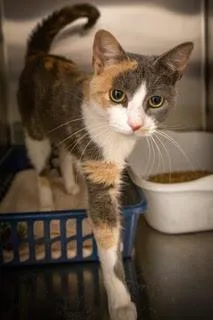
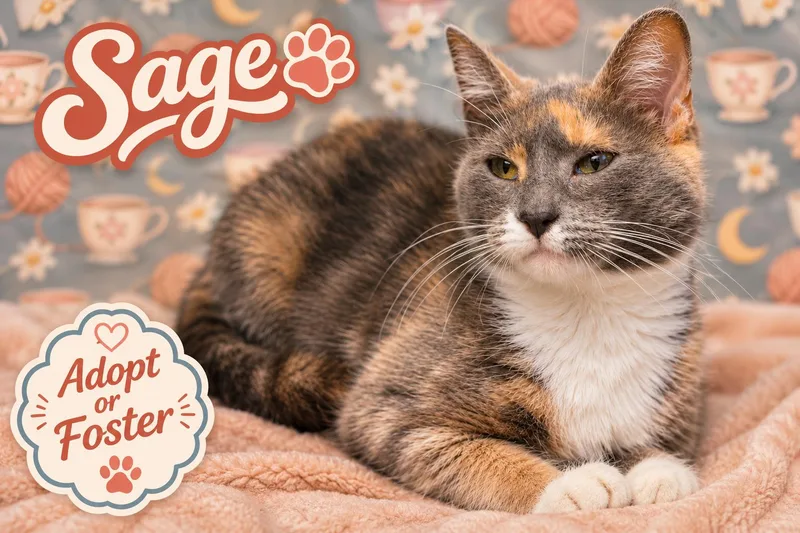
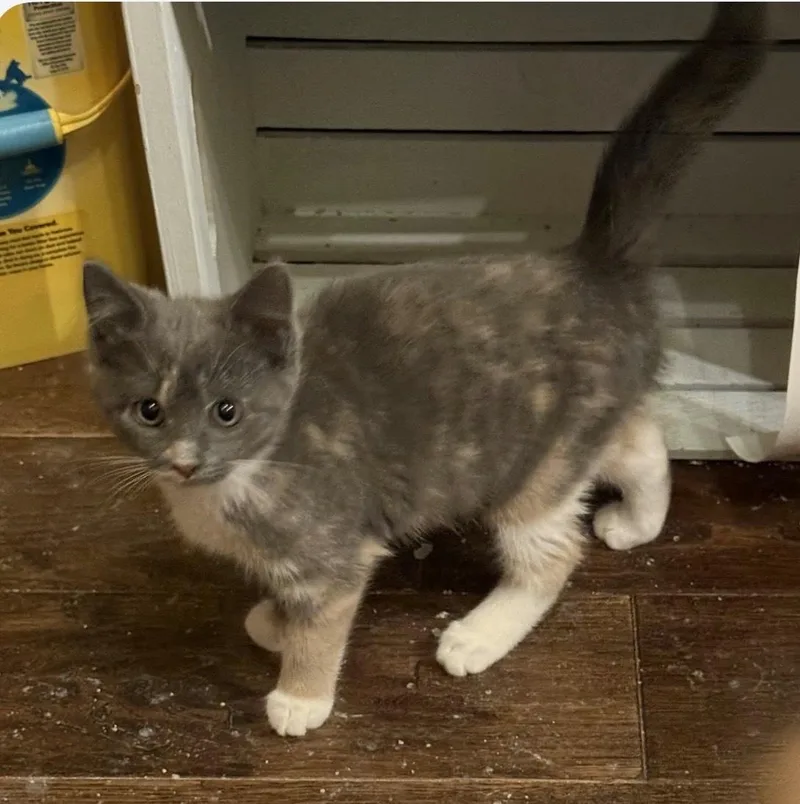
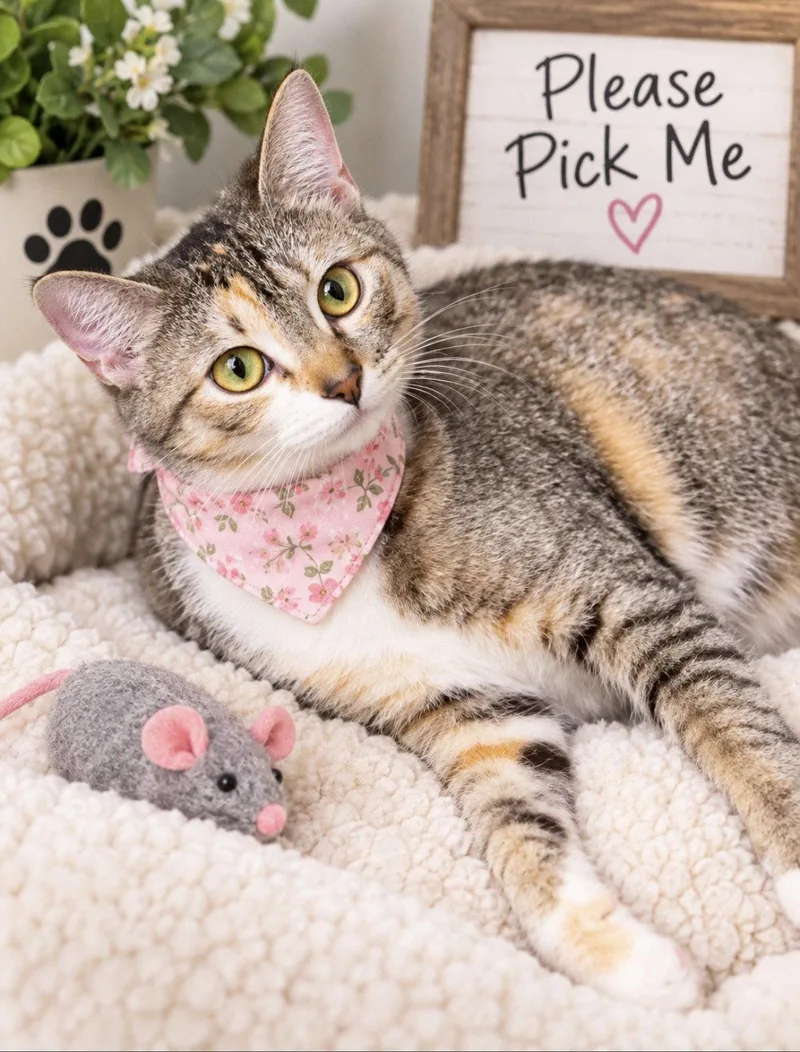
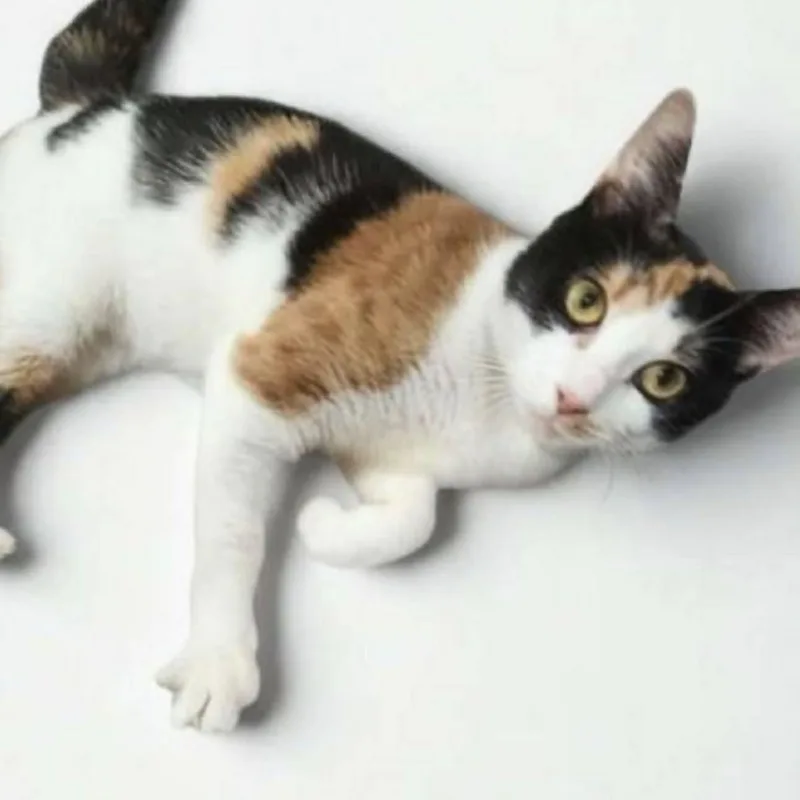
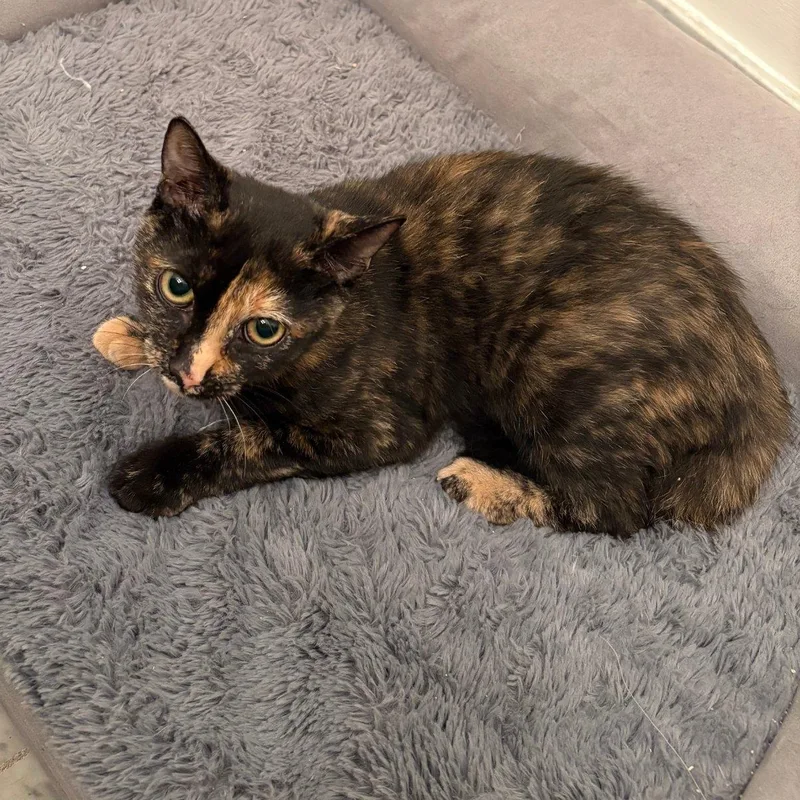
Dilute calico describes a coat, not a breed. Two copies of a recessive dilution gene soften black into blue-gray and orange into cream, set against patches of white that can range from a little on the paws to most of the body. Nearly all dilute calicos are female, since the orange gene sits on the X chromosome, and the rare males usually have an extra X chromosome.

Most are domestic shorthairs or longhairs, typically weighing 6 to 14 pounds and living 12 to 18 years. Personality comes from age, upbringing and ancestry rather than color, so some are affectionate, some curious and some independent. In Miami, that mostly means an indoor cat suited to apartment life, with attention to cooling, hurricane-season planning and a good carrier.

Weight
6–14 lbs
Height
8–10 in
Lifespan
12–18 yrs
Temperament
Affectionate, Curious, Independent
Shedding
Moderate

Owning a Dilute Calico in Miami

Having a Dilute Calico in Miami

Dilute calicos are medium-sized cats with moderate shedding and a wide range of personalities. In Miami, the practical points are indoor enrichment, staying cool through long humid summers, and a sturdy carrier for vet visits and storm season.

Temperament

Coat color doesn't set personality, so dilute calicos run from lap-seeking to reserved. Many are affectionate and curious, with an independent streak. In a busy Miami apartment building, a confident cat may enjoy the activity outside the window, while a shy one will want a quiet room and a few hiding spots.

Exercise Needs

Plan on daily play with wand toys, balls and puzzle feeders. Kittens and young adults want more, seniors less. Because Miami cats live mostly indoors, vertical space and window perches matter. Short play sessions in the cooler morning or evening work well, and a screened balcony can add safe outdoor sights and smells.

Health Considerations

The pattern itself causes no health problems in female cats, while the rare males often have an extra X chromosome and may face other issues. Routine vet care, dental checks and weight control matter most. In Miami's warm climate, ask a veterinarian about year-round flea prevention, and keep rabies vaccination current.

Living Space

Dilute calicos adapt well to apartments and condos, which suits Miami's many high-rises and low-rise buildings. Offer a scratching post, a climbing perch and a quiet hideaway. Long-haired cats need room for regular brushing. Keep windows and balcony doors secured, since cats can slip out when doors open during storm preparations.

What it costs to own a Dilute Calico in Miami

ExpenseTypical costPer year
Food$25 to $50 per month$300 to $600
Pet insurance$20 to $45 per month$240 to $540
Routine vet care$150 to $350 per year$150 to $350
Other*$450 to $1,150 per year$450 to $1,150
Estimated yearly total (after year one)$1,140 to $2,640

Other costs are estimates and vary with size, age and health.

* Litter, flea prevention, a dental cleaning allowance, toys and supplies, and home grooming.

Adopt a Dilute Calico in Miami.

Now that you know more, let’s find you a new best friend. These rescues and shelters below currently have Dilute Calicos available.

Frequently Asked Questions

Yes, most Dilute Calicos do well in Miami apartments and condos. Look for a unit with window light and room for a cat tree and a litter box away from food. Get landlord permission in writing, since Florida doesn't cap deposits and pet fees depend on the lease. Keep balcony doors and screens secure.

Yes, indoor Dilute Calicos do well in Miami as long as they stay cool. Heat and humidity are the challenge, with highs near 90°F inland and warm nights through summer, so run the air conditioning, offer fresh water and avoid sunny windows at midday. Winters are mild and never freeze, so cold isn't a concern.

Yes, if the cat travels in a properly enclosed carrier. Miami-Dade Transit requires pets on Metrobus, Metrorail and Metromover to be in a closed cage, kennel or carrier that doesn't interfere with the vehicle. Miami has no subway, so choose a sturdy, ventilated carrier your cat can settle in comfortably.

It can be, for adopters who keep the cat indoors, run the air conditioning through summer and plan for hurricane season. Coat color doesn't predict personality, so spend time with the cat to see whether it's calm or lively. Keep a carrier, supplies and current ID ready for storms.

Most need only weekly brushing, with short-haired cats needing less and long-haired cats benefiting from a few sessions a week. Brushing cuts down on hairballs and fur on furniture, and Miami's year-round warmth means shedding doesn't stop. Home grooming is counted within the Other costs, so a professional groomer is rarely necessary.

Almost all calico cats are female. The genes for orange and black coat color sit on the X chromosome, and a cat needs two X chromosomes to show both colors at once. Females have two X chromosomes; males normally have one. Rare male calicos usually carry an extra X chromosome and are estimated at roughly 1 in 3,000 calicos.

A calico cat is a cat with a three-color coat of white plus patches of black-based and orange-based color. Calico is a color pattern, not a breed, and it appears in domestic cats and many purebred breeds. Dilute calicos show blue-gray and cream instead of black and orange. Nearly all calicos are female.

Yes, calico cats can be male, but it is very rare. Most male calicos have an extra X chromosome, written XXY, which lets them carry both orange and black color genes. A few are chimeras, formed when two embryos fuse. Male calicos are almost always sterile and may have additional health concerns.

We have 2 rescues with Dilute Calicos available: Love n Light Furever and Project Saving Paws. You can see every rescue with Dilute Calicos available in the list above these questions, or scroll to the top to see the Dilute Calicos near Miami.

Plan on roughly $1,140 to $2,640 a year for a dilute calico in Miami, or about $95 to $220 a month. That covers food at $25 to $50 a month, insurance at $20 to $45 a month, routine vet care at $150 to $350 a year, and other costs at $450 to $1,150 a year.