Abyssinian cat

Abyssinian Cats for Adoption in Miami, FL

Your guide to finding and caring for an Abyssinian in Miami

An Abyssinian can do well in a Miami high-rise, since these cats climb rather than roam. A window perch in an Edgewater condo overlooking Biscayne Bay gives an Aby hours of boat-watching, and a tall cat tree covers the rest of the daily climbing. They're busy, sociable cats, so they're happiest with someone home a lot or a second cat for company. Add a wand toy for the evenings and a few shelves near the ceiling.

173 Abyssinians available in Miami and nationwide

Find your forever Abyssinian

While we don't have enough cats near Miami, keep in mind that many rescues may offer transport.

Abyssinians Available for Adoption Near Miami

About the Abyssinian breed

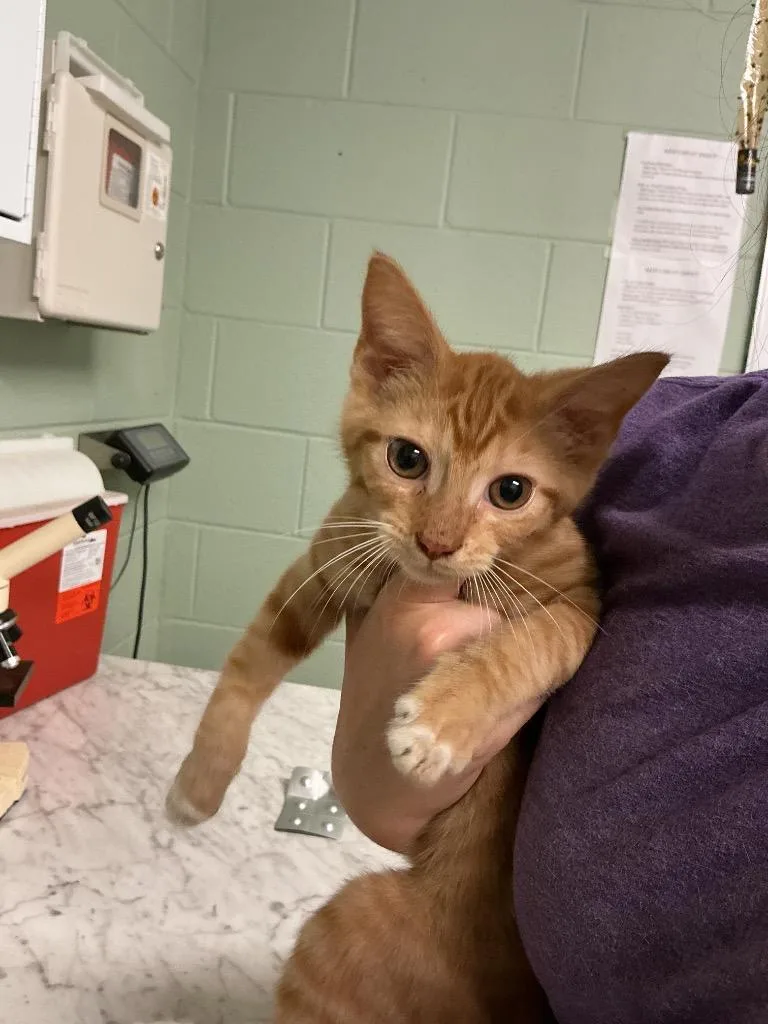
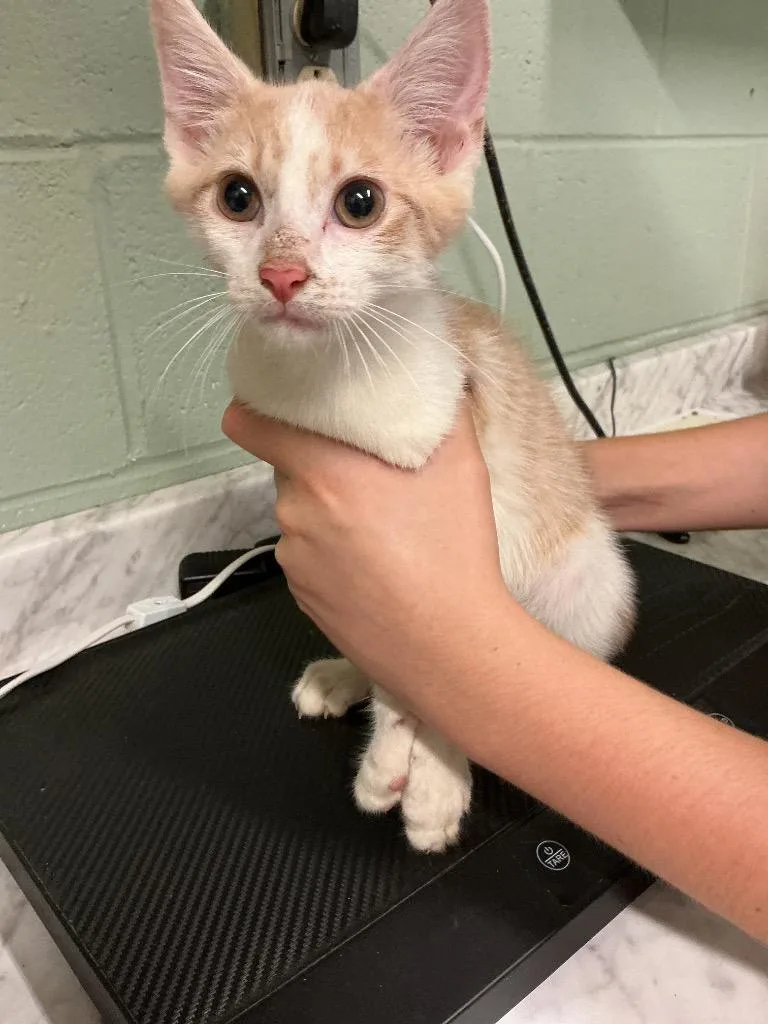
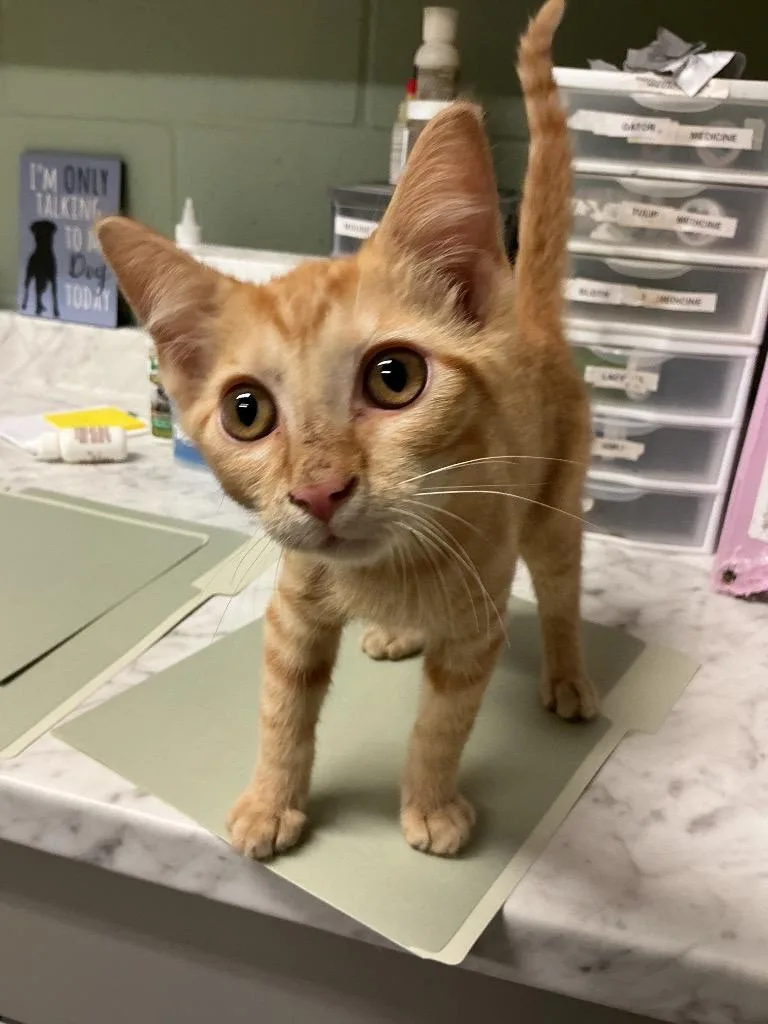
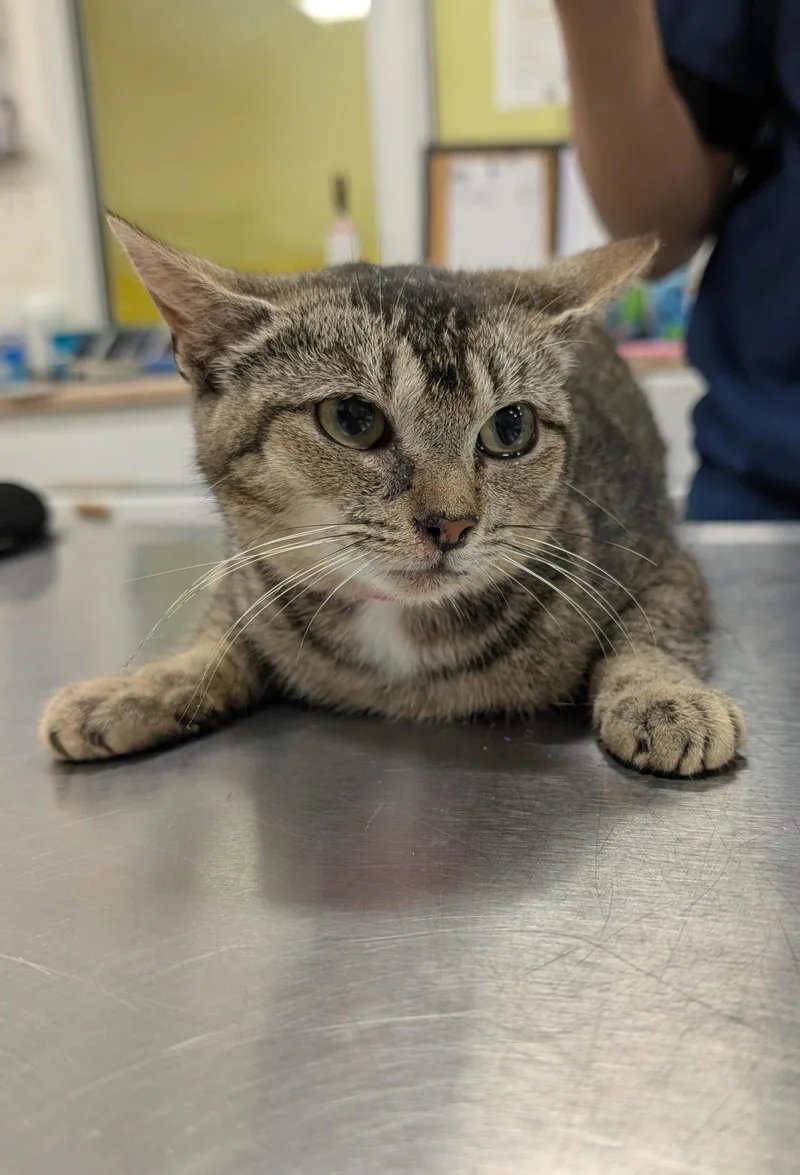
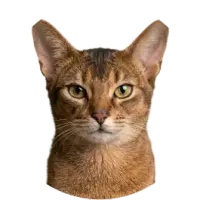
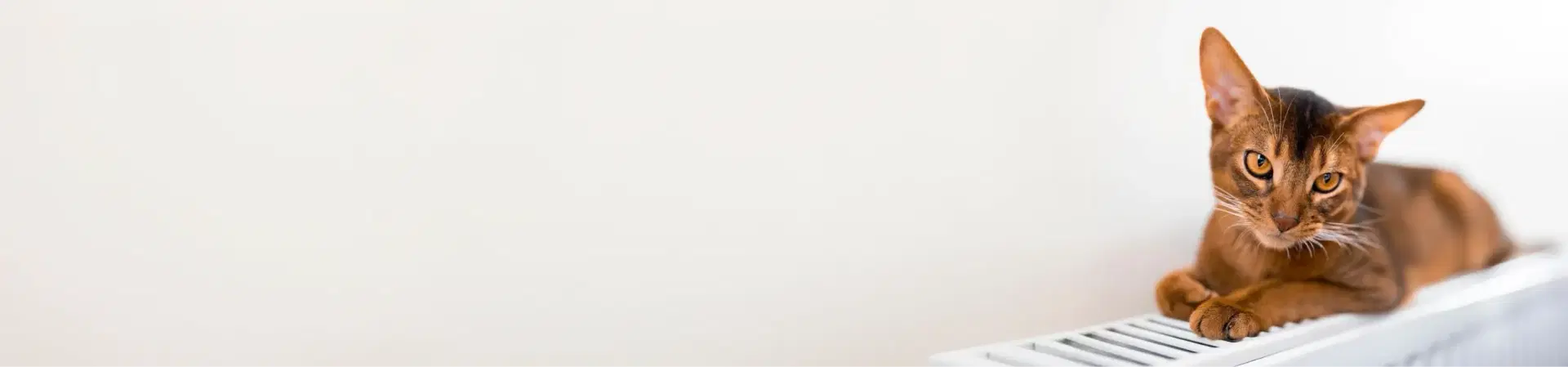
The Abyssinian is a slender, medium-sized cat with a short, silky coat in which each hair carries several bands of color, creating a warm ticked look. Large cupped ears and almond eyes give it an alert, wildcat-like expression. The name points to Abyssinia, now Ethiopia, but genetic research suggests the breed's roots lie along the Indian Ocean coast and in Southeast Asia, and the breed was developed in Britain. Adults typically weigh 6 to 12 pounds.

Abys are curious, athletic and people-focused, though many prefer playing beside you to settling on a lap. In Miami, that energy usually gets spent indoors, on climbing, puzzle feeders and interactive play. Their short coat needs little grooming, but the breed carries some inherited conditions worth knowing about, and a veterinarian can advise on screening and dental care.

Weight
6–12 lbs
Height
8–10 in
Lifespan
9–15 yrs
Temperament
Active, Curious, Playful, Social
Shedding
Low to Moderate

Owning an Abyssinian in Miami

Having an Abyssinian in Miami

In Miami, an Abyssinian's biggest needs are things you can build into an apartment or house: vertical space, daily play and company. Its short coat is easy care, while inherited health conditions and hot, humid summers deserve some planning.

Temperament

Abyssinians tend to be inquisitive, social and always up to something, often shadowing their people from room to room. Many are affectionate without being lap cats, and some are reserved with visitors at first. In a busy Miami condo, a second cat or a person who works from home can help. Personalities vary from cat to cat.

Exercise Needs

Plan on daily interactive play with wand toys, fetch games and puzzle feeders, plus tall cat trees for climbing. In Miami, most of this happens indoors, where air conditioning keeps summer afternoons comfortable. A harness and a secure catio can add outdoor time, but keep sessions short in the heat and humidity.

Health Considerations

Abyssinians can inherit pyruvate kinase deficiency and progressive retinal atrophy, and kidney amyloidosis, kneecap luxation and gum disease also appear in the breed. DNA tests exist for some of these conditions. A veterinarian can check teeth, kidneys and eyes at routine visits. Year-round flea prevention makes sense in Miami's warm climate.

Living Space

An Abyssinian adapts to a Miami apartment or a house as long as it has vertical space. Cat trees, window perches and wall shelves matter more than square footage. Keep it indoors or in a secure catio, since these curious cats will investigate an open balcony door or a loose screen.

What it costs to own an Abyssinian in Miami

ExpenseTypical costPer year
Food$25 to $50 per month$300 to $600
Pet insurance$30 to $60 per month$360 to $720
Routine vet care$150 to $350 per year$150 to $350
Other*$450 to $1,150 per year$450 to $1,150
Estimated yearly total (after year one)$1,260 to $2,820

Other costs are estimates and vary with size, age and health.

* Year-round flea prevention, a dental cleaning allowance, litter, toys, scratchers and cat trees, and occasional brushing for a short coat.

Abyssinian cat

Adopt an Abyssinian in Miami.

Now that you know more, let’s find you a new best friend. These rescues and shelters below currently have Abyssinians available.

Frequently Asked Questions

Yes, an Abyssinian can live happily in a Miami apartment if it has plenty to climb and play with. Tall cat trees, window perches and wall shelves matter more than square footage, and a bay view makes a great lookout. Because Abys are active and social, daily play and company help prevent boredom. Keep balcony doors and screens secure.

Yes, as long as an Abyssinian lives indoors with air conditioning. Miami's summer heat and humidity are the main concern, and warm nights mean even early walks feel muggy. The short coat helps, but keep fresh water available, schedule play for cooler hours and never leave a cat in a parked car.

It can be, particularly for adopters who are home often or can offer a second cat for company. Abyssinians are social and active, so long days alone leave many bored. Miami's year-round warmth is easy on a short-coated cat, as long as it stays indoors with air conditioning and plenty of climbing space.

Yes. Cats four months and older in Miami-Dade need a rabies vaccination from a licensed veterinarian, but cat registration is voluntary, so there's no cat license to buy. Renters should get landlord permission in writing. Availability changes often, so watch the listings on this page and save a search to hear about new cats.

Yes, if the cat is in a properly enclosed carrier. Miami-Dade Transit requires pets on Metrobus, Metrorail and Metromover to travel in a cage, kennel or carrier that doesn't interfere with the vehicle's operation. Metrorail is elevated, not a subway. A sturdy carrier also makes vet trips and hurricane evacuations easier.

Very little. An Abyssinian's short, close-lying coat needs only a weekly brush to remove loose hair, and baths are rarely necessary. Miami's humidity doesn't change that. Dental care matters more, since gum disease appears in the breed, so brushing teeth and a yearly cleaning allowance fit within the Other costs listed on this page.

Abyssinian is pronounced ab-ih-SIN-ee-un, with the stress on the third syllable, SIN. The name refers to Abyssinia, the historical name for Ethiopia. Many owners simply shorten it to Aby, pronounced AB-ee. You may also hear the breed's ticked coat colors called ruddy, cinnamon or sorrel, blue and fawn.

An Abyssinian is a medium-sized shorthaired cat breed known for its ticked coat, in which each hair has bands of color that create a warm, glowing look. It has large ears, almond-shaped eyes and a lean, muscular body. Developed in Britain in the 1800s, it is one of the oldest recognized breeds and is famous for being active and curious.

We have 1 rescue with Abyssinians available: Project Saving Paws. You can see every rescue with Abyssinians available in the list above these questions, or scroll to the top to see the Abyssinians near Miami.

Plan on roughly $1,260 to $2,820 a year for an Abyssinian in Miami, based on food at $25 to $50 a month, insurance at $30 to $60 a month, routine vet care at $150 to $350 a year and other costs at $450 to $1,150 a year. Emergencies and illness are extra.

Find Abyssinians in Nearby Cities

Expand your search to find Abyssinians available for adoption near Miami.