Ocicat Cats for Adoption in Beverly Hills, CA

Your guide to finding and caring for an Ocicat in Beverly Hills

206 cats similar to Ocicat available in Beverly Hills and nationwide

Say hello to your Ocicat

Ocicats and Similar Breeds Available for Adoption Near Beverly Hills

About the Ocicat breed

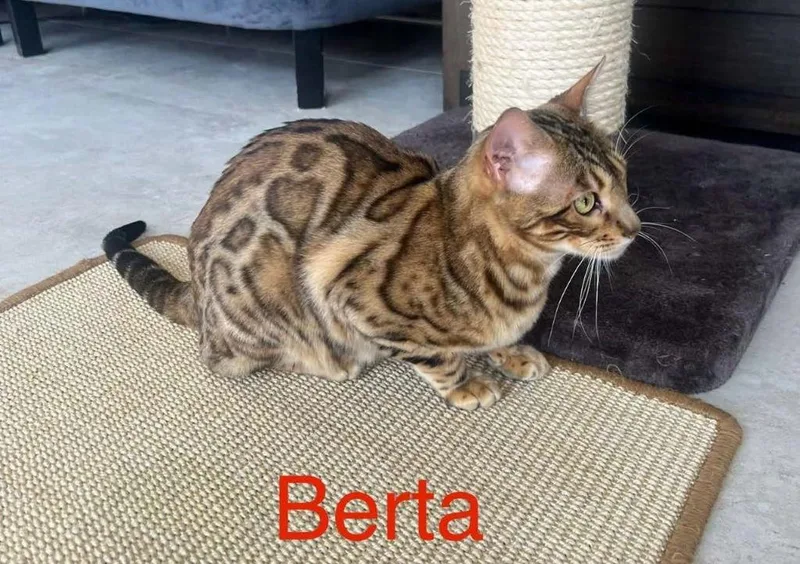
Despite its wildcat looks, the Ocicat is entirely domestic. It began by accident in 1964, when a cross between Abyssinian and Siamese cats in Michigan produced a spotted kitten that reminded a young girl of an ocelot. American Shorthairs were later added for size and silver coloring. The result is a muscular, surprisingly heavy cat with a short, satiny coat covered in bold thumbprint spots, in twelve recognized colors.

Ocicats are often described as dog-like: devoted to their people, interested in visitors and quick to learn games like fetch, leash walking and simple cues. They tend to want company and activity, and some struggle when left alone for long stretches. Adopters who enjoy an engaged, social cat and can provide daily play, climbing space and puzzle toys are usually the best match, while their easy coat needs little more than weekly brushing.

Weight
6–15 lbs
Height
9–11 in
Lifespan
12–18 yrs
Temperament
Social, Active, Intelligent, Devoted
Shedding
Low to Moderate

Owning an Ocicat in Beverly Hills

Having an Ocicat in Beverly Hills

An Ocicat pairs a wild-looking spotted coat with a thoroughly people-oriented personality. Its sociability, athleticism, trainability and need for company matter more in everyday life than its looks, so these traits deserve attention before meeting an adoptable Ocicat.

Temperament

Ocicats tend to be outgoing, confident and closely attached to their families, often greeting guests rather than hiding. Many get along with other cats and cat-friendly dogs after proper introductions. They usually dislike long periods alone and may become vocal or anxious. Each cat's background and socialization shape how it handles strangers and change.

Exercise Needs

Most Ocicats are energetic and need daily interactive play, such as chasing wand toys, fetching or running climbing courses. Their intelligence makes clicker training, puzzle feeders and harness walks rewarding. Cat trees and wall shelves give them room to leap. Without enough activity, some become restless or invent games with household objects.

Health Considerations

Ocicats can inherit conditions seen in their Abyssinian and Siamese ancestors, including renal amyloidosis, pyruvate kinase deficiency, progressive retinal atrophy and hypertrophic cardiomyopathy. Genetic tests exist for some of these. Not every Ocicat will be affected, so review health records with a veterinarian and keep up regular exams and dental care.

Living Space

Ocicats can do well in apartments or houses when they have vertical space, toys and companionship. They often suit homes where someone is around much of the day or where another playful pet keeps them company. Indoor living, or supervised outdoor time on a harness or in an enclosure, keeps them safe.

What it costs to own an Ocicat

ExpenseTypical costPer year
Food$25 to $50 per month$300 to $600
Pet insurance$30 to $60 per month$360 to $720
Routine vet care$150 to $350 per year$150 to $350
Other*$450 to $1,150 per year$450 to $1,150
Estimated yearly total (after year one)$1,260 to $2,820

Other costs are national averages for Ocicats; we don't have costs specific to Beverly Hills yet.

* Litter, flea prevention, a dental cleaning allowance, toys, scratchers and climbing furniture, and minimal home grooming.

Adopt an Ocicat in Beverly Hills.

Now that you know more, let’s find you a new best friend. These rescues and shelters below currently have Ocicats available.

Rescues in Beverly Hills with Ocicats Available

Here are the rescues & shelters in the Beverly Hills area where you can find Ocicats and other cats available for adoption.

Frequently Asked Questions

An Ocicat is a domestic cat breed with a spotted coat that resembles a wild ocelot, though it has no wild ancestry. It was developed in the 1960s from Abyssinian, Siamese and American Shorthair cats. Ocicats are muscular, medium to large and come in twelve colors. Many are social, trainable and often called dog-like in personality.

No, Ocicats are not hypoallergenic. Their short, close-lying coat sheds lightly, but cat allergies are triggered mainly by proteins in saliva and skin that all cats produce. Some allergic people tolerate low-shedding cats better than others, but there is no guarantee. Spend extended time with the specific cat, and talk with your doctor, before adopting.

The name Ocicat blends ocelot and cat. When the first spotted kitten appeared in 1964, a young girl in the household said he looked like an ocelot, a wild spotted cat of the Americas, and the name stuck. It describes only the look; the Ocicat is fully domestic and descends from Abyssinian, Siamese and American Shorthair cats.

Ocicats can make excellent pets for people who want an engaged, social cat. Many are affectionate, trainable and welcoming to visitors, and their short coat is easy to maintain. The trade-off is that they usually need daily play and company, and some become anxious or noisy when left alone for long periods. Busy, often-absent households may find them demanding.

Yes, Ocicats are relatively rare. The breed is recognized by major registries such as CFA and TICA, but far fewer are registered each year than popular breeds like Maine Coons or Ragdolls. In shelters, many spotted cats are domestic shorthairs or Bengal mixes rather than Ocicats, so a purebred Ocicat in rescue is an uncommon find.

Yes, Ocicats shed, but only lightly. Their short, satiny coat lies close to the body and has little loose undercoat, so weekly brushing with a rubber brush or grooming mitt is usually enough. Shedding may pick up a bit during seasonal coat changes. Regular brushing also keeps the coat glossy and lets you check the skin.

Ocicats are medium to large cats. Most adults weigh about 6 to 15 pounds, with males noticeably heavier than females. They are muscular and feel heavier than they look when you pick them up. Their athletic build comes from strong bone and muscle rather than fat, so an Ocicat at a healthy weight should still show a defined waist.

Ocicats commonly live about 12 to 18 years, and many indoor cats with good care reach their mid-teens or beyond. Lifespan depends on genetics, weight, dental health and early detection of problems such as kidney or heart disease. Regular veterinary checkups, a healthy diet and plenty of exercise support a long life.

Ocicat is usually pronounced AH-sih-cat, rhyming the first part with the start of ocelot, though OH-sih-cat and OSS-ih-cat are also heard. The version that echoes ocelot is the most widely used, since that is where the name came from. Any of these will be understood by shelters, veterinarians and other cat lovers.

We have 1 rescue with Ocicats available: The Deleon Foundation. You can see every rescue with Ocicats available in the list above these questions.