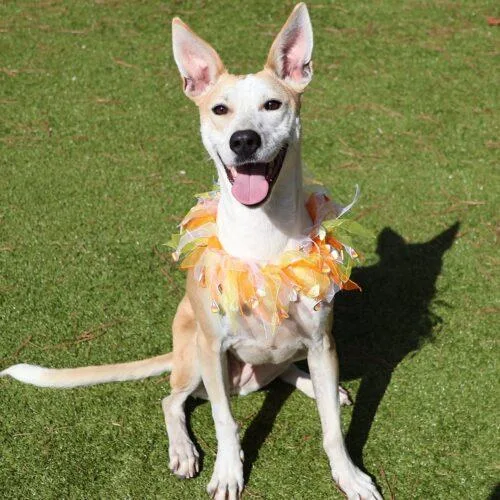
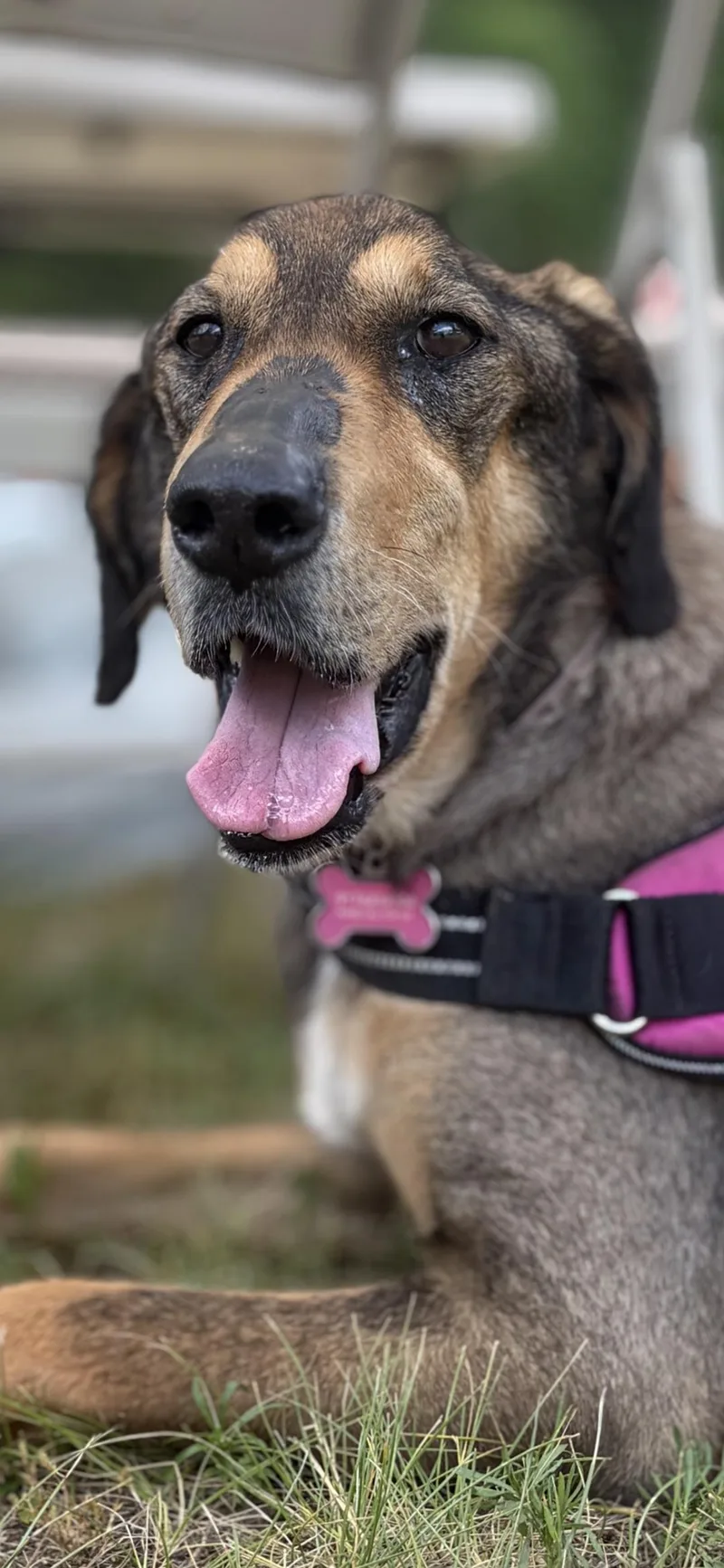
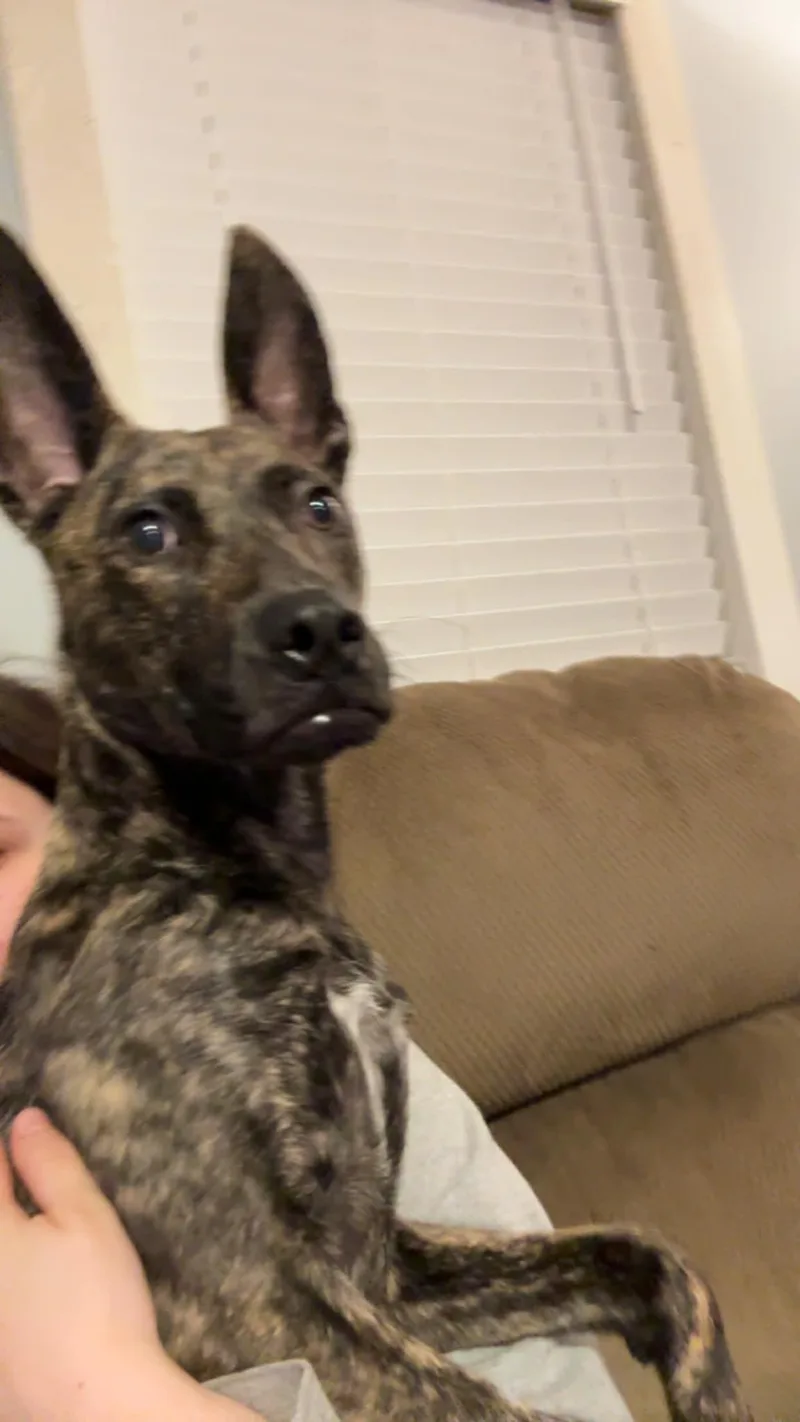
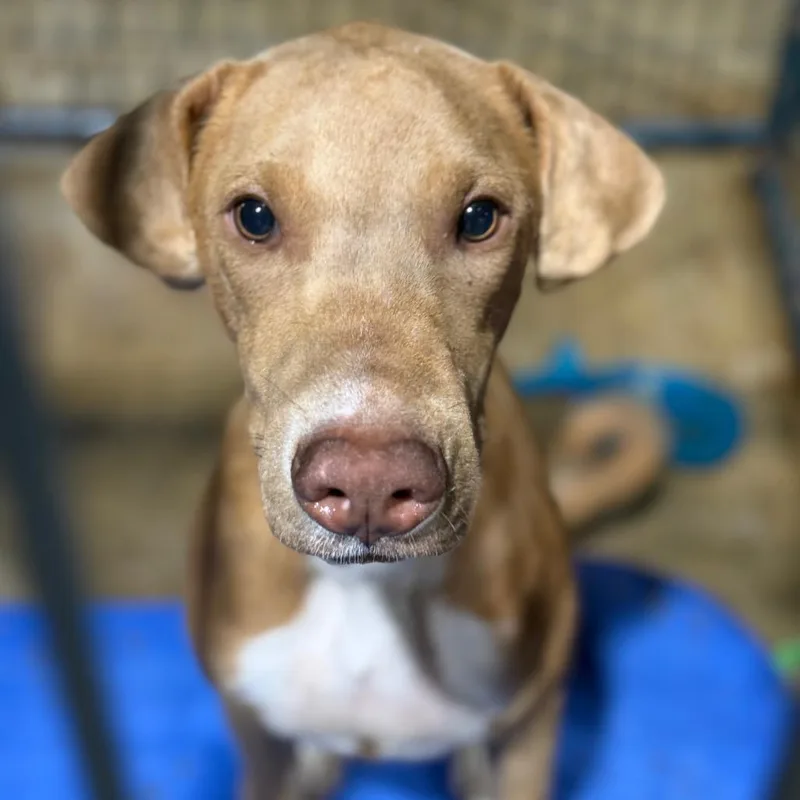
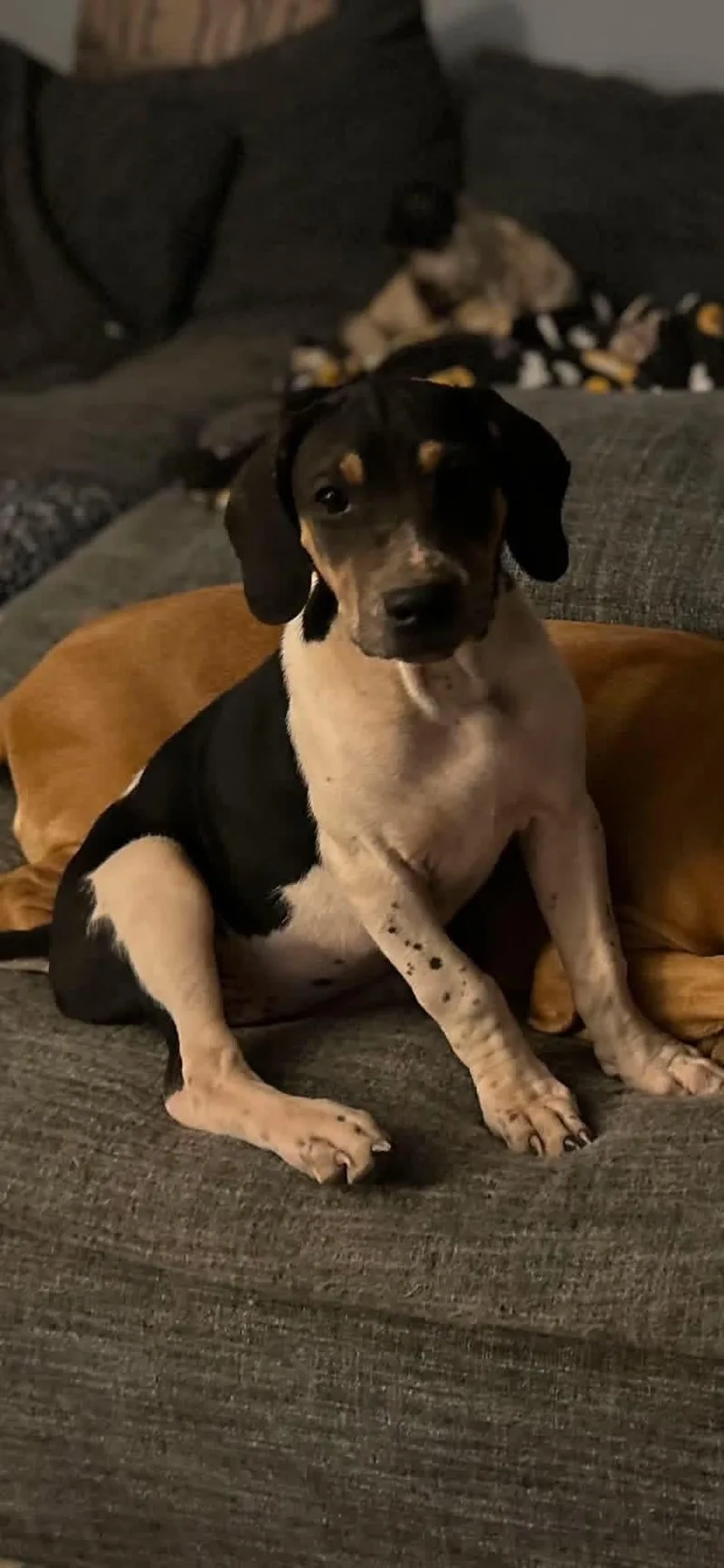
Pharaoh Hound Dogs for Adoption in Charleston, WV

Your guide to finding and caring for a Pharaoh Hound in Charleston

A Pharaoh Hound can do well in Charleston as long as there's a fenced place to run. Flat MacCorkle Avenue streets in Kanawha City suit leashed jogs, while wooded South Hills yards come with deer and the occasional black bear, plenty of temptation for a dog that bolts after movement. Pharaohs are affectionate, goofy and calm once they've sprinted, so a tall fence matters more than square footage. In winter, they'll want a coat for the walk to the car.

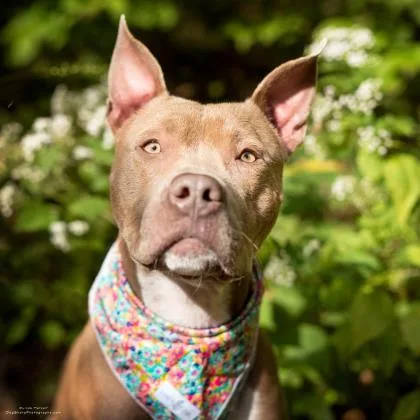
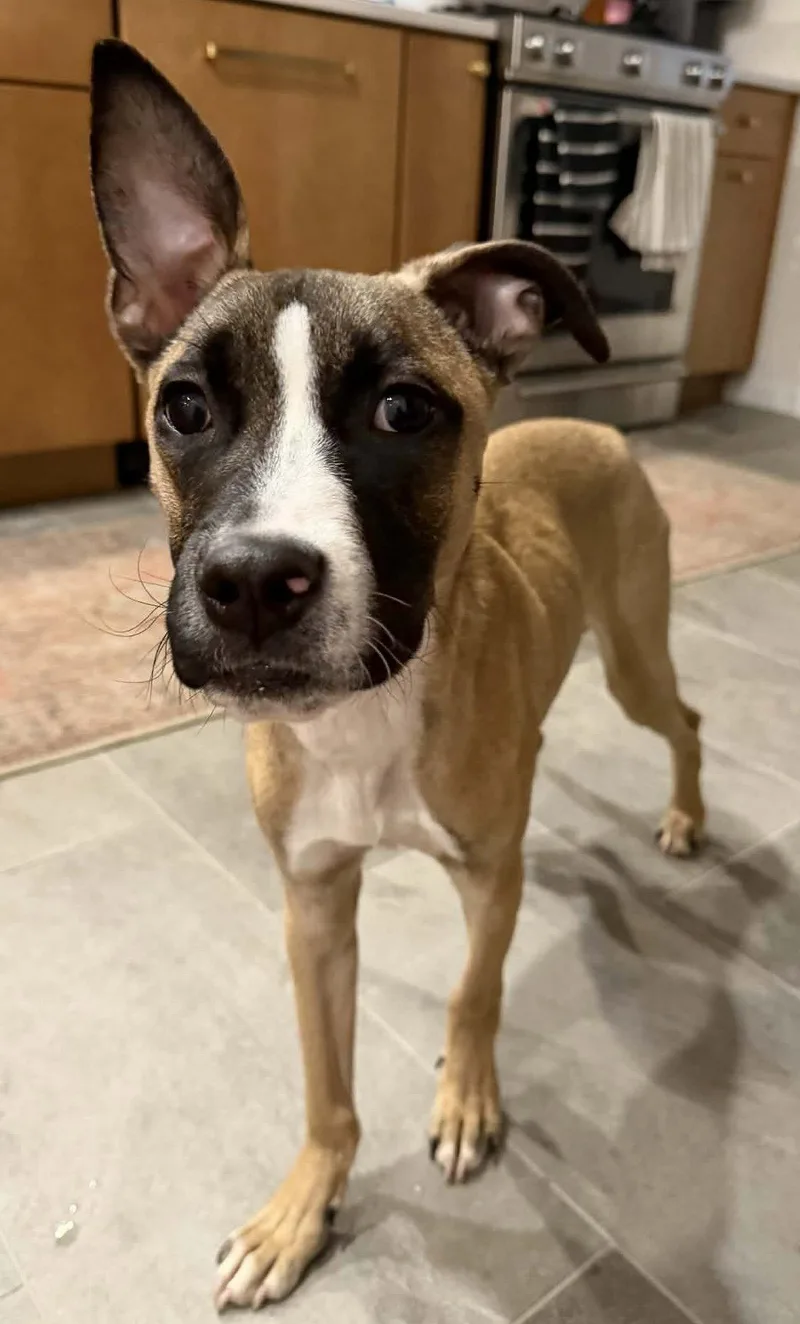
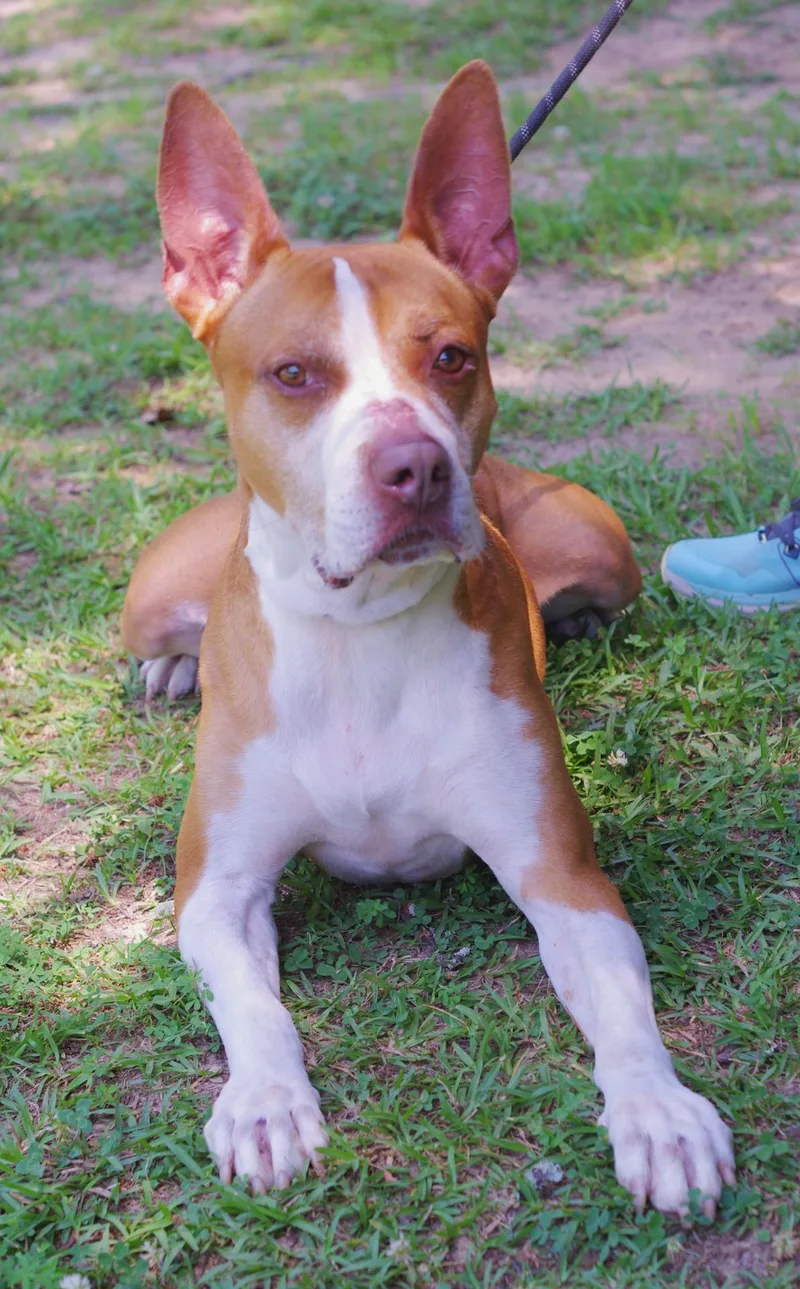
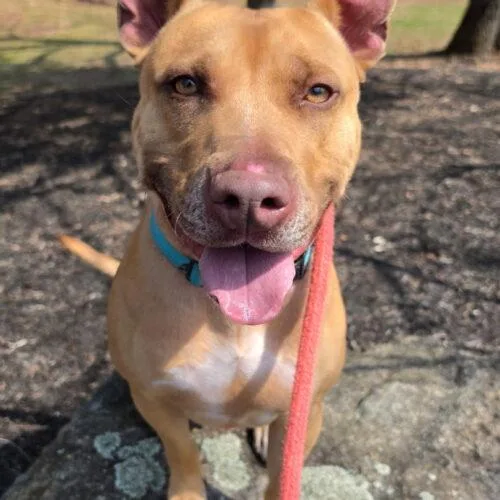
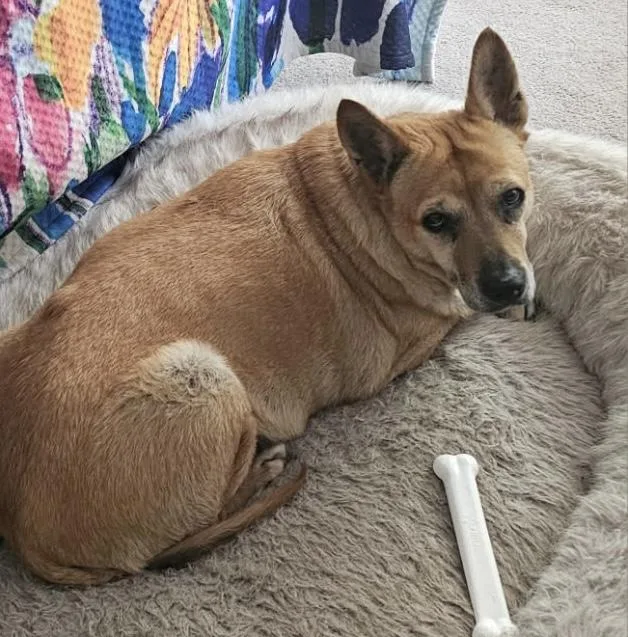
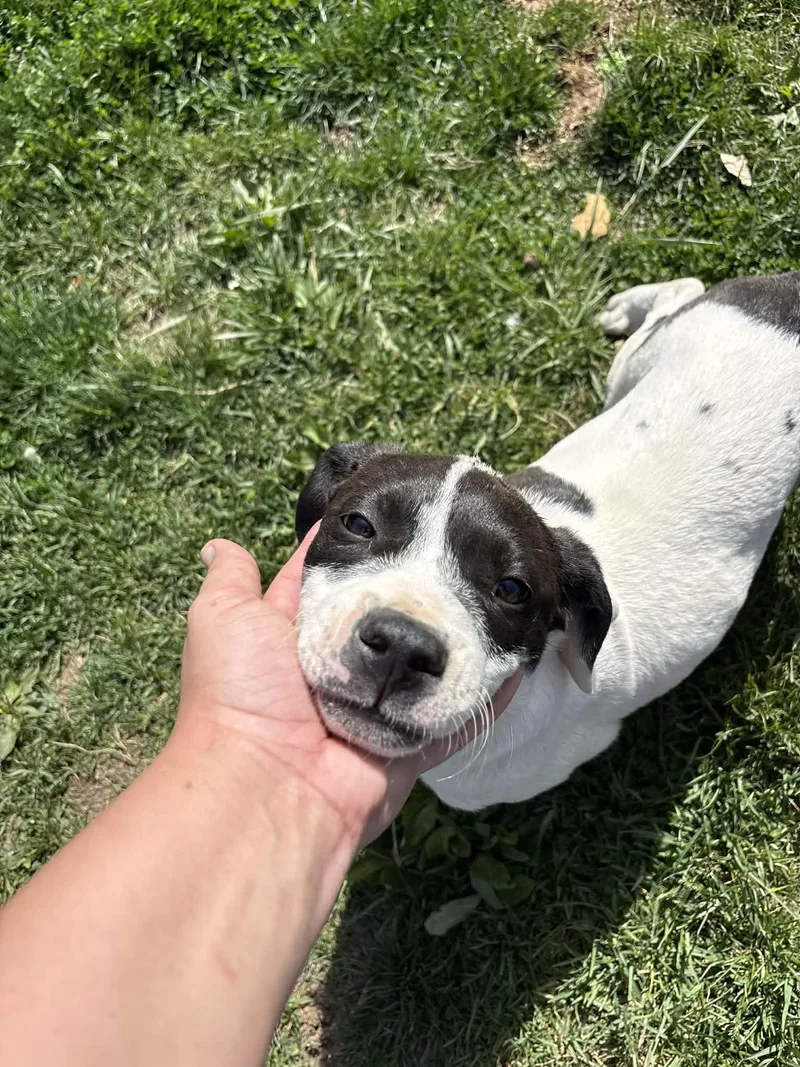
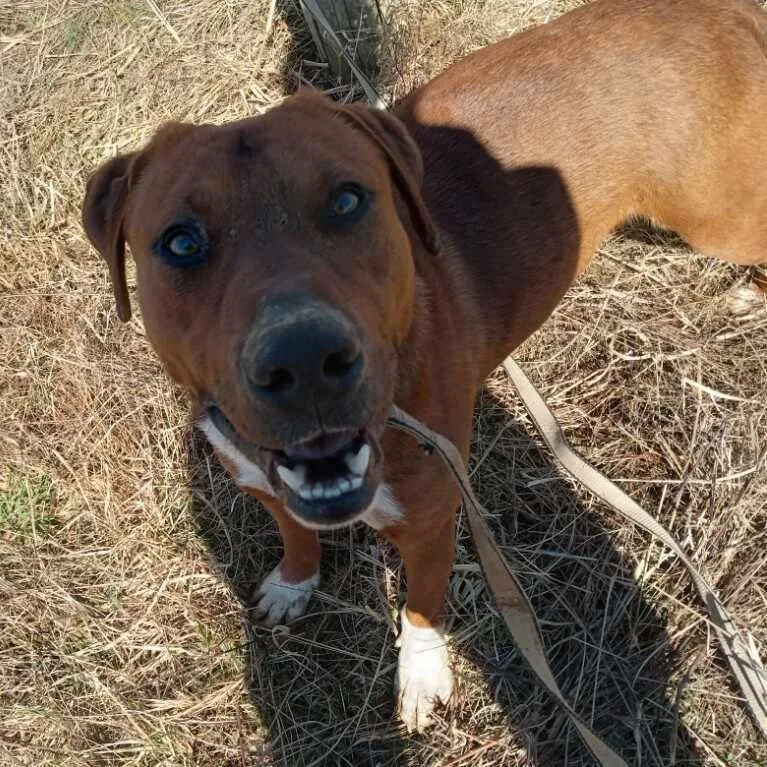
22 Pharaoh Hounds available in Charleston and nationwide

Find your Pharaoh Hound

While we don't have enough dogs near Charleston, keep in mind that many rescues may offer transport.

Pharaoh Hounds Available for Adoption Near Charleston

About the Pharaoh Hound breed

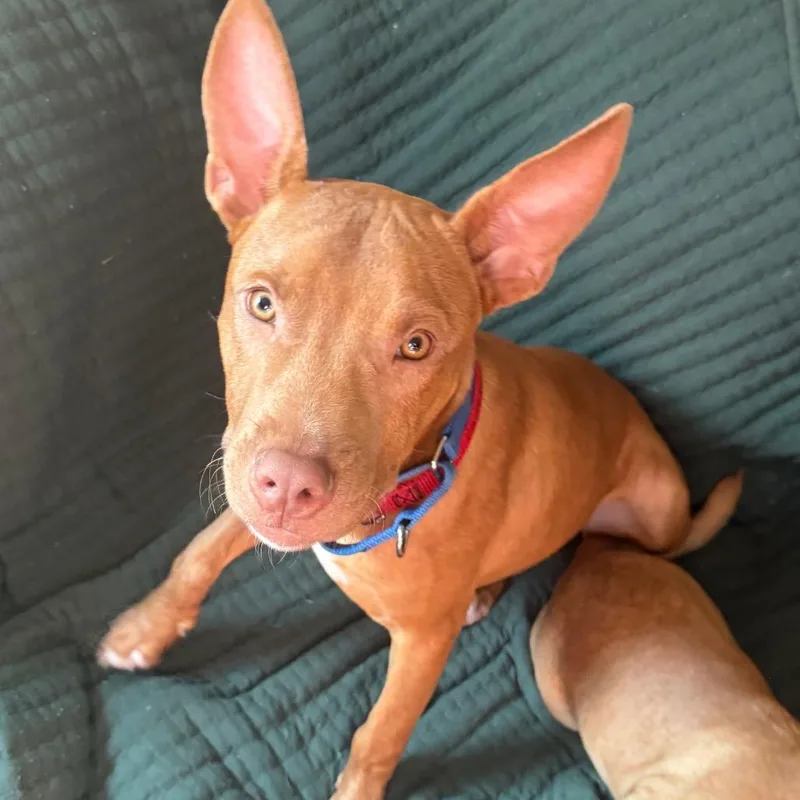
Known in Malta as Kelb tal-Fenek, the rabbit dog, the Pharaoh Hound was shaped to course rabbits across rocky ground, often at night, using both sight and scent. Its name and its resemblance to dogs in Egyptian art suggest an ancient Nile origin, but genetic studies point to a more recent development on Malta. Adults stand about 21 to 25 inches and weigh 45 to 55 pounds, lean and tan to chestnut, with amber eyes, big upright ears, and a nose and ears that flush pink when the dog is excited.

Indoors, many are affectionate, playful and fairly calm after exercise, with a clownish streak and a tendency to vocalize. Outdoors, a squirrel or rabbit can set off a sprint that no recall will stop, which matters in a city with wooded hillsides and riverbanks. The short coat sheds little but gives scant protection from cold.

Weight
45–55 lbs
Height
21–25 in
Lifespan
11–14 yrs
Temperament
Affectionate, Playful, Alert
Group
Hound
Shedding
Low

Owning a Pharaoh Hound in Charleston

Having a Pharaoh Hound in Charleston

Pharaoh Hounds pair a sprinter's build with a gentle, comical side at home. In Charleston, the things to plan around are prey drive, a secure fence, cold-weather gear for the short coat, and a veterinarian who knows sighthound sensitivities.

Temperament

Many Pharaoh Hounds are affectionate and playful with their families, and some are reserved with strangers at first. They tend to be sensitive, so patient, upbeat training works better than harsh correction. Strong prey drive means cats and small pets need careful introductions, and each dog's own behavior says more than breed reputation.

Exercise Needs

Plan on daily walks plus regular sprints in a securely fenced area, since most Pharaohs aren't reliable off leash. In Charleston, that can mean a fenced dog park such as Emma's Place in Cato Park, or leashed hikes on Kanawha State Forest's foot trails. Scent games add mental work.

Health Considerations

Pharaoh Hounds are generally healthy, though hip dysplasia and eye conditions occasionally appear. Lean sighthounds can be sensitive to anesthesia and some insecticides, so make sure any veterinarian knows the breed before treatment. A thin coat and low body fat invite chills in Charleston winters, and faintly visible ribs can be normal.

Living Space

A Pharaoh Hound can live in a house or apartment if it gets daily exercise and a safe place to run. A tall, secure fence matters more than yard size, since many jump or scramble over low barriers. Sloped hillside yards need a close look at the fence line. Indoors, give it soft, warm bedding.

What it costs to own a Pharaoh Hound in Charleston

ExpenseTypical costPer year
Food$35 to $70 per month$420 to $840
Pet insurance$45 to $85 per month$540 to $1,020
Routine vet care$225 to $450 per year$225 to $450
Other*$478 to $1,453 per year$478 to $1,453
Estimated yearly total (after year one)$1,663 to $3,763

Other costs are estimates and vary with size, age and health.

* The roughly $3 Charleston dog tag, flea, tick and heartworm prevention, a dental cleaning allowance, toys and bedding, minimal grooming, and coats or sweaters for cold weather.

Adopt a Pharaoh Hound in Charleston.

Now that you know more, let’s find you a new best friend. These rescues and shelters below have dogs available in and near Charleston.

Rescues and Shelters in or near Charleston

The Kanawha-Charleston Humane Association has served Charleston since 1935, and its adoptions include spay/neuter, vaccinations and a microchip. Here are the rescues & shelters in the Charleston area with dogs available for adoption, worth asking whether a Pharaoh Hound is coming in.

Frequently Asked Questions

Yes, you can own a Pharaoh Hound in Charleston. No breed-specific rule is known, and the city's dangerous-dog rules turn on a dog's behavior. Homes are limited to two dogs without a city permit, dogs must be leashed or contained off your property, and rabies vaccination is required by six months. Expect a yearly dog tag of about $3.

A Pharaoh Hound fits Charleston best with an active household that has a tall fence or regular access to a fenced dog park. Flat riverside neighborhoods suit leashed jogs, while wooded hillsides bring deer and black bears that can trigger a chase. Cold winters mean a coat, so it suits owners willing to gear up in January.

Emma's Place in Cato Park is a fenced dog park on the West Side, useful for safe sprints. Kanawha State Forest allows leashed dogs on about 14 miles of foot trails, with a 10-foot leash maximum in the campground. Haddad Riverfront Park and Magic Island downtown suit leashed walks. Keep a Pharaoh Hound leashed elsewhere, since prey drive can override recall.

Yes, with some help. Charleston winters average 28 to 46°F, with about 94 freezing nights and 31.5 inches of snow a year. A Pharaoh Hound's thin coat and low body fat mean chills come quickly, so use a sweater or coat outdoors, keep walks short on icy days, and provide warm bedding indoors.

Yes, if daily exercise is covered. Pharaoh Hounds are calm indoors after a good run, but they can be vocal, so thin walls may matter. Charleston landlords set their own pet rules, so confirm size limits and fees in writing before signing, and look for a building near a fenced dog park or flat, leash-friendly walking routes.

No, KRT buses don't allow pets, so a Pharaoh Hound can't ride them. Service animals are a federal-law exception. Charleston has no subway or light rail. A car is the practical way to reach Kanawha State Forest or a fenced dog park, and a crate or secure harness keeps a lean, jumpy dog safe on the road.

Sometimes, on patios only. West Virginia has no state law on dogs at outdoor dining, so each restaurant sets its own policy, and downtown Charleston has places with dog-friendly patios. Indoor dining rooms generally don't allow pet dogs. A Pharaoh Hound's excitement and prey drive call for a short leash and a quiet corner.

Very little. A Pharaoh Hound's short, glossy coat needs a quick weekly brush at most and a bath only when dirty, and shedding is low. In Charleston's cold winters, money is better spent on a coat than a groomer, which fits the minimal grooming in the Other costs. Nails and ears still need regular attention.

Pharaoh Hounds are not typically aggressive toward people. Most are friendly and affectionate with their families, and some are aloof with strangers until they warm up. Their strongest instinct is to chase, so small animals like cats, rabbits and squirrels can trigger intense pursuit. Early socialization and calm, reward-based training help a Pharaoh Hound stay relaxed in new situations.

Expect roughly $1,660 to $3,760 a year for a Pharaoh Hound in Charleston. Food runs $35 to $70 a month, insurance $45 to $85 a month, routine vet care $225 to $450 a year, and other costs $478 to $1,453 a year, including winter gear for the thin coat. Grooming is minimal.