Lancashire Heeler Dogs for Adoption in Seattle, WA

Your guide to finding and caring for a Lancashire Heeler in Seattle

A Lancashire Heeler suits Columbia City's bungalows and apartments, as long as its busy mind gets a job. At 9 to 17 pounds, it's easy to carry up a stairwell, and a stroll along Rainier Avenue gives it plenty to watch. Heelers are talkative and quick to announce visitors, so thin walls take some planning. The breed is uncommon, so watch the listings on this page. Meanwhile, the small-dog section at Genesee Park is a handy spot for fetch.

26 Lancashire Heelers available in Seattle and nationwide

Find your forever Lancashire Heeler

While we don't have enough dogs near Seattle, keep in mind that many rescues may offer transport.

Lancashire Heelers Available for Adoption Near Seattle

About the Lancashire Heeler breed

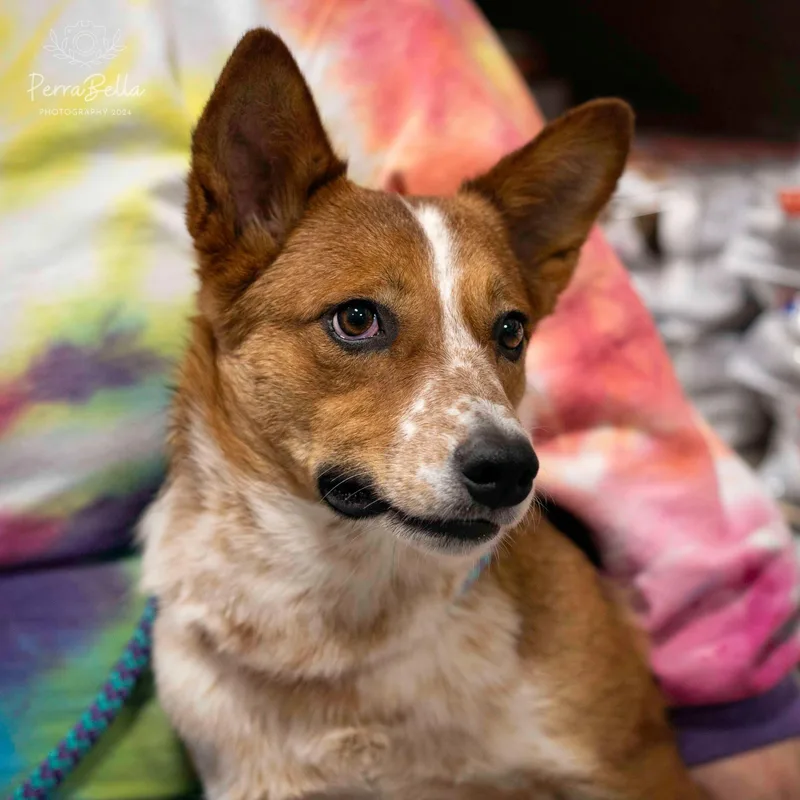
The Lancashire Heeler is a small drover's dog from northwest England, working cattle by nipping at their heels and keeping barns clear of rats. Its roots are generally traced to Welsh Corgis and Manchester Terriers, which explains the sturdy, short-legged body, the sharp terrier mind and the smooth black-and-tan or liver-and-tan coat. The American Kennel Club added it to the Herding Group in 2024.

Many Heelers are cheerful, alert and affectionate with their families, and some greet people with a toothy "smile." They're also chatty, quick to learn and inclined to chase. In Seattle, that mix means a daily outing and some brain work, plus a leash around the squirrels and crows. The short coat sheds lightly to moderately, so rainy-day cleanup is mostly a towel.

Weight
9–17 lbs
Height
10–12 in
Lifespan
12–16 yrs
Temperament
Alert, Energetic, Affectionate, Intelligent
Group
Herding
Shedding
Low to Moderate

Owning a Lancashire Heeler in Seattle

Having a Lancashire Heeler in Seattle

Lancashire Heelers pack a herder's drive and a terrier's spark into 9 to 17 pounds. Energy, intelligence, a talkative streak and a few inherited eye conditions shape daily life, and in Seattle that means planning around rain, hills and shared walls.

Temperament

Many Heelers are devoted to their families, alert, and a bit reserved with strangers, which can make them chatty in a busy Seattle apartment building. Herding instincts may show up as heel-nipping or chasing, so early socialization and reward-based training help. Each dog's personality is different.

Exercise Needs

Plan on a daily walk plus active play such as fetch or tug. Seattle has 16 off-leash areas, including small-dog sections at Genesee Park, Woodland Park and Westcrest Park, and the 2.8-mile Green Lake loop suits leashed walks. Puzzle toys and scent games fill the rainy days.

Health Considerations

Heelers are often long-lived, but some inherit eye conditions such as primary lens luxation and collie eye anomaly. A veterinarian can screen the eyes and discuss DNA testing, and a newly adopted dog can get a baseline exam soon after coming home. Keep up dental care and regular checkups.

Living Space

A Heeler's size suits a Seattle apartment or townhome, but its voice may matter more than square footage, so think about shared walls. In a house, a securely fenced yard helps because prey drive can override recall. Plan indoor games and puzzle toys for wet days.

What it costs to own a Lancashire Heeler in Seattle

ExpenseTypical costPer year
Food$20 to $45 per month$240 to $540
Pet insurance$35 to $70 per month$420 to $840
Routine vet care$200 to $400 per year$200 to $400
Other*$420 to $1,095 per year$420 to $1,095
Estimated yearly total (after year one)$1,280 to $2,875

Other costs are estimates and vary with size, age and health.

* The $45 Seattle dog license for a spayed or neutered dog, flea, tick and heartworm prevention, a dental cleaning allowance, toys and bedding, and light grooming for a short coat.

Adopt a Lancashire Heeler in Seattle.

Now that you know more, let’s find you a new best friend. These rescues and shelters below have dogs available in and near Seattle.

Frequently Asked Questions

Yes, you can own a Lancashire Heeler in Seattle. The city has no breed bans, and Washington law limits breed-based rules statewide. Your dog needs a Seattle license and a rabies vaccination, and must be leashed off your own property. The household limit is three dogs and cats combined on a typical lot, so count current pets first.

Yes, a Lancashire Heeler can live in a Seattle apartment if its exercise and brain work are covered. Size isn't the issue; its voice is, since many Heelers bark at hallway noise. Plan on a daily walk, puzzle toys and training, and confirm your building's noise and pet policies before signing a lease.

A Lancashire Heeler can be a good fit for Seattle if you enjoy daily walks in drizzle and don't mind a towel routine. The cool, damp climate suits its weather-resistant coat, and small-dog off-leash sections help burn energy. It's less ideal if you're gone long hours, since many Heelers get bored, bark and chase. Each dog's needs vary.

Yes, Lancashire Heelers generally handle Seattle winters well. Highs sit in the upper 40s with damp, rarely frozen days, and the breed's short, weather-resistant coat copes. Dry paws and belly after walks, and keep indoor games ready for the occasional snow or ice day, when ice-melt can burn paws.

Good options include the small-dog off-leash sections at Genesee Park, Woodland Park and Westcrest Park, plus Magnuson Park's off-leash area beside Lake Washington. For leashed walks, try Green Lake's 2.8-mile loop or Seward Park's shoreline path. Dogs aren't allowed on city beaches, and off-leash areas require a license, vaccinations and dogs at least four months old.

Yes, on Metro buses: small dogs ride free on your lap, larger dogs need a fare, and drivers have discretion. Dogs can't take a seat. Sound Transit is piloting leashed dogs on Link light rail through spring 2027; otherwise pets need a small carrier. Check current fares and rules before you ride.

Sometimes, but only on certain patios. Washington allows pet dogs in outdoor dining areas only when the restaurant has a health-department-approved plan, and indoor dining rooms generally don't allow them. Policies differ by restaurant, so don't assume access. Bring a mat, keep your Heeler leashed and off chairs, and be ready to leave if barking starts.

A Lancashire Heeler needs little grooming: a weekly brushing, with extra during seasonal undercoat shedding. Seattle's wet weather matters more than the coat, so towel-dry paws and belly after rainy walks and keep nails trimmed. Professional grooming is optional for most, which fits the light-grooming allowance in the yearly Other costs above.

A Lancashire Heeler is a small, sturdy herding dog from northwest England, about 10 to 12 inches tall and 9 to 17 pounds, originally used to drive cattle and catch rats on farms. It has a short black-and-tan or liver-and-tan coat, an alert, cheerful personality and plenty of energy. The AKC recognized the breed in 2024.

Expect roughly $1,280 to $2,875 a year for a Heeler in Seattle. That covers food at $20 to $45 a month, insurance at $35 to $70 a month, routine vet care at $200 to $400 a year, and other costs at $420 to $1,095 a year. Emergencies and illness are extra.