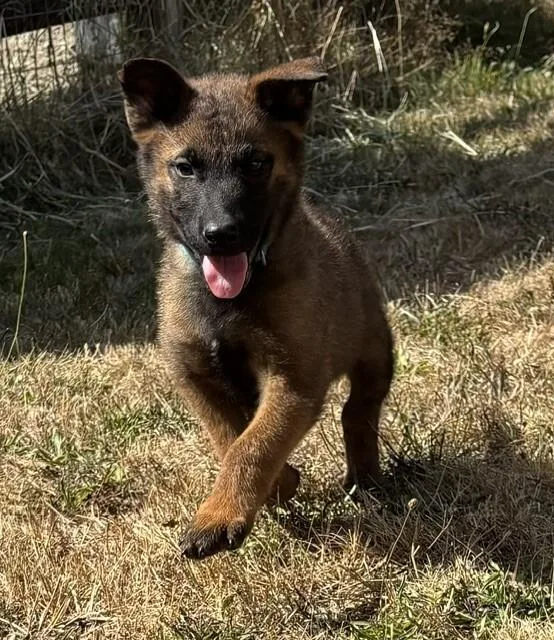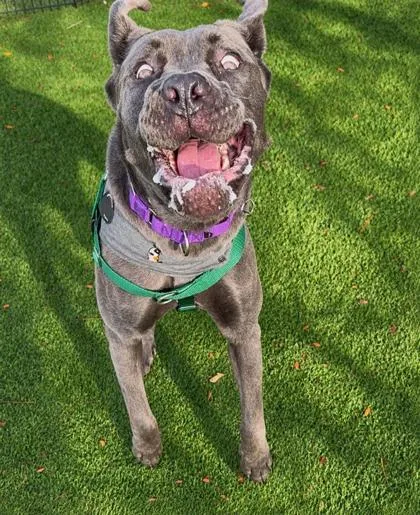

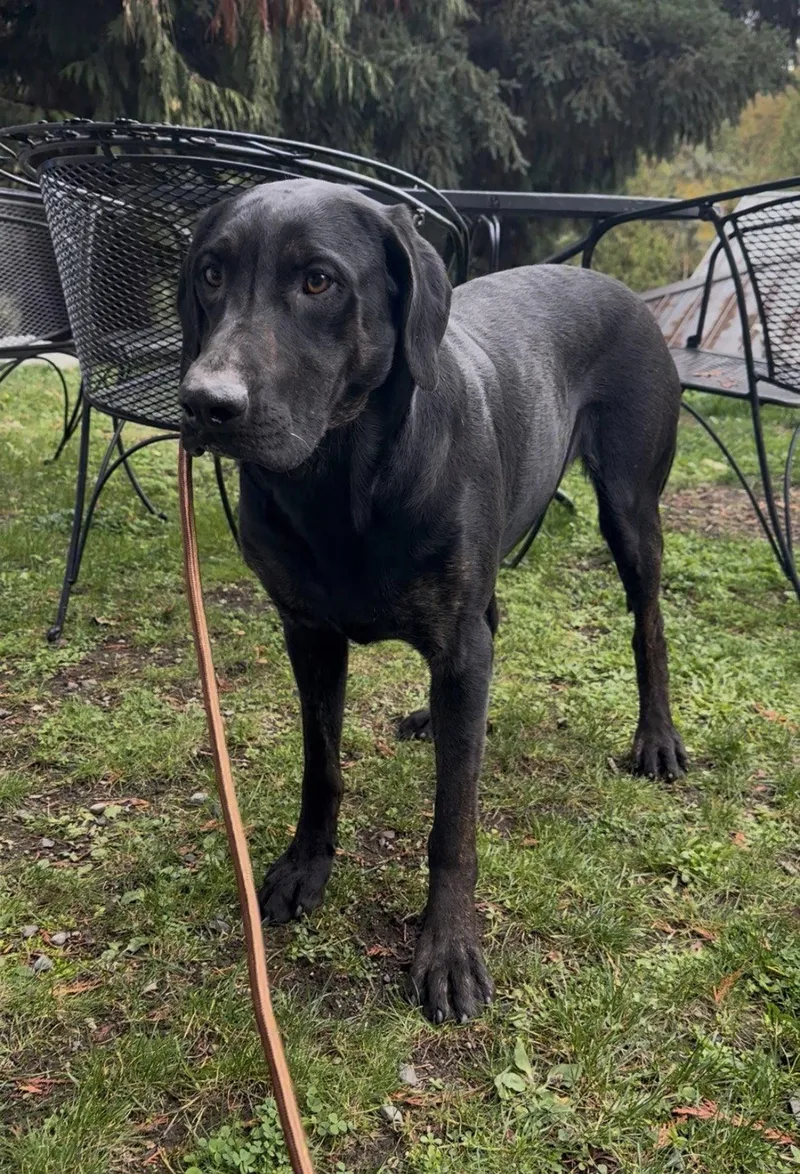
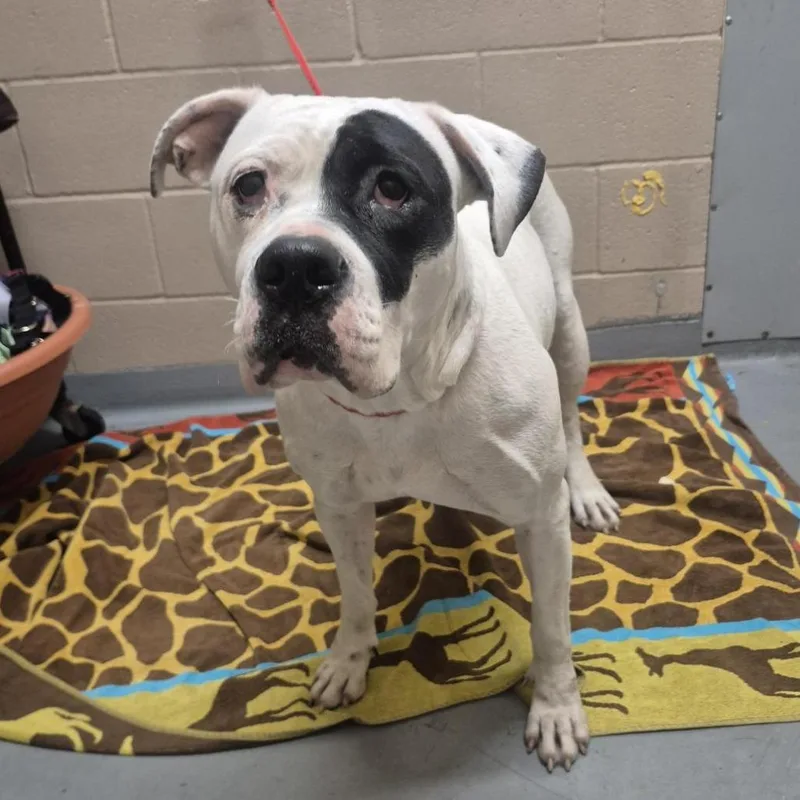
Mastiff Dogs for Adoption in Seattle, WA

Your guide to finding and caring for a Mastiff in Seattle

A Mastiff suits Seattle's cool, damp weather, as long as you plan around the hills. Most adults are happy with a slow, flat lap around Green Lake, then a long nap in a Wallingford bungalow or a Columbia City townhome with room to sprawl. The steep streets of Queen Anne are harder on a 150-pound dog's joints, and a walk-up apartment gets old fast. Expect drool on your rain jacket and plenty of sidewalk admirers.

853 Mastiffs available in Seattle and nationwide

Give a Mastiff a home

Mastiffs Available for Adoption Near Seattle

About the Mastiff breed

The Mastiff, also called the English Mastiff, is a massive, heavy-boned dog with a broad head, dark mask and short fawn, apricot or brindle coat. Its roots trace to British estate guardians, and the modern breed was rebuilt from a small number of dogs after World War II. Adults commonly weigh well over 120 pounds, and some top 200.

Most Mastiffs are calm, dignified and gentle with family, with a watchful streak toward strangers. In Seattle, that usually means a quiet housemate who is content with a damp-weather stroll and a nap, but one that needs early training, sturdy gear and a car that fits it. Moderate shedding and drool come with the package, and lifespans often run under ten years, so plan for senior care sooner than with smaller dogs.

Weight
120–230 lbs
Height
27–36 in
Lifespan
6–10 yrs
Temperament
Gentle, Dignified, Protective
Group
Working
Shedding
Moderate

Owning a Mastiff in Seattle

Having a Mastiff in Seattle

A Mastiff packs a steady, gentle nature into one of the heaviest bodies in the dog world. The cards below cover temperament, exercise, health and living space, with notes on how Seattle's hills, rain and rental housing change the picture for a giant dog.

Temperament

Mastiffs tend to be calm, affectionate and dignified at home, and many are patient with respectful children. They're naturally watchful and often aloof with strangers, so busy Seattle sidewalks make good socialization practice. Start reward-based training early, because a stubborn adult this heavy can't be managed by strength alone. Each dog's personality varies.
Exercise Needs

Most adult Mastiffs do well with a daily walk or two and relaxed play rather than long runs. Flat routes like the paved Green Lake loop, where dogs stay leashed, suit them better than Seattle's steep hills. Keep puppies off long staircases and forced running while their joints develop, and add sniffing walks for variety.

Health Considerations

Mastiffs are prone to hip and elbow dysplasia, bloat, obesity and bone cancer, and some carry heart or eye conditions. Bloat is an emergency, so learn the signs: a swollen belly, retching and restlessness. Rainy Seattle months make skipped walks tempting, but keeping a Mastiff lean protects its joints. A veterinarian can check the hips and heart.

Living Space

Mastiffs are quiet indoors, but a giant dog in a Seattle rental takes planning. Look for an elevator building or a ground-floor unit, since hauling 150 pounds up stairs is hard on everyone. Plan for a giant crate, sturdy car setup, washable furniture covers and drool towels. Mastiffs should live indoors with the family.

What it costs to own a Mastiff in Seattle

ExpenseTypical costPer year
Food$80 to $160 per month$960 to $1,920
Pet insurance$85 to $170 per month$1,020 to $2,040
Routine vet care$250 to $500 per year$250 to $500
Other*$620 to $1,695 per year$620 to $1,695
Estimated yearly total (after year one)$2,850 to $6,155

Other costs are estimates and vary with size, age and health.

* The $45 Seattle license for a spayed or neutered dog, giant-dose flea, tick and heartworm prevention, a dental cleaning allowance, durable toys and bedding, basic coat care and joint supplements.

Adopt a Mastiff in Seattle.

Now that you know more, let’s find you a new best friend. These rescues and shelters below currently have Mastiffs available.

Frequently Asked Questions

Yes, you can own a Mastiff in Seattle. The city has no breed bans, and Washington law restricts breed-based bans statewide. You'll need a city license, a current rabies vaccination, and a leash whenever you're off your property. Households are limited to three dogs and cats combined on a typical lot, so one Mastiff fits easily within that.

Yes, a Mastiff can live in a Seattle apartment, since adults are usually quiet and fairly lazy indoors. The harder part is the building: look for an elevator or ground-floor unit, enough floor space for a giant bed, and a lease without size limits. Landlords may also charge monthly pet rent, which adds to the budget.

A Mastiff fits Seattle if you want a calm companion and enjoy slow, flat walks in damp weather. It's a harder fit if you live up a steep hill, in a walk-up, or travel often, because a giant dog is difficult to carry, transport and board. Expect drool, a shorter lifespan and large food and vet bills.

Green Lake Park's flat 2.8-mile paved loop suits a Mastiff's pace, with dogs leashed at all times. Seward Park's 2.4-mile path and Magnuson Park's 8.6-acre off-leash area, which has Lake Washington water access, are also options. Dogs aren't allowed on Seattle park beaches, and off-leash areas require a license and vaccinations.

Yes, with limits. King County Metro buses allow dogs: small dogs ride free on a lap, while larger dogs ride on the floor with a paid fare, at the driver's discretion. A Mastiff is a tight fit on a bus. Sound Transit is piloting leashed dogs on Link light rail through spring 2027, so those rules may change.

Sometimes, on patios only. Washington lets dogs join you in outdoor dining areas when the restaurant has a health-department-approved plan, but indoor dining rooms generally don't allow pet dogs. A Mastiff takes up real floor space, so look for roomy patios, keep the dog leashed and off chairs, and bring a water bowl.

A Mastiff needs little grooming: weekly brushing handles its short coat, and shedding is moderate. In Seattle's wet climate, the bigger job is drying paws, belly and facial folds after walks and wiping drool. Nail trims and occasional baths can be done at home, so grooming stays a small part of the yearly Other costs.

Mostly yes. Seattle's cool, damp weather is easier on a heat-prone Mastiff than a hot-summer city, with only a few days a year reaching 90°F. Plan for towels and paw drying in the rainy months, indoor exercise during occasional snow or ice, and shade, water and shorter outings on warm days or smoky late-summer air.

We have 1 rescue with Mastiffs available: Seattle Animal Shelter. You can see every rescue with Mastiffs available in the list above these questions, or scroll to the top to see the Mastiffs near Seattle.

Expect roughly $2,850 to $6,155 a year for a Mastiff in Seattle. Food runs $80 to $160 a month, insurance $85 to $170 a month, routine vet care $250 to $500 a year, and other costs $620 to $1,695 a year. Giant-breed food and medications drive the totals, and emergencies like bloat surgery are extra.