McNab Dogs for Adoption in Bothell, WA

Your guide to finding and caring for a McNab in Bothell

20 McNabs available in Bothell and nationwide

Fall for a McNab

While we don't have enough dogs near Bothell, keep in mind that many rescues may offer transport.

McNabs Available for Adoption Near Bothell

About the McNab breed

The McNab is a working stock dog from Northern California, developed in the late nineteenth century by Scottish rancher Alexander McNab, who crossed collie-type dogs he brought from Scotland with local herding dogs to move sheep and cattle across rough hill country. Ranchers still value it for working stock with quick, independent judgment. McNabs have a short, smooth coat, usually black or red with white markings, upright or semi-erect ears, and compact, tight feet built for agility.

Most major kennel clubs do not recognize the breed, so appearance varies more than in show breeds, and many dogs called McNab in shelters are crosses. Typical McNabs are bright, tireless and deeply attached to their own people while reserved with strangers. They tend to thrive with an experienced owner who can offer a real job, whether herding, dog sports or long daily outings, plus calm, consistent training.

Weight
30–65 lbs
Height
16–25 in
Lifespan
12–15 yrs
Temperament
Intelligent, Energetic, Loyal
Group
Herding
Shedding
Moderate

Owning a McNab in Bothell

Having a McNab in Bothell

A McNab combines a sharp working mind with stamina bred for long days on the ranch. How that drive, sensitivity and loyalty show up at home shapes whether a particular dog will settle happily into an adopter's routine, so these traits deserve close attention.

Temperament

McNabs tend to be devoted and responsive with their family and cautious around strangers, which makes many of them natural watchdogs. Their herding instinct can show up as nipping at heels or circling children and other pets. Many are sensitive to harsh handling, so calm, consistent guidance and early socialization usually bring out their best.

Exercise Needs

This breed was bred to work all day, and most McNabs need substantial daily activity such as long walks, running, hiking, fetch or herding practice. Mental work is just as important: obedience, agility, scent games and problem-solving toys help prevent boredom-driven barking, chewing or pacing. Energy varies, and older dogs usually need less.

Health Considerations

McNabs are generally considered a hardy breed with few documented hereditary problems, though data on them is limited. Many herding breeds, McNabs among them, can carry the MDR1 gene mutation, which makes certain drugs risky at standard doses. A simple cheek-swab test settles the question. Routine checkups and weight control support a long, active life.

Living Space

A McNab is usually happiest with room to move and a securely fenced yard, though space alone never replaces daily exercise and engagement. Apartment life can work for a dog whose needs are reliably met, but noise sensitivity and alert barking deserve thought. Rural homes with work to do often suit them especially well.

What it costs to own a McNab

ExpenseTypical costPer year
Food$35 to $70 per month$420 to $840
Pet insurance$45 to $85 per month$540 to $1,020
Routine vet care$225 to $450 per year$225 to $450
Other*$440 to $1,190 per year$440 to $1,190
Estimated yearly total (after year one)$1,625 to $3,500

Other costs are national averages for McNabs; we don't have costs specific to Bothell yet.

* Flea, tick and heartworm prevention, a dental cleaning allowance, a dog license, toys and bedding, and simple home grooming for a short coat.

Adopt a McNab in Bothell.

Now that you know more, let’s find you a new best friend. These rescues and shelters below currently have McNabs available.

Rescues in Bothell with McNabs Available

Here are the rescues & shelters in the Bothell area where you can find McNabs and other dogs available for adoption.

Frequently Asked Questions

A McNab is a medium-sized herding dog developed on Northern California ranches in the late 1800s by Alexander McNab, a Scottish immigrant. Bred to gather and drive sheep and cattle, it is athletic, smart and intensely loyal. Major kennel clubs do not recognize it, so it is valued mainly as a working ranch dog and an active companion for experienced owners.

McNab dogs typically live about 12 to 15 years, and many stay active well into their senior years. The breed is considered generally hardy, although formal health studies are scarce. Keeping a McNab lean, exercised and up to date on veterinary care, along with testing for the MDR1 drug-sensitivity mutation, gives a dog the best chance at a long life.

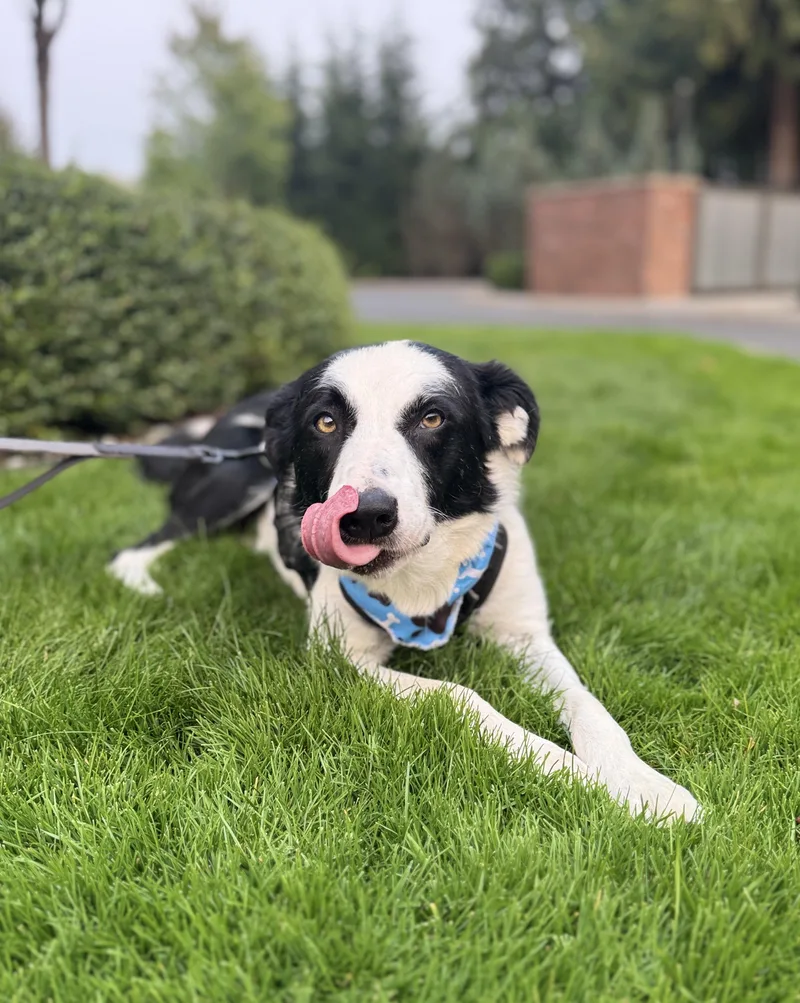
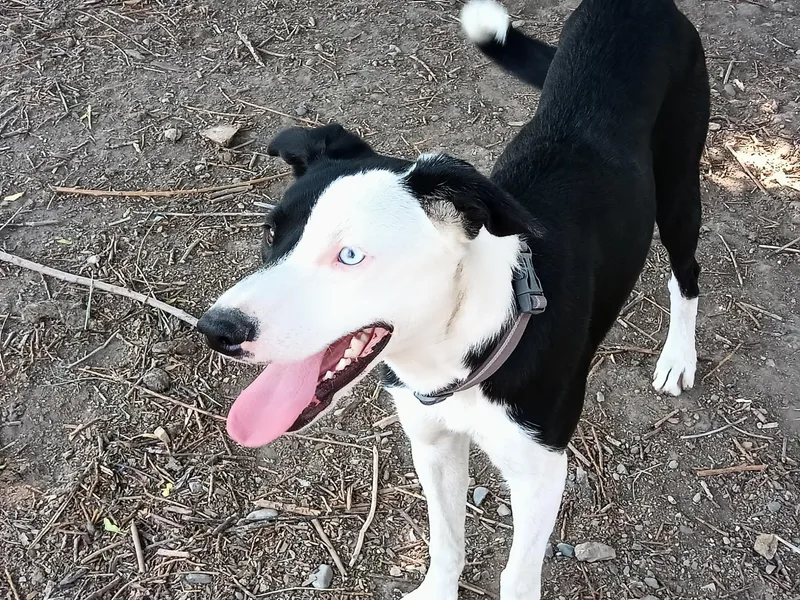
A McNab looks like a lean, short-coated collie-type dog with an athletic build. Most are black or red with white on the face, chest, feet or tail tip, and tan points or other colors also appear. Ears may stand upright, tip over or fold, and tails can be long or naturally short. Compact feet and alert, almond-shaped eyes are typical.

No, McNab dogs are not generally aggressive, but they can be wary of strangers and protective of home and family. Poor socialization, fear or a lack of exercise can turn that caution into barking, nipping or defensive behavior. Most McNabs raised with gentle, consistent training are steady companions. Meeting an adult rescue dog helps you judge a dog's comfort level.

Many McNabs can live well with cats, especially when raised with them or introduced slowly. Their herding instinct may lead them to stare at, stalk or chase a running cat, which can stress both animals. Supervised introductions, a safe high space for the cat and early training to reward calm behavior help. An adult dog with a known history around cats is the safest choice.

Yes, McNabs are often excellent dogs for the right home. They are intelligent, loyal, quick to learn and capable of serious work. The catch is that their brains and stamina need regular outlets, and an under-exercised McNab may become restless, noisy or destructive. People who enjoy hiking, running, dog sports or ranch work tend to find them rewarding partners.

Yes, McNabs tend to be protective. Most bond closely with their family and are naturally watchful toward unfamiliar people and animals, often barking to announce visitors. That makes them good alarm dogs, but the trait needs guidance so it does not become reactivity. Early, positive socialization with many people and places helps a McNab tell real threats from everyday events.

Yes, McNab dogs shed, though their short, smooth coat is easy to maintain. Most shed a moderate amount year-round, with heavier periods in spring and fall. Brushing once or twice a week removes loose hair and keeps the coat glossy, and baths are only needed occasionally. McNabs are not hypoallergenic, so allergy sufferers should meet one before adopting.

McNabs are medium-sized dogs. Males usually stand about 18 to 25 inches at the shoulder and weigh roughly 35 to 65 pounds, while females are typically 16 to 21 inches and 30 to 50 pounds. Because the breed was selected for work rather than a strict standard, size varies quite a bit from dog to dog, so an adult dog's current measurements are the best guide.

We have 1 rescue with McNabs available: Dog Gone Seattle. You can see every rescue with McNabs available in the list above these questions, or scroll to the top to see the McNabs near Bothell.

Find McNabs in Nearby Cities

Expand your search to find McNabs available for adoption near Bothell.