Saluki Dogs for Adoption in Salt Lake City, UT

Your guide to finding and caring for a Saluki in SLC

A Saluki can have a good life in Salt Lake City's Rose Park, where the Jordan River Parkway runs through the neighborhood. The small post-war brick houses there sit on larger lots, which helps when a dog needs a fenced yard to sprint in. Walks along the parkway cover the daily distance a Saluki wants, always on a leash, since these dogs chase anything that moves. Indoors, expect a quiet couch dog that feels the winter cold.

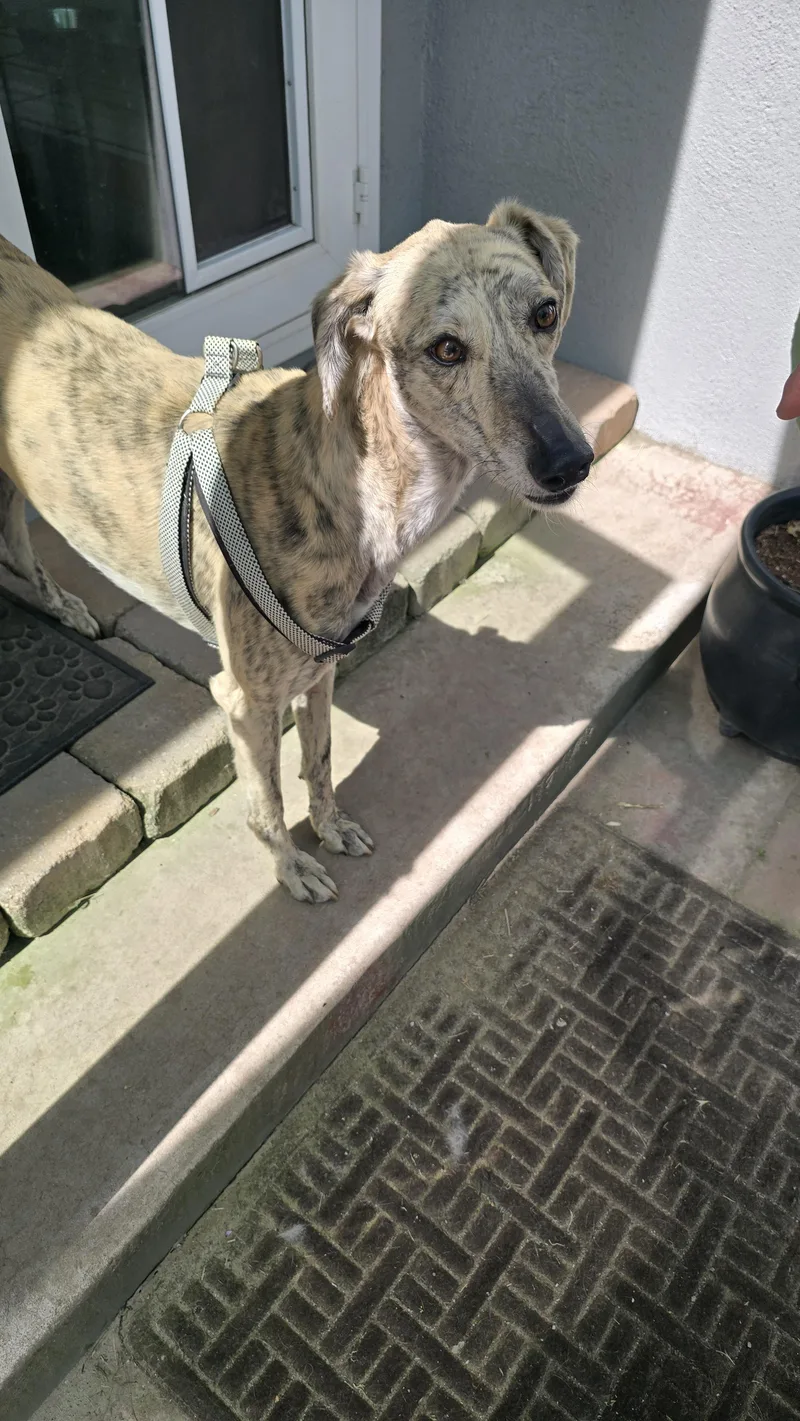
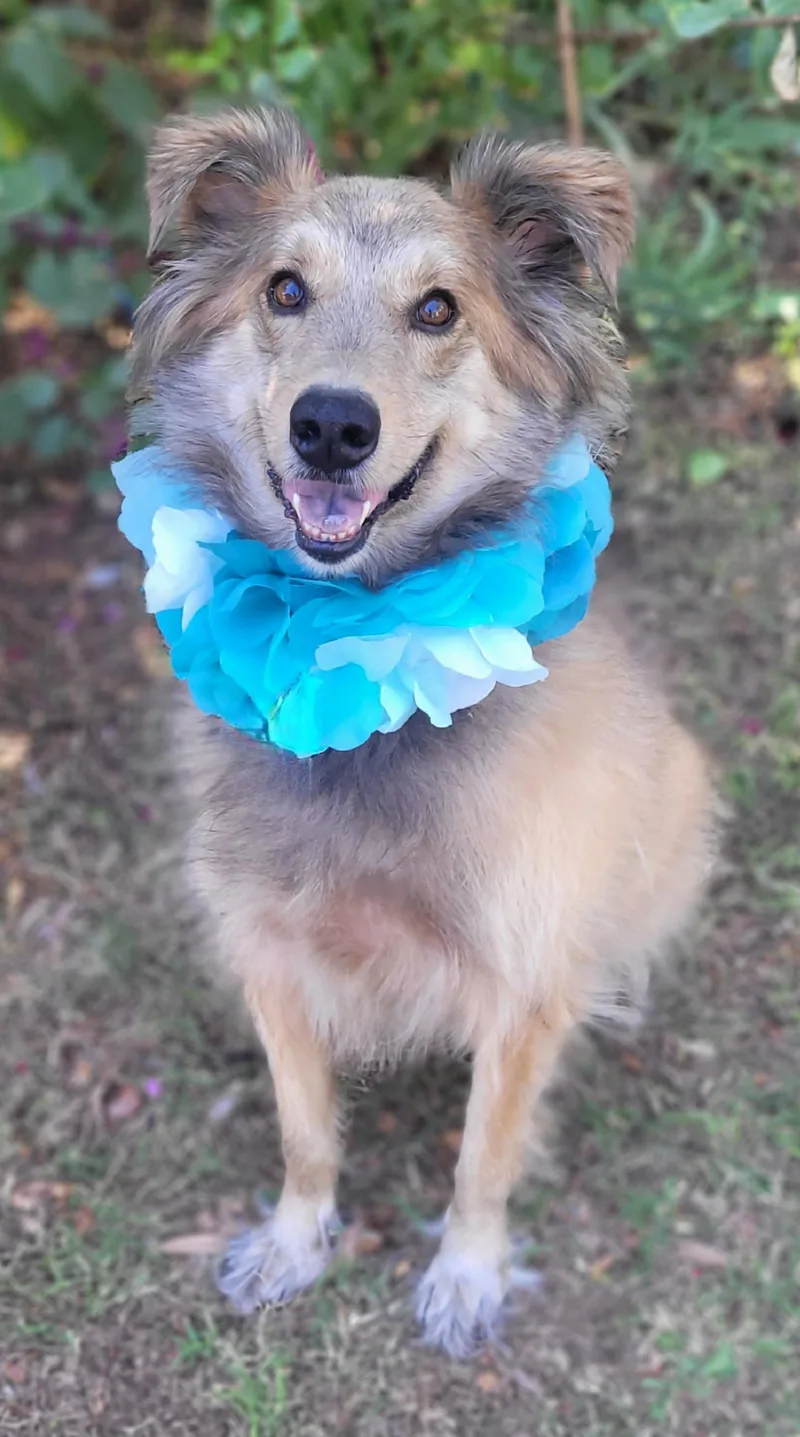
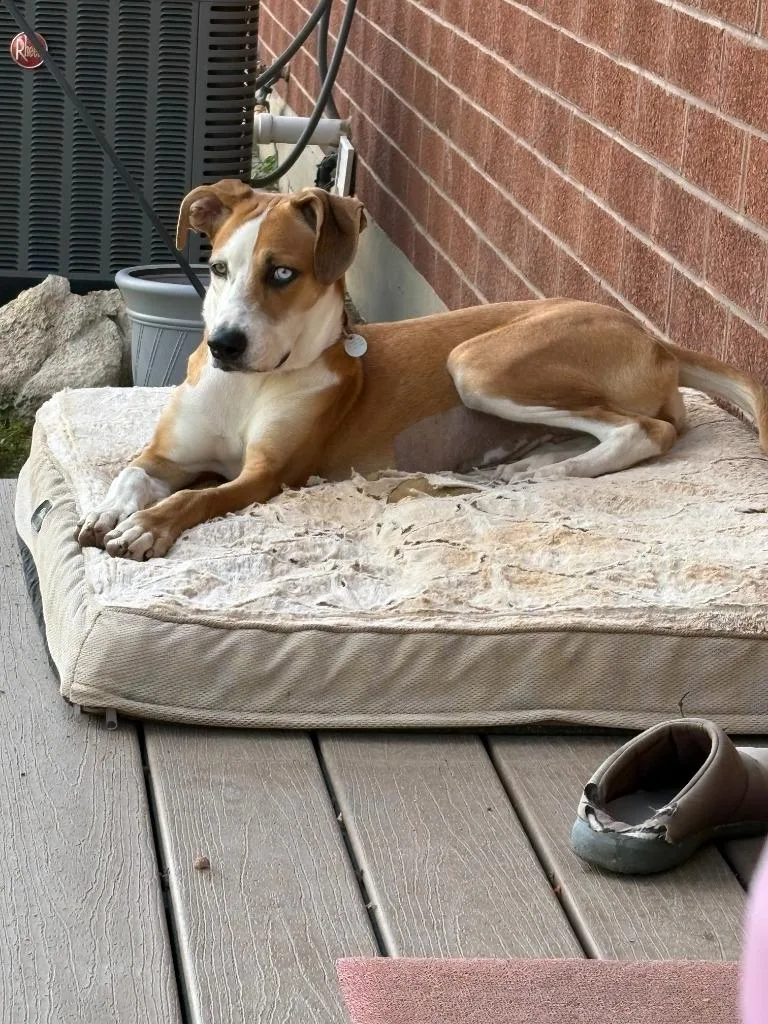
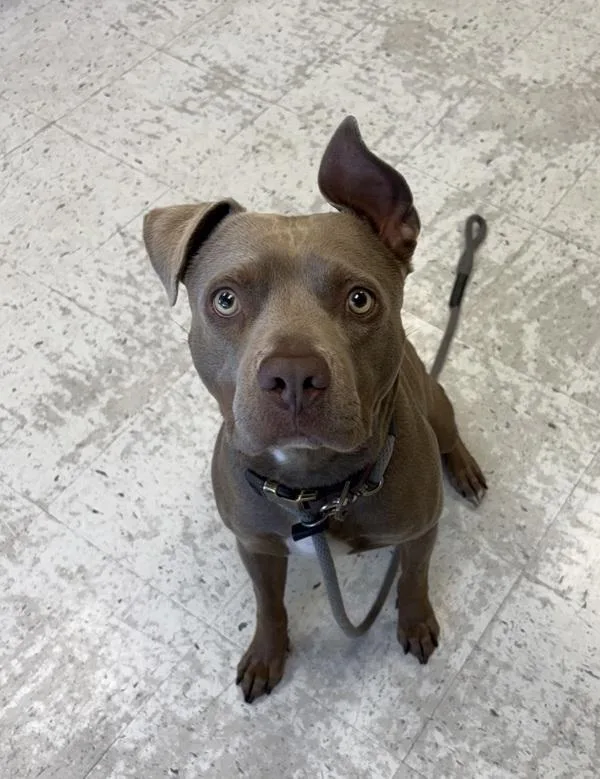
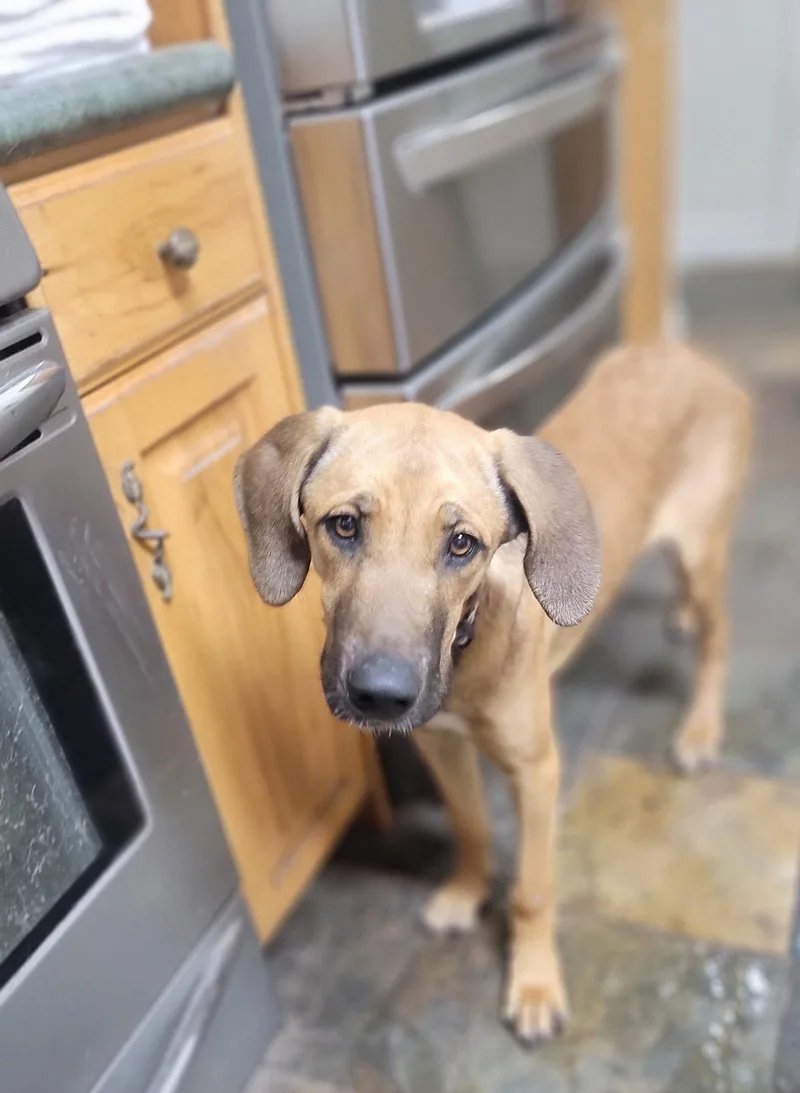
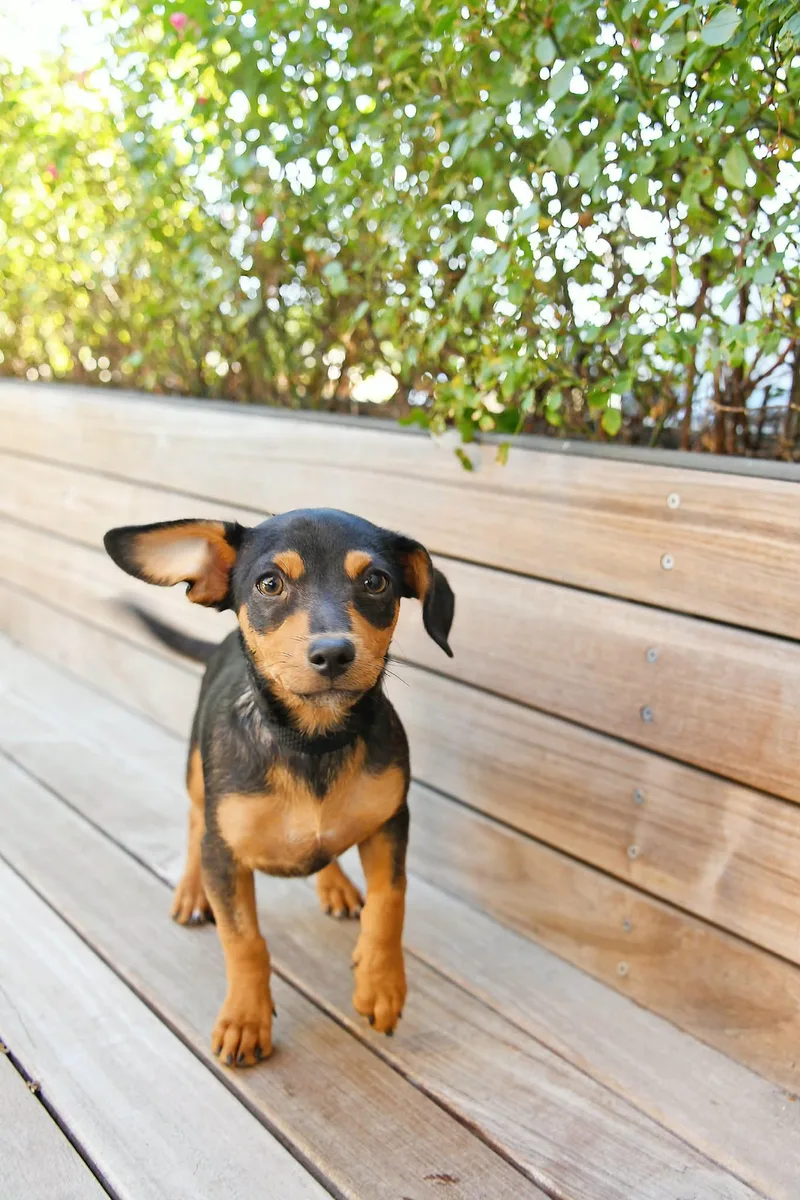
16 Salukis available in Salt Lake City and nationwide

Give a Saluki a home

While we don't have enough dogs near Salt Lake City, keep in mind that many rescues may offer transport.

Salukis Available for Adoption Near Salt Lake City

About the Saluki breed

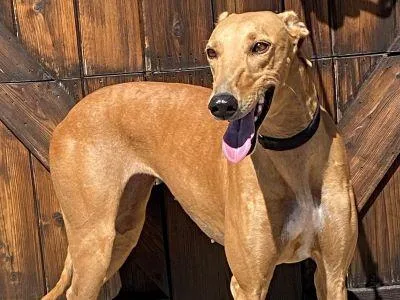
The Saluki is a sighthound from the Middle East and the Fertile Crescent, where nomadic peoples used it to course gazelle and hare across open desert. Dogs resembling it appear in ancient Mesopotamian and Egyptian art, and today it's an uncommon breed in American homes. Coats come feathered, with silky fringes on the ears and tail, or smooth, in colors from cream and red to black and tan.

Many Salukis are gentle, quiet and reserved with strangers, and affectionate with their own people. Prey drive is intense, so most can't be trusted off leash outside secure fencing. In SLC, that means planning around leashed walks and a fenced yard for sprints. Shedding is low and grooming is simple, but the thin skin and lean body call for soft beds and a warm coat.

Weight
35–65 lbs
Height
23–28 in
Lifespan
12–15 yrs
Temperament
Gentle, Independent, Dignified, Athletic
Group
Hound
Shedding
Low

Owning a Saluki in Salt Lake City

Having a Saluki in SLC

In Salt Lake City, a Saluki's chase instinct, thin skin and lean build matter more than its looks. Dogs vary, but these traits shape the fenced yards, winter gear and leashed routes that make life here work.

Temperament

Salukis are often quiet, sensitive and loyal, bonding closely with one or two people. Many stay calm at home but can be shy with visitors and dislike loud, rowdy households. Expect a Saluki to bolt after squirrels, cats or rabbits it spots along SLC sidewalks, so use a secure harness and a firm grip.

Exercise Needs

Plan on a long daily walk plus regular full-speed sprints in a securely fenced space, since recall usually fails once a Saluki spots something to chase. Leashed loops like Liberty Park handle the walking. Sniffing walks and gentle training add mental work, and many Salukis then nap for hours.

Health Considerations

Salukis are generally sturdy, but heart disease, cancers such as hemangiosarcoma and low thyroid values are worth knowing about. Low body fat means anesthesia calls for a vet familiar with sighthounds, and thin skin tears easily. A veterinarian can check the heart and read thyroid results in context. On smoggy winter inversion days, keep walks short.

Living Space

A Saluki can live in a house or a quiet apartment if daily exercise is covered. A high, secure fence is very valuable, since many jump or squeeze through gaps when chasing. Plan on padded bedding for bony joints, a warm coat for cold months and a calm routine. A ground-floor unit near leashed walking routes makes daily life simpler.

What it costs to own a Saluki in Salt Lake City

ExpenseTypical costPer year
Food$55 to $110 per month$660 to $1,320
Pet insurance$55 to $110 per month$660 to $1,320
Routine vet care$250 to $500 per year$250 to $500
Other*$540 to $1,590 per year$540 to $1,590
Estimated yearly total (after year one)$2,110 to $4,730

Other costs are estimates and vary with size, age and health.

* The $25 Salt Lake County license for a spayed or neutered dog, flea, tick and heartworm prevention, dental cleanings, supplies, minimal grooming, and a winter coat and padded bedding.

Adopt a Saluki in Salt Lake City.

Now that you know more, let’s find you a new best friend. These rescues and shelters below have dogs available in and near Salt Lake City.

Rescues and Shelters in or near Salt Lake City

Salt Lake City's shelters and rescues list adoptable dogs of every size, age and background, so listings change often. Here are the rescues & shelters in the SLC area with dogs available for adoption, worth asking whether a Saluki is coming in.

Frequently Asked Questions

A Saluki fits SLC best with an active, patient adopter who is home a fair amount and has a secure yard or a plan for safe sprinting. Leashed walks, a warm coat for long winters and a quiet household suit the breed. Dogs vary, but a Saluki is a poor match for off-leash hiking.

Yes. Utah law bars cities from adopting breed-specific rules, so Salukis face no breed restrictions in Salt Lake City. You'll need a dog license by five months of age or within 30 days of moving in, with proof of rabies vaccination. The city doesn't cap licensed dogs, though your lease might.

Salukis can handle SLC winters with preparation. Their thin skin and low body fat make cold harder on them than on thick-coated breeds. With about 112 freezing nights a year, plan on a fitted coat, padded indoor bedding and short walks on the coldest days, and keep outings brief when inversion smog settles in.

Liberty Park is a good pick, since leashed dogs are welcome and three loops allow long walks. The Foothills Natural Area also allows leashed dogs, though coyotes and cougars live there. Because a Saluki chases anything that moves, skip unfenced off-leash time. Several canyons, including upper City Creek, Parleys and both Cottonwoods, ban dogs entirely.

Mostly no. UTA allows pets on buses, TRAX and FrontRunner only if they're securely contained in a cage, kennel, carrier or container, and staff won't carry it. An adult Saluki at 35–65 pounds is usually too big for that. Service animals are the exception. Plan on walking or driving, and never leave a dog in a parked car.

Very little. Salukis shed lightly, and a weekly brushing keeps a smooth coat tidy, with a bit more attention to the feathering on the ears and tail. Baths are only occasional. Dry SLC air doesn't change that, but cold winters call for a coat. Grooming costs fit within the yearly Other line.

Only on approved patios. In Salt Lake County, dogs can join you only at restaurants the Health Department has approved, which display a dog-patio sticker. Your Saluki must stay leashed, wear a collar with current license and rabies tags, and can have water but no food or treats. Dogs can't go inside.

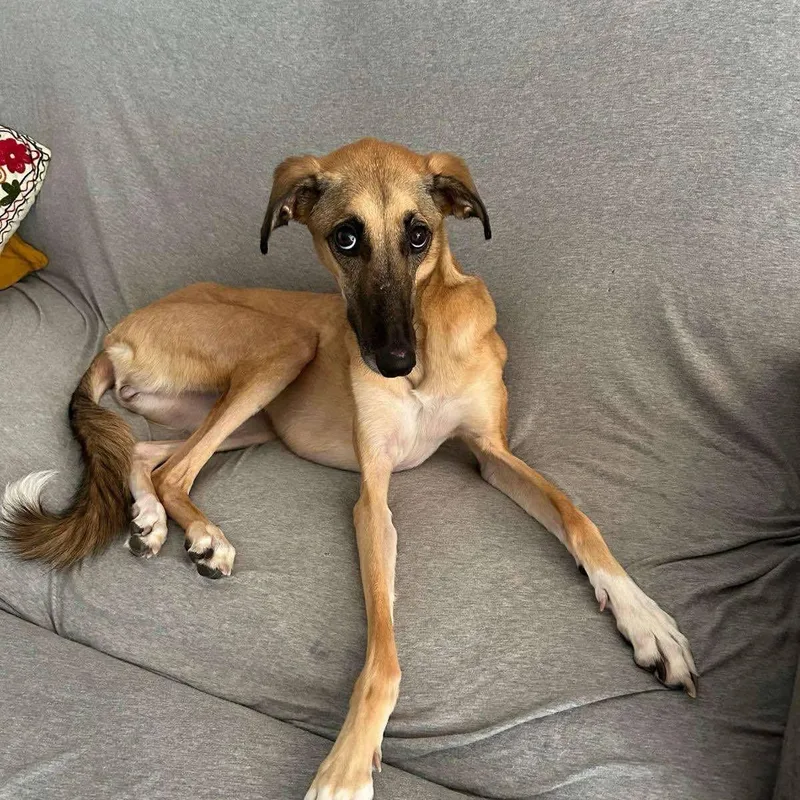
A Saluki is a tall, slender sighthound from the Middle East, bred to chase gazelle and hare by sight across open country. It has long legs, a narrow head, a deep chest and either silky feathering or a smooth coat. Many are gentle, quiet and independent at home, with an intense chase instinct outdoors.

A Saluki can run roughly 40 miles per hour at full speed, and the 1996 Guinness Book of Records listed one at about 42.8 mph. Greyhounds may be quicker over a short sprint, but Salukis are known for holding high speed over longer distances. That speed is why secure fencing and leashes matter so much for this breed.

Expect roughly $55–$110 a month for food and $55–$110 for insurance, plus $250–$500 a year for routine vet care. Other yearly costs run $540–$1,590, covering parasite prevention, dental care, the license, supplies and a winter coat. That puts a typical year at about $2,100–$4,700 before any emergencies.