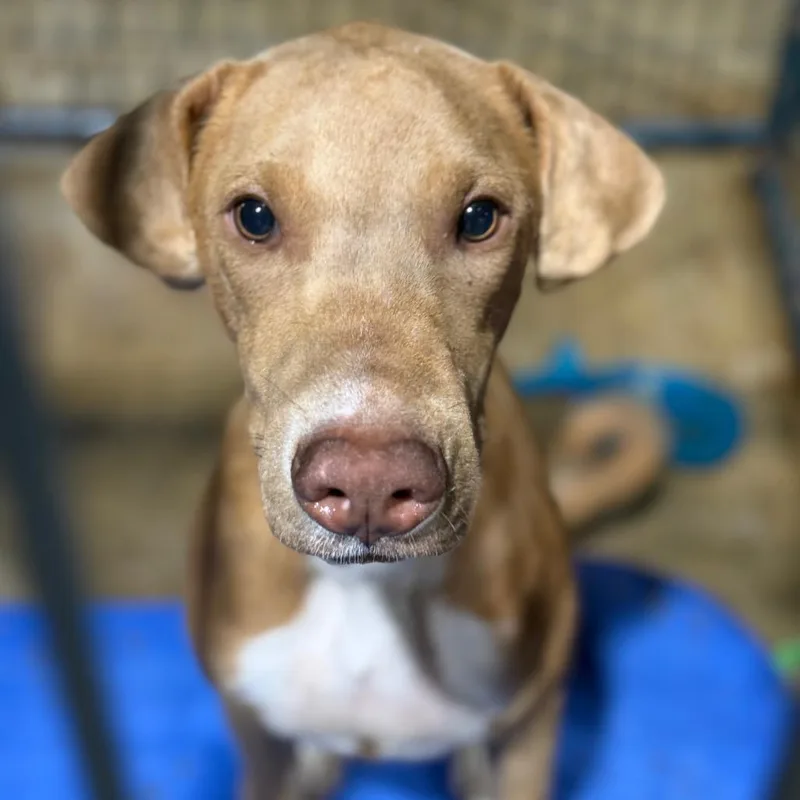
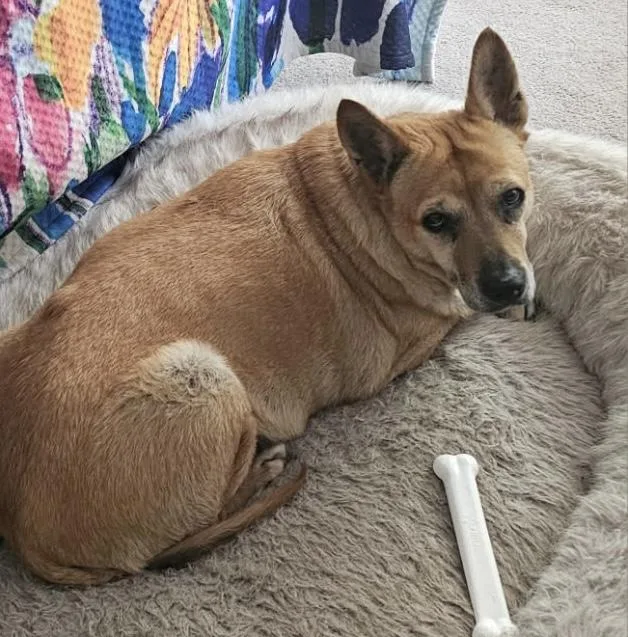
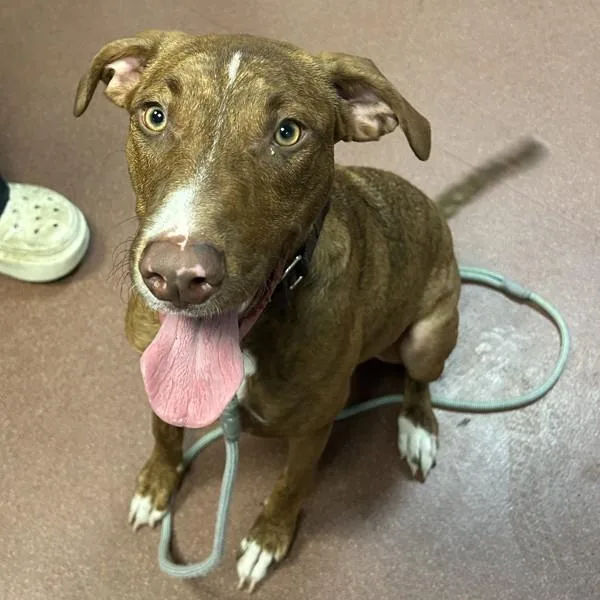
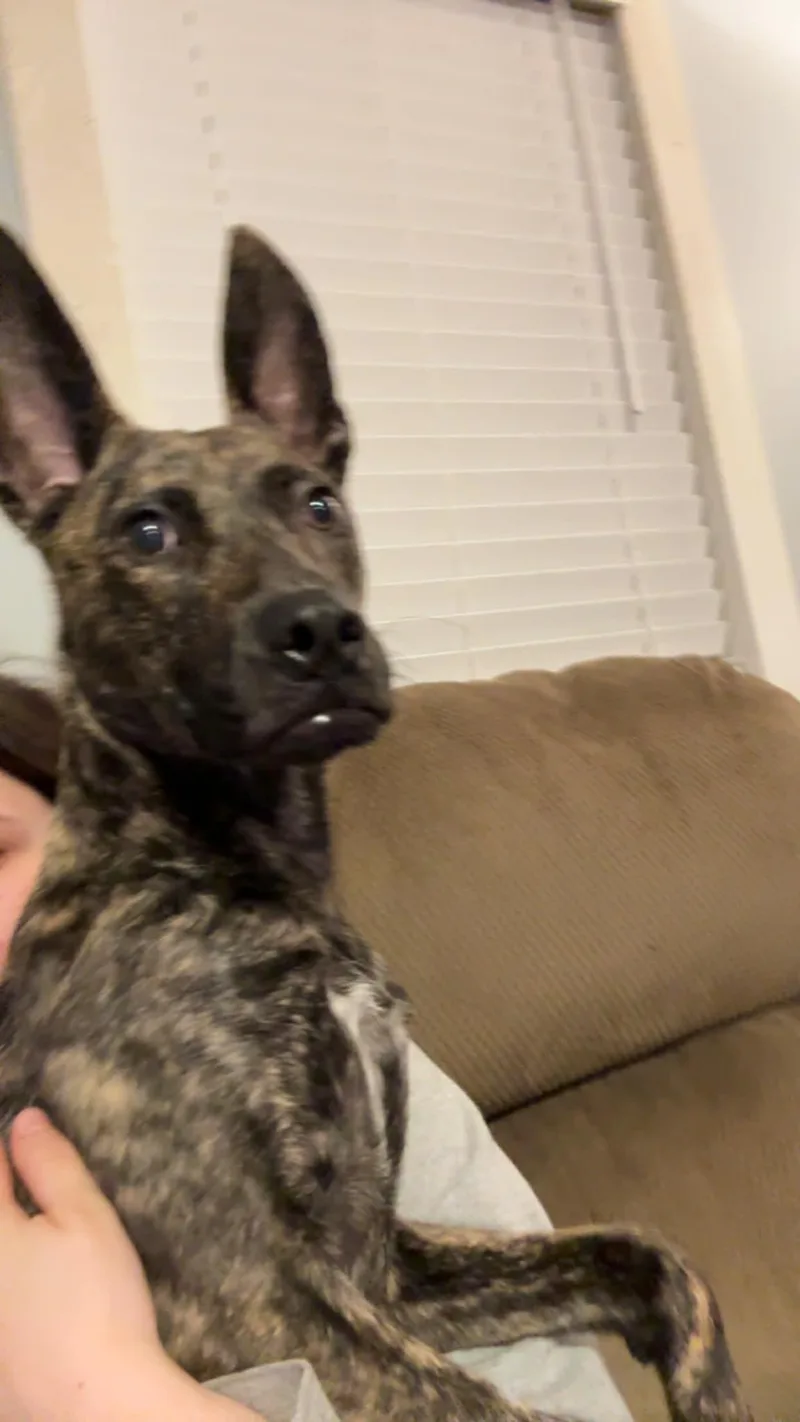
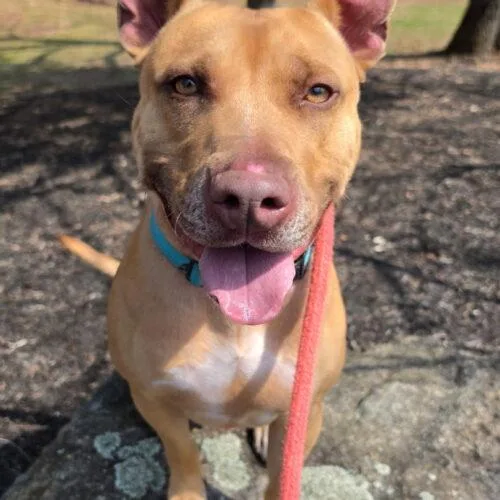
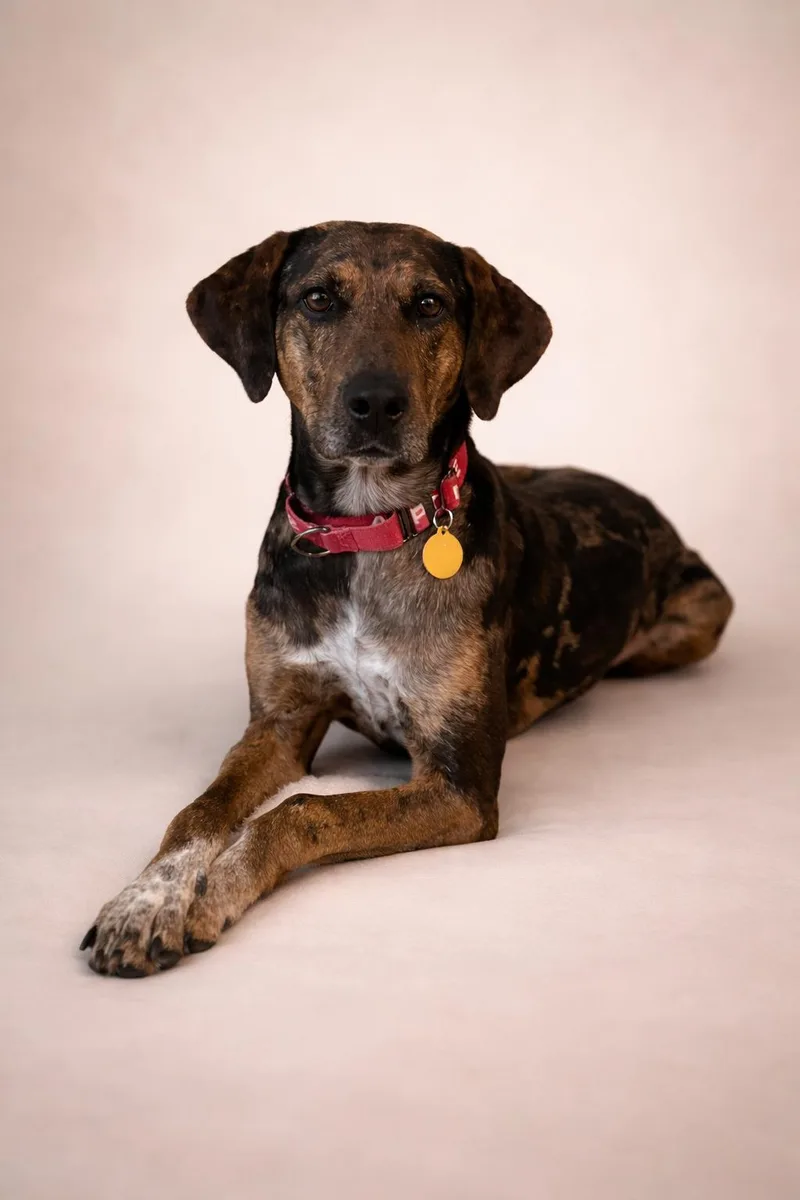
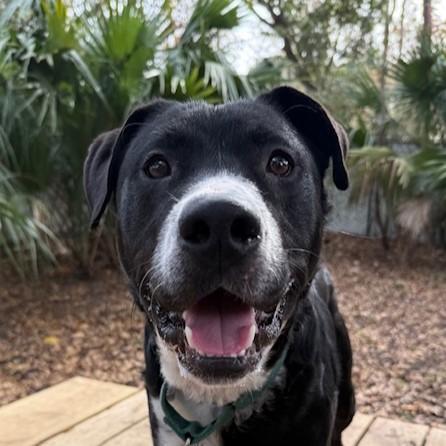
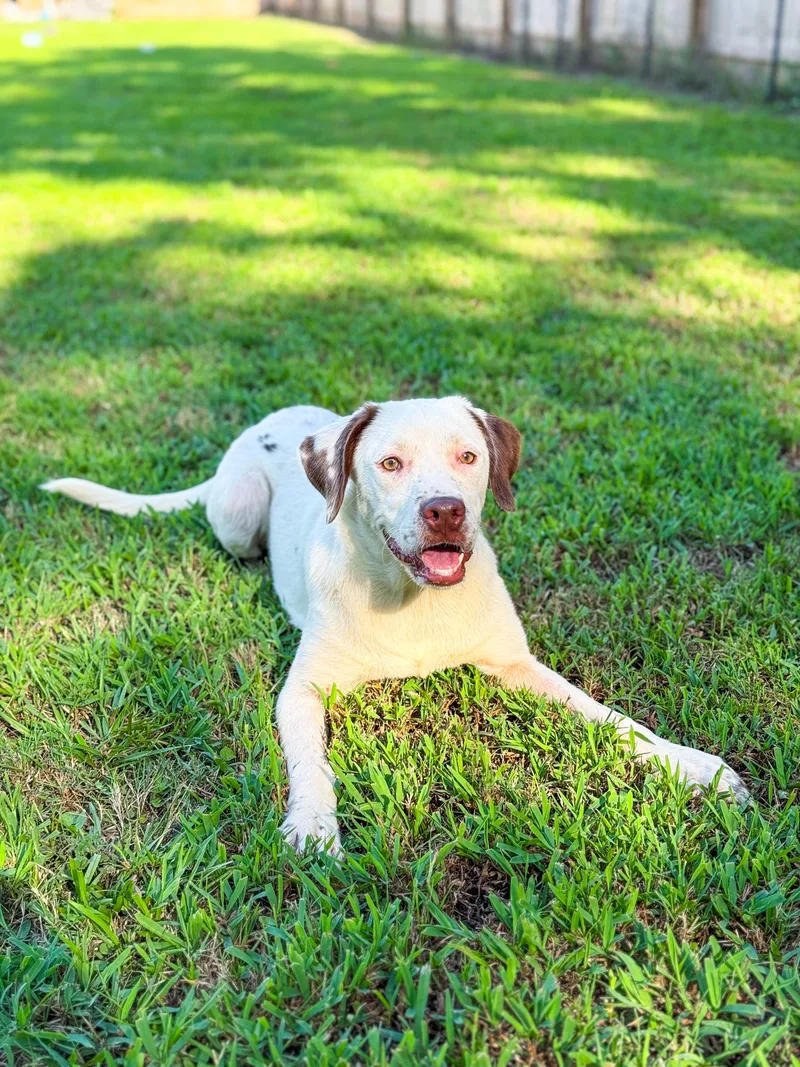
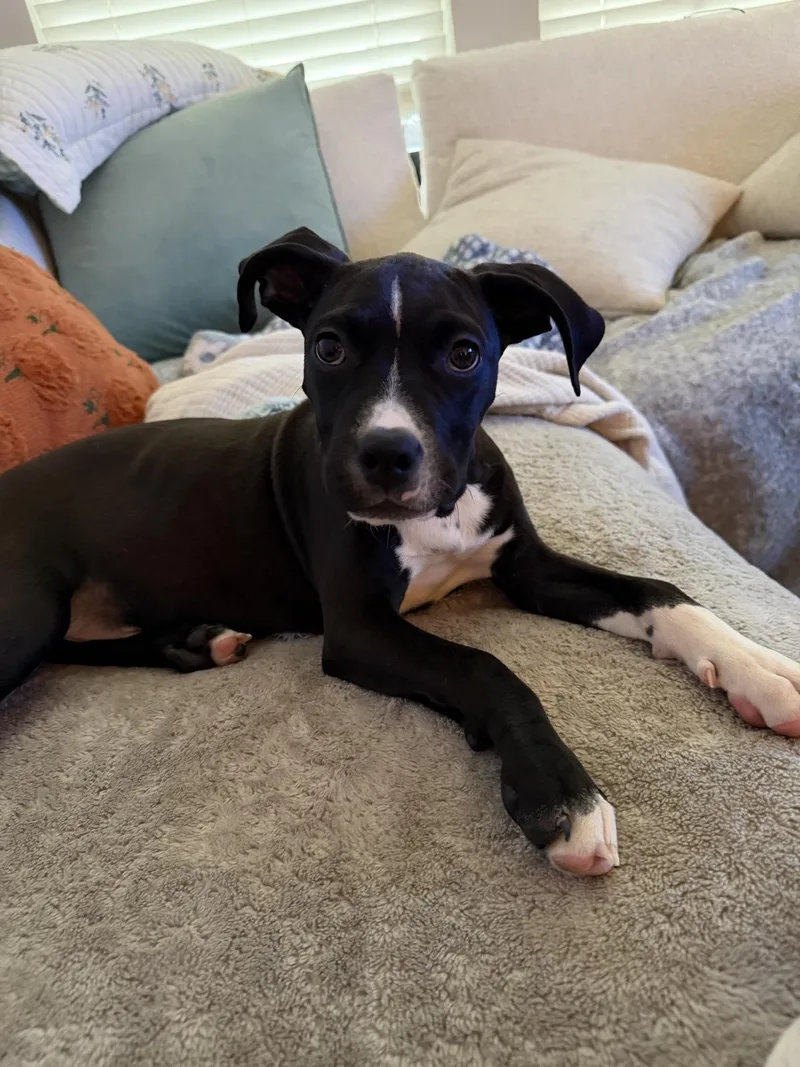
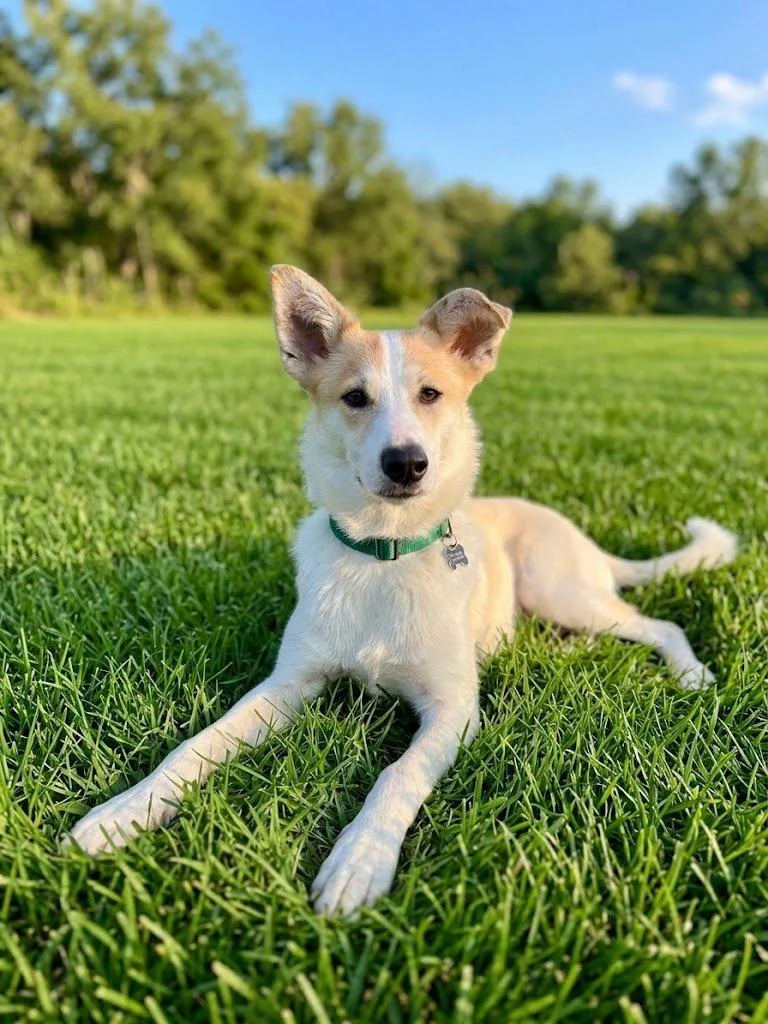
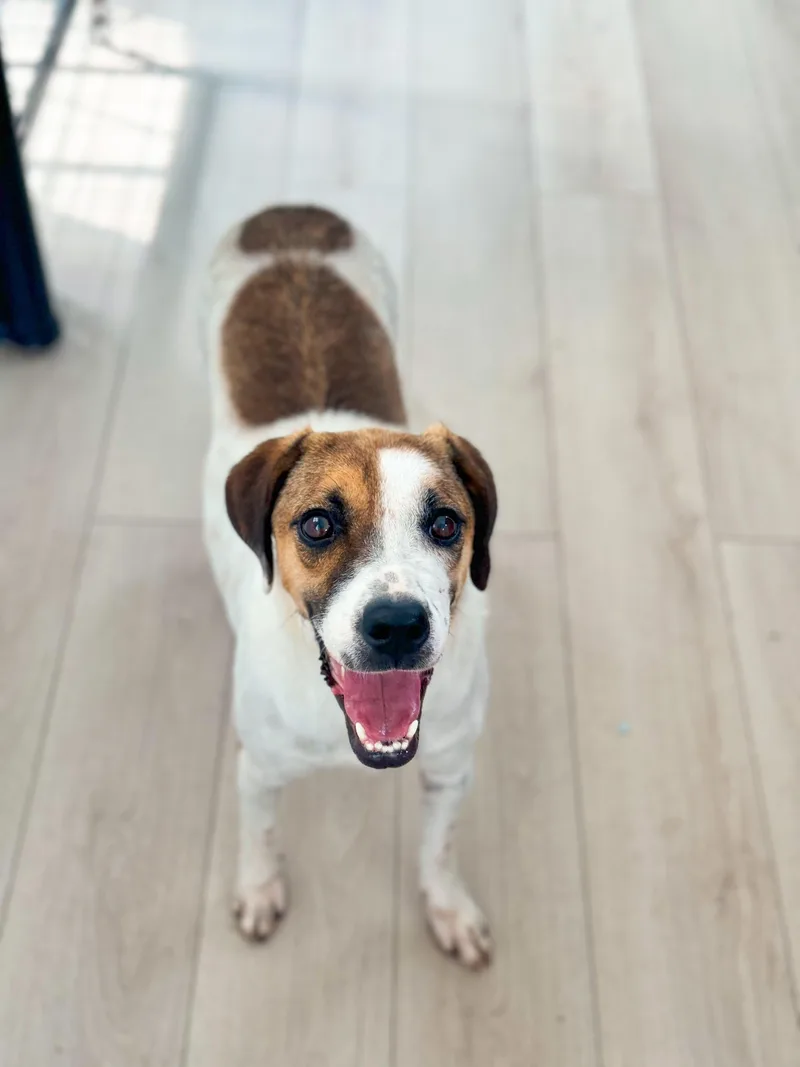
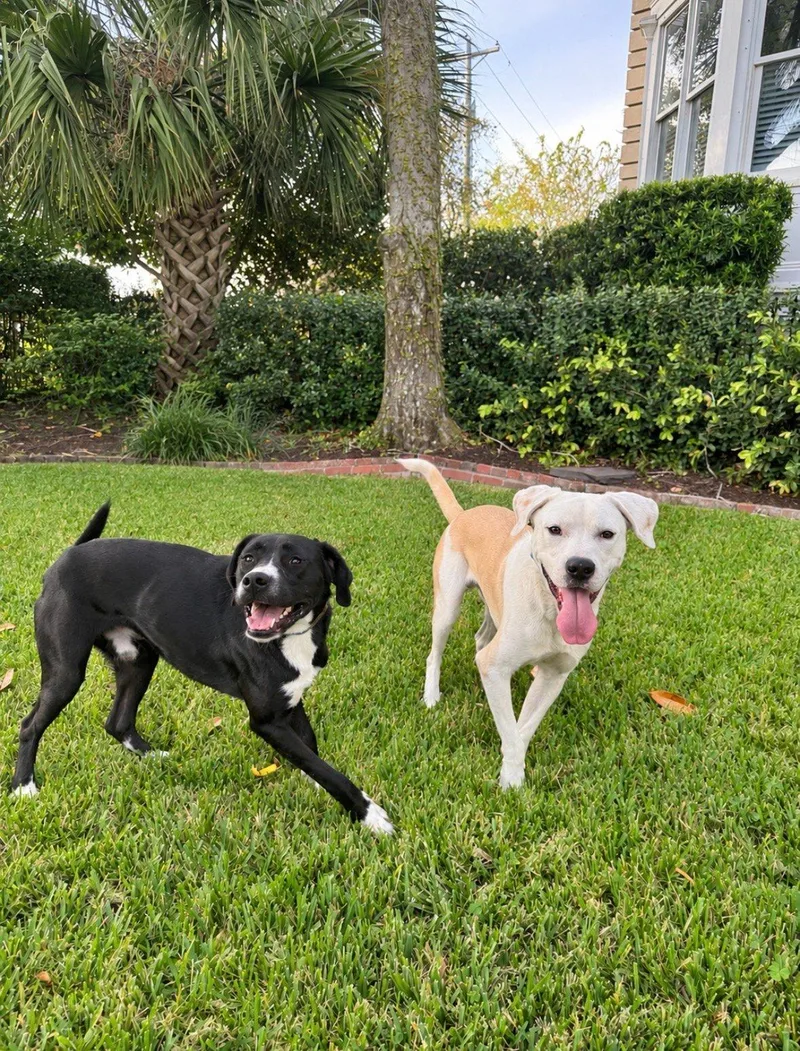
Pharaoh Hound Dogs for Adoption in Charleston, SC

Your guide to finding and caring for a Pharaoh Hound in Charleston

Pharaoh Hounds can live well in Charleston if they have a fenced place to sprint. Governor's Park on Daniel Island and Ackerman Park in West Ashley both have fenced dog parks, which suits a hound built for short, fast runs. Indoors they're usually calm once they've exercised, so a Daniel Island condo or a West Ashley bungalow can work. Out walking, squirrels and marsh birds can set off that hunting instinct, so a secure harness and a firm grip on the leash matter.

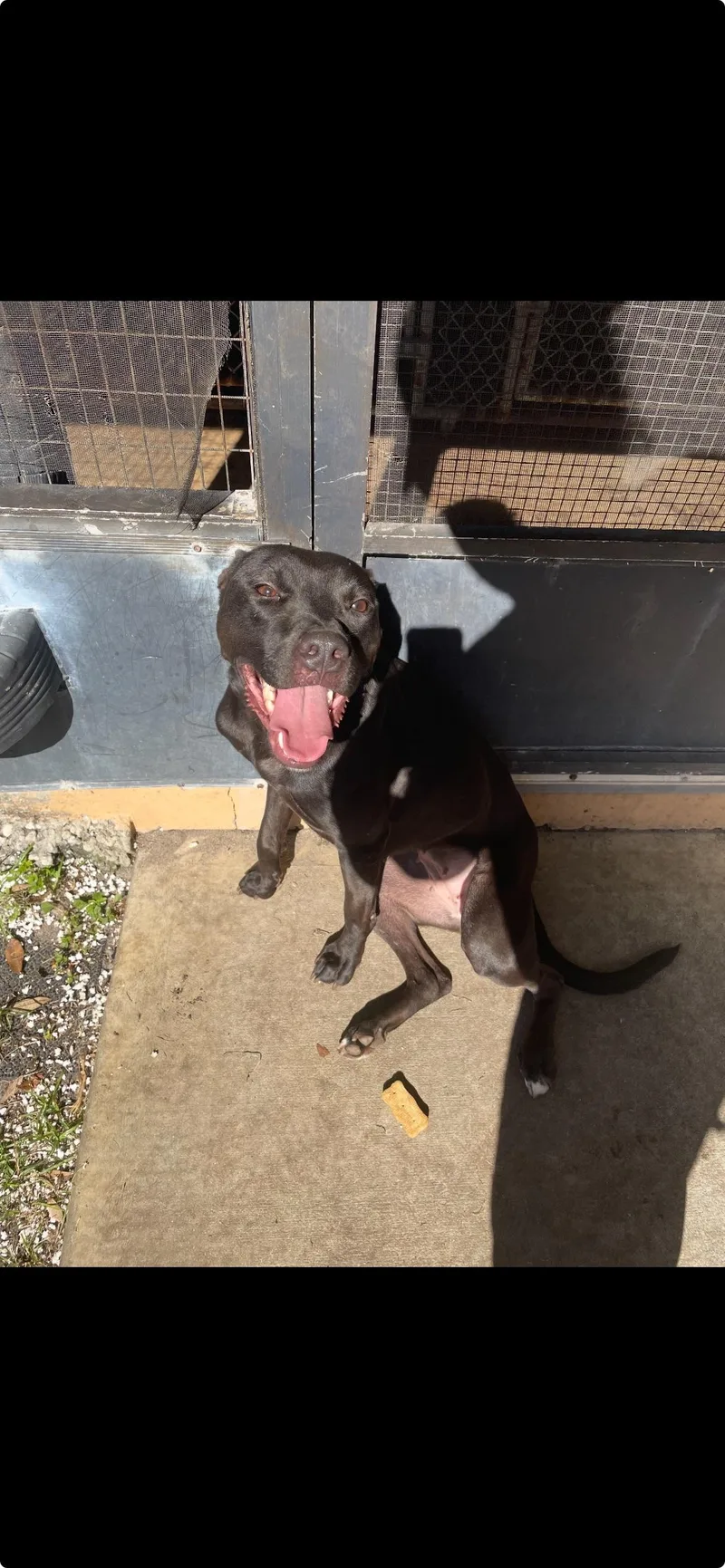
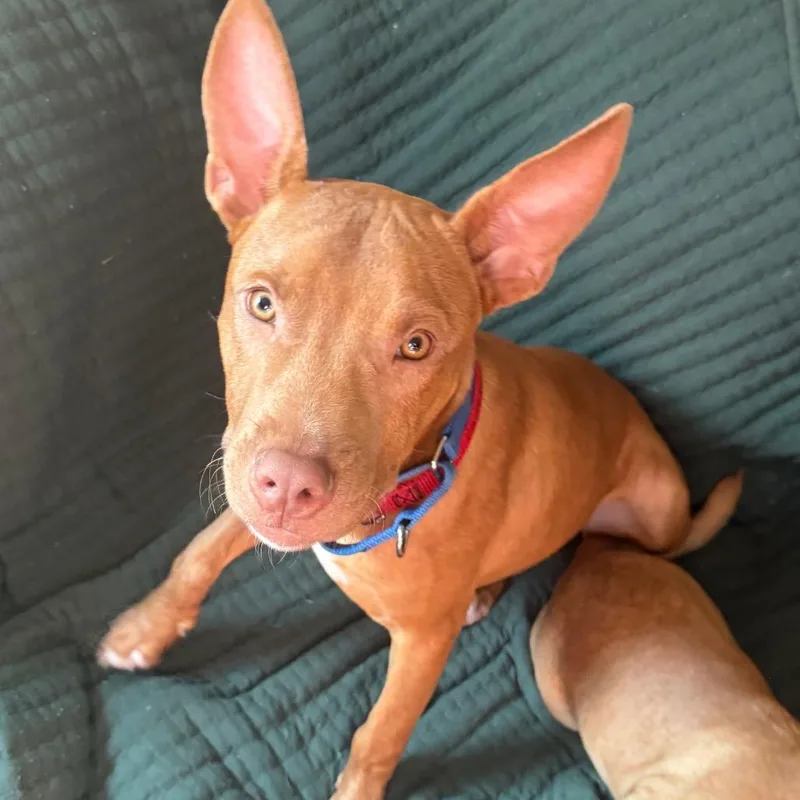
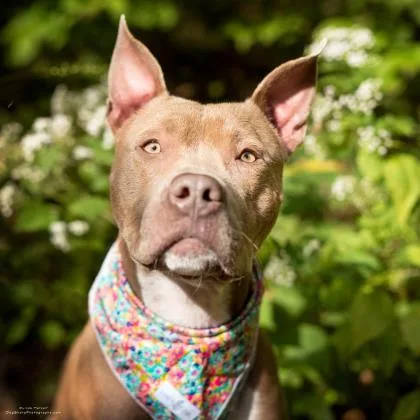
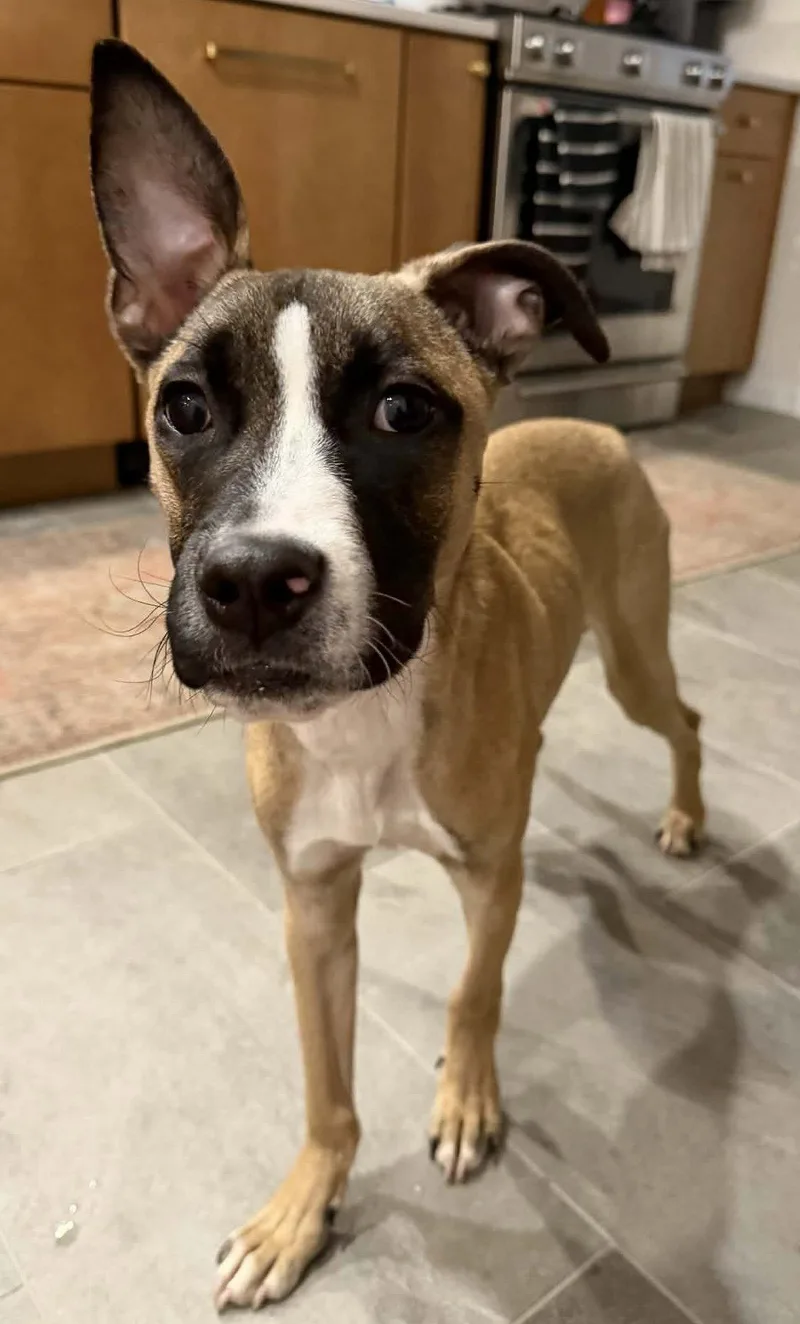
22 Pharaoh Hounds available in Charleston and nationwide

Find your Pharaoh Hound

While we don't have enough dogs near Charleston, keep in mind that many rescues may offer transport.

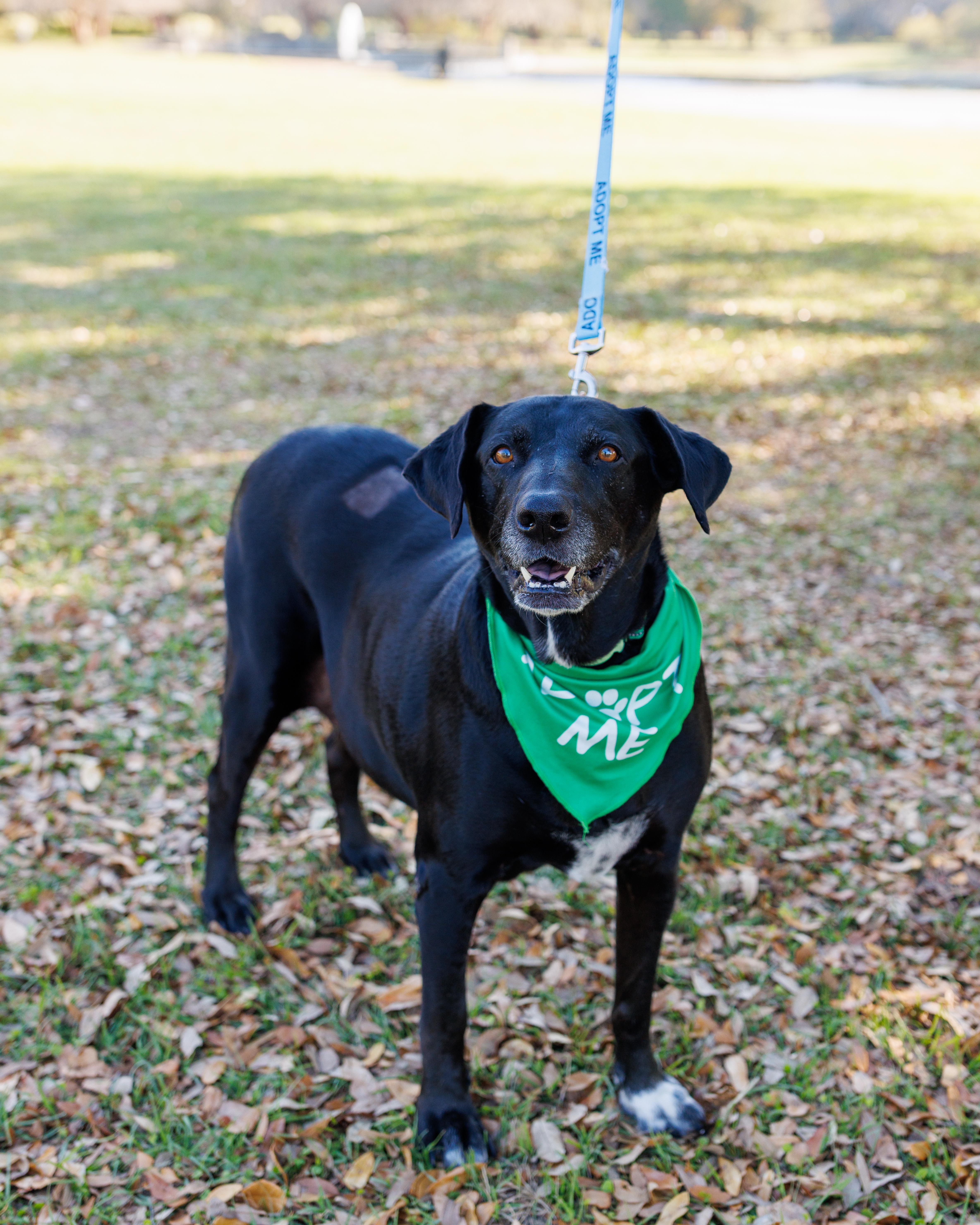
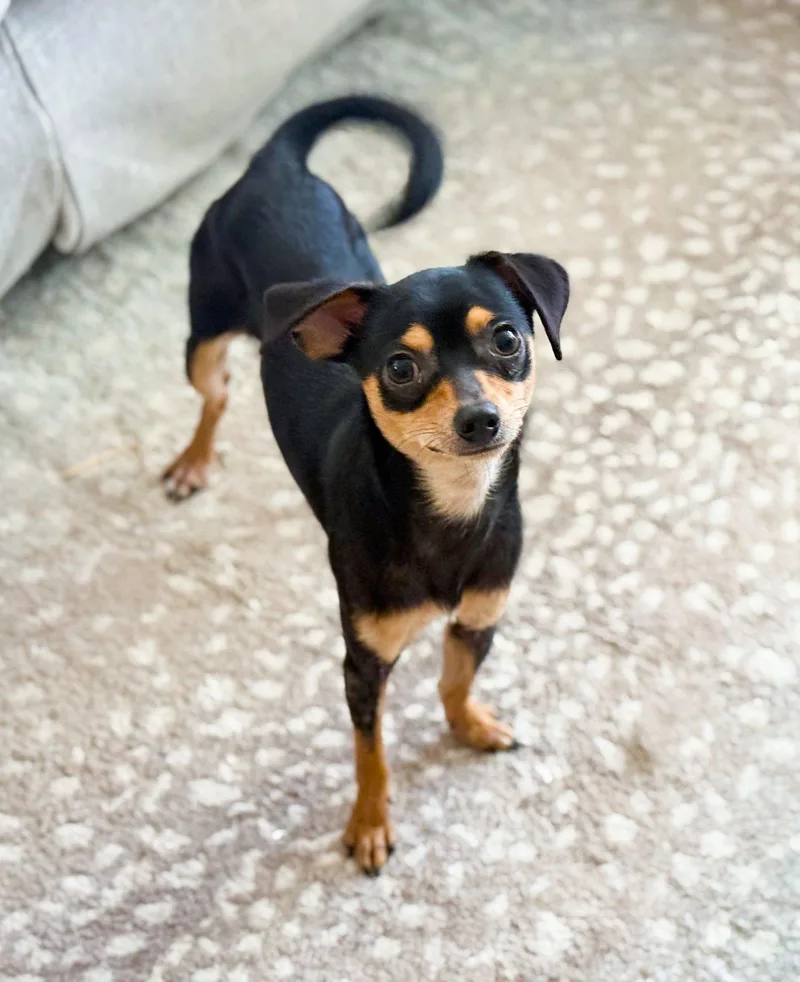
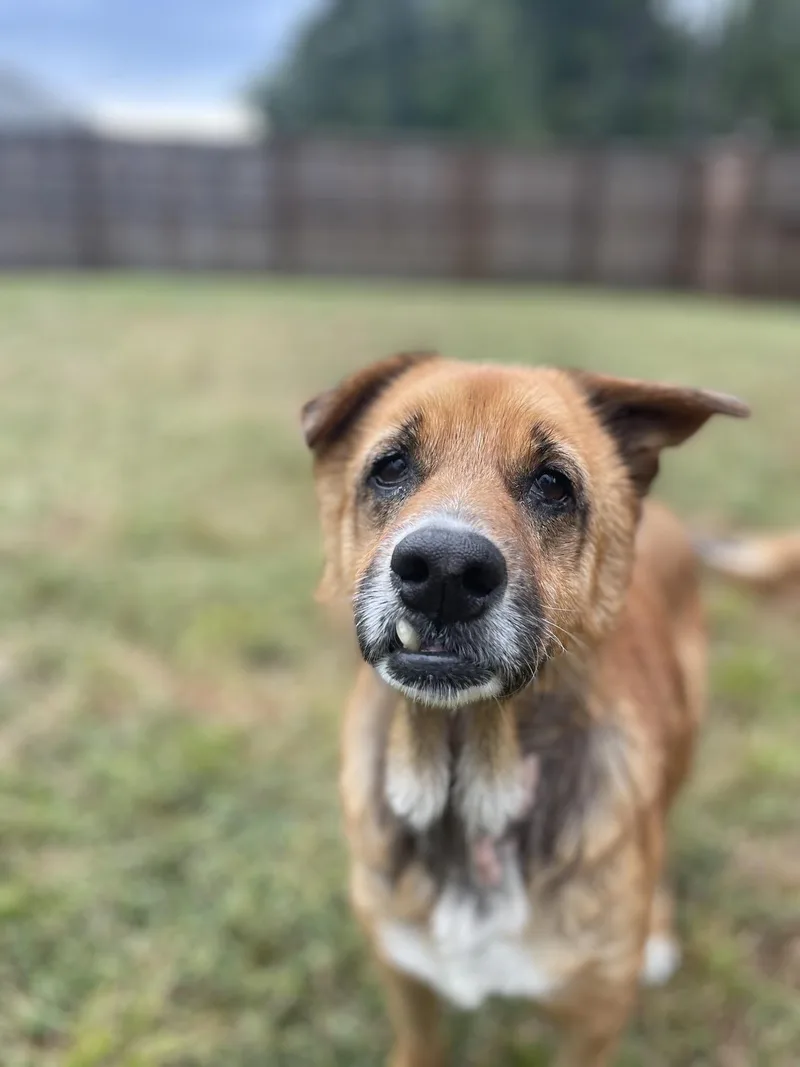
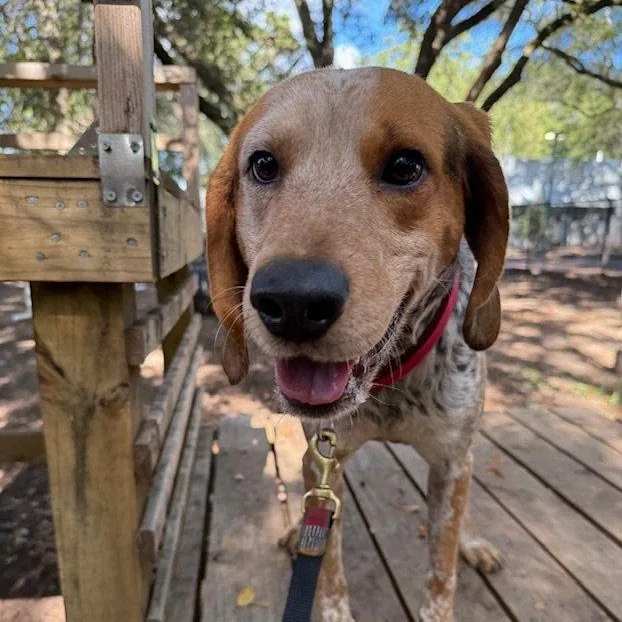
Pharaoh Hounds Available for Adoption Near Charleston

About the Pharaoh Hound breed

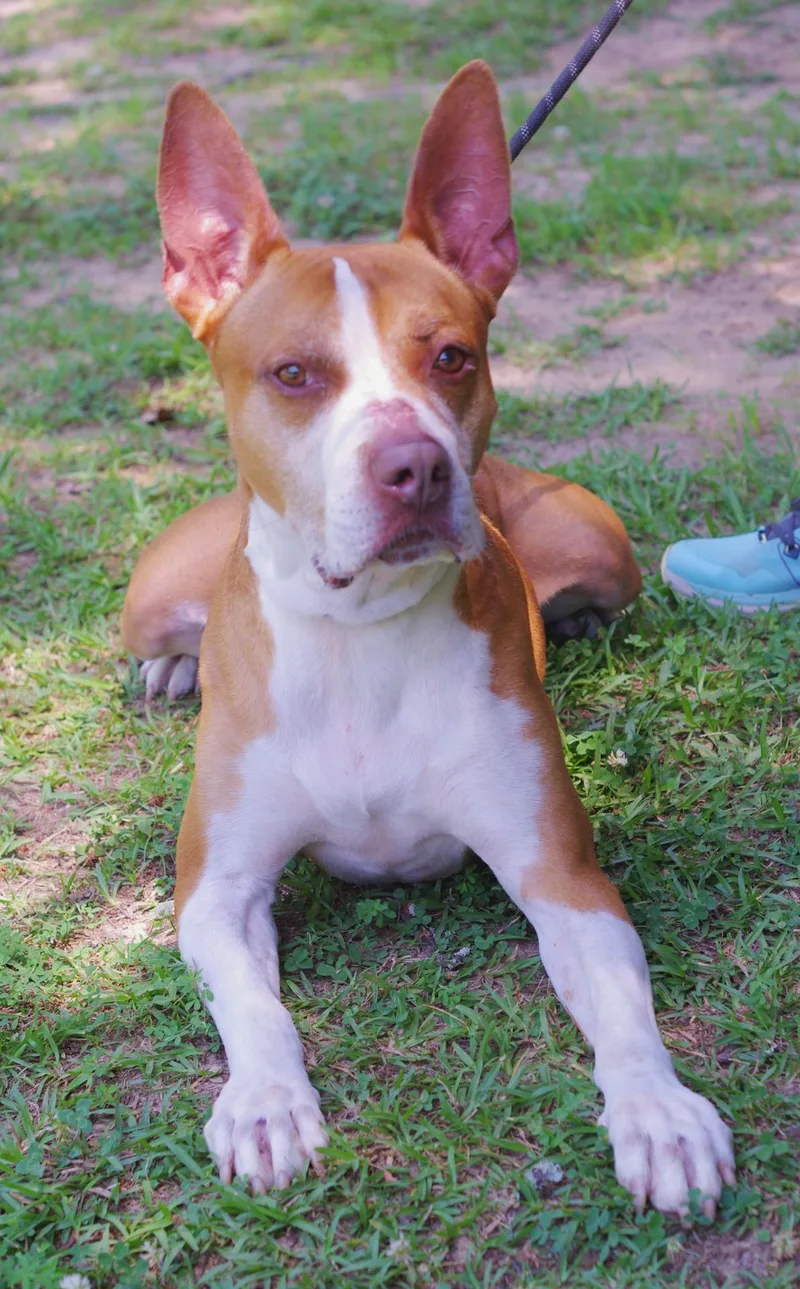
The Pharaoh Hound comes from Malta, where it's called Kelb tal-Fenek, the rabbit dog, and was used to course rabbits over rocky ground, often at night, by sight and scent. The name and the resemblance to dogs in Egyptian art suggest ancient Nile roots, but genetic studies point to a more recent development on Malta. It's a tall, lean dog with a tan to chestnut coat, amber eyes and large, mobile ears, and the ears and nose flush pink when it's excited.

At home, many are affectionate, playful and fairly calm once exercised, with a clownish streak and a tendency to vocalize. Outdoors, a small animal can trigger a sprint that no recall will stop, so fenced yards and leashed walks are the norm. The short coat sheds little, but it offers scant protection from cold, even in a mild Lowcountry winter.

Weight
45–55 lbs
Height
21–25 in
Lifespan
11–14 yrs
Temperament
Affectionate, Playful, Alert
Group
Hound
Shedding
Low

Owning a Pharaoh Hound in Charleston

Having a Pharaoh Hound in Charleston

Expect a lean sprinter with a strong chase instinct and a soft side indoors. In Charleston, secure fencing, heat management through the long humid summer, and wildlife along marshes and ponds shape daily routines more than grooming does.

Temperament

Many Pharaoh Hounds are affectionate, playful and a bit comical with their families, while some stay reserved with strangers at first. They're sensitive, so patient, upbeat training works better than harsh correction. A strong prey drive means cats and small pets need careful, gradual introductions, and each dog's own behavior says more than breed reputation.

Exercise Needs

Plan on a daily walk plus regular sprints in a securely fenced space. Charleston's fenced city dog parks, such as Governor's Park on Daniel Island or Medway Park in West Ashley, fit that need. Jogging on leash and scent games add variety. Save unfenced off-leash areas for dogs with proven recall, which Pharaoh Hounds rarely have.

Health Considerations

Pharaoh Hounds are generally healthy, though hip and eye problems occasionally appear. They can be sensitive to anesthesia and some insecticides, so make sure any veterinarian knows the breed before treatment, including flea and tick products. Their lean build and thin coat scrape and chill easily, and Charleston's warm, humid climate makes steady heartworm prevention worthwhile.

Living Space

Condos and rentals can work when the dog gets daily exercise and regular chances to run. A tall, secure fence matters more than yard size, because many Pharaoh Hounds can jump or scramble over low barriers. Indoors they like soft bedding and a warm spot, and they may vocalize, which close neighbors will notice.

What it costs to own a Pharaoh Hound in Charleston

ExpenseTypical costPer year
Food$35 to $70 per month$420 to $840
Pet insurance$45 to $85 per month$540 to $1,020
Routine vet care$225 to $450 per year$225 to $450
Other*$490 to $1,490 per year$490 to $1,490
Estimated yearly total (after year one)$1,675 to $3,800

Other costs are estimates and vary with size, age and health.

* Flea, tick and heartworm prevention, a dental cleaning allowance, the Charleston pet license, toys and bedding, minimal grooming, and coats or sweaters for cool weather.

Adopt a Pharaoh Hound in Charleston.

Now that you know more, let’s find you a new best friend. These rescues and shelters below have dogs available in and near Charleston.

Rescues and Shelters in or near Charleston

Charleston-area shelters and rescues care for thousands of animals each year, from North Charleston to James Island. Here are the rescues & shelters in the Charleston area with dogs available for adoption, worth asking whether a Pharaoh Hound is coming in.

Frequently Asked Questions

Yes, you can own a Pharaoh Hound in Charleston. No known breed-specific rule applies, and state law says breed alone doesn't make a dog dangerous. You'll need a city pet license and rabies tag, a microchip or ID collar for dogs over four months old, a leash no longer than 16 feet in public, and waste pickup.

Fenced dog parks work best, since Pharaoh Hounds rarely stay reliable off leash. Try Governor's Park on Daniel Island, Ackerman Park or Medway Park in West Ashley, or the James Island Rec Center. James Island County Park adds fenced large-dog space and a lake. City fenced runs require licensed, vaccinated dogs and allow two dogs per person.

Yes, if the dog gets daily exercise. Pharaoh Hounds are usually calm indoors after a good run, so a Charleston apartment can work, but they need regular sprints in a fenced park and may vocalize, which matters with close neighbors. Read the lease for weight or breed rules, since 45 to 55 pounds may sit near some limits.

Yes, with care. The short coat helps, but downtown nights stay around 76°F and highs reach 90°F on about 25 days a year, with more hot days inland, so heat doesn't fade at sunset. Walk at dawn, carry water, avoid hot pavement and never leave the dog in a car. Stay clear of pond and marsh edges.

It can be, if you can offer daily runs in fenced spaces and leashed walks elsewhere. Marshes, ponds and squirrels mean chase temptations and alligator risk. Tidal flooding and hurricane season call for planning: rinse paws after floodwater and include the dog in any evacuation plan. Mild winters mostly need just a coat.

Very little. A weekly rubdown with a soft brush or hound mitt, occasional baths and regular nail trims cover most dogs, and the short coat sheds little. In Charleston's humidity, rinse and dry paws and skin after muddy or flooded walks. Grooming adds little to the Other costs, typically $0 to $100 a year.

Only to outdoor dining areas, and only where the restaurant chooses to allow dogs. South Carolina permits dogs on outdoor table-service patios, but they can't enter the building or sit on seats or tables. An excited Pharaoh Hound does best leashed and settled under the table after a good run.

CARTA buses, including the free downtown DASH shuttle, always accommodate service animals. Charleston has no subway, and pet rules for CARTA riders can change, so check CARTA's current pet policy before bringing a Pharaoh Hound. A secure harness, short leash and a dog that's been exercised first make any ride easier.

Pharaoh Hounds are not typically aggressive toward people. Most are friendly and affectionate with their families, and some are aloof with strangers until they warm up. Their strongest instinct is to chase, so small animals like cats, rabbits and squirrels can trigger intense pursuit. Early socialization and calm, reward-based training help a Pharaoh Hound stay relaxed in new situations.

Expect roughly $1,675 to $3,800 a year. Food runs $35 to $70 a month and pet insurance $45 to $85 a month. Routine vet care is $225 to $450 a year, and other costs such as parasite prevention, dental care, the license and a coat add $490 to $1,490 a year.