Saluki Dogs for Adoption in Portland, OR

Your guide to finding and caring for a Saluki in Portland

A Saluki fits Portland best when there's a fenced park close to home, like Brentwood Park in Brentwood-Darlington. These lean sighthounds are quiet and gentle indoors, so a Woodstock bungalow or a calm Montavilla rental can work, as long as the dog gets a real sprint a few times a week. Salukis chase anything that moves, so Portland's leash rules in unfenced parks matter more than usual. Plan on a long daily walk and a soft bed in the wet months.

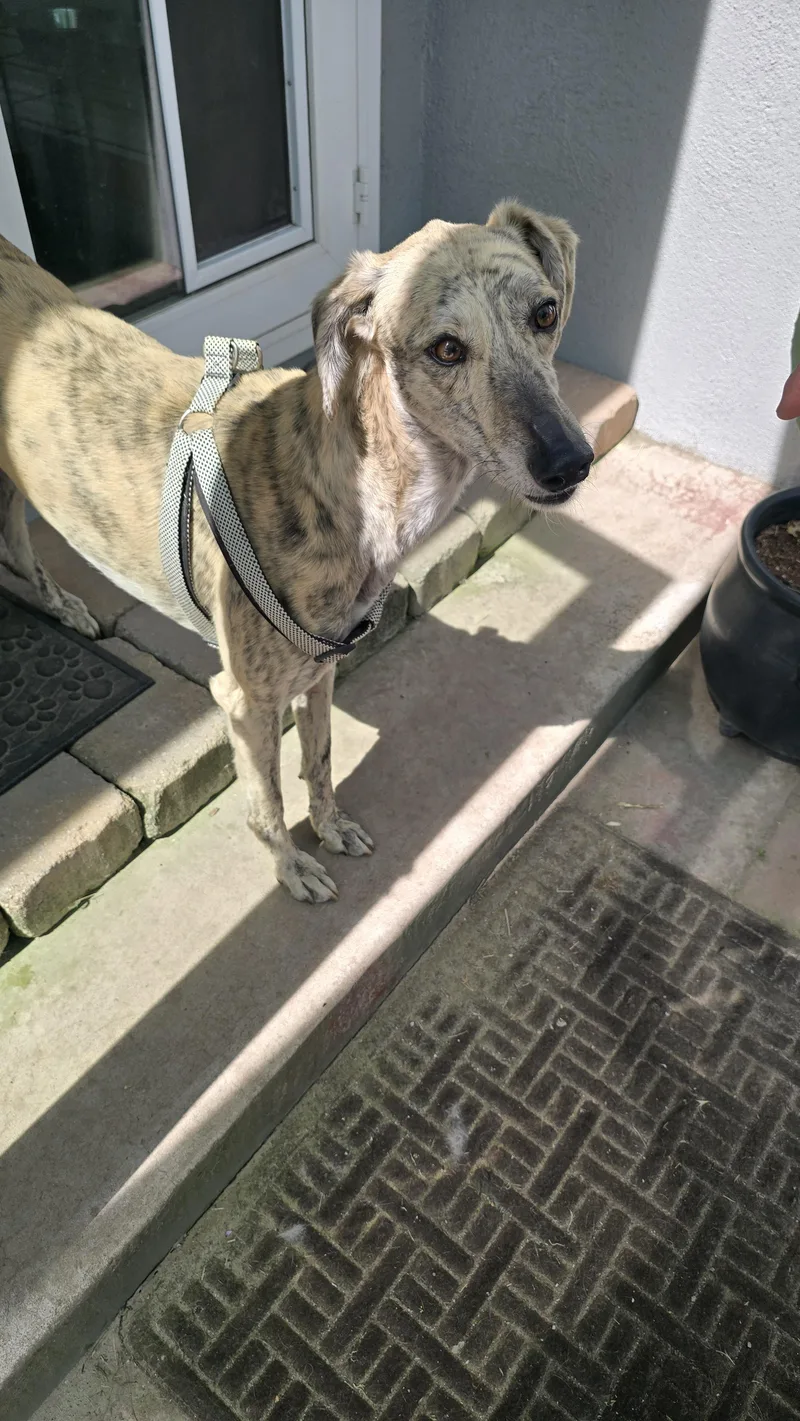
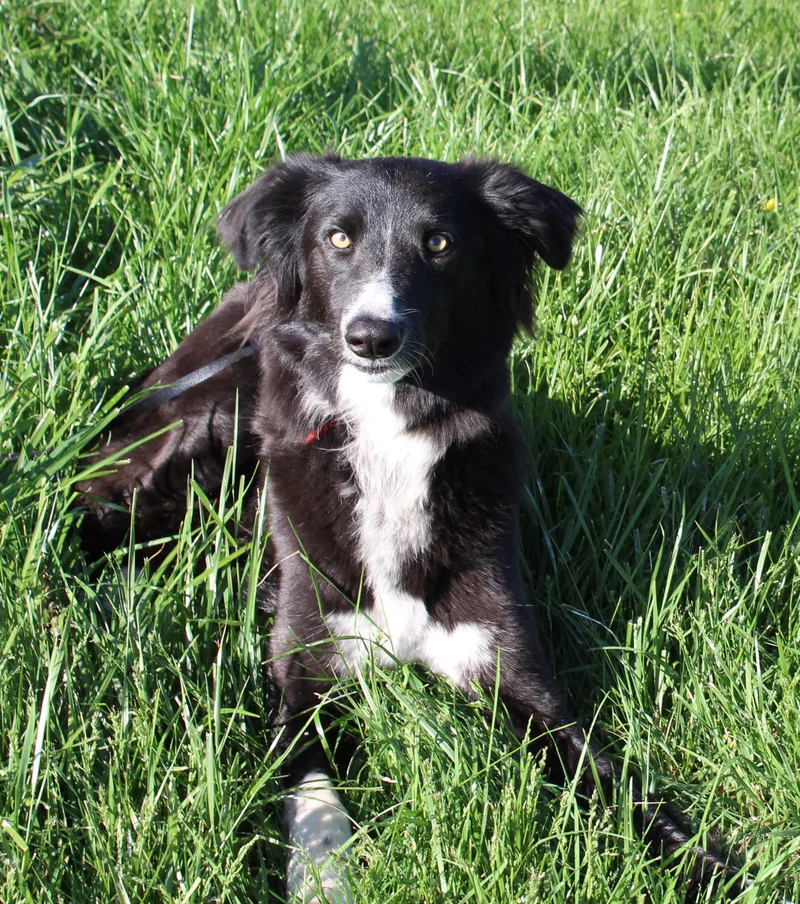
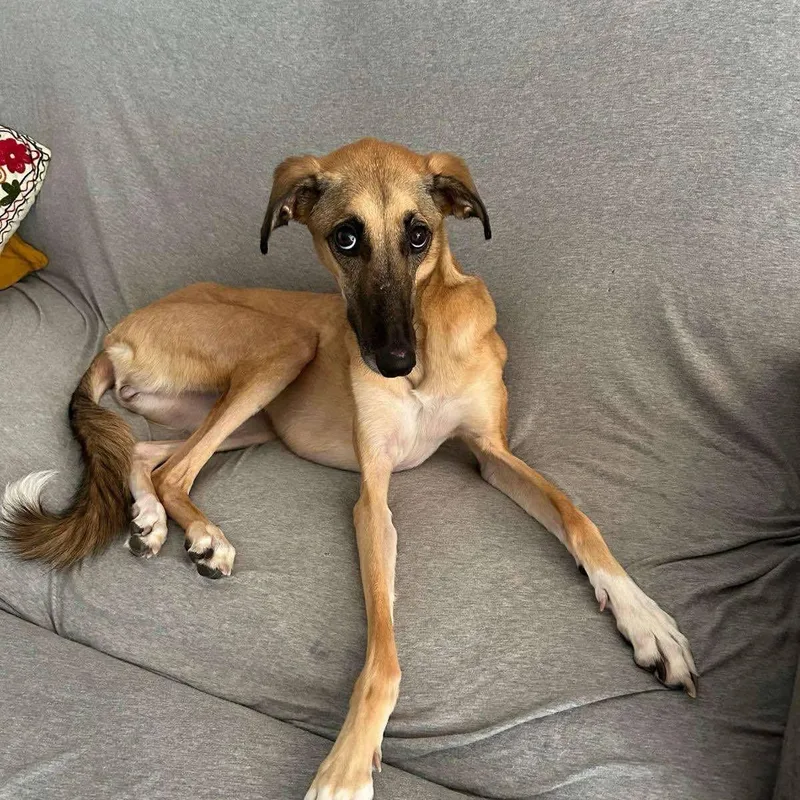
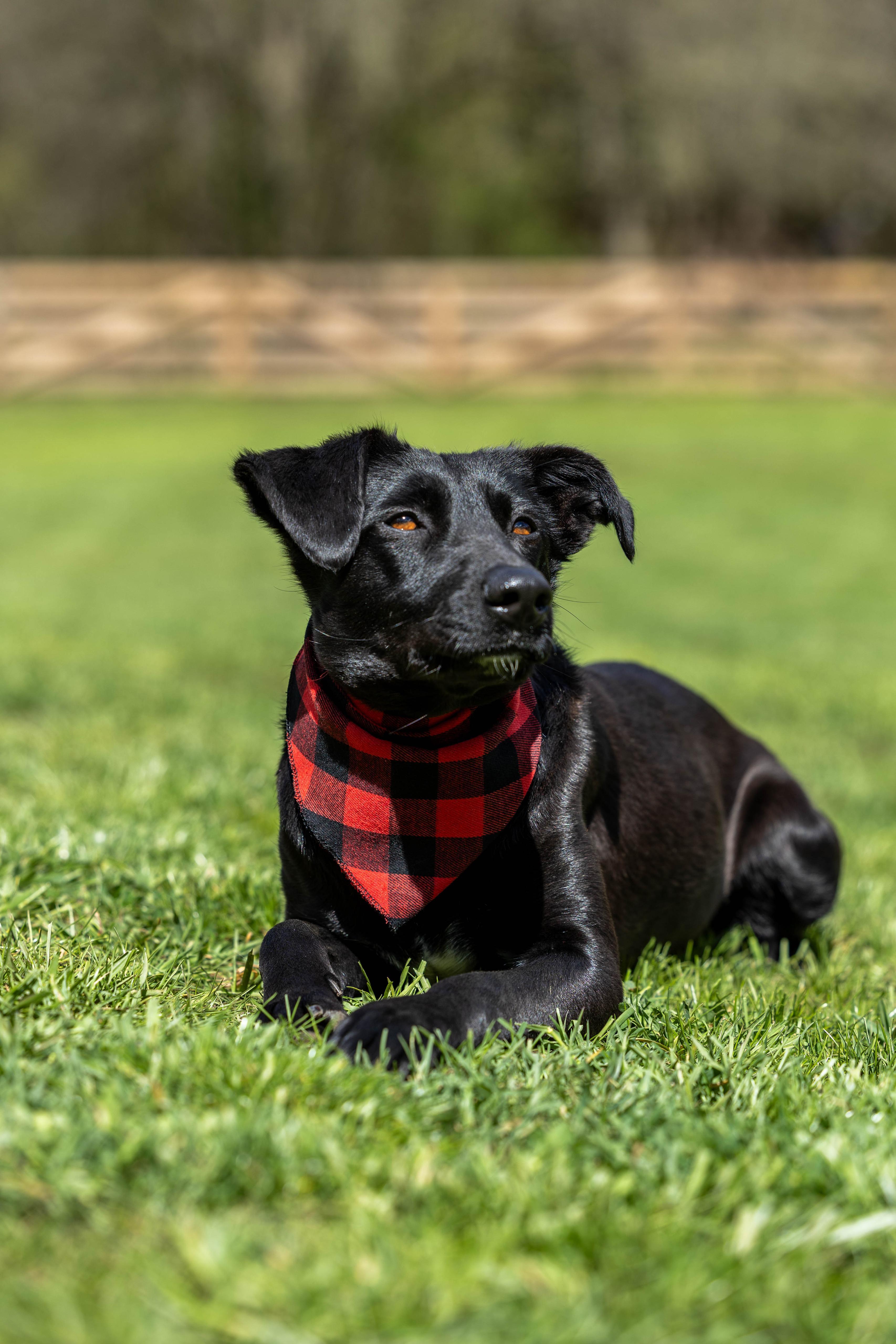
16 Salukis available in Portland and nationwide

Give a Saluki a home

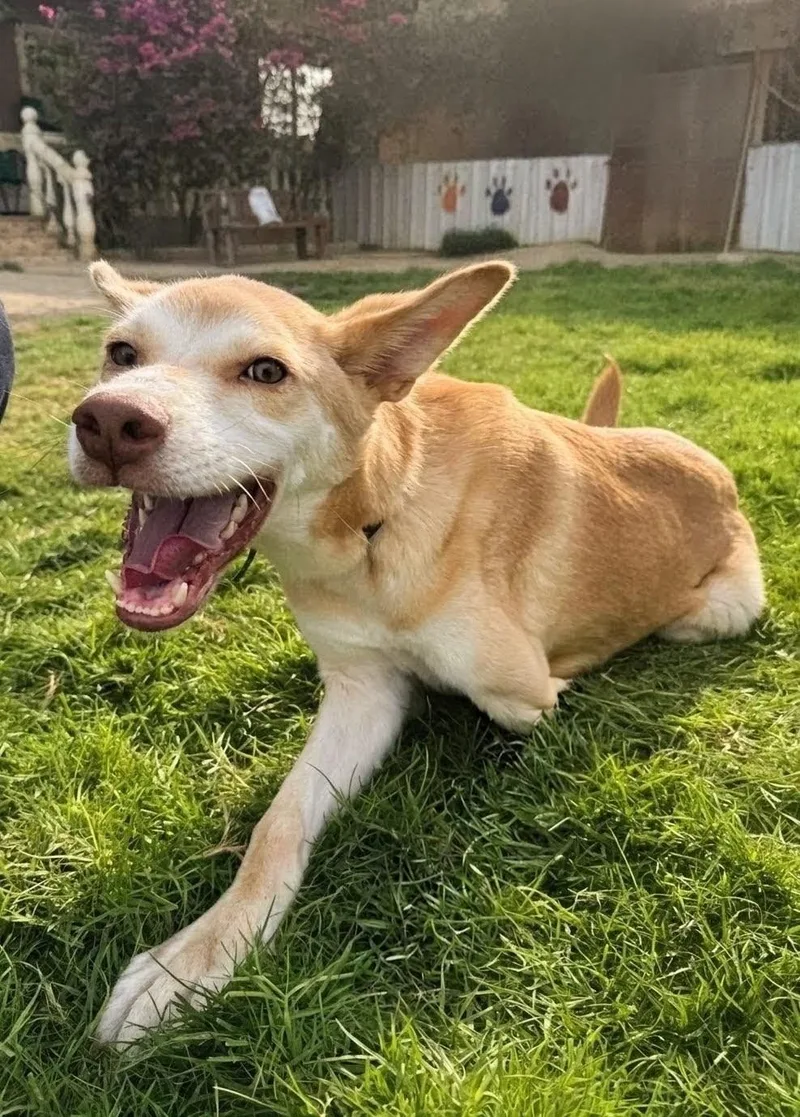
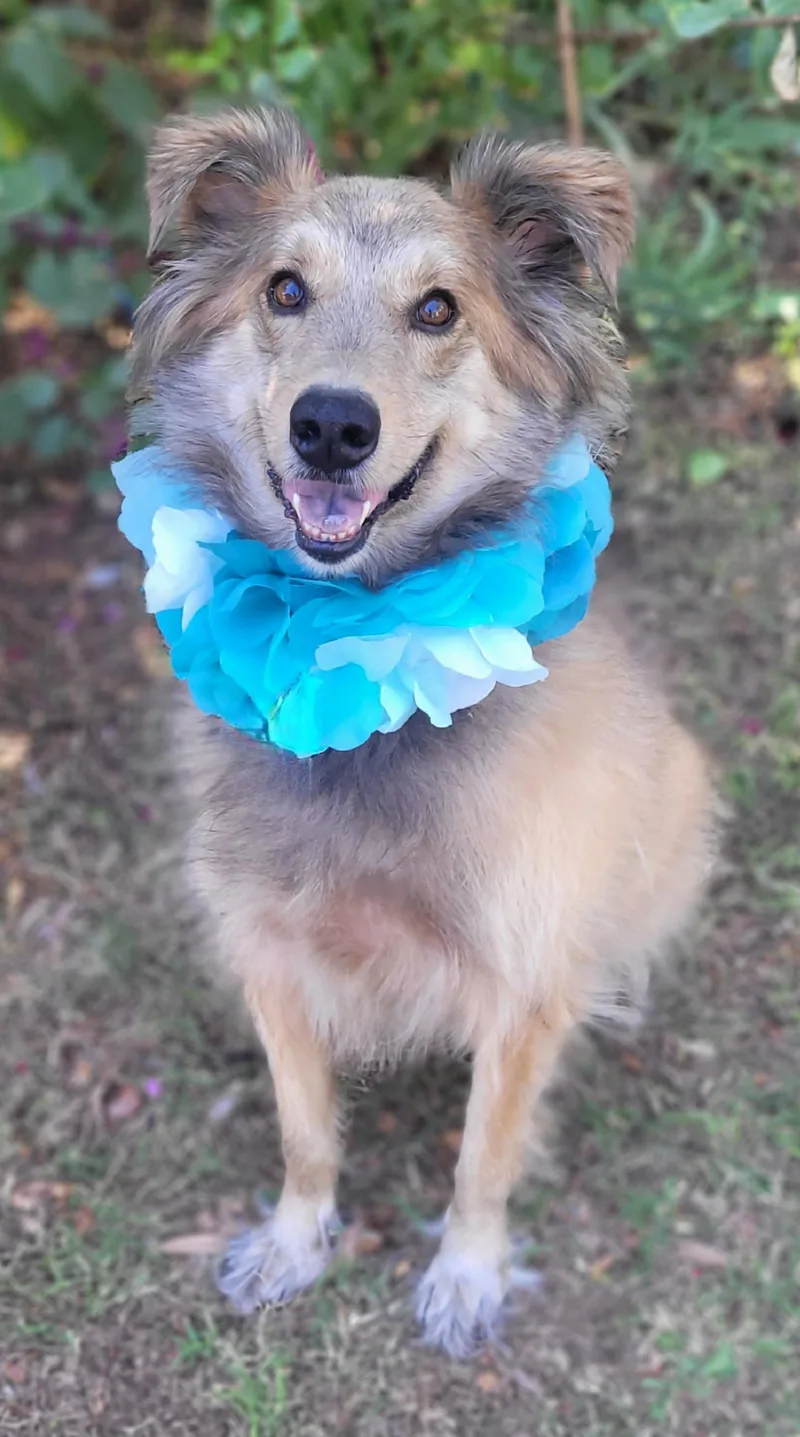
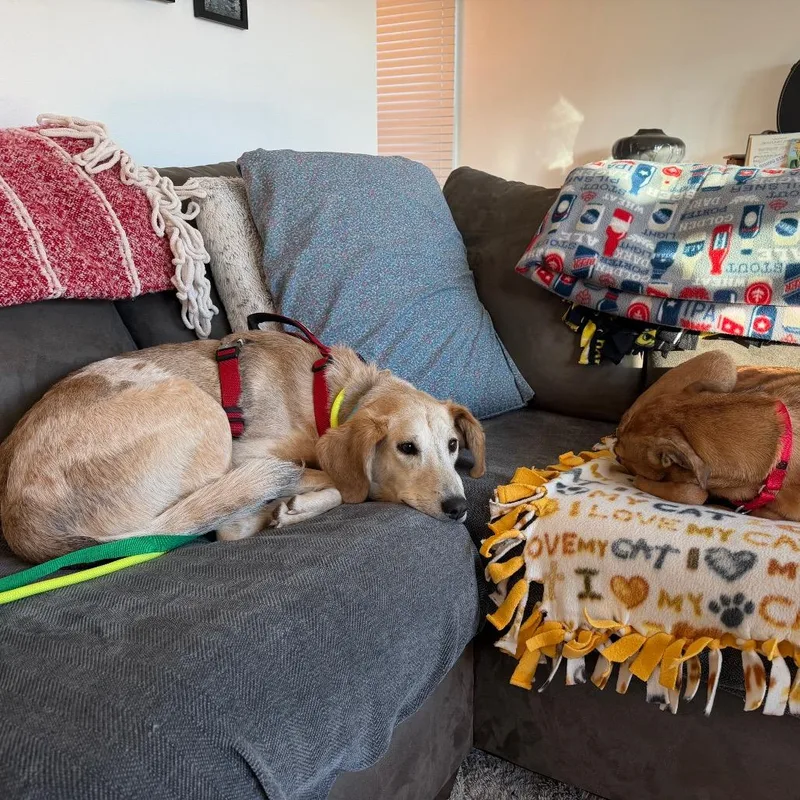
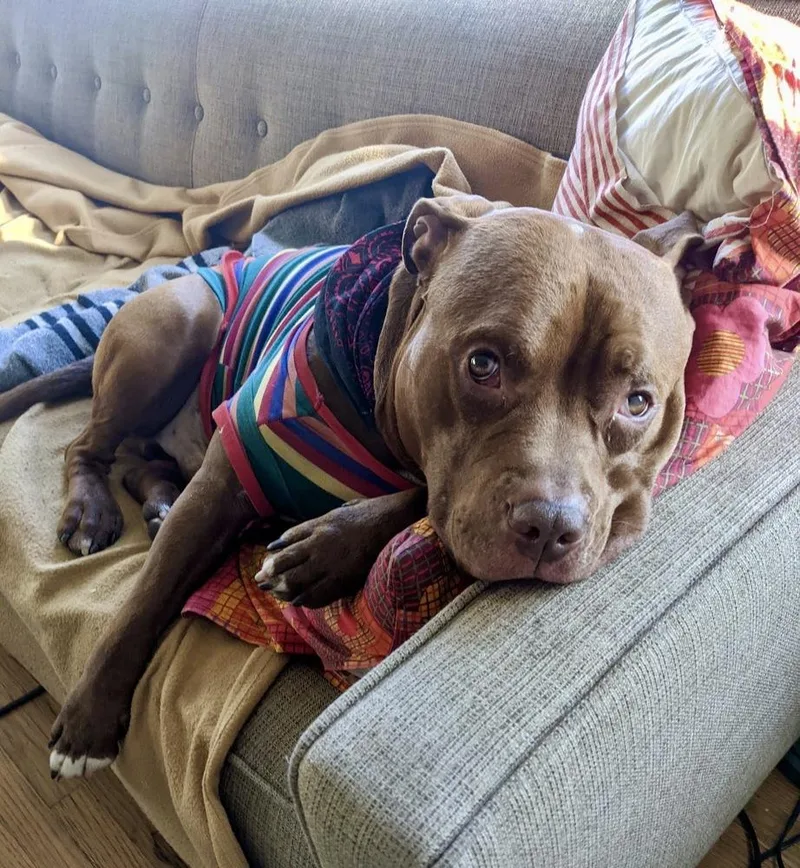
While we don't have enough dogs near Portland, keep in mind that many rescues may offer transport.

Salukis Available for Adoption Near Portland

About the Saluki breed

The Saluki is an ancient sighthound from the Middle East, kept by nomadic peoples to course gazelle and hare across open ground. It's tall and narrow with a deep chest, long legs and a long, curved tail, in either a smooth coat or a feathered one with silky fringes on the ears and tail. Most weigh 35 to 65 pounds, and visible ribs and hip bones are normal on a fit dog.

At home, many Salukis are quiet, gentle and a little reserved, loyal to their own people and polite but distant with visitors. That chase instinct doesn't switch off, though, so in Portland a Saluki spends most outdoor time on a leash or inside a secure fence, and small pets need careful introductions. Shedding is low and grooming is light, which helps in a rainy city.


Weight
35–65 lbs
Height
23–28 in
Lifespan
12–15 yrs
Temperament
Gentle, Independent, Dignified, Athletic
Group
Hound
Shedding
Low

Owning a Saluki in Portland

Having a Saluki in Portland

Salukis are built around speed, sharp eyesight and a thin, low-fat body. In Portland that means planning for safe sprinting space, soft bedding and rain gear, and accepting that an independent streak is part of the package.

Temperament

Many Salukis are gentle, quiet and loyal, bonding closely with their people while staying reserved with visitors. They tend to dislike rough play and noisy chaos, and some get anxious when left alone. Prey drive is strong, so cats and small pets need careful introductions. Each dog differs, and early socialization helps shy ones settle.

Exercise Needs

Plan on a long daily walk plus regular chances to run flat out in a securely fenced space, since recall often fails once a Saluki spots something moving. Portland's fenced dog areas fit this well. Sniffing walks and gentle training add enrichment, and many Salukis then nap for hours on a soft couch.

Health Considerations

Salukis are generally sturdy, but the breed club highlights heart disease, cancers such as hemangiosarcoma, and hypothyroidism; healthy Salukis often have lower thyroid values than other breeds. Low body fat means anesthesia needs care, and thin skin tears easily. A veterinarian familiar with sighthounds can check the heart and interpret thyroid results.

Living Space

With daily exercise, a Saluki can do well in a Portland bungalow or a quiet apartment. A fence of five to six feet is ideal for a yard, since many jump or squeeze through gaps when chasing. Padded bedding protects bony joints, and a calm routine suits this sensitive breed.

What it costs to own a Saluki in Portland

ExpenseTypical costPer year
Food$55 to $110 per month$660 to $1,320
Pet insurance$55 to $110 per month$660 to $1,320
Routine vet care$250 to $500 per year$250 to $500
Other*$540 to $1,590 per year$540 to $1,590
Estimated yearly total (after year one)$2,110 to $4,730

Other costs are estimates and vary with size, age and health.

* The Multnomah County dog license, flea, tick and heartworm prevention, a dental cleaning allowance, toys and supplies, minimal home grooming, and a winter coat and padded bedding.

Adopt a Saluki in Portland.

Now that you know more, let’s find you a new best friend. These rescues and shelters below have dogs available in and near Portland.

Frequently Asked Questions

A Saluki can fit Portland well if you can offer daily walks, a fenced place to sprint and a warm, dry spot through the rainy months. They're quiet and calm indoors, which suits Portland's many rentals. They're a weaker match for homes with free-roaming small pets or for people who want an off-leash hiking companion.

Yes. Portland and Multnomah County have no known breed-specific rules, and dangerous-dog rules are based on a dog's behavior. You'll need a county dog license with current rabies vaccination within 30 days of getting the dog, plus a leash no longer than eight feet in public. A spayed or neutered dog's license runs about $27 a year.

Fenced off-leash areas are the safest spots for a Saluki to sprint, including Normandale Park in Northeast, Wallace Park in Northwest and Gabriel Park in Southwest. Forest Park's trails suit long walks, with dogs required on leash. Fenced small-dog areas exclude dogs 19 inches or taller, and some off-leash areas close on school days.

Mostly, yes. Summers are warm but dry with cool nights, and winters are mild with little snow. The challenge is months of rain and damp, which is rough on a thin-skinned, low-fat Saluki, so plan on a coat and warm bedding. Heat waves and smoky days call for a cool indoor room.

Generally no. TriMet buses, MAX trains and the Portland Streetcar allow pets only in a secure, enclosed carrier, and a Saluki is far too big for one. Service animals are exempt. Plan on walking or car trips, and secure your Saluki with a crate or a harness made for car travel.

Only to outdoor patios that choose to allow dogs. Oregon lets restaurants designate a patio for leashed dogs once they've filed a plan, so access is up to each restaurant, and dogs never go inside. Keep your Saluki leashed and off the chairs; many settle quietly on a mat after a good run.

Very little. Salukis have a low-shedding, single coat, so weekly brushing is usually enough, with a bit more care for feathered ears and tail. Portland's mud season, October through April, means wiping legs and feet after walks. Home grooming keeps costs low, well within the $540 to $1,590 yearly Other range, and thin skin calls for gentle tools.

A Saluki is a tall, slender sighthound from the Middle East, bred to chase gazelle and hare by sight across open country. It has long legs, a narrow head, a deep chest and either silky feathering or a smooth coat. Many are gentle, quiet and independent at home, with an intense chase instinct outdoors.

A Saluki can run roughly 40 miles per hour at full speed, and the 1996 Guinness Book of Records listed one at about 42.8 mph. Greyhounds may be quicker over a short sprint, but Salukis are known for holding high speed over longer distances. That speed is why secure fencing and leashes matter so much for this breed.

A Saluki typically costs about $55 to $110 a month for food and $55 to $110 for insurance, plus $250 to $500 a year for routine vet care and $540 to $1,590 a year for other items. That adds up to roughly $2,100 to $4,700 a year, before any emergency or illness care.