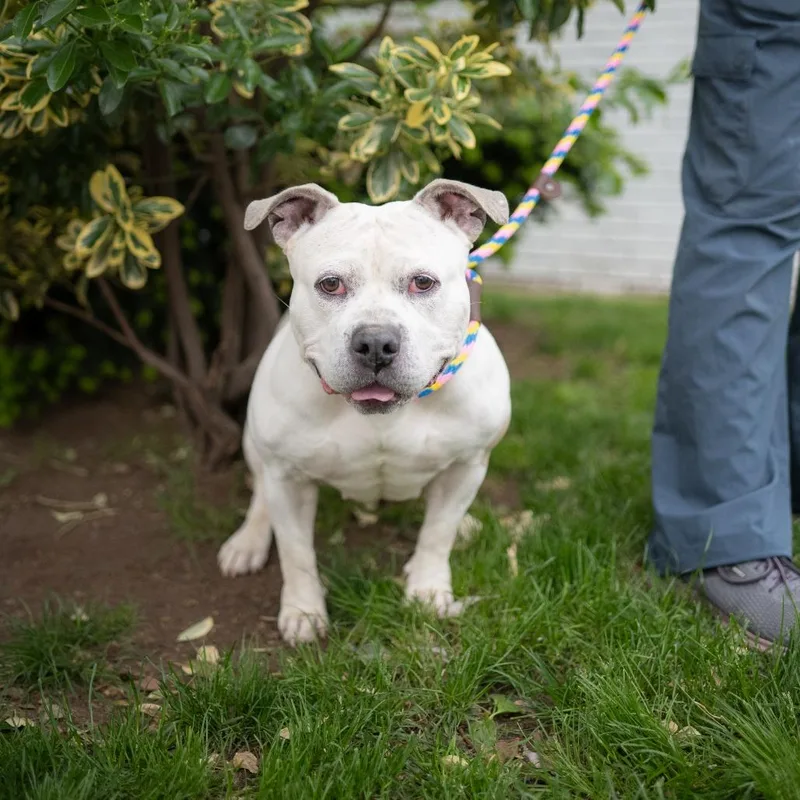
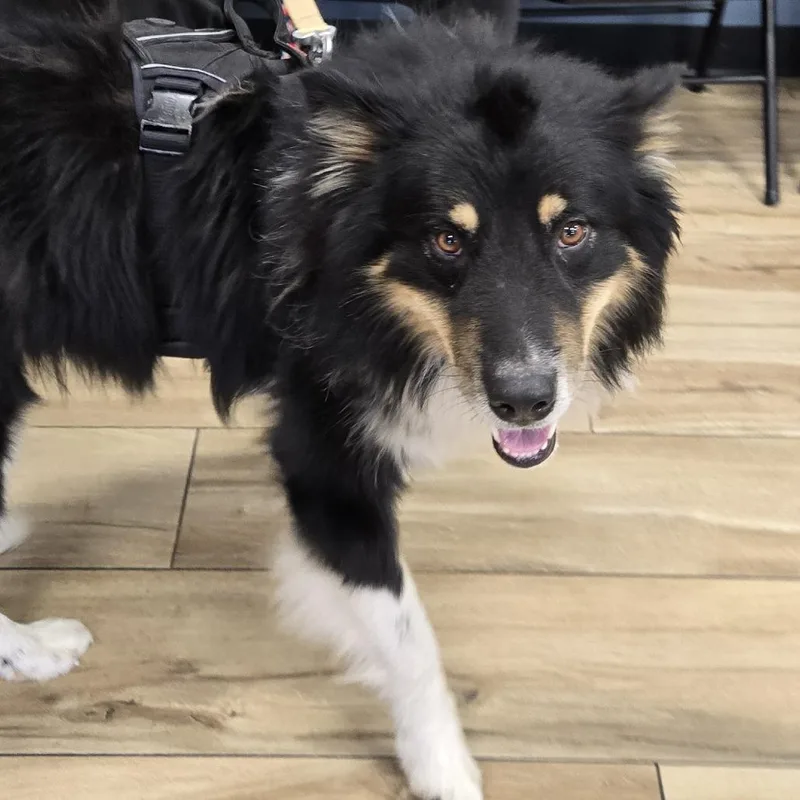
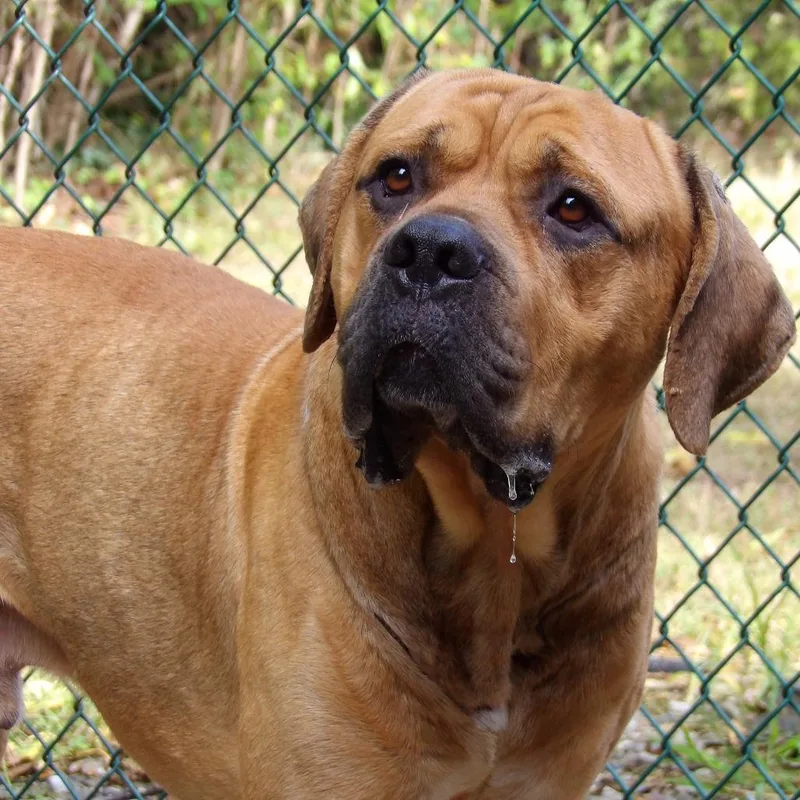
Setter Dogs for Adoption in Newark, NJ

Your guide to finding and caring for a Setter in Newark

Setters suit Newark if you can give them a long run every day. In Weequahic, the 2.2-mile loop around the lake in Weequahic Park is the steady mileage a setter or setter mix wants, and many nearby homes are detached houses. Over in Upper Vailsburg, mostly single-family streets sit close to Vailsburg Park's half-mile path. Setters are friendly with nearly everyone, so neighbors on a crowded block usually get a wag. Expect a lot of energy, and a lot of brushing afterward.

14 Setters available in Newark and nationwide

Find your Setter mix

While we don't have enough dogs near Newark, keep in mind that many rescues may offer transport.

Setters Available for Adoption Near Newark

About the Setter breed

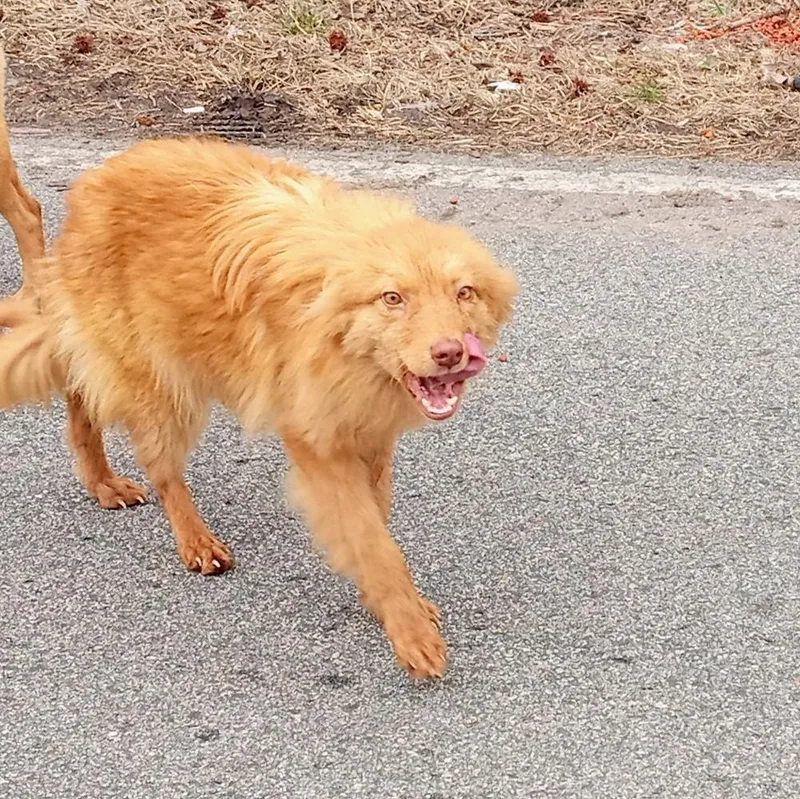
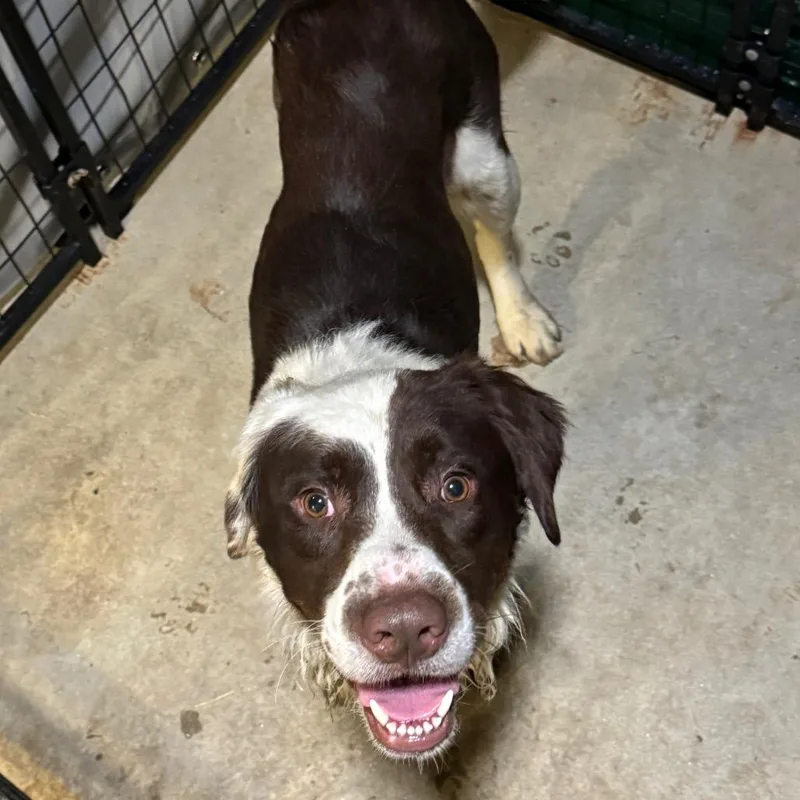
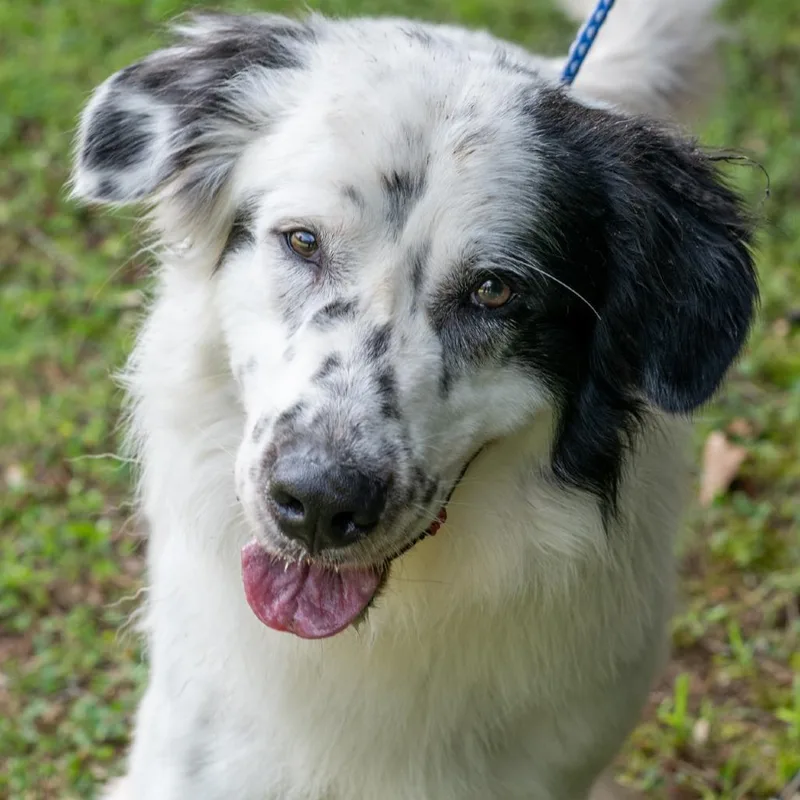
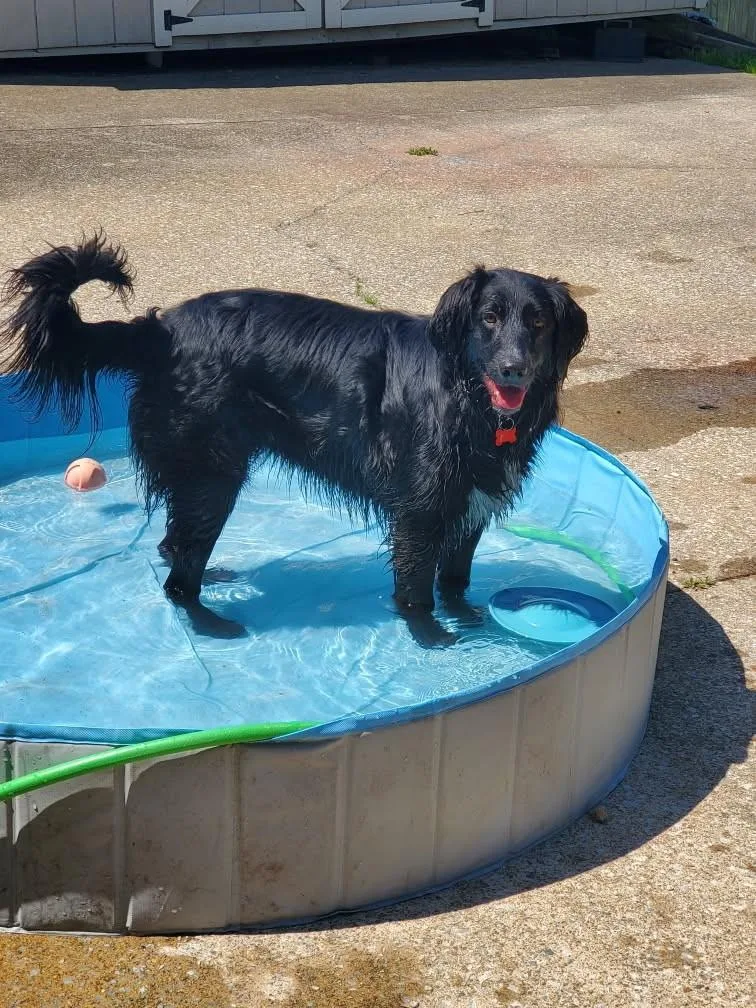
Setter is a type of bird dog, not a single breed. The name covers English, Irish, Gordon and Irish Red and White Setters, plus the setter mixes common in shelters, so the dog you meet may lean toward any of them. All descend from old setting spaniels that found game birds and crouched so hunters could net them.

That background shows up in daily life. Setters have long legs, silky feathered coats and a nose that follows every scent, from park squirrels to pizza crusts on the sidewalk. They're sociable and slow to grow up, often staying puppyish for years. A sturdy leash and secure harness matter, because a setter that catches a scent may ignore your call. Most want an active home where they're included, and regular brushing keeps the coat tangle-free.


Weight
35–80 lbs
Height
22–27 in
Lifespan
10–14 yrs
Temperament
Friendly, Energetic, Gentle
Group
Sporting
Shedding
Moderate

Owning a Setter in Newark

Having a Setter in Newark

Setters are sporting dogs with high energy, feathered coats and a few shared health concerns. Because the type covers several breeds and mixes, each dog differs. In Newark, the big questions are daily exercise, a leashed routine and a plan for hot and snowy days.

Temperament

Most setters are friendly, affectionate and gentle, and they tend to greet strangers as friends. That suits Newark's busy sidewalks and shared hallways, though the same openness makes them poor guard dogs. Many stay playful for years, and some turn stubborn when a scent grabs them. Positive, patient training works best, and personalities vary by mix.

Exercise Needs

Plan on an hour or more of vigorous activity a day. In Newark, that can mean laps on the 2.2-mile loop at Weequahic Park or time in the fenced dog parks at Branch Brook and Vailsburg, which have separate large-dog areas. Everywhere else, keep your setter leashed, since a strong nose can override recall.

Health Considerations

Hip dysplasia, hypothyroidism and bloat are the main concerns across setters, and some carry inherited eye disease or, in English Setters, deafness. Learn the signs of bloat, such as a swollen belly and unproductive retching, because it needs emergency care. A veterinarian can check hips, eyes and hearing, and advise on tick prevention.

Living Space

Many Newark homes are in two- to four-unit buildings or walk-ups, so stairs and shared walls matter more than yard size. A calm adult setter can manage there with committed daily exercise, while a young, bouncy one may struggle. Setters want to live indoors with their people, and a long tail can clear a coffee table.

What it costs to own a Setter in Newark

ExpenseTypical costPer year
Food$55 to $110 per month$660 to $1,320
Pet insurance$55 to $110 per month$660 to $1,320
Routine vet care$250 to $500 per year$250 to $500
Other*$590 to $1,490 per year$590 to $1,490
Estimated yearly total (after year one)$2,160 to $4,630

Other costs are estimates and vary with size, age and health.

* Flea, tick and heartworm prevention, a dental cleaning allowance, the Newark dog license, toys and bedding, and regular brushing and baths for a feathered coat.

Adopt a Setter in Newark.

Now that you know more, let’s find you a new best friend. These rescues and shelters below currently have Setters available.

Rescues in Newark with Setters Available

Shelters and rescues around Newark care for dogs of every type, and their listings change often. Here are the rescues & shelters in the Newark area where you can find Setters and other dogs available for adoption.

Frequently Asked Questions

Start with the fenced off-leash dog parks at Branch Brook Park and Vailsburg Park, both with separate large-dog areas; bring proof of license and vaccination, and keep to two dogs per person. For leashed variety, try the Riverfront Park boardwalk along the Passaic or Riverbank Park in the Ironbound. Newark has no dog beach.

Yes, a calm adult setter can, as long as daily exercise is guaranteed. Newark has plenty of walk-ups and small multifamily houses, so think about stairs, shared hallways and neighbor noise. A young, high-energy setter mix will likely struggle without a long run every day. Check the lease for pet and weight limits too.

Yes. Newark's code names no breed, and New Jersey's dangerous-dog law is based on a dog's behavior and overrides inconsistent local breed rules. You'll need a city license with proof of rabies vaccination, a leash no longer than six feet, and waste pickup. State law also bans tethering a dog outdoors between 11 p.m. and 5 a.m.

Probably not. NJ Transit buses, trains and the Newark Light Rail allow only service animals, police dogs and small pets in carry-on travel cages, so a large setter generally can't ride. Plan to reach parks on foot or by car, and build in time for a long walk before and after any outing.

Yes, most setters handle Newark winters well with a few precautions. About 80 nights a year drop to freezing, and occasional blizzards leave two feet of snow. Salt and ice cling to feathered legs and bellies, so wipe them after walks. Keep your setter inside on the coldest days; state law doesn't count a yard or porch as shelter.

Brush a setter's feathered coat several times a week, and daily during heavy shedding, to prevent mats behind the ears, legs and belly. Winter road salt and spring mud mean extra wiping and an occasional bath. Coat care is part of the $590 to $1,490 yearly Other costs listed on this page.

Not inside. New Jersey's food code bars pet dogs from restaurant premises, with exceptions only for service animals, and it has no outdoor-dining exception. Some patios may welcome dogs, but policies vary and aren't guaranteed, so don't count on it. Leashed walks in Newark's parks are a more reliable way to include your setter.

It can be for an active adopter. Setters are friendly and take crowded sidewalks in stride, but they need an hour or more of hard exercise daily. About 40 percent of Newark households have no car, so having a big park within walking distance matters. Lower-energy setter mixes suit smaller homes, and summer heat and snowy winters call for planning.

We have 1 rescue with Setters available: Associated Humane Societies. You can see every rescue with Setters available in the list above these questions, or scroll to the top to see the Setters near Newark.

Plan on roughly $2,160 to $4,630 a year for a setter in Newark. Food runs $55 to $110 a month and pet insurance $55 to $110 a month, while routine vet care costs $250 to $500 a year. Other costs, such as prevention, dental care, the license and coat care, add $590 to $1,490 a year.