

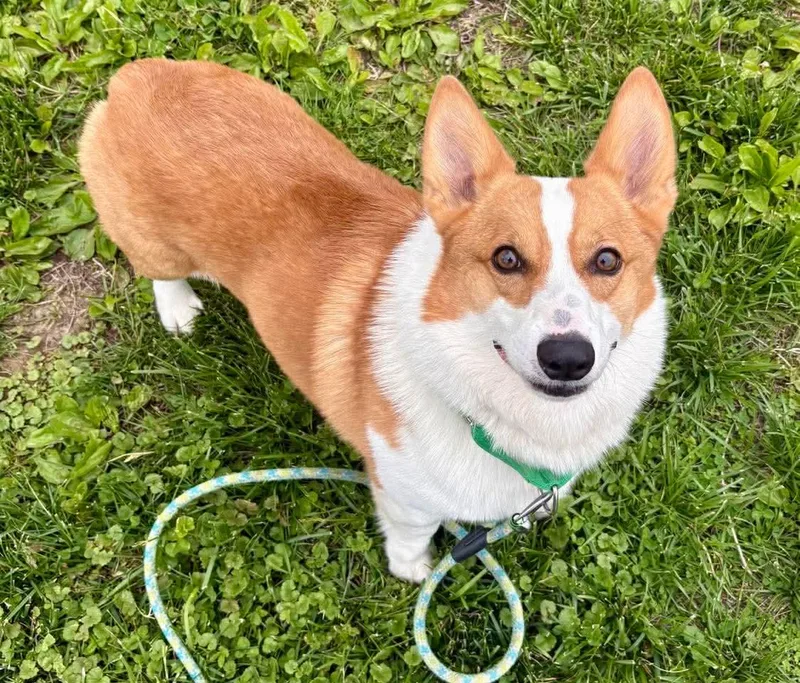
Swedish Vallhund Dogs for Adoption in Omaha, NE

Your guide to finding and caring for a Swedish Vallhund in Omaha

Swedish Vallhunds fit Omaha better than their short legs suggest. The 1.72-mile Field Club Trail, from Leavenworth to Vinton, makes an easy daily walk for a dog with this much stamina, and a Vallhund's compact size works in a Midtown apartment or a Minne Lusa bungalow. They're watchful and talkative, so expect commentary on every passing neighbor. Their thick double coat also shrugs off a lot of Omaha winter. Most do best with a daily walk and some training.

691 dogs similar to Swedish Vallhund available in Omaha and nationwide

Meet your next Swedish Vallhund

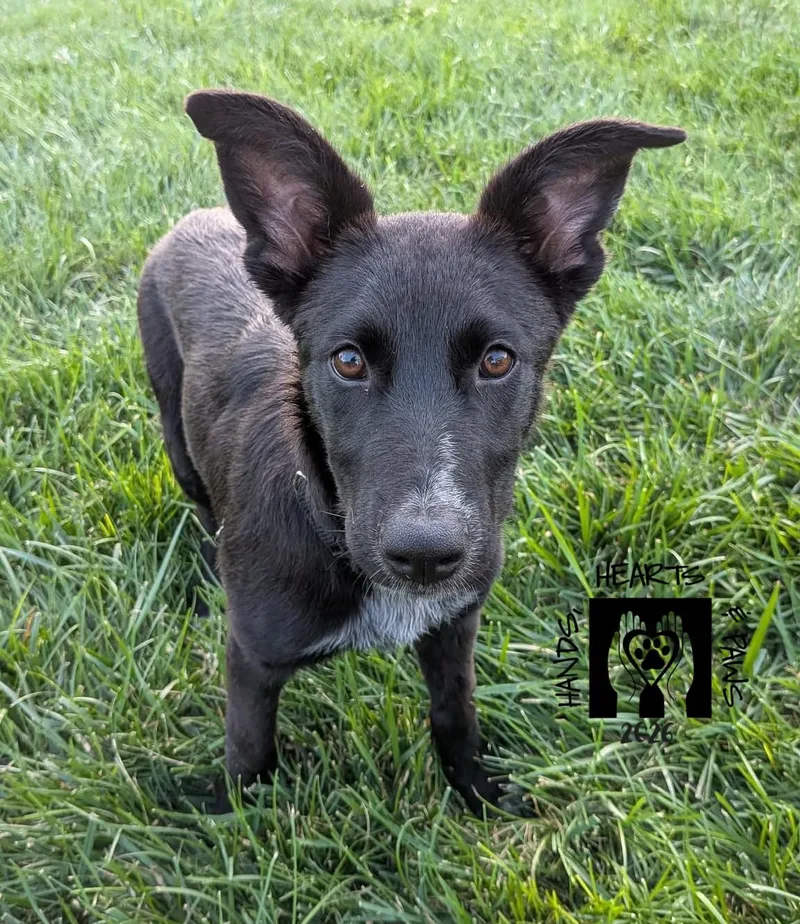
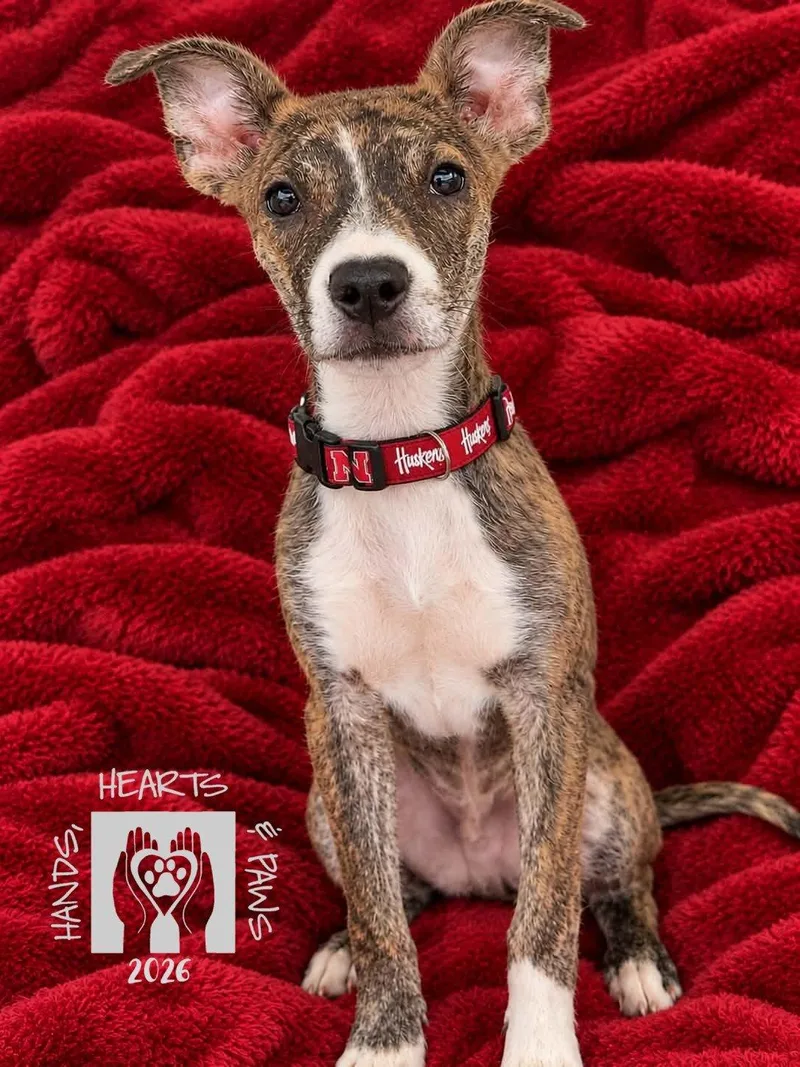
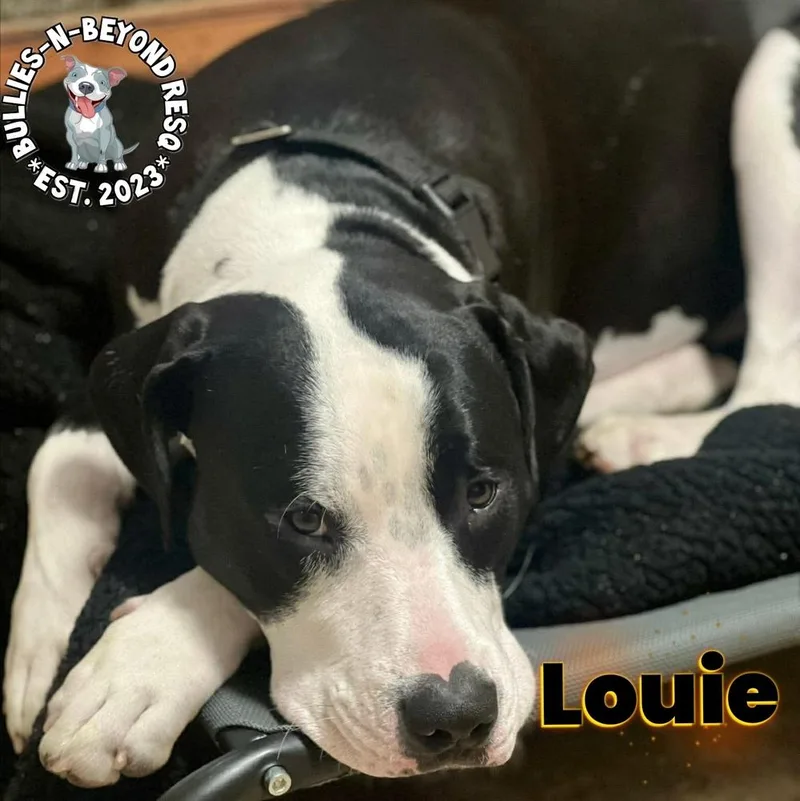
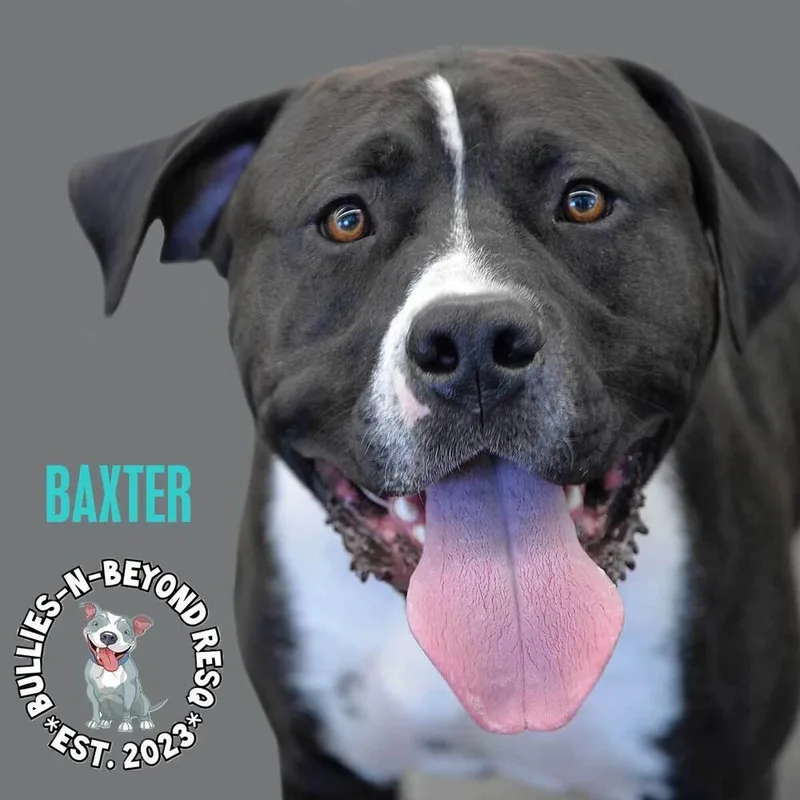
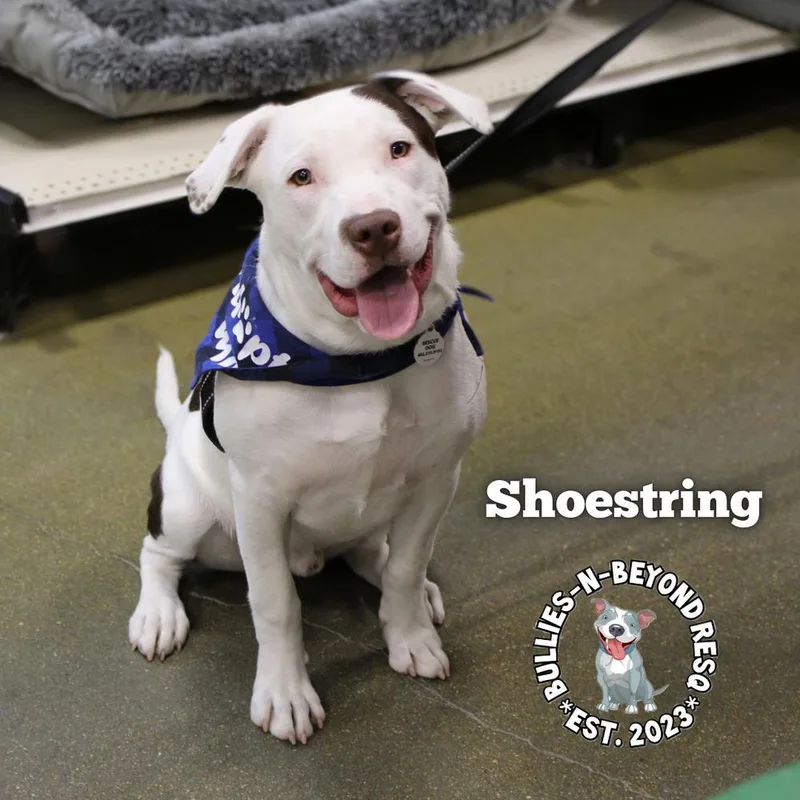
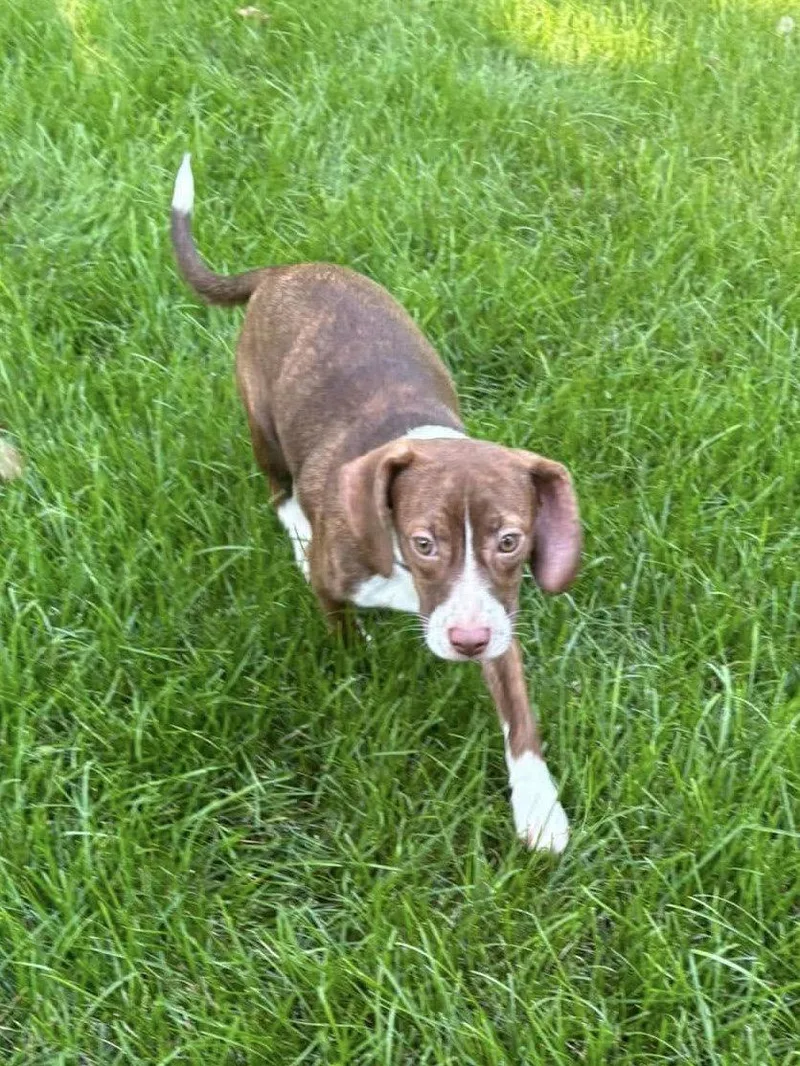
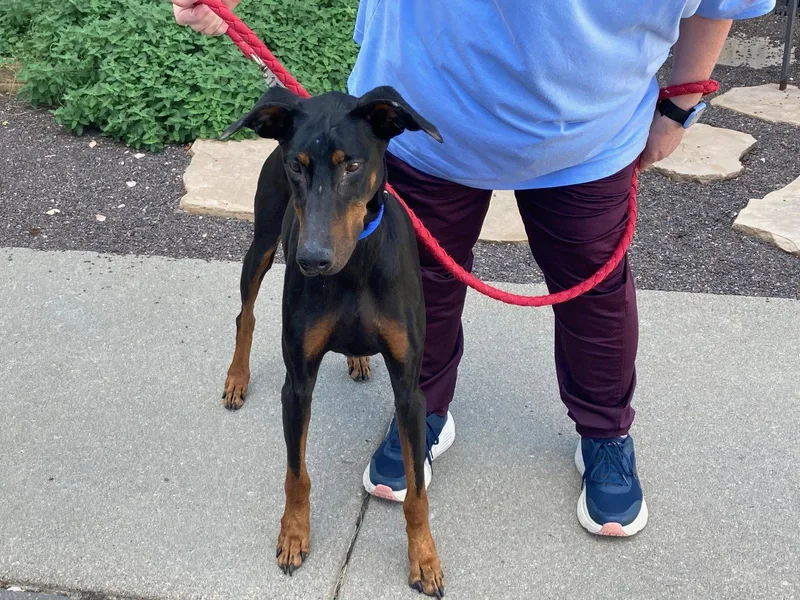
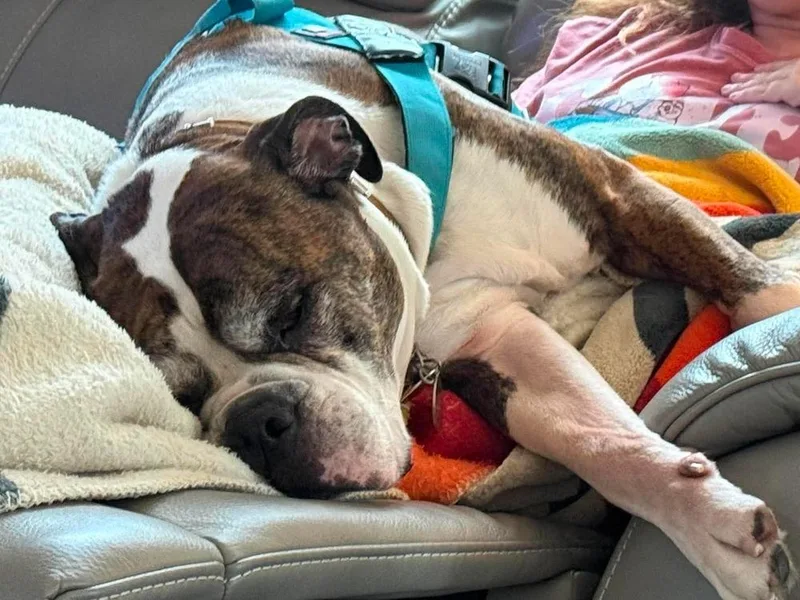
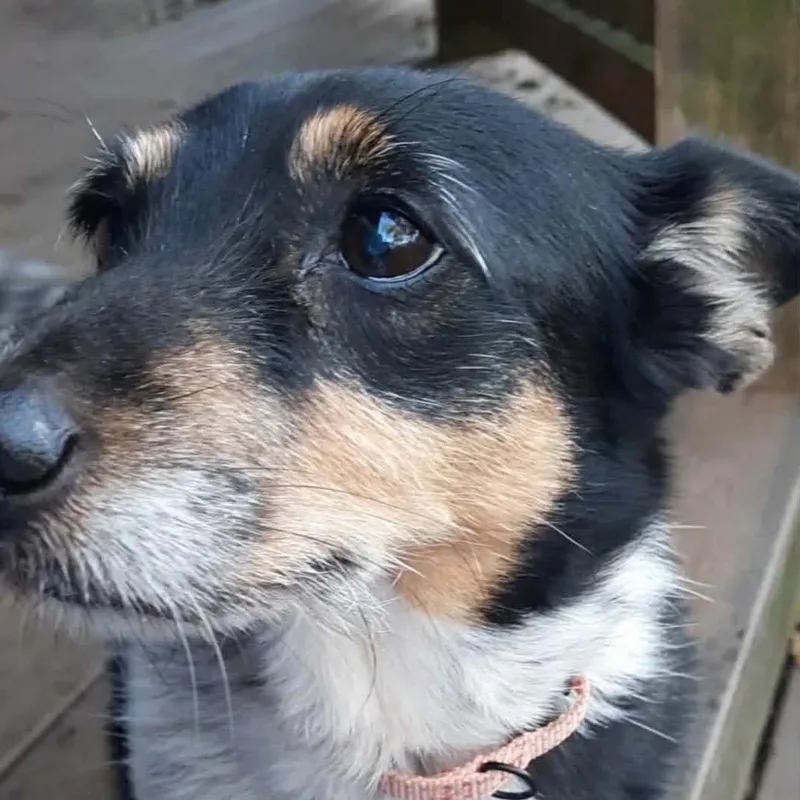
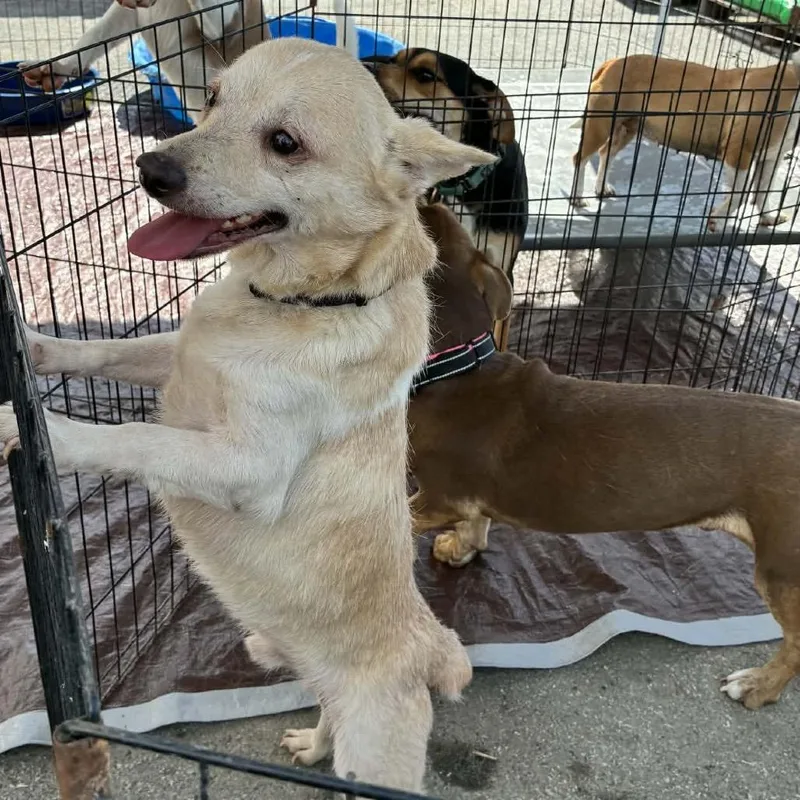
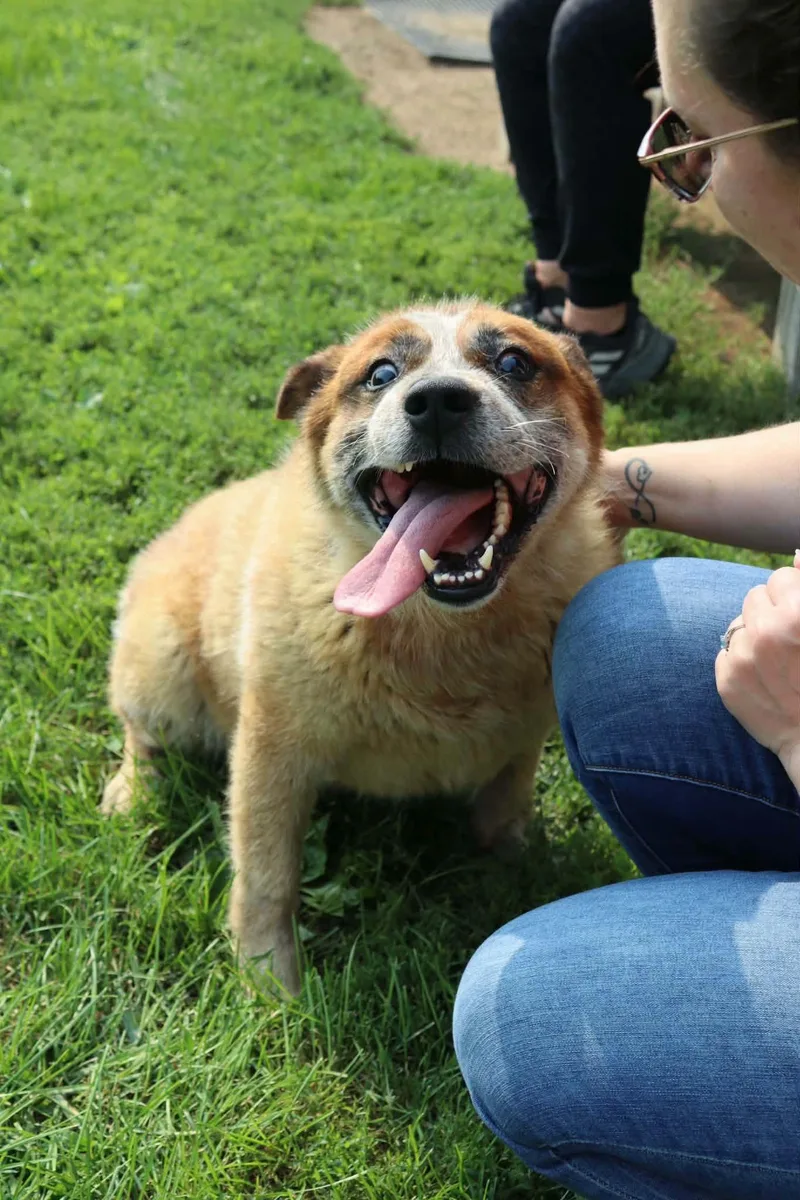
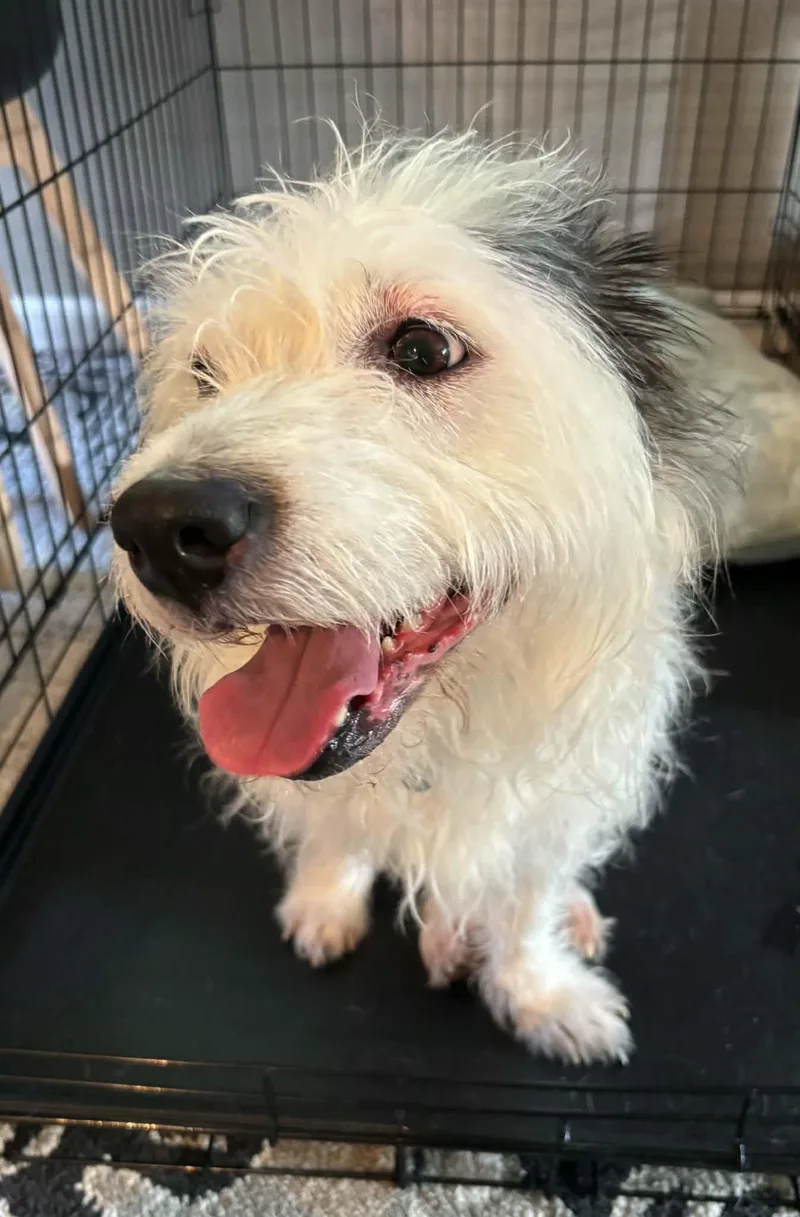
Swedish Vallhunds and Similar Breeds Available for Adoption Near Omaha

About the Swedish Vallhund breed

The Swedish Vallhund is an old spitz-type cattle dog from Västergötland in Sweden, where farmers kept it for herding, guarding and catching rats. The breed nearly vanished in the early 1940s, then was rebuilt from a handful of farm dogs. Its name simply means herding dog.

It is small, sturdy and low to the ground, with a wedge-shaped head, prick ears and a harsh double coat in gray to red sable. The tail can be long, stubby or absent. Many Vallhunds are cheerful, watchful and eager to please, with plenty of energy for their size. They suit people who enjoy training and outdoor time, and who can handle brushing through heavy seasonal shedding.

Weight
20–35 lbs
Height
11–14 in
Lifespan
12–15 yrs
Temperament
Alert, Energetic, Friendly
Group
Herding
Shedding
Moderate to High

Owning a Swedish Vallhund in Omaha

Having a Swedish Vallhund in Omaha

A Vallhund is a small dog with a working dog's stamina, a dense coat and a talkative streak. In Omaha, that means daily outdoor time, seasonal brushing and a plan for close neighbors and storms, though each dog's needs vary.

Temperament

Many Vallhunds are friendly, alert and attached to their people, and they tend to announce visitors. In Omaha apartments and close-set houses, that watchfulness can mean barking at hallway noise or passersby. Herding instincts may show up as heel-nipping. Reward-based training and early socialization help, though each dog's personality differs.

Exercise Needs

Plan on a daily walk plus play or training, which the Field Club Trail or a fenced dog park can supply. Short legs don't limit stamina, but deep snow and humid heat can, so shorten outings on the worst days and keep puzzle toys and brief training sessions ready indoors.

Health Considerations

Retinopathy affects many Vallhunds and can cause night blindness later in life, and hip and joint problems appear too. Keeping weight lean protects the long back. A veterinarian can check the eyes and hips, and regular flea, tick and heartworm prevention is part of routine care.

Living Space

Vallhunds adapt to Omaha apartments and houses when their exercise needs are met. A fenced yard helps, but coyotes have been reported in some neighborhoods, so supervise outdoor time. Alert barking may bother close neighbors, and heavy twice-yearly shedding means frequent vacuuming and brushing.

What it costs to own a Swedish Vallhund in Omaha

ExpenseTypical costPer year
Food$20 to $45 per month$240 to $540
Pet insurance$35 to $70 per month$420 to $840
Routine vet care$200 to $400 per year$200 to $400
Other*$510 to $1,285 per year$510 to $1,285
Estimated yearly total (after year one)$1,370 to $3,065

Other costs are estimates and vary with size, age and health.

* The Omaha dog license for a spayed or neutered dog, flea, tick and heartworm prevention, a dental cleaning allowance, toys and bedding, and extra brushing and baths for heavy seasonal shedding.

Adopt a Swedish Vallhund in Omaha.

Now that you know more, let’s find you a new best friend. These rescues and shelters below have dogs available in and near Omaha.

Frequently Asked Questions

Yes, most Swedish Vallhunds handle Omaha winters well because of their thick double coat. The main issues are short legs in deep snow and salted sidewalks, so shorten walks after storms, wipe paws afterward and keep the dog inside with the family. A dog left outside in Omaha must have a bedded doghouse.

Only in a carrier. Metro buses and ORBT require pets to ride in a carrier unless they're service animals, and it can't block the aisle or take a seat. At 20 to 35 pounds, many Vallhunds are too big for one, so plan on walking or driving. Omaha has no subway, and the streetcar isn't open yet.

For off-leash play, Hanscom and Dewey dog parks in Midtown, Gene Leahy Mall downtown, Miller Park and Hefflinger are fenced City options. For walks, the Field Club Trail, Keystone Trail and the Zorinsky Lake loops give a Vallhund plenty of room to stretch its legs. Keep the dog leashed anywhere outside a dog park.

Yes. Omaha's breed-specific rules apply to pit bull-type dogs and a few other listed breeds, and Vallhunds aren't among them. Every dog must be licensed at 4 months with proof of rabies vaccination, kept leashed or in a yard, and counted toward the three-dog household limit unless you hold a permit.

Yes, if the dog gets daily walks and mental work. The bigger issue is noise, since Vallhunds are alert and vocal, and Omaha law prohibits uninterrupted barking that disturbs neighbors. Teach a quiet cue early, give puzzle toys while you're out, and look for a building near a trail or a fenced dog park.

It can be, for active people who enjoy daily walks and training. Omaha's trails and fenced dog parks give a Vallhund outlets year-round, and the coat suits cold winters. Plan for humid summer afternoons, spring thunderstorms and the July 2 to 4 fireworks window, which can stress noise-sensitive dogs.

Only to outdoor patios, and only where the venue has Douglas County Health Department approval. Dogs must stay leashed, and indoor dining rooms are off-limits to pets. Because Vallhunds are alert and talkative, practice settling on a mat at home first, and bring water, since patio pavement can get hot in summer.

Brush a Vallhund once or twice a week, and daily during the heavy coat blows in spring and fall. Baths are occasional, and the coat shouldn't be shaved for Omaha's humid summers. In winter, wipe salt from paws. Home brushing and baths fall under the Other line of the cost table, so professional grooming isn't required.

The Swedish Vallhund is often called the Viking dog, and its breed club and the AKC describe it as known since the time of the Vikings, more than a thousand years ago. Firm archaeological proof is limited, so the link rests largely on tradition. Its resemblance to Welsh Corgis has fueled theories that Viking-era contact spread one breed's ancestors to the other.

Plan on about $20 to $45 a month for food and $35 to $70 a month for pet insurance. Routine vet care runs $200 to $400 a year, and other costs such as prevention, dental care, the license and grooming supplies add $510 to $1,285. Altogether that's roughly $1,370 to $3,065 a year, before emergencies.