Pharaoh Hound Dogs for Adoption in Omaha, NE

Your guide to finding and caring for a Pharaoh Hound in Omaha

A Pharaoh Hound in Omaha does best with a tall fence, a leash outside it and a warm coat for January. These lean sprinters can work off energy on the paved loops around Zorinsky Lake, then fold up on the couch afterward, whether that's a Millard house or an Aksarben Village apartment. Winter lows around 18°F are hard on that thin coat. Strong prey drive means the leash stays on away from the fence.

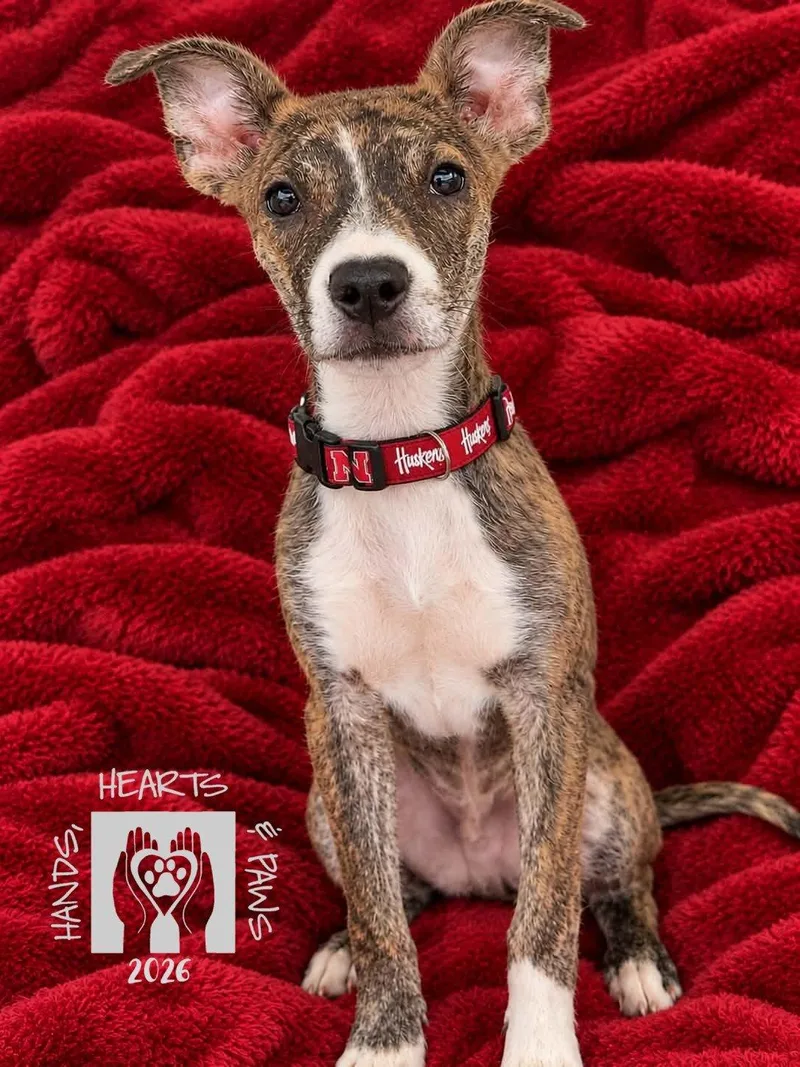
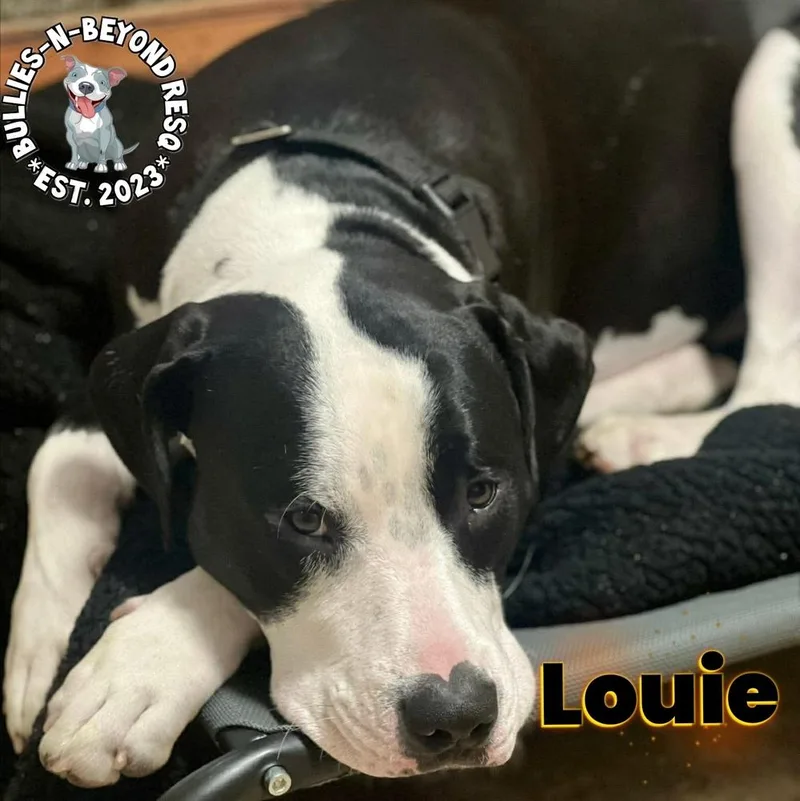
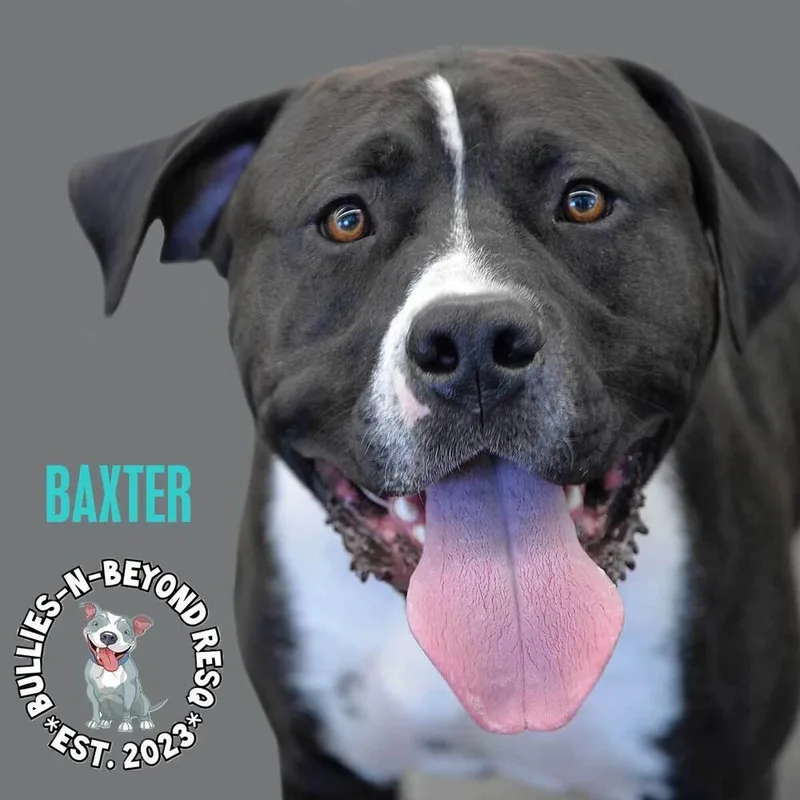
22 Pharaoh Hounds available in Omaha and nationwide

Find your Pharaoh Hound

While we don't have enough dogs near Omaha, keep in mind that many rescues may offer transport.

Pharaoh Hounds Available for Adoption Near Omaha

About the Pharaoh Hound breed

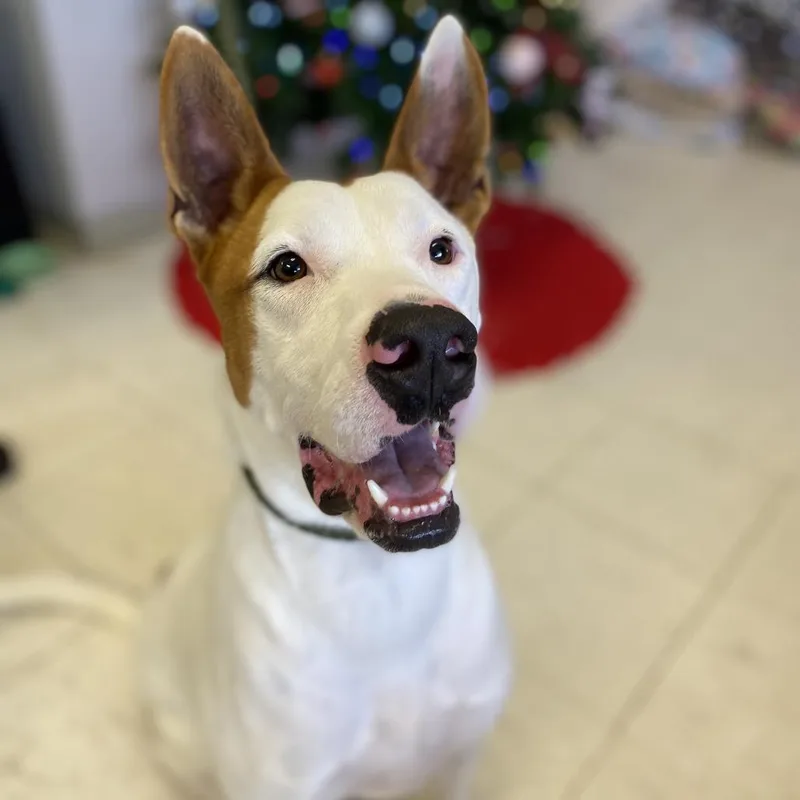
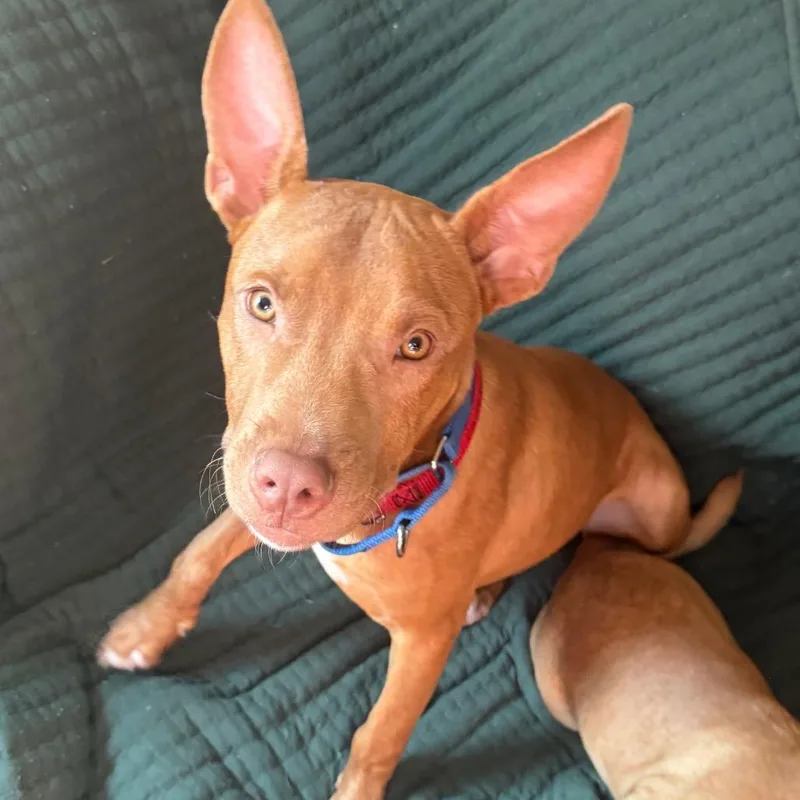
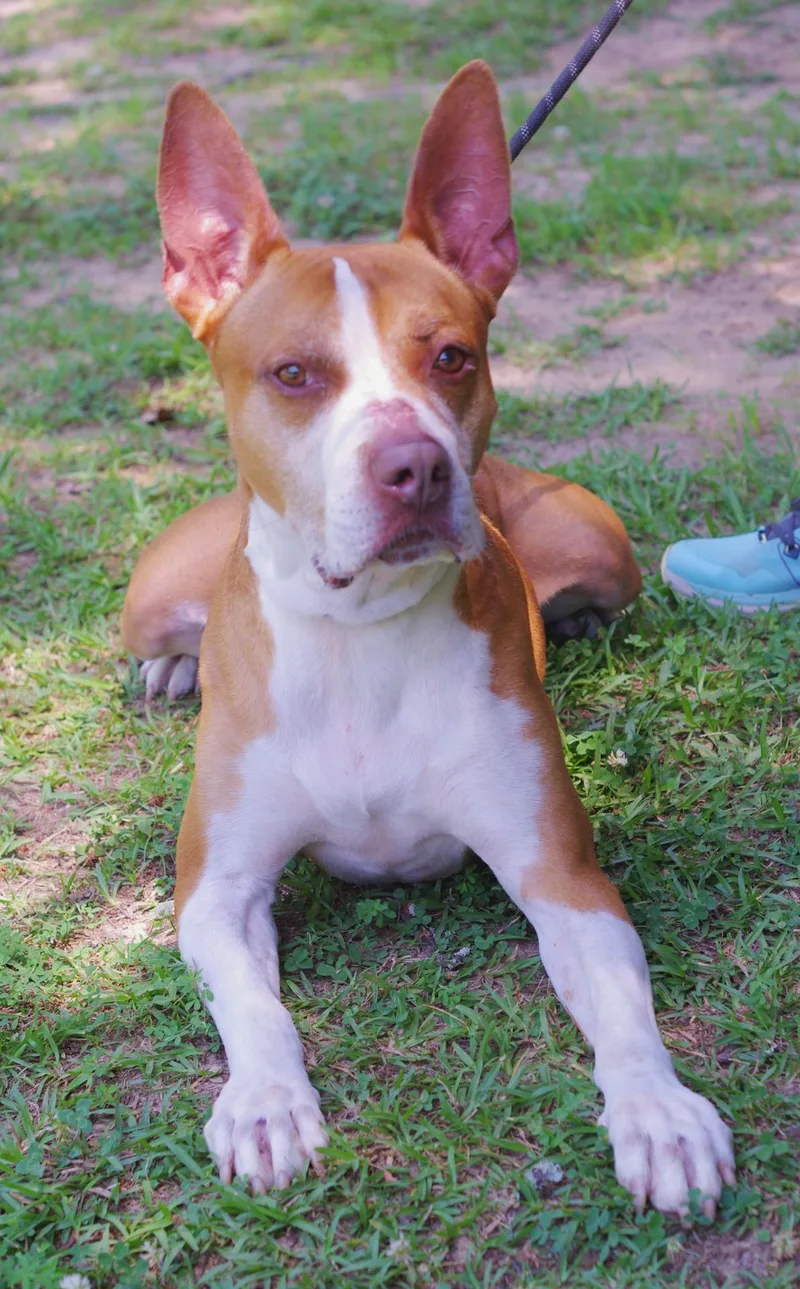
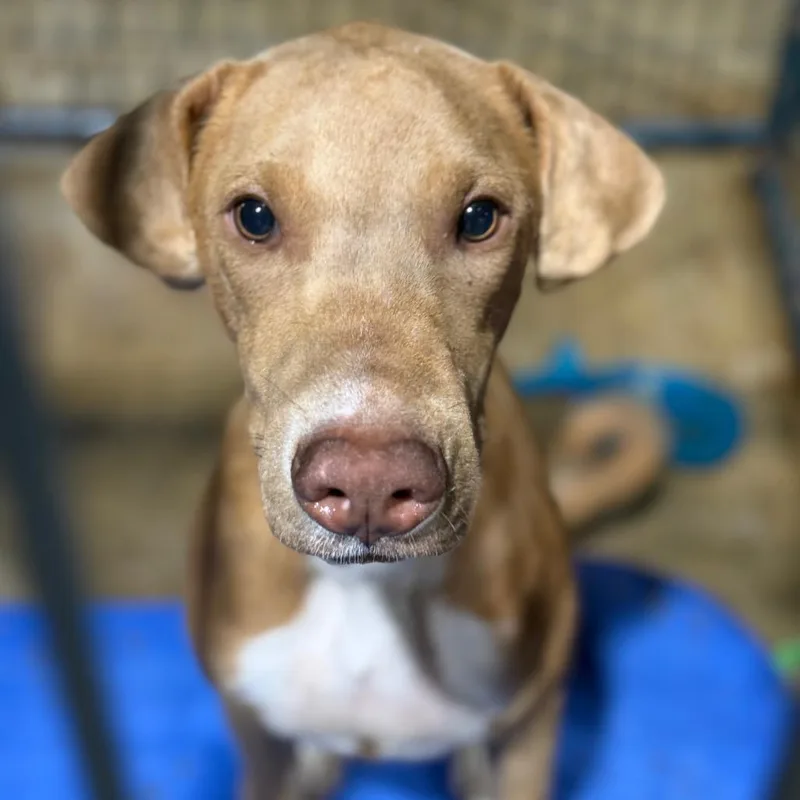
Known in Malta as Kelb tal-Fenek, the rabbit dog, the Pharaoh Hound was developed to course rabbits over rocky ground, often at night, using both sight and scent. The name and the resemblance to dogs in Egyptian art hint at ancient roots, but DNA studies point to a more recent Maltese origin. Adults stand 21 to 25 inches tall and weigh roughly 45 to 55 pounds, with a lean tan to chestnut frame, amber eyes and big ears that flush pink with excitement.

In Omaha, that sprinter's build means a secure fence or a long leash matters more than square footage. Many Pharaoh Hounds are affectionate and playful at home, with a clownish streak, and they settle once they've run. Small animals outdoors can trigger a chase, and the short coat sheds little but offers scant warmth against Nebraska cold.

Weight
45–55 lbs
Height
21–25 in
Lifespan
11–14 yrs
Temperament
Affectionate, Playful, Alert
Group
Hound
Shedding
Low

Owning a Pharaoh Hound in Omaha

Having a Pharaoh Hound in Omaha

Pharaoh Hounds pair a sprinter's drive with a gentle indoor manner. For Omaha adopters, the practical questions are fencing, leash habits and keeping a thin-coated dog comfortable through long winters.

Temperament

Many Pharaoh Hounds are affectionate and playful with their people, and some are reserved with strangers at first. They tend to be sensitive, so upbeat, patient training works better than harsh correction. Strong prey drive means cats and small pets need slow introductions, and each dog's own behavior counts for more than the breed's reputation.

Exercise Needs

Plan on daily walks plus regular chances to sprint inside a tall, secure fence, since most Pharaoh Hounds can't be trusted off leash. Omaha's paved loops, like the trails around Zorinsky Lake, suit leashed walks and jogs. Scent games and short training sessions add mental work, and a tired Pharaoh is usually content to lounge.

Health Considerations

The breed is generally healthy, though hip dysplasia and eye problems occasionally appear. Pharaoh Hounds can be sensitive to anesthesia and some insecticides, so tell every veterinarian the breed, including when choosing flea and tick products. Low body fat and a thin coat make chills and minor skin scrapes more likely, especially in Omaha winters.

Living Space

A Pharaoh Hound can do well in an Omaha apartment or house if daily exercise is guaranteed. A tall, secure fence matters more than yard size, since many can jump or scramble over low barriers. Indoors, they want soft bedding and warmth. Apartment dwellers should plan on leashed walks and trips to a fenced dog park.

What it costs to own a Pharaoh Hound in Omaha

ExpenseTypical costPer year
Food$35 to $70 per month$420 to $840
Pet insurance$45 to $85 per month$540 to $1,020
Routine vet care$225 to $450 per year$225 to $450
Other*$490 to $1,490 per year$490 to $1,490
Estimated yearly total (after year one)$1,675 to $3,800

Other costs are estimates and vary with size, age and health.

* The Omaha dog license, flea, tick and heartworm prevention, a yearly dental cleaning allowance, toys and bedding, minimal grooming, and a coat or sweater for cold weather.

Adopt a Pharaoh Hound in Omaha.

Now that you know more, let’s find you a new best friend. These rescues and shelters below have dogs available in and near Omaha.

Frequently Asked Questions

Yes, with the right gear. Omaha winters bring about 135 freezing nights a year and occasional sub-zero stretches, and a Pharaoh Hound's thin coat and low body fat offer little insulation. Use a fitted coat outdoors, keep walks short on the coldest days, and give the dog a warm bed inside. Wipe salt from paws afterward.

Only in a carrier. Metro buses and ORBT require pets to be in a carrier unless they're service animals. At 45 to 55 pounds, a Pharaoh Hound won't fit one, so most will get around by car or on foot. Omaha has no subway, and the streetcar isn't expected until about 2028.

Hanscom, Dewey and Hefflinger dog parks are fully fenced with separate small-dog areas, so a Pharaoh Hound can sprint safely on the large-dog side. For leashed exercise, try the paved loops at Zorinsky Lake, the Keystone Trail or the Big Papio Trail. Leashes are required everywhere outside city-recognized dog parks.

Yes. Omaha's breed-specific rules apply to pit bull-type dogs and several other listed breeds, and Pharaoh Hounds aren't among them. You'll need to license the dog at 4 months with proof of rabies vaccination, keep it leashed or fenced, and stay within three dogs per household unless you hold a permit.

Only on approved patios. In Omaha, dogs are allowed on a restaurant patio only when the venue has health-department approval, and they must stay leashed. Indoor dining rooms are off-limits to pets. A calm, well-exercised Pharaoh Hound may manage a patio, but quiet hours and a short visit are wise.

Very little. The short, glossy coat needs a quick weekly brush at most and an occasional bath. Omaha's seasons matter more than the brush: warm layers in winter, paw rinses after salted sidewalks, and shade in summer. Professional grooming is rarely needed, and dental care and nail upkeep fall under the yearly Other costs.

Pharaoh Hounds are not typically aggressive toward people. Most are friendly and affectionate with their families, and some are aloof with strangers until they warm up. Their strongest instinct is to chase, so small animals like cats, rabbits and squirrels can trigger intense pursuit. Early socialization and calm, reward-based training help a Pharaoh Hound stay relaxed in new situations.

Pharaoh Hounds can be good family dogs for active households that can meet their exercise needs. Many are playful and gentle with respectful children and enjoy being part of family life. They do best with adults who supervise interactions, keep doors and gates closed against escapes, and provide daily running. Homes with small pets need extra caution because of prey drive.

Pharaoh Hounds can make rewarding pets for people who understand sighthound-type dogs. Many are affectionate, clean and fairly calm indoors once exercised, with a clownish sense of humor. The trade-offs are a strong urge to chase, limited reliability off leash, sensitivity to cold and a tendency to vocalize. Owners who enjoy running or fenced play sessions usually fit them best.

A Pharaoh Hound typically costs about $35 to $70 a month for food and $45 to $85 for insurance, plus $225 to $450 a year for routine vet care and $490 to $1,490 for other costs. Together that's roughly $1,675 to $3,800 a year, before emergencies or one-time supplies.