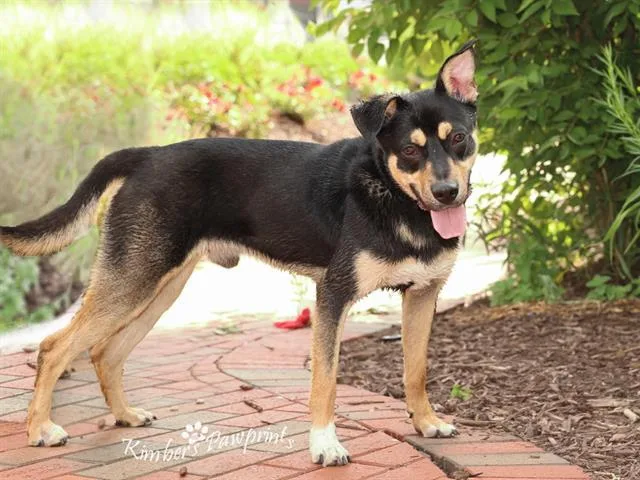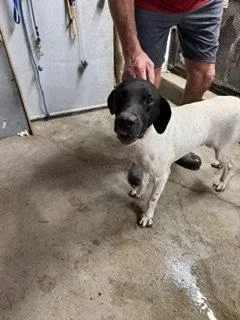
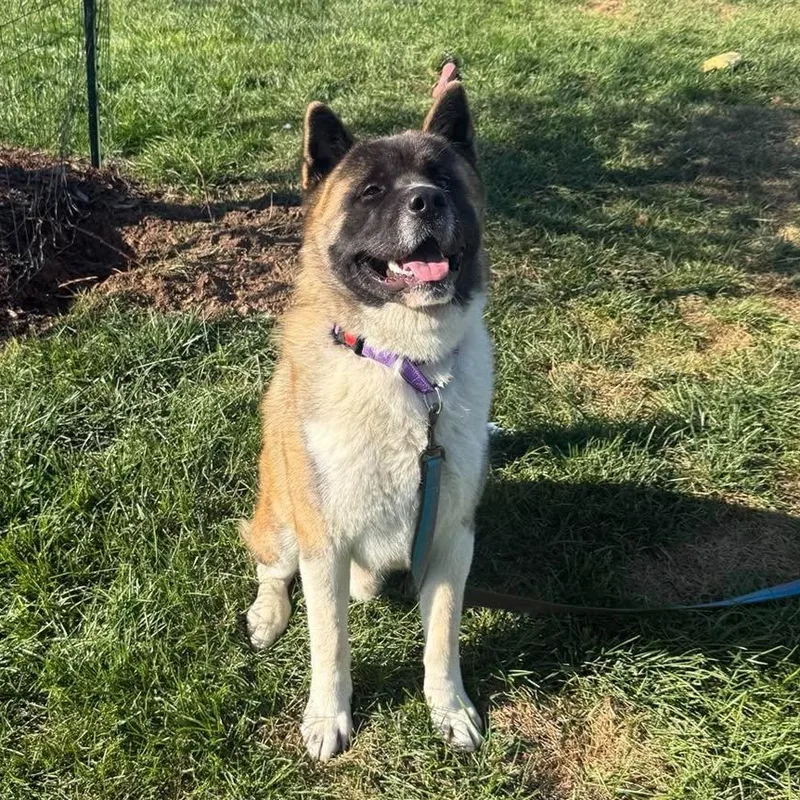
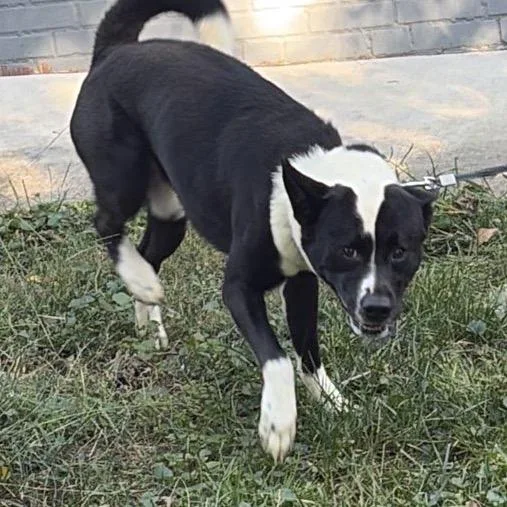

Akita dog

Akita Dogs for Adoption in Omaha, NE

Your guide to finding and caring for an Akita in Omaha

Akitas fit Omaha best when life is calm, with a leashed walk along the Field Club Trail and a quiet home to come back to. They're reserved with strangers, so a fenced yard in a neighborhood like Minne Lusa, with its bungalow streets, suits them better than a crowded patio scene. Omaha's snowy winters are what this thick-coated breed was built for. Plan on a big, loyal dog who sheds heavily and picks its friends slowly.

466 Akitas available in Omaha and nationwide

Your Akita is waiting

While we don't have enough dogs near Omaha, keep in mind that many rescues may offer transport.

Akitas Available for Adoption Near Omaha

About the Akita breed

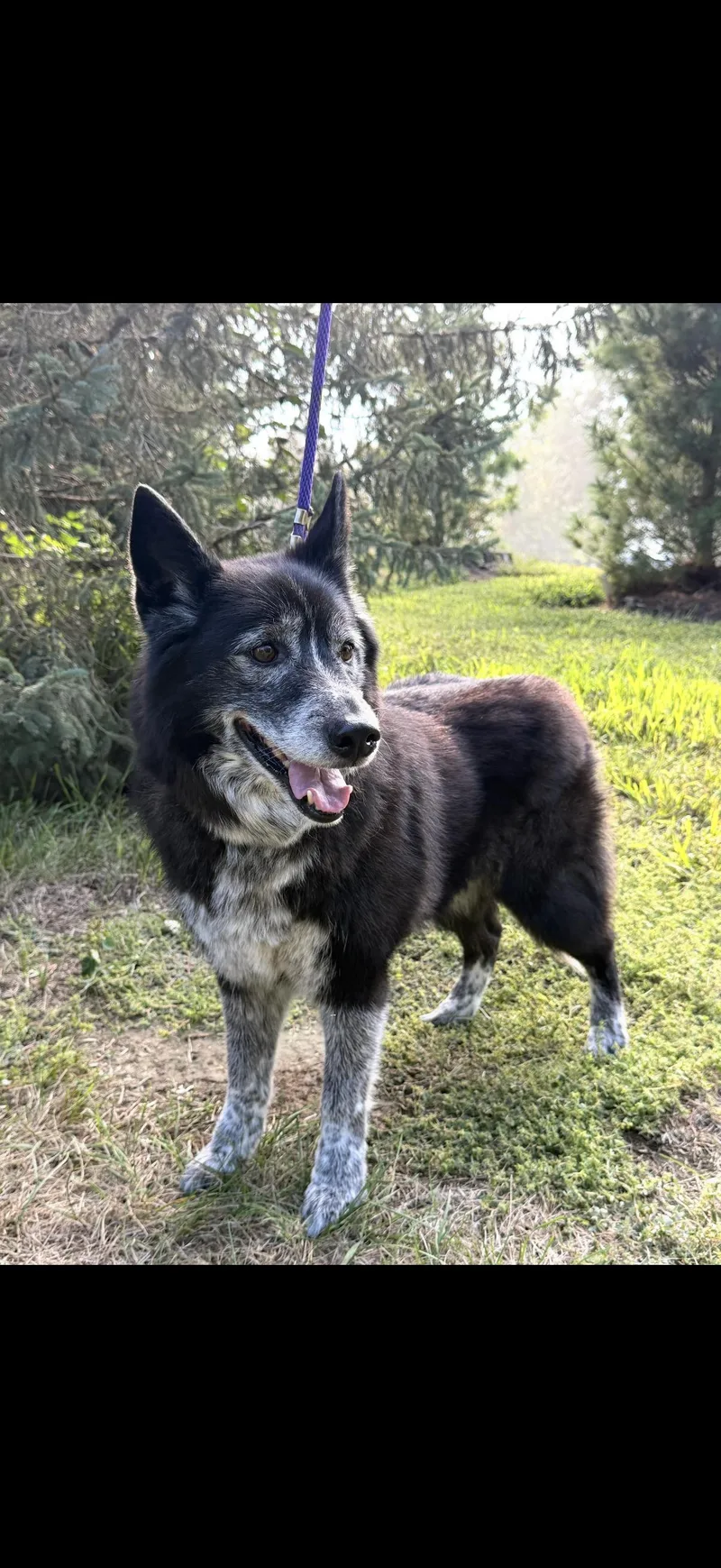
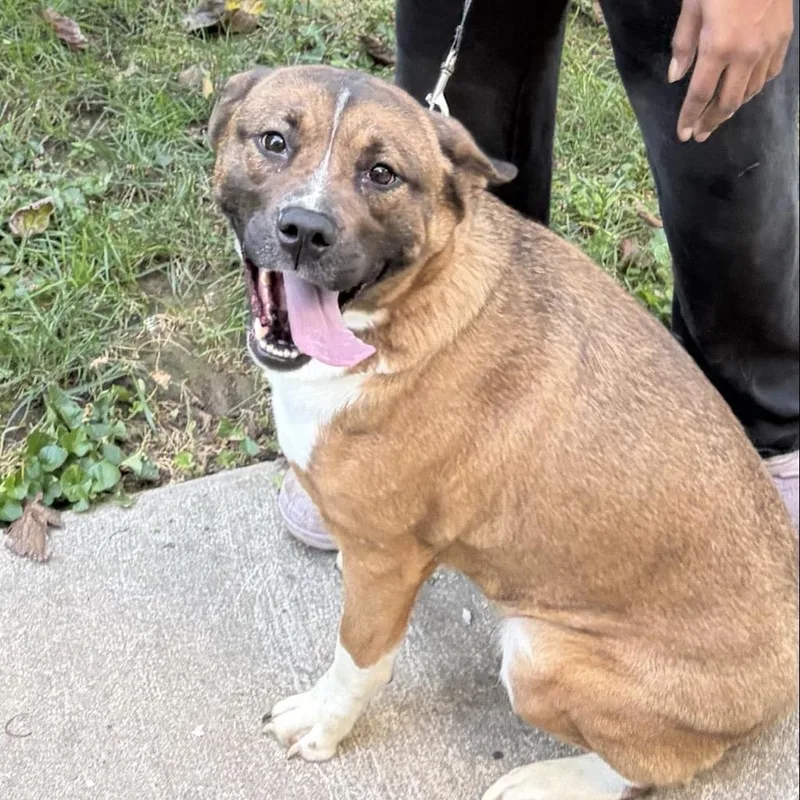
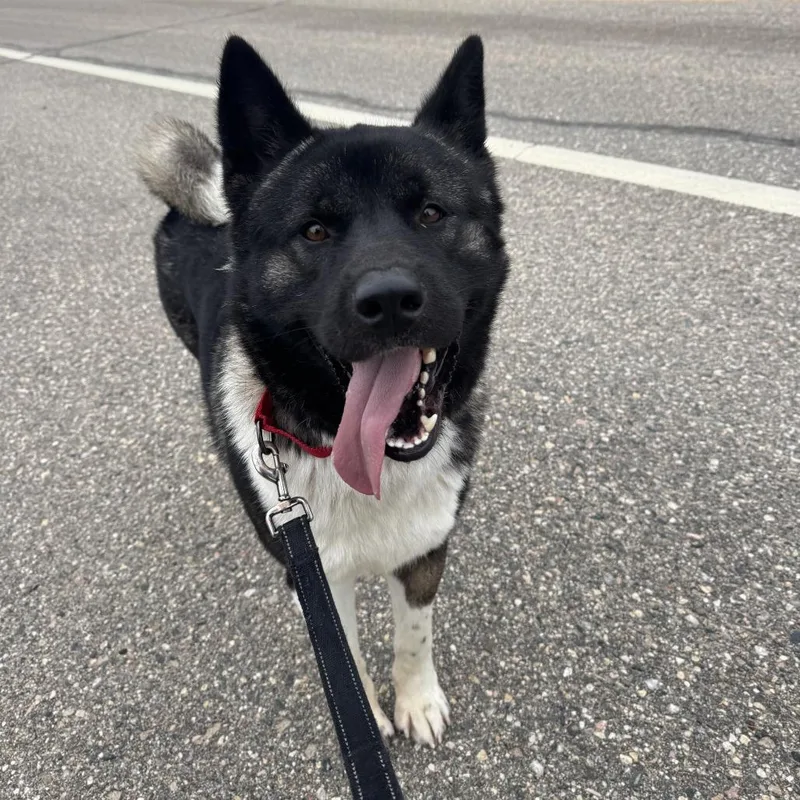
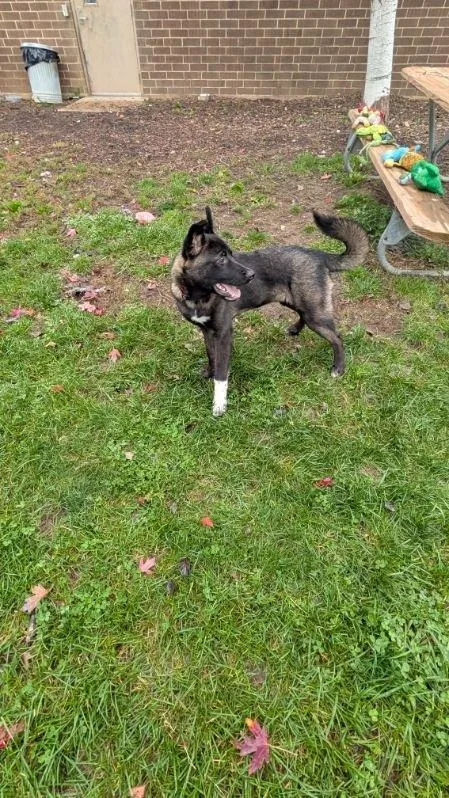
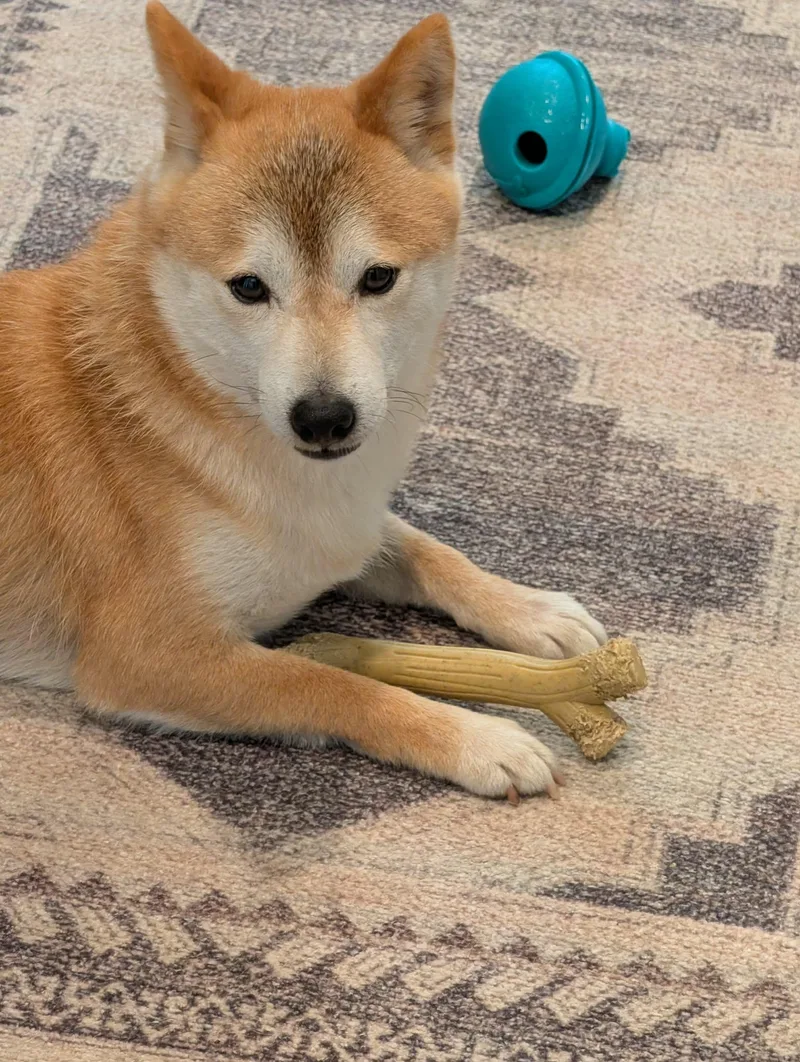
Akitas come from the snowy mountains of northern Japan, where spitz-type dogs hunted bear and boar before guarding estates. The Akita in the United States is the heavier, bear-headed type, with a broad head, small upright ears, a plush double coat and a tail curled over the back. Males can reach 130 pounds, while females often run 70 to 100.

Many Akitas are dignified and devoted to their own people while staying aloof with strangers. Some don't tolerate other dogs, especially of the same sex, so slow introductions matter. Expect patient, reward-based training and a heavy shed twice a year, when brushing becomes a near-daily chore.

Weight
70–130 lbs
Height
24–28 in
Lifespan
10–14 yrs
Temperament
Loyal, Dignified, Protective, Independent
Group
Working
Shedding
High

Owning an Akita in Omaha

Having an Akita in Omaha

Akitas pair a big, powerful build with a quiet, watchful nature. In Omaha, the cold suits them, while summer heat, a heavy shed and a selective attitude toward other dogs deserve the most planning before you adopt.

Temperament

Akitas are usually calm and devoted at home but reserved with visitors, and many dislike other dogs, especially of the same sex. On Omaha's shared sidewalks and trails, that means a short leash, space from passing dogs and slow introductions. Each Akita differs, and patient, reward-based training goes further than force.
Exercise Needs

Plan on a brisk daily walk plus some sniffing time and short training games. Leashed routes such as the Field Club Trail or Zorinsky Lake's paved loops add variety, and a securely fenced yard helps. Many Akitas do poorly at dog parks, so skip those unless the dog clearly enjoys other dogs.

Health Considerations

Akitas are prone to hip dysplasia, hypothyroidism, bloat and several autoimmune and eye conditions. A veterinarian can check hips, thyroid and eyes, and should know that Akita blood values can show high potassium. Feed measured meals and avoid hard exercise right after eating to lower bloat risk.

Living Space

Akitas can manage in a house or an apartment when daily exercise is covered. A fenced yard is a plus, but it needs sturdy fencing and supervision, since an Akita shouldn't be left outside alone. Indoors, expect heavy shedding and give the dog a cool spot for humid summer days.

What it costs to own an Akita in Omaha

ExpenseTypical costPer year
Food$55 to $110 per month$660 to $1,320
Pet insurance$65 to $130 per month$780 to $1,560
Routine vet care$250 to $500 per year$250 to $500
Other*$590 to $1,490 per year$590 to $1,490
Estimated yearly total (after year one)$2,280 to $4,870

Other costs are estimates and vary with size, age and health.

* Flea, tick and heartworm prevention, a dental cleaning allowance, the Omaha dog license, toys and bedding, and brushing and baths for heavy seasonal coat blowouts.

Adopt an Akita in Omaha.

Now that you know more, let’s find you a new best friend. These rescues and shelters below have dogs available in and near Omaha.

Frequently Asked Questions

Yes, Akitas usually handle Omaha winters well, since the breed developed in snowy northern Japan and carries a thick double coat. Omaha sees about 135 freezing nights a year and a few sub-zero ones, so keep walks going, rinse salt from paws, and let the dog sleep indoors. Any dog left outside needs bedded shelter.

Realistically, no. Metro buses and ORBT require pets to ride in a carrier unless they're service animals, and a 70-to-130-pound Akita won't fit in one. Omaha has no subway, and the streetcar isn't open yet. Plan on walking or driving, and use a secure restraint or crate in the car.

Leashed trails suit most Akitas better than dog parks. Try the Field Club Trail, the Keystone Trail, the paved loops around Zorinsky Lake or Benson Park. Hanscom and Dewey dog parks have large-dog sections, but many Akitas are intolerant of unfamiliar dogs, so visit only if yours is clearly relaxed around them.

Yes, if the dog gets daily walks and the building is calm. Busy hallways and elevators can stress a wary Akita, so a quieter building or ground-floor unit near a trail helps. Landlords set their own size and breed policies, and Omaha limits households to three dogs without a permit.

Plan on weekly brushing most of the year and near-daily brushing during the twice-yearly coat blowouts. Don't shave the coat; it insulates against Omaha's cold and helps in summer. Humid summers make regular deshedding more important. Baths and coat care fall within the Other costs line of roughly $590 to $1,490 a year.

Only to patios that have health-department approval, with the Akita leashed. Indoor dining rooms are off-limits to pets. Because many Akitas are wary of strangers and other dogs, a busy patio can be stressful, so practice settling calmly elsewhere first and leave the dog home on hot summer evenings.

It can be, if you're home regularly and enjoy cold-weather walks. Expect a concentrated stretch of fireworks on July 2 to 4 and New Year's Eve, spring storm season, and coyotes reported in some northwest neighborhoods, so keep the dog leashed at dusk. Also remember the three-dog household limit if you already have dogs.

An Akita is a large, powerful spitz-type dog from northern Japan, known for its plush double coat, upright ears and tail curled over the back. In the United States, the Akita is the heavier American type, while the lighter Japanese Akita Inu is now registered separately. Many Akitas are devoted to their family, reserved with strangers and selective about other dogs.

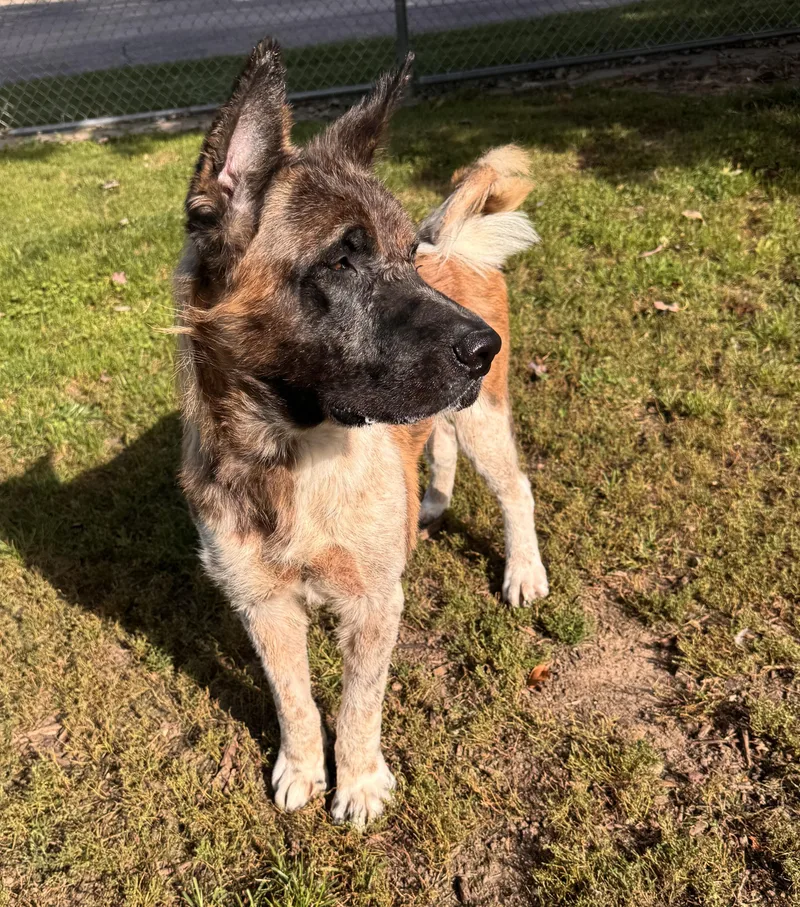
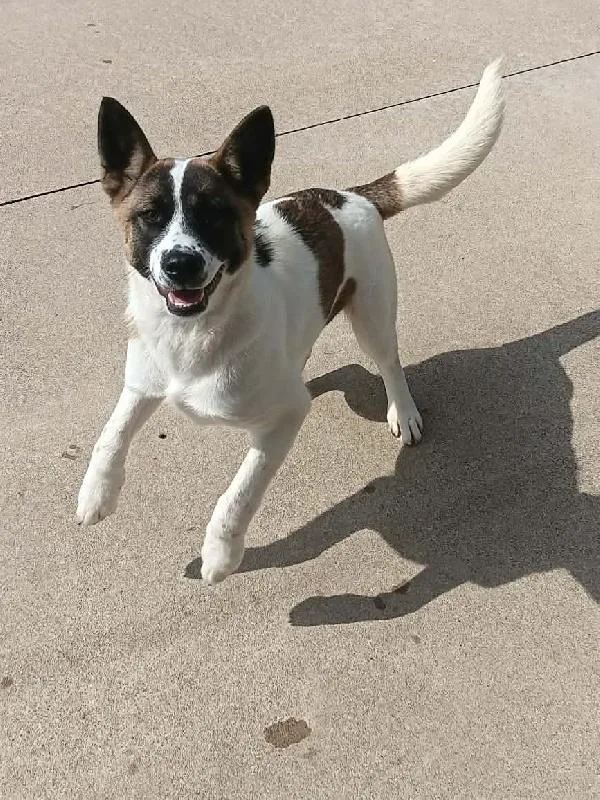
An Akita is a big, heavy-boned dog with a broad, bear-like head, small deep-set eyes and thick triangular ears that stand upright. Its dense double coat is about two inches long, and its full tail curls over the back. American-type Akitas come in almost any color, including white, brindle and pinto, often with a dark mask.

Expect roughly $55 to $110 a month for food and $65 to $130 a month for pet insurance. Routine vet care runs about $250 to $500 a year, and other costs, including parasite prevention, dental care, the license and coat care, add $590 to $1,490. A large dog with heavy coat blowouts tends toward the higher end.

Find Akitas in Nearby Cities

Expand your search to find Akitas available for adoption near Omaha.