Husky Dogs for Adoption in Eureka, IL

Your guide to finding and caring for a Husky in Eureka

3086 Huskies available in Eureka and nationwide

Your Husky is waiting

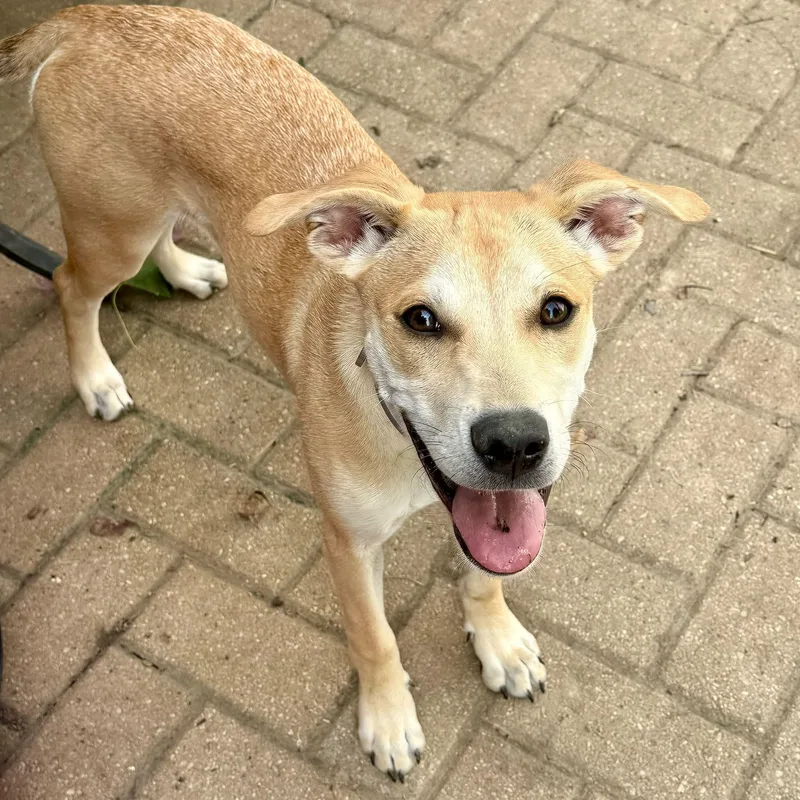
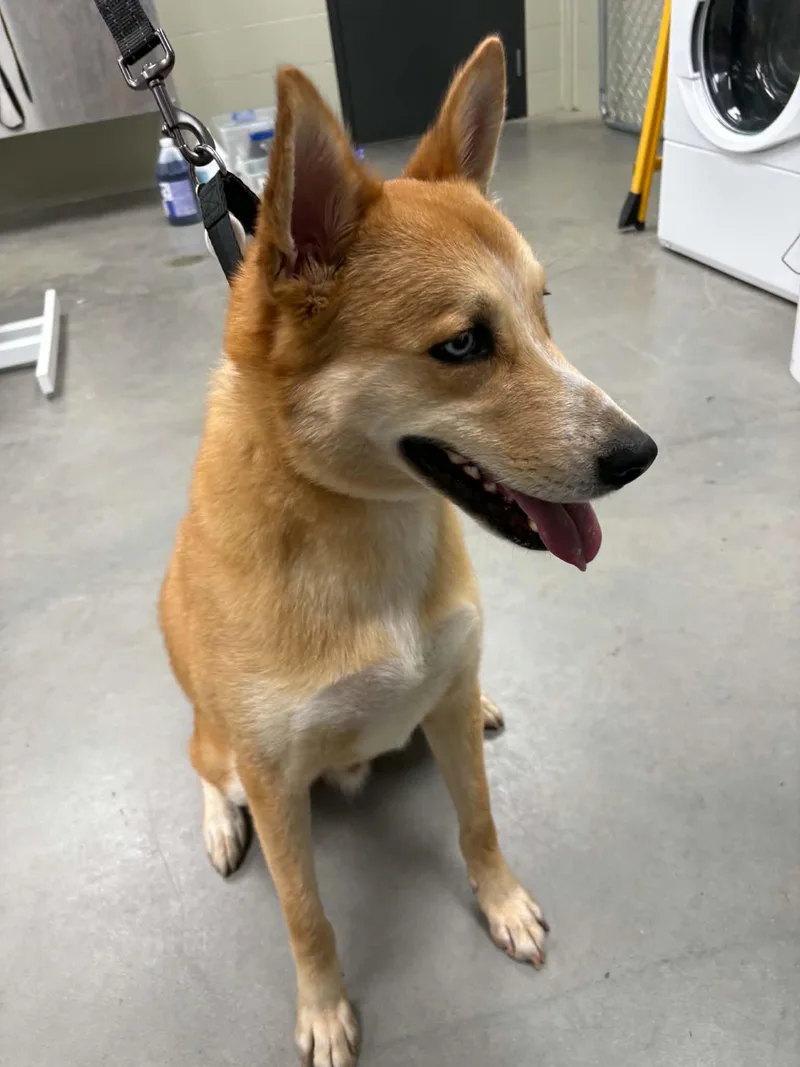
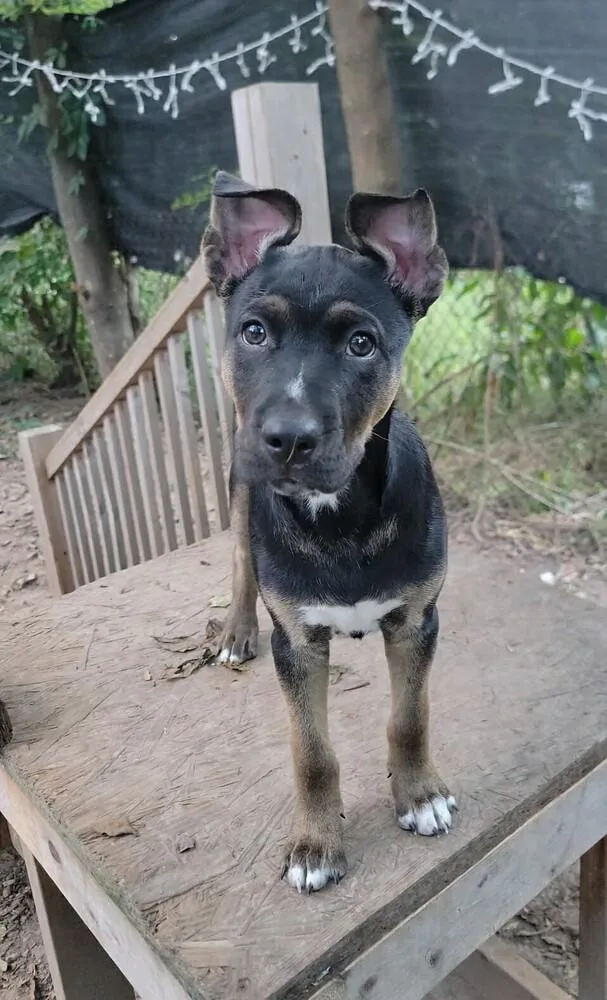
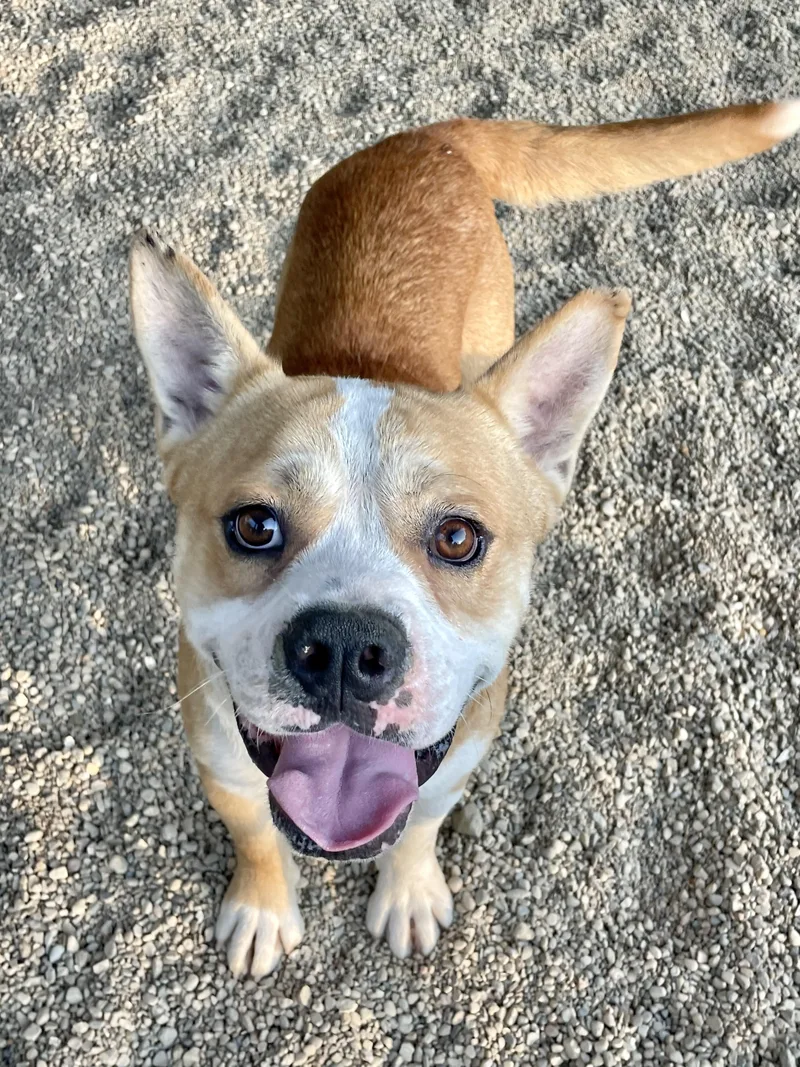
Huskies Available for Adoption Near Eureka

About the Husky breed

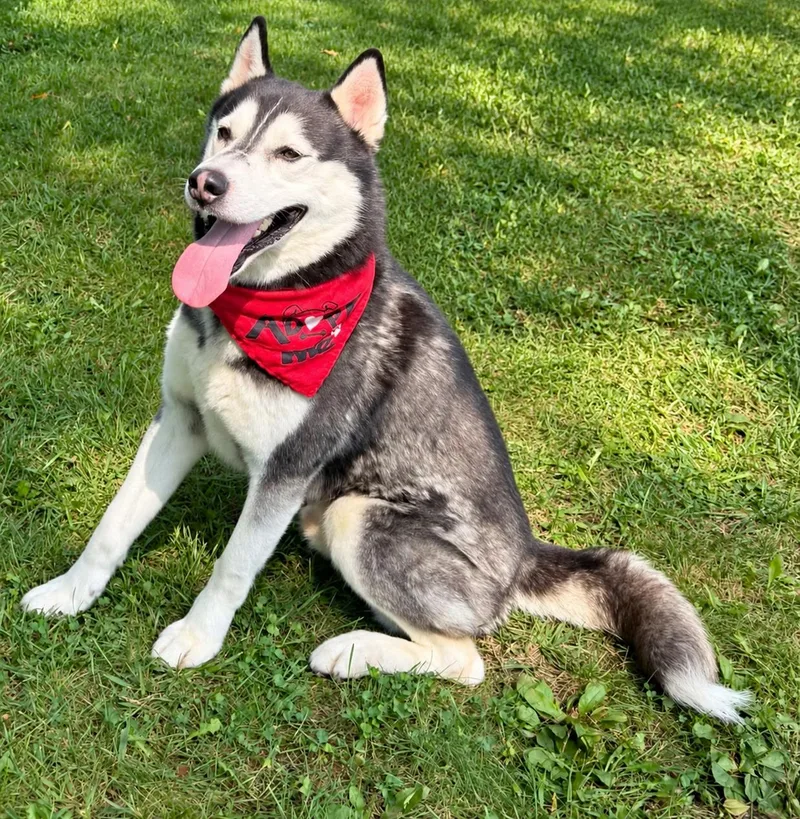
Husky is a broad label for northern sled dogs rather than a single breed. In shelters it usually means a Siberian Husky or a Siberian mix, though the name also covers the Alaskan husky, a mixed working type bred for racing, and dogs with some Alaskan Malamute in them. They share an Arctic look: erect triangular ears, a thick double coat, a brush tail and often striking blue, brown or odd-colored eyes.

Most adoptable huskies are medium-sized, roughly 35 to 70 pounds, and built for endurance running in a team. Many are friendly, social and playful, but also independent, vocal and prone to chasing small animals, digging and escaping. They need serious daily exercise, secure fencing and a tolerance for shed fur, and they handle heat poorly. Huskies are common in rescues, especially young adults whose energy outpaced their first household.

Weight
35–70 lbs
Height
20–25 in
Lifespan
11–15 yrs
Temperament
Friendly, Energetic, Independent, Vocal
Group
Working
Shedding
High

Owning a Husky in Eureka

Having a Husky in Eureka

Whatever its exact ancestry, a husky-type dog usually brings sled-dog stamina, a sociable but self-directed personality and a coat built for cold. Those traits explain both the breed's charm and the reasons so many huskies arrive at shelters, so they deserve a close look before adopting.

Temperament

Huskies tend to be outgoing and gentle with people, including strangers, which makes them poor guard dogs. Many enjoy other dogs, yet a strong prey drive can put cats and small pets at risk. They are smart but independent and may ignore commands that seem pointless. Individual temperament varies widely in mixes, so a dog's known history matters.

Exercise Needs

Most huskies need vigorous exercise every day, ideally running, hiking, canicross or pulling sports in cool weather. Mental work matters too, because bored huskies dig, chew, howl and plan escapes. Off-leash recall is often unreliable, so exercise usually happens on leash or in securely fenced areas. Mixes with racing or Malamute ancestry can differ in stamina.

Health Considerations

Husky-type dogs are generally hardy, but Siberian lines are known for inherited eye diseases such as juvenile cataracts, corneal dystrophy and progressive retinal atrophy, plus zinc-responsive skin disease and hip dysplasia in some dogs. Their dense coat makes overheating a real risk in warm weather. Keep regular veterinary checkups, including eye and hip checks.

Living Space

A husky can live in a house or an apartment if it gets enough exercise, but most do best with a securely fenced yard at least six feet high and dig-proofed. They should live indoors with family, since they crave company. Expect fur everywhere, plenty of howling or talking, and a dog that needs air conditioning in summer heat.

What it costs to own a Husky

ExpenseTypical costPer year
Adoption fee$50, one time$50 in year one
Food$35 to $70 per month$420 to $840
Pet insurance$45 to $85 per month$540 to $1,020
Routine vet care$225 to $450 per year$225 to $450
Other*$540 to $1,390 per year$540 to $1,390
Estimated yearly total (after year one)$1,725 to $3,700
First-year total (with adoption fee)$1,775 to $3,750

Adoption fee is the fee on Husky listings in Eureka on GetBuddy today. Other costs are national averages for Huskies; we don't have costs specific to Eureka yet.

* Flea, tick and heartworm prevention, a dental cleaning allowance, a dog license, toys and bedding, and brushing for heavy seasonal shedding; costs vary with the individual dog's size and coat.

Adopt a Husky in Eureka.

Now that you know more, let’s find you a new best friend. These rescues and shelters below currently have Huskies available.

Rescues in Eureka with Huskies Available

Here are the rescues & shelters in the Eureka area where you can find Huskies and other dogs available for adoption.

Frequently Asked Questions

A Husky is a northern sled dog type rather than one specific breed. The name most often refers to the Siberian Husky, a recognized AKC breed, but it also covers the Alaskan husky, a mixed racing type, and many husky mixes in shelters. Most are medium-sized, thick-coated, energetic dogs with erect ears and a friendly, independent nature.

Huskies were bred to pull sleds. The Chukchi people of northeastern Siberia developed the ancestors of the Siberian Husky to haul light loads over long distances in teams, and the dogs later became famous in Alaskan sled racing. That purpose explains their stamina, their pack-oriented sociability and their strong urge to run, which still shapes life with a pet husky today.

A Husky typically has a wolf-like but friendly face, erect triangular ears, almond-shaped eyes and a thick, medium-length double coat. Common colors range from black and white to gray, red, sable and pure white, often with a facial mask. Eyes can be brown, blue, one of each or parti-colored. The furry tail curves up when the dog is alert.

Huskies come from the Chukotka Peninsula in northeastern Siberia, where the Chukchi people kept them as sled and family dogs for many centuries. Traders brought them to Alaska in the early 1900s for sled racing, and they became famous after the 1925 serum run to Nome. Genetic studies link them to an ancient Arctic sled dog lineage.

Most Huskies live about 11 to 15 years, with Siberian Huskies averaging close to 12 to 14 years in veterinary and breed sources. Mixed husky types vary with their size and ancestry. Keeping a husky lean, well exercised and protected from heatstroke, and checking its eyes regularly as it ages, gives it the best chance at a long life.

Huskies are famous for howling and talking more than barking. Many produce long, wolf-like howls, often joining sirens or other dogs, plus a range of whines, yips and the drawn-out woo-woo sounds owners describe as conversation. Some are quite loud. A husky that vocalizes constantly may be bored or lonely, so more exercise and company often help.

Huskies are usually friendly, playful and social dogs that enjoy people and often other dogs. They are also independent, mischievous and easily bored, with a strong prey drive and a knack for escaping yards. Most are poor watchdogs because they greet strangers warmly. They suit active households that want a companion for running or hiking and can provide secure fencing.

Huskies can pull sleds, carts and bikes, and they excel at endurance sports such as mushing, canicross, bikejoring and skijoring. Many also enjoy hiking, backpacking and agility. Their stamina is remarkable: teams can cover long distances day after day in cold weather. Some work as therapy dogs thanks to their friendliness, although their independence makes formal obedience work harder.

A typical adult Husky measures roughly 3.5 to 5 feet from nose to tail tip, depending on its size and tail length. No breed standard sets this measurement, so that range is an estimate based on a body slightly longer than the dog's 20- to 24-inch shoulder height, plus the head, neck and a long brush tail. Mixes vary widely.

We have 1 rescue with Huskies available: Woodford County Animal Control . You can see every rescue with Huskies available in the list above these questions, or scroll to the top to see the Huskies near Eureka.

Explore Other Breeds in Eureka

Looking for a different breed? Browse other dogs available for adoption in Eureka.