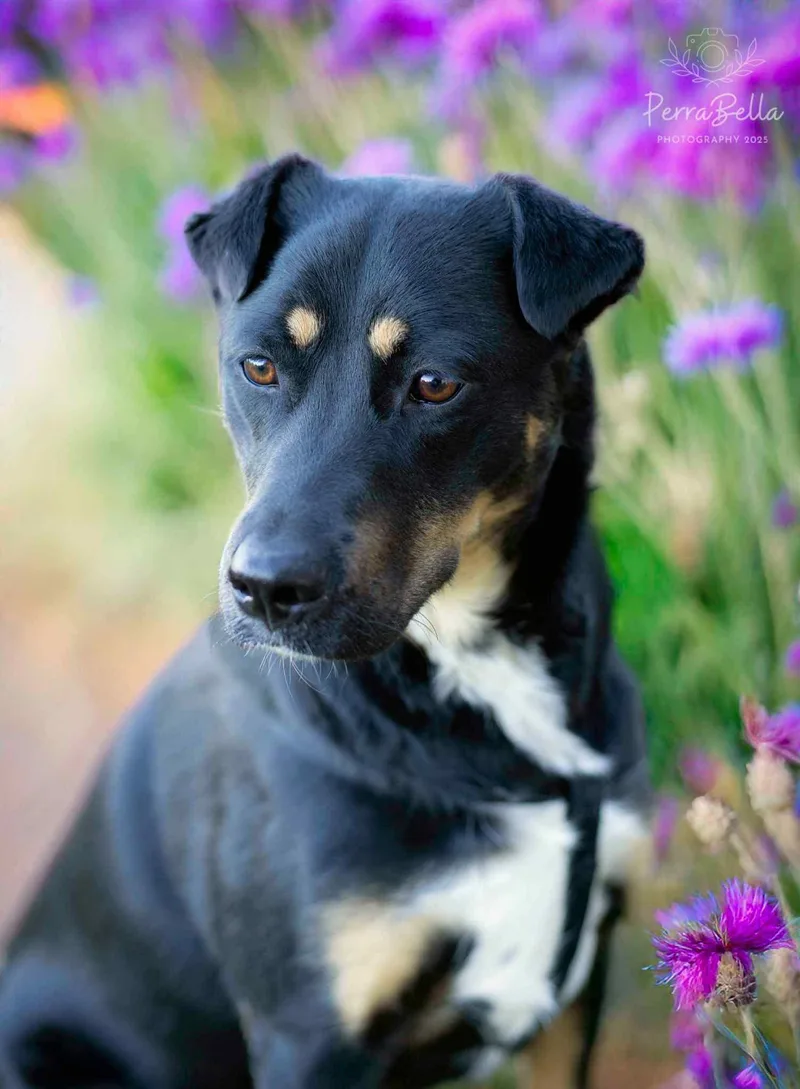
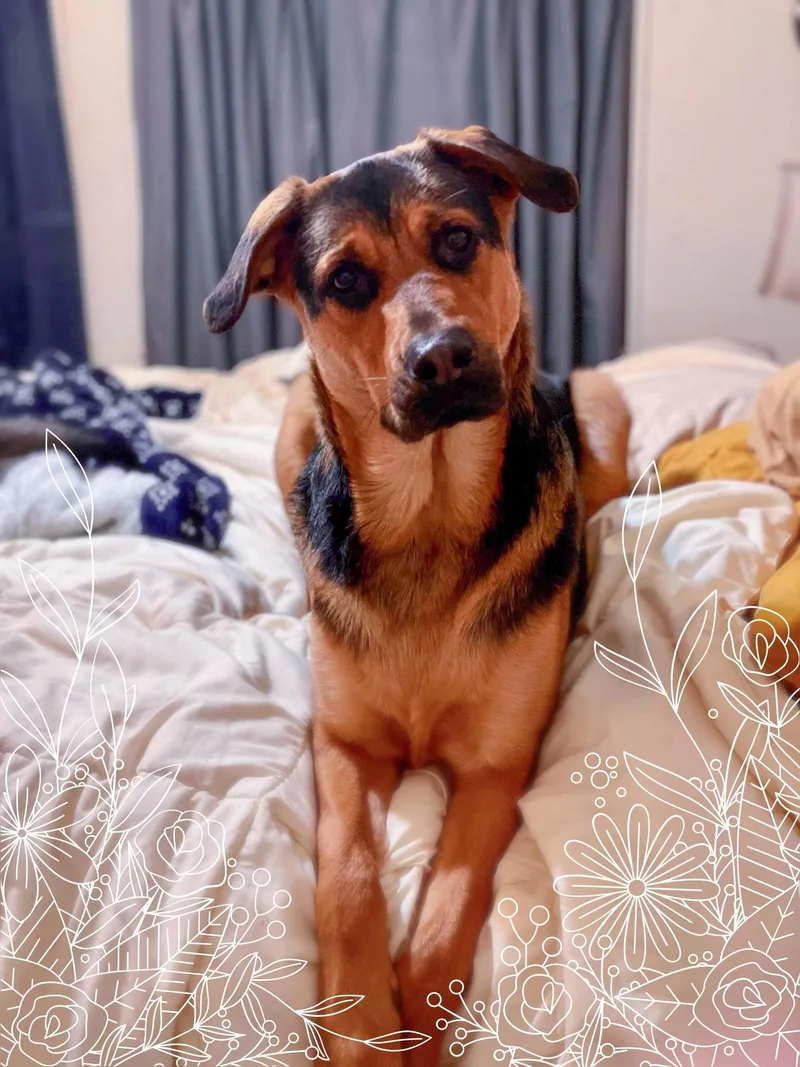
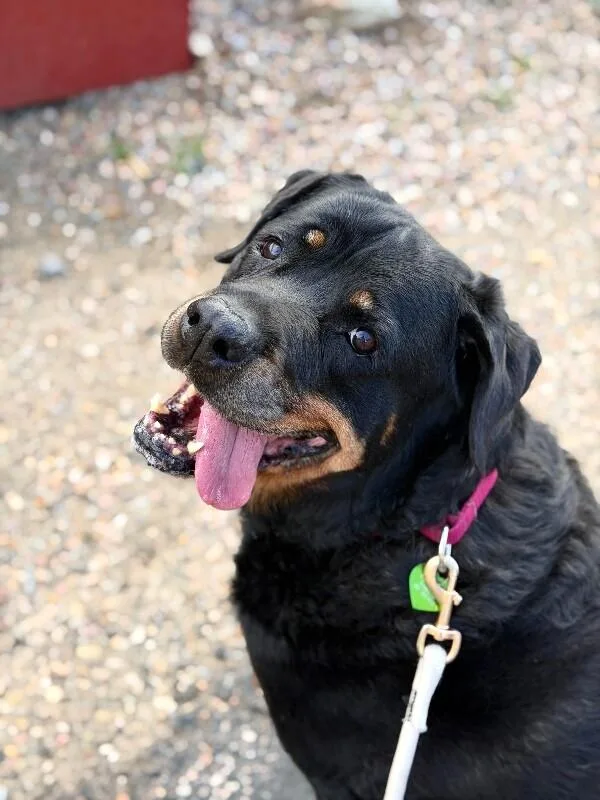
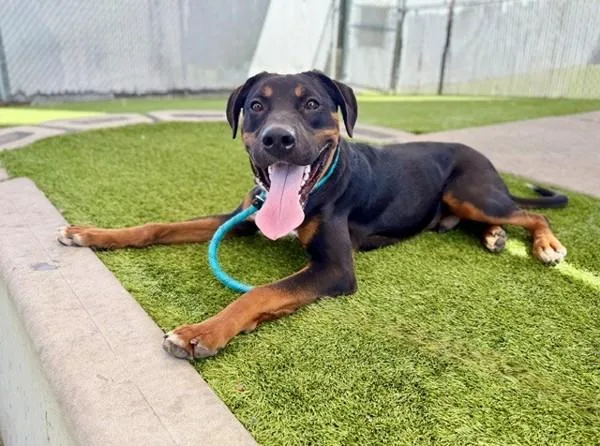
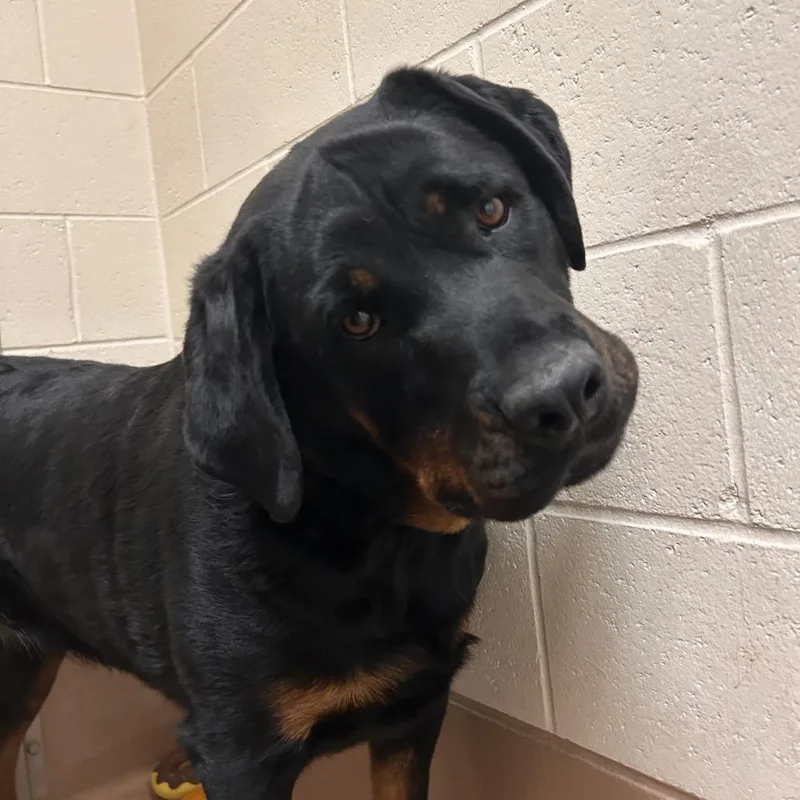
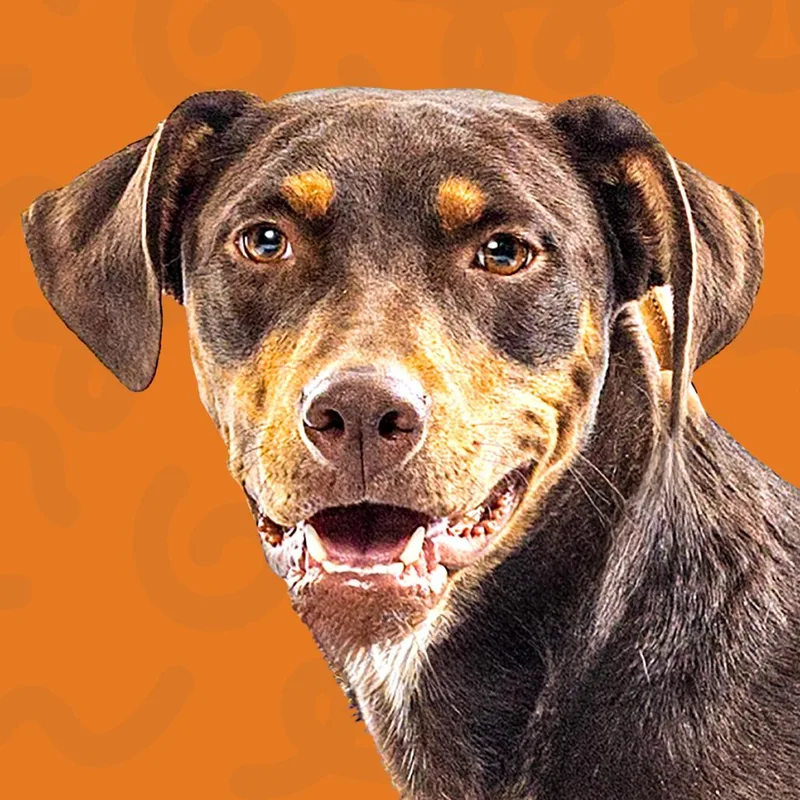
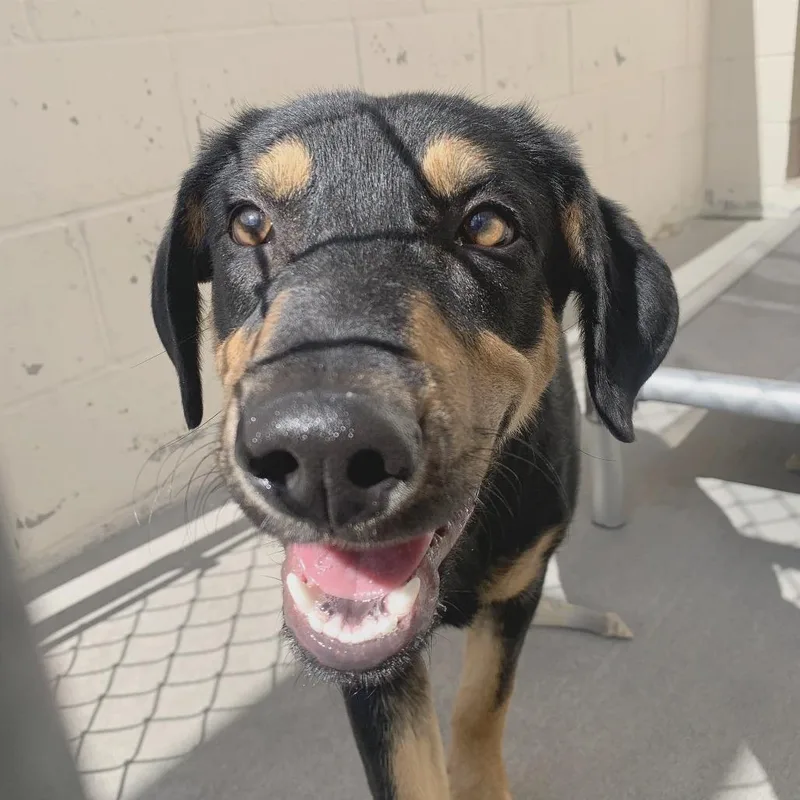
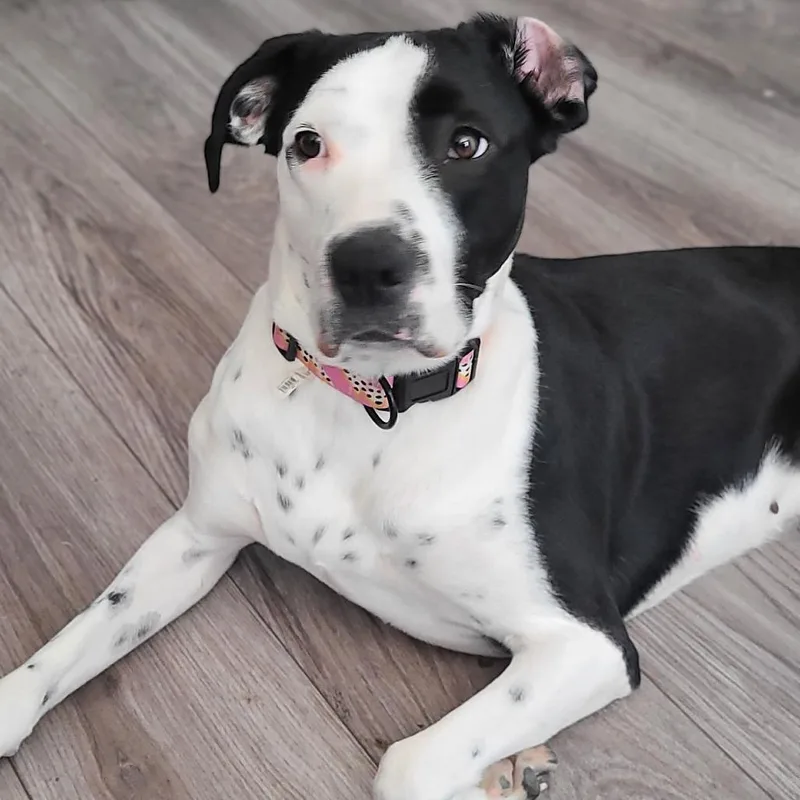
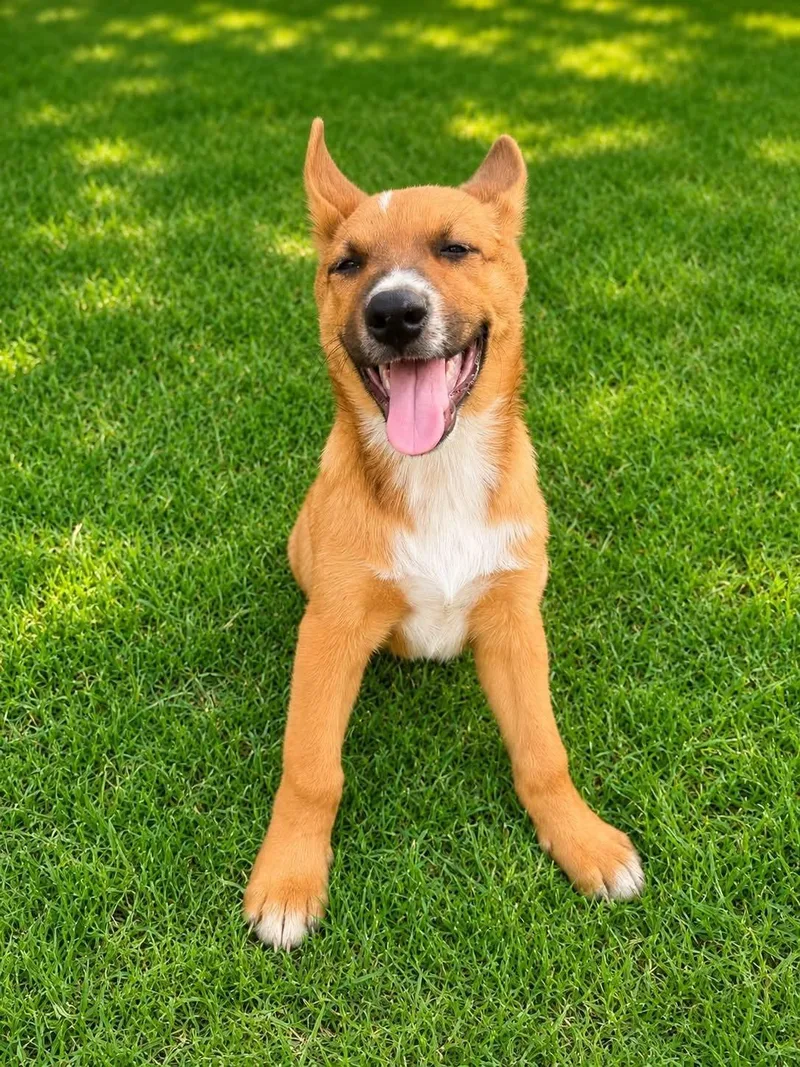
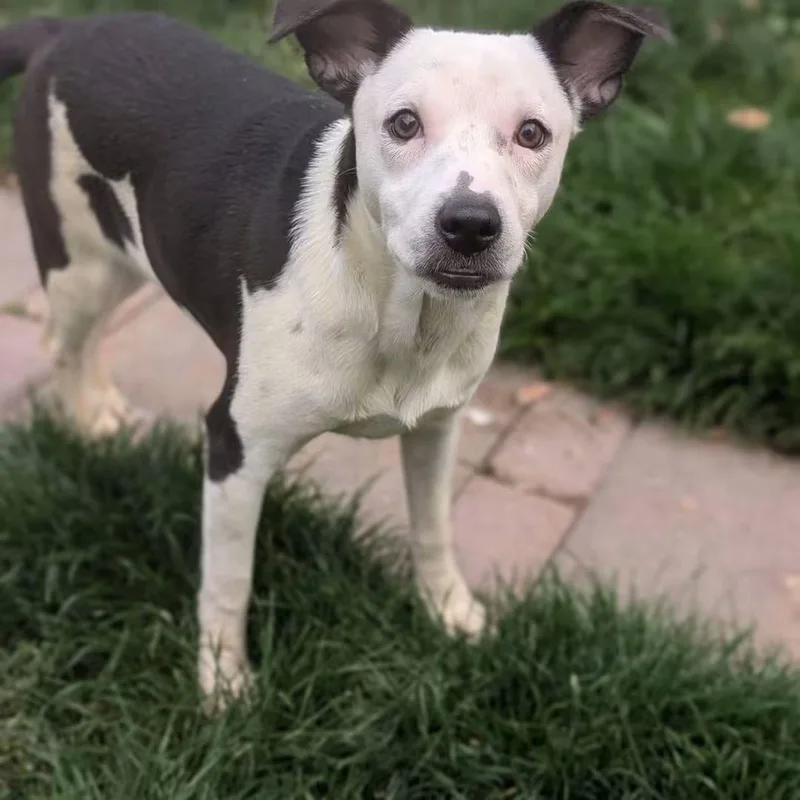
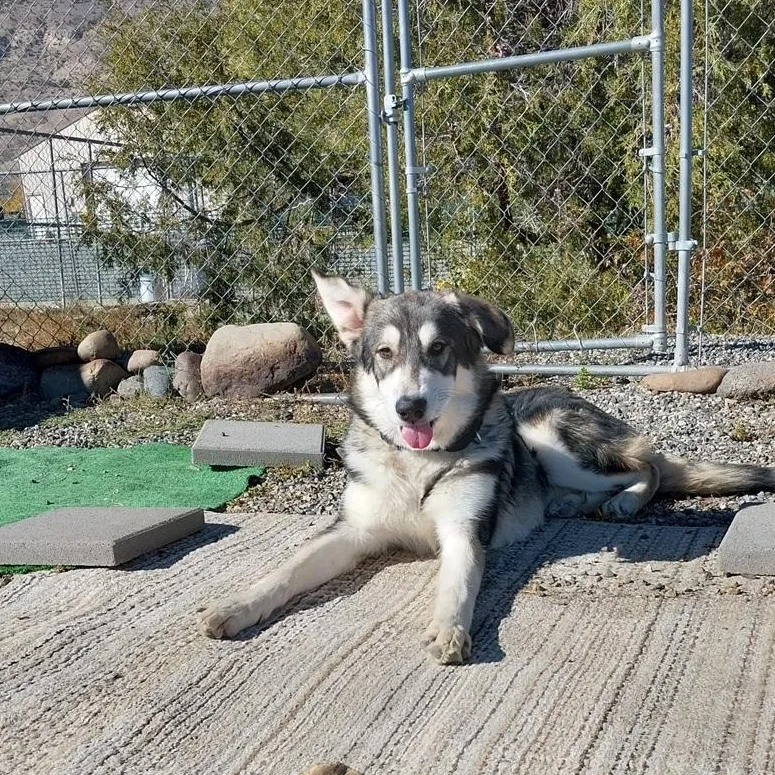
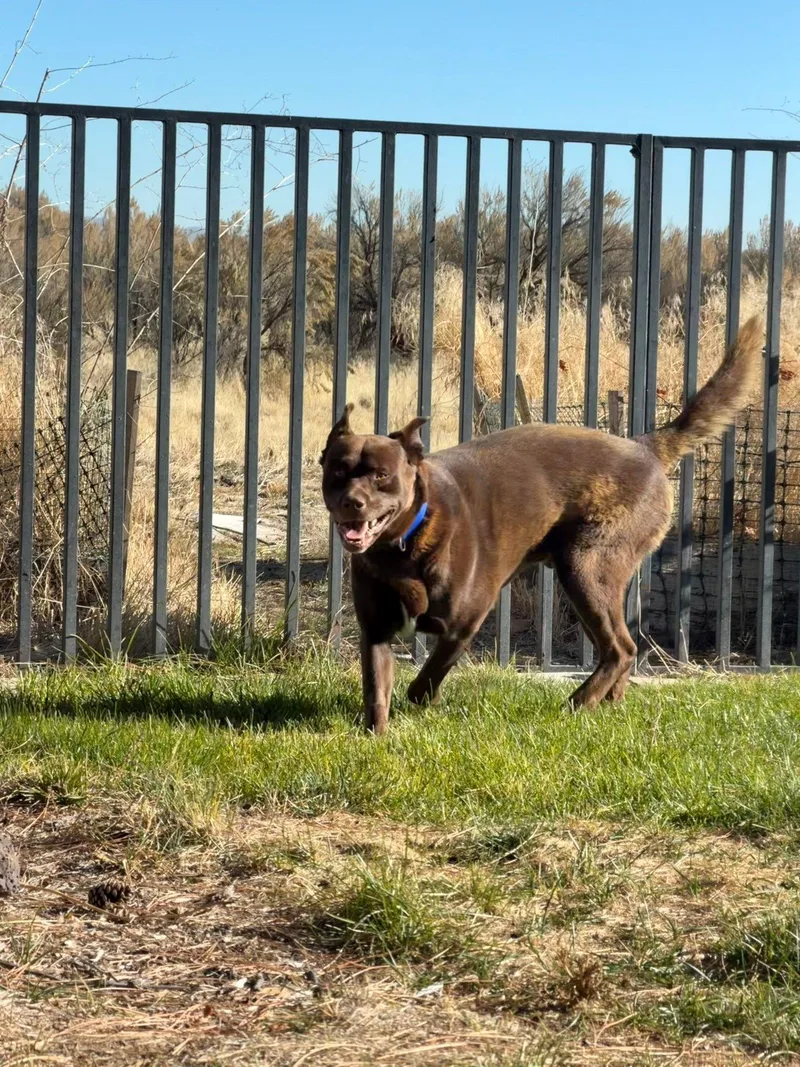
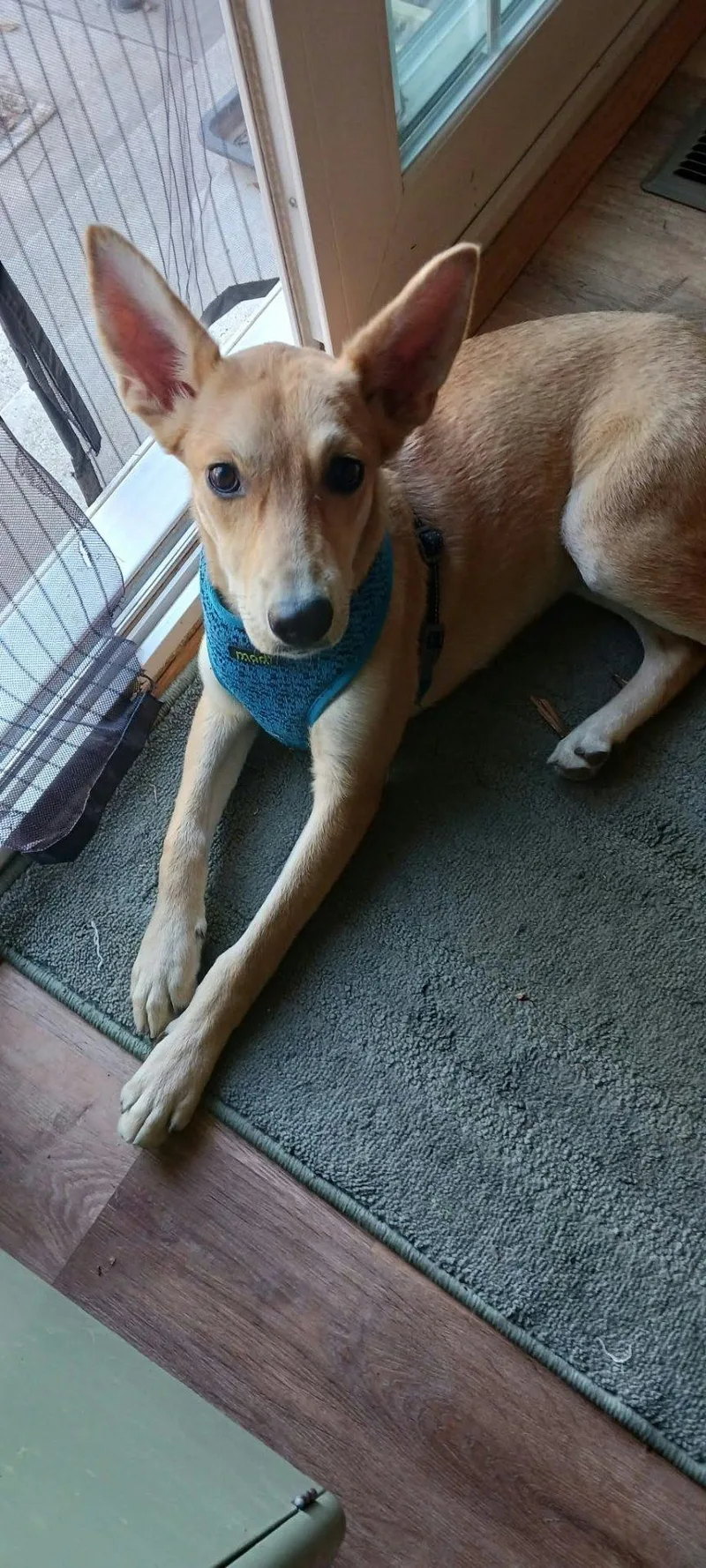
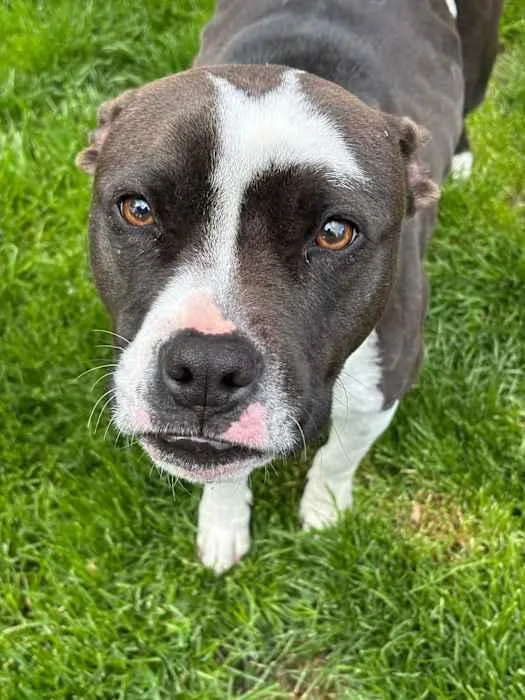
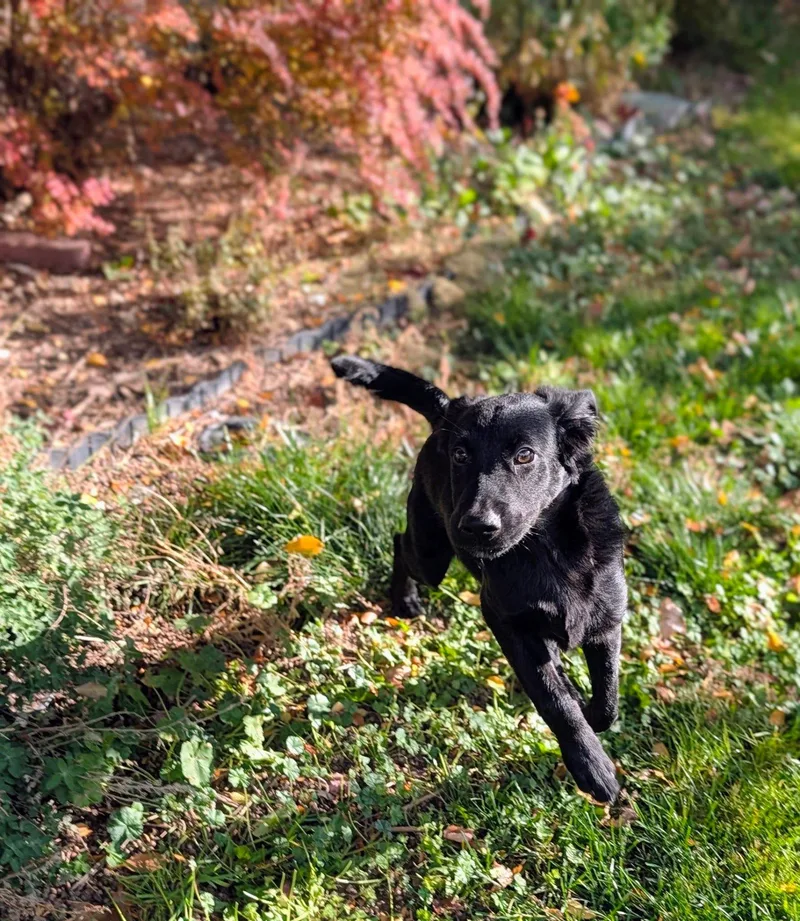
Black Russian Terrier Dogs for Adoption in Boise, ID

Your guide to finding and caring for a Black Russian Terrier in Boise

A Black Russian Terrier suits Boise best in a house with a fenced yard, like the single-family streets of Barber Valley or Southwest Boise. These are big, serious dogs, 80 to 130 pounds, that bond hard with their own family and stay reserved with strangers. Daily walks along Foothills trails give them the work they like, though the thick black coat means afternoons in July call for shade and a cool floor indoors. Expect a dog that wants to be wherever you are.

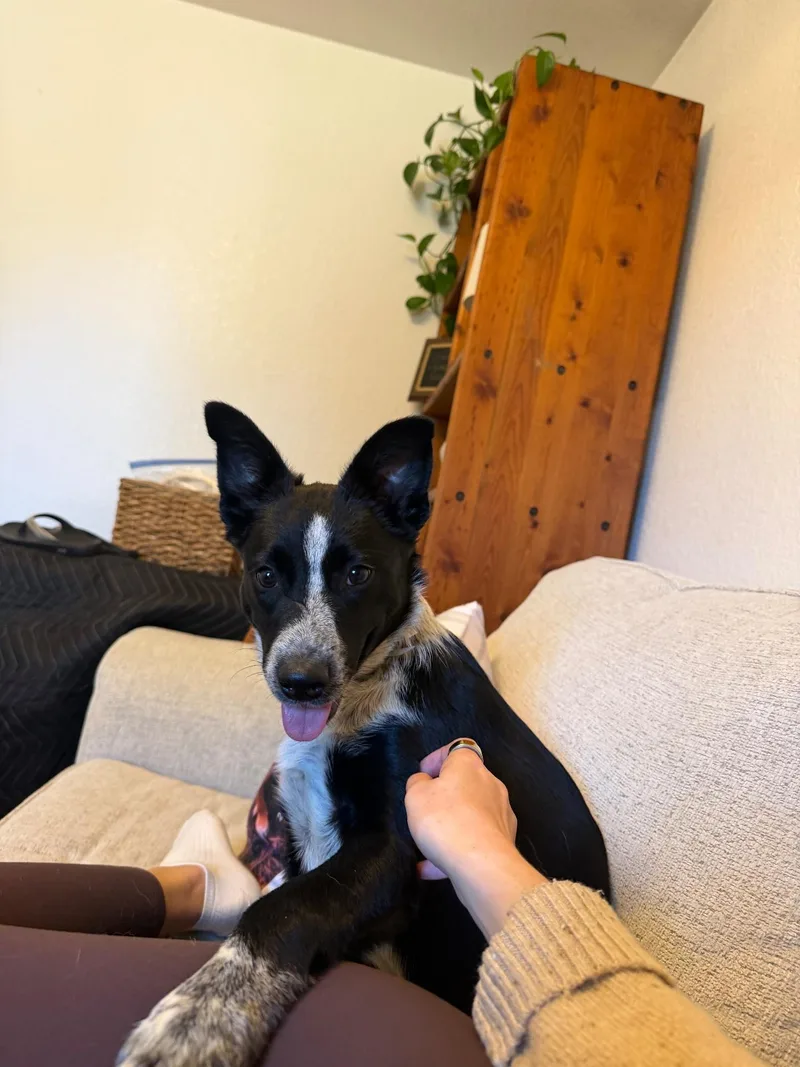
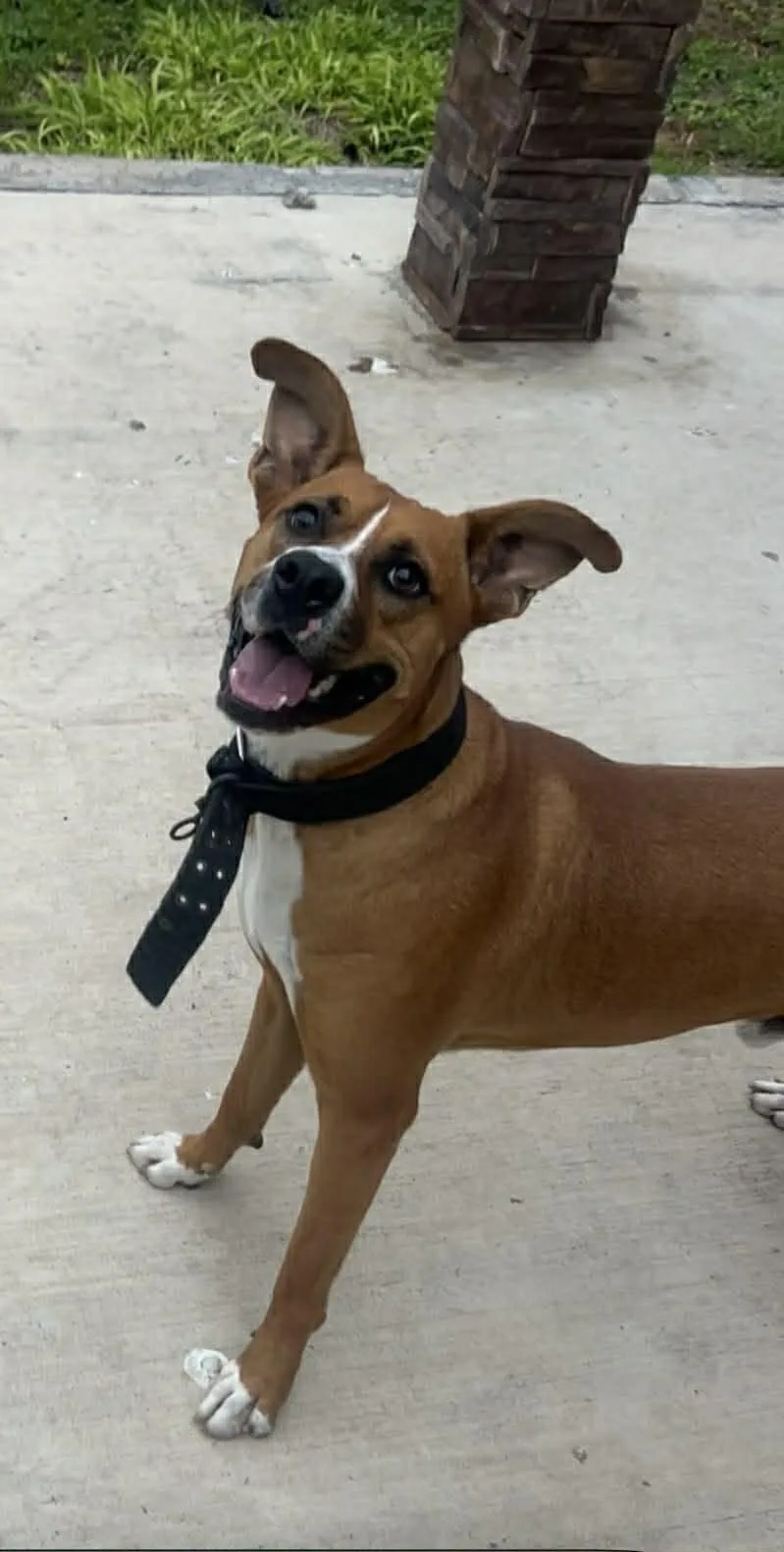
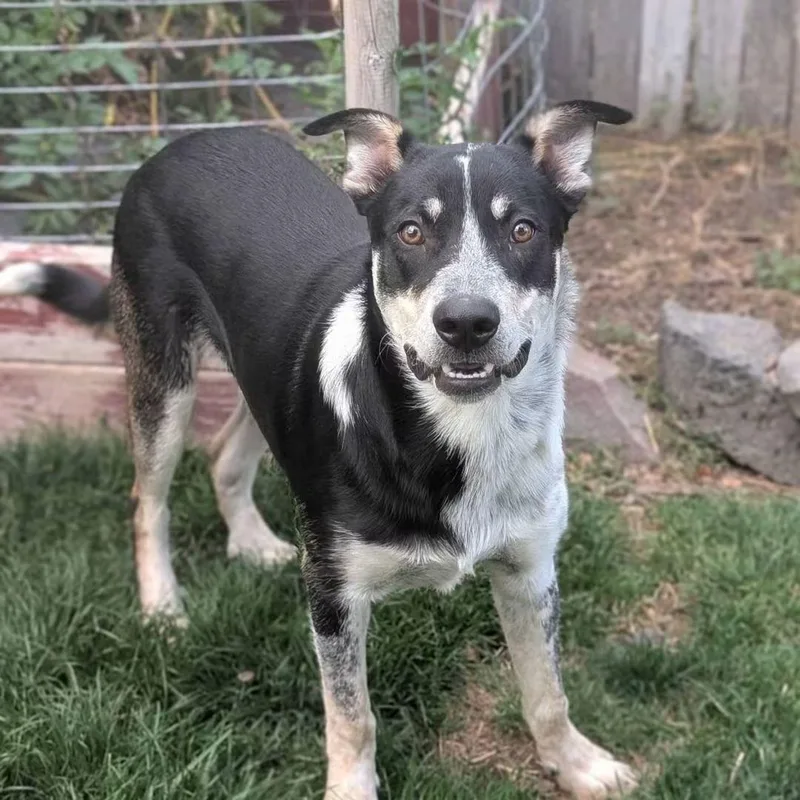
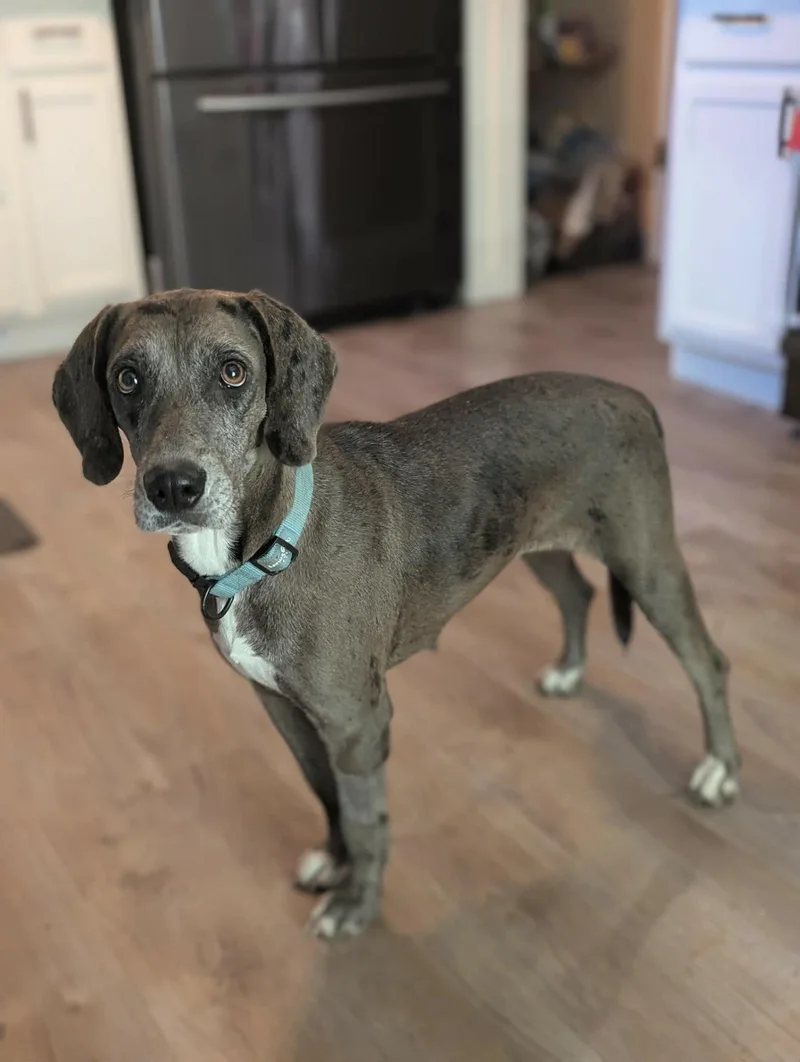
2696 dogs similar to Black Russian Terrier available in Boise and nationwide

Find your Black Russian Terrier

While we don't have enough dogs near Boise, keep in mind that many rescues may offer transport.

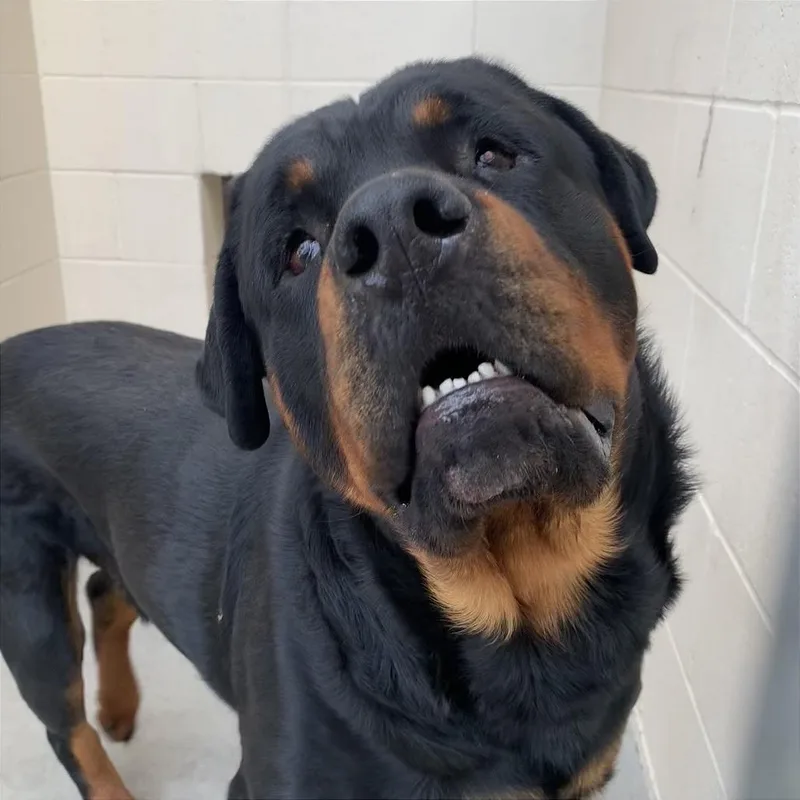
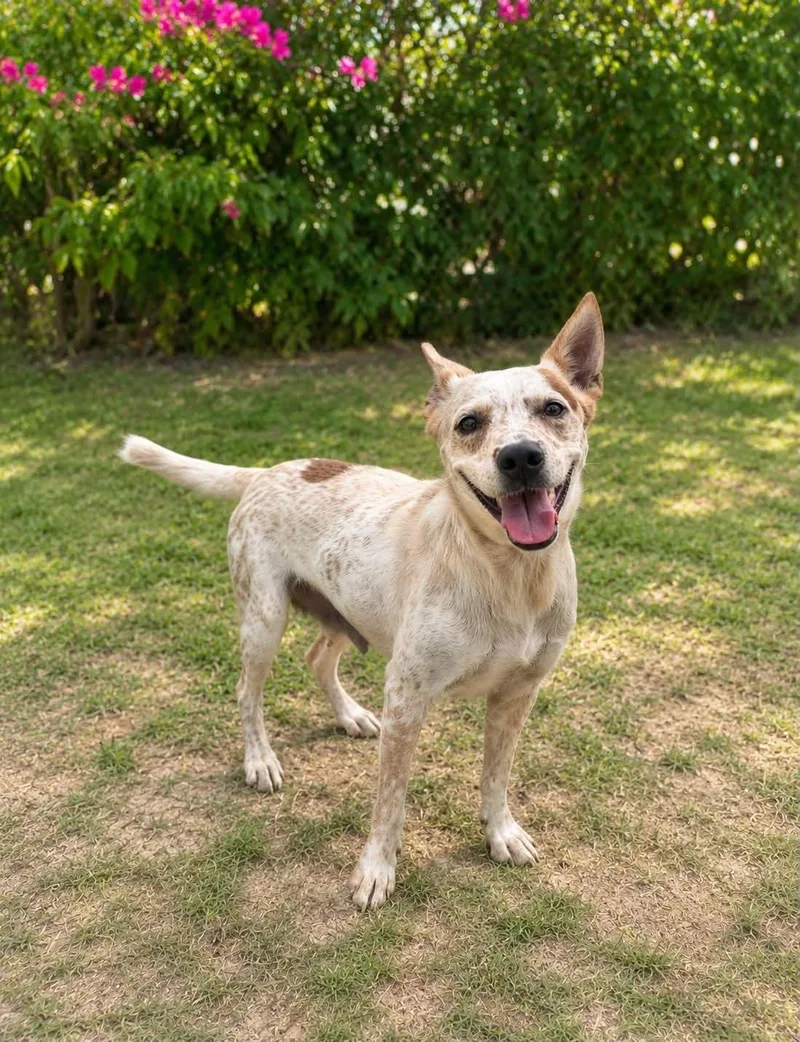
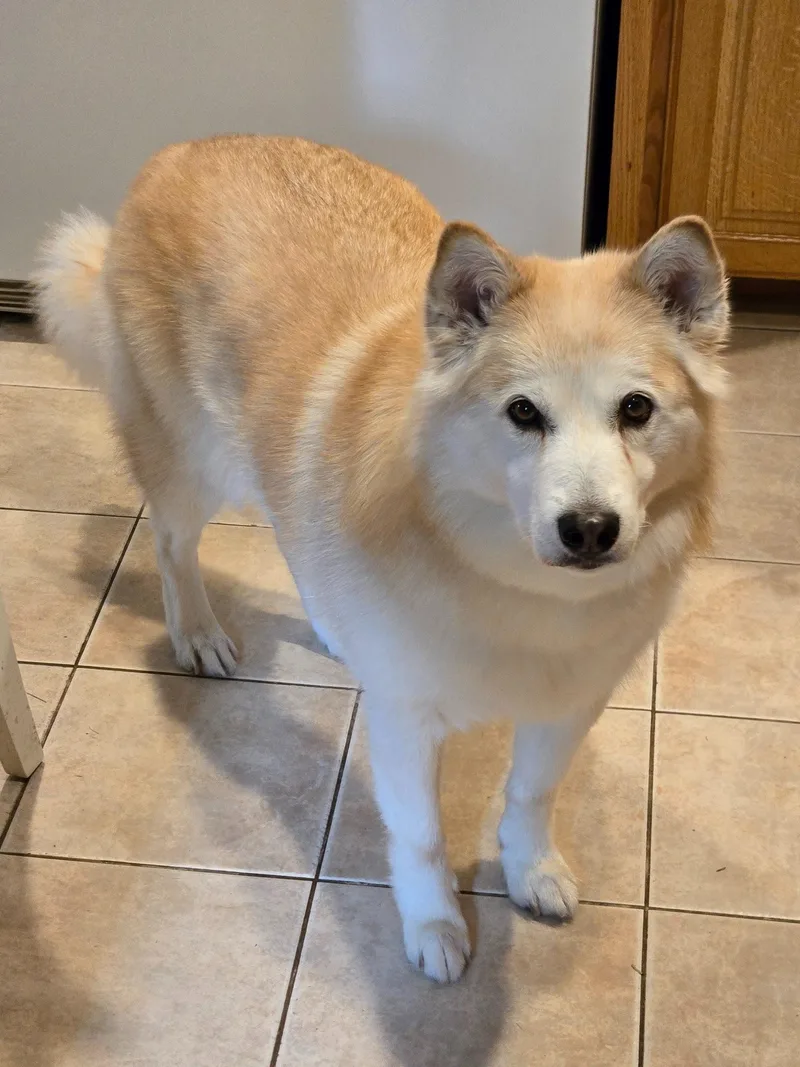
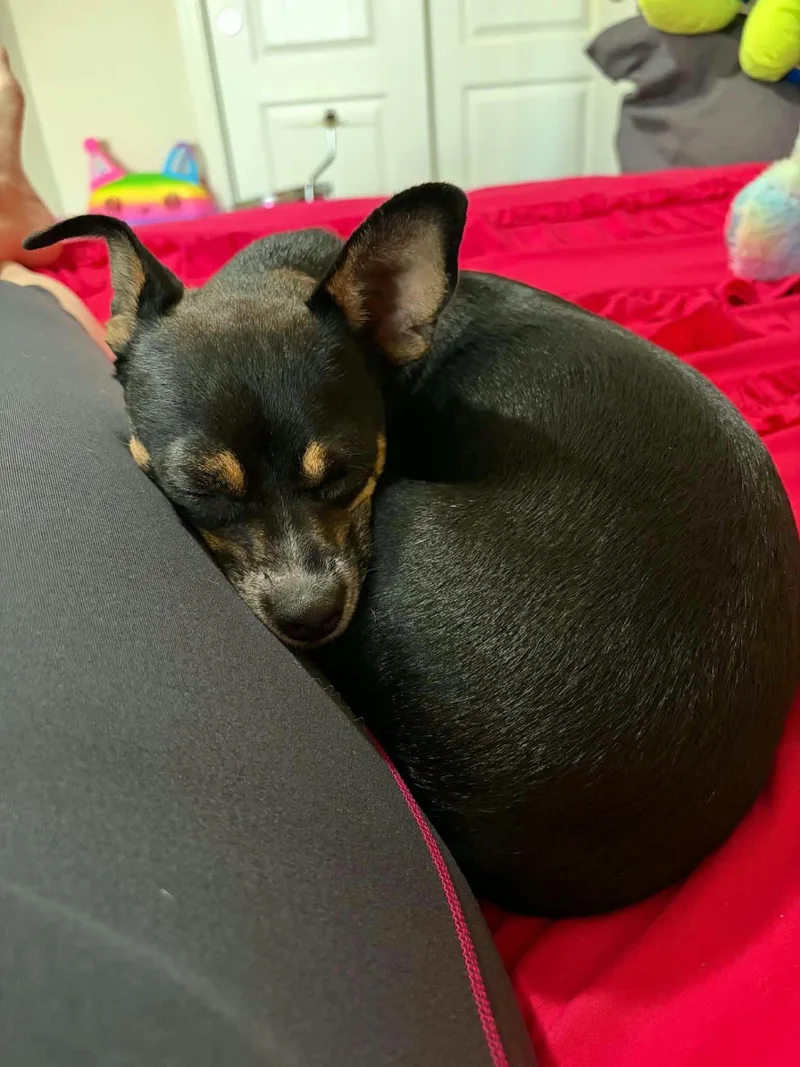
Black Russian Terriers and Similar Breeds Available for Adoption Near Boise

About the Black Russian Terrier breed

Despite the name, the Black Russian Terrier isn't a true terrier. The Soviet Army's Red Star Kennel developed it in the late 1940s and 1950s as a hardy working and guard dog, drawing on about 17 breeds including the Giant Schnauzer, Airedale, Rottweiler and Newfoundland. The AKC placed it in the Working Group in 2004.

Many are calm, confident and devoted to their families, and aloof with strangers. They're smart and trainable, but their size and protective streak suit a consistent, experienced handler who will socialize them well. The wavy black double coat sheds little, yet it needs regular brushing and professional trims, and the beard holds water and food. In Boise, that also means planning for dry summer heat and seeds from Foothills grass.

Weight
80–130 lbs
Height
26–30 in
Lifespan
10–12 yrs
Temperament
Confident, Protective, Loyal
Group
Working
Shedding
Low

Owning a Black Russian Terrier in Boise

Having a Black Russian Terrier in Boise

Size, a guardian's watchfulness and a high-maintenance coat define life with this breed. In Boise, those traits meet dry summer heat, Foothills trails and plenty of single-family housing, so time, experience and a fenced yard matter as much as affection.

Temperament

Black Russian Terriers are typically calm and self-assured, devoted to their own people and wary of strangers. That guarding streak calls for early socialization and steady, reward-based training, especially around other dogs at Boise's off-leash parks. Each dog differs, and a rescue dog's own behavior says more than breed reputation.

Exercise Needs

Plan on two solid walks a day plus play, hiking or swimming. Most Ridge to Rivers Foothills trails allow dogs under voice control within 30 feet, and Dog Island at Ann Morrison Park has a pond for swimming. Skip hard exercise around mealtimes because of bloat risk, and keep midday summer outings short.

Health Considerations

Hip and elbow dysplasia, progressive retinal atrophy, bladder stones and juvenile laryngeal paralysis occur in the breed, and deep-chested giants face bloat risk. Dry Foothills grass adds cheatgrass seeds that can lodge in ears and paws. Keep the dog lean, and have a veterinarian check joints and eyes early.

Living Space

A house with a securely fenced yard fits best, such as the single-family streets of Collister or Southeast Boise. A calm adult can manage an apartment with reliable exercise, but 80 to 130 pounds fills a small unit fast, and the thick coat needs a cool indoor spot in summer.

What it costs to own a Black Russian Terrier in Boise

ExpenseTypical costPer year
Food$80 to $160 per month$960 to $1,920
Pet insurance$85 to $170 per month$1,020 to $2,040
Routine vet care$250 to $500 per year$250 to $500
Other*$1,040 to $2,790 per year$1,040 to $2,790
Estimated yearly total (after year one)$3,270 to $7,250

Other costs are estimates and vary with size, age and health.

* Flea, tick and heartworm prevention, a dental cleaning allowance, the Boise dog license, toys and bedding, professional trims every 6–8 weeks, and joint supplements.

Adopt a Black Russian Terrier in Boise.

Now that you know more, let’s find you a new best friend. These rescues and shelters below have dogs available in and near Boise.

Rescues and Shelters in or near Boise

The Idaho Humane Society runs animal care and control for Boise, and listed rescues post dogs as they become available. Here are the rescues & shelters in the Boise area with dogs available for adoption, worth asking whether a Black Russian Terrier is coming in.

Frequently Asked Questions

Yes. Boise has no known breed-specific rules, and dangerous-dog designations depend on a dog's behavior, not its breed. You'll need a city license for any dog over 16 weeks, rabies vaccination and a leash in public outside posted off-leash areas. Barking that runs 30 minutes straight can count as a nuisance, so train a watchful guard breed early.

They can with planning. Boise sees about 55 days a year at 90°F or higher, and a thick black coat absorbs heat. Exercise at dawn or evening, since July nights cool to about 62°F, provide shade and water, and keep the dog indoors in the afternoon. Skip outings on smoky air days.

In practice, no. Boise has Valley Regional Transit buses but no subway or rail, and pets must ride in a kennel or carrier that fits on your lap or under the seat. Service animals are exempt. An 80- to 130-pound Black Russian won't fit a carrier, so plan on car travel or walking.

Dog Island at Ann Morrison Park is a strong pick, with a pond for swimming. Military Reserve Dog Park opens onto Foothills trails, and Molenaar and Bowler parks are fenced options in the southwest and southeast. Remove pinch, spike or choke collars before entering off-leash areas, and carry a leash on trails.

A calm adult can, but it isn't the easiest fit. Plan for two daily walks, easy access to the outdoors and a cool floor spot for summer afternoons. A fenced dog park such as Morris Hill on the Central Bench helps with off-leash time. Lease size limits are usually the biggest hurdle for a dog over 80 pounds.

Usually not inside. Dogs generally aren't allowed in restaurant dining rooms, and patio policies vary by restaurant, so don't count on patio seating. A giant, reserved guarding breed is often happier at home or on a trail than under a table. Leave the dog home rather than in a hot car.

Brush a few times a week and plan a professional trim every 6–8 weeks, which falls in the yearly Other costs. Boise's dry summers mean seed checks matter: after Foothills walks, look in the ears and between the toes for cheatgrass. Keep the coat trimmed rather than shaved in summer, and wipe the beard after drinking.

Black Russian Terriers can be good family dogs for experienced owners. Many are affectionate, calm and protective with their own families and gentle with children they are raised with. Their size and guarding instincts mean they need training, socialization and supervision around visiting kids. An adult rescue with a known history in a family home can be a strong match.

No, Black Russian Terriers are not truly hypoallergenic, since no dog is free of allergens. Their coat sheds little, so they drop less hair around the house than many breeds, which helps some people with mild allergies. Dander and saliva still cause reactions, so spend time with the specific dog before adopting if anyone has allergies.

Expect roughly $80 to $160 a month for food, $85 to $170 a month for pet insurance, and $250 to $500 a year for routine vet care. Other yearly costs of about $1,040 to $2,790 cover professional trims, parasite prevention, dental care, the license and joint support. Giant size drives most of the spending.