
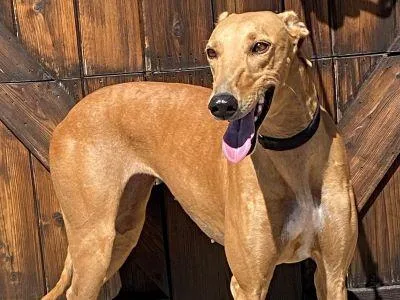

Saluki Dogs for Adoption in Honolulu, HI

Your guide to finding and caring for a Saluki in Honolulu

Salukis suit Honolulu best when there's a safe place to run and a quiet home to come back to. These lean sighthounds are happy with a calm walk along the flat streets of Kāhala, then hours on a soft couch. The catch is prey drive: a Saluki that spots a cat or a bird often won't come back, so keep a leash on in the neighborhood and save sprints for secure fencing. Their short, thin coats also feel afternoon sun on Hawaiʻi Kai pavement quickly.

16 Salukis available in Honolulu and nationwide

Give a Saluki a home

While we don't have enough dogs near Honolulu, keep in mind that many rescues may offer transport.

Salukis Available for Adoption Near Honolulu

About the Saluki breed

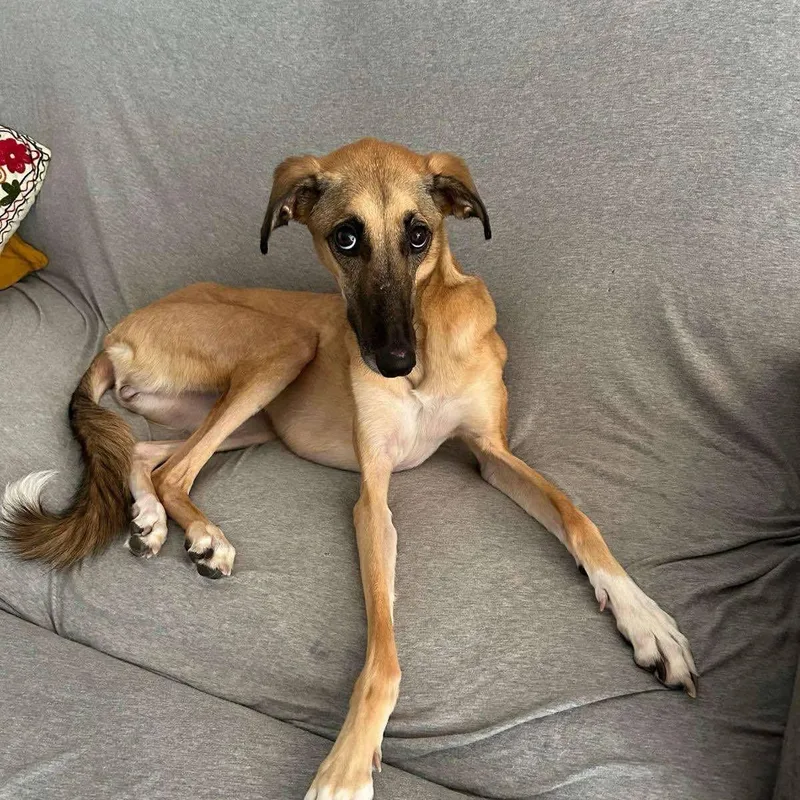
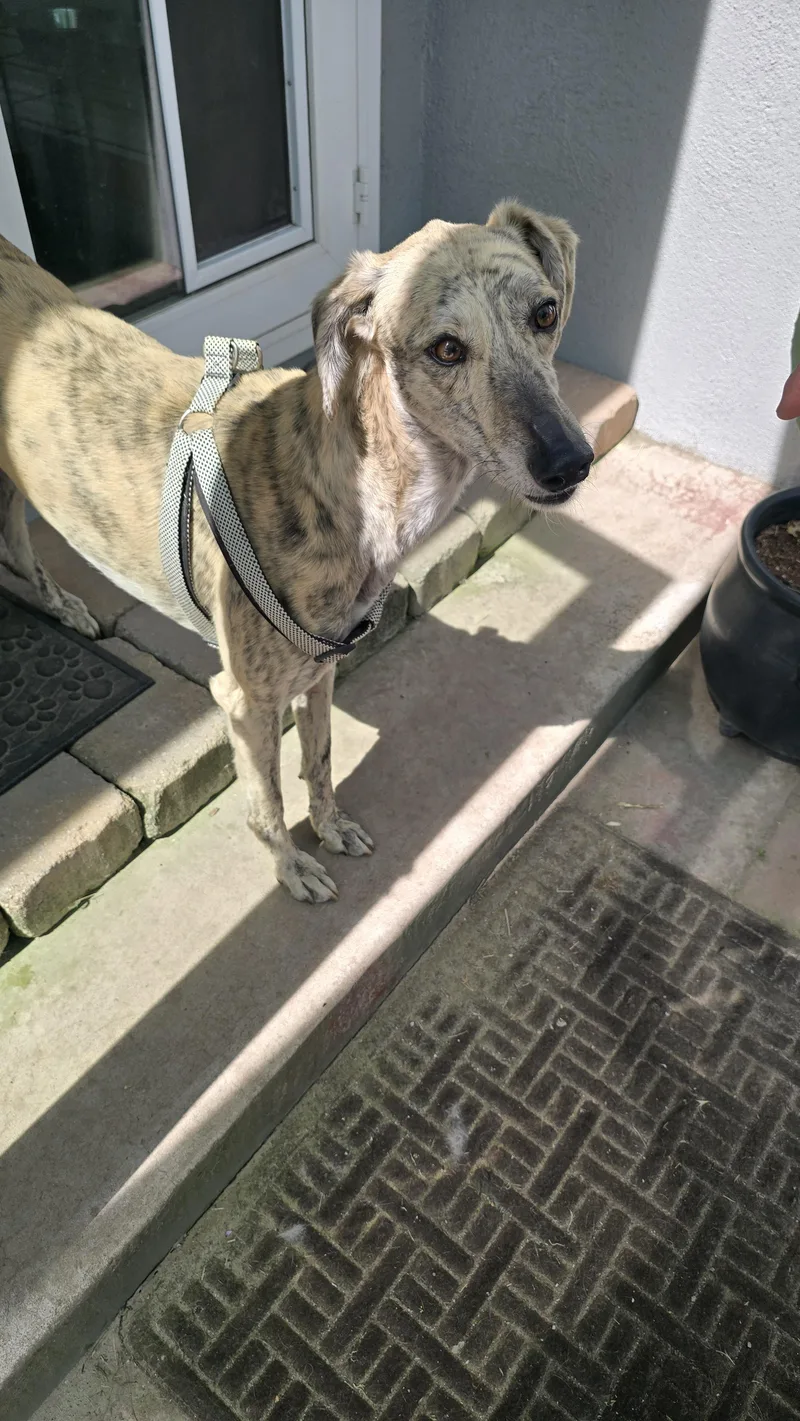
The Saluki is a Middle Eastern sighthound, kept by nomadic peoples across the Fertile Crescent to course gazelle and hare over open ground. Adults stand 23 to 28 inches tall and usually weigh 35 to 65 pounds, with a deep chest, long legs and drop ears. The coat is either smooth or feathered with silky fringes, in colors from cream and red to black and tan.

At home, many Salukis are gentle, dignified and quiet, affectionate with their own people and reserved with visitors. They're sensitive, so they do best with kind, low-pressure training. Their chase instinct is strong, though, and some struggle when left alone for long stretches. Because dogs vary, notice how a Saluki handles new sounds, small animals and elevators, which matter in Honolulu's condo towers.

Weight
35–65 lbs
Height
23–28 in
Lifespan
12–15 yrs
Temperament
Gentle, Independent, Dignified, Athletic
Group
Hound
Shedding
Low

Owning a Saluki in Honolulu

Having a Saluki in Honolulu

Three things shape life with a Saluki: a fast chase instinct, a lean, low-fat body and an independent streak. In Honolulu that points to leashes outdoors, careful sun and heat habits, and a calm routine at home.

Temperament

Salukis are often gentle, sensitive and loyal, bonding closely with one or two people and staying aloof with strangers. Many are calm indoors and dislike rough play. Strong prey drive makes cats, small pets and wildlife a risk, and shyness is common without gradual socialization. In a busy Honolulu building, quiet hallways and patient introductions help a Saluki settle.
Exercise Needs

Plan on a long daily walk plus regular full-speed sprints in secure fencing, since recall often fails once a Saluki spots something to chase. In Honolulu most City parks don't allow dogs, so lean on leashed neighborhood walks and off-leash parks such as the Elaine Dobashi Hawaiʻi Kai Dog Park, after making sure the fence is high and gap-free.

Health Considerations

Salukis are generally sturdy, but heart disease, cancers such as hemangiosarcoma and hypothyroidism are the breed's main concerns, and healthy Salukis often run low on thyroid values. Low body fat means anesthesia calls for a vet who knows sighthounds. In Honolulu, a vet can also advise on leptospirosis vaccination and cane toad risks, both tied to wet ground and yards.

Living Space

A Saluki can do well in a quiet condo or a house if daily exercise is covered. Padded bedding matters for bony joints and thin skin, and a cool, shaded rest spot helps in warm weather. Houses in Mililani or Hawaiʻi Kai need a tall, gap-free fence, since many Salukis jump or squeeze through gaps when chasing.

What it costs to own a Saluki in Honolulu

ExpenseTypical costPer year
Food$55 to $110 per month$660 to $1,320
Pet insurance$55 to $110 per month$660 to $1,320
Routine vet care$250 to $500 per year$250 to $500
Other*$525 to $1,550 per year$525 to $1,550
Estimated yearly total (after year one)$2,095 to $4,690

Other costs are estimates and vary with size, age and health.

* Flea, tick and heartworm prevention, a dental cleaning allowance, toys and supplies, minimal home grooming, and padded bedding for a thin-skinned sighthound.

Adopt a Saluki in Honolulu.

Now that you know more, let’s find you a new best friend. These rescues and shelters below have dogs available in and near Honolulu.

Rescues and Shelters in or near Honolulu

Oʻahu's rescue community includes a large open-admission shelter and smaller foster-based groups, all listed below. Here are the rescues & shelters in the Honolulu area with dogs available for adoption, worth asking whether a Saluki is coming in.

Frequently Asked Questions

Yes, Honolulu has no known breed bans, and state law says a dog's breed isn't considered when deciding whether it is dangerous; behavior is what counts. You'll need a registered microchip rather than a license, and condo or rental rules may add their own limits. Salukis are large, so check weight limits before applying for housing.

It can be, if you're home a fair amount and enjoy early or evening walks. Salukis do well with a calm routine, a leash outdoors and occasional sprints in a secure fenced area. They're a harder fit if you picture off-leash beach days, because most City parks and beaches don't allow dogs and a Saluki's recall is unreliable.

For sprints, try Kahua O Waikalua in Kāneʻohe, about three acres with a separate large-dog area, or the Elaine Dobashi Hawaiʻi Kai Dog Park. Confirm the fence is tall and gap-free before unclipping the leash. For leashed outings, Kailua Beach Park and Sandy Beach allow dogs, but the Diamond Head trail doesn't.

Yes, with sensible habits. Honolulu reaches 90°F on about 32 days a year, mostly July through September, and nights stay warm. A Saluki's low body fat and thin coat offer little buffer, so keep exercise to the cool hours, provide a shaded or cooled rest spot and watch for heavy panting, drooling or wobbling.

Generally no. TheBus and Skyline allow pets only in a small enclosed carrier on your lap or under the seat, and service animals are the exception. A Saluki weighing 35 to 65 pounds won't fit, so plan on walking, driving or a ride service that accepts dogs.

Sometimes, on patios. Since August 2025, Hawaiʻi has let restaurants allow dogs in outdoor dining areas if the dog doesn't pass through the interior, but each restaurant chooses whether to participate, and indoor dining rooms stay off-limits. Many Salukis lie quietly under a table, but keep the leash short around birds and cats.

Very little. A smooth coat needs an occasional wipe-down, and a feathered one benefits from weekly brushing of the ears, tail and leg fringes. Honolulu's humidity makes drying long ears and wiping paws after rain worthwhile. Most owners groom at home, so grooming sits within the Other costs of $525–$1,550 a year, alongside parasite prevention and dental care.

A Saluki is a tall, slender sighthound from the Middle East, bred to chase gazelle and hare by sight across open country. It has long legs, a narrow head, a deep chest and either silky feathering or a smooth coat. Many are gentle, quiet and independent at home, with an intense chase instinct outdoors.

A Saluki can run roughly 40 miles per hour at full speed, and the 1996 Guinness Book of Records listed one at about 42.8 mph. Greyhounds may be quicker over a short sprint, but Salukis are known for holding high speed over longer distances. That speed is why secure fencing and leashes matter so much for this breed.

Expect about $55–$110 a month for food and $55–$110 a month for pet insurance. Routine vet care runs $250–$500 a year, and other costs such as parasite prevention, dental cleanings and bedding add $525–$1,550 a year. Together that's roughly $2,100–$4,700 a year before emergencies, and your own dog's age and health will move these figures.