Klee Kai Dogs for Adoption in Miami, FL

Your guide to finding and caring for a Klee Kai in Miami

Klee Kai are a good size for Miami's apartments and condos, as long as they get daily exercise. A Klee Kai in a Roads or Coral Way rental can cover a couple of brisk walks on tree-lined streets, then run around Woodside Park's dog area. They're clever and talkative, and many are wary of strangers, so a quiet corner at home helps. Summer heat means walking at first light or after dark, since even dawn stays muggy.

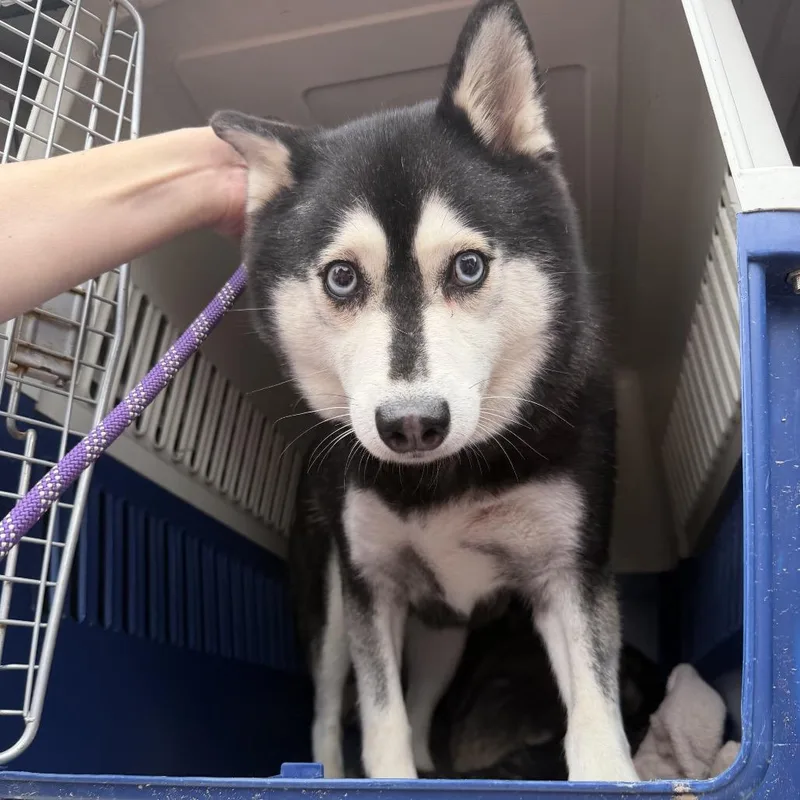
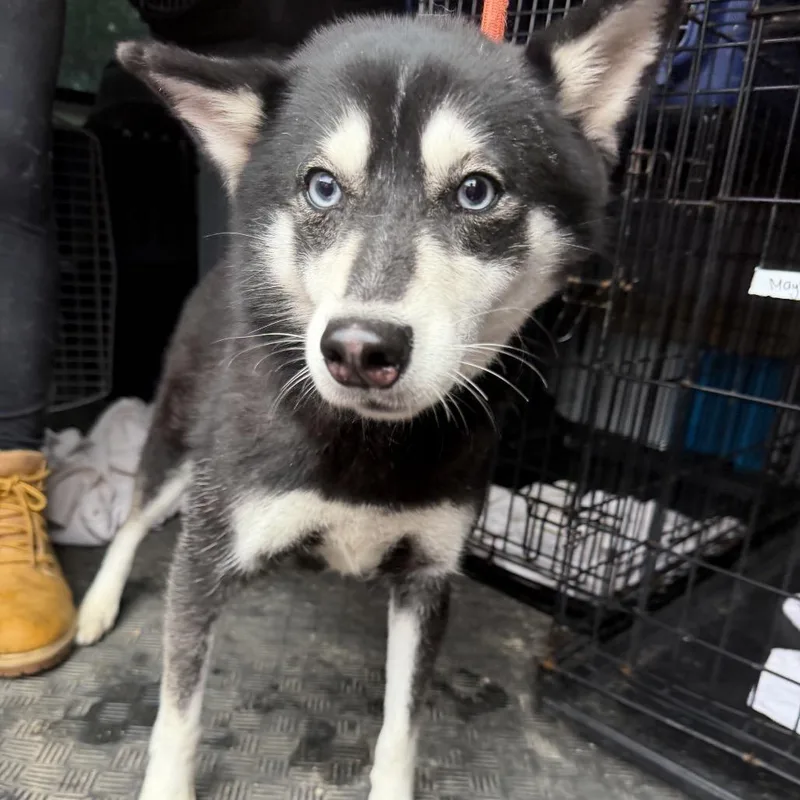
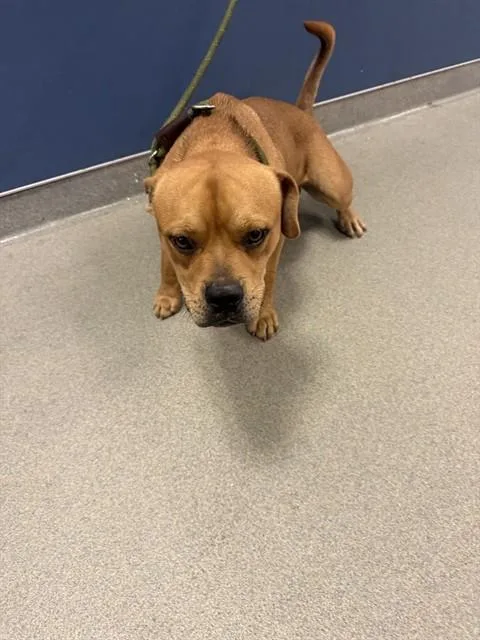
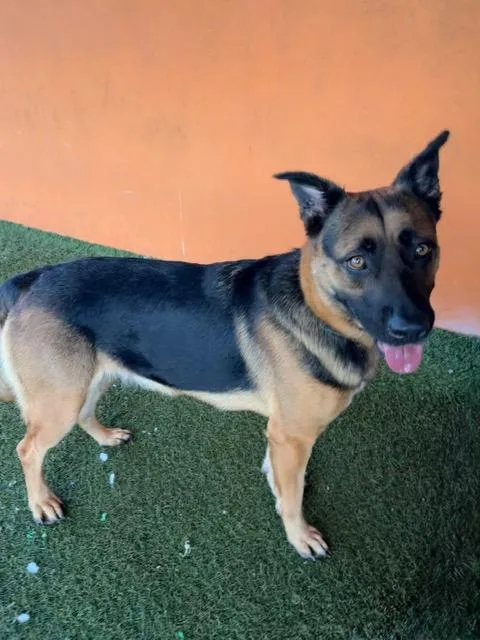
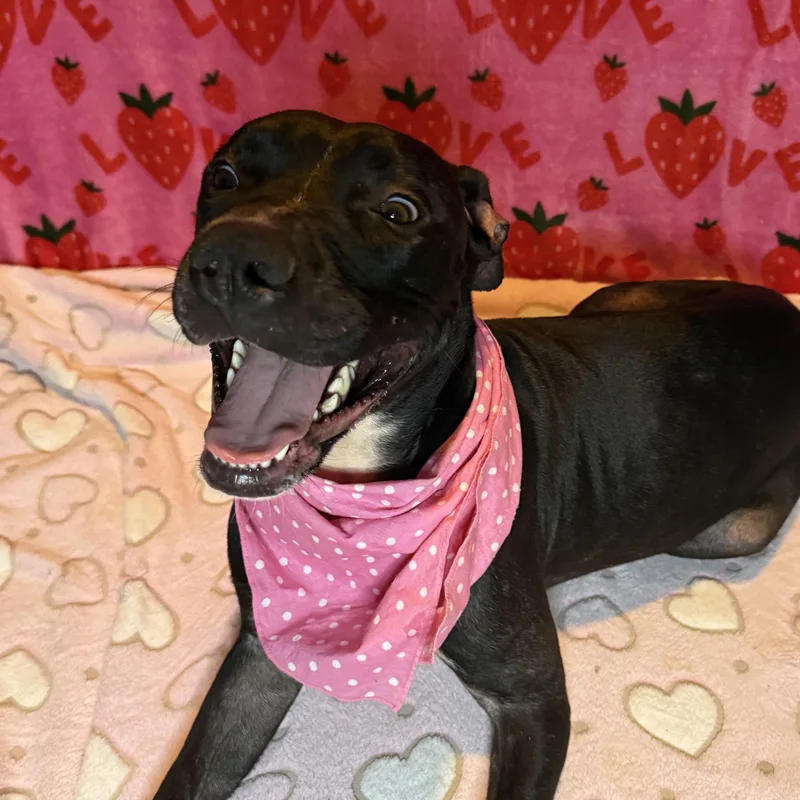
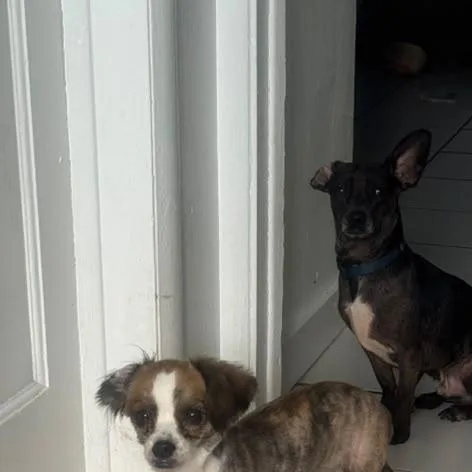
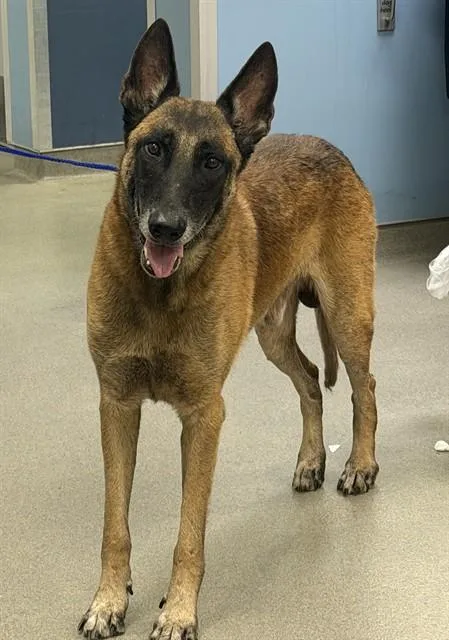
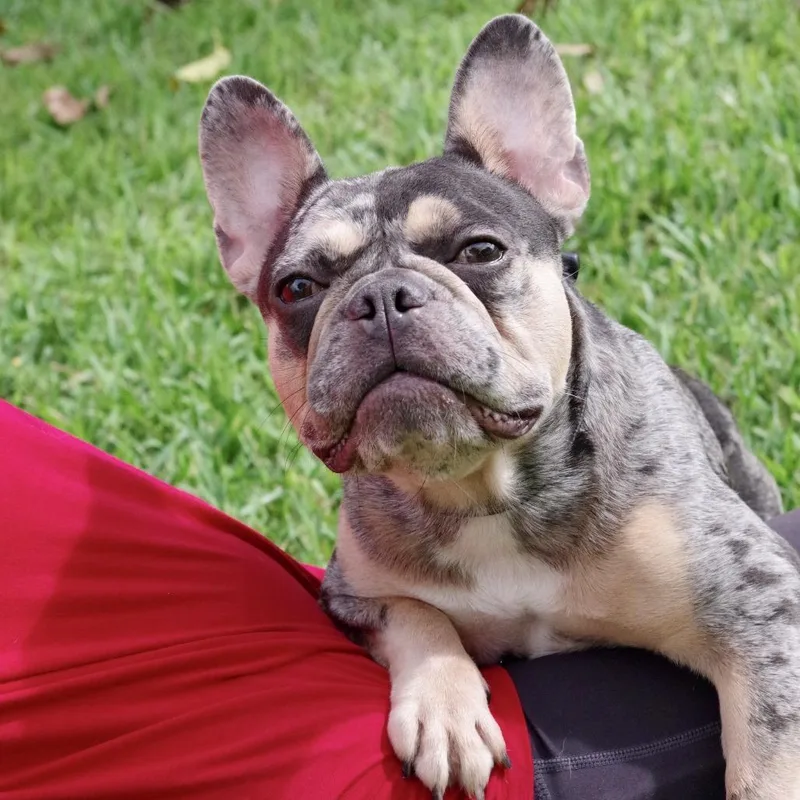
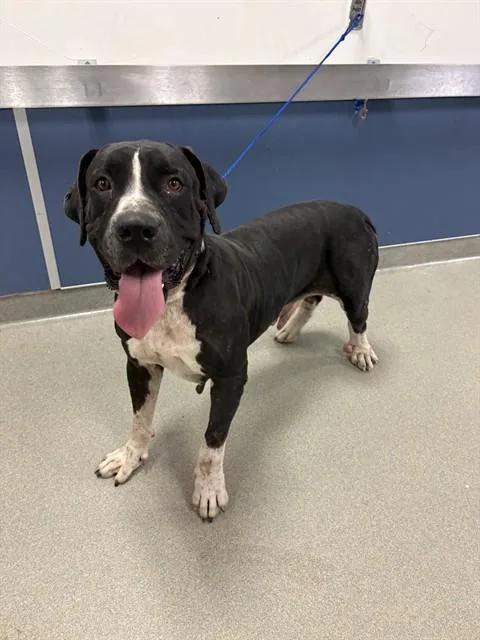
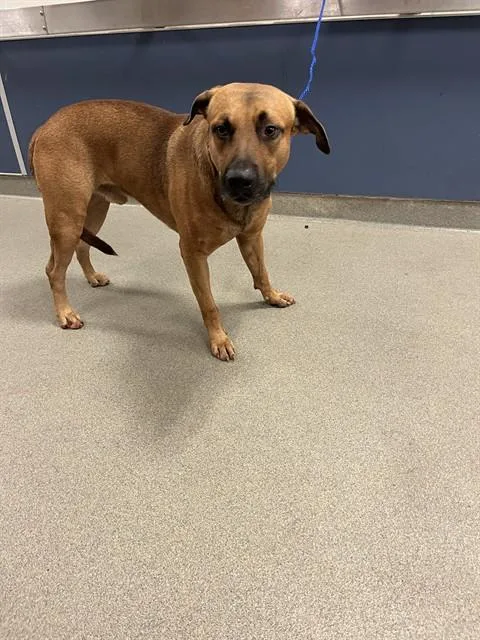
17 Klee Kais available in Miami and nationwide

Your Klee Kai is waiting

While we don't have enough dogs near Miami, keep in mind that many rescues may offer transport.

Klee Kais Available for Adoption Near Miami

About the Klee Kai breed

The Alaskan Klee Kai was developed in Alaska in the 1970s as a companion-sized take on the Alaskan Husky, with Siberian Husky, Schipperke and American Eskimo Dog added to bring the size down. It looks like a husky in miniature, with a facial mask, erect ears, a curled tail and a double coat, and it comes in toy, miniature and standard sizes.

In Miami, the coat is the first thing to plan for. A Klee Kai sheds moderately all year and blows coat about twice a year, so regular brushing helps, and cool floors and air conditioning matter more than you'd expect. Many are reserved with strangers and vocal, which is worth knowing in a building with shared walls. Dogs vary, so judge the dog in front of you, not just the breed.

Weight
6–22 lbs
Height
12–17 in
Lifespan
12–16 yrs
Temperament
Alert, Curious, Intelligent, Energetic
Group
Miscellaneous
Shedding
Moderate to High

Owning a Klee Kai in Miami

Having a Klee Kai in Miami

Klee Kai pack husky intelligence and energy into a small frame. In Miami, the practical questions are how a double-coated dog handles the heat, how much activity a condo or yard can offer, and how a vocal, watchful dog fits into shared buildings.

Temperament

Many Klee Kai are devoted and playful with their families but reserved with new people, so slow introductions help in busy Miami lobbies and elevators. They often talk with howls and chatter. Squirrels, birds and other small animals can trigger chasing, and some dogs are selective about other dogs.

Exercise Needs

Plan on vigorous daily activity plus puzzle toys or training. In Miami, schedule outdoor time for early morning or after sunset, and use indoor games in air conditioning on steamy afternoons. A designated dog park lets a Klee Kai run, but these dogs jump well, so keep a leash on everywhere else.

Health Considerations

Klee Kai are generally sturdy, but watch for juvenile cataracts, liver disease, heart problems, thyroid issues, slipping kneecaps and factor VII deficiency, a clotting disorder with a DNA test. A veterinarian can check eyes, heart and kneecaps and discuss testing. In Miami's warm climate, year-round flea and heartworm prevention matters.

Living Space

A Klee Kai can do well in a Miami condo or apartment if it gets enough daily exercise. Its small size helps, but howling and chatter can carry through shared walls. With a yard, use tall, dig-proof fencing, since these dogs climb and jump, and plan carefully for cats or other small pets.

What it costs to own a Klee Kai in Miami

ExpenseTypical costPer year
Food$20 to $45 per month$240 to $540
Pet insurance$35 to $70 per month$420 to $840
Routine vet care$200 to $400 per year$200 to $400
Other*$490 to $1,290 per year$490 to $1,290
Estimated yearly total (after year one)$1,350 to $3,070

Other costs are estimates and vary with size, age and health.

* Flea, tick and heartworm prevention, a dental cleaning allowance, the Miami-Dade dog license, toys and bedding, and grooming supplies for the double coat's shedding seasons.

Adopt a Klee Kai in Miami.

Now that you know more, let’s find you a new best friend. These rescues and shelters below have dogs available in and near Miami.

Frequently Asked Questions

Yes, with planning. Miami summers bring highs near 90°F, warm nights in the upper 70s and a high heat index, which is tough on a double-coated Klee Kai. Walk at dawn or after dark, keep the dog in air conditioning through afternoons, and always offer water. Never leave a dog in a parked car.

Yes. Nothing in Miami-Dade's rules singles out Klee Kai, and Florida law stops local governments from making dog rules based on breed, weight or size. Dogs over four months need a County license tag, renewed yearly with the rabies vaccine. Private landlords and condo associations can still set their own pet rules.

City dog parks include Margaret Pace Park in Edgewater, Kennedy Park and Blanche Park in Coconut Grove, Legion Memorial Park in the Upper Eastside and Woodside Park in The Roads. Off-leash play is allowed only in designated dog areas, so leash a Klee Kai elsewhere. Because these dogs jump and chase, stay close at gates.

Often, yes, if daily exercise is covered. In Miami, the bigger hurdles are lease terms and noise. Klee Kai can howl and chatter, and County rules bar dogs from relieving themselves in building hallways or roaming off-leash in common areas. Get pet permission in writing, and use puzzle toys and a steady routine.

Only in a carrier. Miami-Dade Transit requires pets to be in a properly enclosed container on Metrobus, Metrorail and Metromover, and service animals are exempt. A toy or small miniature Klee Kai may fit a carrier, while a larger standard-size dog may not. Practice carrier time at home first.

Plan on brushing a few times a week, and daily during the twice-yearly coat blow. In Miami's heat, avoid shaving the double coat, since it helps shield skin from the sun; brushing out loose undercoat is what keeps the dog comfortable. Occasional baths are enough, and supplies fall under the Other costs listed above.

Patio policies vary by restaurant. Under Florida law, dogs can sit in outdoor dining areas only where the local government has adopted an exemption and the restaurant holds a permit, and dogs must stay leashed and off furniture. Since many Klee Kai are wary of strangers and vocal, a quiet corner table works best.

Alaskan Klee Kai come in three sizes: toy dogs stand up to 13 inches at the shoulder, miniatures over 13 to 15 inches, and standards over 15 to 17 inches. Weights typically run from under 10 pounds for toys to about 16 to 22 pounds for standards. Even within a litter, puppies can grow into different size varieties.

An Alaskan Klee Kai is a small, husky-like companion dog developed in Alaska in the 1970s from Alaskan Husky, Siberian Husky, Schipperke and American Eskimo Dog lines. It has a facial mask, erect ears, a curled tail and a double coat, and comes in three sizes. Many are energetic, intelligent and vocal, and often reserved with strangers.

Plan on roughly $20–$45 a month for food, $35–$70 a month for pet insurance, $200–$400 a year for routine vet care, and $490–$1,290 a year for other costs such as prevention, dental care, the license and grooming supplies. Shedding seasons and year-round heartworm and flea prevention are the main variables.