

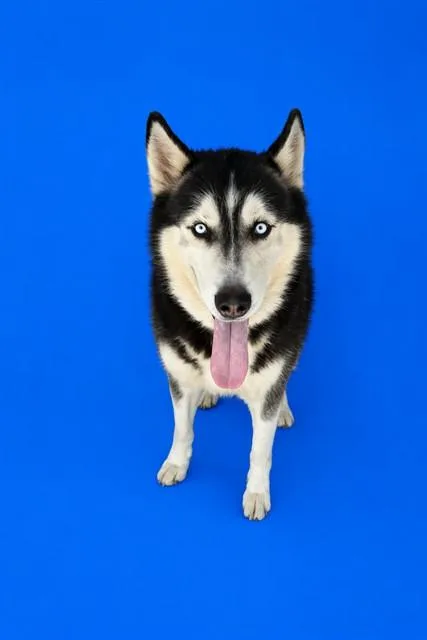
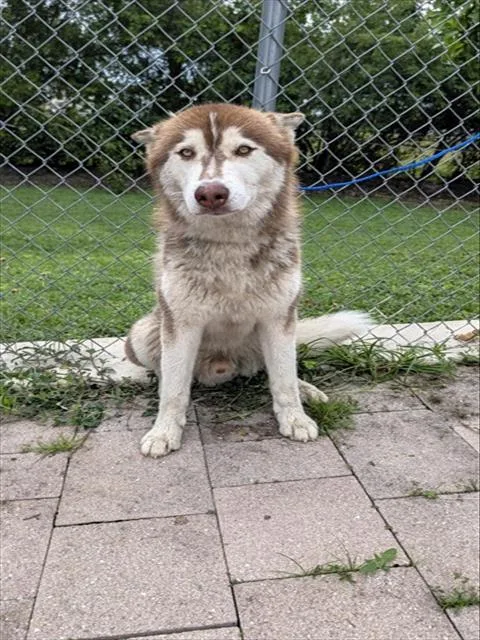


Siberian Husky Dogs for Adoption in Miami, FL

Your guide to finding and caring for a Siberian Husky in Miami

A Siberian Husky in Miami does best with a routine built around the heat. The Upper Eastside's quiet streets of 1920s–40s single-family homes give a Husky room to roam, and Legion Memorial Park's bayfront is a pleasant place for a cool-hour walk. Their thick double coats make midday outings a bad idea here, so mornings and evenings are for running and the afternoons are for air conditioning. Whatever the yard looks like, it needs a tall fence, because Huskies climb and dig.

12 Siberian Huskies available for adoption in Miami

Open your home to a Siberian Husky

Siberian Huskies Available for Adoption in Miami

About the Siberian Husky breed

Siberian Huskies descend from sled dogs kept by the Chukchi people of northeastern Siberia and were imported to Alaska in the early 1900s for racing. They're medium-sized, usually 35 to 60 pounds, with erect ears, a brush tail and brown, blue or mismatched eyes. Despite the wolf-like look, they're domestic dogs, not wolf hybrids.

Many Huskies are friendly with nearly everyone, which makes them poor guard dogs but sociable companions. They were bred to run and think for themselves, so expect howling, digging, fence testing and heavy shedding about twice a year. In Miami, that thick coat and high energy mean exercise has to fit around the heat, and a Husky does best with company rather than long days alone. Temperament varies from dog to dog.

Weight
35–60 lbs
Height
20–24 in
Lifespan
11–14 yrs
Temperament
Friendly, Energetic, Independent
Group
Working
Shedding
High

Owning a Siberian Husky in Miami

Having a Siberian Husky in Miami

Huskies pair sled-dog stamina with a free-thinking streak. In Miami, the practical questions are how you'll exercise a high-energy dog in the heat, how you'll keep a thick coat comfortable, and whether your fence can hold a determined escape artist.

Temperament

Many Huskies are outgoing, gentle and playful, greeting strangers as friends, which suits busy Miami sidewalks and apartment lobbies. They usually enjoy other dogs, though a strong prey drive can be risky around cats and small pets. Their independent streak can look like stubbornness, so patient, consistent training pays off. Each dog's own personality matters more than the breed label.
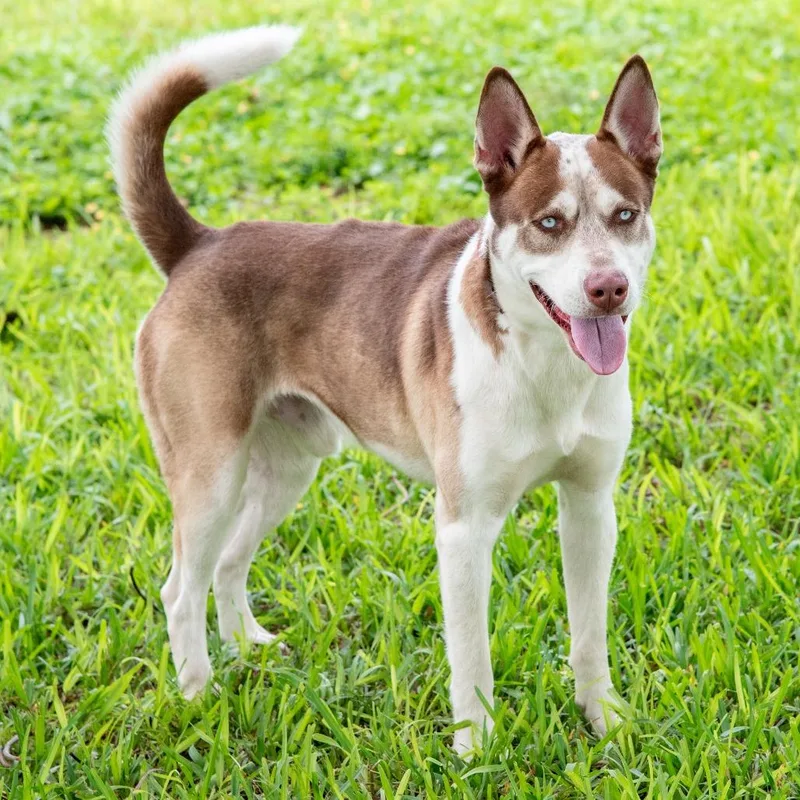
Exercise Needs

Most Huskies need vigorous daily exercise, such as long walks, jogging or harness sports, plus puzzle toys and training. In Miami, schedule runs around sunrise or after dark, and keep midday for indoor games. Few Huskies have reliable recall, so stick to leashes or fenced dog parks, since off-leash time is allowed only in designated areas.

Health Considerations

Huskies are generally robust, but eye problems such as juvenile cataracts and corneal dystrophy occur, and some develop a zinc-responsive skin condition. Heat is the bigger Miami concern: the thick coat raises heatstroke risk, so watch for heavy panting or lethargy. Regular veterinary checkups, eye screening and year-round heartworm prevention help catch problems early.

Living Space

A Husky can manage in a Miami condo or apartment if daily exercise happens and the air conditioning stays on all day. A fenced yard helps, but it should be tall and secure, since many Huskies dig under or climb over short fences. They do best with company, so long solo days in a high-rise are a poor match.

What it costs to own a Siberian Husky in Miami

ExpenseTypical costPer year
Food$35 to $70 per month$420 to $840
Pet insurance$45 to $85 per month$540 to $1,020
Routine vet care$225 to $450 per year$225 to $450
Other*$540 to $1,390 per year$540 to $1,390
Estimated yearly total (after year one)$1,725 to $3,700

Other costs are estimates and vary with size, age and health.

* Flea, tick and heartworm prevention, a dental cleaning allowance, the Miami-Dade dog license tag, toys and bedding, and brushing tools and baths for twice-yearly coat blowouts.

Adopt a Siberian Husky in Miami.

Now that you know more, let’s find you a new best friend. These rescues and shelters below currently have Siberian Huskies available.

Frequently Asked Questions

Siberian Huskies can handle Miami summers if you manage the heat carefully, but it's demanding. Highs near 90°F, warm nights and heavy humidity mean even dawn walks are muggy. Keep a Husky in air conditioning most of the day, exercise very early or after dark, provide water and shade, and never shave the coat. Watch for heavy panting, drooling or lethargy.

Fenced dog areas suit a Husky best, since reliable recall is rare. David T. Kennedy Park in Coconut Grove, Woodside Park in The Roads and Bayfront Park Downtown all have dog parks. Outside designated dog areas, keep your Husky leashed, and go early in the morning to avoid the heat and sun-baked pavement.

Yes, if the apartment has reliable air conditioning and you commit to daily exercise. Huskies are social and can howl or turn destructive when bored or left alone for long hours, which matters in shared buildings. County rules also bar dogs from roaming off-leash in building common areas, so plan leashed outings and regular potty breaks.

Only in a carrier, which rules out most Huskies. Miami-Dade Transit requires pets to be in a properly enclosed container on Metrobus, Metrorail and Metromover, with service animals as the exception. A 35- to 60-pound Husky won't fit in a carrier, so plan on walks or a car for outings and vet visits.

Plan on brushing a few times a week, and daily during the heavy sheds that come about twice a year. Miami's heat makes shaving tempting, but don't do it, since the double coat helps insulate against heat. Brushing tools and baths are counted in the Other budget of about $540 to $1,390 a year, alongside parasite prevention and dental care.

A Siberian Husky is a medium-sized working dog developed as a sled dog in northeastern Siberia. Huskies weigh about 35 to 60 pounds and have a thick double coat, erect ears and often striking blue or mismatched eyes. They are known for endurance, friendliness and independence, and they need plenty of exercise, secure fencing and company to thrive.

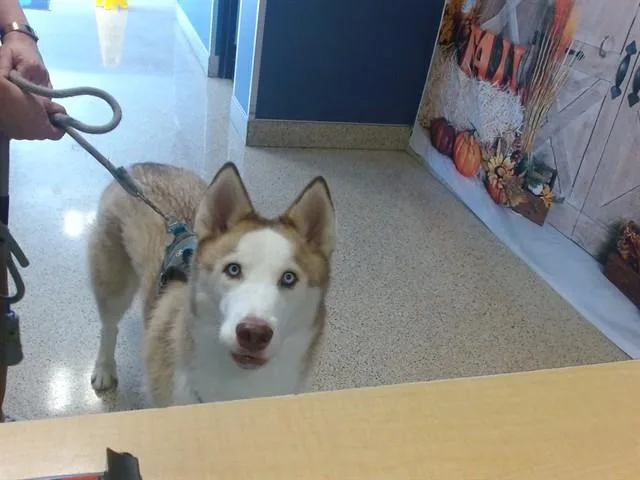
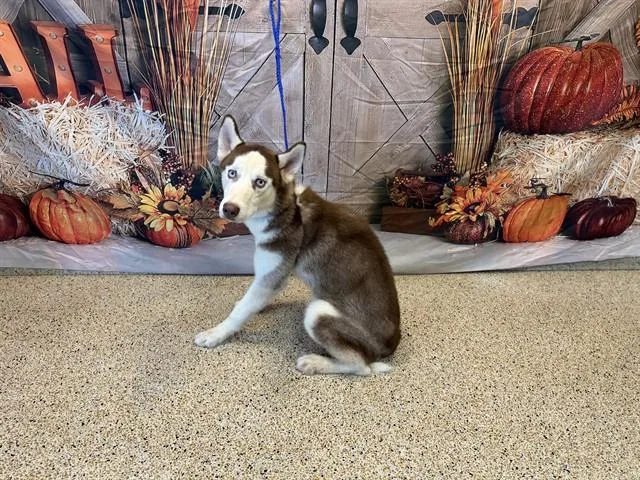
A Siberian Husky looks like a compact, athletic sled dog with a thick medium-length coat, triangular upright ears and a bushy tail often carried in a curve over the back. Coats range from black, gray, red and sable to pure white, often with a facial mask. Their almond-shaped eyes can be brown, blue, one of each or partly both.

Siberian Huskies are medium-sized dogs. Males usually stand about 21 to 23.5 inches at the shoulder and weigh 45 to 60 pounds, while females stand about 20 to 22 inches and weigh 35 to 50 pounds. The breed is meant to be lean and light on its feet, so a heavy, bulky Husky may be overweight or part Malamute.

We have 1 rescue with Siberian Huskies available: Miami-Dade Animal Services. You can see every rescue with Siberian Huskies available in the list above these questions, or scroll to the top to see the Siberian Huskies in Miami.

Budget roughly $1,700 to $3,700 a year for a Husky in Miami. That covers food at $35–$70 a month, insurance at $45–$85 a month, routine vet care at $225–$450 a year and other costs of $540–$1,390 a year. Coat care and year-round parasite prevention are the main extras.