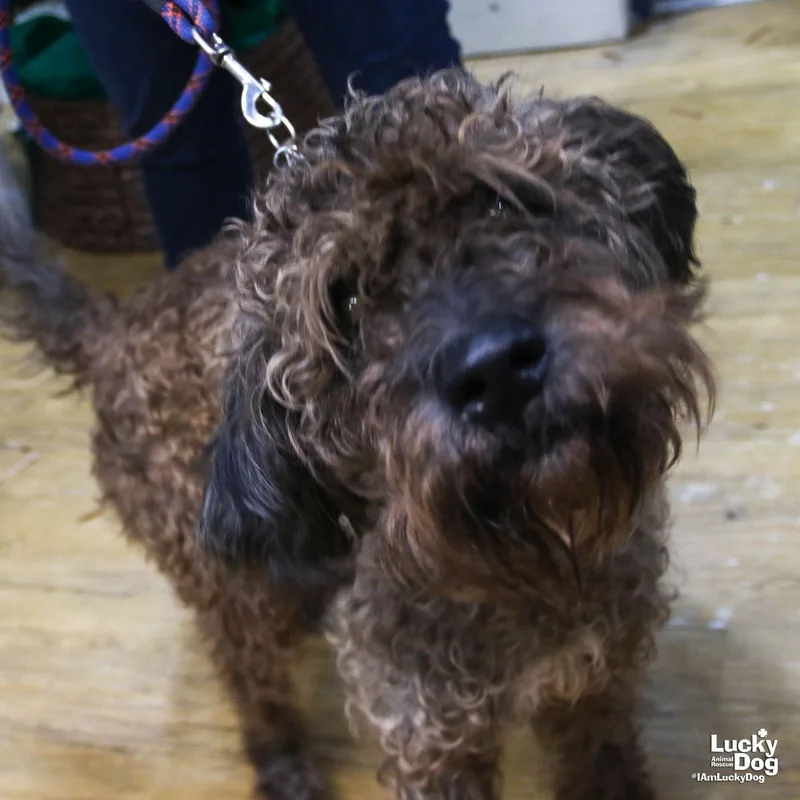
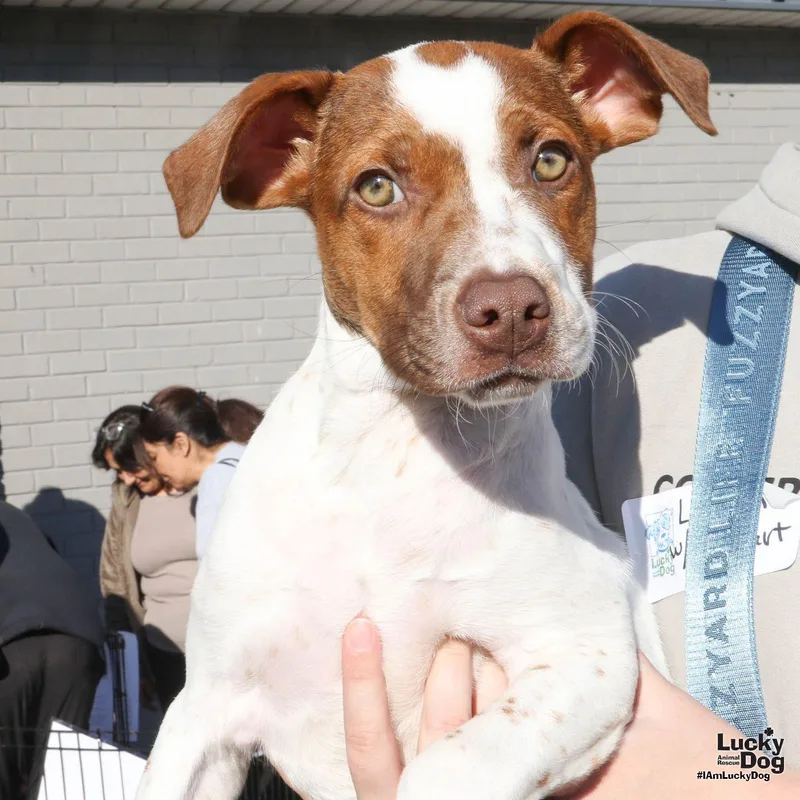
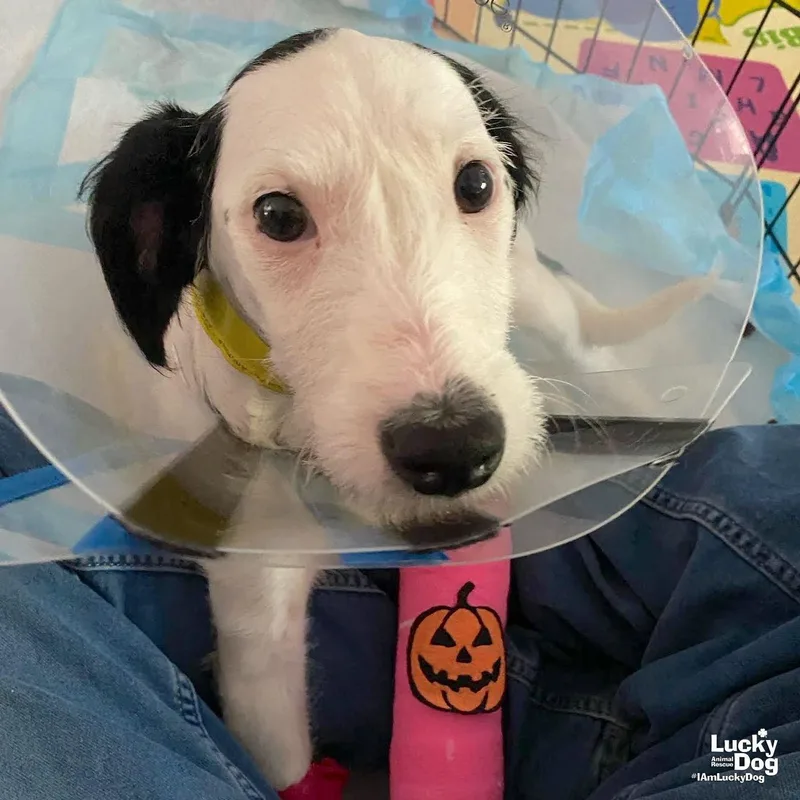
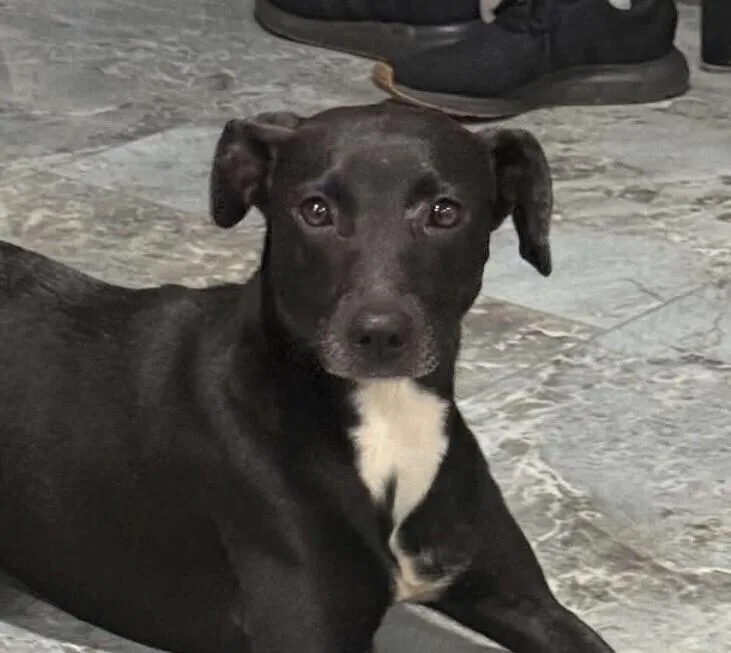
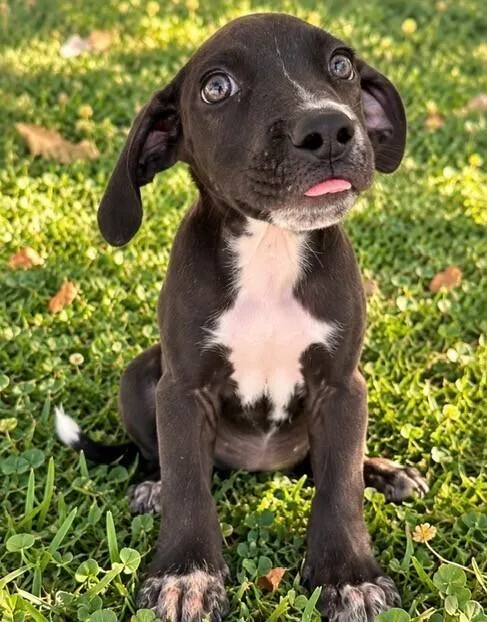
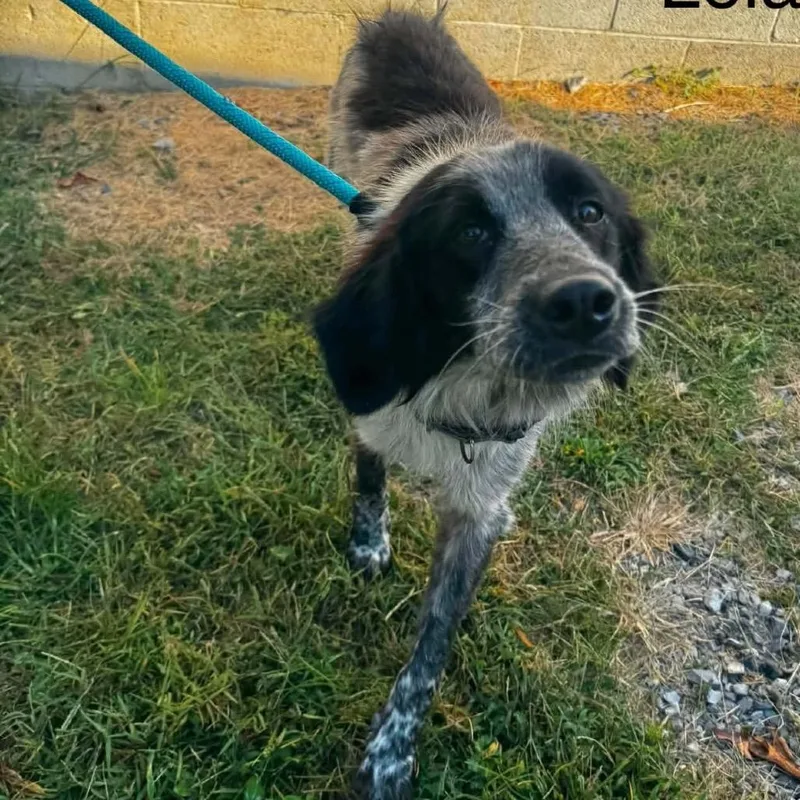
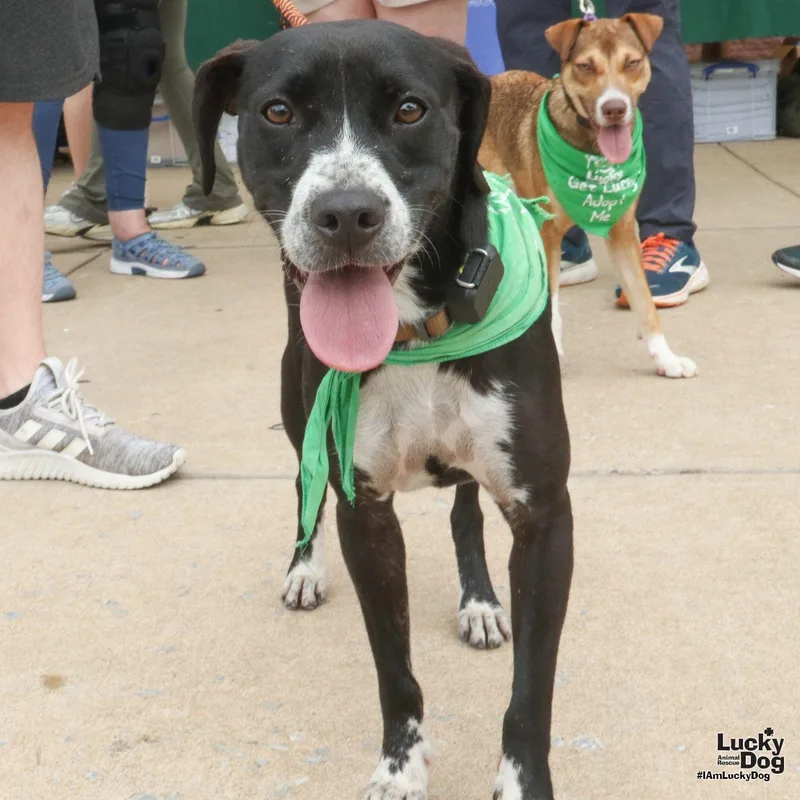
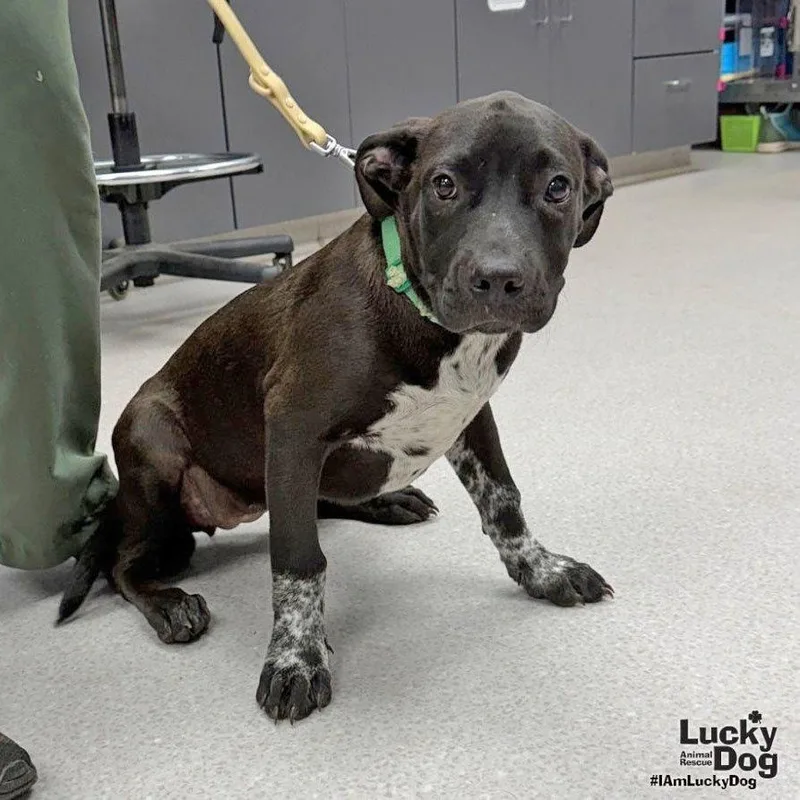
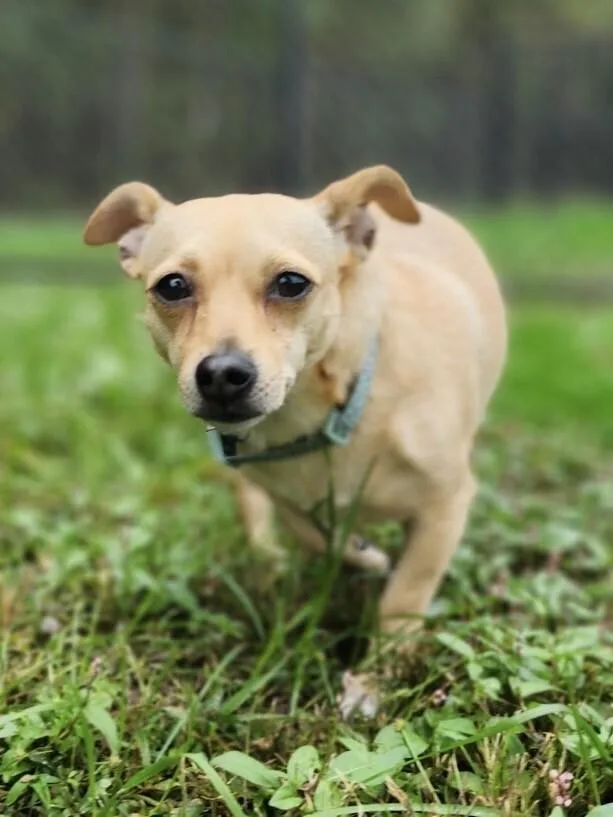
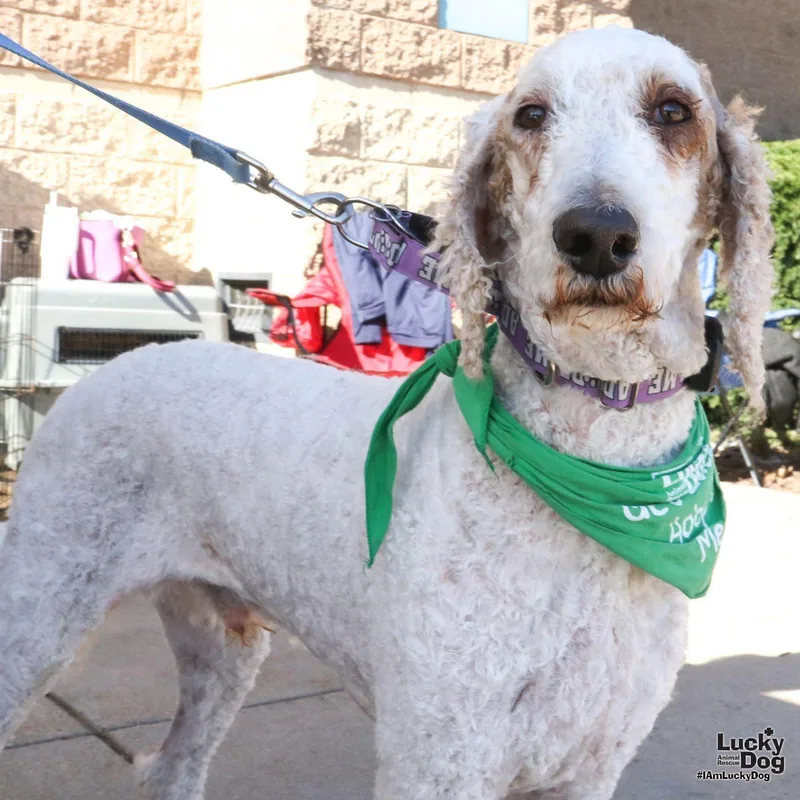
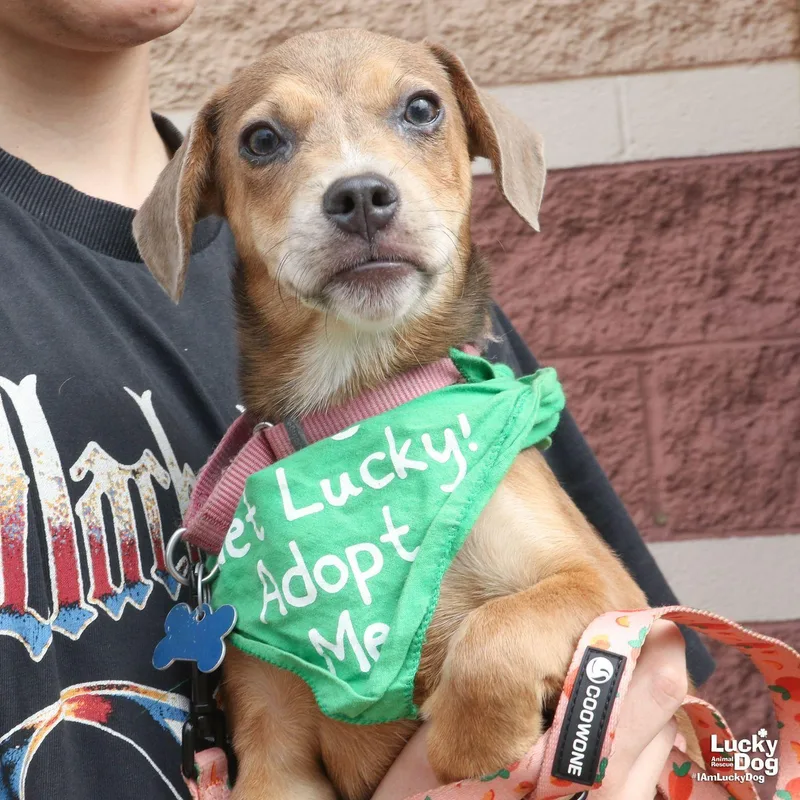
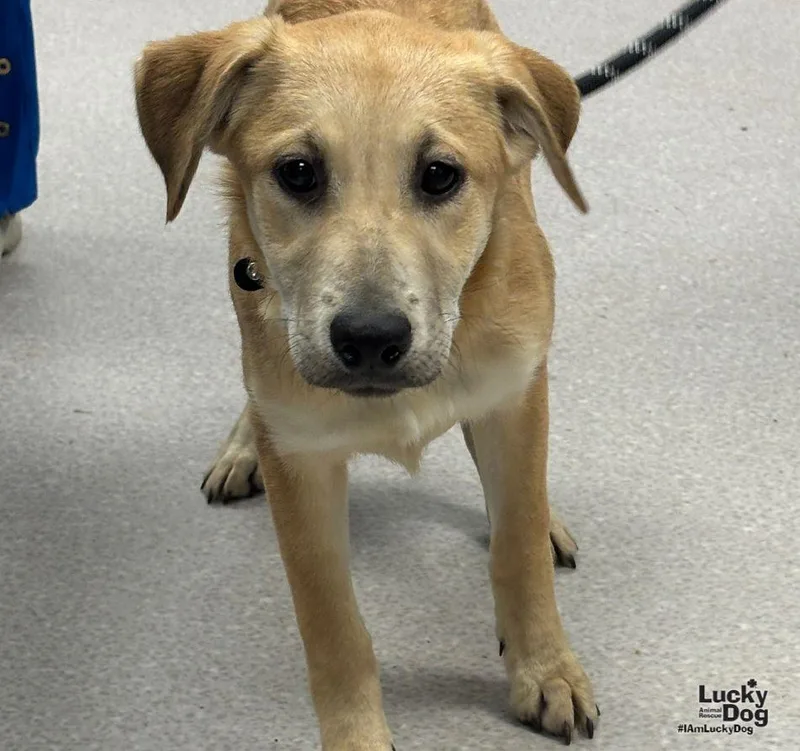
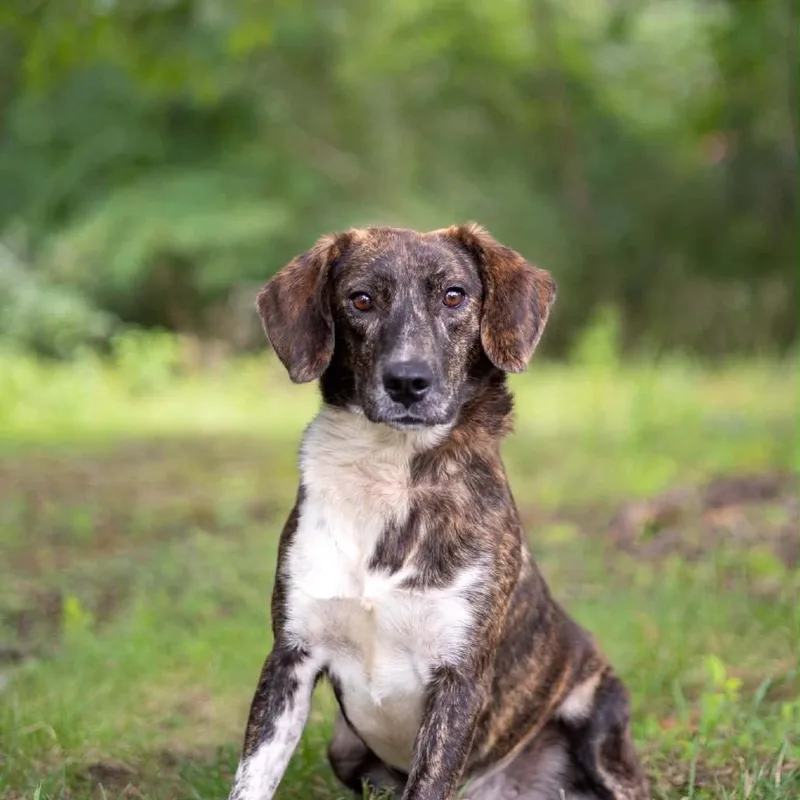
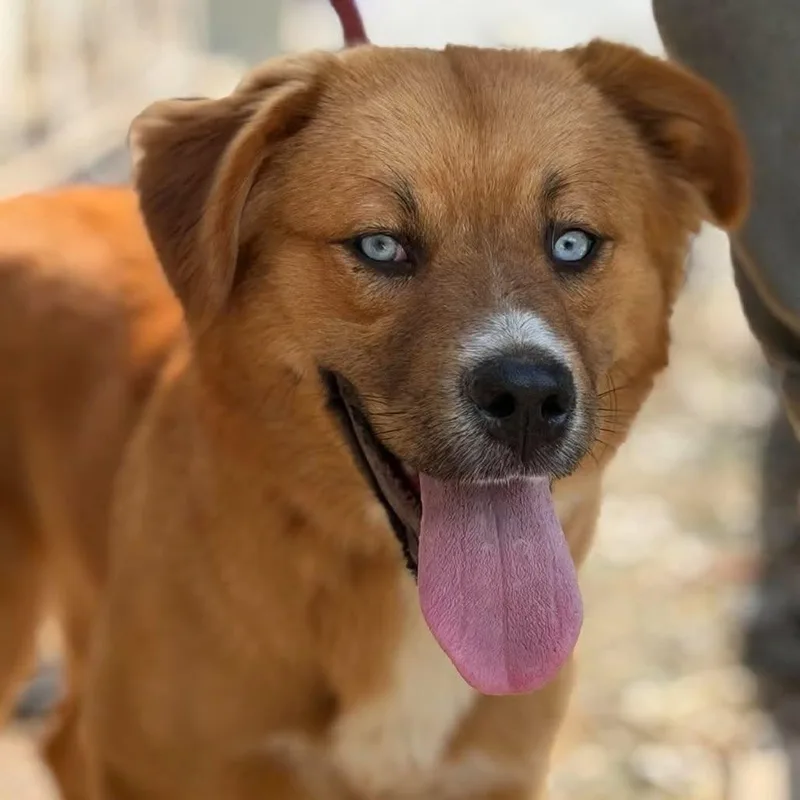
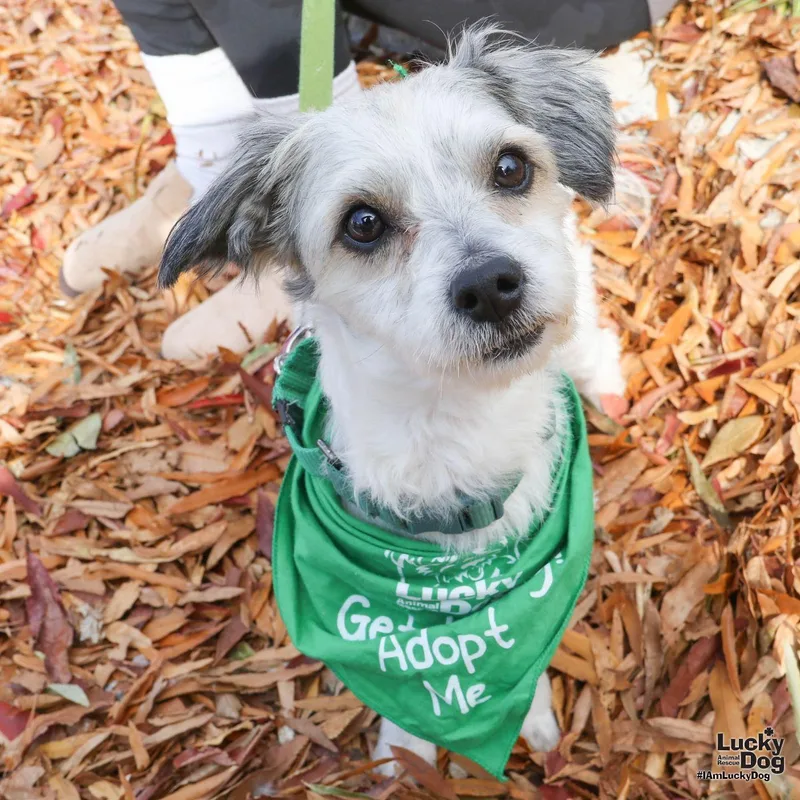
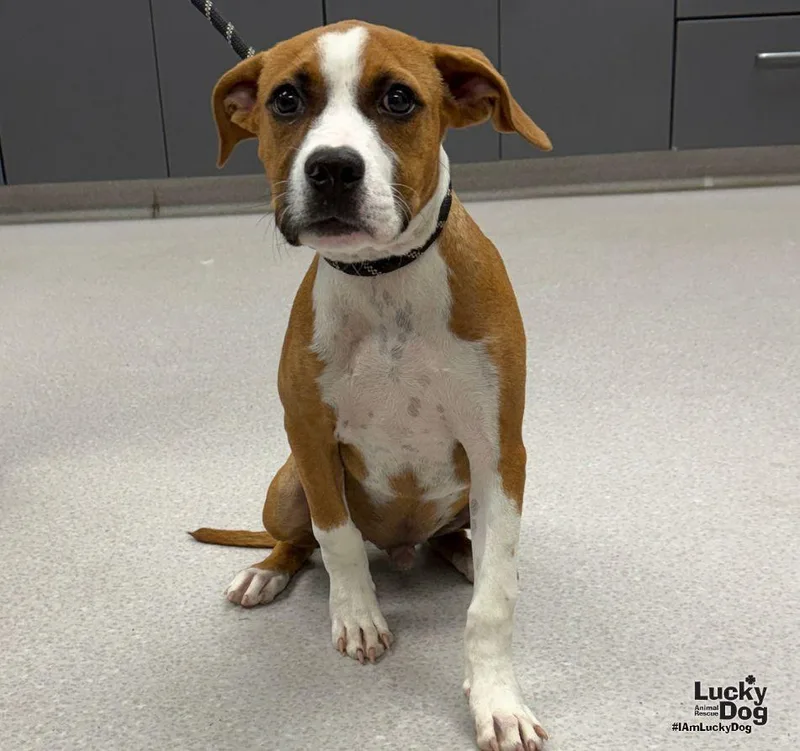
Pointer Dogs for Adoption in Washington, DC

Your guide to finding and caring for a Pointer in DC

Pointers suit Washington best when home is close to real running room, like Benning Ridge beside Fort Dupont Park. Those 376 wooded acres give a lean, energetic dog miles of trail, though on national parkland the leash stays on, so off-leash sprints happen at a fenced dog park. At home Pointers are gentle, so a Petworth rowhouse can work too, as long as the daily outing is a long one and not a lap around the block.

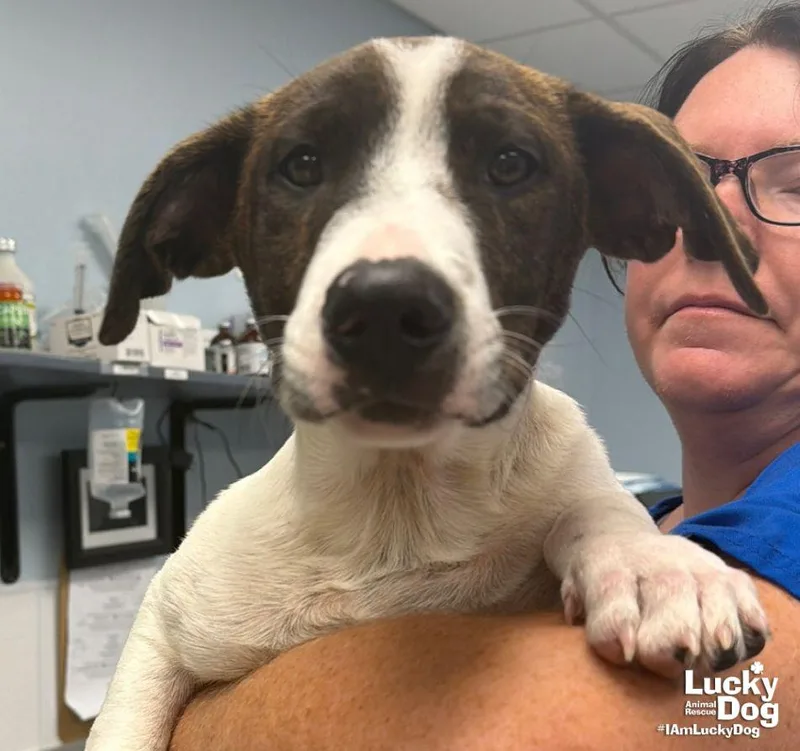
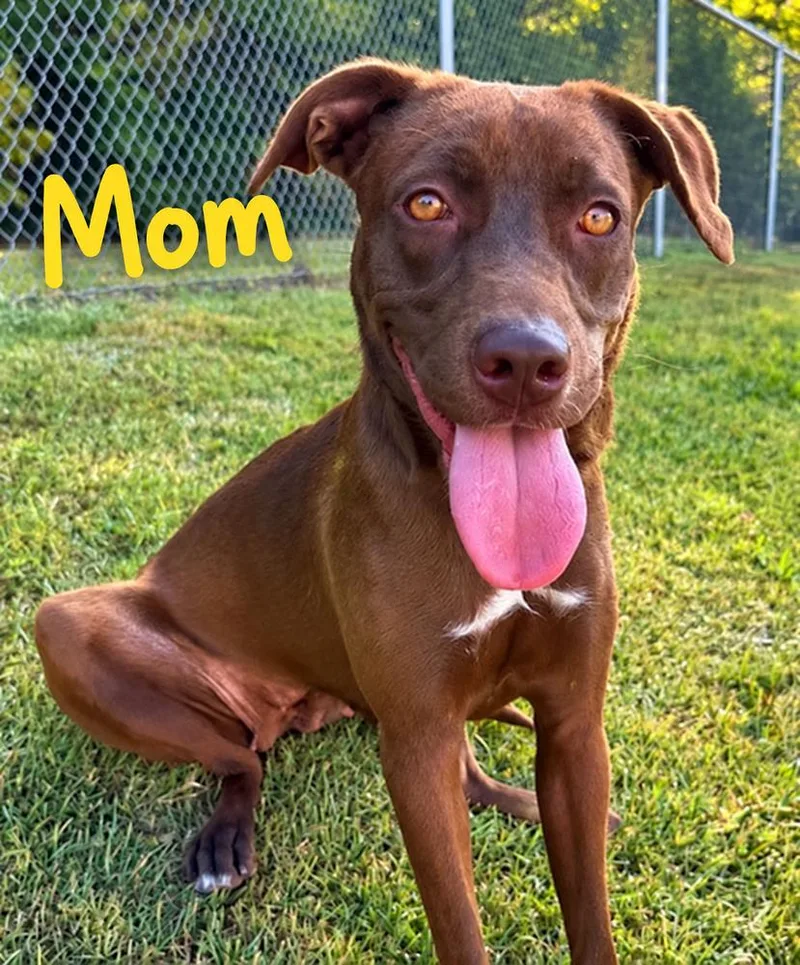
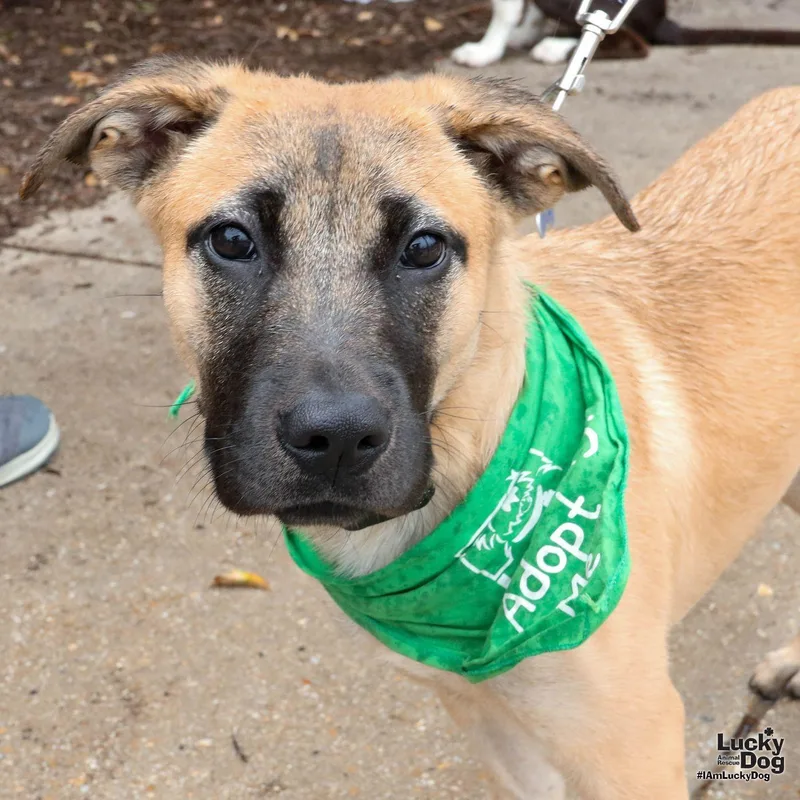
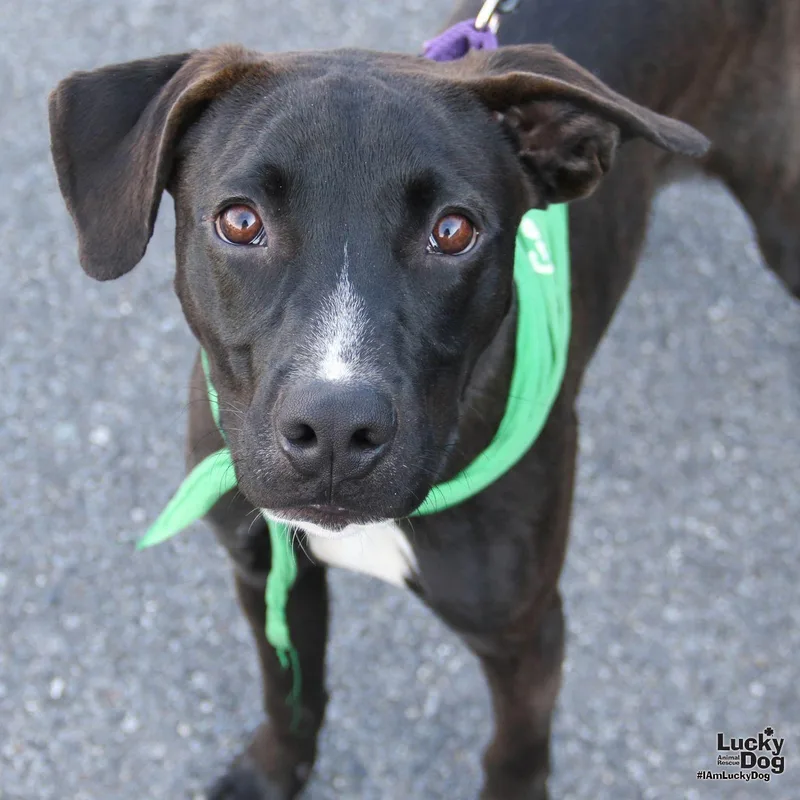
17 Pointers available for adoption in Washington

Bring home a Pointer

Pointers Available for Adoption in Washington

About the Pointer breed

The Pointer is a lean, athletic sporting dog with a short, glossy coat, long legs and a deep chest, usually white with liver, lemon, orange or black markings. Adults generally weigh 45 to 75 pounds and stand 23 to 28 inches tall, and they typically live 12 to 15 years. The short coat sheds a moderate amount year-round and needs little more than regular brushing.

Pointers are known for being gentle and even-tempered with their families, and some are reserved with strangers. Their bird-hunting drive means they may stalk, point or bolt after squirrels and rabbits, which matters on Washington's tree-lined streets and in its parks. Each Pointer differs, but most do best with a committed walker or runner, reward-based training and a warm place indoors to rest.

Weight
45–75 lbs
Height
23–28 in
Lifespan
12–15 yrs
Temperament
Energetic, Gentle, Athletic
Group
Sporting
Shedding
Moderate

Owning a Pointer in Washington

Having a Pointer in DC

Pointers pair a calm indoor manner with the stamina of a dog built to run all day. In Washington, that means planning for daily mileage, leashed park outings and a secure yard or a reliable dog-park routine, plus a coat for cold mornings.

Temperament

Pointers are usually gentle, affectionate and friendly with other dogs, though many are more reserved with strangers. In a busy city, that reserve can show up on crowded sidewalks, so early, calm socialization helps. Their prey drive may pull them toward squirrels, and they respond best to patient, reward-based training. Each dog differs.

Exercise Needs

Most Pointers need vigorous daily exercise, often an hour or more. In Washington, that can mean long leashed walks or jogs on the Anacostia Riverwalk Trail, hikes in Rock Creek Park, and sprints at a fenced DPR dog park. Scent games and training add mental work, since bored Pointers may turn restless or destructive.

Health Considerations

Pointers are generally healthy, but hip and elbow dysplasia, kneecap luxation, eye disease and a rare inherited paw nerve disorder have been reported. Their thin coat gives little protection from scrapes in brushy parks, and ticks and fleas make year-round prevention worthwhile. Have a veterinarian check the hips and joints at regular checkups.

Living Space

Pointers do best with a securely fenced yard, which single-family neighborhoods like Brookland or Hillcrest sometimes offer. An apartment can work if the owner commits to long daily outings. Pointers should live indoors because the short coat handles cold poorly, and strong prey drive makes secure fencing and leashes important near traffic.

What it costs to own a Pointer in Washington

ExpenseTypical costPer year
Adoption fee$400 to $500, one time$400 to $500 in year one
Food$55 to $110 per month$660 to $1,320
Pet insurance$55 to $110 per month$660 to $1,320
Routine vet care$250 to $500 per year$250 to $500
Other*$490 to $1,300 per year$490 to $1,300
Estimated yearly total (after year one)$2,060 to $4,440
First-year total (with adoption fee)$2,460 to $4,940

Adoption fee is the range of fees on Pointer listings in Washington on GetBuddy today. Other costs are estimates and vary with size, age and health.

* The DC dog license ($15 if spayed or neutered, $50 otherwise), flea, tick and heartworm prevention, dental cleanings, toys and bedding, and basic short-coat care.

Adopt a Pointer in Washington.

Now that you know more, let’s find you a new best friend. These rescues and shelters below currently have Pointers available.

Rescues in Washington with Pointers Available

The city shelter and foster-based rescues listed here serve Washington adopters looking for dogs of all breeds and ages. Here are the rescues & shelters in the DC area where you can find Pointers and other dogs available for adoption.

Frequently Asked Questions

A Pointer can be a great fit for active Washington adopters who run or hike daily and aren't away all day. The city's 20 off-leash dog parks and large trail parks give Pointers room to burn energy. It's a weaker fit for sedentary households or anyone who can't commit to long daily outings, since restless Pointers often become destructive.

Yes, DC has no breed ban, and its dangerous-dog rules look at a dog's behavior, not its breed. You'll need rabies and distemper vaccinations for dogs over four months, an annual license ($15 if spayed or neutered, $50 otherwise) and a leash outside dog parks. Rental buildings may add their own pet rules.

Yes, a Pointer can live in a DC apartment if it gets long daily runs or walks. With most households renting, a building near Rock Creek Park or a dog park helps. Exercise before work and offer puzzle toys. A well-exercised Pointer is often calm indoors, but check any weight limit in the lease.

For long leashed runs, try the Anacostia Riverwalk Trail, Fort Dupont Park, Kingman Island and Rock Creek Park. National parkland requires a leash of six feet or shorter. For off-leash sprints, DPR's fenced dog parks work, but they require a DC license, vaccinations and a dog-park tag. Pets are excluded from most memorials.

Yes, with some care. Washington sees roughly 60 or more freezing nights a year, and a Pointer's thin coat and lean frame feel the cold. Use a coat on walks, keep the dog indoors and wipe off salt after sidewalk outings. DC law limits leaving animals outside unattended to 15 minutes below 32°F.

Generally no. Metrorail and Metrobus allow pets only in a closed carrier small enough to carry, and it can't take up a seat. A 45 to 75 pound Pointer won't fit, so only a service dog could ride. The DC Streetcar also requires a crate, so plan walks and car trips instead.

Only to some outdoor areas. DC law lets restaurants and bars choose whether to allow dogs on patios and sidewalk cafés, and those that do must post a sign. Dogs must stay leashed or in a carrier and never be left unattended. Indoor dining rooms remain off-limits, so look for the posted sign first.

Very little. The short coat sheds moderately year-round, so weekly brushing with a rubber mitt and an occasional bath are usually enough. Wipe the coat and paws after muddy or salted walks, and check for ticks after wooded parks in warm months. Professional grooming is rarely needed, and basic short-coat care fits within the Other cost range.

We have 3 rescues with Pointers available: Lucky Dog Animal Rescue, K-9 Lifesavers and City Dogs & City Kitties Rescue. You can see every rescue with Pointers available in the list above these questions, or scroll to the top to see the Pointers in Washington.

A Pointer typically costs about $55 to $110 a month for food and $55 to $110 for insurance, plus $250 to $500 a year for routine vet care and $490 to $1,300 for other costs such as the license and parasite prevention. That's roughly $2,060 to $4,440 a year before emergencies.