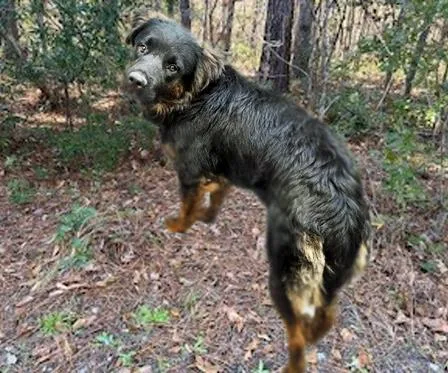
The Lhasa Apso began as a sentinel dog in Tibetan palaces and monasteries, and it takes its name from Tibet's capital. Compact and sturdy, it carries a hard, heavy double coat that falls to the floor if left long. The first pair reached America in the 1930s, and the AKC now places the breed in the Non-Sporting Group.
Many Lhasas are clownish with their own people and reserved with strangers, and they bark at anything unusual. They think for themselves and respond best to patient, reward-based training. In Tucson, a long coat needs daily brushing to stay free of mats, while a short puppy cut is easier in the heat but still needs regular trims. Exercise needs are modest, and the breed often lives a long life.