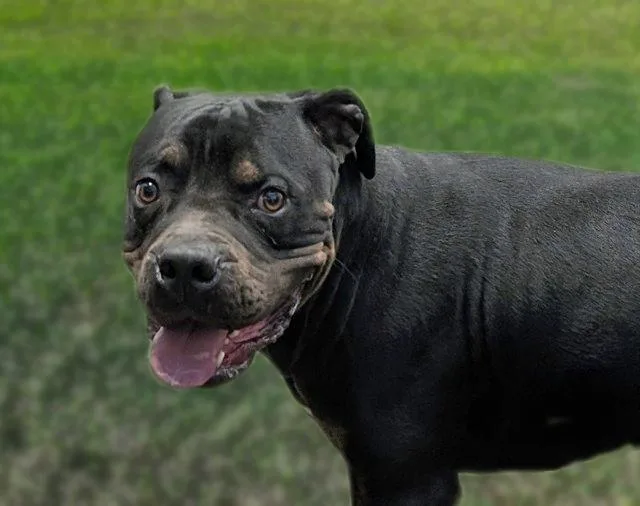
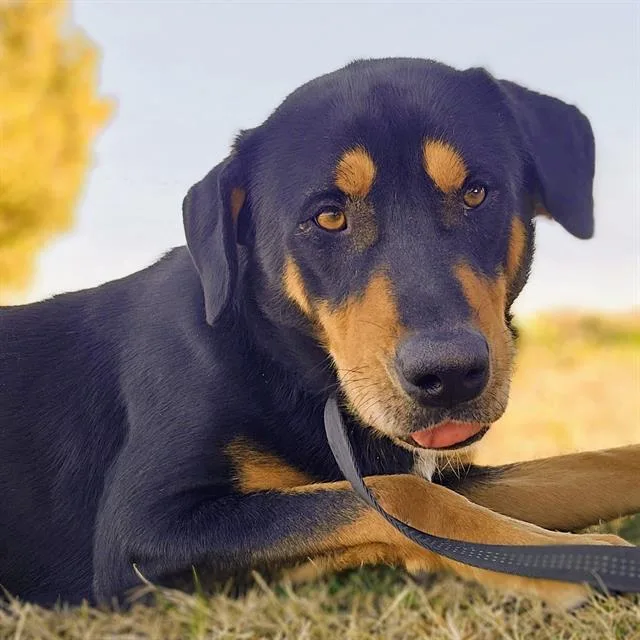
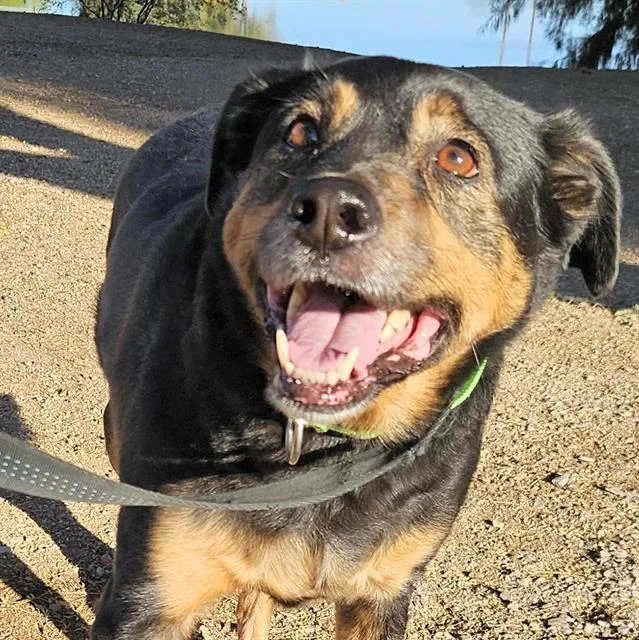
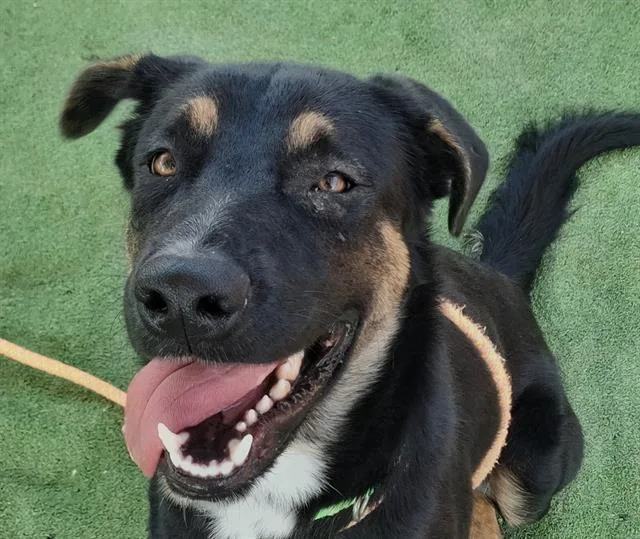
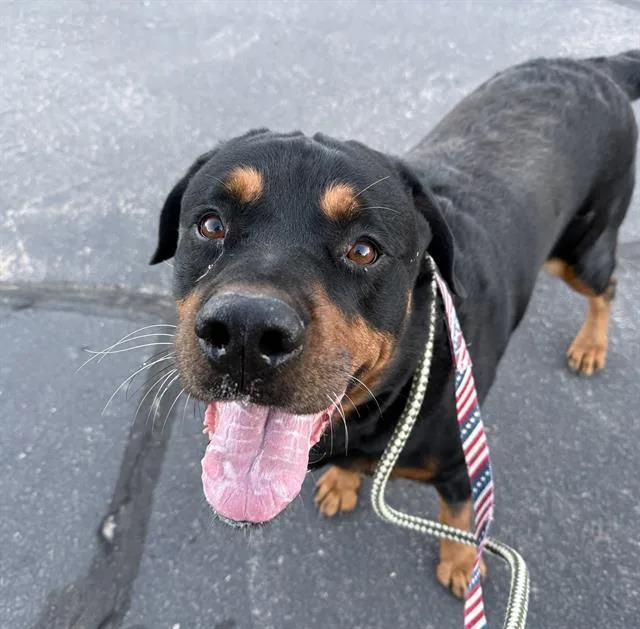
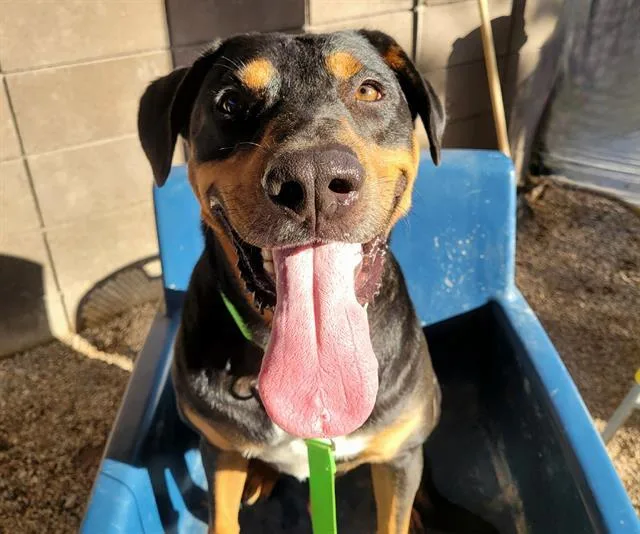
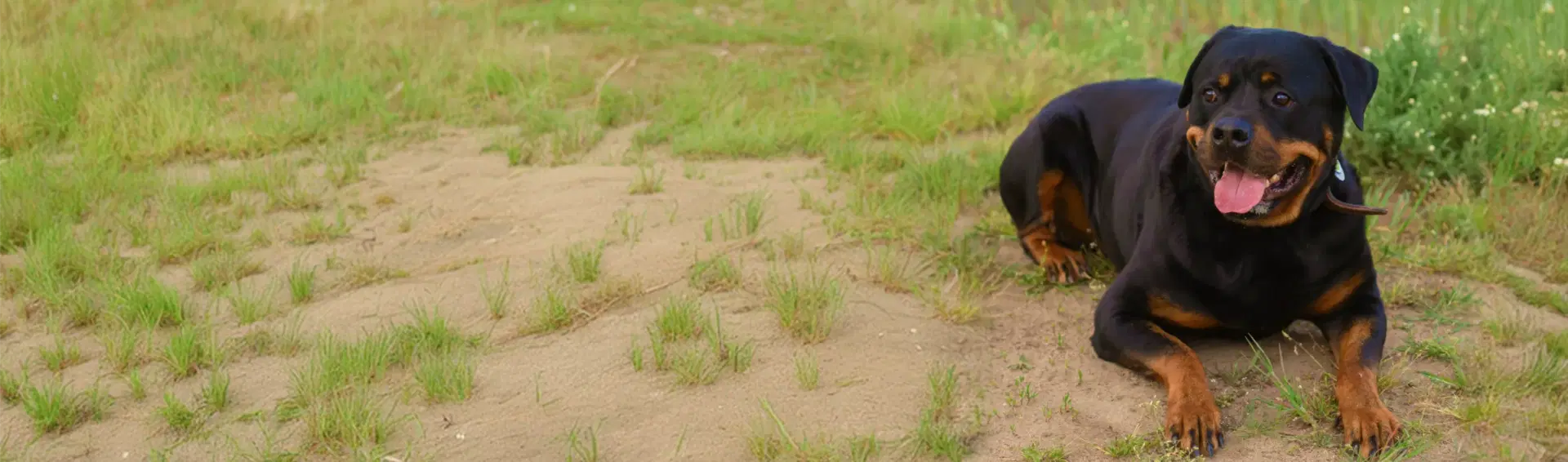
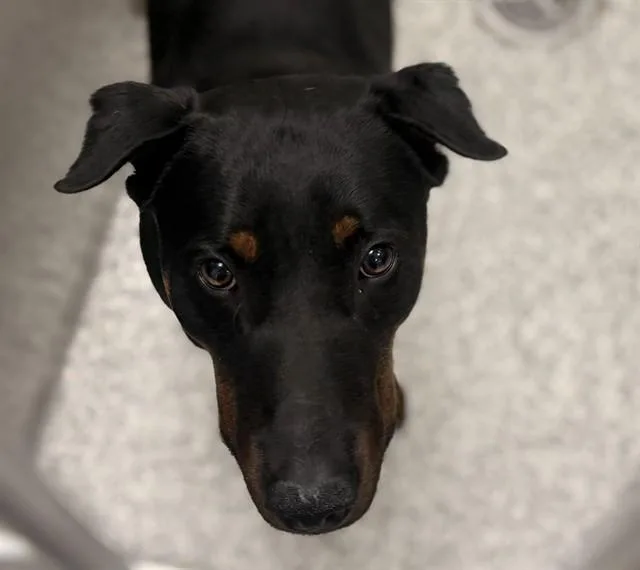
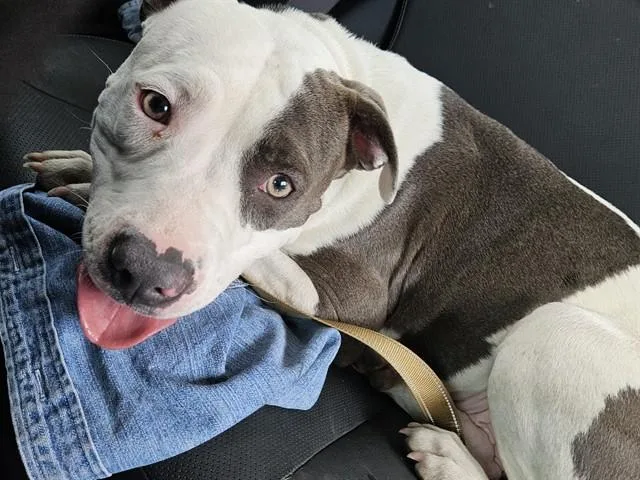
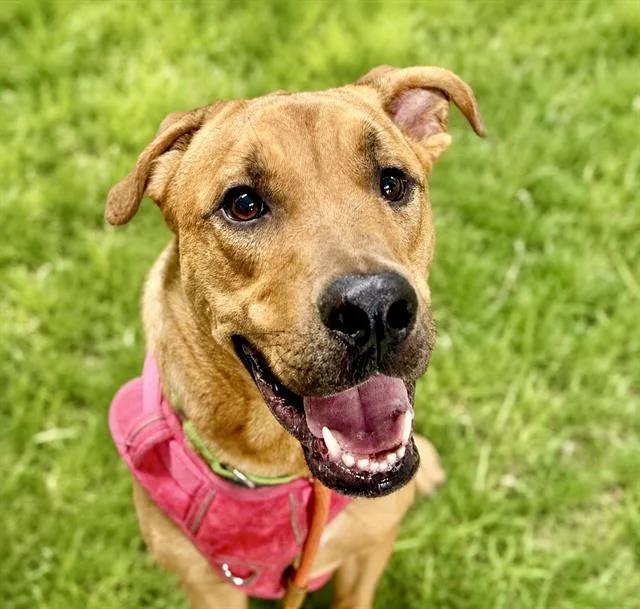
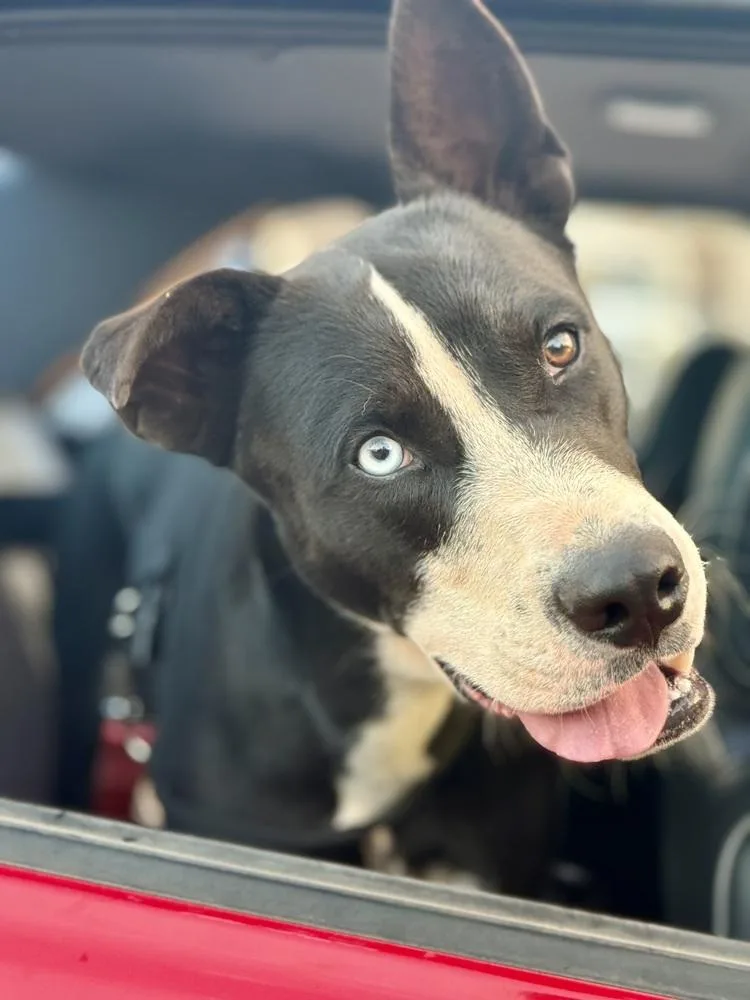
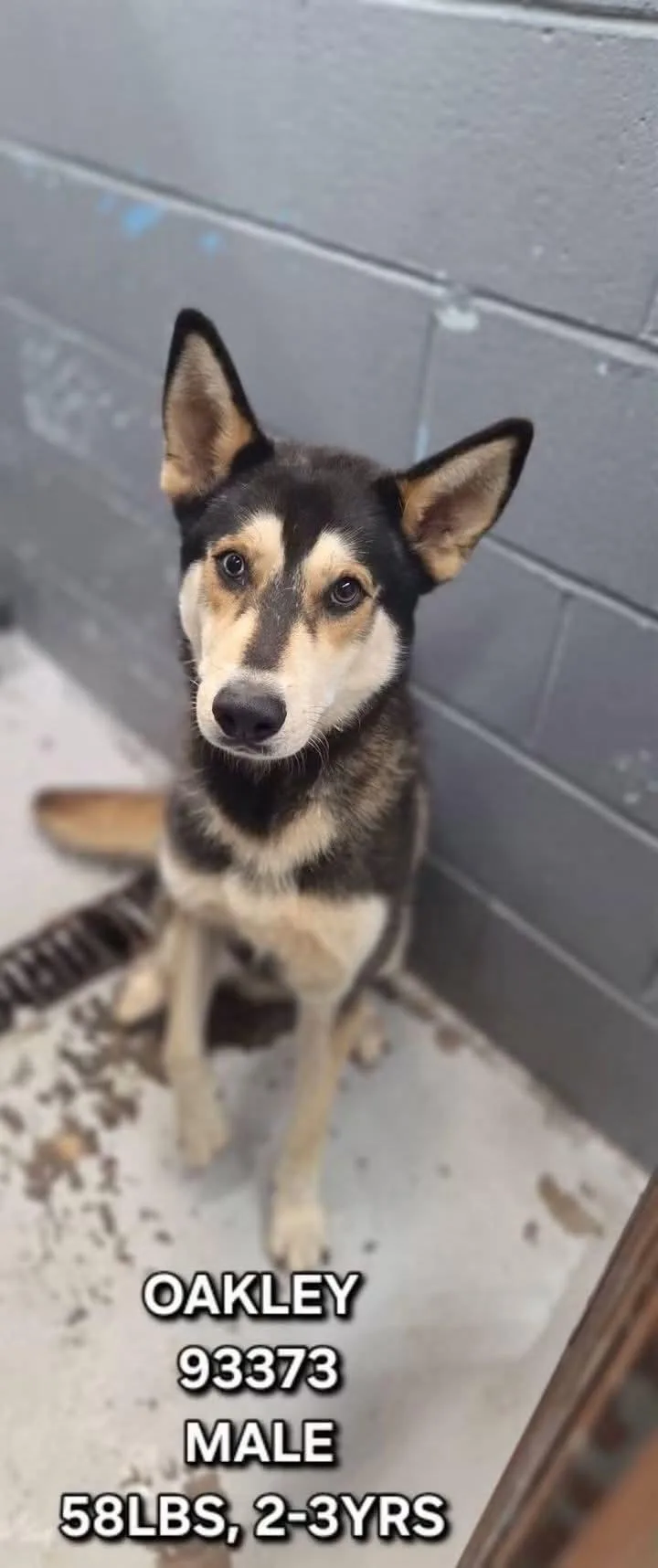
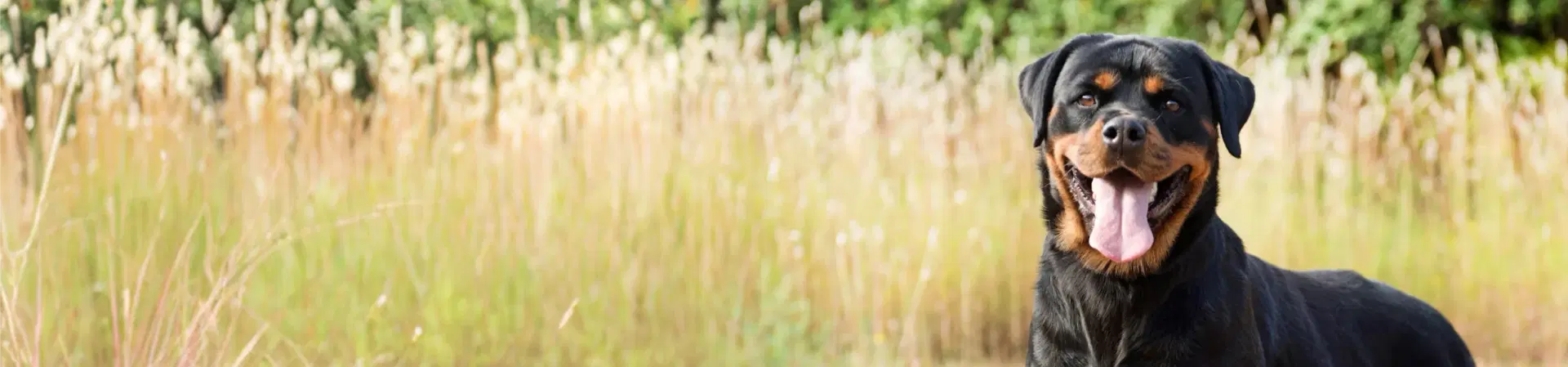
Rottweiler dog

Rottweiler Dogs for Adoption in Tucson, AZ

Your guide to finding and caring for a Rottweiler in Tucson

Rottweilers suit the older single-family neighborhoods of Tucson's Eastside, where a big dog has room to stretch out. Streets east of Swan Road make easy morning loops, and Udall Dog Park on Tanque Verde Road is close by for Rotties that enjoy other dogs. They can also manage in rentals near Fourth Avenue if they get long walks and steady training. Either way, start summer walks at dawn, because a black-coated 90-pound dog overheats fast here.

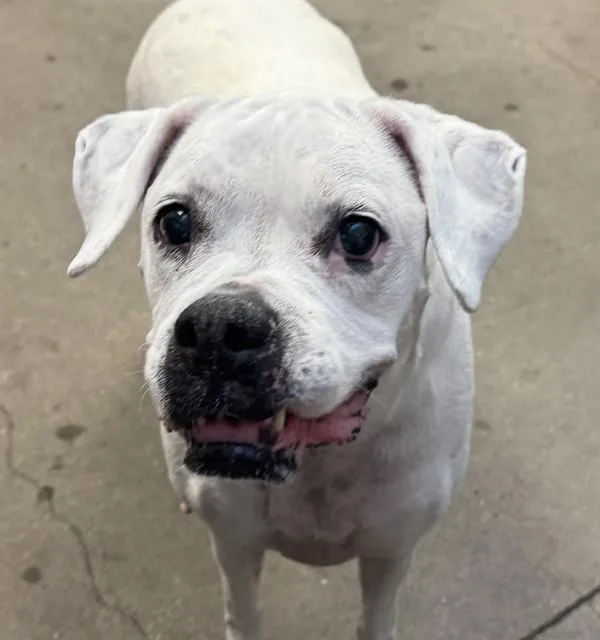
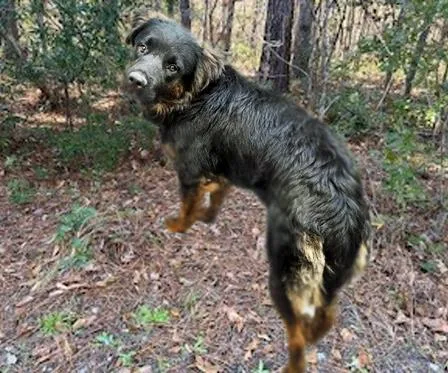
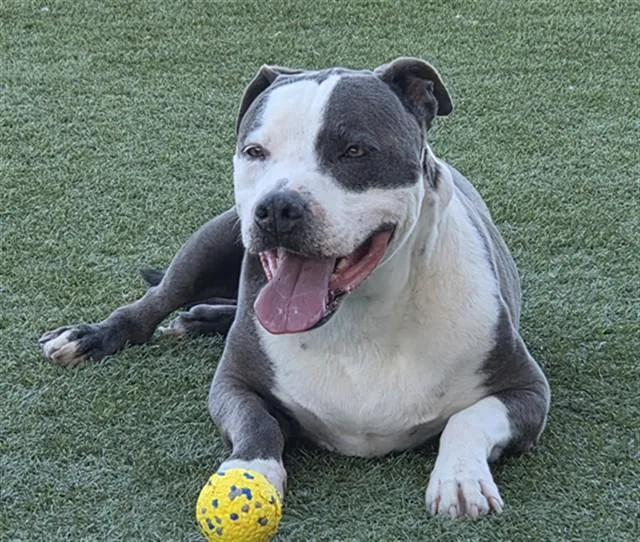
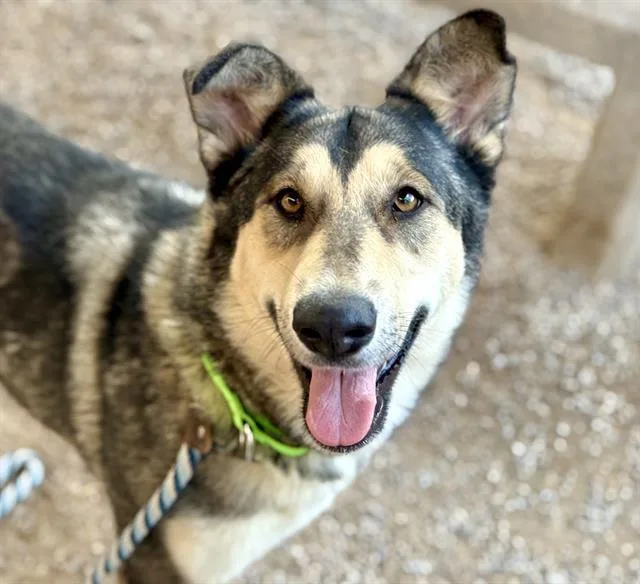
23 Rottweilers available for adoption in Tucson

Give a Rottweiler a home

Rottweilers Available for Adoption in Tucson

About the Rottweiler breed

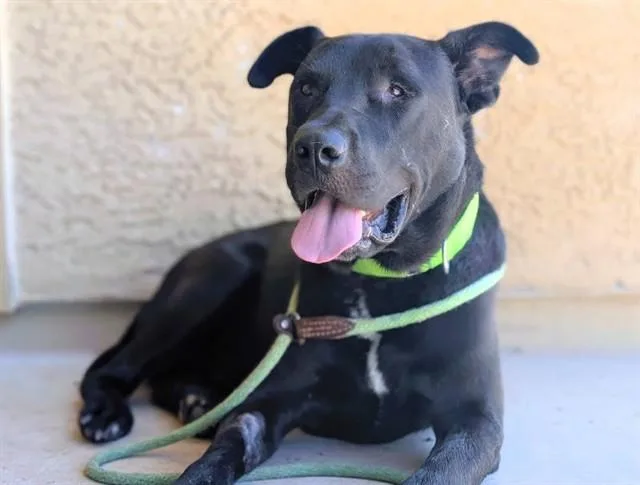
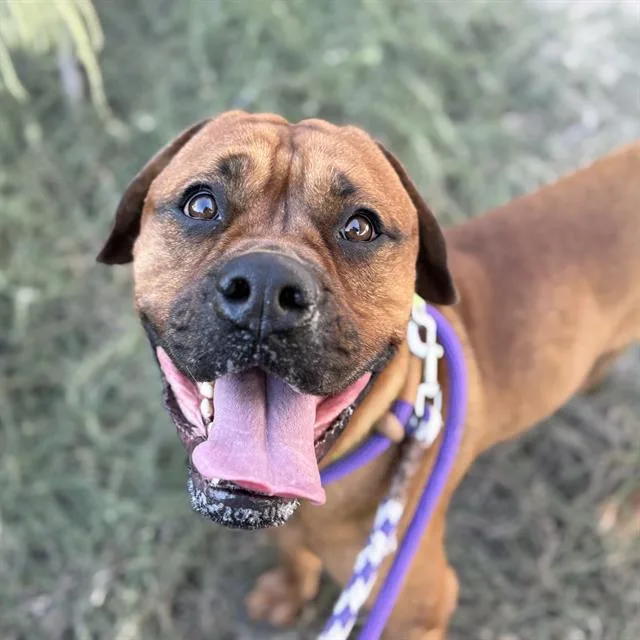
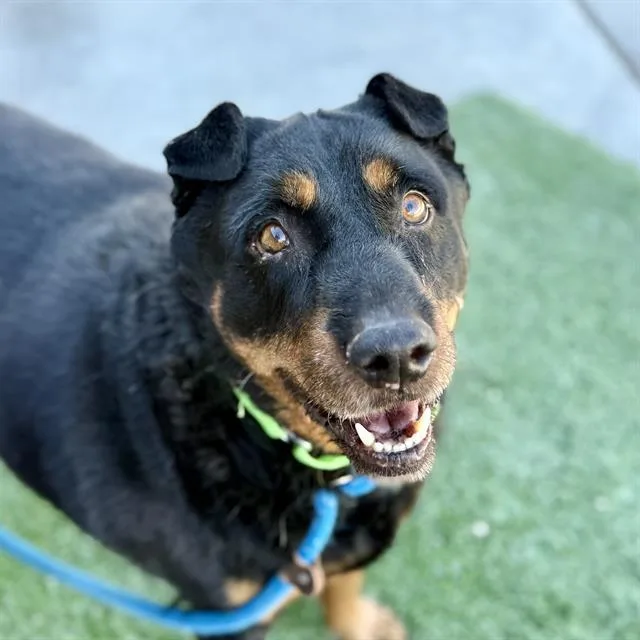
Rottweilers take their name from the German town of Rottweil, where drover dogs moved cattle to market and pulled butchers' carts before finding work as police, guard and search dogs. Rotties are powerful, compact dogs, usually 75 to 135 pounds, with a short black coat, rust markings and a calm, watchful bearing. The coat is easy to care for, with moderate shedding.

A Rottweiler is typically affectionate and playful with its family and reserved with strangers, so early socialization and consistent, reward-based training matter. Because they were bred to work, many do best with a daily job, such as obedience practice or scent games, along with their walks. Dogs vary, so judge each Rottie by how it actually behaves, not by reputation.

Weight
75–135 lbs
Height
22–27 in
Lifespan
8–11 yrs
Temperament
Confident, Loyal, Protective, Calm
Group
Working
Shedding
Moderate

Owning a Rottweiler in Tucson

Having a Rottweiler in Tucson

Rottweilers are strong, working-bred dogs that do best with an owner who commits to training, daily exercise and plenty of shade. In Tucson, managing heat and protecting joint health shape daily life as much as size does, so weigh these traits before you adopt.

Temperament

Rottweilers are typically calm and self-assured, reserved with strangers and affectionate with their own people. On busy sidewalks and around neighbors' dogs, early socialization and steady, reward-based training help a Rottie stay relaxed. Each dog differs, so watch how a dog reacts to new people, noises and places before deciding.

Exercise Needs

Plan on a daily walk plus training or play, and in Tucson move it to dawn from late May through September. The rest of the year, the flat, leashed Loop path is good for long walks. Scent games and obedience practice indoors count too on days that are too hot to go out.

Health Considerations

Rottweilers are prone to hip and elbow dysplasia, cruciate injuries and some cancers, so keep your Rottie lean and have a veterinarian check its joints and heart. Valley fever is a local concern: roughly 6 to 10 percent of dogs in Pima County and neighboring counties get sick each year, and a lasting cough or lameness deserves a vet visit.

Living Space

A Rottweiler can live in a roomy apartment or a house when daily exercise is a given. Eastside single-family homes may offer yards, but a secure fence never replaces time with the family. Rotties belong indoors, and in summer they need an air-conditioned space to rest, not a patio.

What it costs to own a Rottweiler in Tucson

ExpenseTypical costPer year
Adoption fee$175 to $350, one time$175 to $350 in year one
Food$55 to $110 per month$660 to $1,320
Pet insurance$65 to $130 per month$780 to $1,560
Routine vet care$250 to $500 per year$250 to $500
Other*$490 to $1,290 per year$490 to $1,290
Estimated yearly total (after year one)$2,180 to $4,670
First-year total (with adoption fee)$2,355 to $5,020

Adoption fee is the range of fees on Rottweiler listings in Tucson on GetBuddy today. Other costs are estimates and vary with size, age and health.

* The $20 Pima County license for an altered dog, flea, tick and heartworm prevention, a dental cleaning allowance, toys and bedding, and basic brushing.

Rottweiler dog

Adopt a Rottweiler in Tucson.

Now that you know more, let’s find you a new best friend. These rescues and shelters below currently have Rottweilers available.

Frequently Asked Questions

Generally no. Sun Tran buses and the Sun Link streetcar allow pets only in a completely enclosed carrier small enough to fit on your lap, and animals can't sit on seats. A full-grown Rottweiler won't fit, so only service animals ride. Plan on driving or walking your Rottie around Tucson instead.

Yes, with care. A Rottweiler's black coat and heavy build make heat a real risk, and Tucson sees about 68 days a year at 100°F or higher. Walk at dawn, keep your dog cool indoors through the afternoon, offer water, and skip hot pavement and sand. Never leave a dog in a parked car, which Arizona treats as animal cruelty when injury or death is likely.

The Chuck Huckelberry Loop is the easiest long walk: paved, flat and leashed, from sunrise to sunset. For off-leash time, city dog parks such as Udall, Jacobs and Kennedy require a licensed, vaccinated dog and no puppies under four months. Choose one only if your Rottie enjoys other dogs. Sabino Canyon and Tucson Mountain Park don't allow dogs.

Yes. Tucson has no breed bans or breed-specific restrictions, and Arizona law forbids cities from adopting them. You'll need a Pima County dog license with a current rabies vaccination, and you must keep your dog leashed in public. Limits are more likely to come from landlords or insurers than from the city.

It can, if daily exercise and training are part of the routine. Landlords set their own breed and weight limits, so get pet terms in writing before you sign. Reliable air conditioning matters most, since a Rottweiler left in a hot apartment is at risk. Pick a spot with an easy dawn walk route nearby.

It can be, for owners who plan around heat and enjoy training. Winters are mild and ideal for long walks, but summer limits exercise to dawn, and valley fever, cactus spines and Sonoran Desert toads need attention. A home with dependable cooling and time for daily walks suits a Rottie best.

Only to patios, and only where the restaurant has county approval to allow dogs; indoors, only service animals are permitted. Keep your Rottie leashed and under control, and expect to use disposable water bowls. In summer, patio concrete gets hot, so a shaded table and a dog that settles quietly make outings easier.

Very little. The short, dense coat needs a brush once or twice a week, more during heavier shedding, and a bath only when dirty. In Tucson, also wipe off dust and check paws and skin for cactus spines after desert walks. Most owners groom at home, and any professional grooming fits within the Other costs.

We have 4 rescues with Rottweilers available, including Pima Animal Care Center, Hope of Deliverance and Paws Without Borders. You can see every rescue with Rottweilers available in the list above these questions, or scroll to the top to see the Rottweilers in Tucson.

Expect roughly $2,200 to $4,700 a year for a Rottweiler in Tucson. Food runs $55 to $110 a month and pet insurance $65 to $130 a month, worth pricing given the breed's joint and cancer risks. Routine vet care adds $250 to $500 a year, and other costs such as parasite prevention and dental care add $490 to $1,290.

Find Rottweilers in Nearby Cities

Expand your search to find Rottweilers available for adoption near Tucson.